

Redwood National Park is more than a destination; it is a profound, sensory-rich encounter with the primordial past. As home to the tallest trees on Earth, the park serves as a living museum, shielding ancient old-growth forests and serene river valleys from the march of time. Together with three neighboring state parks—Jedediah Smith, Del Norte Coast, and Prairie Creek—it forms the magnificent Redwood National and State Parks (RNSP) complex. Here, visitors are invited to hike beneath 300-foot titans, traverse misty groves, and immerse themselves in an otherworldly landscape shaped by centuries of geological and human history.
Main Facts: Understanding the RNSP Complex
It is a common point of confusion for first-time visitors: "Redwood National Park" is only one component of a four-park administrative collaboration. While the federal government manages the National Park, the three state parks—Jedediah Smith, Del Norte Coast, and Prairie Creek—are managed by the state of California.
This distinction is critical for trip planning, as many of the most iconic sites, such as the lush, prehistoric Fern Canyon, the towering "Big Tree Wayside," and the legendary Grove of the Titans, reside within the state park boundaries rather than the national park proper. The RNSP complex was established in 1968 to halt the unchecked industrial logging that, by the mid-20th century, had decimated nearly 90% of the original coastal redwood forests. Today, the collective parks protect roughly half of the world’s remaining old-growth redwood stands, acting as a crucial sanctuary for biodiversity and ecological stability.
Chronology: A Journey Through the Ancient Groves
For those seeking to experience the core of the National Park, a well-structured itinerary can turn a single day into an unforgettable expedition.
Morning: The Gateway to the Giants
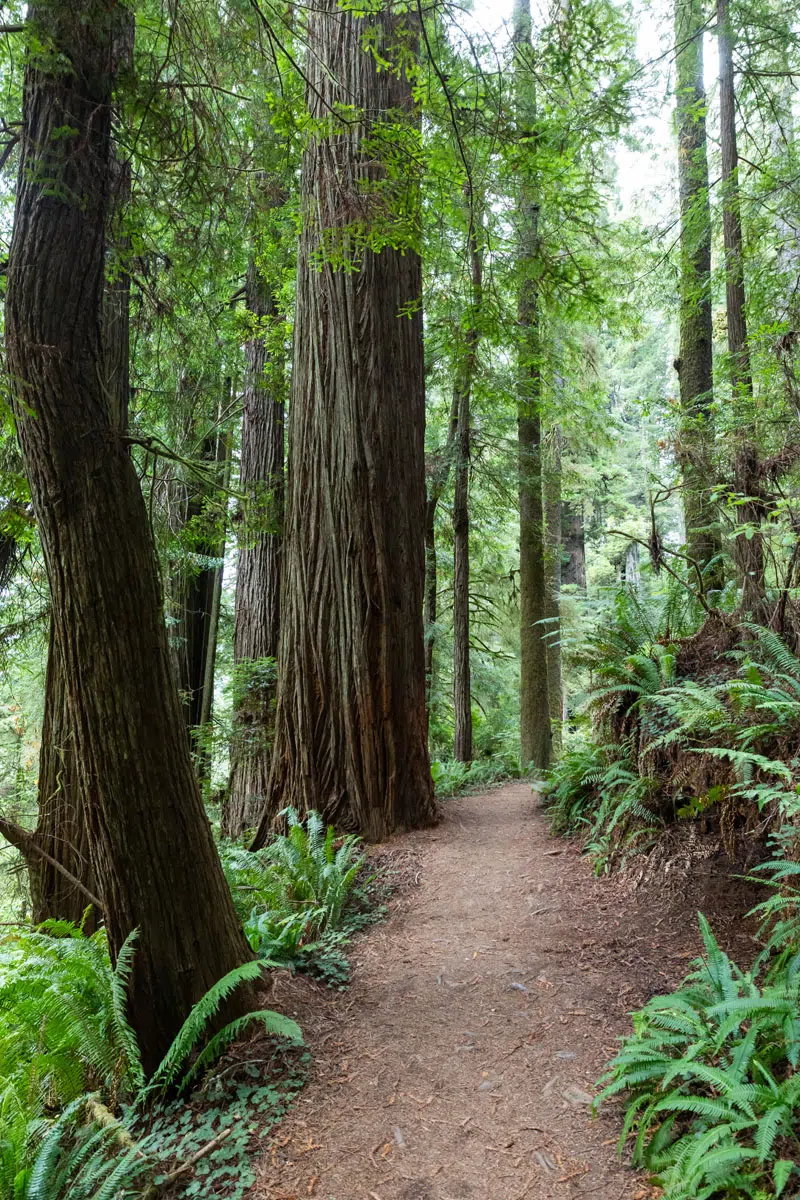
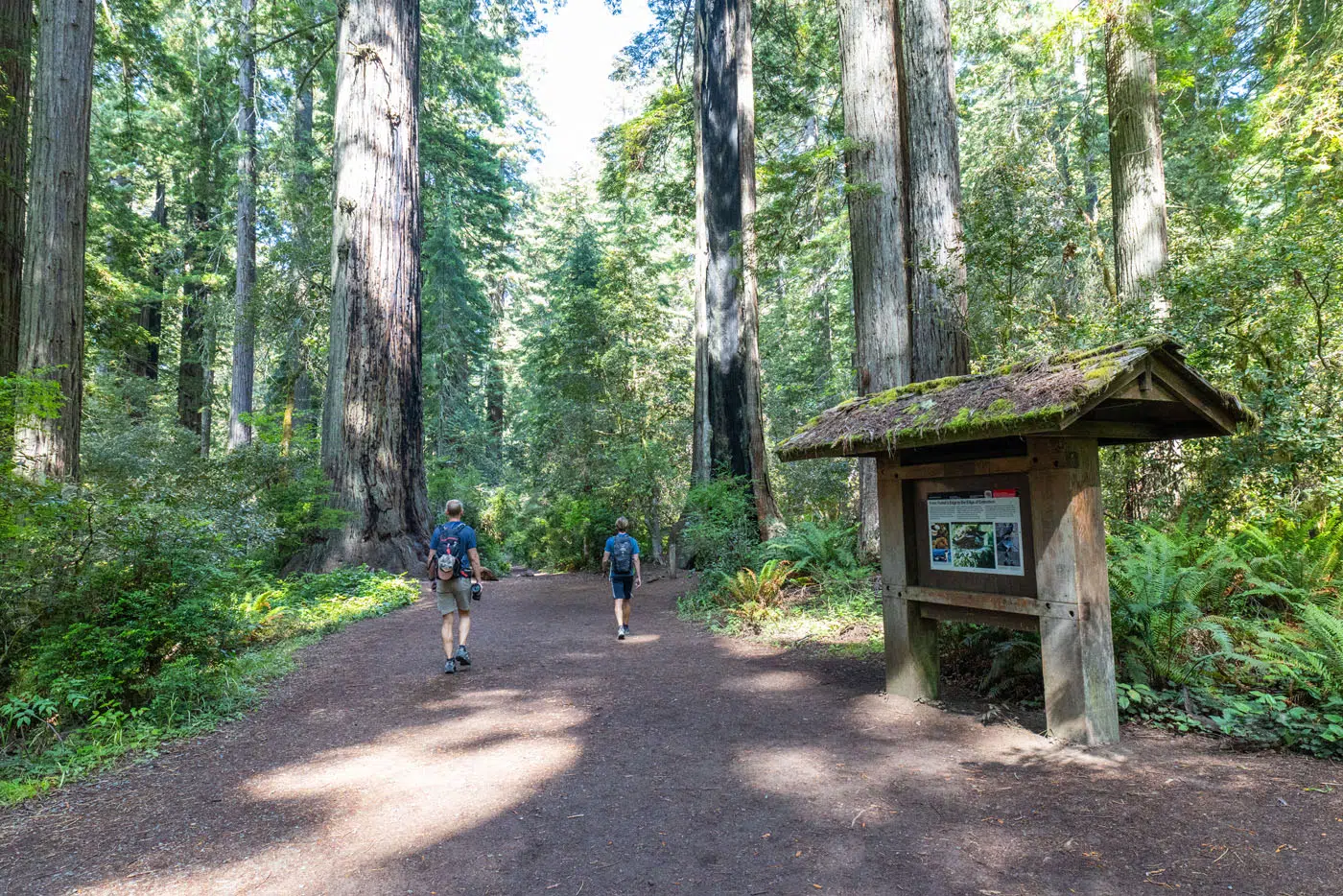
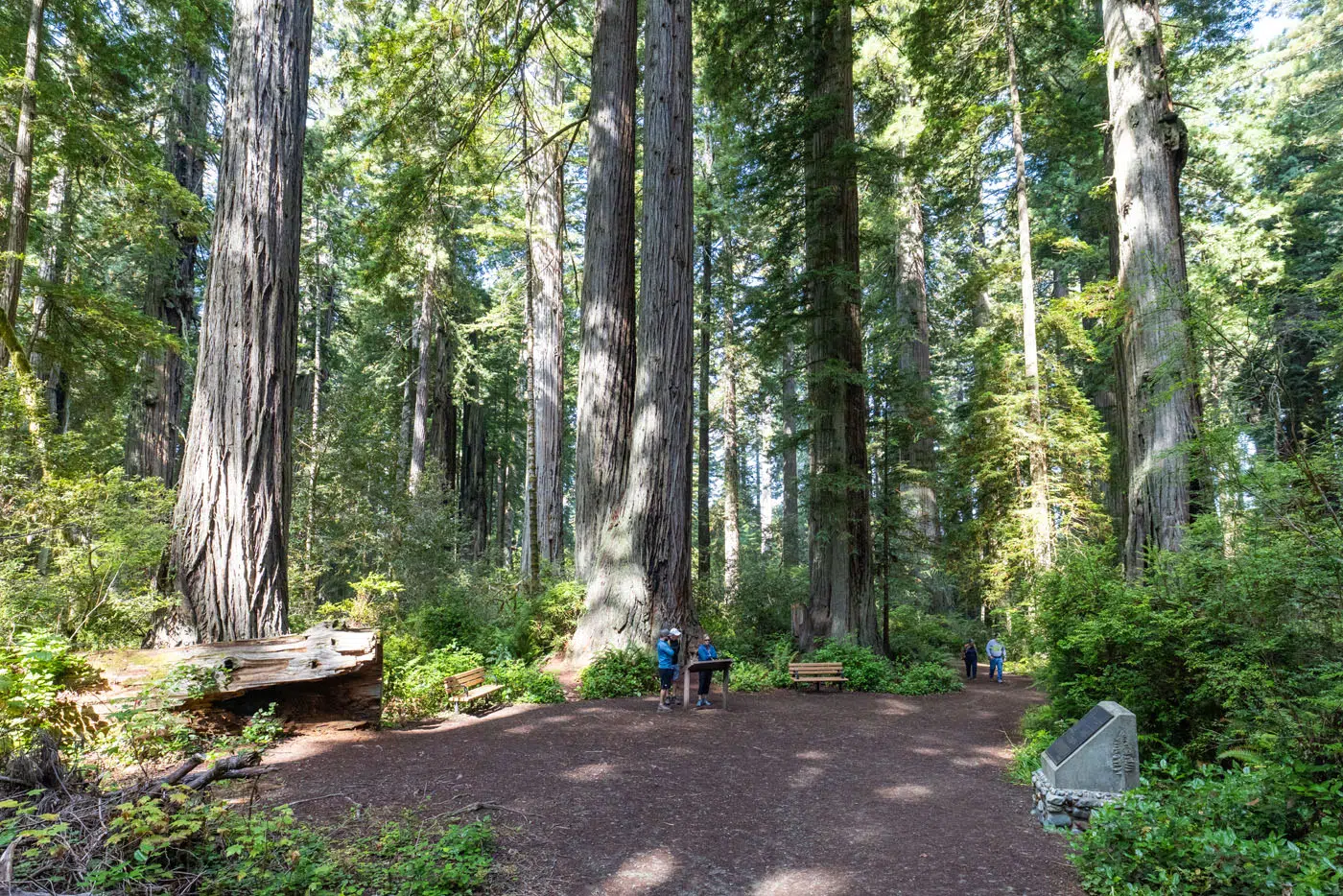
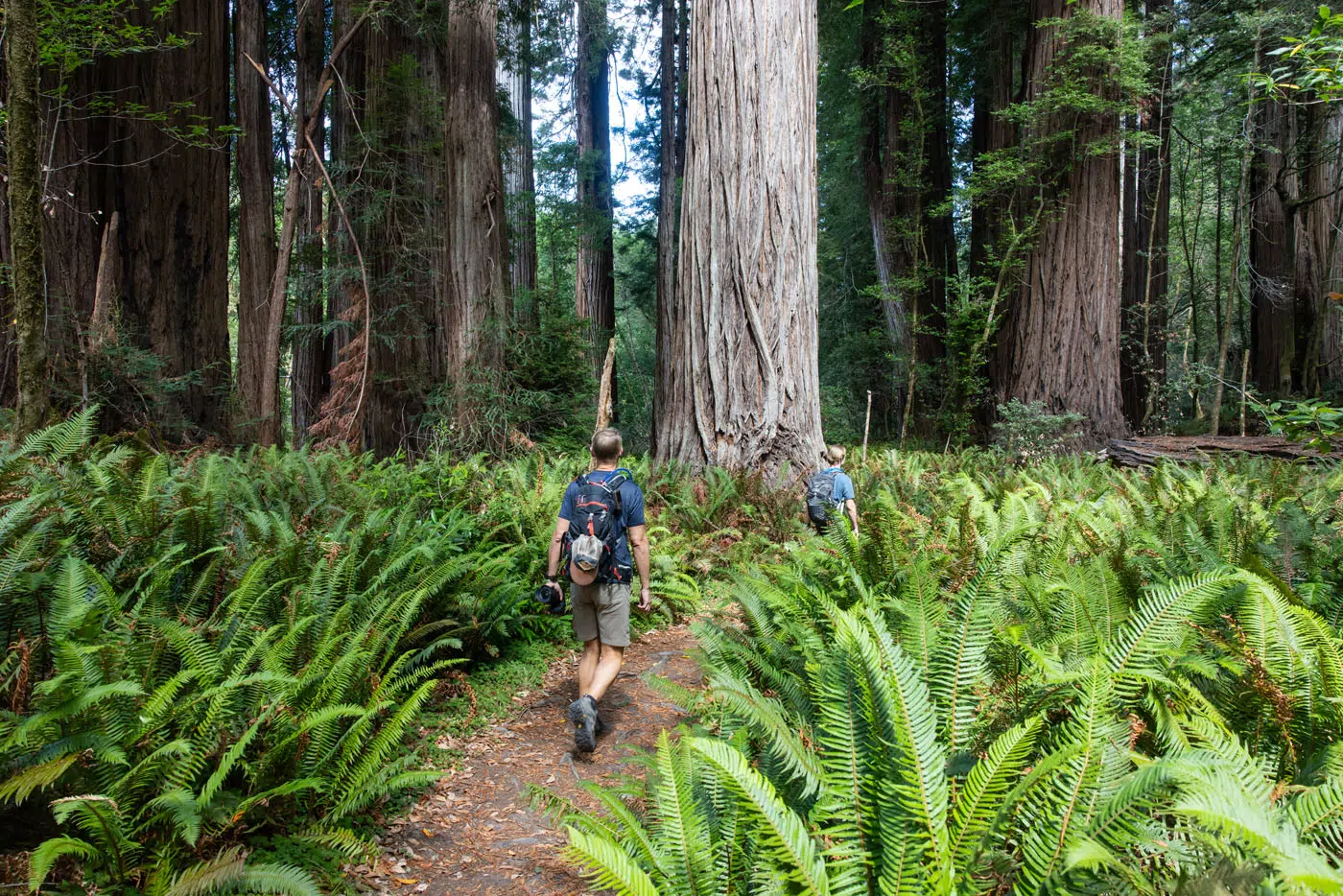
The ideal start is the Lady Bird Johnson Grove Trail. This 1.4-mile loop is widely considered the quintessential introduction to the park. Named after the former First Lady for her pivotal role in conservation efforts, the trail weaves through both old-growth and second-growth forests. The contrast is palpable: the towering, ancient sentinels stand in stark, awe-inspiring relief against the younger trees planted during post-logging reforestation efforts. Because of its popularity, we recommend arriving at the trailhead along Bald Hills Road by 8:00 AM to beat the mid-day crowds and experience the silence of the forest at its most resonant.
Midday: The Panoramic Perspective
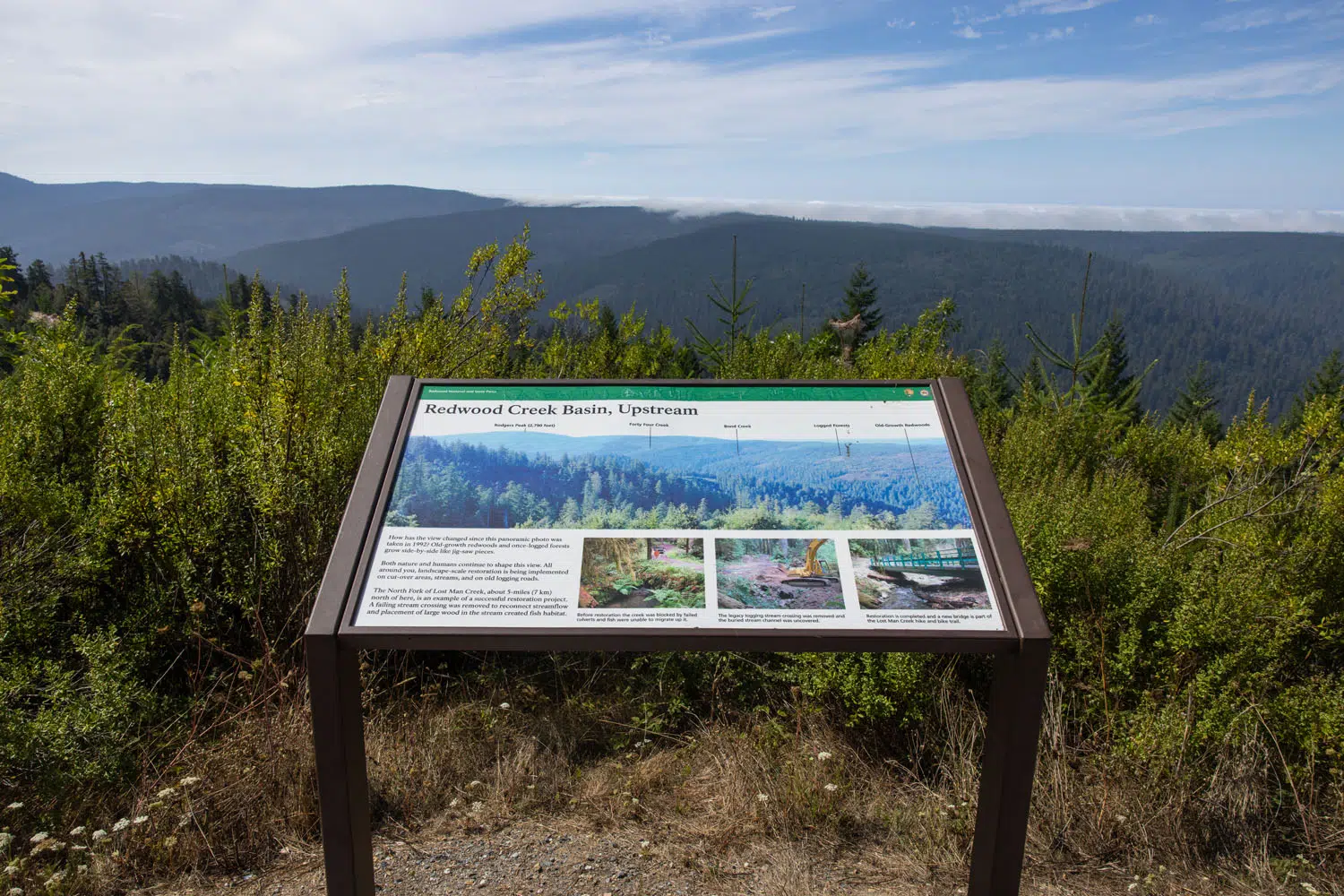
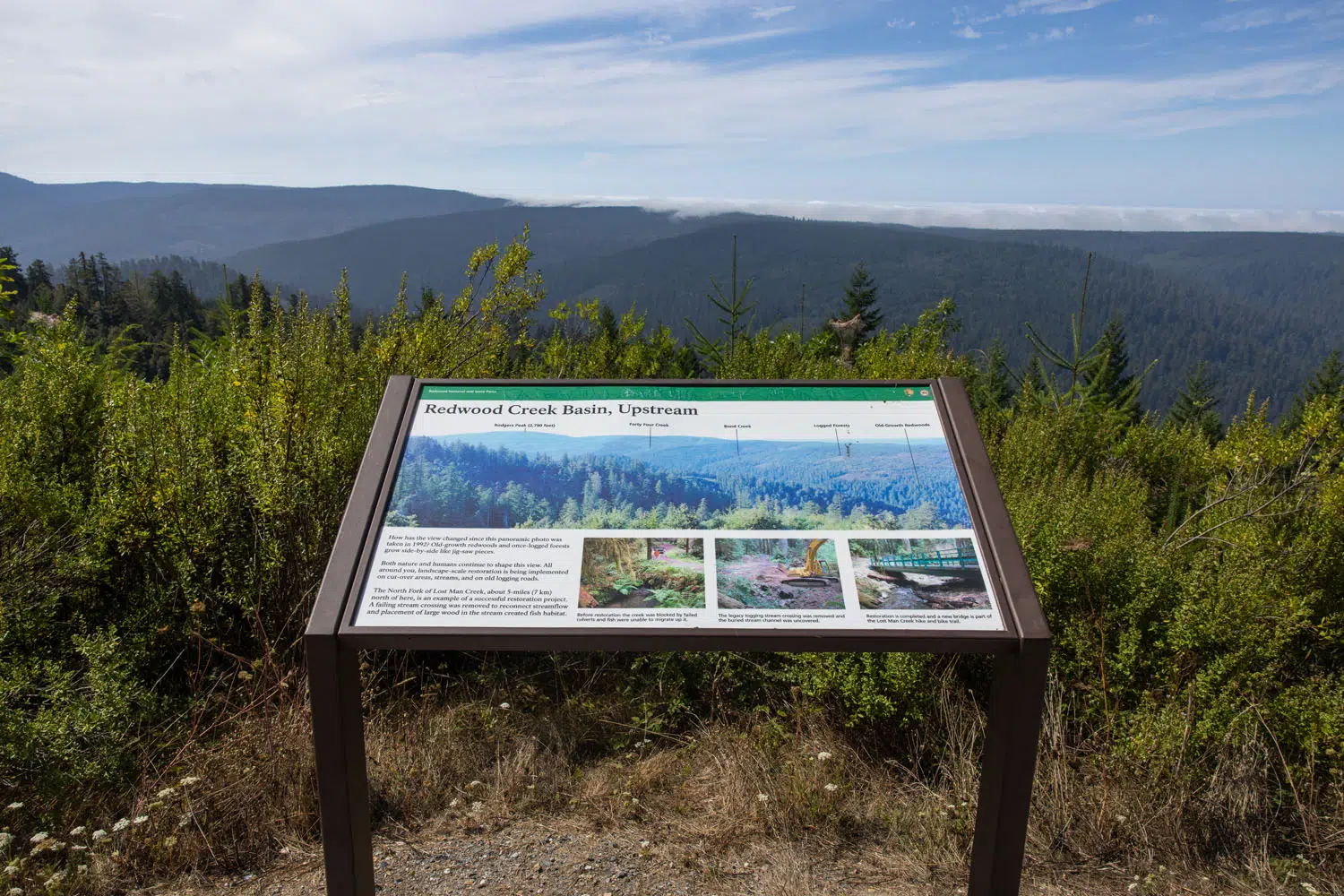
As you transition from the groves, head toward the Redwood Creek Overlook. While it is primarily a scenic vantage point rather than a deep-forest experience, it provides a vital lesson in scale. From this vantage point, the vastness of the redwood canopy becomes clear, revealing the rolling hills that stretch toward the horizon. While some critics argue this stop lacks the intimacy of the trails, it is an excellent location for photography and an essential stop for those who want to understand the sheer scope of the park’s protected acreage.
Early Afternoon: The Challenge and The Reward
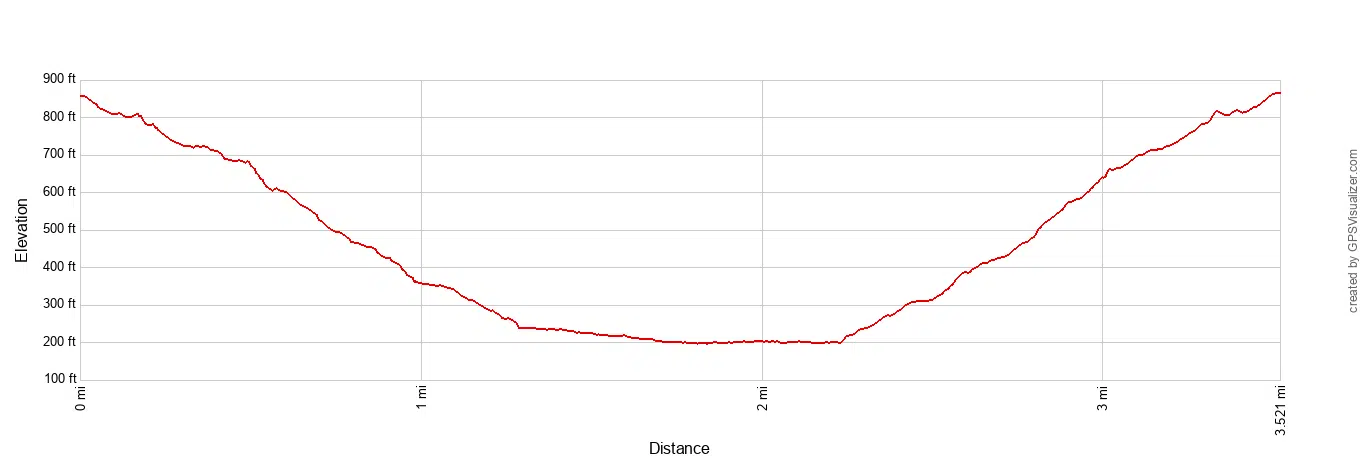
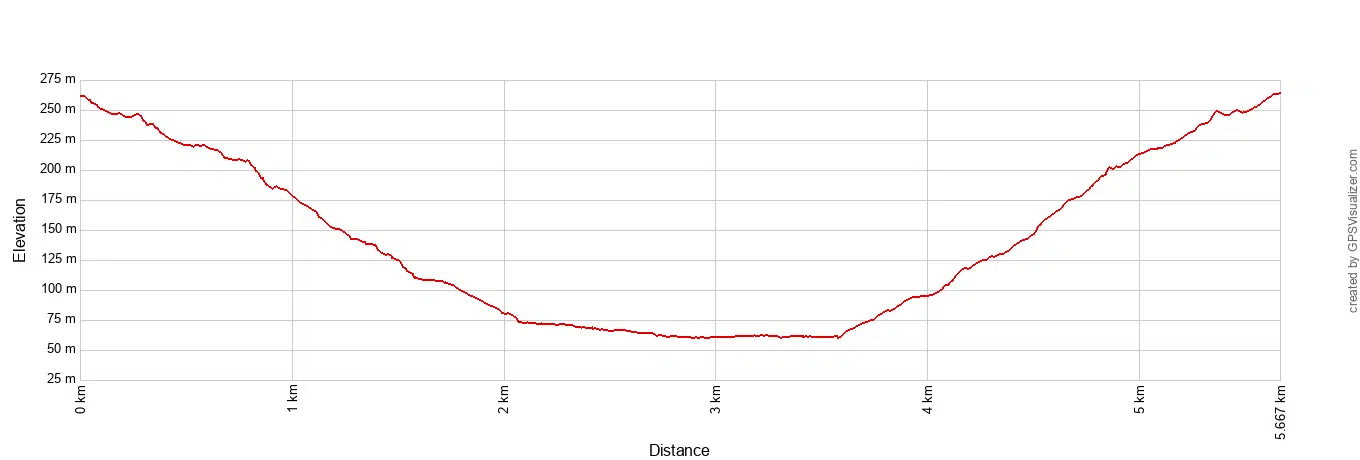
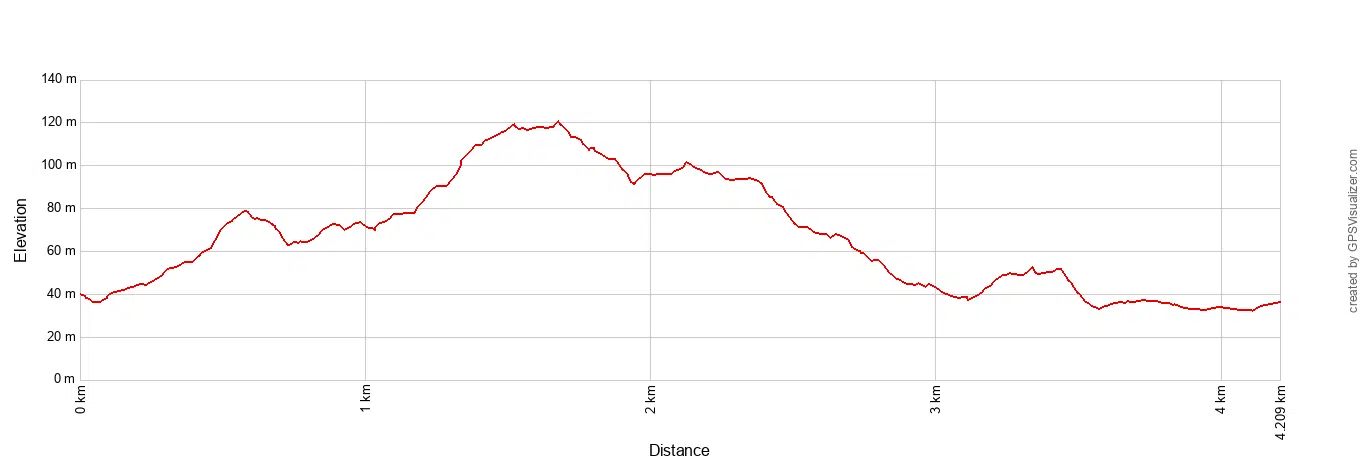
For those who have secured their required permits, the Tall Trees Grove Trail is the crown jewel of the national park. Spanning 4.5 miles round-trip with a 1,600-foot elevation change, this hike is a physical endeavor that rewards the traveler with true, profound solitude. Descending toward the banks of Redwood Creek, the trail leads visitors into a grove that has served as a sanctuary for record-breaking trees.
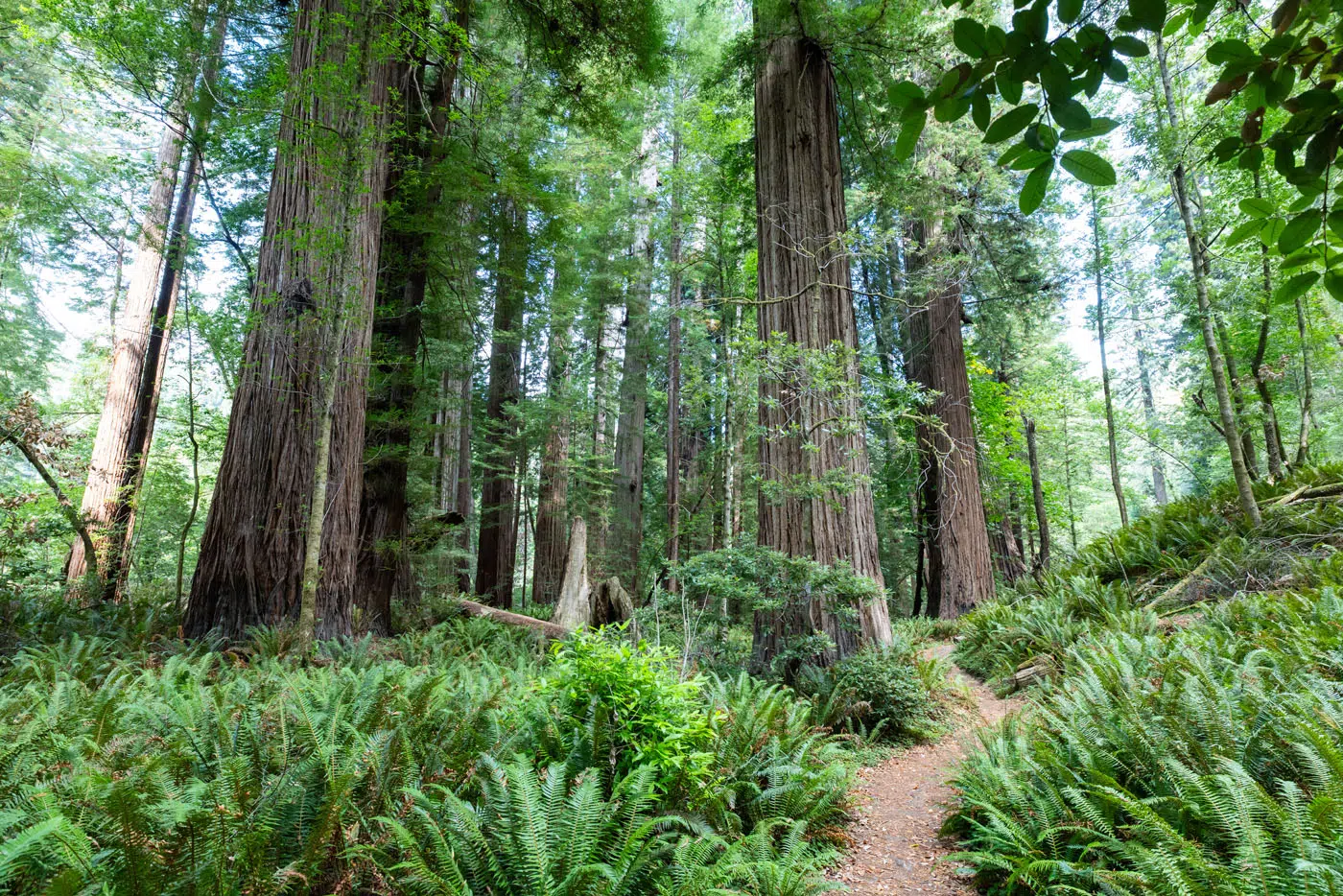
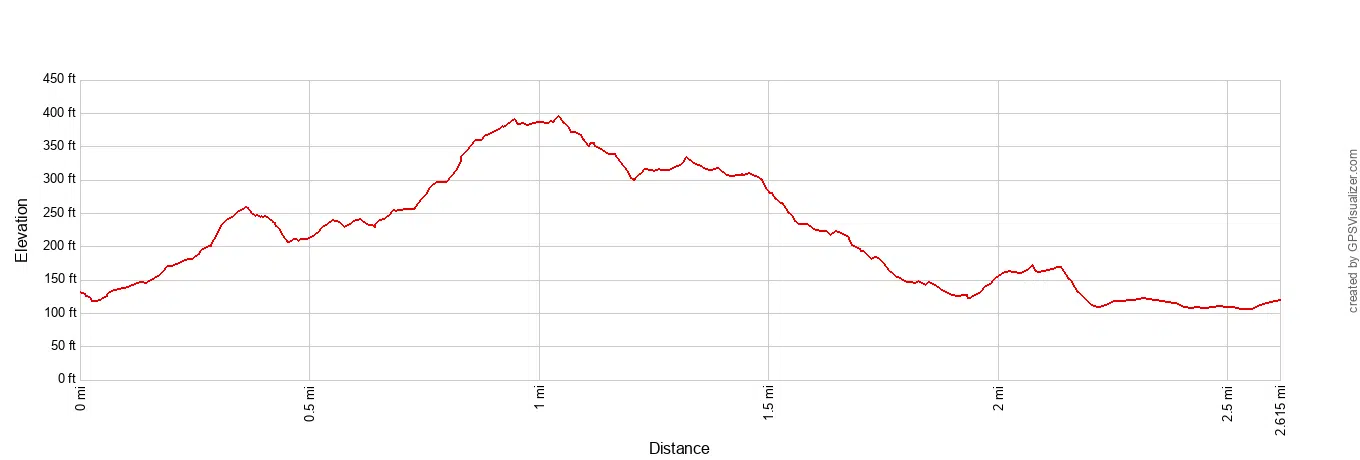
Alternatively, for those seeking a less rigorous but equally beautiful experience, the Trillium Falls Trail is a 2.6-mile loop that showcases the park’s vibrant understory. The trail features a picturesque waterfall and an abundance of old-growth specimens. We suggest treating this as an out-and-back hike to the falls; the secondary loop often suffers from road noise, which can break the meditative spell of the forest.
Supporting Data: Navigating the Logistics
Preparation is the difference between a frustrating trip and a seamless one.
- Access Permits: The Tall Trees Grove is strictly regulated. You must obtain a free, digital permit in advance via the National Park Service website. Upon reservation, you will receive a code to unlock the gated access road. Without this, the area is entirely inaccessible.
- Connectivity: Cell service is notoriously inconsistent within the park. Expect dead zones throughout the forest. Download offline maps and digital copies of your permits well before leaving your lodging in Crescent City or Eureka.
- The "No-Restaurant" Rule: There are no food services inside the national park. Visitors must pack picnic supplies. While the Historic Requa Inn near the Klamath River offers limited dining, it is seasonal and requires advanced planning.
- Wildlife and Environment: As with all national parks, adhere strictly to the "Leave No Trace" principles. Stay on marked trails to protect the delicate root systems of the redwoods, which are surprisingly shallow and sensitive to soil compaction.
Official Responses and Conservation Mandates
The National Park Service (NPS) emphasizes that the primary mission of the RNSP is the protection of the Sequoia sempervirens (Coastal Redwood). Research conducted by the NPS indicates that the health of these trees is inextricably linked to the preservation of the coastal fog layer and the integrity of the soil.
The implementation of the permit system for Tall Trees Grove is a direct result of the NPS’s "Management of Visitor Use" policy. By limiting the number of daily visitors, the park service prevents the erosion of sensitive trails and ensures that the "wilderness experience"—the quiet, meditative state intended for those in the presence of ancient organisms—is not degraded by over-tourism.
Furthermore, the NPS has engaged in ongoing efforts to "restore the forest" by removing old logging roads and planting indigenous vegetation to reconnect fragmented habitat patches, ensuring that the second-growth areas eventually regain the complexity of their older counterparts.
Implications: Why the Redwoods Matter
Choosing between a visit to Sequoia National Park and Redwood National Park is a common dilemma. The implication of your choice is philosophical: do you want to stand in the shadow of the largest trees by volume (Sequoia), or do you want to experience the quiet, ethereal, and misty solitude of the tallest trees on the planet (Redwood)?
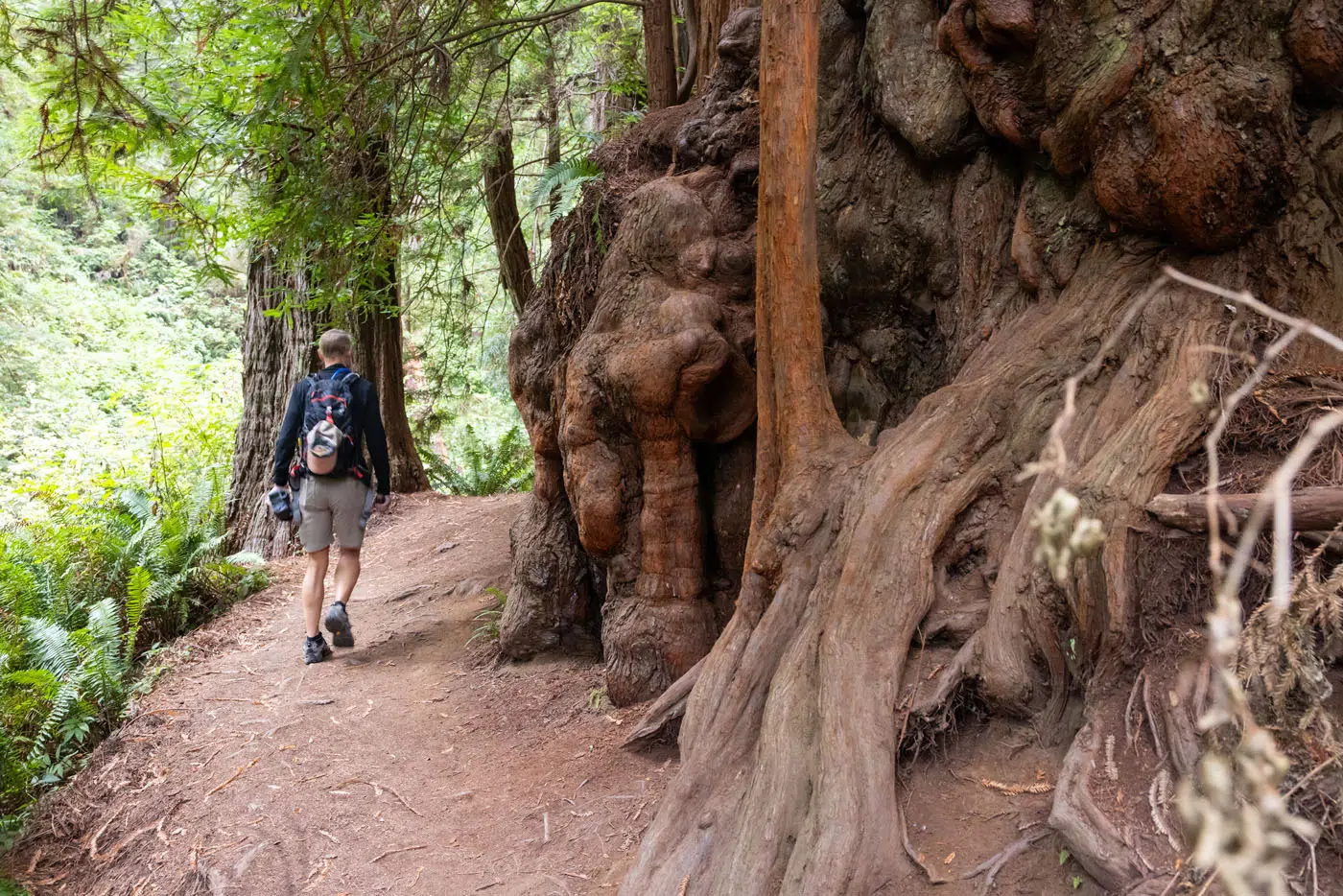
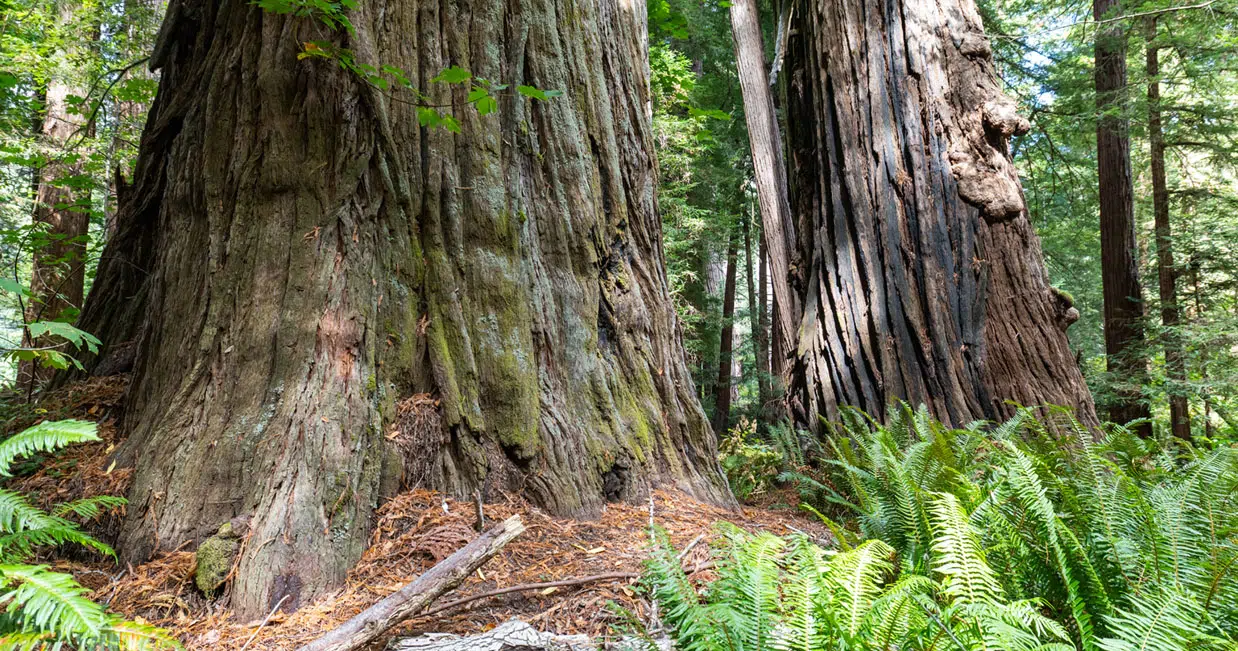
The Redwood experience is defined by scale and sensory input. The scent of damp earth, the sound of wind filtering through needles hundreds of feet above, and the sight of ferns blanketing the forest floor create an atmosphere that feels truly ancient. The park is not just a collection of trees; it is a repository of Earth’s history, with some specimens having germinated during the height of the Roman Empire.
For those traveling with pets, note that the park is strictly non-negotiable regarding dogs on trails. While they are permitted on roadways and in specific picnic areas, the ecological sensitivity of the forest floor precludes them from hiking paths. This is a vital consideration for families planning their logistics.
Final Thoughts for the Traveler
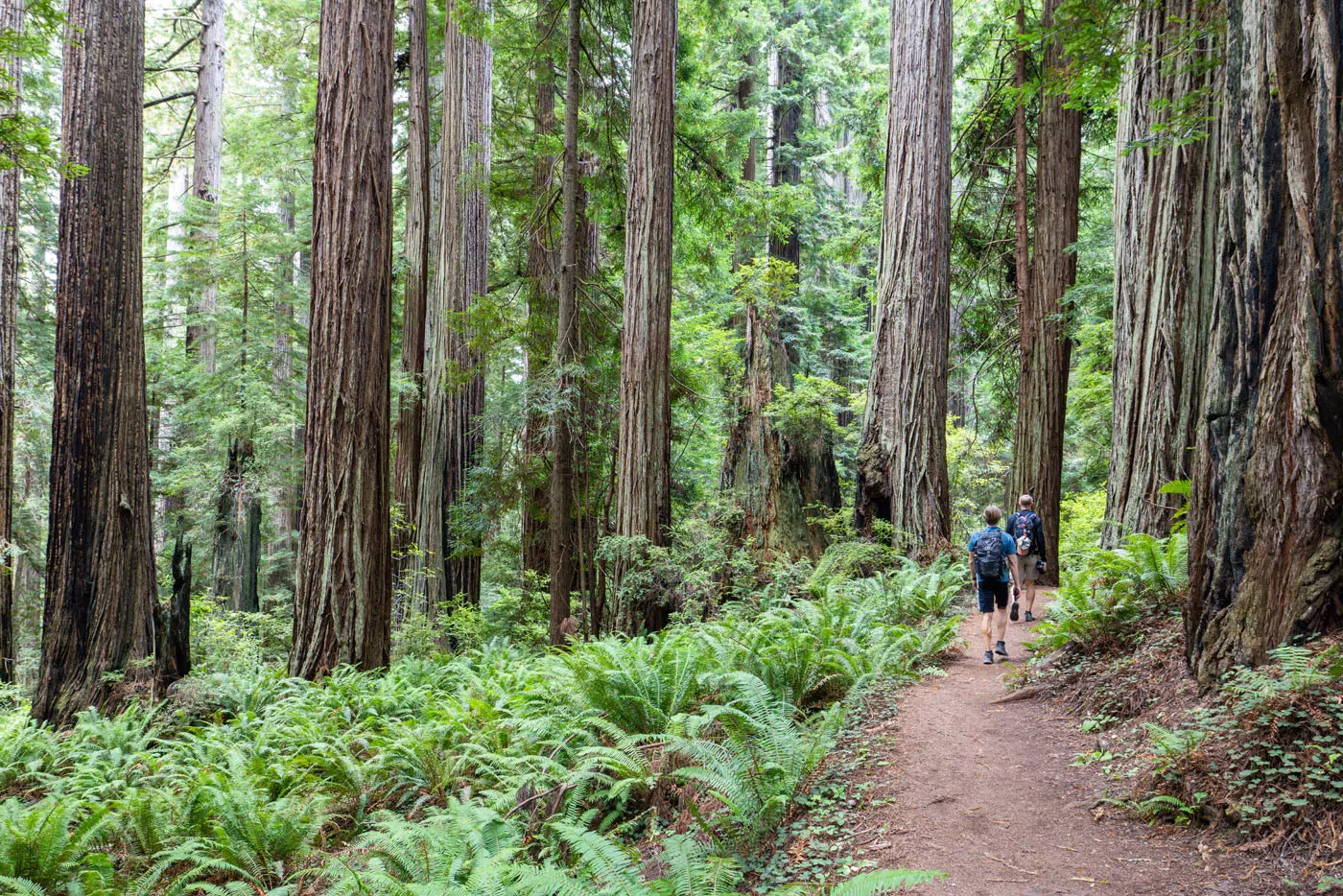
If you are planning to visit, dedicate at least one full day to the national park, but ensure you reserve the second and third days for the surrounding state parks. The transition from the National Park into the state-managed lands of Prairie Creek or Jedediah Smith is seamless, and the variety of ecosystems—from hidden beaches to deep, mossy ravines—is what makes the Redwood experience truly complete. Whether you are a casual observer of nature or a seasoned trekker, the redwoods demand respect, patience, and a willingness to look up—not just at the trees, but at the legacy of conservation that keeps them standing for the next thousand years.
 Nana Wu
  Raul Delapena Setiawan
  Nila Kartika Wati