

In the digital age, the discourse surrounding consumer goods has become aggressively analytical. Whether scrolling through niche forums, Reddit threads, or specialized gear-review platforms, the conversation is almost exclusively dominated by a binary obsession: price and performance.
How much did it cost? Is the durability rating justified? Does it perform as advertised?
These are, without question, valid inquiries. They are the bedrock of informed consumption and the metrics by which we justify our investments. However, anyone who has ever stubbornly held onto a tattered, outdated backpack long after a technically superior replacement hit the market knows that "performance" is only a fraction of the story. Similarly, the individual who pulls on a specific, weathered jacket and feels an immediate, subtle shift in confidence understands that objects possess a dimension that a spec sheet simply cannot quantify.
Gear is performing invisible jobs for us every single day—tasks that no laboratory test or comparison table can measure. This is an exploration of those "other" jobs, and why they explain our attachment to the things we carry far better than any MSRP ever could.
The Three Jobs of a Thing: A Psychological Framework
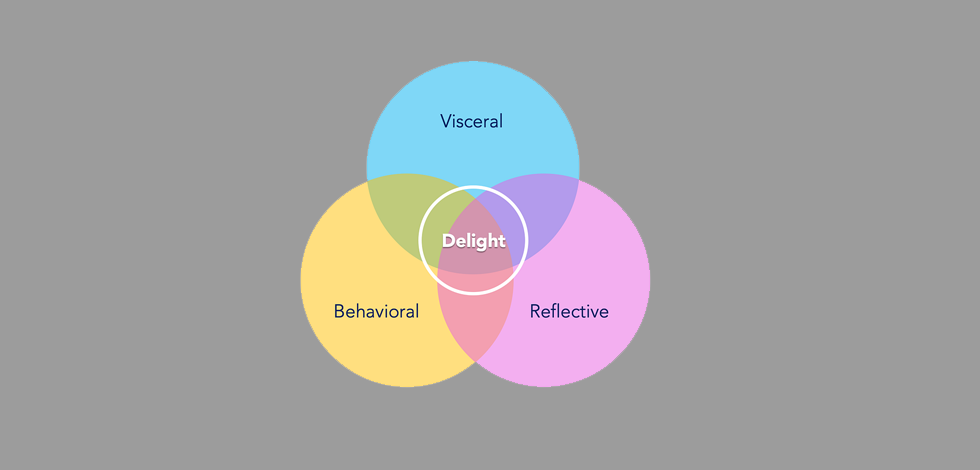
To understand why we treasure certain objects, we must look beyond utility. Cognitive scientist Don Norman, in his seminal work Emotional Design, provides a robust framework for understanding our relationship with objects, arguing that our reactions occur on three distinct levels.
1. The Visceral Level
This is the "gut" response. It is the immediate, non-intellectual reaction to an object—how it looks, how it feels in the hand, and whether it commands our attention. It is the spark of desire before we even consider the price.
2. The Behavioral Level
This is the domain of performance. Does the zipper glide smoothly? Is the fabric waterproof? Does it organize your daily carry effectively? This is where most gear reviews live, as it is the easiest level to measure and debate.
3. The Reflective Level
This is where the object transcends its material state. It involves the meaning we project onto our gear, the memories we attach to it, and the personal narrative it helps us construct.
While the industry remains fixated on the second level, it is the visceral and reflective levels that turn a simple commodity into a companion.
The Emotional Architecture of Ownership
Our relationship with gear begins before we even consciously evaluate its function. When you handle a piece of equipment—be it the texture of high-denier nylon, the grain of full-grain leather, or the crisp snap of a metal buckle—a psychological process is triggered.
A 2009 study by researchers Joann Peck and Suzanne Shu found that the physical act of touching an object significantly increases our sense of ownership and personal value. Your hands, it seems, initiate a relationship before your brain even casts a vote.
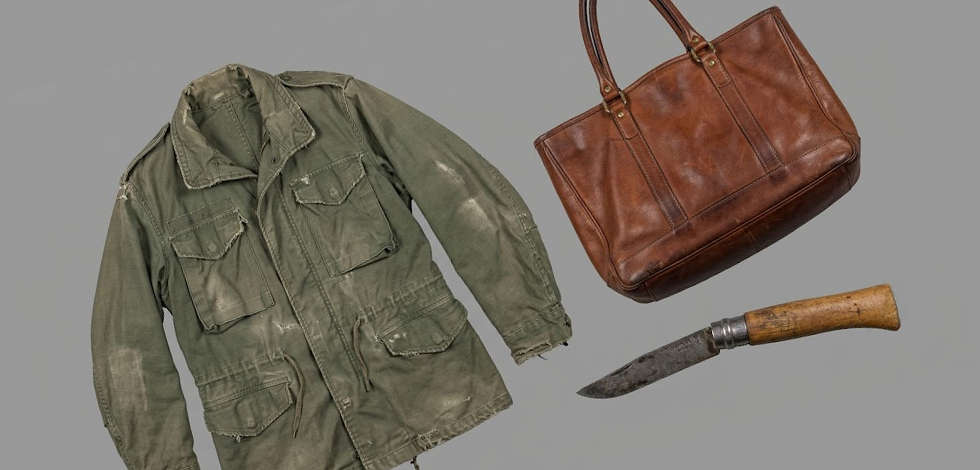
Beyond the tactile, there is the "aspirational" layer. Think of the pair of jeans that makes you stand taller or the watch that makes you feel more capable. This is the emotional labor of the object. When we wear gear that aligns with our desired identity—such as an alpine shell in an urban setting or a rugged field jacket—we are wearing a story. Consumer researcher Russell Belk famously coined this the "extended self" in 1988, positing that our possessions act as markers and extensions of our personal identity. We don’t just carry things; we curate the tools that reinforce who we want to be.
The Chronology of Meaning: Essentialism and the Lived Experience
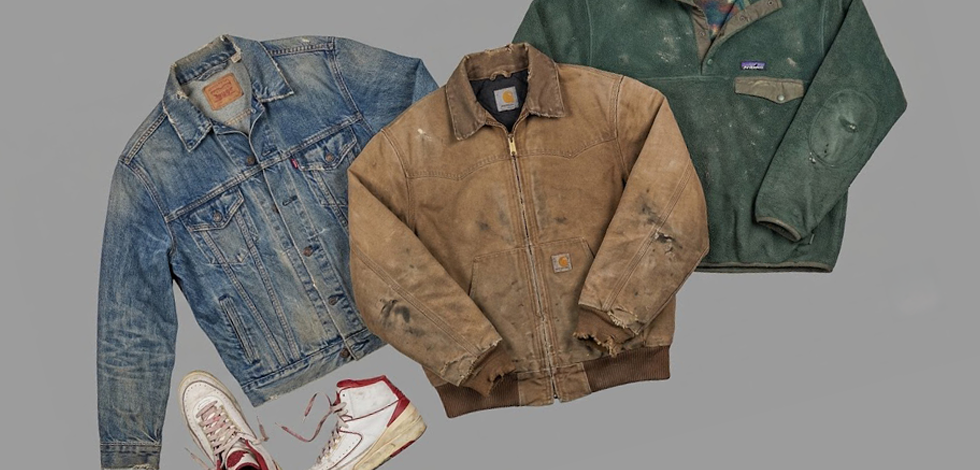
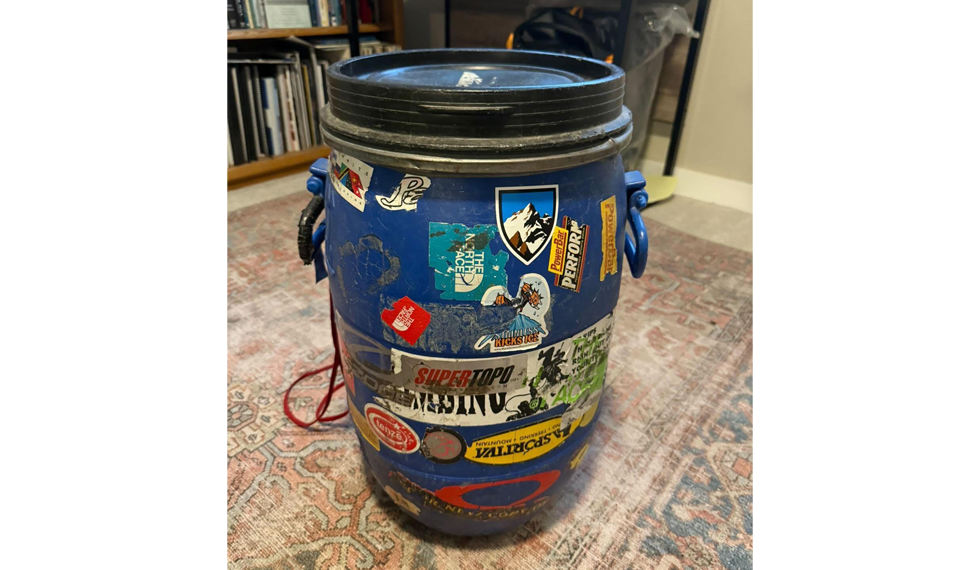
If you were to place a brand-new expedition drum in a gear shop next to one that has survived twenty years of global travel, the spec sheets would be identical. Yet, for the owner, the two objects are worlds apart.
Yale psychologist Paul Bloom calls this "essentialism." He argues that our satisfaction with an object is derived not just from its current utility, but from its history—where it has been, what it has survived, and who has touched it. The object becomes a vessel for memory.
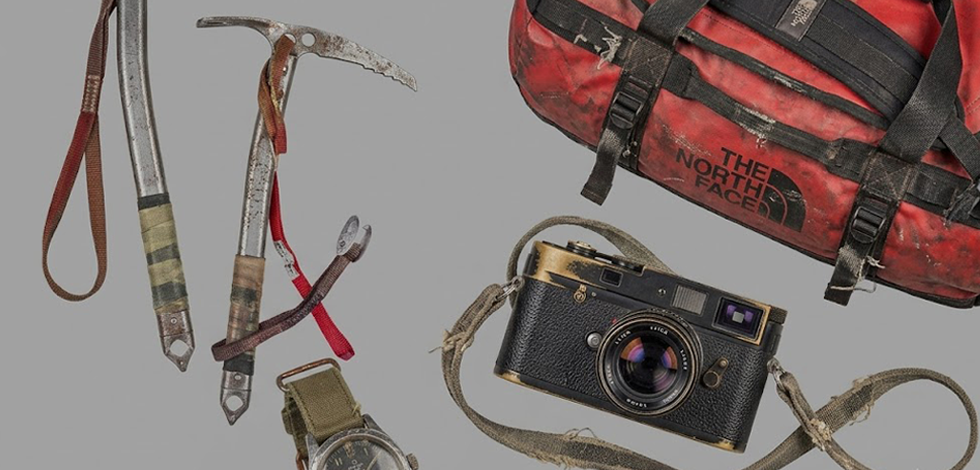
Consider the anecdotes of high-altitude mountaineers. Renan Ozturk’s famous alpine pants, patched repeatedly by his wife, aren’t just technical apparel; they are a ledger of a decade of climbing. When gear survives the impossible—like Conrad Anker’s portaledge pole, which fractured during the Meru expedition and now hangs in his home—it ceases to be a tool and becomes a trophy.
This phenomenon is not limited to the extreme outdoors. In Japan, the randoseru (school bag) is often kept long after its primary utility has expired, serving as a physical archive for a child’s formative years. Whether it is an heirloom watch or a worn-out rucksack, these items represent a bridge between our past and present. They are "intergenerational" objects—the things we choose to keep when we move, and the things we refuse to donate to Goodwill.
The Social Catalyst: Gear as a Language
Beyond the individual, there is a third dimension: the social element. While Norman’s framework is excellent, our team believes there is an often-overlooked "social job" that gear performs.
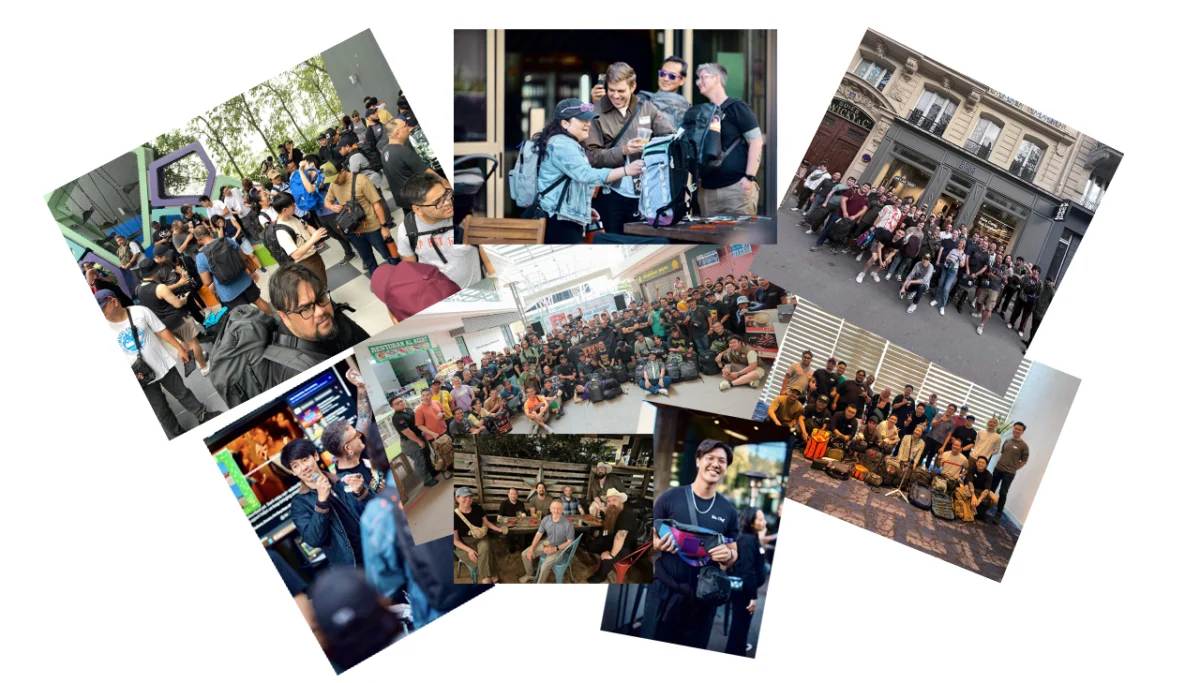
When we attend gear meetups or observe the "carry community," we see objects acting as social lubricants. An item of gear is a conversation starter; it is a shared interest that dissolves the barriers between strangers. A piece of technical equipment worn in a city center is a signal—a flag flown to see who else recognizes the brand, the philosophy, or the lifestyle behind it.
The Theory of Signaling
Economist Thorstein Veblen argued in 1899 that our possessions are status signals. Today, this manifests as "Gorpcore"—the trend of wearing technical, high-performance outdoor gear in non-technical urban environments. Whether or not the wearer ever intends to scale a mountain, the brand and the gear communicate a set of values: authenticity, preparation, and an appreciation for craft.
Your gear is a handshake. It communicates your intentions and your "tribe" before you have spoken a single word.
Implications: The New Metrics of Value
If we accept that gear performs these three jobs—emotional, reflective, and social—the way we evaluate our purchases must evolve.
The implications for the industry are clear:
- Sustainability through Longevity: When an object carries a personal history, it is less likely to be discarded. Brands that design for "soul" and longevity are inherently more sustainable.
- Design for Connection: The most successful products are those that allow for "patina" or repair, inviting the user to leave their mark on the object over time.
- Redefining Value: A product that costs more but lasts a lifetime—and collects a lifetime of stories—is objectively more valuable than a cheaper, disposable alternative, even if the "performance" specs are identical on day one.
Conclusion: Asking the Right Questions
The next time you find yourself deep in a comment thread weighing the merits of a specific piece of hardware, remember that the price-to-performance ratio is only the beginning.
To truly understand the value of the things you carry, you must ask four additional questions:
- The Visceral: How does this object make me feel when I interact with it?
- The Reflective: What story does this object help me tell about my life?
- The Social: How does this choice signal my values to the world around me?
- The Future: What memories do I hope to create with this object over the next decade?
Your gear is more than a tool. It is a companion, a record-keeper, and a silent communicator. It is doing more than you think—and that is exactly why you treasure it.
 Ali Ikhwan
 rifanmuazin
 Neng Nana
