

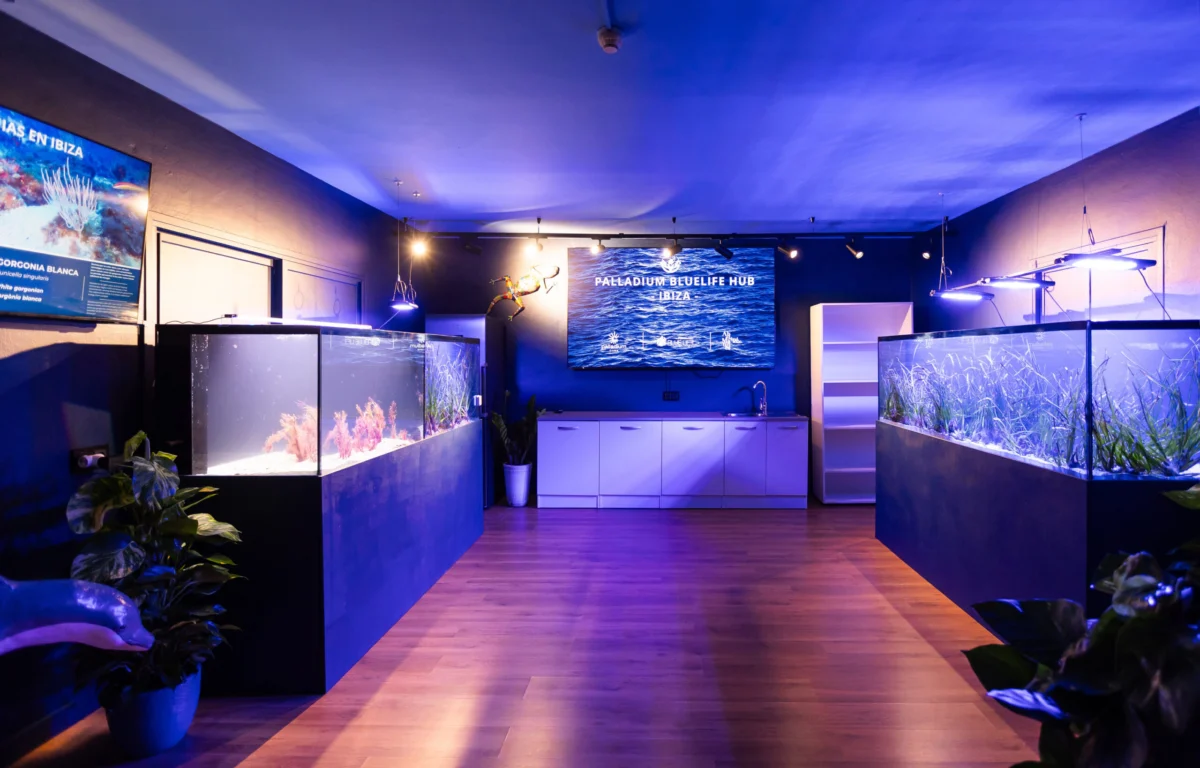
In the competitive landscape of luxury hospitality, the narrative of "marine conservation" has long been synonymous with coral restoration. From the Maldives to the Caribbean, resorts have leaned heavily into coral nurseries as the primary emblem of their environmental stewardship. However, a significant shift is taking place in the Mediterranean. Palladium Hotel Group is challenging the status quo by turning its focus toward an unsung hero of the marine world: seagrass.
With the launch of a dedicated marine conservation lab at the Grand Palladium Select Palace Ibiza, the group is not only investing in the biological recovery of the Balearic coastline but is also attempting to redefine the guest experience by moving beyond passive sightseeing toward active ecological participation.
The Main Facts: A New Frontier in Coastal Stewardship
The initiative at the Grand Palladium Select Palace Ibiza represents a strategic departure from traditional resort sustainability programs. By establishing an on-site seagrass nursery, the group is addressing the fragility of the Posidonia oceanica—a seagrass species endemic to the Mediterranean that is currently facing existential threats from climate change and human activity.
Guests at the resort are now invited to transcend the traditional "sun and sand" vacation model. The program offers guided educational tours of the nursery, followed by immersive diving experiences where participants can witness conservation efforts firsthand. This integration of hospitality and marine biology is designed to bridge the gap between leisure and environmental literacy, turning the hotel into a living laboratory for oceanic health.
The Chronology: From Concept to Conservation
The journey toward this initiative did not happen overnight. It is the culmination of years of observation regarding the degradation of the Balearic coastline.
- Pre-2020: The Coral Dominance Era. For years, the hospitality industry focused exclusively on coral reefs. While vital, this narrow focus left other essential coastal ecosystems, such as seagrass meadows, largely ignored by the private sector.
- 2021–2022: Ecological Audits. Palladium Hotel Group engaged with marine biologists to conduct an audit of the waters surrounding their Ibiza properties. The findings were stark: the Posidonia meadows—the "lungs of the Mediterranean"—were receding due to anchor damage and rising water temperatures.
- Early 2023: The Pilot Program. The hotel group began collaborating with local environmental NGOs and scientific bodies to determine if an on-site nursery could realistically support the restoration of local seagrass populations.
- Late 2023–Early 2024: Lab Construction. The marine conservation lab was commissioned at the Grand Palladium Select Palace Ibiza. This facility serves as both a research hub and a guest-facing educational center.
- Mid-2024: Official Launch. The program opened to the public, marking the first time a major hospitality player in Ibiza has formalized a dedicated seagrass restoration project integrated into the guest itinerary.
Supporting Data: Why Seagrass Matters More Than You Think
The branding of tropical destinations has long relied on the allure of white sandy beaches and crystal-clear waters. Yet, there is a fundamental ecological irony in this marketing: the very things tourists prize are often the result of complex processes that are being destroyed by the tourism industry itself.
The Science of the "Clear Water" Paradox
White sand is not merely a geological accident; it is largely calcium carbonate originating from the breakdown of coral and marine organisms. Seagrass plays a pivotal role in maintaining the aesthetics that travelers crave. It acts as a natural biological filter, catching sediment and stabilizing the seafloor. Without healthy seagrass meadows, this sediment becomes suspended in the water column, leading to the cloudy, murky waters that can ruin the "pristine" look of a resort.
Carbon Sequestration: The Oceanic Powerhouse
Beyond aesthetics, seagrass is an ecological titan. While terrestrial forests are often cited as the primary carbon sinks of the planet, seagrass meadows are significantly more efficient. Although they cover less than 0.2% of the ocean floor, they are responsible for storing up to 18% of the world’s oceanic carbon. This makes the preservation of Posidonia oceanica not just a local Ibiza priority, but a global imperative in the fight against climate change.
The Threat Matrix
The data regarding the decline of these meadows is alarming. Rising ocean temperatures are causing thermal stress in marine plants, while the increased frequency of heatwaves—a hallmark of climate change—is inhibiting the reproductive cycles of these essential grasses. When combined with physical damage from boat anchors and coastal development, the resilience of these ecosystems is pushed to a breaking point.
Official Responses: Aligning Hospitality with Science
The leadership at Palladium Hotel Group views this project as an essential evolution of the corporate social responsibility (CSR) mandate.
"We recognize that the luxury of our location is a borrowed resource," a representative from the group stated during the lab’s opening. "For decades, the industry focused on coral because it is visually arresting. But if you protect the coral and ignore the seagrass, you are protecting the house but destroying the foundation. Our goal is to educate our guests so that they leave Ibiza with a deeper understanding of what actually keeps this island alive."
Environmental partners working with the resort have echoed this sentiment. By inviting guests to dive into the nurseries, the hotel is effectively crowdsourcing the urgency of the issue. When a guest sees the delicate, swaying blades of seagrass—and the myriad of juvenile fish, crustaceans, and mollusks that call them home—the abstract concept of "sustainability" becomes a tangible, emotional connection.
Implications: The Future of Eco-Tourism
The move by Palladium Hotel Group signals a broader trend within the luxury hospitality sector. As climate change becomes an unavoidable reality, the "greenwashing" of the past decade is being replaced by substantive, science-backed interventions.
The Shift in Guest Expectations
Modern travelers, particularly those in the Gen Z and Millennial demographics, are increasingly discerning. They are no longer satisfied with "towel reuse" programs or the removal of plastic straws. They are seeking "regenerative travel"—the idea that a vacation should leave a destination better than it was found. By offering a direct link to a conservation project, Palladium is catering to this demand for purpose-driven luxury.
Setting a New Industry Standard
If this pilot proves successful in scaling the restoration of seagrass beds, it could set a new benchmark for coastal resorts worldwide. The model is replicable:
- On-site Research: Utilizing resort infrastructure for scientific data collection.
- Educational Integration: Moving conservation from the back-office to the front-of-house.
- Measurable Impact: Moving away from vague sustainability claims toward metrics like "meters of seagrass replanted" or "tons of carbon offset."
The Challenges Ahead
Despite the optimism, the road ahead is fraught with challenges. Seagrass is notoriously difficult to transplant and nurture compared to other marine flora. Success requires consistent water quality, protection from boat traffic, and long-term financial commitment. Critics might argue that a resort nursery is a drop in the ocean compared to the massive, systemic degradation occurring globally. However, proponents argue that the real value lies in the "multiplier effect"—by educating thousands of guests, the hotel is creating a global army of advocates who will return home with a new perspective on the necessity of marine protection.
Conclusion: A Sea Change in Hospitality
The initiative at the Grand Palladium Select Palace Ibiza is more than just a marketing pivot; it is a recognition of a shifting ecological reality. As we navigate the complexities of a warming planet, the survival of our coastal resorts will depend on their ability to protect the hidden, vital systems that make their locations possible.
By turning the spotlight toward the humble seagrass meadow, Palladium Hotel Group is demonstrating that true luxury is no longer just about the quality of the service or the thread count of the linens. It is about the quality of the environment. As the industry watches this experiment unfold, it is clear that the future of hospitality lies beneath the surface, in the quiet, swaying depths of the seagrass, where the real work of planetary preservation is being done.
 Basiran
  Evan Lee Salim