

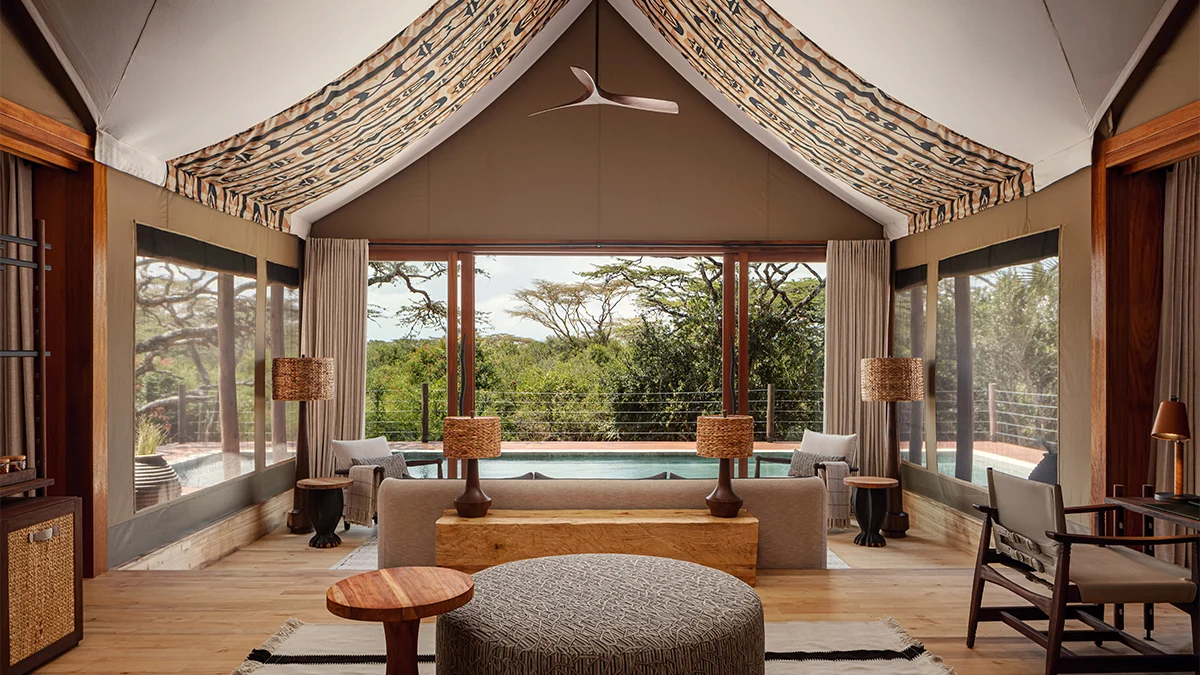
MOUNT KENYA CONSERVANCY – July 8, 2026 – Marriott International has officially expanded its footprint in the ultra-luxury safari sector with the grand opening of the JW Marriott Mount Kenya Rhino Reserve Safari Camp. Nestled within a sprawling 45,000-acre private conservancy, the property represents a significant evolution in the brand’s "JW Garden" philosophy, blending high-end hospitality with rigorous wildlife conservation efforts.
The opening marks a pivotal moment for Kenya’s tourism sector, signaling a robust return to high-value, low-impact travel models that prioritize ecological integrity over mass-market volume. Located in the shadow of Africa’s second-highest peak, the camp offers an intimate gateway to one of the continent’s most critical sanctuaries for the endangered black and white rhino populations.
Main Facts: A New Benchmark for African Hospitality
The JW Marriott Mount Kenya Rhino Reserve Safari Camp is not merely a hotel; it is a sophisticated ecological outpost designed to cater to the modern "conscious traveler." The property features 20 luxury suites, including several expansive two-bedroom villas designed for families and small groups, each offering panoramic views of the surrounding savannah and the jagged peaks of Mount Kenya.

Key highlights of the new property include:
- Location: Situated within a 45,000-acre private reserve that serves as a migratory corridor and a primary habitat for the "Big Five."
- Architecture: A "low-impact" design philosophy using sustainably sourced local materials, solar power grids, and advanced water recycling systems.
- Exclusivity: With a limited guest capacity, the camp ensures a private viewing experience, avoiding the "safari traffic" common in more public national parks.
- Wellness Focus: Integration of the "Spa by JW" concept, featuring treatments inspired by indigenous Kenyan botanicals and rituals.
The camp’s proximity to active waterholes ensures that wildlife viewing begins at the threshold of each suite. Guests are reported to have sightings of elephants, buffalo, and the elusive leopard directly from their private decks, while the rhino population—the camp’s namesake—remains the central focus of the conservancy’s daily operations.
Chronology: From Concept to Conservation Landmark
The journey to the opening of the Mount Kenya Rhino Reserve Safari Camp has been nearly four years in the making, following the successful debut of the JW Marriott Masai Mara Lodge in 2023.

2022–2023: The Strategic Pivot
Following the global shifts in travel preferences post-2020, Marriott International identified a growing demand for "transformative travel." The success of their initial venture in the Masai Mara proved that the JW Marriott brand—traditionally associated with urban luxury—could successfully translate its "mindfulness" ethos to the African bush. In late 2023, negotiations began with local conservancy boards in the Mount Kenya region to identify a site that offered both luxury potential and urgent conservation needs.
2024: Groundbreaking and Ecological Assessment
Construction began in mid-2024. Unlike traditional hotel builds, the process was preceded by a six-month ecological impact assessment. Architects worked alongside conservationists to ensure that the camp’s footprint did not interfere with rhino grazing patterns or the migratory paths of the local elephant herds.
2025: Community Integration and Training
Throughout 2025, the focus shifted to human capital. Marriott launched a regional recruitment drive, prioritizing members of the local communities. A specialized training academy was established in Nanyuki to bridge the gap between traditional Kenyan hospitality and the rigorous global standards of the JW Marriott brand.

July 2026: The Grand Unveiling
The official ribbon-cutting ceremony on July 8, 2026, was attended by Kenyan Ministry of Tourism officials, global Marriott executives, and representatives from the Kenya Wildlife Service (KWS). The event highlighted the camp’s readiness to welcome a new wave of summer travelers seeking refuge in the cooler, high-altitude climate of the Mount Kenya region.
Supporting Data: The Economics of Conservation
The JW Marriott Mount Kenya Rhino Reserve Safari Camp operates on a business model where luxury serves as the primary engine for environmental protection.
Wildlife Statistics
The 45,000-acre conservancy is home to approximately:

- 85 Black Rhinos: A significant percentage of the global population of this critically endangered species.
- 110 Southern White Rhinos: Including several individuals relocated for genetic diversity programs.
- 300+ Bird Species: Making it a premier destination for ornithologists.
Sustainability Metrics
The property aims for a net-zero carbon footprint by 2030. Current data indicates:
- 100% Solar Energy: The camp is powered by a dedicated solar farm with battery storage capabilities.
- Zero Single-Use Plastics: An on-site water bottling plant utilizes reverse osmosis and reusable glass carafes.
- Farm-to-Table: 70% of the produce used in the camp’s "JW Garden" and kitchens is sourced from within a 50-mile radius, supporting local small-scale farmers.
Employment Impact
The camp has created over 150 direct jobs and an estimated 400 indirect jobs within the local economy. Furthermore, a percentage of every "bed night" fee is directly funneled into the conservancy’s anti-poaching units, which employ high-tech drone surveillance and K9 units to protect the rhino population.
Official Responses: Voices from the Field
Leadership from both the corporate and conservation sectors have lauded the opening as a blueprint for future developments.

Anthony Capuano, President and CEO of Marriott International (via statement):
"The opening of the JW Marriott Mount Kenya Rhino Reserve Safari Camp is a testament to our commitment to the African continent and our belief that luxury and purpose are not mutually exclusive. We are providing our guests with more than just a stay; we are offering an opportunity to participate in the preservation of one of the world’s most delicate ecosystems."
Dr. Elizabeth Mwangi, Lead Conservationist at the Reserve:
"Having a partner like JW Marriott allows us to scale our conservation efforts in ways we previously only dreamed of. The revenue generated here pays for the rangers, the veterinarians, and the technology required to keep these rhinos safe. When a guest sees a rhino from their suite, they aren’t just seeing an animal; they are seeing the result of a massive, coordinated effort to save a species from extinction."
Bruce Rohr, Vice President and Global Brand Leader, JW Marriott:
"Our brand is built on the pillars of being present, nourished, and whole. In the heart of the Mount Kenya conservancy, those pillars take on a profound new meaning. Here, wellness is not just about a spa treatment; it’s about the harmony between the traveler and the wild."

Implications: A Shift in Global Luxury Trends
The launch of this property carries significant implications for the hospitality industry and the Kenyan economy at large.
1. The Rise of "Conservation Competition"
As global hotel giants like Marriott, Accor, and Hilton expand into the safari space, a new "arms race" in conservation is emerging. High-end travelers now expect their luxury stays to have a measurable positive impact. This shift is forcing older, established lodges to upgrade their environmental credentials, leading to a general elevation of standards across the African continent.
2. Diversification of the Kenyan Circuit
For decades, Kenyan tourism was synonymous with the Masai Mara and the coast. The investment in the Mount Kenya region helps de-concentrate tourist traffic, reducing the environmental pressure on the Mara. By highlighting the unique biodiversity of the central highlands—such as the Grevy’s zebra and the reticulated giraffe—Marriott is helping to rebrand Kenya as a multi-faceted destination.

3. The "Remote Work" Safari
The camp is equipped with high-speed satellite internet (Starlink-integrated), reflecting a trend where ultra-high-net-worth individuals choose to spend weeks, rather than days, in remote locations. The inclusion of two-bedroom suites suggests a move toward "multi-generational" travel, where families combine education, remote work, and leisure.
4. Climate Resilience in Tourism
As climate change affects traditional safari zones, the higher altitude and cooler climate of the Mount Kenya region provide a more resilient environment for both wildlife and tourism. This property may serve as a hedge against the rising temperatures seen in lower-lying savannahs, ensuring the long-term viability of the Kenyan safari product.
5. Strengthening the Private Conservancy Model
The success of the JW Marriott property reinforces the validity of the private conservancy model. By proving that private-sector investment can effectively manage large tracts of land while protecting endangered species, this project may encourage the Kenyan government to facilitate more public-private partnerships in land management.

Conclusion
The JW Marriott Mount Kenya Rhino Reserve Safari Camp stands as a beacon of the future of travel. It is a place where the silhouette of a rhino against the African sunset is matched by the refinement of world-class service. As the first guests arrive this July, they are not merely checking into a hotel; they are stepping into a front-row seat for one of the greatest conservation stories of the 21st century. Through this venture, Marriott International has signaled that the future of luxury is not just about what we take from our travels, but what we leave behind.
 Ammar Sabilarrohman
  Iffa Jayyana