

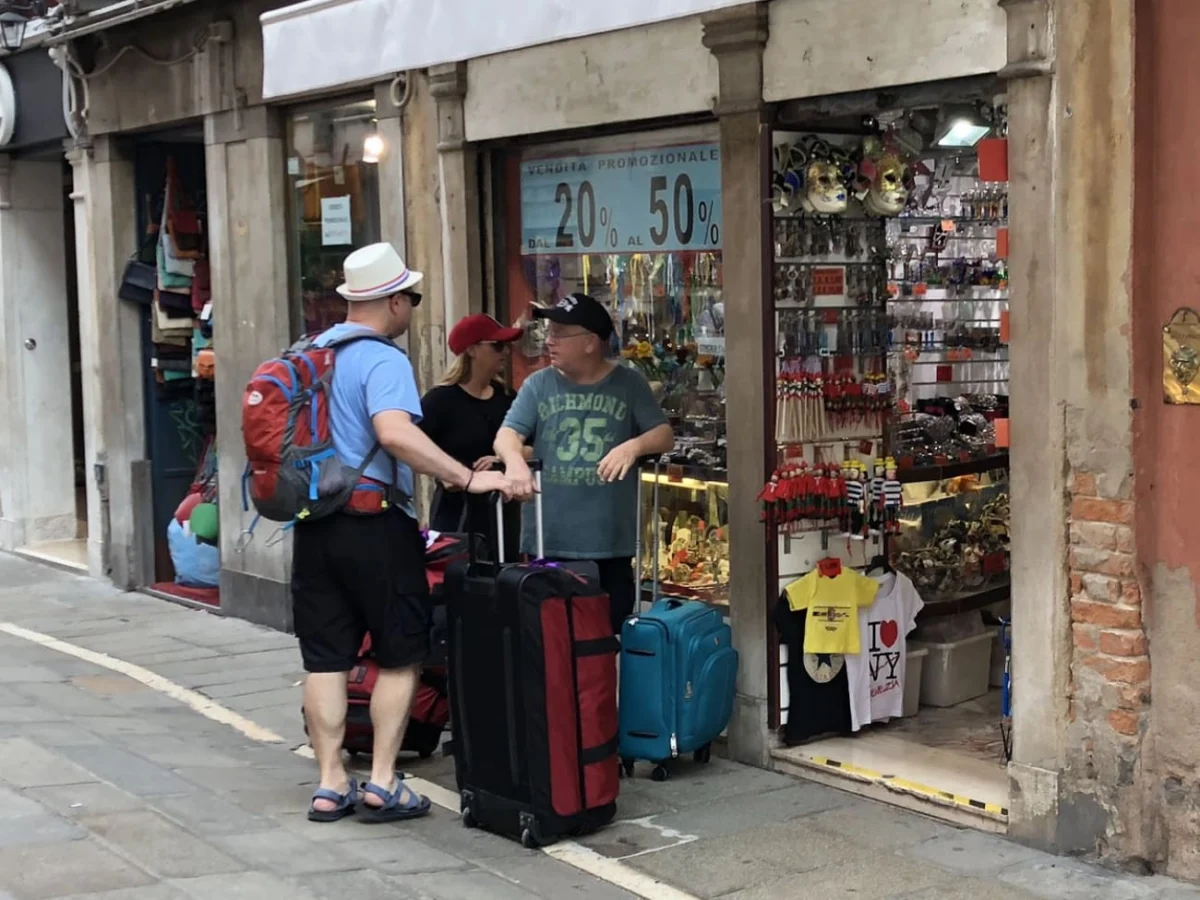
For the modern traveler, the dream of Europe often involves cobblestone streets, historic architecture, and the desire to immerse oneself in the local culture. However, a common anxiety persists among North American visitors: "How do I avoid looking like an obvious tourist?" While there is no singular, monolithic "European look"—styles vary drastically from the chic boulevards of Paris to the laid-back coastlines of Barcelona—there is an unspoken aesthetic standard that favors a polished, intentional appearance over utilitarian comfort.
The Myth of the "European Look"
The primary misconception held by many American travelers is that one must dress like a runway model to be accepted in Europe. This is fundamentally untrue. Globalization has homogenized fashion to a significant degree; the same fast-fashion retailers and global brands found in New York or Chicago are staples in Berlin, Rome, and London.
The distinction lies not in the brand of clothing, but in the curation and fit. Europeans tend to prioritize garments that are well-tailored and clean-lined. By avoiding the extremes of "hyper-casual" and "over-dressed," a traveler can effectively bridge the gap between tourist and local, potentially reducing the risk of being targeted by petty criminals who often scan for visitors who appear overwhelmed or distinctly "out of place."
The "Do Not Wear" List: Identifying Tourist Tells
To avoid standing out, it is essential to identify the sartorial markers that instantly signal a visitor. While comfort is paramount during long days of sightseeing, certain items are cultural red flags.

1. The Athletic Overload
The most prominent "tell" of an American tourist is the head-to-toe athletic ensemble. While high-performance gear is excellent for the gym or a trail run, wearing leggings, track jackets, and specialized high-intensity running shoes to a museum or a café creates an immediate visual disconnect. Europeans generally reserve technical performance gear for specific activities. If your outfit looks like you are training for a triathlon, you are likely wearing the wrong thing for a day of urban exploration.
2. Overtly Technical Footwear
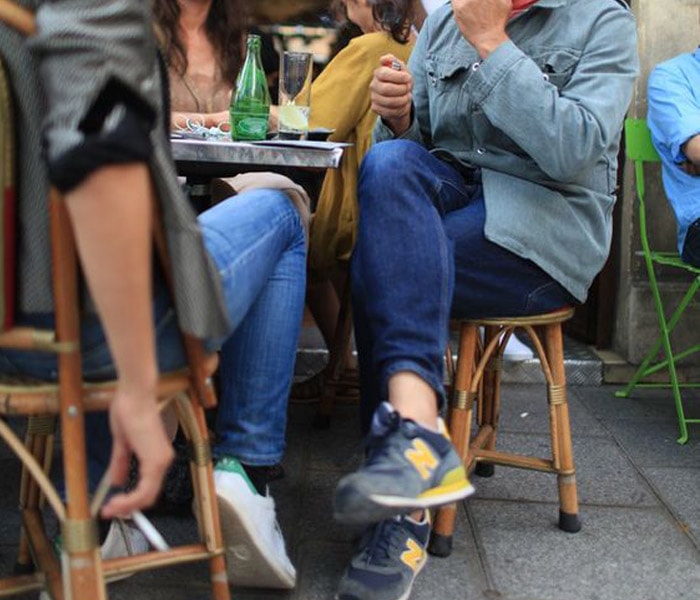
Sneakers are not only acceptable in Europe; they are highly recommended. With the average traveler clocking in anywhere from five to ten miles of walking per day, footwear must be supportive. The error lies in wearing neon-colored, high-tech running shoes with rigid mesh and thick, clunky soles. Opt instead for "lifestyle" sneakers. Brands like New Balance, Adidas, and Nike offer models with clean silhouettes and neutral palettes that provide the necessary support without the "gym-bound" aesthetic.

3. The "Cargo" Aesthetic and Flip-Flops
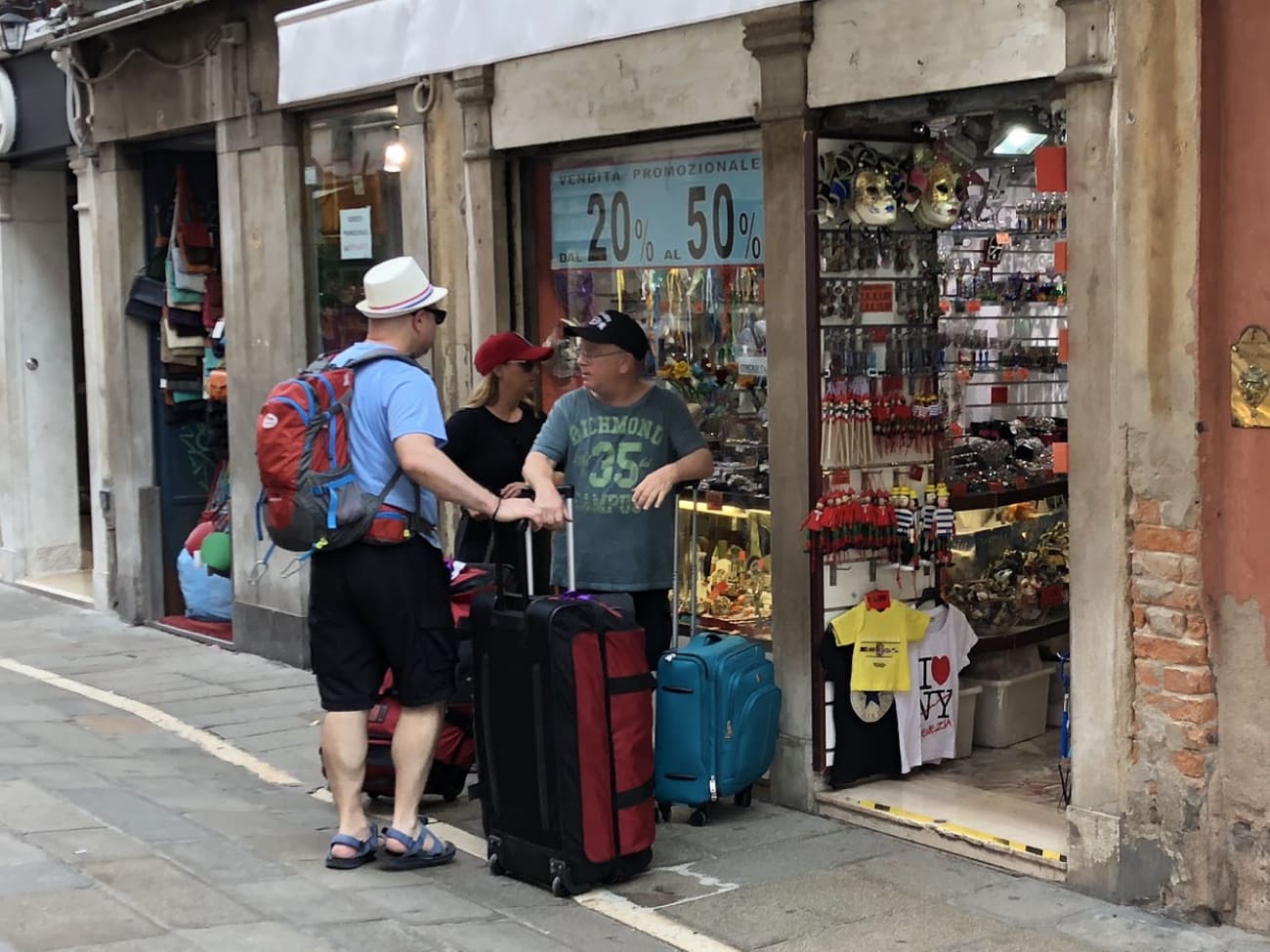
Cargo shorts, particularly those made of stiff khaki fabric with oversized pockets, are a global symbol of the stereotypical tourist. While shorts are perfectly acceptable in many European regions during the summer months, the cut and material matter. Choose slimmer, tailored shorts in cotton or linen. Similarly, flip-flops should be reserved exclusively for the beach or poolside. Wearing them on city streets is widely viewed as sloppy and often uncomfortable for long-distance walking.
4. Sports Memorabilia
Wearing a baseball cap featuring a local American sports team or a branded jersey is a neon sign for "tourist." While baseball caps are becoming more common in urban European fashion, they are usually minimalist and logo-free. If you must wear a hat, opt for a solid-colored, unstructured cap without prominent team branding.
Strategic Packing: How to Build a European Wardrobe
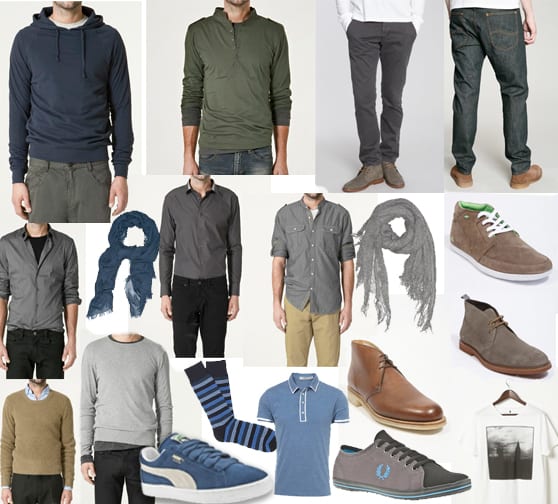
The goal of a well-planned travel wardrobe is versatility. You want pieces that can transition from a morning at a cathedral to an evening at a local bistro without needing to return to your hotel for a change of clothes.
The Power of Neutrals
Packing a capsule wardrobe based on neutral tones—black, navy, charcoal, and earthy tones—is the golden rule of efficient travel. Not only do these colors inherently look more "put together," but they also hide the inevitable stains of travel and allow for effortless mixing and matching. When every piece in your suitcase coordinates with every other piece, you reduce the need for excessive luggage while maintaining a polished look.
The Versatility of the Button-Up
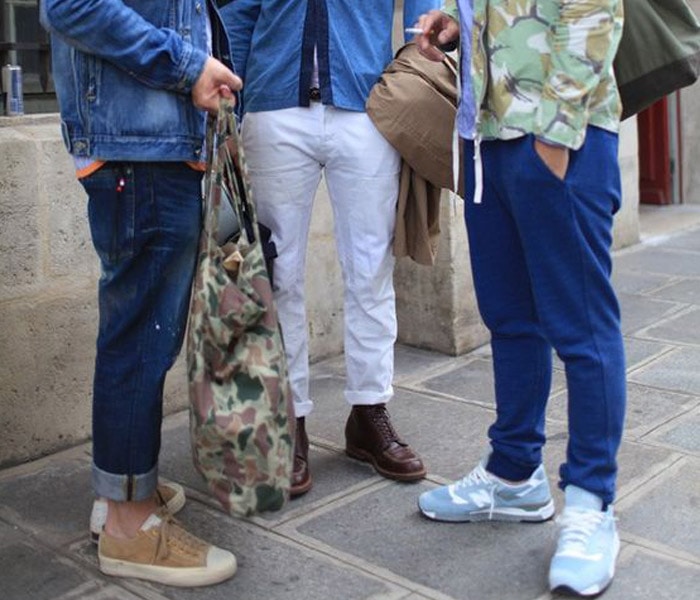
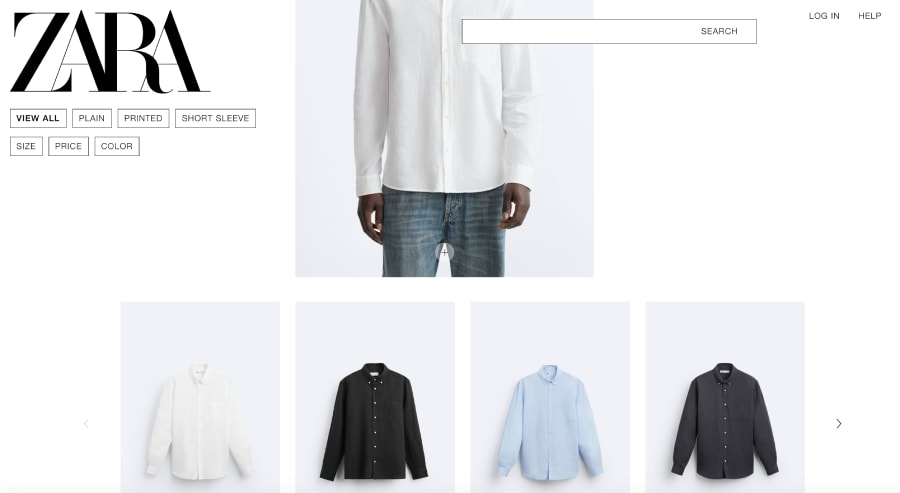
A high-quality button-up shirt is perhaps the most underrated item in a traveler’s suitcase. In a casual setting, it can be worn with the sleeves rolled up and paired with jeans. In a more formal setting, it remains appropriate. When selecting shirts, prioritize wrinkle-resistant fabrics—such as performance cotton blends or merino wool—that can survive the rigors of a suitcase and still look crisp upon arrival.
The Role of Accessories
A sensible watch is not only a functional tool for keeping track of time without constantly pulling out a smartphone, but it also serves as a subtle fashion statement. If you are traveling through multiple time zones, a watch with a 24-hour dial can be particularly useful, as many European transport systems and businesses operate on a 24-hour clock.
Chronology of Travel Fashion: From Day to Night
Fashion in Europe often follows a temporal rhythm. During the day, the priority is mobility. You are navigating transit systems, standing in queues, and walking over uneven cobblestones. Your attire should be breathable, comfortable, and weather-appropriate.
As the sun sets, the "nighttime" aesthetic shifts slightly toward the refined. You do not need to wear a suit, but transitioning into a darker pair of denim or chinos paired with a clean leather sneaker and a jacket will allow you to blend into the evening crowd at a restaurant or lounge. This "smart-casual" middle ground is the sweet spot for the modern traveler.
Supporting Data: Why "Fitting In" Matters
Beyond the aesthetics, there is a practical safety component to blending in. According to data regarding tourism and security, petty theft and pickpocketing are crimes of opportunity. Scammers and thieves often look for individuals who appear distracted, disoriented, or wealthy. By dressing in a manner that aligns with local norms, you project a sense of confidence and familiarity with your surroundings. While this is not a panacea for safety, it minimizes your profile as a "soft target."
Implications for the Modern Traveler
The shift toward high-tech, travel-specific clothing has been a boon for the modern backpacker. We are seeing a move away from the "outdoorsy" look—often characterized by excessive zippers and synthetic, swishy fabrics—toward "tech-wear" that features high-performance materials disguised as streetwear.
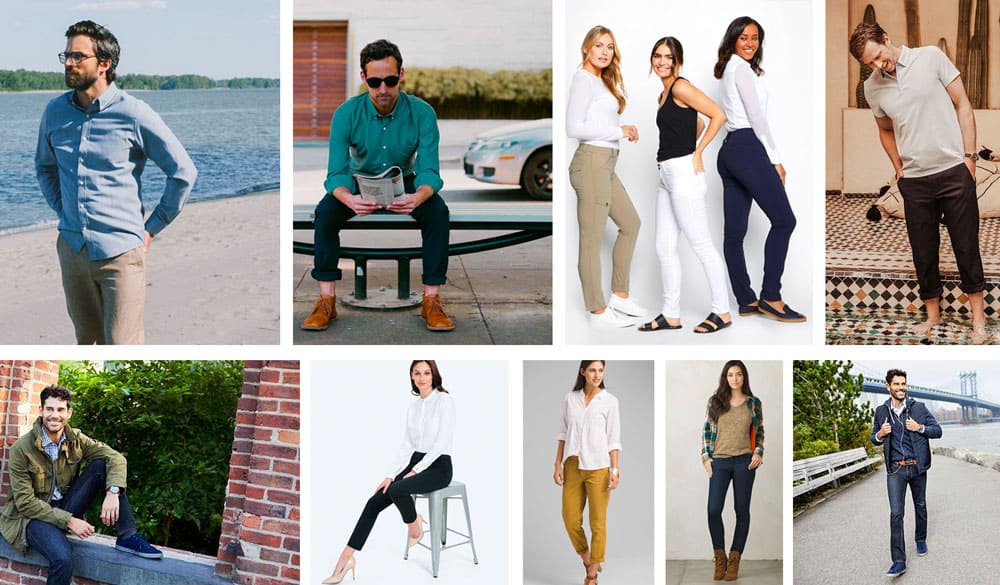
Investing in a few high-quality, moisture-wicking, or wrinkle-resistant pieces can significantly enhance your travel experience. You no longer have to choose between looking like a hiker and looking like a local. The modern market offers merino wool sweaters that regulate temperature, trousers with hidden zippered pockets for security, and jackets that are both waterproof and stylish enough for dinner.
Conclusion: The Ultimate Fashion Rule
Ultimately, the most important fashion advice for any traveler is this: Do not overthink it. Most Europeans are far too busy with their own lives to care about your footwear or your shirt. If you are comfortable, clean, and reasonably "put together," you are doing just fine.

The effort you put into your wardrobe should be about personal comfort and the peace of mind that comes with knowing you aren’t broadcasting your status as a tourist to the entire city. By sticking to neutral colors, well-fitting garments, and comfortable but stylish footwear, you will be well-equipped to enjoy the history, the food, and the culture of Europe without the distraction of being a fashion outsider.
Travel is about experience, not a runway show. Pack light, dress smart, and focus your energy on where you’re going rather than what you’re wearing.
 Pevita Pearce
  Dwi Wanna