

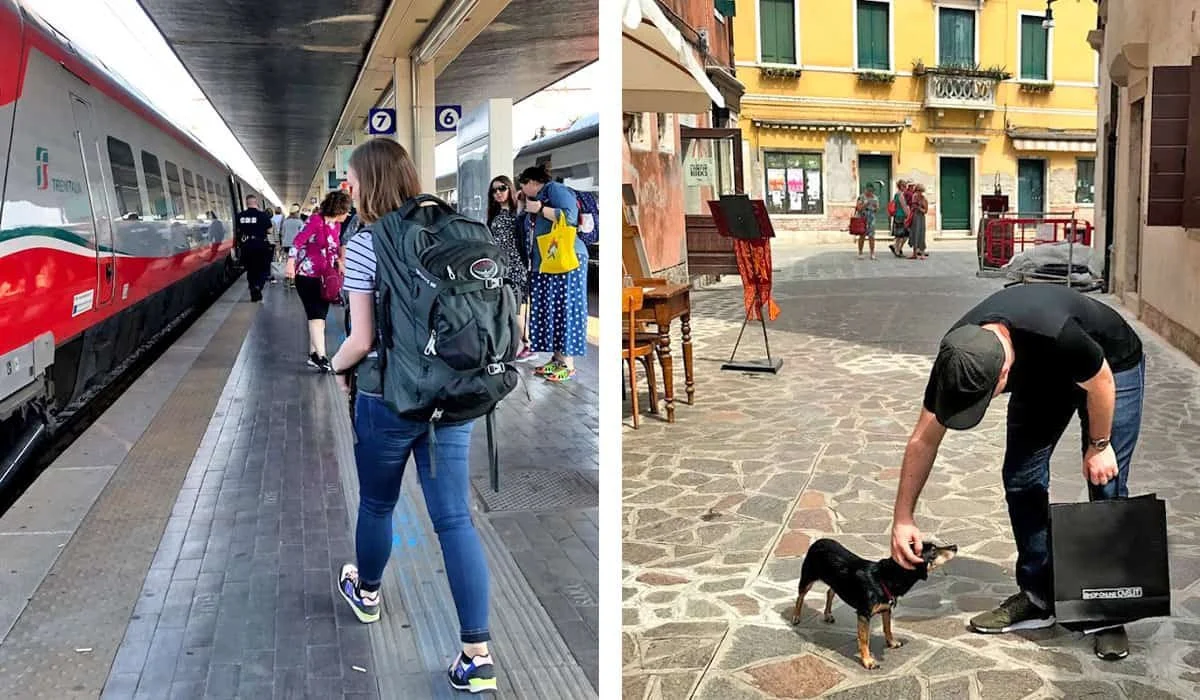
Traveling through Europe is a dream for many, but the reality of cobblestone streets, endless museum corridors, and long days of exploration can quickly turn into a nightmare if you aren’t wearing the right footwear. Seasoned travelers know that the difference between an unforgettable trip and one spent searching for a pharmacy to buy blister pads comes down to one critical decision: your shoes.
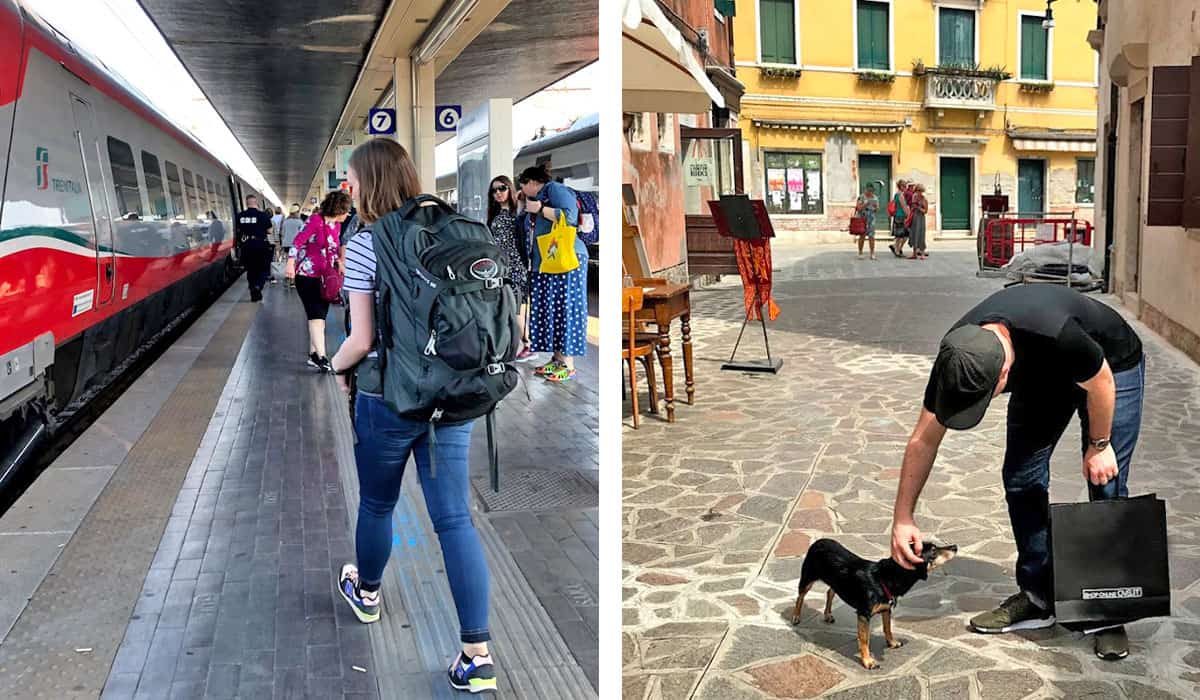
Finding the balance between aesthetic appeal and ergonomic support is the "holy grail" of travel preparation. Whether you are navigating the historic boulevards of Paris, the steep hills of Lisbon, or the casual street-style scene in Berlin, your footwear must be versatile, durable, and, above all, comfortable.
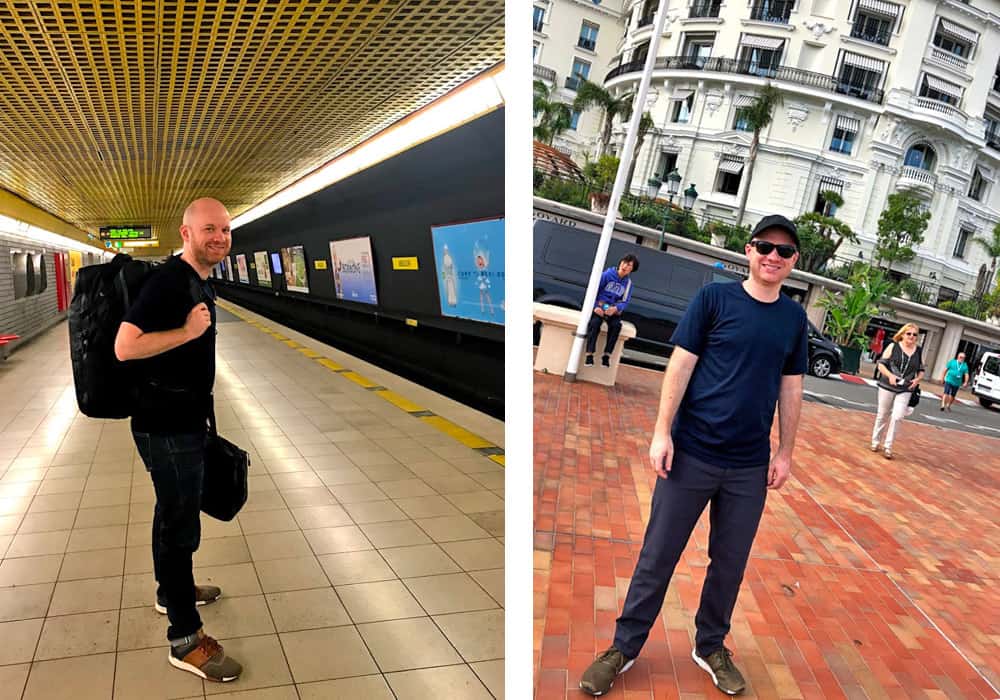
The Science of Travel Comfort: Why Your Feet Matter
When you travel, you aren’t just walking; you are putting your feet through an endurance test. On a typical day of sightseeing, a traveler can easily clock between 5 and 10 miles of walking. Unlike a standard commute, this movement often happens on uneven surfaces, which engages different muscles and puts unique pressure on the arches and heels.
Ignoring the structural integrity of your shoes can lead to fatigue that ripples upward, causing back pain, knee strain, and general exhaustion. The consensus among travel experts is simple: prioritize a wide toe box, adequate arch support, and breathable materials. If you plan to walk extensively, "minimalist" shoes often require additional orthotic insoles to prevent long-term strain.
Chronology of a Perfect Purchase: Timing Your Shoe Selection
One of the most common mistakes travelers make is purchasing brand-new, stiff shoes right before their flight. This is a recipe for disaster.
- The Six-Week Rule: Purchase your travel shoes at least six weeks before your departure date. This provides ample time to "break them in."
- The Trial Run: Wear your new shoes for short walks around your neighborhood, gradually increasing the distance. This allows the materials to soften and your feet to acclimate to the shoe’s specific support profile.
- The Final Assessment: By the two-week mark, you should be able to wear the shoes for a full day of activity without discomfort. If you still have "hot spots" or areas of friction, these shoes are not suitable for your trip and should be swapped out immediately.
Strategic Buying: Tips for Online Success
In an era where most specialty gear is purchased online, finding the right fit without trying on a shoe is a common challenge. Retailers like Zappos have revolutionized this process by offering streamlined return policies.
Best Practices for Online Shoe Shopping:
- The Double-Size Strategy: If you are between sizes or unfamiliar with a brand’s fit, order two sizes. Return the pair that doesn’t fit using the provided prepaid labels.
- Check the Material: For European summers, prioritize mesh or natural fibers that allow for airflow. For autumn and winter, look for leather or treated synthetics that offer water resistance.
- Read the "Review Bias": Ignore the aesthetic reviews and focus on comments related to "all-day wear," "arch support," and "true-to-size" fit.
Categorized Footwear Recommendations
1. The Versatile Sneaker
Modern sneakers have shed their purely athletic image, becoming the preferred choice for stylish European city-goers.
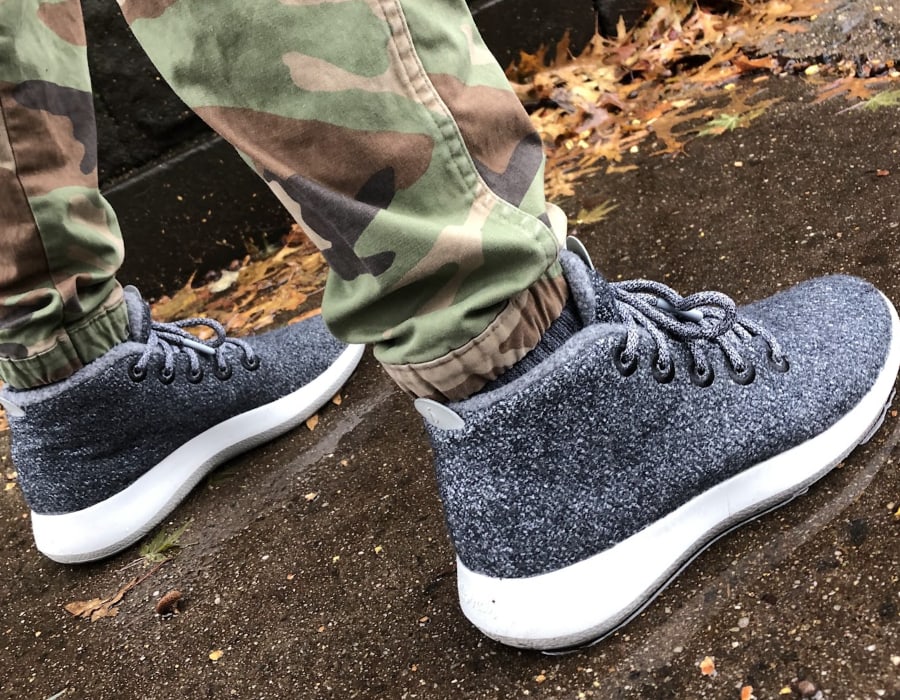
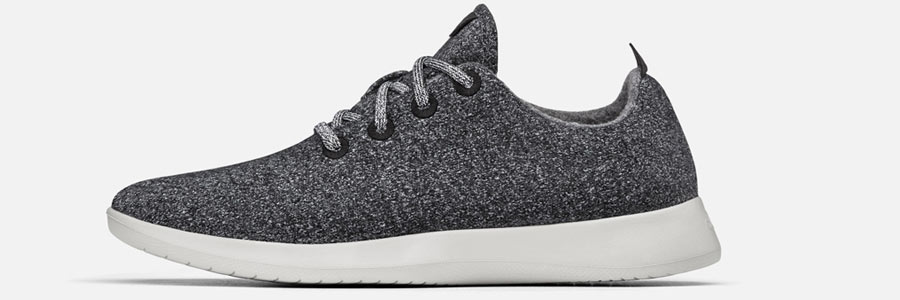
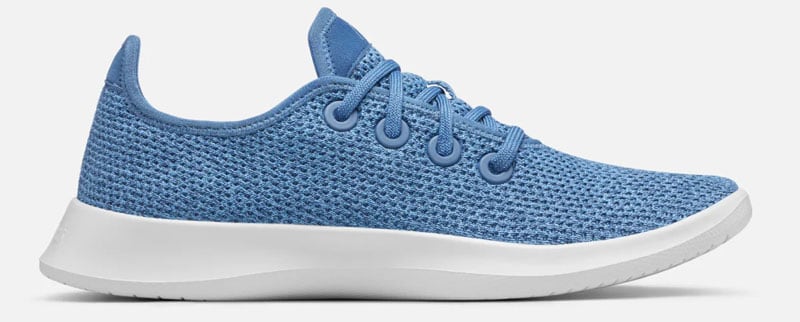
- Allbirds: Their wool or eucalyptus-based shoes are revolutionary for travel. They are lightweight, odor-resistant, and machine-washable.
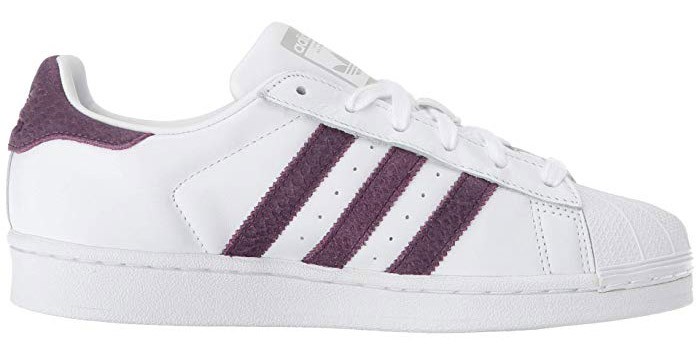
- Adidas Originals/Superstar: These remain a staple across European capitals for their retro aesthetic and surprising comfort.
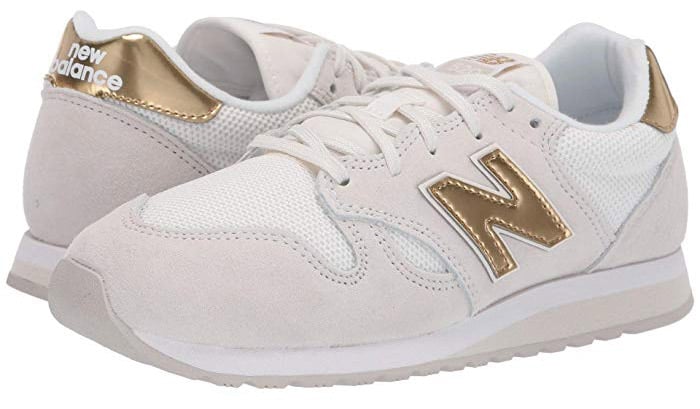
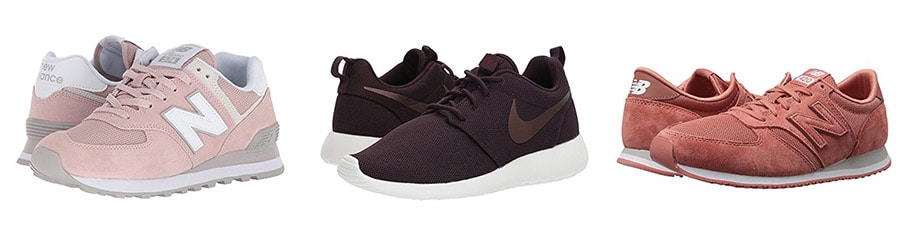
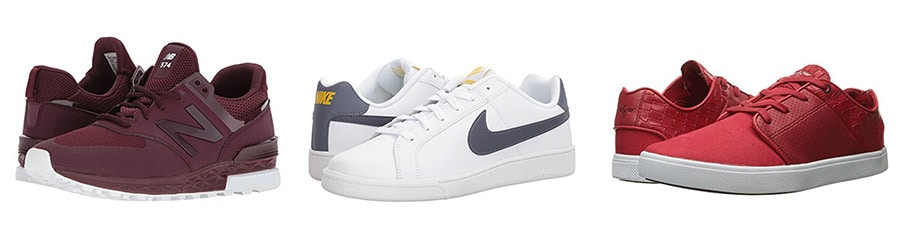
- New Balance: Specifically the 574 or any model featuring "Fresh Foam." They offer superior cushioning that rivals dedicated running shoes while maintaining a trendy, "dad-core" look that fits perfectly in trendy neighborhoods.
2. Athletic Walking & Running Shoes
If your priority is pure, unadulterated comfort over fashion, look toward high-performance athletic gear.
- Hoka: While once considered "ugly," Hoka has become a global fashion trend. Their maximum cushioning is unparalleled for long-distance walking on hard concrete. The Clifton and Bondi models are top-tier choices.
- Brooks: The "Ghost" series is a long-standing favorite among professional nurses and travelers alike for its neutral support and durability.
- Nike: The Air Pegasus line provides excellent support with a sleeker profile than most heavy-duty walking shoes.
3. Waterproof & Hiking-Inspired Footwear
If your itinerary includes the Swiss Alps, the Scottish Highlands, or a trip during the rainy season, waterproof functionality is non-negotiable.
- Keen: Known for a wider fit and toe protection. The "Presidio" is a hybrid that bridges the gap between a hiking shoe and a casual sneaker.
- Merrell: The Moab series is the industry standard for hiking. It offers excellent stability and, in its waterproof iteration, keeps feet dry during sudden downpours.
- Adidas Terrex: A perfect example of the "hybrid" trend—these provide the grip of a hiking boot with the weight and flexibility of a running shoe.
4. Casual & Dressy Boots
Boots are ideal for shoulder-season travel (Spring/Autumn). Dark leather is the best choice because it disguises scuffs and dirt.
- Chelsea Boots: These are the ultimate travel boot. The lack of laces makes them a dream at airport security checkpoints. Brands like Blundstone offer a rugged version that is waterproof and incredibly durable.
- Clarks Desert Boots: A timeless, lightweight choice. They look fantastic with jeans but require a decent insole to provide enough arch support for a full day of city walking.
Supporting Data: The Role of Insoles
Many travelers assume that if a shoe is uncomfortable, they must discard it. However, high-quality, aftermarket insoles can transform a "good" shoe into a "perfect" one. Brands like Superfeet or Sole offer semi-customizable support that can correct pronation and alleviate plantar fasciitis. Adding a pair of performance insoles is often the cheapest way to upgrade your travel experience.
Official Advice from Professional Travelers
"The most important rule of travel is to bring only what you can carry, and that applies to your feet," says industry expert James Feess. "If you are struggling to choose between two pairs, pick the one that is lighter and more breathable. You can always buy an extra pair of socks in Europe, but you cannot buy a comfortable pair of feet if you’ve developed massive blisters."
Implications for Your Packing List
When building your packing list, follow the "Two-Pair Rule":
- Pair One (The Workhorse): Your most comfortable, supportive walking shoe. This should be worn on the plane to save luggage space.
- Pair Two (The Versatile Option): A lighter, slightly more stylish shoe (like a leather flat or a sleek sneaker) that can be dressed up for dinner or worn on lighter walking days.
By adhering to this strategy, you reduce the weight of your luggage while ensuring that you are prepared for both a 10-mile hike and a nice evening out.
Final Foot Care Tips
Even the best shoes will eventually cause fatigue. Prepare your "travel pharmacy" with the following:
- Moleskin or Blister Pads: Apply these at the first sign of a "hot spot" before it turns into a blister.
- Compression Socks: Essential for long-haul flights to keep swelling down and circulation moving.
- Moisturizer: Travel, especially in airplanes, dries out the skin. Hydrated skin is less prone to cracking and irritation.
By investing in quality footwear and following these preparation steps, you are not just buying shoes—you are investing in the quality of your travel memories. Treat your feet well, and they will take you further.
 Ammar Sabilarrohman
  Pevita Pearce
  Dwi Wanna