

For the modern digital nomad, the romanticized vision of working from a sun-drenched beach is often quickly dismantled by the reality of glare-filled screens, unstable Wi-Fi, and the persistent loneliness of working in a vacuum. Balancing the rigors of a professional career with the wanderlust of international travel has long been the primary friction point for the location-independent workforce.
As remote work transitions from a pandemic-era necessity to a permanent fixture of the global economy, a new industry has emerged to fill the void between the social volatility of hostels and the sterility of corporate hotels. Leading this charge is Outsite, a global network of coliving and coworking spaces that is fundamentally shifting how remote professionals structure their lives on the road.
The Problem: The "Coffee Shop Struggle"
Historically, the nomadic lifestyle was defined by a series of compromises. Digital nomads often found themselves hunched over laptop stands in uncomfortable hostel common rooms or gambling on the veracity of an Airbnb host’s claim that their internet was "super fast."
Searching for a reliable, quiet environment with an ergonomic setup and stable connectivity is more than a minor annoyance—it is a significant drain on productivity. For those whose income depends on high-level output, the time spent "scouting" for a workspace is time lost to billable hours or professional development. This struggle is not merely logistical; it is psychological. Remote work can be inherently isolating, and the lack of a structured environment often leads to burnout, forcing many to eventually abandon the nomadic dream in favor of a static office.
Chronology: From Santa Cruz to a Global Network
The concept of the "coliving" space gained traction in 2015 when Outsite opened its first property in Santa Cruz, California. The initial mission was modest: to create a home base for surfers and entrepreneurs who wanted to balance the pursuit of waves with the demands of their careers.
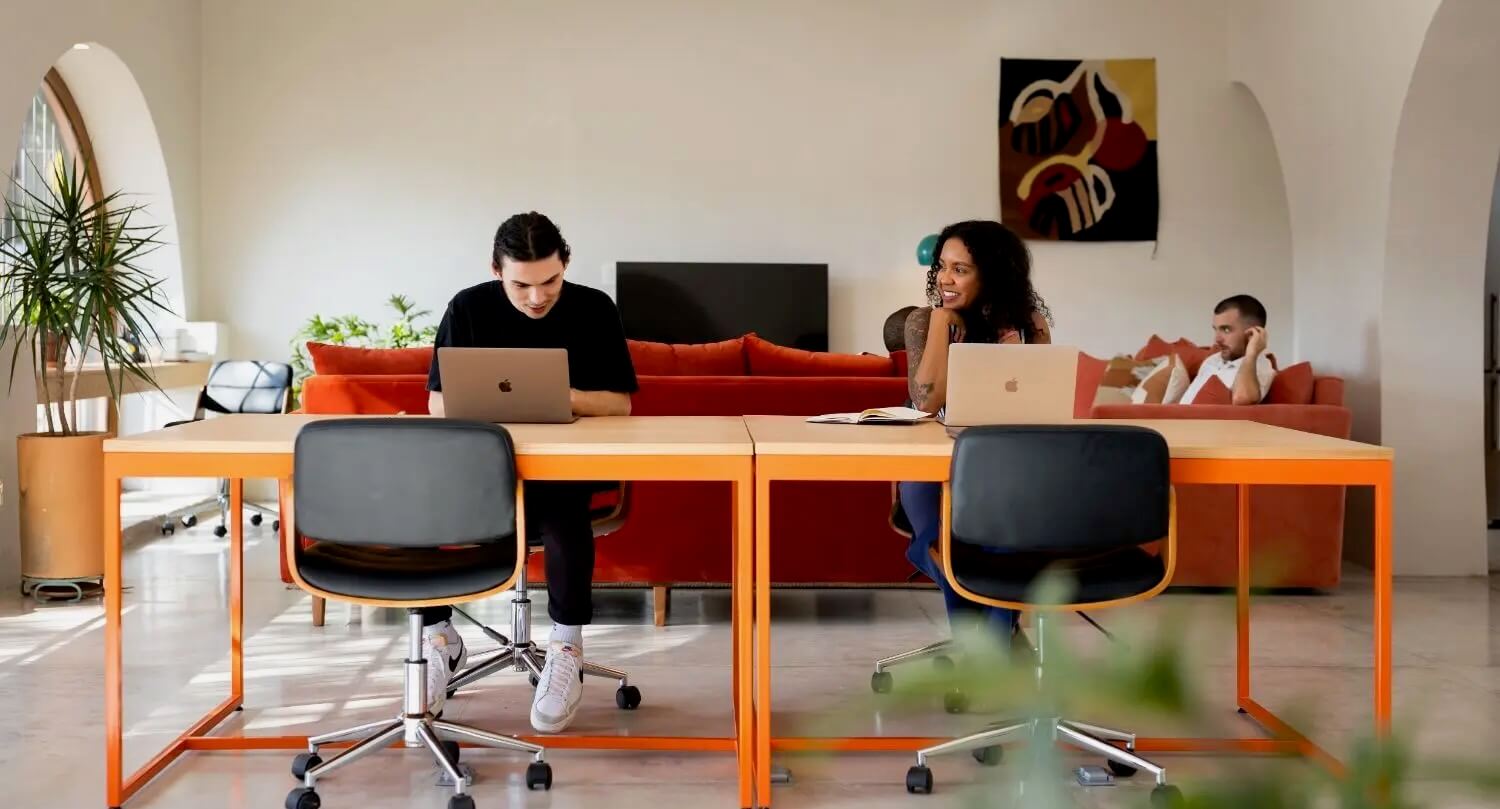
What began as a single house in Northern California has expanded into a global network of over 50 locations. The growth of the platform mirrors the broader shift in labor demographics. As companies have adopted "work-from-anywhere" policies, Outsite has scaled to meet the demand of a professional class that views travel not as a vacation, but as a lifestyle. Today, the network boasts over 5,000 members, ranging from freelance designers and software engineers to corporate employees on extended "workations."
Supporting Data and The Business Model
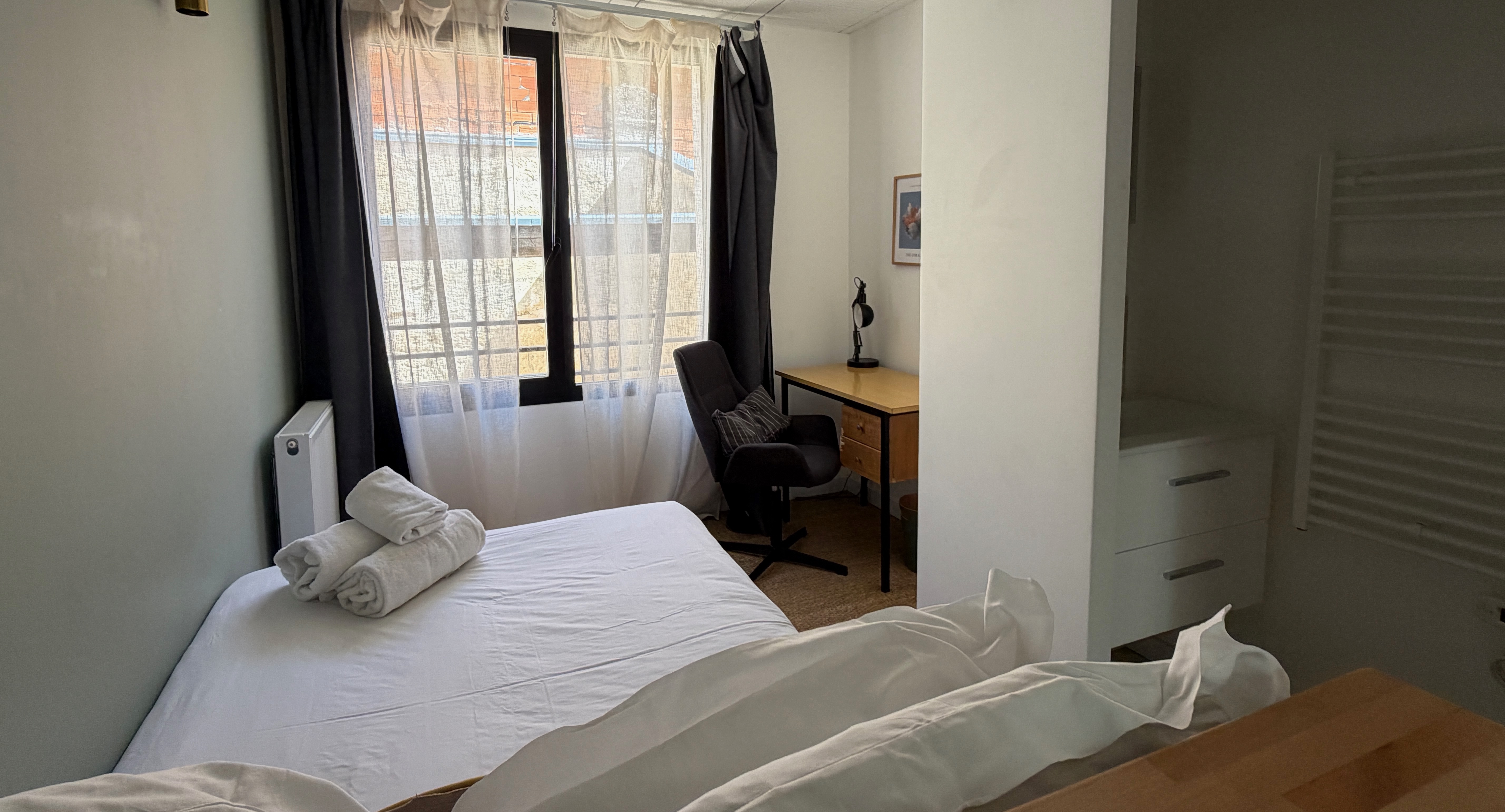
Outsite operates on a hybrid model that blends the amenities of a boutique hotel with the collaborative spirit of a coworking hub. Guests book private rooms—often with en-suite facilities—within homes designed for long-term comfort.
The Membership Advantage
While Outsite is open to the public, the platform incentivizes a membership model to build a recurring community. For a yearly fee of $199 or a lifetime payment of $499, members gain access to:
- Exclusive Inventory: Access to members-only locations.
- Operational Perks: A 50% discount on flash sales and 40% off extended stays.
- Professional Networking: Access to a dedicated job and sublets board.
- Lifestyle Benefits: Curated mixers and professional community resources.
When calculating the cost, many users find that Outsite is a financially prudent choice. By bundling the cost of a private room with a high-end, dedicated workspace, the price becomes competitive against the combined cost of an average Airbnb and a monthly membership to a local coworking studio.
Inside the Experience: Productivity Meets Community
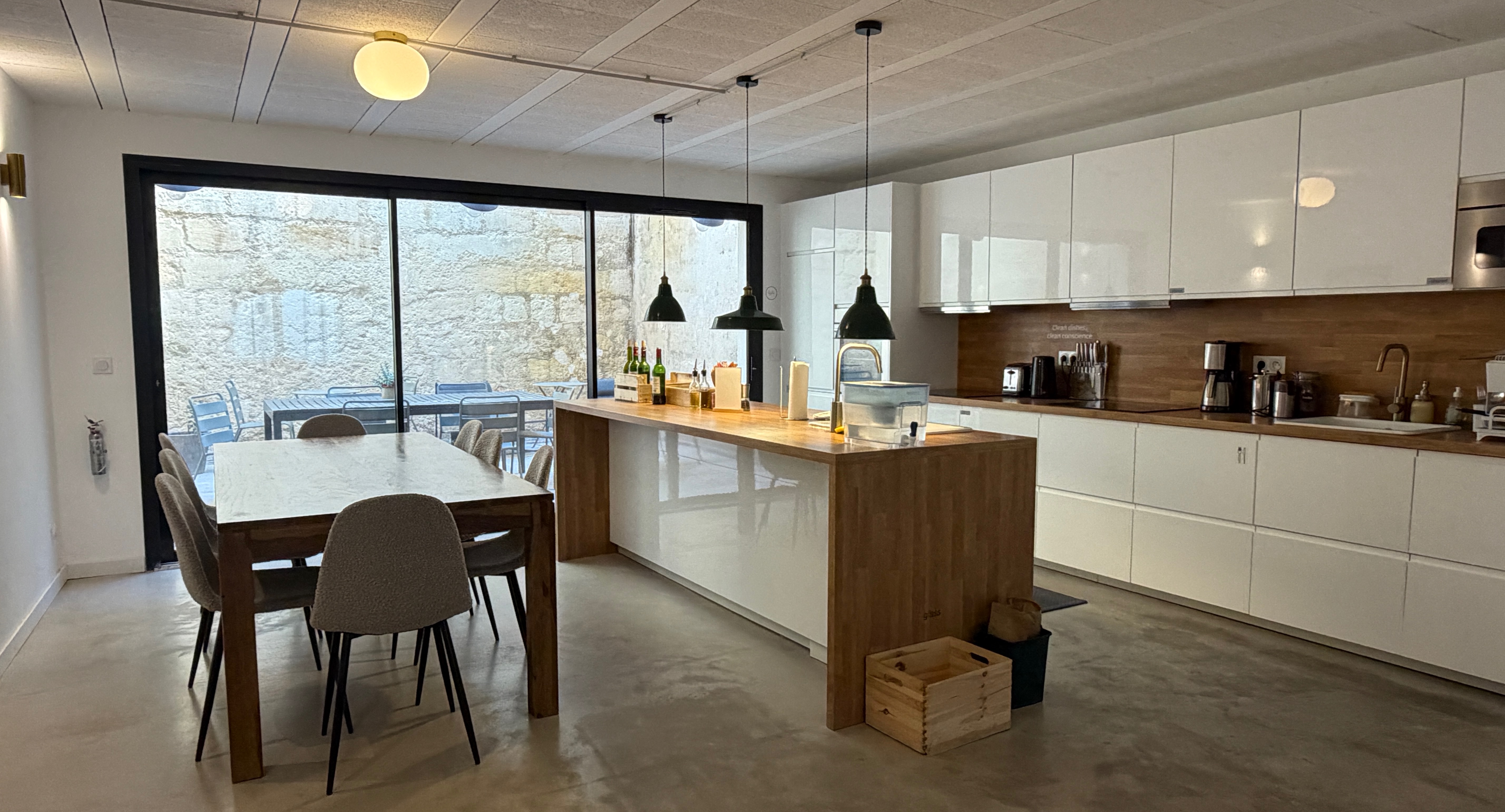
During a recent stay at an Outsite property in Bordeaux, France, the shift from "traveler" to "resident" was immediate. The physical infrastructure of the property is built for deep work: ergonomic chairs, enterprise-grade, high-speed Wi-Fi, and monitors available for plug-and-play use.
The Role of the Community Manager
The "secret sauce" of the platform, however, is the Community Manager. Unlike a traditional hotel manager, this individual acts as a facilitator. Upon booking, guests are added to local WhatsApp groups, bridging the gap between arrival and social integration. Whether it’s organizing family-style dinners, weekend tapas crawls, or group yoga, these events are designed to mitigate the isolation common to remote work.
In Bordeaux, the community manager functioned as a local concierge, offering insider tips on regional cuisine and local culture. This curation transforms a house of strangers into a temporary professional cohort, providing a social safety net for those who might otherwise be dining alone.
Official Perspective and Design Philosophy
The design language of an Outsite property is a deliberate departure from the "corporate beige" of standard hotels. The spaces prioritize natural light, biophilic design (plants), and local artwork. The objective is to create an environment that feels like a stay at a "wealthy, cool friend’s house."
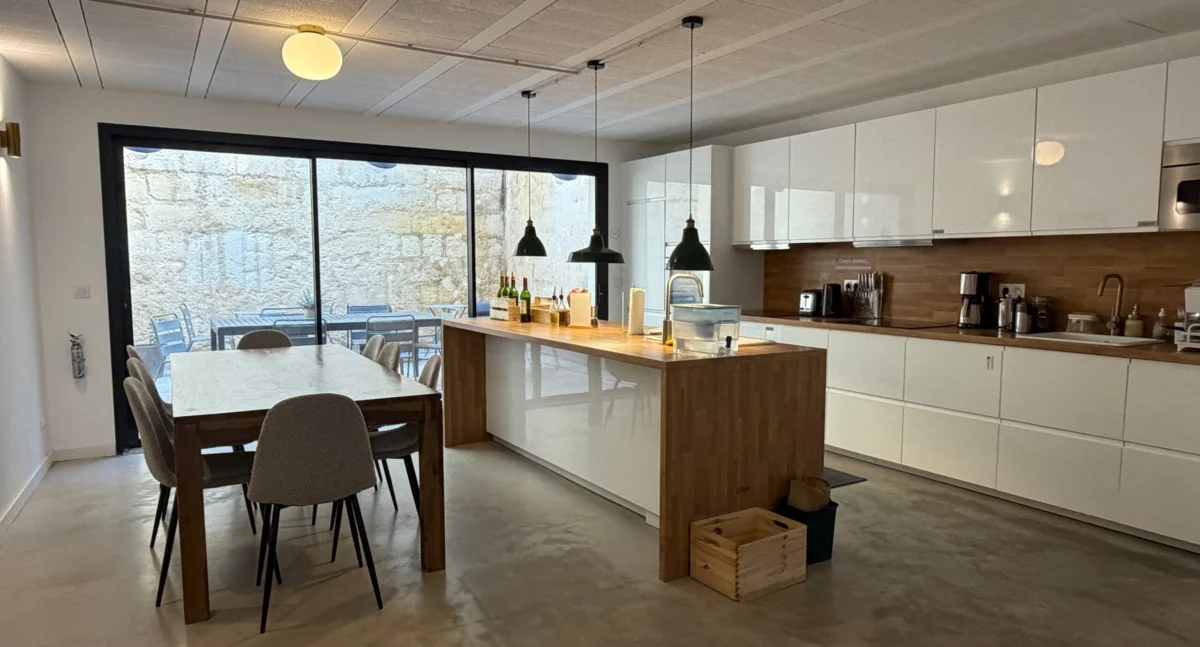
The kitchen facilities are a testament to this philosophy. Equipped with professional-grade appliances, these communal spaces encourage collective cooking and conversation—elements that are impossible to find in a standard hotel room. By providing the tools for domesticity, Outsite acknowledges that for long-term travelers, the ability to cook a healthy meal is essential to maintaining health and mental clarity.
Implications: The Future of the "Nomadic Class"
The rise of platforms like Outsite has significant implications for the future of work and urban planning. As more professionals opt out of traditional leases, we are seeing the emergence of a new "nomadic class" that values access over ownership.
Critical Considerations
However, the model is not without its trade-offs:
- Not a Budget Alternative: Those expecting "hostel prices" will be disappointed. The premium paid is for reliability, privacy, and community curation.
- The Planning Paradox: The most desirable locations—such as Lisbon in the summer or Costa Rica in the winter—frequently book up months in advance. The spontaneity often associated with backpacking is somewhat dampened by the necessity of planning ahead.
- The Professional Barrier: The age demographic tends to skew toward late 20s to mid-40s. This creates a focused, professional atmosphere, but it lacks the "anything goes" party culture found in traditional youth hostels.
Conclusion: Finding Your Tribe
The "digital nomad" label is shifting. It is no longer synonymous with "backpacking with a laptop." Today, it represents a mature segment of the workforce that demands high standards for both productivity and social connection.
Outsite provides a blueprint for this transition. By removing the logistical friction of finding stable internet and the social friction of meeting new people in a foreign city, the platform allows the remote worker to focus on what truly matters: their career and their experience of the world.
For the professional struggling to balance a full-time job with the itch to see the world, the solution is no longer to choose one over the other. Through the lens of coliving, it is possible to maintain a career trajectory that is not only sustained but enhanced by the act of travel. As the global infrastructure for remote work continues to mature, it is clear that the future of the workforce will not be found in a cubicle, but in a well-connected, community-driven space that feels like home, no matter how far from home you are.
For those looking to master the art of the nomadic lifestyle, consider pairing your coliving experience with robust travel planning tools. Whether you are using services like Skyscanner to optimize your flight paths or relying on comprehensive travel insurance for peace of mind, the goal remains the same: to minimize the friction of travel so you can maximize the richness of the journey.
 Iffa Jayyana
  Laily UPN