

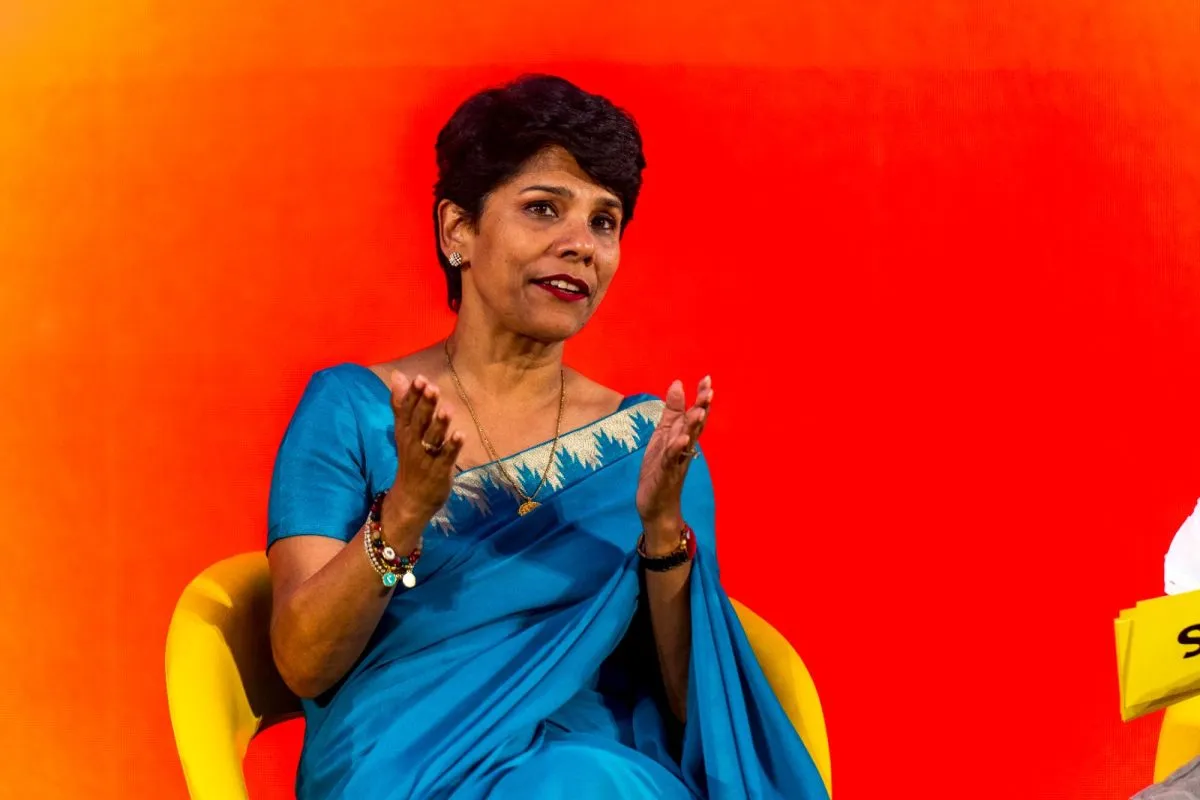
Nine months into her tenure as the CEO of Accor’s South Asia business, Ranju Alex is steering the hospitality giant toward a transformative era. For a brand that has long maintained a steady presence in India, the current strategy represents a decisive shift from consolidation to aggressive diversification. As the Indian travel and tourism sector experiences a post-pandemic surge, Accor is betting that the local market is finally ready for a more sophisticated, nuanced, and expansive portfolio of global brands.
In an exclusive interview with Skift, Alex outlined a clear vision: the next phase of Accor’s growth in the subcontinent will be defined by bringing its global brand architecture to life within Indian borders. With a global roster of 45 brands and a current local footprint of only nine, the potential for expansion is, by the CEO’s admission, significant.
The Strategic Shift: Diversification as the New Growth Engine
Accor’s growth strategy in India has historically been characterized by its core offerings, such as Novotel, Ibis, and Pullman. However, the changing demographics of the Indian traveler—increasingly affluent, globally traveled, and experience-driven—have created a vacuum that Accor intends to fill.
"We have 45 brands globally. We only have nine in India today," Alex noted during the interview, framing the discrepancy not as a shortcoming, but as an immense opportunity for growth. Her strategy is rooted in the belief that India’s hospitality landscape has reached a point of maturity where it can absorb, appreciate, and sustain a far more complex mix of lifestyle, luxury, and boutique offerings.
New Brand Entrants
The group is actively diversifying its portfolio with several high-profile additions:
- Mövenpick: Accor has officially signed its first Mövenpick property for India, bringing its renowned Swiss heritage and focus on culinary excellence to the market.
- MGallery: The company is reportedly "on the verge" of signing its first MGallery property, which will target the boutique, design-led luxury segment.
- The Hoxton: In a move that signals a commitment to the "lifestyle" segment, Accor is set to open The Hoxton in Bengaluru this November. This follows the successful launch of the Roswyn in Mumbai this past May, which serves as the first Morgans Originals hotel under the Ennismore umbrella.
Chronology of Accor’s Evolution in South Asia
To understand the weight of these current announcements, one must look at the trajectory of Accor in the region.
Phase I: Foundation and Scale (2000s–2015)
Accor entered India with a focus on scale, prioritizing business-centric brands like Novotel and the budget-friendly Ibis model. This phase was defined by the partnership with InterGlobe Enterprises, which helped establish a robust supply chain and operational presence across Tier 1 and Tier 2 cities.
Phase II: The Ennismore Integration (2021–2023)
The global merger between Accor and Ennismore—a lifestyle hospitality leader—was a watershed moment. It brought brands like Mondrian, SLS, and 25hours into the Accor ecosystem. In India, this transition was initially slow, but the launch of the Morgans Originals property in Mumbai earlier this year marked the beginning of a concerted effort to capitalize on the Ennismore portfolio.
Phase III: The Current Acceleration (2024–Present)
Under Ranju Alex’s leadership, the focus has shifted from internal restructuring to external execution. The appointment of a new CEO brought a renewed mandate: speed to market. Over the last nine months, the focus has been on identifying which of the remaining 36 global brands are "India-ready."
Supporting Data: Why Now?
The optimism driving Accor’s expansion is backed by macro-economic indicators in India. According to recent data from the Ministry of Tourism and various hospitality analytics firms, the average daily rate (ADR) and revenue per available room (RevPAR) in Indian hotels have surpassed pre-pandemic levels.
- The Rise of Tier 2 and Tier 3 Markets: As infrastructure projects—including new international airports and improved rail connectivity—link smaller cities to the national economy, the demand for branded accommodation is no longer confined to Mumbai, Delhi, and Bengaluru.
- Lifestyle Spending: The "bleisure" (business + leisure) segment is booming. Corporate travelers are increasingly looking for hotels that offer social spaces, co-working facilities, and unique culinary experiences—the exact pillars of the Ennismore brands.
- Institutional Investment: With increased interest from global institutional investors in Indian real estate, the barrier to entry for high-end hotel development is lower than it has been in decades.
"What surprises me," Alex remarked, "is the fact that there are markets opening up that we never ever thought would." This sentiment reflects a broader trend in Indian hospitality where the "unexpected" markets are now becoming the primary drivers of growth.
Official Responses and Internal Reorganization
The transition from a period of internal reorganization to one of aggressive execution was not without its challenges. The integration of various brand standards, the training of staff to meet global expectations, and the alignment of local ownership groups with Accor’s vision required a complete overhaul of the leadership philosophy.
When asked about the relationship with partners like InterGlobe, Alex emphasized a culture of collaboration. "The slate is open for us," she stated. The implication is that the structural bottlenecks that may have hindered growth in previous years have been cleared, allowing for a more streamlined approval process for new properties.
The group is currently evaluating three to four additional brands beyond the ones mentioned. These brands are being selected based on a "fit-for-market" analysis, which considers local cultural nuances, the competitive landscape, and the availability of premium real estate.
Implications: What This Means for the Indian Consumer
For the Indian consumer, Accor’s pivot signals a massive expansion in choice. The arrival of brands like MGallery and Mövenpick means that travelers no longer need to look to Southeast Asia or Europe to experience global lifestyle brands.
1. Competitive Pressure on Domestic Chains
The influx of diverse international brands puts immense pressure on domestic players like IHCL (Taj) and EIH (Oberoi) to innovate. While Indian brands hold the home-field advantage in terms of legacy and local sentiment, Accor’s global loyalty program (ALL – Accor Live Limitless) provides a competitive edge for international travelers and the growing segment of globally conscious Indian elites.
2. The Lifestyle Hospitality Revolution
The Hoxton, as a flagship for the "lifestyle" movement, represents a departure from the traditional "hotel lobby" concept. By blending workspaces, art galleries, and restaurants into the hotel experience, Accor is catering to the digital nomad and the modern executive who values connectivity and design over traditional formal service.
3. Sustainability and Local Sourcing
As part of its global mandates, Accor is under pressure to integrate sustainability into its Indian growth. The expansion into new brands provides the company with a "clean slate" to implement greener construction methods and local supply chain integration from day one.
Conclusion: The Path Ahead
The path forward for Accor in South Asia is one of disciplined agility. While the prospect of introducing dozens of brands is enticing, the success of this strategy will depend on execution. As Alex noted, the market is ready, but the competition is fierce.
Accor’s strategy is a microcosm of the broader "India Growth Story." It is a move away from the cautious optimism of the previous decade toward a bold, brand-led expansion that views the Indian traveler not as a secondary market, but as a primary consumer of global luxury and lifestyle.
With the upcoming launch of The Hoxton and the expansion of the MGallery and Mövenpick portfolios, Accor is signaling that it is no longer content with merely being a player in the Indian market—it intends to be the architect of its future hospitality landscape. Whether this expansion can maintain the quality and consistency required by these global brands remains to be seen, but for now, the momentum is undeniably with the group.
As the calendar turns toward the end of the year, the hospitality industry will be watching Bengaluru closely to see if The Hoxton can deliver on the promise of a new, decentralized, and deeply local approach to international hospitality.
 Reynand Wu
  Lina Hope
  Basiran