

Dresden, the capital of the Free State of Saxony, stands as a testament to the resilience of human spirit and the majesty of European history. Often referred to as "Florence on the Elbe," the city is a masterclass in Baroque splendor, cultural depth, and architectural reconstruction. For the discerning traveler, Dresden offers an immersive journey through the legacy of Augustus the Strong, who transformed this city into a powerhouse of art and influence in the 18th century.
Main Facts: The Essence of Saxony’s Capital
Dresden’s modern identity is defined by its dramatic rebirth. Having been decimated during the final months of World War II, the city has undergone a meticulous, decades-long restoration that allows visitors to witness its former glory.
- Location: Situated in eastern Germany, roughly 100 miles south of Berlin and 90 miles north of Prague.
- Architectural Legacy: The city center is a concentrated collection of Baroque and Rococo masterpieces, including the Frauenkirche, the Zwinger, and the Semper Opera House.
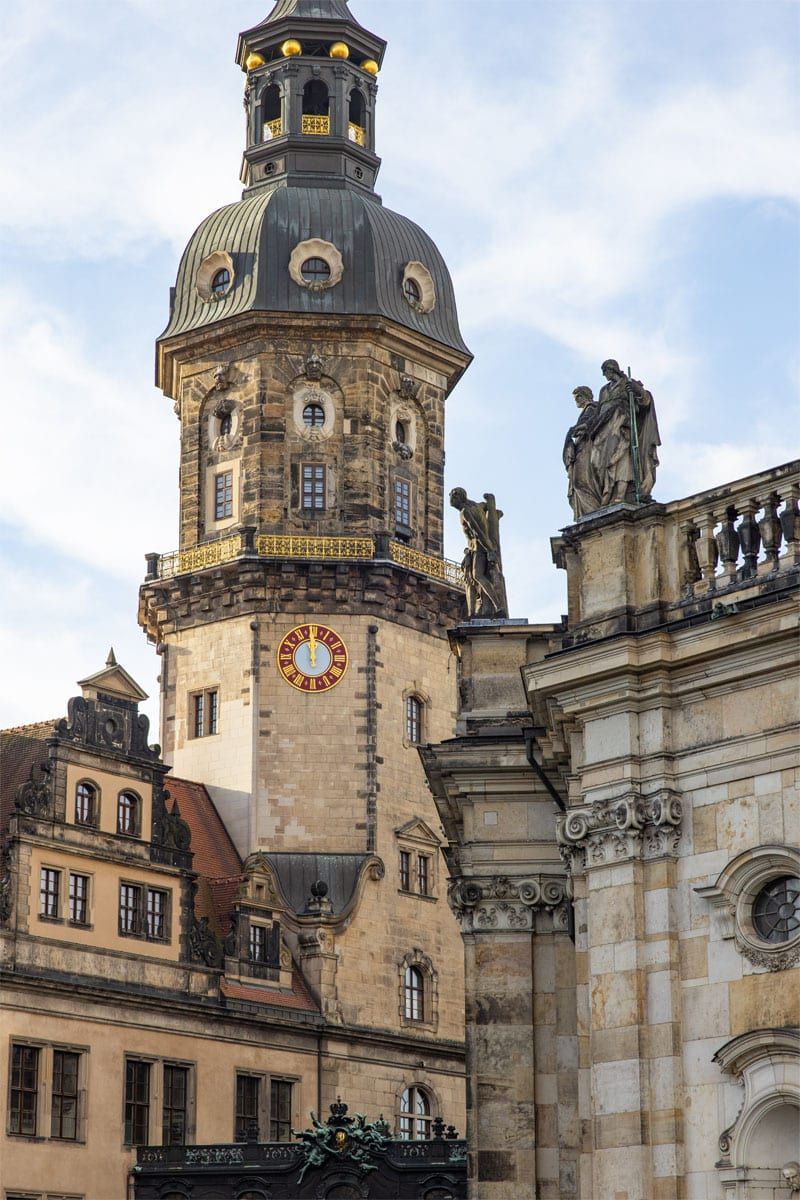
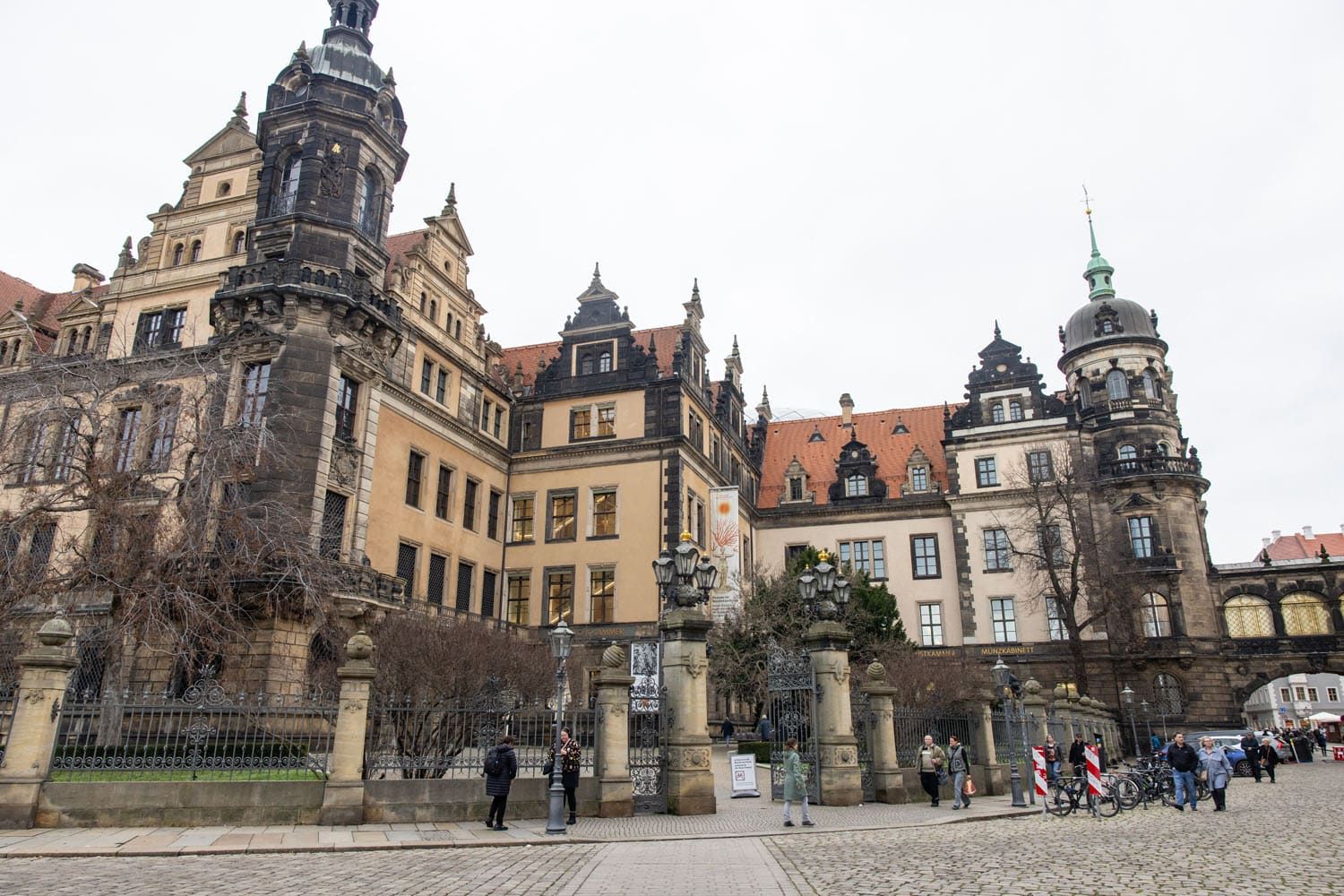
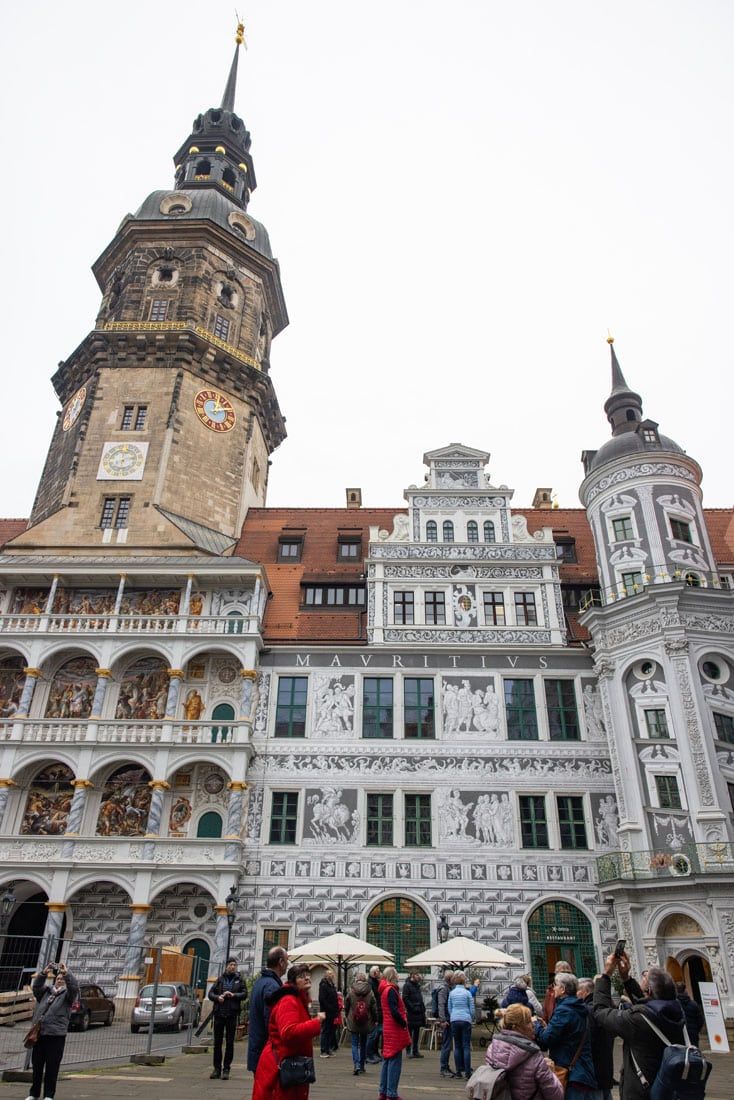
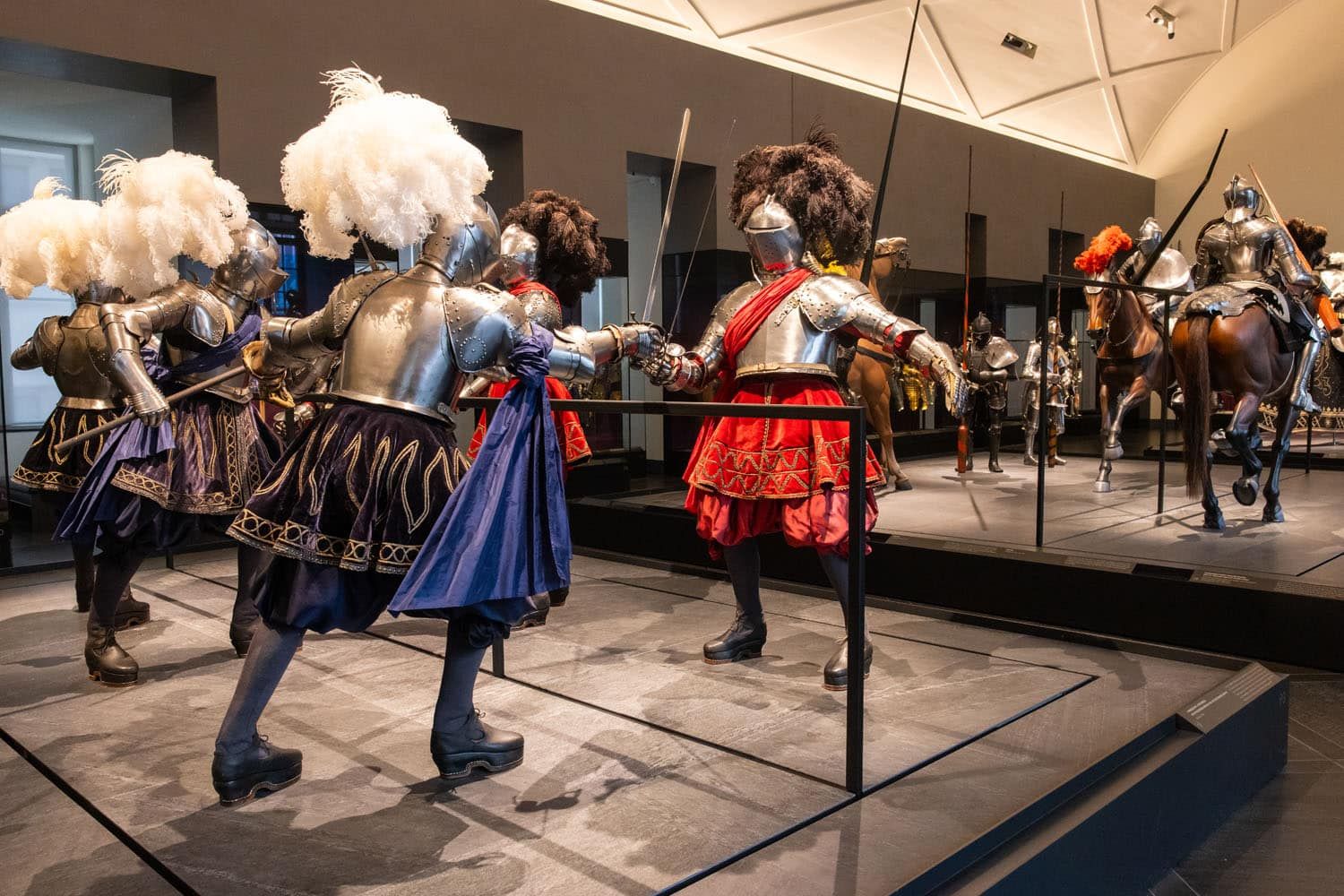
- Cultural Significance: As a former royal seat of the Electors and Kings of Saxony, the city maintains a world-class standard for museums, most notably within the Royal Palace (Residenzschloss).
- Accessibility: Dresden is a premier hub for high-speed rail, linking seamlessly to major European capitals, making it an ideal anchor for a multi-country itinerary.
Chronology: A City Reborn
The timeline of Dresden is a narrative of rise, fall, and resurrection.
- 18th Century: Under the reign of Augustus the Strong, Dresden blossomed into a European center for the arts, architecture, and the newly invented European porcelain.
- 1945: The firebombing of Dresden in February 1945 reduced the historic city center to rubble, an event that remains a somber chapter in global history.
- 1994–2005: The reconstruction of the Frauenkirche, a project funded by global donations, served as a global symbol of reconciliation and historical preservation.
- Present Day: Dresden now balances its role as a high-tech industrial hub (often called "Silicon Saxony") with its status as one of Germany’s most visited cultural destinations.
Supporting Data: Navigating the Cultural Landscape
For those planning a visit, the following breakdown of experiences provides the necessary logistics to maximize a 48-hour itinerary.
The Royal Palace (Residenzschloss)
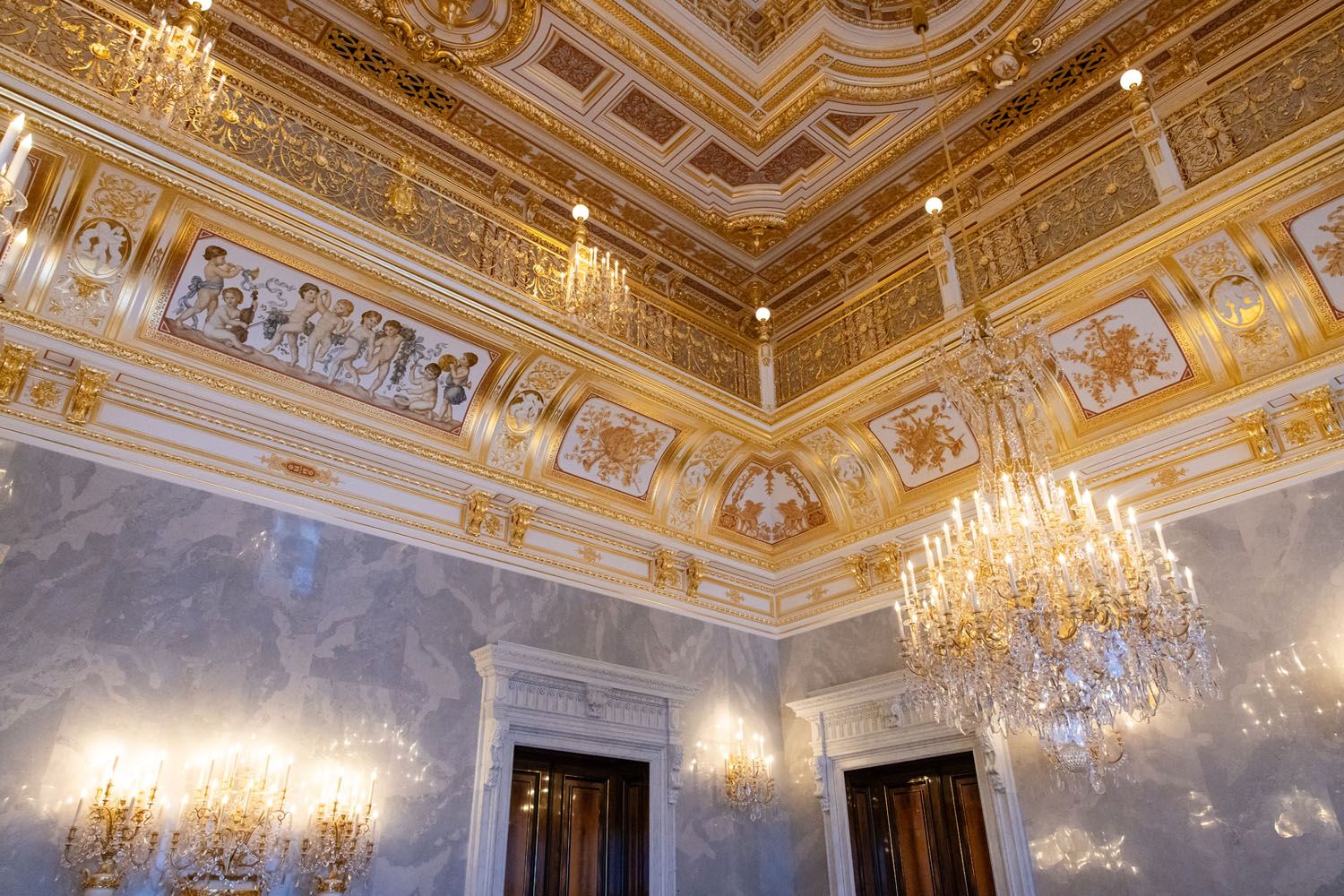
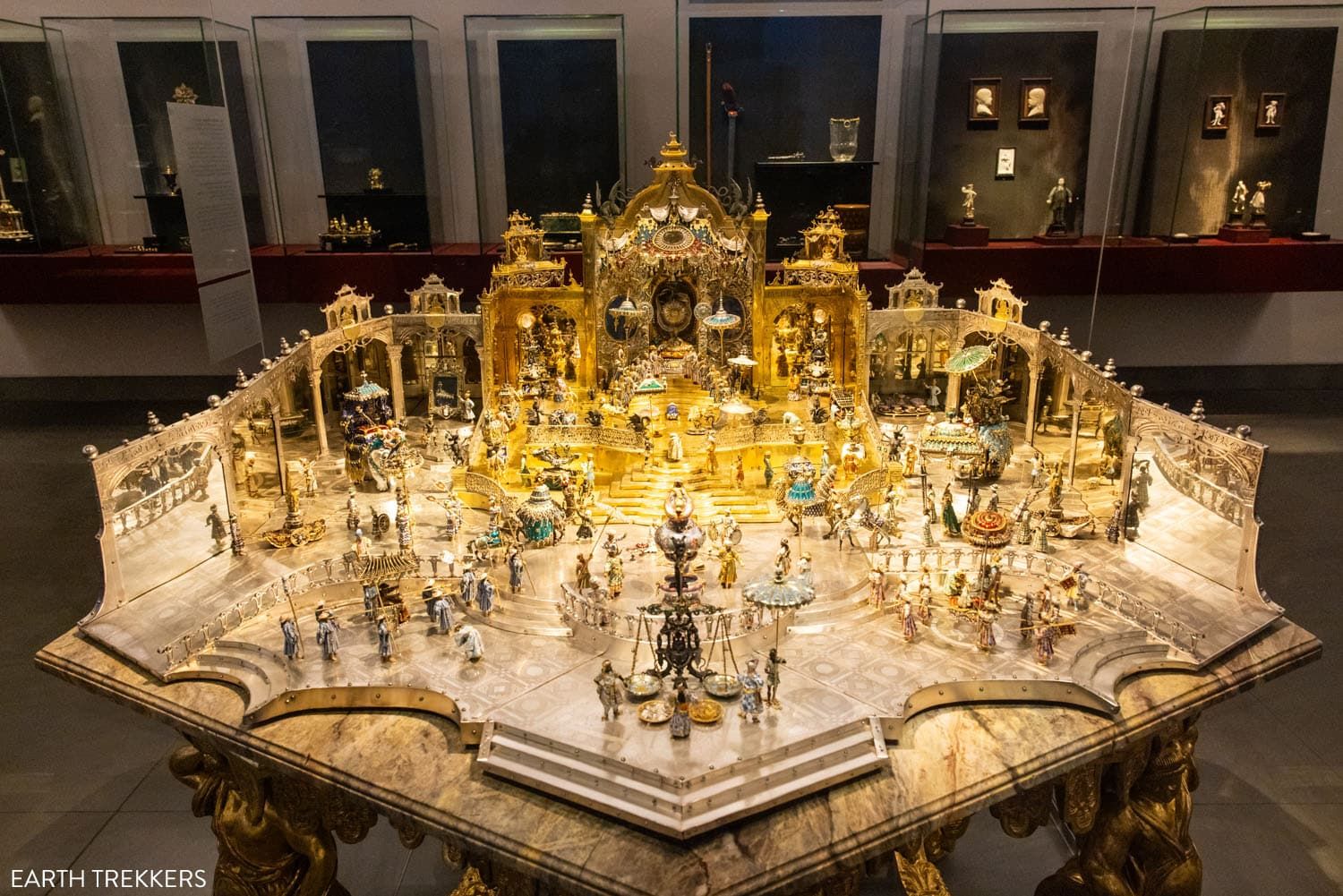
The Royal Palace is the crown jewel of Dresden’s museum scene. It houses the Historic Green Vault, one of the richest treasure chambers in Europe.
- Essential Data: The vault contains over 3,000 masterpieces of jewelry and goldsmithing.
- Logistics: Timed-entry tickets are mandatory and frequently sell out weeks in advance. Security protocols are strict; all personal bags must be checked.
The Dresden Zwinger
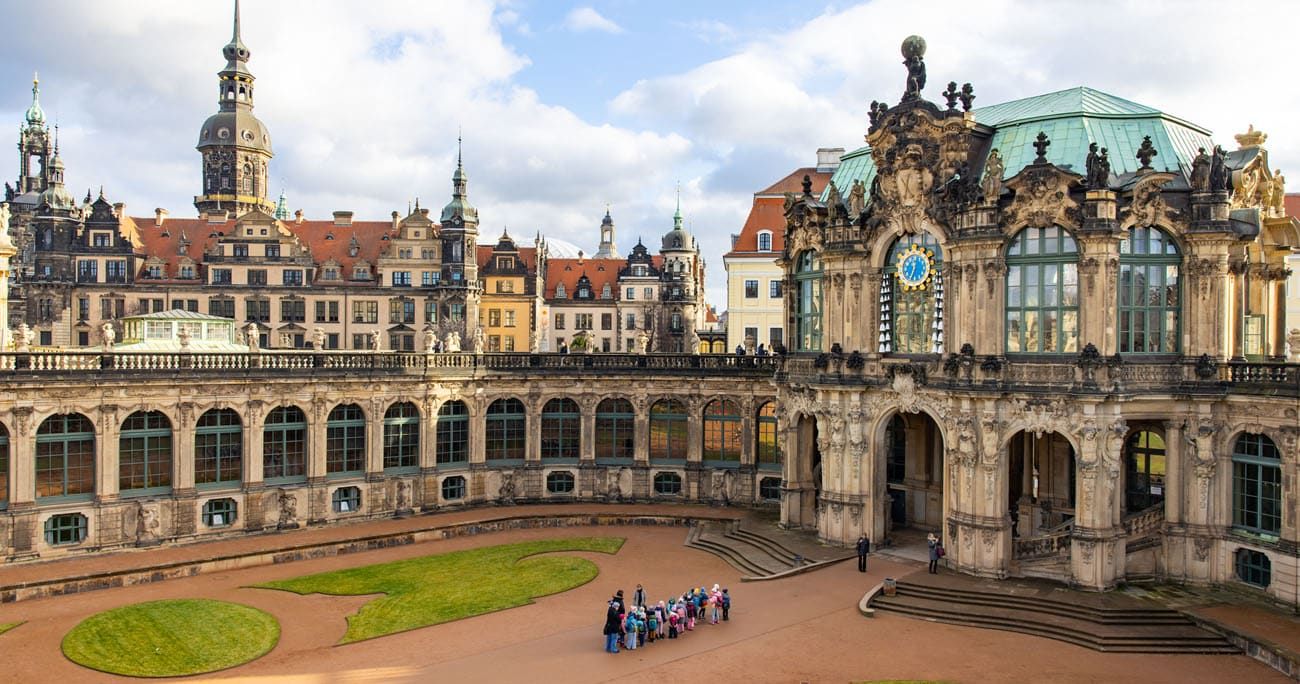
Built between 1710 and 1728, the Zwinger is an architectural marvel designed for court festivities. Today, it hosts the Old Masters Picture Gallery.
- Visitor Insight: The courtyard is open to the public free of charge, offering one of the most serene walking environments in the city.
- Exhibits: The Porcelain Collection and the Mathematical-Physical Salon are essential for history of science and art enthusiasts.
The Frauenkirche (Church of Our Lady)
The church serves as a beacon of the city’s skyline.
- Visitor Insight: While entrance to the main sanctuary is free, the climb to the dome offers a panoramic vantage point of the Elbe valley. The final ascent requires navigating a series of narrow, spiraling ramps, which provides a unique perspective on the dome’s structural integrity.
The Brühl Terrace
Known as the "Balcony of Europe," this elevated promenade overlooks the Elbe River. It is the perfect location for an evening stroll, offering views of the Augustus Bridge and the historic silhouette of the Old Town.
Official Perspectives and Expert Recommendations
Local tourism authorities and historians emphasize that the city is best explored at a "walking pace." Unlike larger, sprawling metropolises, Dresden’s primary attractions are clustered within a one-mile radius, allowing for a deep-dive experience without the need for constant transit.
- Dining Recommendations: For an authentic taste of the region, Augustiner an der Frauenkirche offers a quintessential Bavarian/Saxon experience with hearty portions and locally brewed lagers. For those seeking modern, sustainable options, Rauschenbach provides a contemporary culinary perspective, focusing on fresh, locally sourced breakfast and lunch items.
- Shopping: The Prager Street area serves as the city’s commercial artery, providing a sharp contrast to the historic aesthetic of the Old Town. It is the ideal place to observe the city’s post-war socialist architectural influences.
Implications: Why Dresden Remains a Top-Tier Destination
The implications of a visit to Dresden go beyond mere sightseeing. It is an education in historical stewardship. The city’s commitment to restoring its past while innovating for the future creates a unique atmosphere that is rarely found in other European capitals.
The Seasonal Factor
While Dresden is a year-round destination, its character shifts significantly with the calendar.
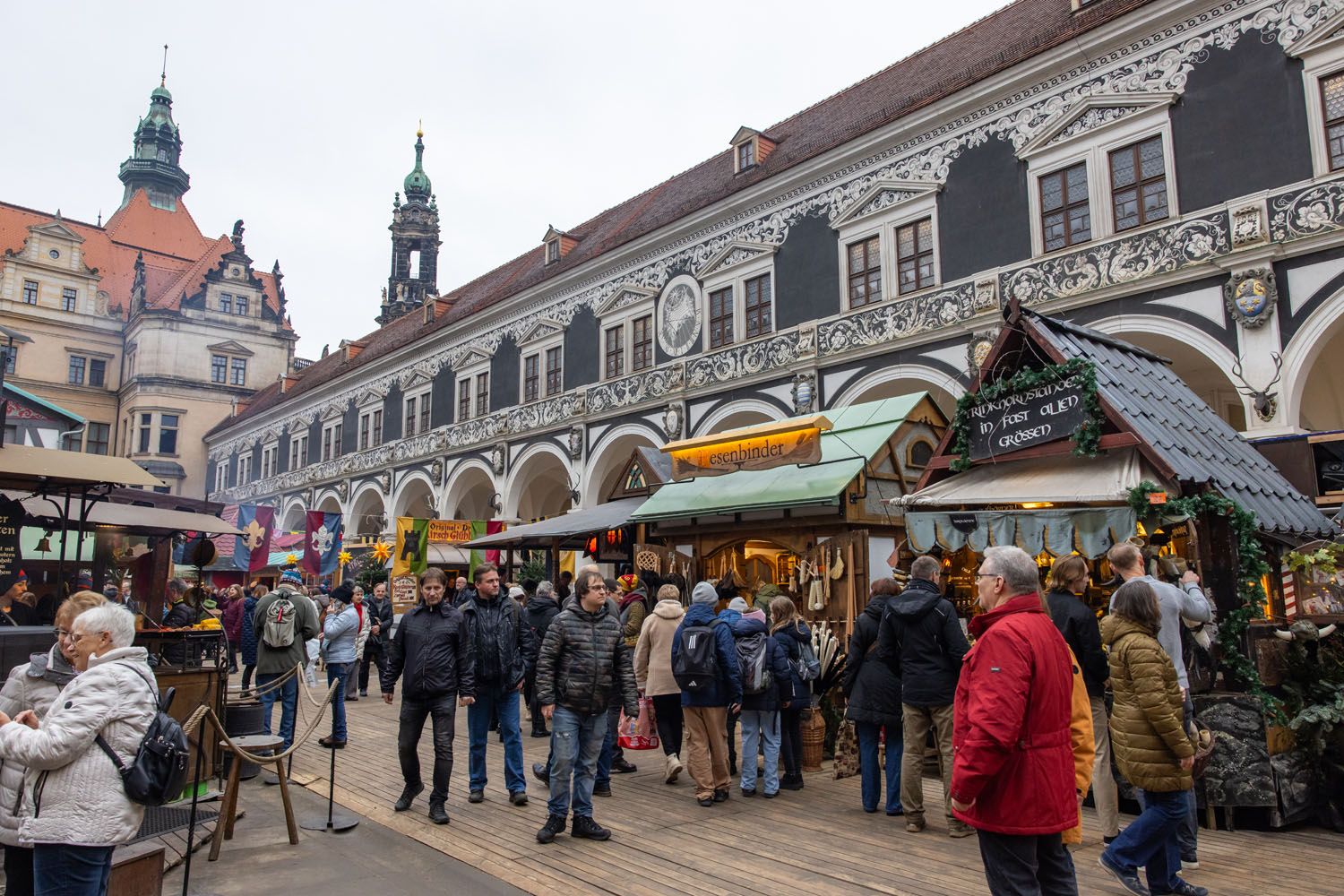
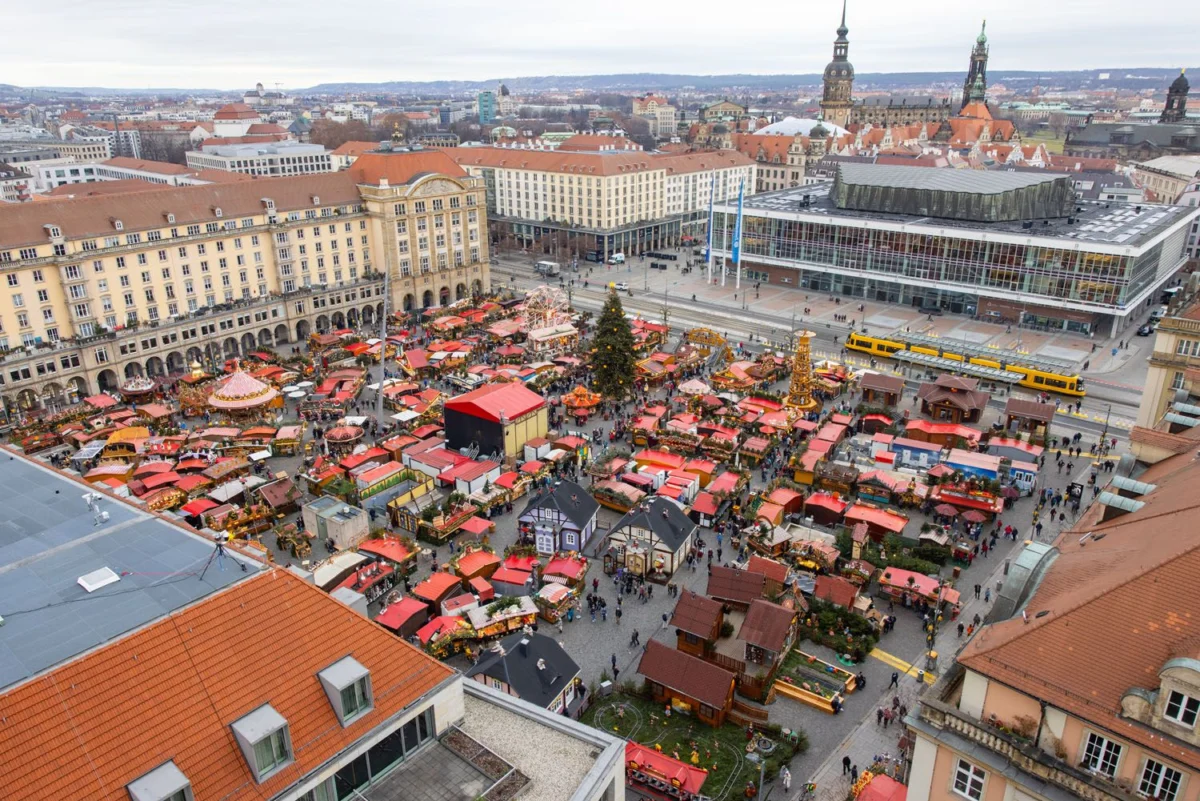
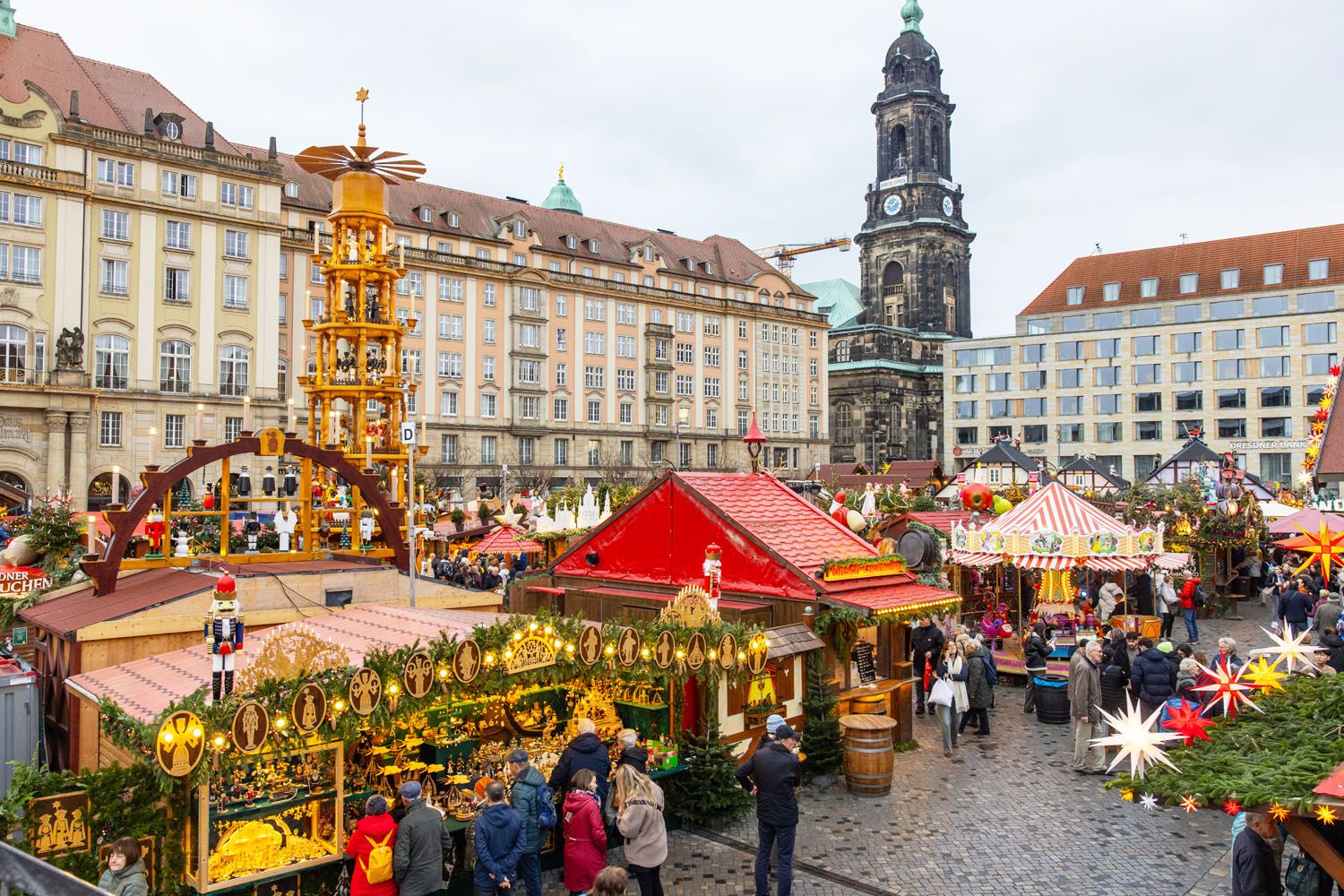
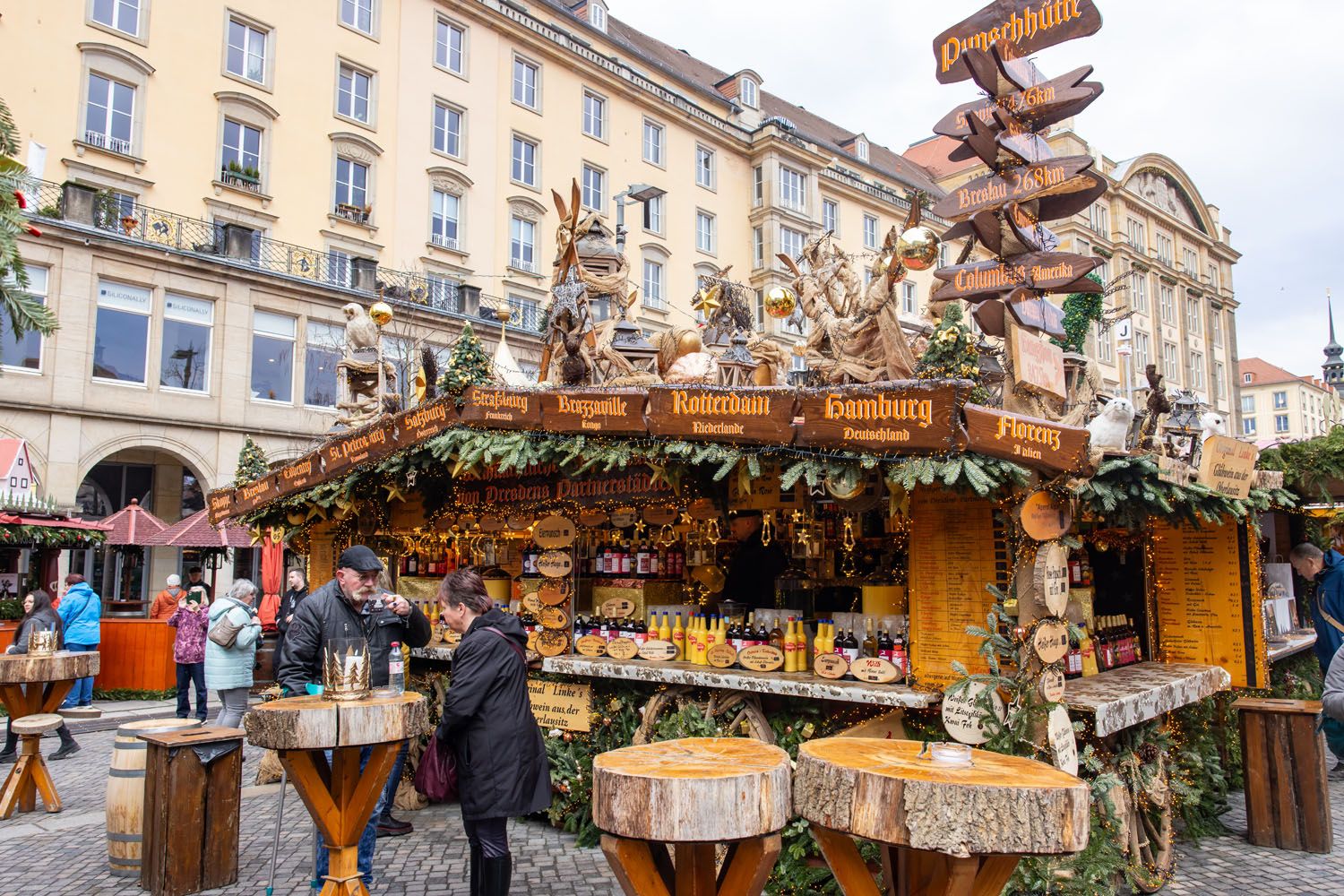
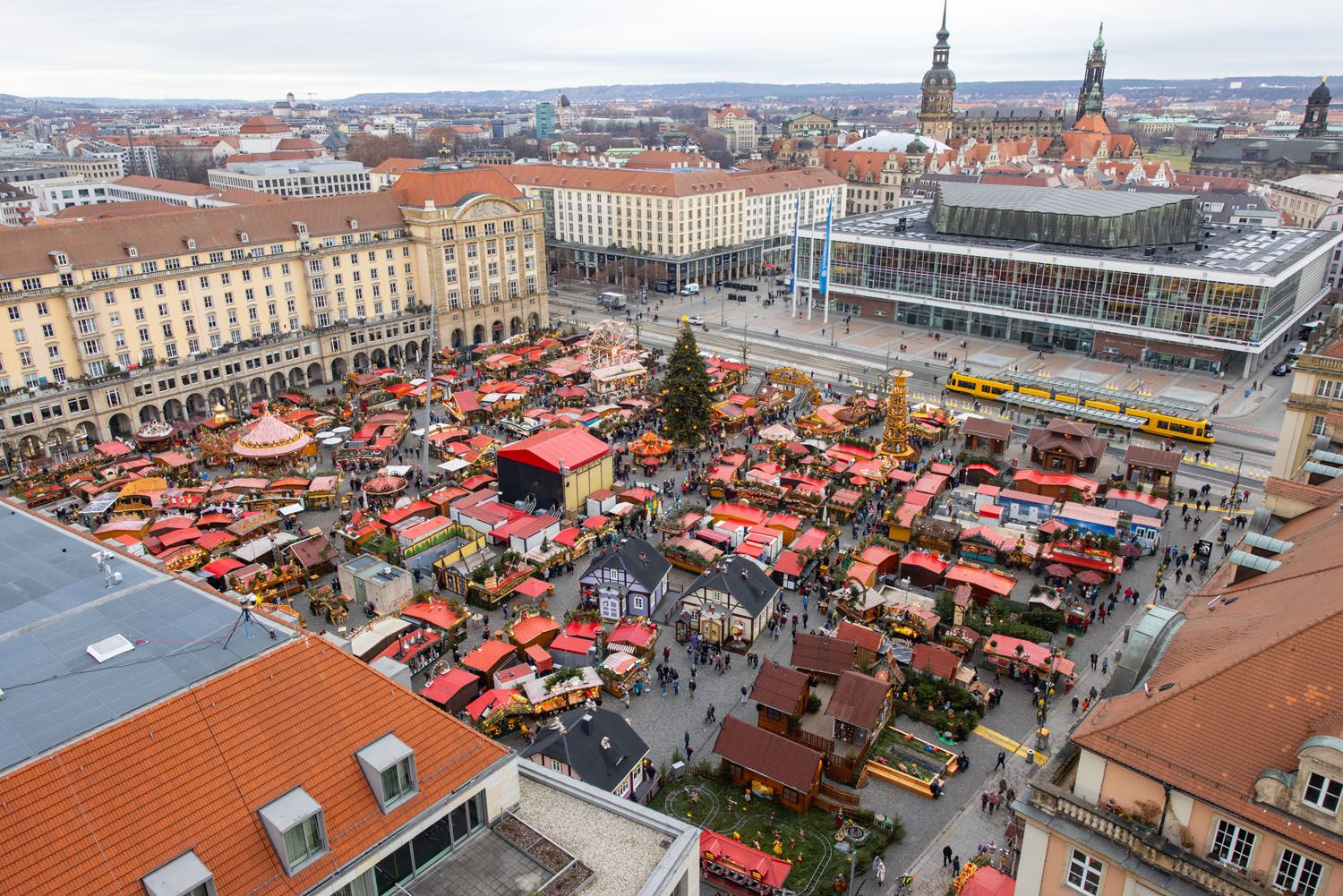
- December: The city hosts the Striezelmarkt, Germany’s oldest documented Christmas market. The atmosphere is transformed into a medieval, festive wonderland that draws millions of visitors.
- Summer (May–September): The city opens its outdoor spaces. The Grand Garden (Großer Garten) becomes the city’s living room, and the riverside cafes along the Elbe offer an unparalleled atmosphere for evening dining.
Practical Advice for the Modern Traveler
- Transport: Avoid the need for a car. Dresden’s tram system is efficient, and the city is highly pedestrian-friendly.
- Booking: For high-demand attractions like the Historic Green Vault, book tickets at least 30 days prior to your arrival.
- Language: While German is the native tongue, English is universally understood in the hospitality and museum sectors, ensuring a seamless experience for international tourists.
Final Verdict: A Must-Visit Destination
Dresden is more than just a "stopover" between Berlin and Prague. It is a city that demands attention. Its ability to reconcile its tragic past with its current vibrant, artistic present makes it one of the most compelling destinations in Central Europe. Whether you are an art historian, a fan of architecture, or a seeker of festive holiday traditions, Dresden offers a profound, multi-layered experience that rewards those who take the time to look beyond the surface.
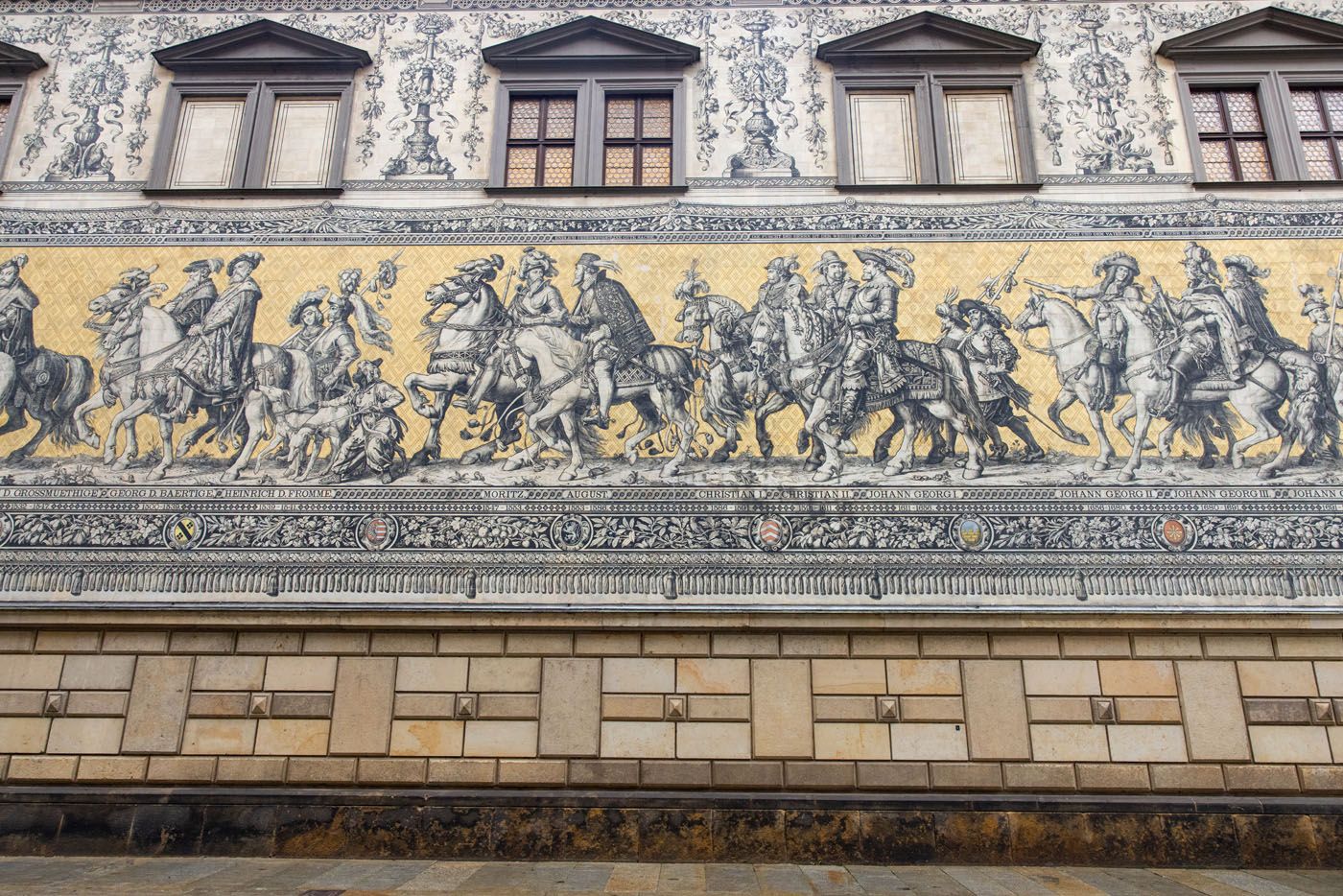
As you plan your journey, remember that the true spirit of Dresden lies in the details: the hand-painted tiles of the Pfunds Molkerei, the golden glow of the Frauenkirche at twilight, and the silent, imposing beauty of the Procession of Princes mural. It is a city that does not just invite you to visit; it invites you to reflect.
 Raul Delapena Setiawan
  Iffa Jayyana