

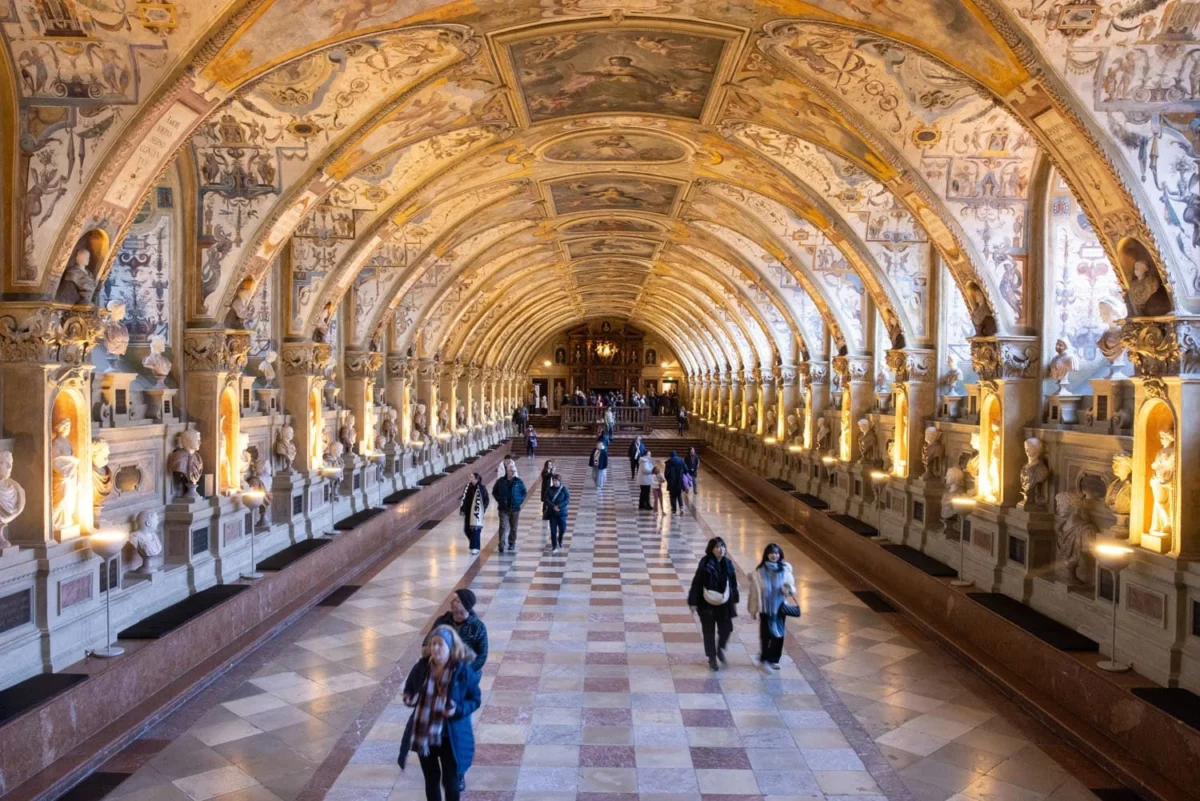
Central Europe is a tapestry of imperial grandeur, rugged alpine beauty, and architectural marvels that span centuries. For travelers looking to experience the heart of the continent, a two-week itinerary offers the perfect balance of metropolitan sophistication and storybook charm. By linking the cultural hubs of Munich, Salzburg, Vienna, and Prague, this route provides an efficient, train-based adventure that minimizes transit stress while maximizing immersion.
Main Facts: The Essence of the Route
This 14-day itinerary is designed for travelers who value efficiency and cultural depth. Starting in the Bavarian capital of Munich and concluding in the "City of a Hundred Spires," Prague, the route follows a logical eastward progression through Austria.
- Destinations: Munich (Germany), Salzburg (Austria), Hallstatt (Austria), Vienna (Austria), Prague (Czech Republic), and Český Krumlov (Czech Republic).
- Transportation: Primarily rail-based. The network of high-speed trains (Railjet and ICE) makes car rentals unnecessary and often counterproductive.
- Best Time to Visit: Late April to June, and mid-September to October. These "shoulder seasons" provide pleasant temperatures and manageable crowds.
- Travel Style: Point-to-point urban exploration with targeted alpine day trips.
Chronological Itinerary: A Day-by-Day Guide
Days 1–3: The Bavarian Gateway (Munich)
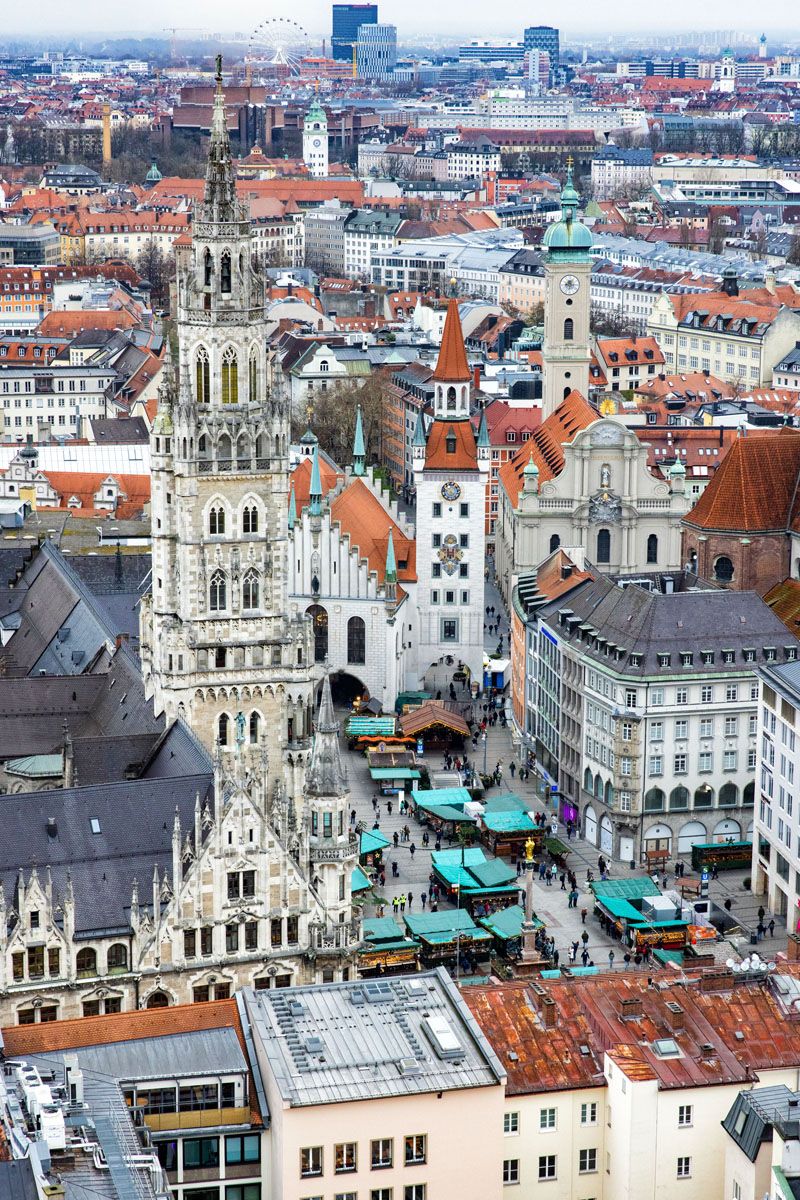
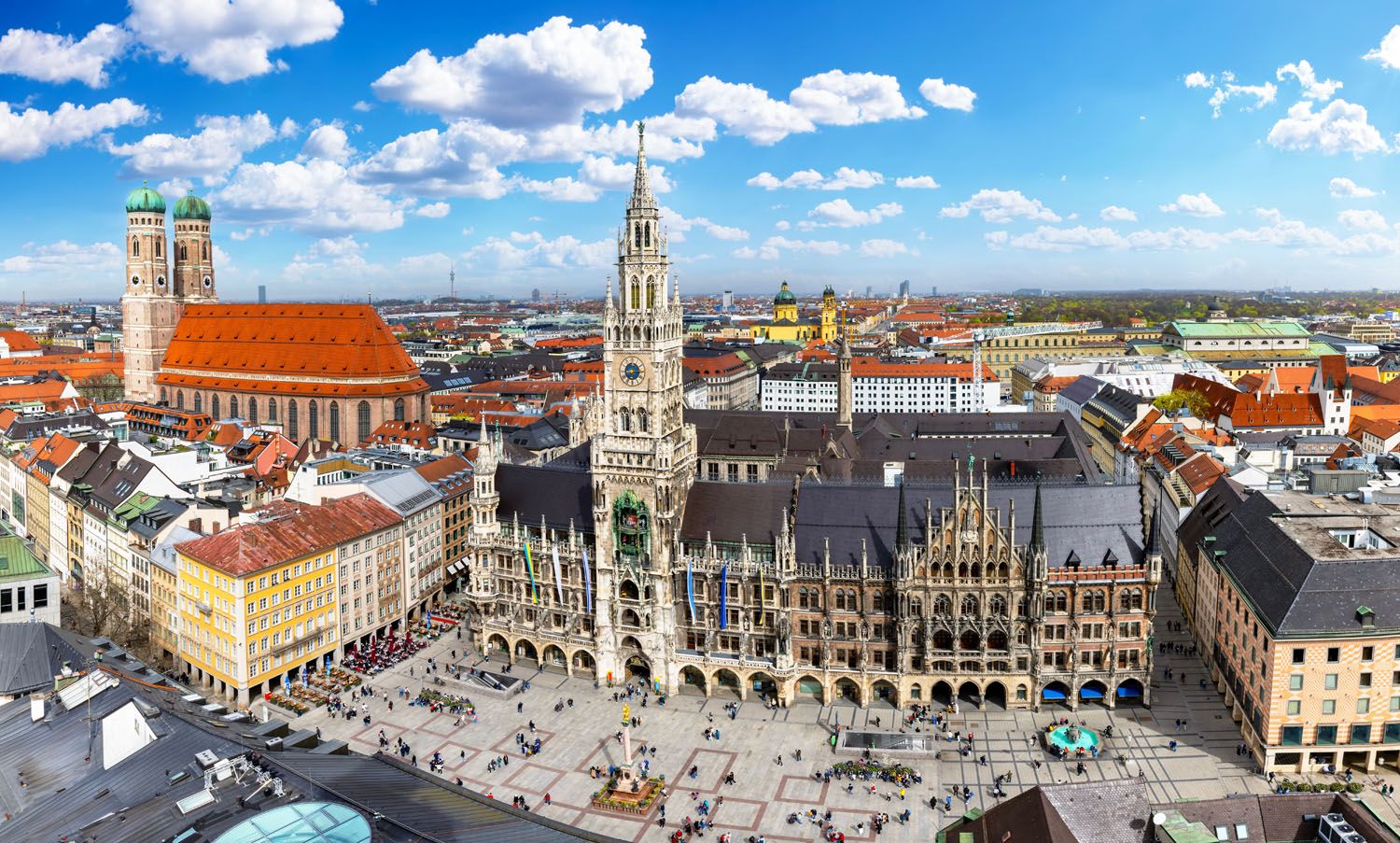
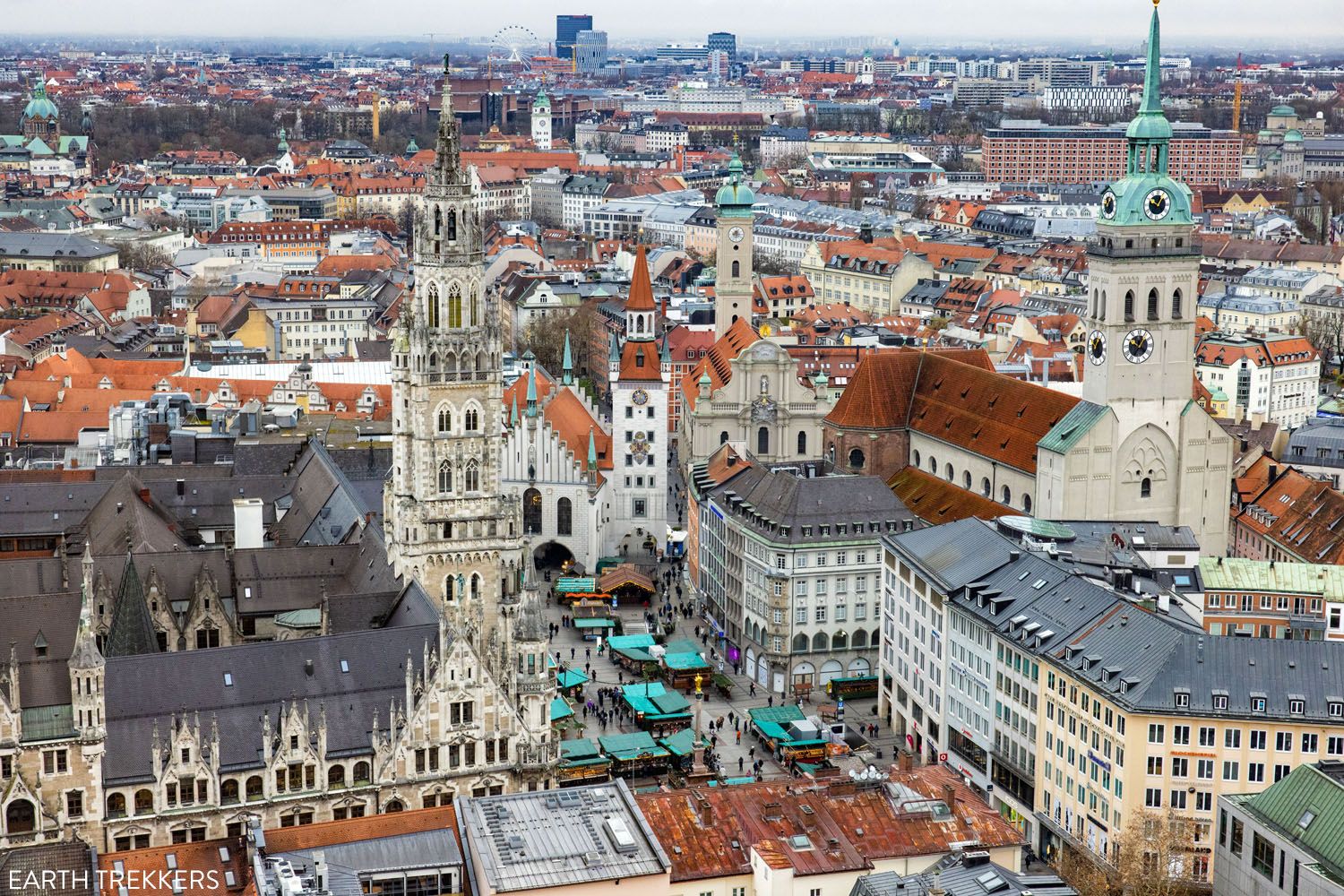
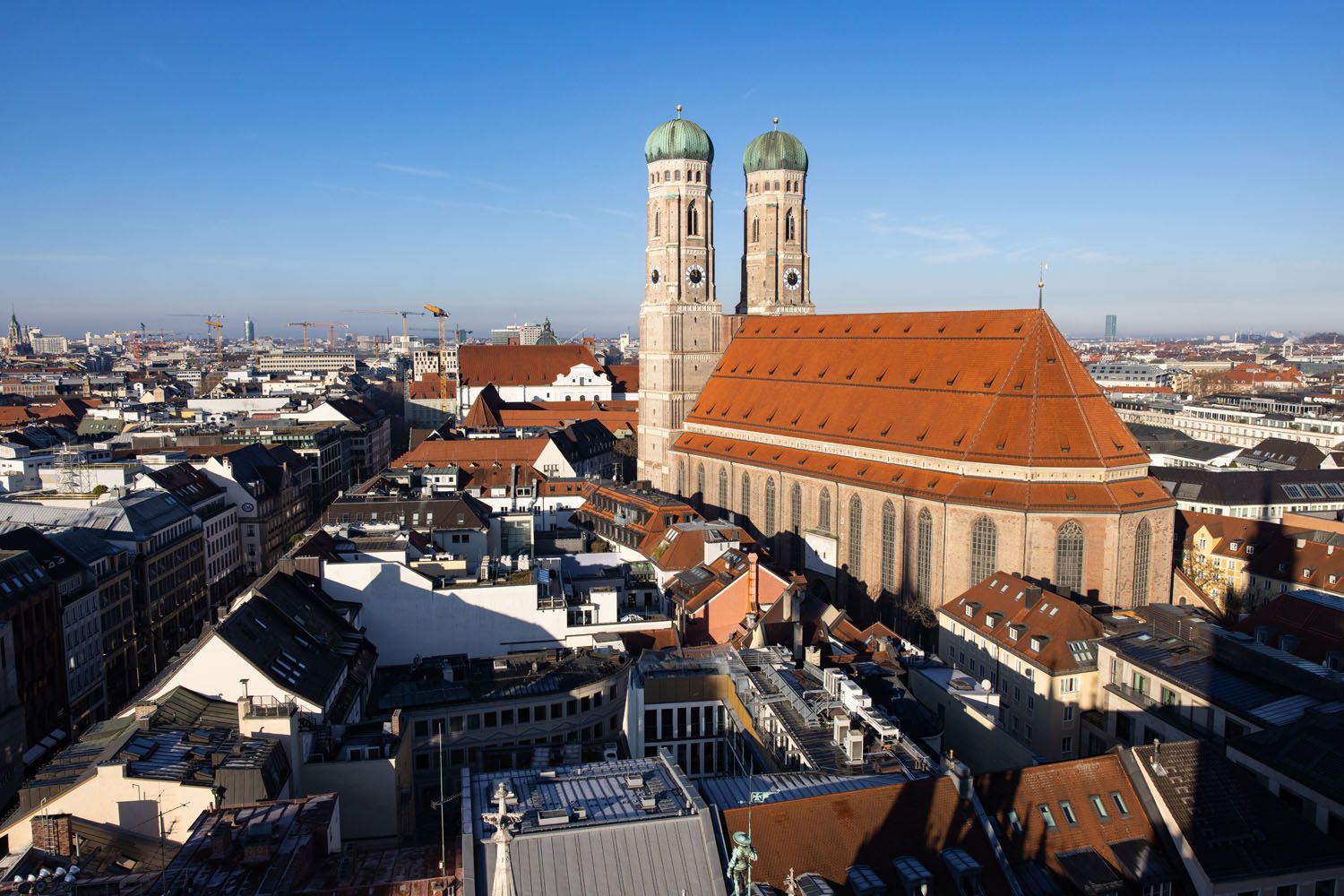
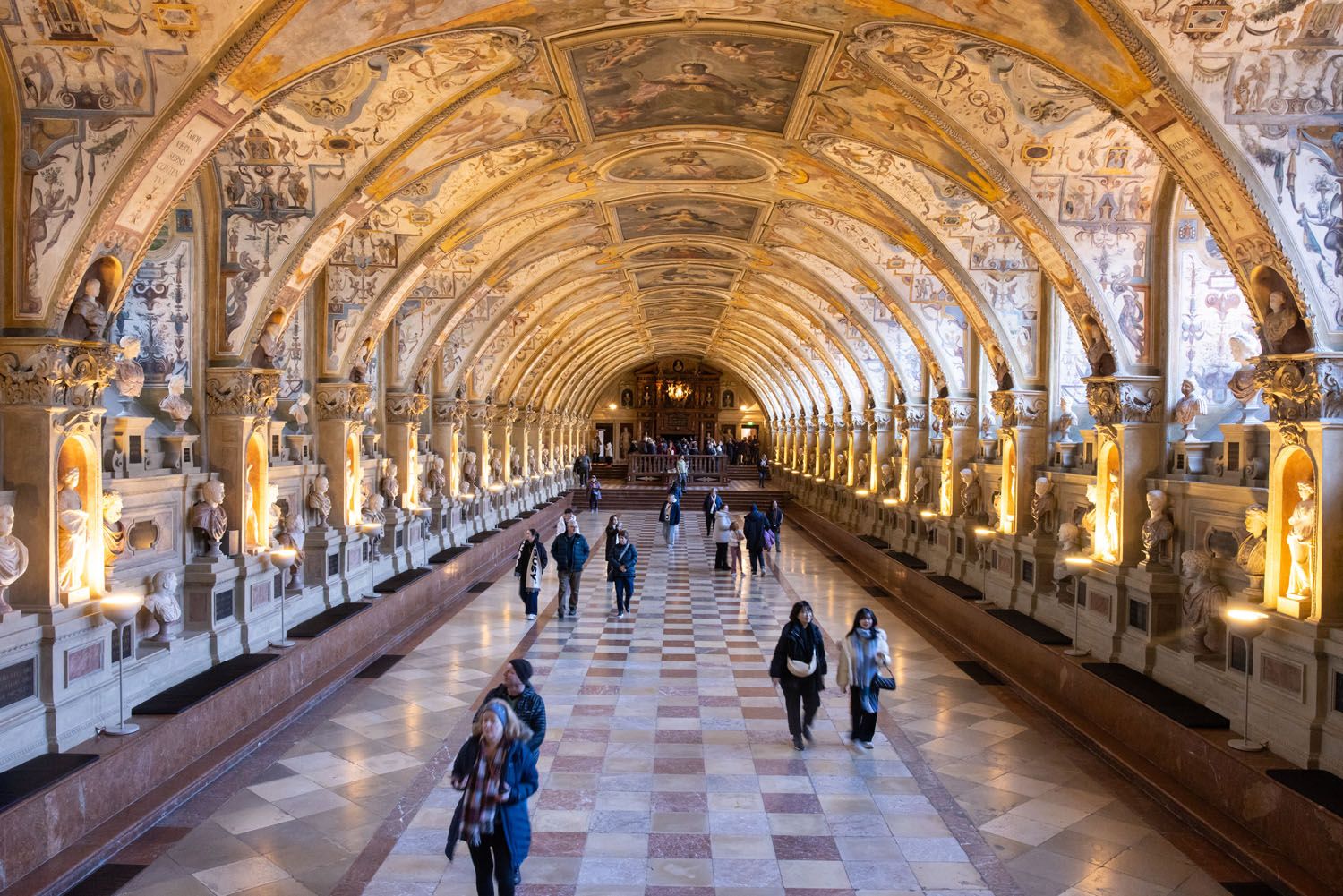
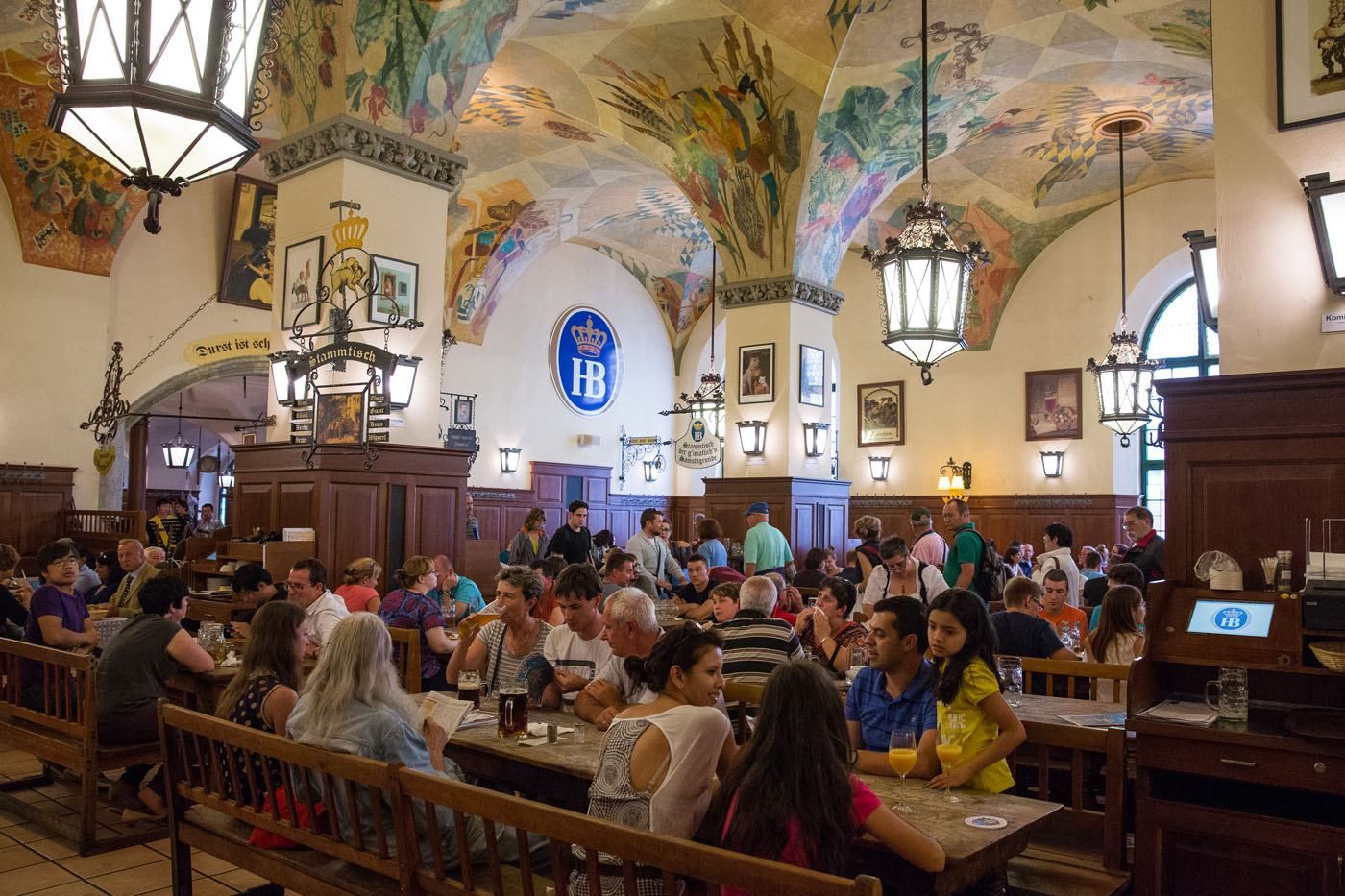
Begin your journey in Munich, a city that perfectly encapsulates the German spirit of Gemütlichkeit. Spend your first day acclimating to the Old Town (Altstadt). Visit the Marienplatz, gaze up at the Neues Rathaus, and enjoy the panoramic views from the St. Peter’s Church tower. On day two, delve into the opulent history of the Residenz Palace or explore the vast green expanse of the Englischer Garten. Before departing on day three, indulge in a traditional Bavarian breakfast or visit the iconic Hofbräuhaus.
Days 4–6: Alpine Wonders (Salzburg and Hallstatt)
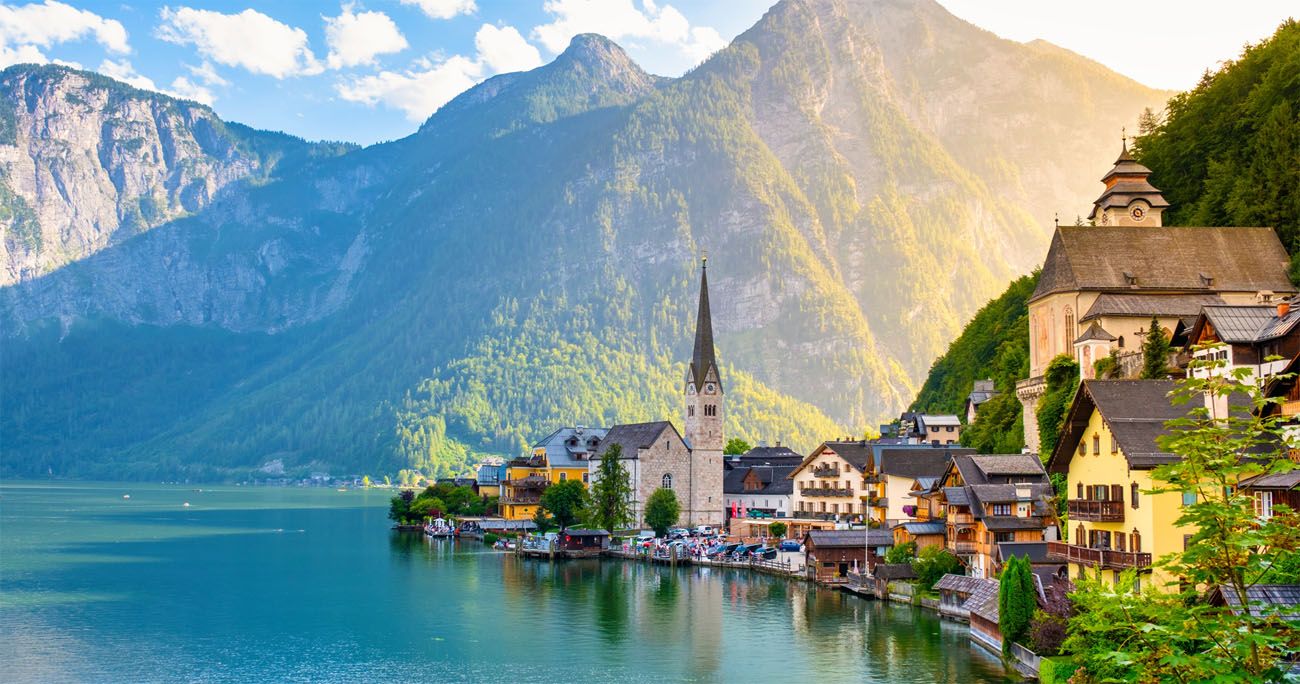
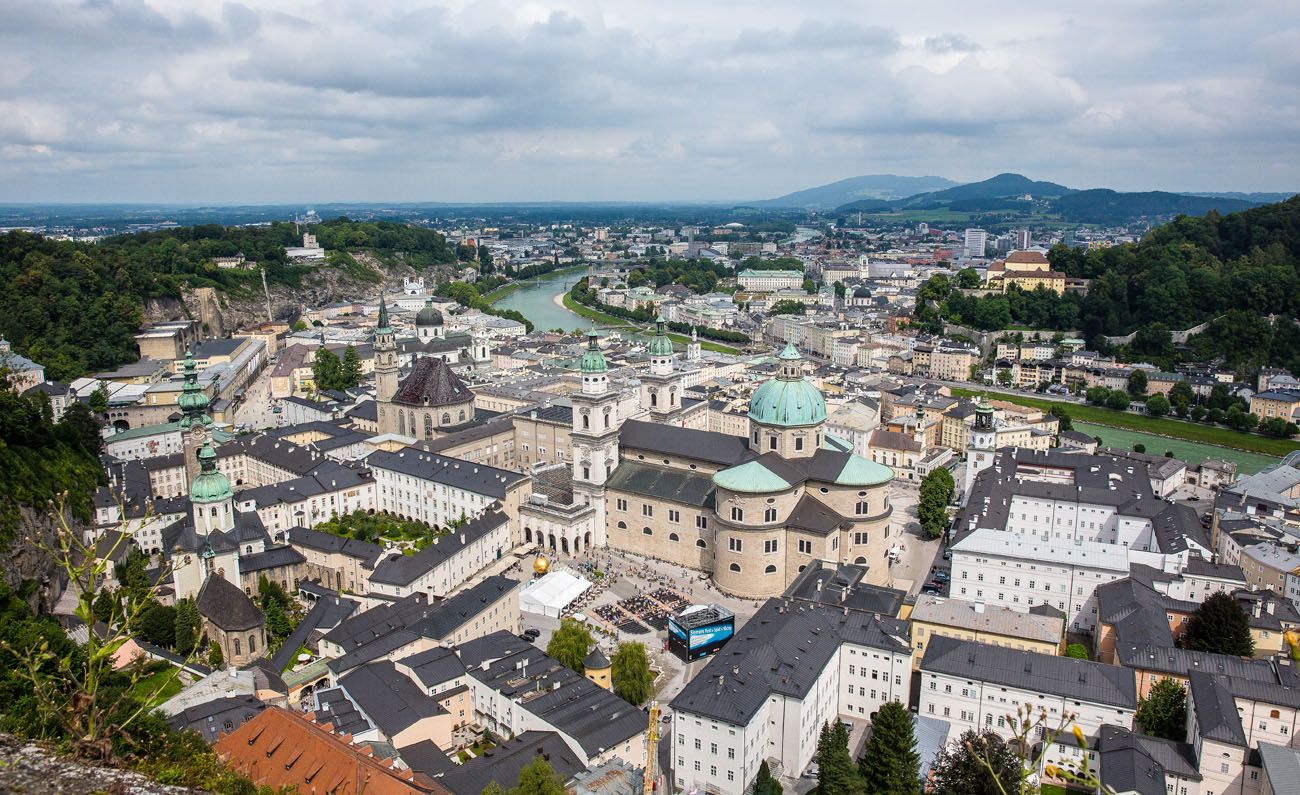
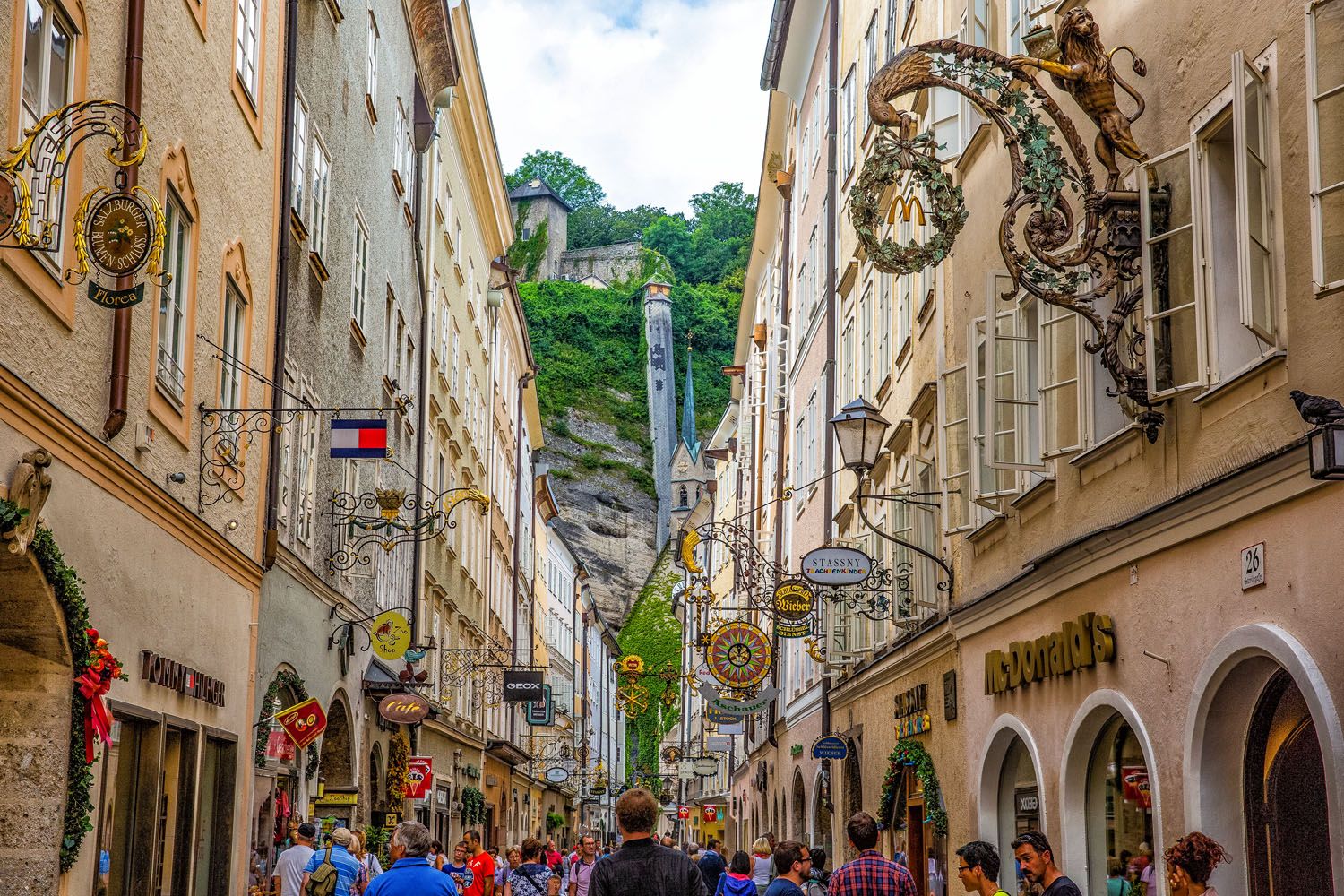
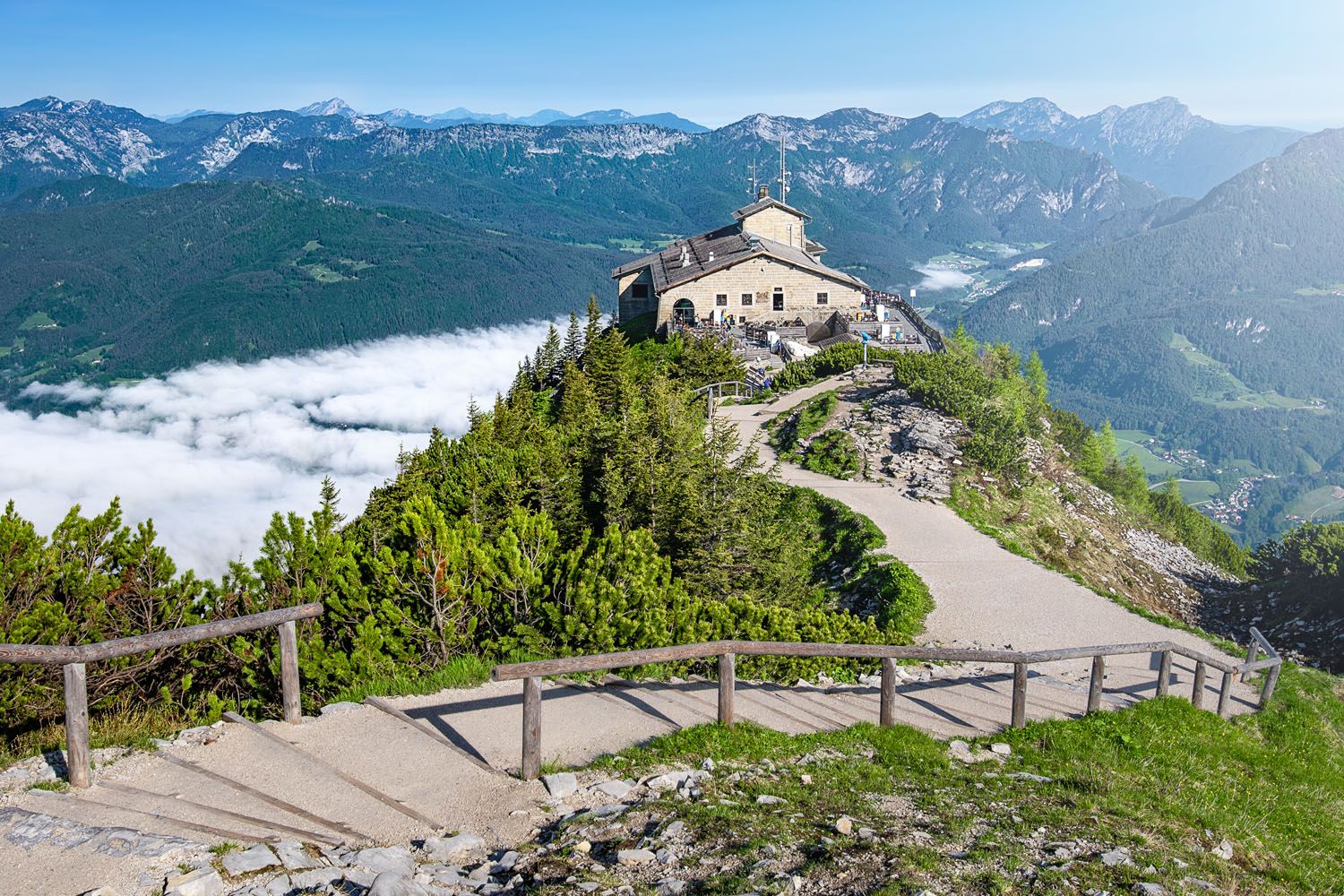
Travel by train to Salzburg, the birthplace of Mozart and a UNESCO World Heritage site. Spend day four exploring the Hohensalzburg Fortress and the winding streets of the Getreidegasse. Use Salzburg as your base for two essential day trips. On day five, venture into Berchtesgaden, Germany, to visit the historic Eagle’s Nest and the emerald waters of Lake Königssee. Day six is dedicated to Hallstatt, the world-famous lakeside village that feels like a film set. For those seeking a deeper connection with the mountains, a detour to the Dachstein Krippenstein and its "5Fingers" viewing platform is highly recommended.
Days 7–9: The Imperial Grandeur of Vienna
On day seven, board a high-speed train to Vienna. Upon arrival, immerse yourself in the city’s legendary coffee house culture—a ritual of slowing down and savoring the moment. Days eight and nine should be reserved for the heavy hitters of imperial history: the Hofburg Palace, the Belvedere, and the magnificent Schönbrunn Palace. Don’t neglect the city’s world-class museums, such as the Kunsthistorisches Museum, which houses masterpieces that define the Habsburg era.
Days 10–14: The Bohemian Finale (Prague and Český Krumlov)
Day ten marks the transition to the Czech Republic. A four-hour train ride brings you to Prague. Dedicate the next three days to exploring the Charles Bridge, the sprawling Prague Castle complex, and the Jewish Quarter. On day thirteen, take a day trip to the medieval town of Český Krumlov. Its preserved castle and riverside vistas make it a standout, effectively serving as the fairytale conclusion to your two-week odyssey before your departure on day fourteen.
Supporting Data: Logistics and Planning
Navigating Central Europe requires minimal planning if you follow a few golden rules:
- Rail Travel: The Austrian Federal Railways (ÖBB) website is the most reliable portal for booking tickets across the region. Booking in advance can significantly reduce costs.
- Border Crossings: Germany, Austria, and the Czech Republic are members of the Schengen Area. Passport controls are virtually non-existent, though it is standard practice to carry your travel documents on trains.
- Budgeting: For a mid-range traveler, the estimated cost per person (excluding international flights) falls between $3,800 and $4,400. This covers mid-range accommodations, train fares, dining, and activity fees.
- Currency: While Germany and Austria use the Euro (€), the Czech Republic retains the Czech Koruna (CZK). Ensure you have a travel card that minimizes foreign transaction fees.
Official and Expert Perspectives: Why This Route Works
Travel experts often highlight this specific route because it avoids the "checklist fatigue" common in longer, more ambitious European tours. By limiting the number of major hotel check-ins, travelers can establish a rhythm in each city.
The inclusion of day trips—such as those to Hallstatt or Český Krumlov—allows visitors to see the "small-town" side of Europe without having to navigate the logistical nightmare of moving luggage through train stations daily. Furthermore, the rail infrastructure is so robust that the need for a rental car is effectively eliminated, removing the risks associated with driving in foreign countries, such as high drop-off fees, vignette requirements, and limited parking in historic centers.
Implications for the Future of Central European Travel
As tourism demand in Europe reaches record highs, the "hidden gem" status of towns like Hallstatt and Český Krumlov is fading. Travelers should consider the implications of their visit:
- Timing: Visiting in the shoulder season (May or September) is not just better for the weather—it is a more sustainable way to travel, spreading the economic impact of tourism outside of the suffocating peak summer months.
- Sustainability: By opting for trains over internal flights or private car transfers, travelers significantly reduce their carbon footprint.
- Cultural Respect: In cities like Vienna and Prague, residents are increasingly impacted by over-tourism. Staying in neighborhoods slightly outside the immediate city center and supporting local, independent businesses helps ensure that your presence contributes positively to the local economy.
Whether you are a first-time visitor to the continent or a seasoned traveler returning to familiar landscapes, this 14-day itinerary provides a perfect, low-stress, and high-reward structure for exploring the very heart of Europe. Through a careful balance of imperial history, alpine exploration, and local immersion, you will leave with a deep appreciation for the unique culture that defines this storied region.
 Nana Wu
  Iffa Jayyana