

There is a fundamental truth in the world of high-end manufacturing: not all leather is created equal. The chasm between a mass-produced wallet that begins to crack and peel within eighteen months and a bespoke piece that develops a rich, burnished patina after two decades is not merely a matter of the hide’s origin. It is a matter of time, chemistry, and an almost sacred adherence to generational craft.
While the global leather industry has largely pivoted toward speed and industrial efficiency, a small, resilient club of craft tanneries remains. These institutions are often anchored in specific locales—Chicago’s historic meatpacking district, the chestnut-rich forests of Tuscany, or the castle-shadowed streets of Himeji—where the environment and the craft have evolved in lockstep. This is an investigation into the tanneries that are not just processing hides, but preserving history.
The Vanishing Landscape: A Statistical Shift
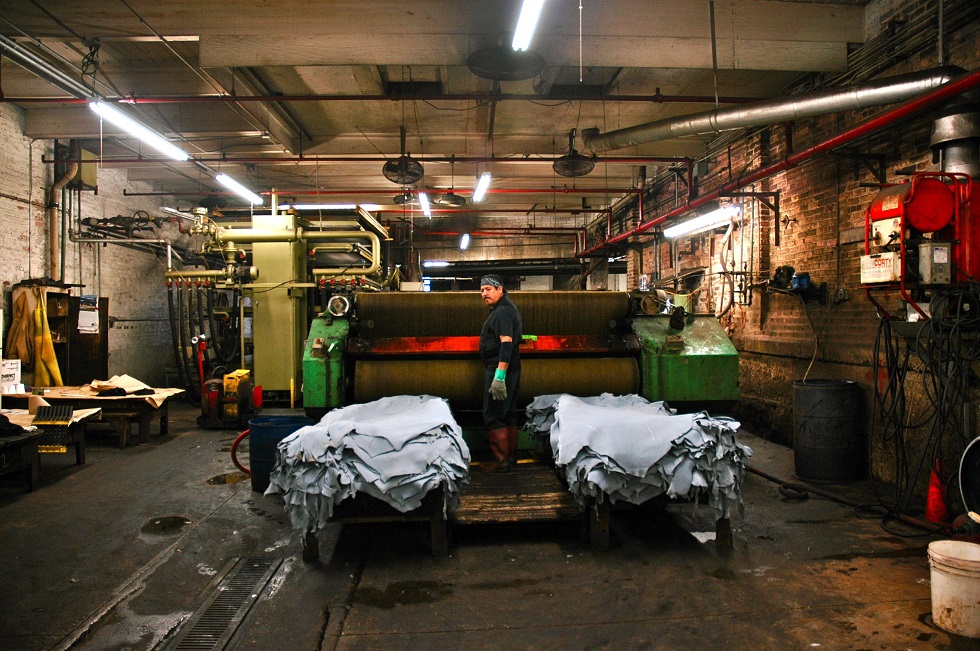
The decline of traditional tanning in the Western world has been precipitous. In 1978, the United States was home to approximately 250 active tanneries. By 2013, that number had dwindled to fewer than a dozen. Similar trends have swept across Japan and Europe, where consolidation and the rise of synthetic alternatives have pushed independent, family-run tanneries to the brink. For the remaining few, survival is not about scale; it is about an irreplaceable, non-transferable expertise—a knowledge base that lives in the hands and memories of master tanners rather than on digital spec sheets.
Horween Leather Company: The Last Bastion in Chicago
Founded in 1905 by Ukrainian immigrant Isadore Horween, the Horween Leather Company remains the final tannery in Chicago, a city that once boasted twenty-four such facilities.
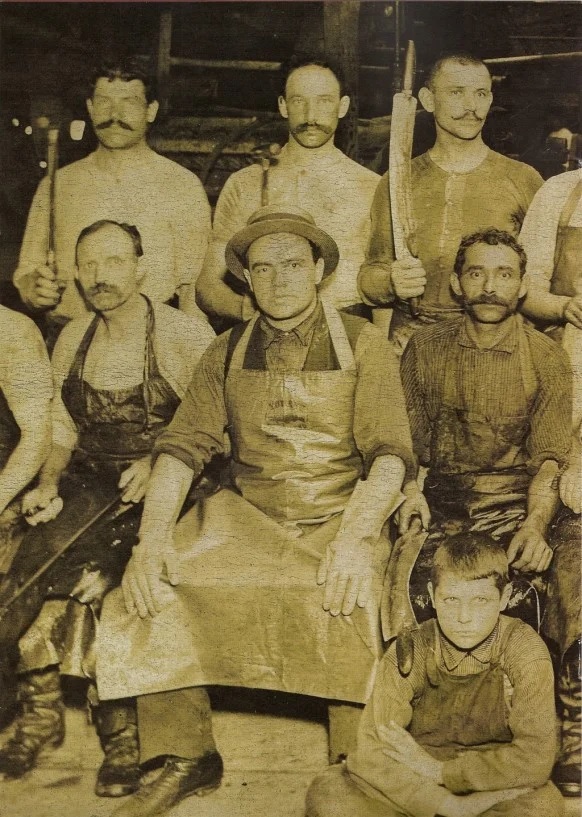
From Razor Strops to the NFL
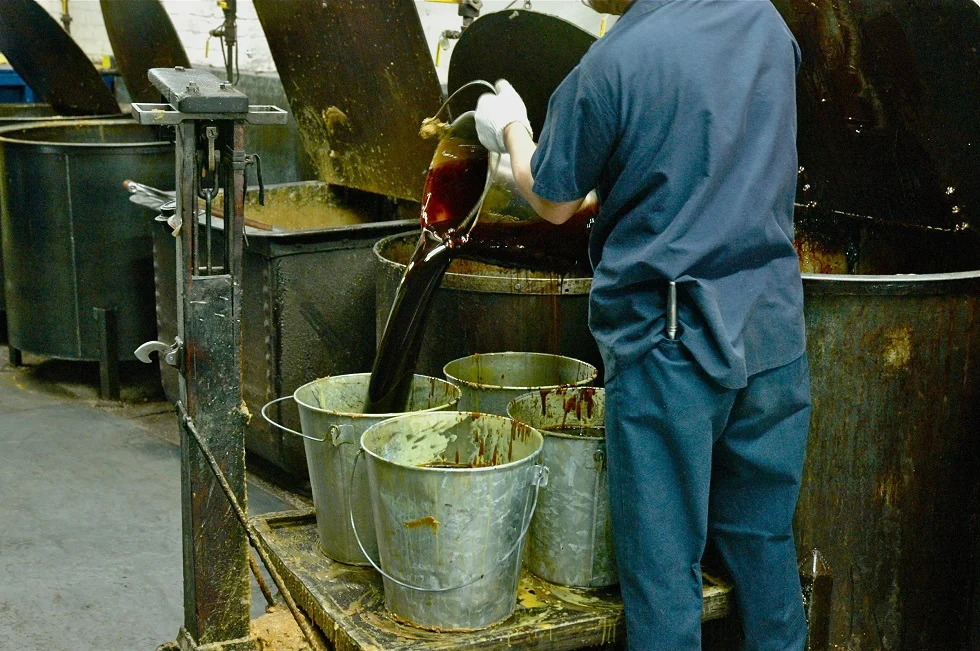
Initially established to produce razor strops, the company famously pivoted in 1912 following the advent of the safety razor. In 1911, Isadore developed "Chromexcel," a proprietary blend of chrome and vegetable tanning followed by a "hot-stuffing" process—infusing the hide with waxes and oils at high temperatures. This created a pull-up leather that has become the gold standard for luxury carry goods.
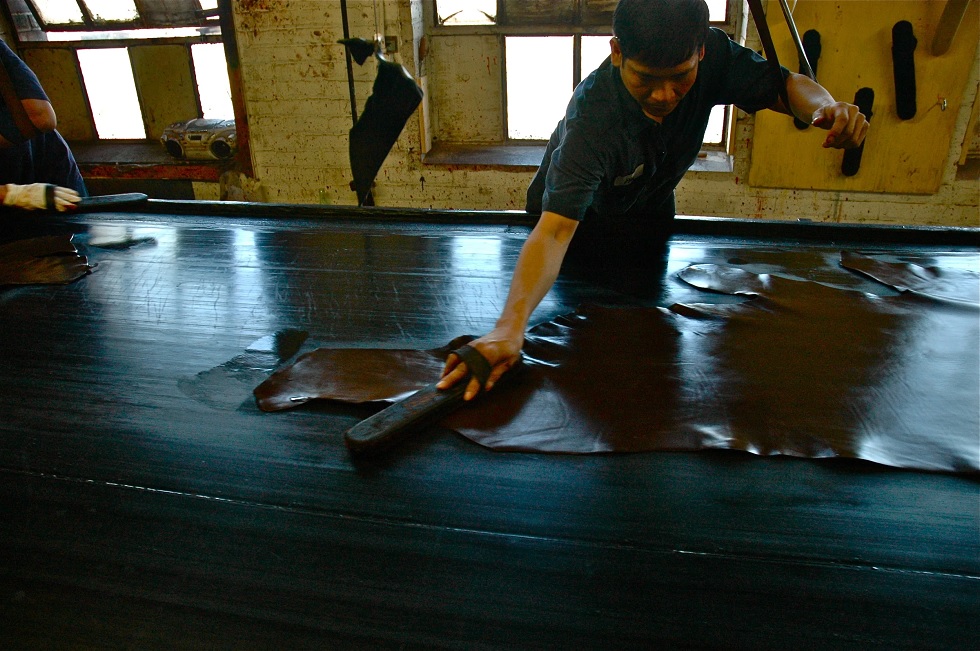
The company’s identity was further cemented in 1941 when Arnold Horween, a former Harvard and NFL player, secured the contract to supply leather for NFL footballs. Today, every single NFL game ball is crafted from Horween steer hide.
The Shell Cordovan Phenomenon
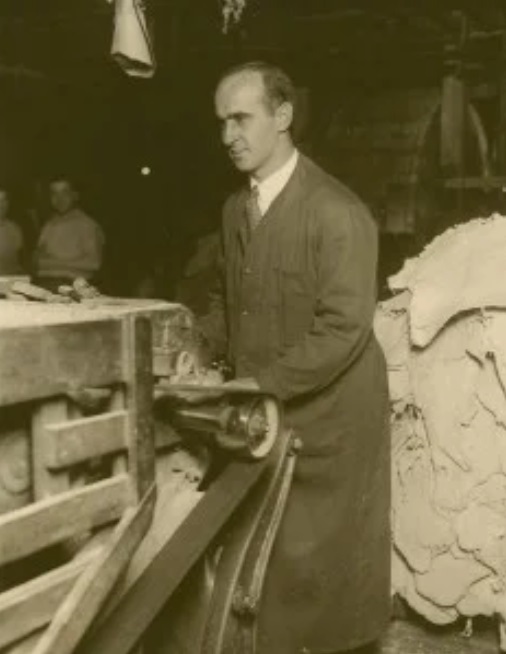
Beyond the pigskin, Horween is revered for Shell Cordovan. Sourced from the equine rump, this membrane is vegetable-tanned for up to six months and hand-glazed. Its resistance to creasing and its ability to develop a mirror-like finish over decades make it perhaps the most coveted material in the high-end accessories market.
Wickett & Craig: The Patience of the Pit
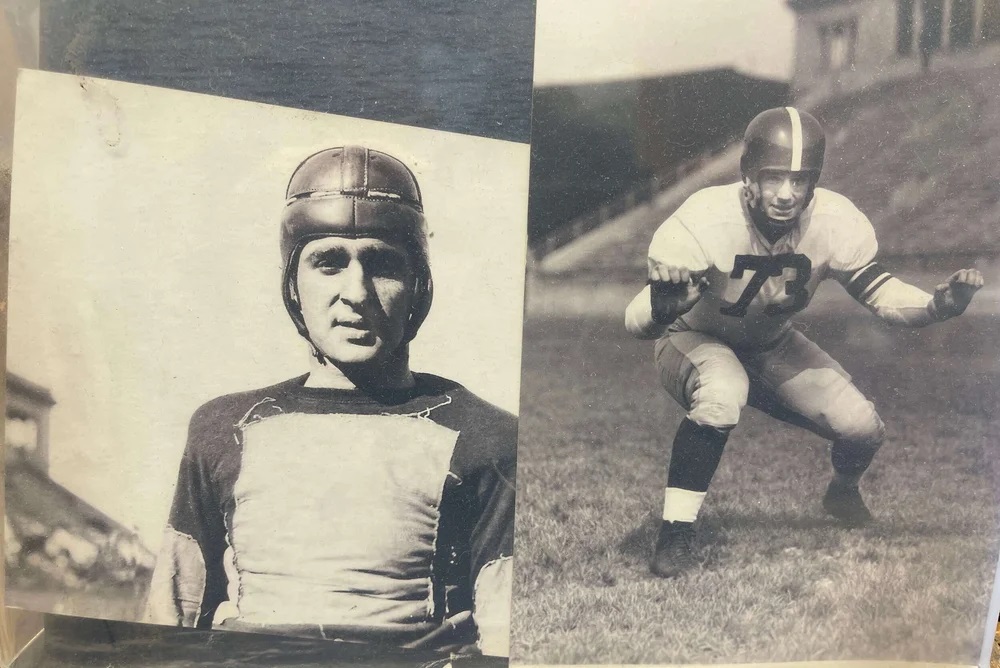
Based in Curwensville, Pennsylvania, Wickett & Craig (est. 1867) stands as a testament to the endurance of traditional pit tanning. Occupying sixteen acres, the tannery processes 4.5 million square feet of leather annually.
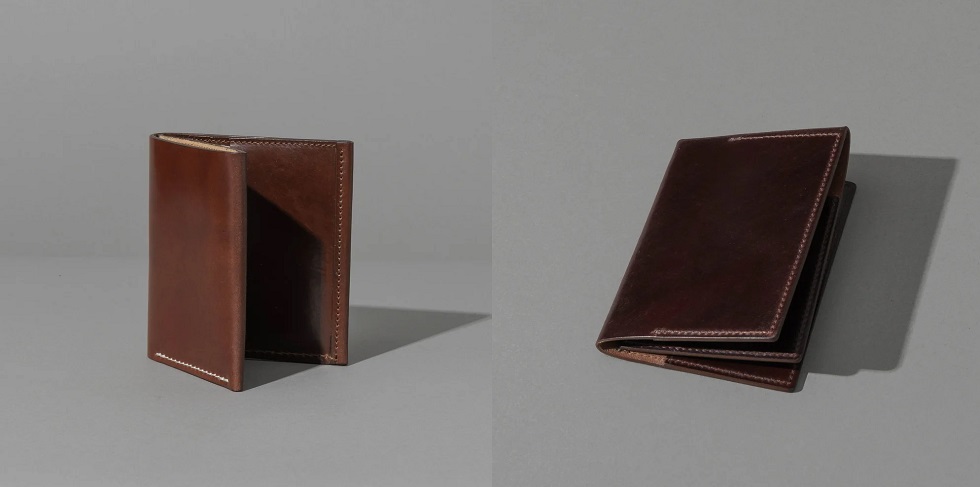
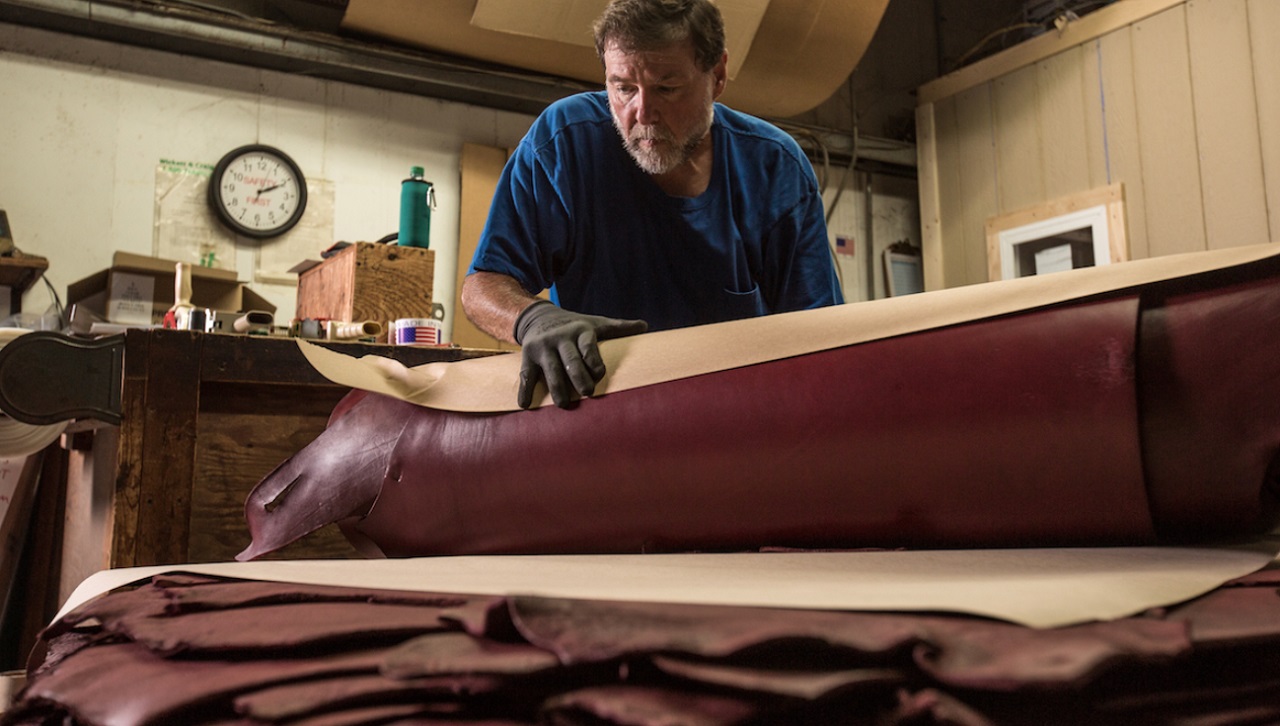
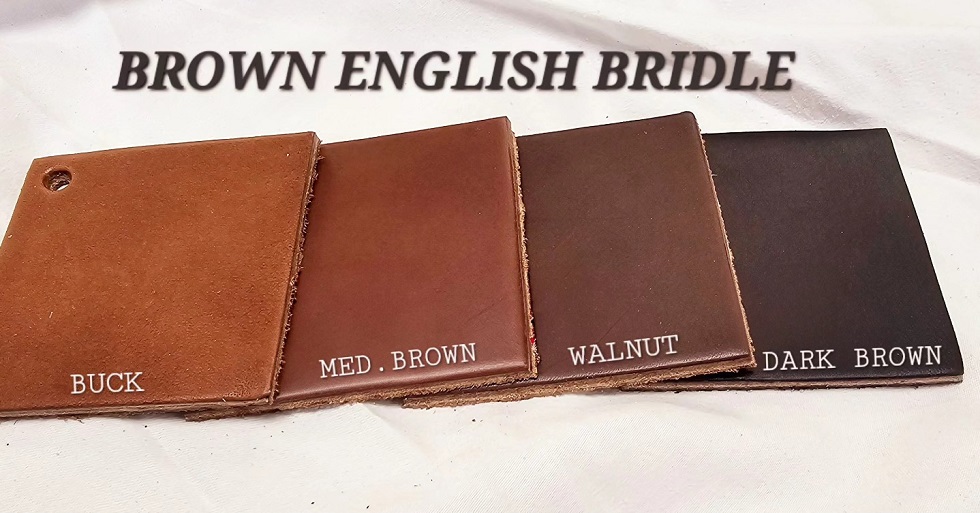
Unlike modern drum tanning, which takes days, Wickett & Craig’s process spans six weeks. Hides are immersed in a series of 72 vats filled with natural mimosa and quebracho tannins. This slow-soak method allows for a density and depth of color that drum-processed leather cannot replicate. Their signature English Bridle leather, hot-stuffed to the core, remains the material of choice for the world’s finest saddlery and belts.
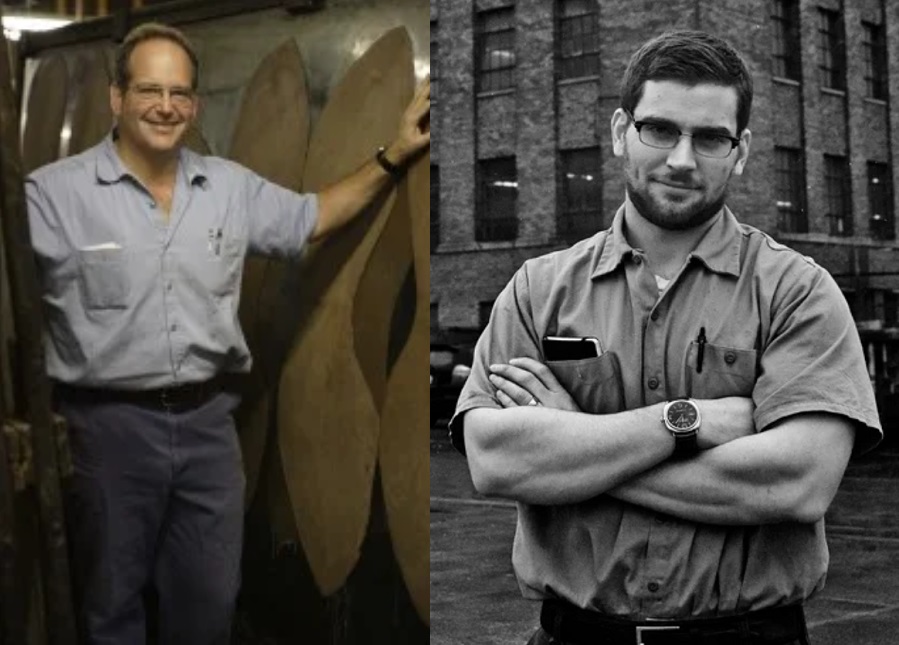
The Tuscan Ecosystem: Badalassi Carlo and Conceria Walpier
The Santa Croce sull’Arno valley in Tuscany is arguably the global heart of vegetable tanning. The region’s success is anchored by the Consorzio Vera Pelle Italiana Conciata al Vegetale, which protects traditional craft methods.
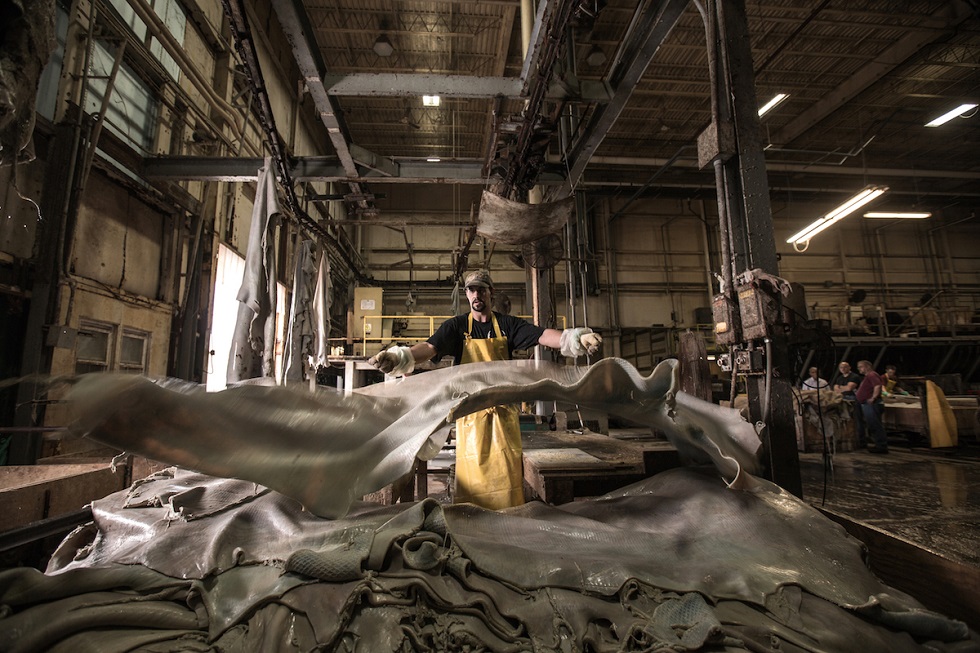
Badalassi Carlo: The Pueblo Texture
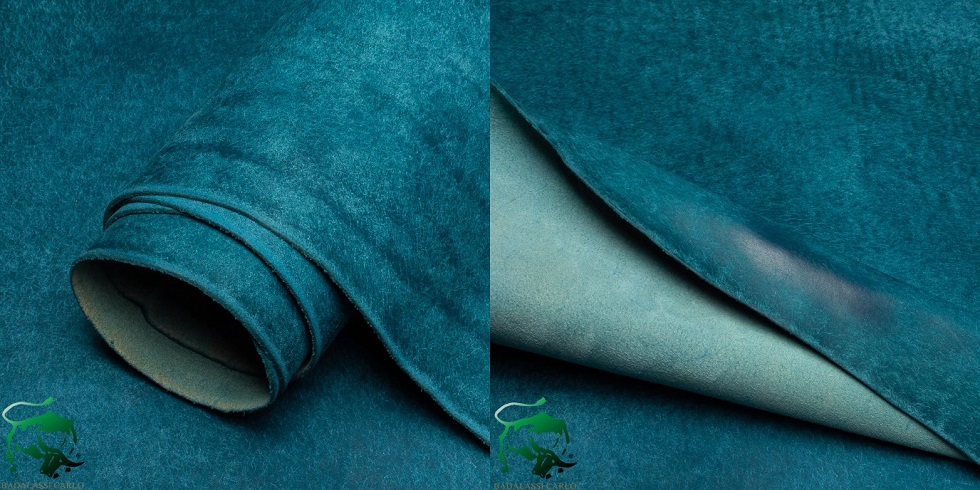
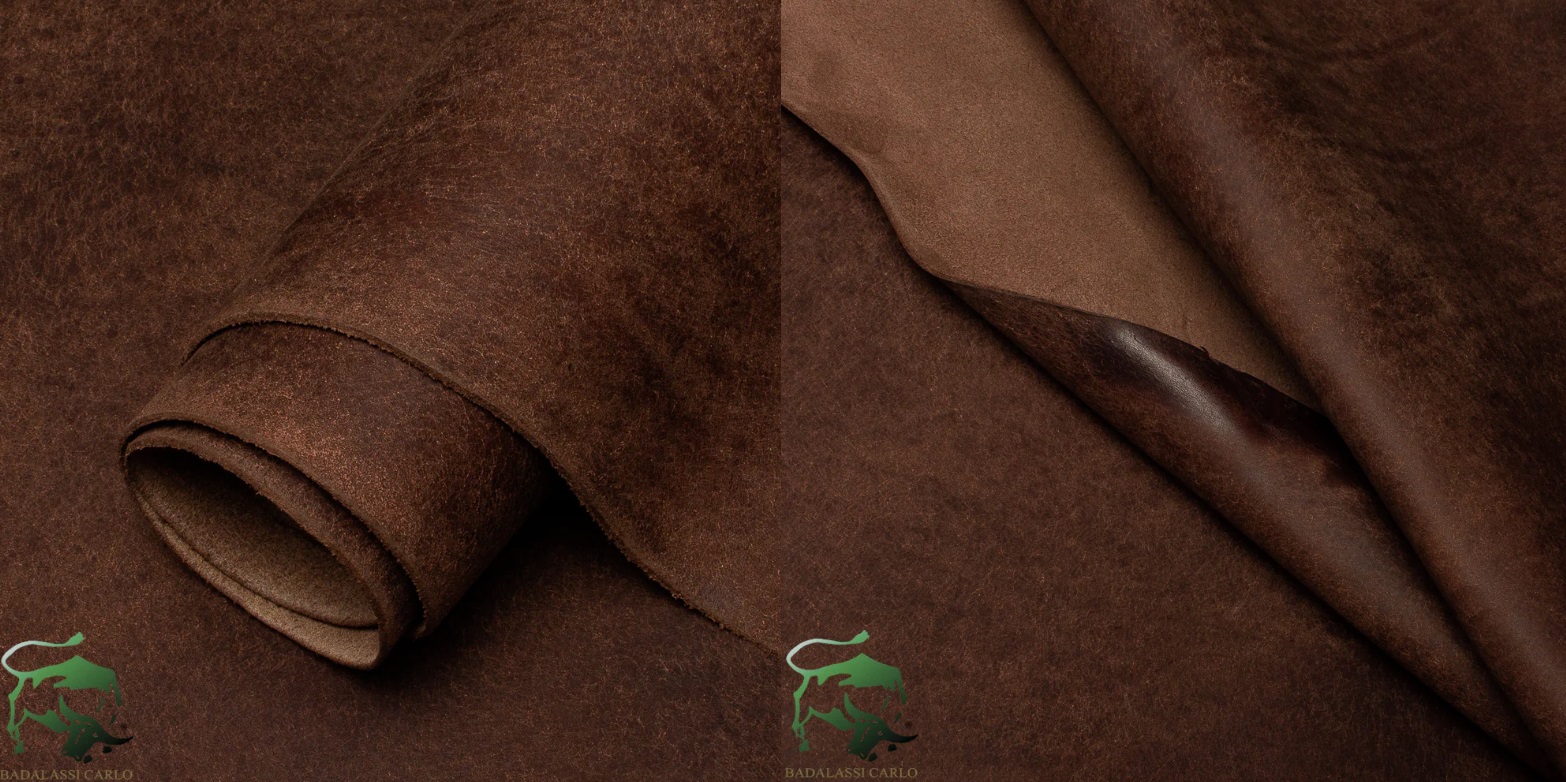
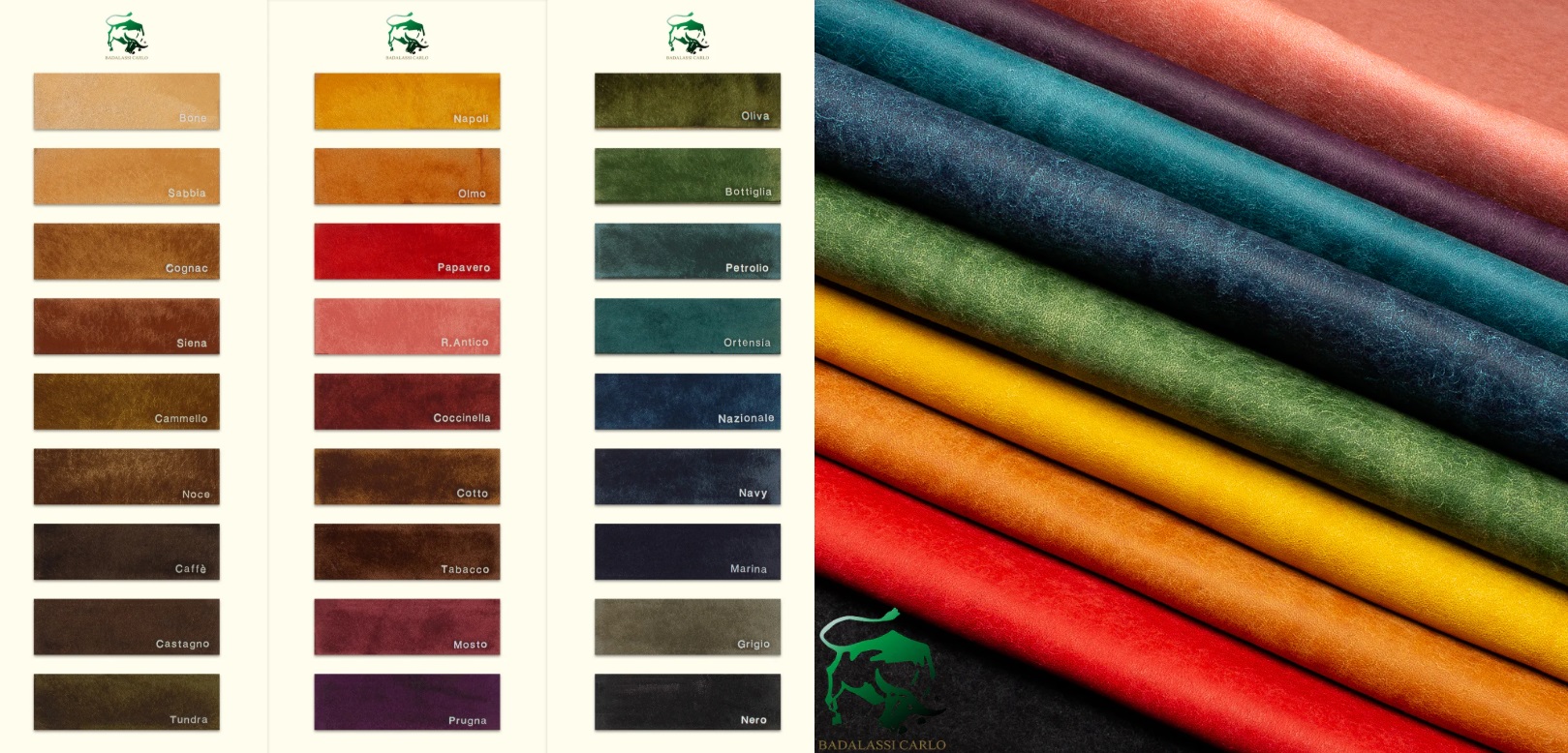
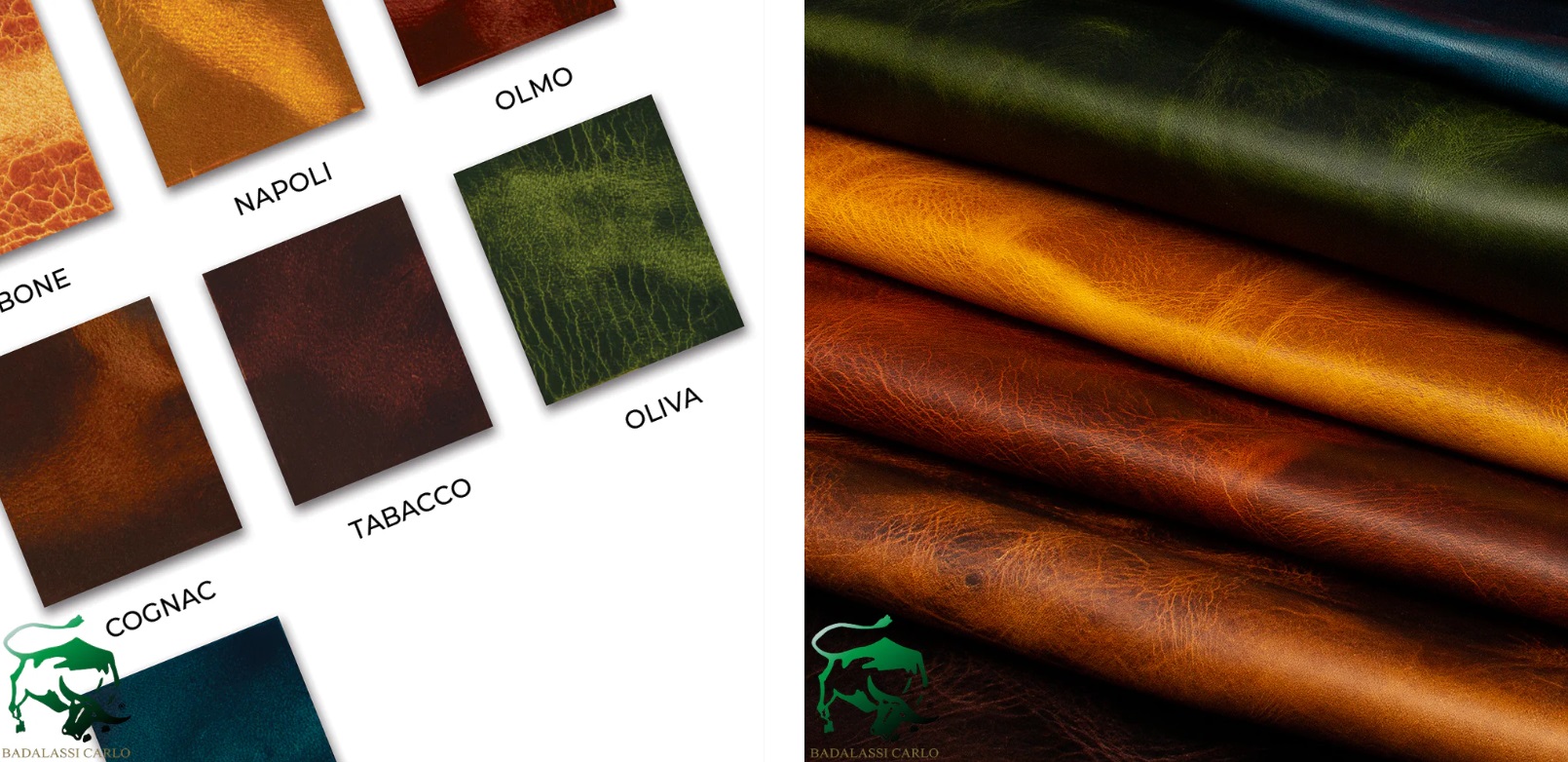
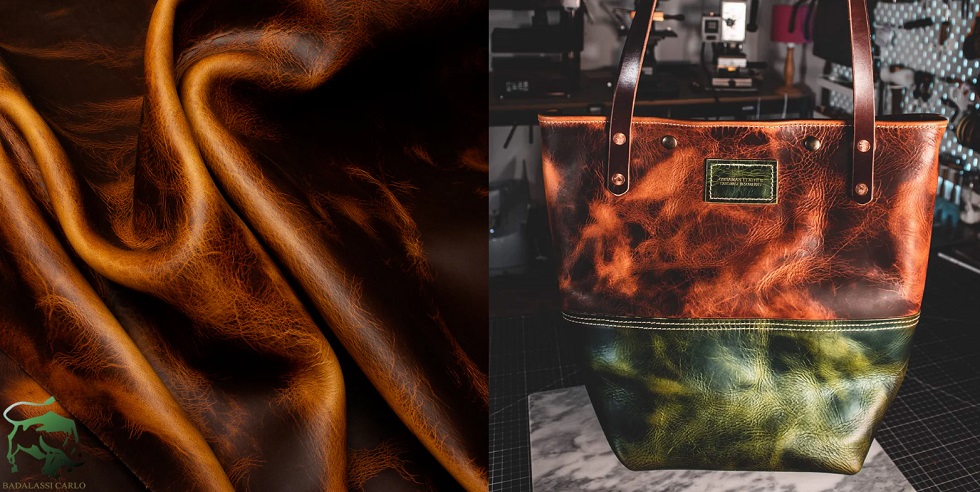
Badalassi Carlo has gained a cult following for Pueblo, a leather with a rough, matte finish that defies conventional expectations. It is specifically designed to evolve, transforming from a tactile, suede-like surface into a smooth, deeply patinated hide over years of use. Their "Wax" leather, which heals surface scratches through the warmth of a thumb, represents the intersection of rugged utility and sophisticated aesthetics.
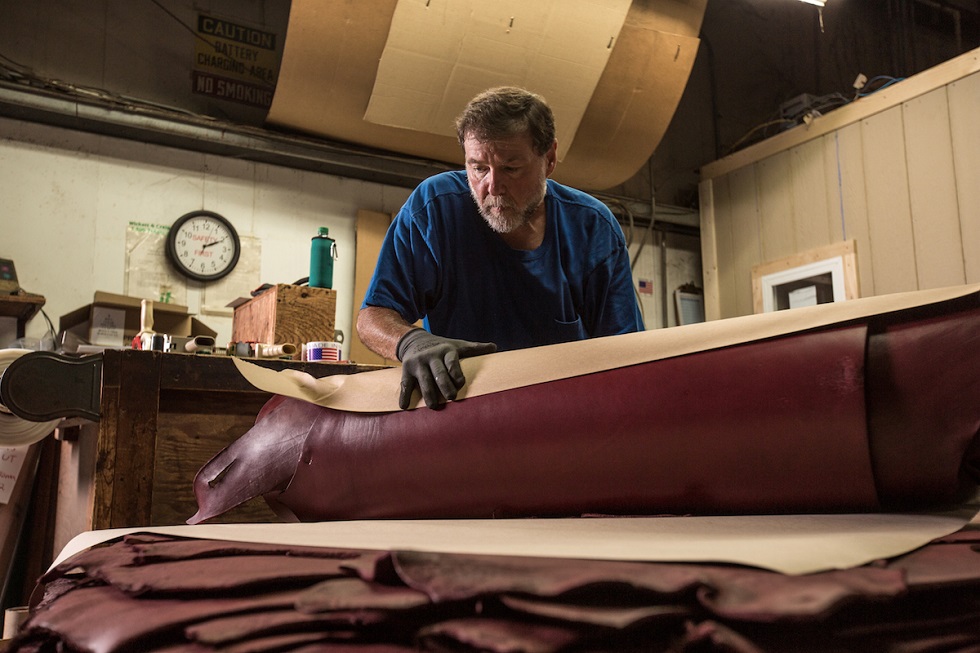
Conceria Walpier: The Buttero Standard
Just kilometers away, Conceria Walpier produces Buttero, a firm, full-grain vegetable-tanned leather that has become the industry benchmark for structured goods. Its architectural rigidity makes it the preferred choice for master leatherworkers crafting high-end briefcases and wallets where clean lines are paramount.
ECCO Leather: Rewriting the Supply Chain
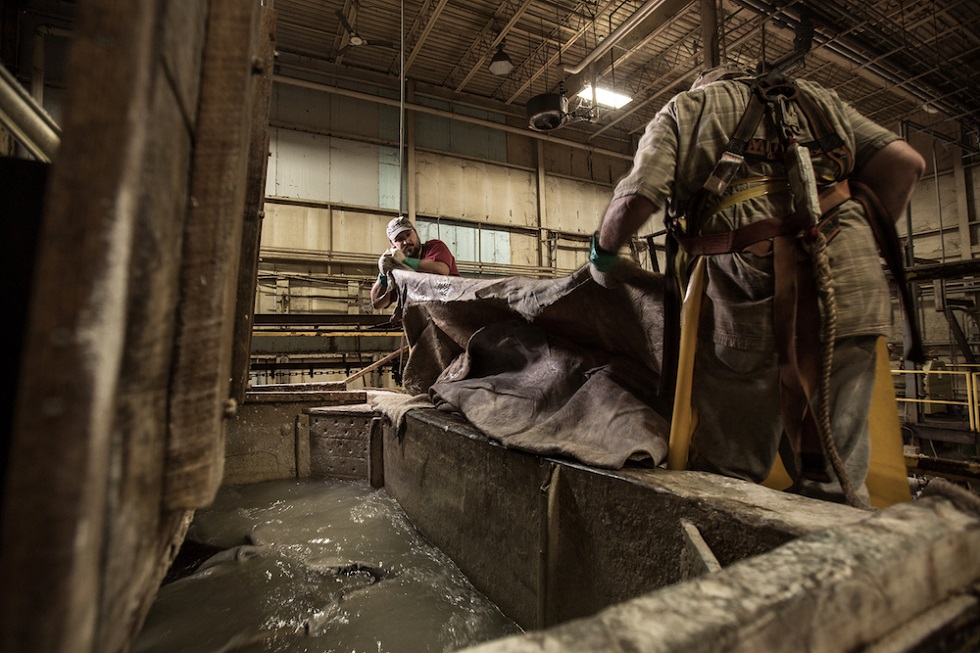
The Danish footwear giant ECCO represents a radical departure from tradition. By owning its entire supply chain across facilities in the Netherlands, Thailand, and Indonesia, ECCO has utilized its "Hotshop" R&D program to push the boundaries of material science.
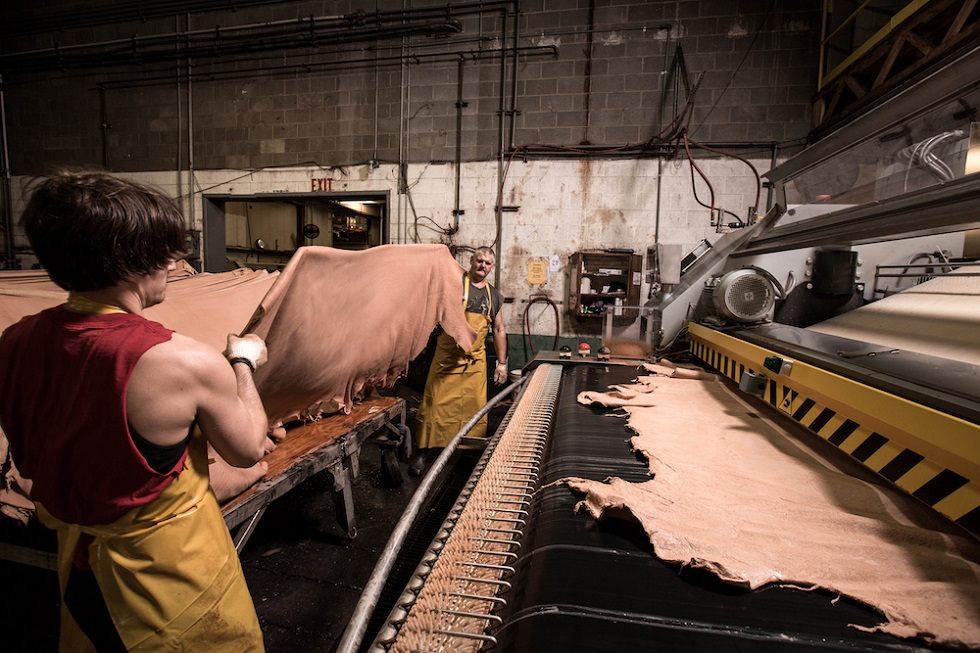
Their DriTan process is a landmark in environmental engineering, reducing water usage by 50% and eliminating liquid waste. More strikingly, their collaboration with experimental designers has yielded Apparition Leather—the world’s first commercially viable translucent leather—and Dyneema Bonded Leather. By bonding 0.5mm-thick leather to the world’s strongest fiber (Dyneema), they have created a material that provides the aesthetic of leather with the strength-to-weight ratio of steel.
Tanneries du Puy and the Heritage of French Aviation
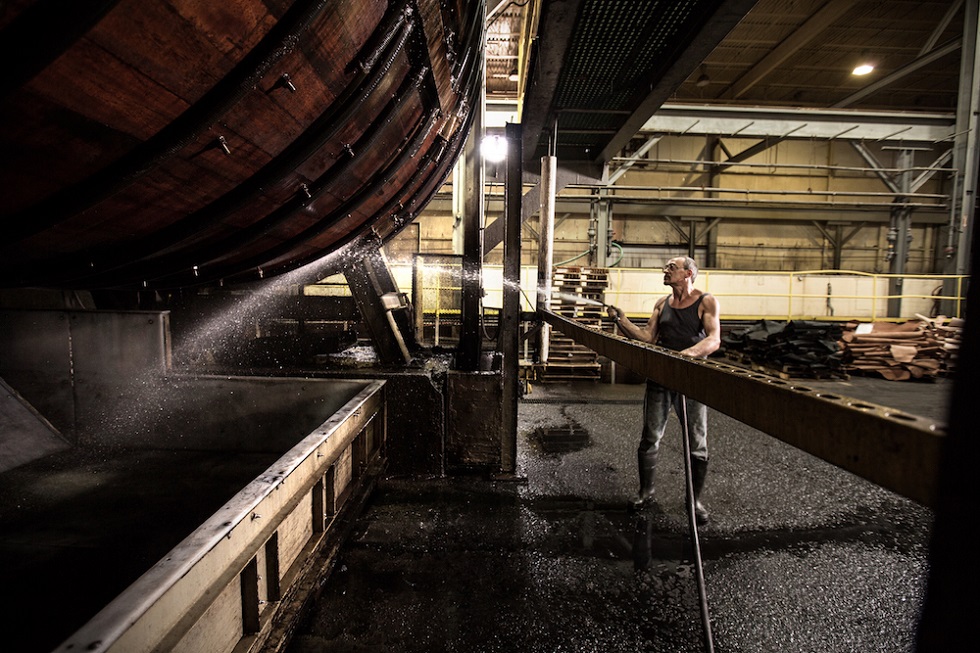
Located in Le Puy-en-Velay, France, this historic tannery specializes in basane—a soft, vegetable-and-alum-tanned sheepskin. Historically, this leather served as the backbone of French aviation. The iconic flight jackets worn by pilots during the World Wars were crafted from these very hides. Today, the Parisian brand Chapal continues this lineage, producing the Aviateur jacket, which serves not merely as a fashion statement, but as a living descendant of military survival gear.
Himeji and the Samurai Legacy: Shinki Hikaku
In Himeji, Japan, the tanning tradition is over 1,000 years old. Known for shiroki (white tanning), local tanners use rapeseed oil and salt rather than synthetic chemicals. Shinki Hikaku is the premier name in this field. Their horsehide is legendary among Japanese artisans for its structural integrity, a quality rooted in the city’s history as a center for the production of samurai armor.
Tochigi Leather: The Moral Center of the Tannery
Tochigi Leather (est. 1937) operates on a closed-loop system where water is filtered through a nine-stage biological process before being returned to the Uzuma River. Their commitment to nume-gawa (natural, full-vegetable-tanned leather) is a response to the complex social history of the Japanese leather trade.
Tochigi’s process is notoriously slow—using lime pits rather than drums—which keeps the collagen fibers intact and tight. The resulting leather, known for its ame-iro (amber-honey) patina, is so highly regarded that the tannery has recently launched its own nogake line of small leather goods, moving from behind-the-scenes supplier to direct-to-consumer brand.
Bôle Garveri: The Arctic Spruce Tannery
Perhaps the most isolated and traditional of all is Bôle Garveri in the Swedish Arctic. Founded in 1899, it is the world’s only tannery to use spruce bark as its primary tanning agent.
The process takes nearly twelve months, with hides soaking in vats of Pite River water and spruce extract—some of which contains traces of the original 1899 batch. As Billy, the tannery’s master craftsman, famously puts it, the work done after 1890 in the global leather industry is "crap." Bôle produces only fifty hides a year, each individually judged for quality. Their products, which carry a Royal Court warrant, are sold with full provenance records and are serviced annually by the tannery, representing the ultimate antithesis of fast fashion.
Implications for the Future
The stories of these tanneries suggest that the future of high-end manufacturing does not lie in the speed of the production line, but in the depth of the supply chain. While synthetic alternatives and fast-fashion manufacturing continue to dominate the market, these tanneries prove that there remains a profound, growing demand for objects that possess a "soul"—objects that are meant to be used, repaired, and passed down.

The survival of these institutions depends on the next generation—the Anders of Bôle, the Nicks of Horween, and the researchers at ECCO—who must balance the "diamonds" of the past with the innovations of the future. As long as there are those who value the scent of oil and bark over the convenience of plastic, the ancient art of the tannery will endure.
 Asep Darmawan
  Layla Zulfa
  Iffa Jayyana