

Long before the advent of high-modulus polyethylene, aerospace-grade aluminum stays, and Fidlock magnetic buckles, humanity was engaged in a relentless engineering challenge: how to transport the heavy, the awkward, and the essential across the most unforgiving landscapes on Earth.
Across continents and centuries, the fundamental question—where does the weight sit?—drove innovation. From the high-altitude passes of the Himalayas to the windswept pampas of Argentina, cultures developed sophisticated solutions. These systems were not merely "bags"; they were highly evolved interfaces between human anatomy, local ecology, and the physics of gravity.
The Evolution of the Load: A Chronology of Carry
The history of carrying is, in many ways, the history of human migration and trade.
- The Ancient Era (Pre-History to 700 AD): The earliest "carry systems" were likely simple skins or woven plant fibers. As nomadic societies settled, the necessity of moving trade goods, salt, and hunting equipment led to the development of the tsutsumi in Japan (temple object wrapping) and early back-carrying frames in the Andes.
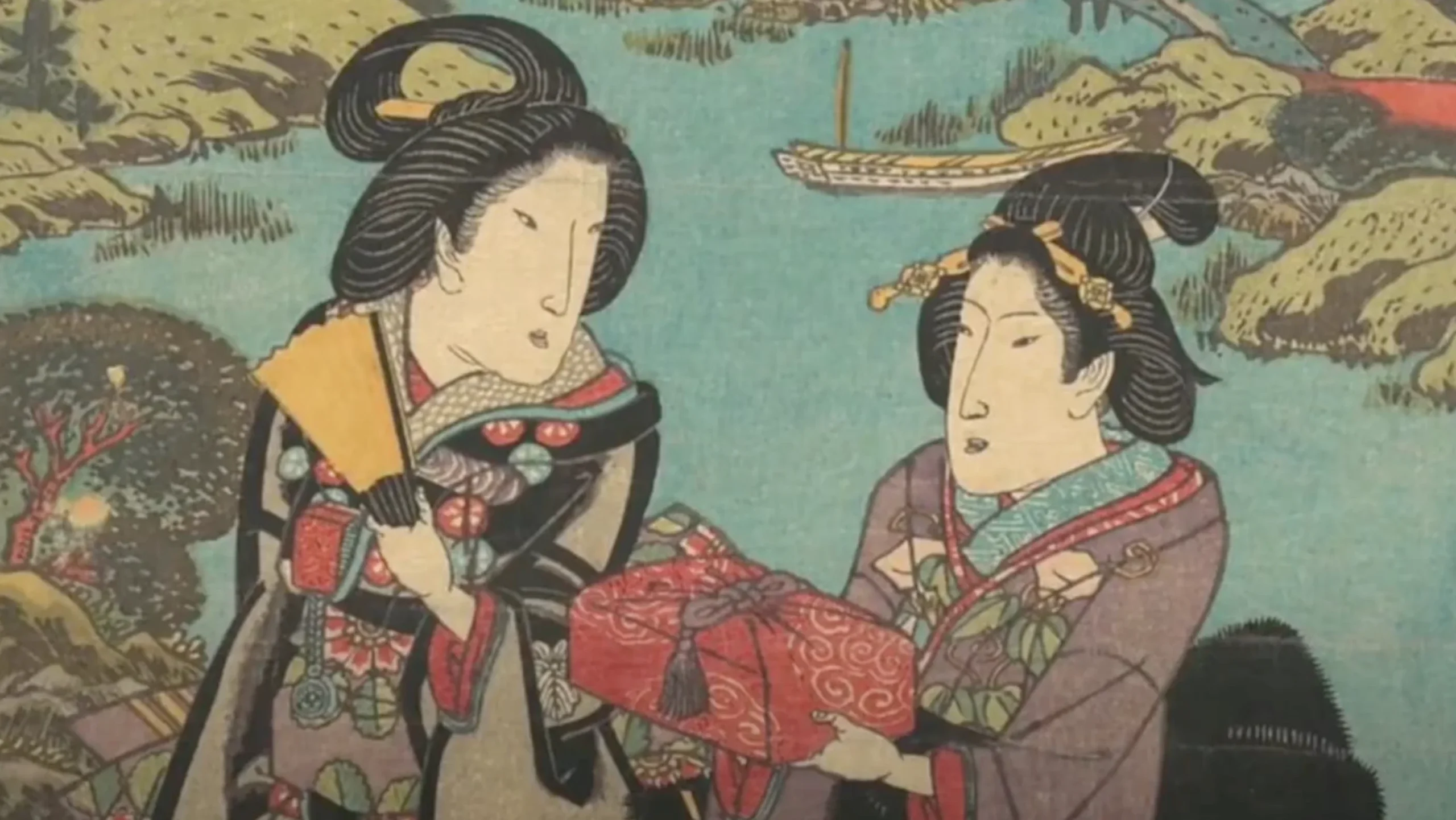
- The Medieval Era (700 AD – 1600 AD): The refinement of regional materials—bamboo in Asia, tree bark in Scandinavia, and plant fibers in the Pacific—created specialized load-bearing solutions. The furoshiki became a cultural staple in Japan during the Muromachi period, formalizing the art of the cloth wrap.
- The Industrial Transition (1800s – 1950s): This era saw the introduction of the rucksack. However, in many indigenous cultures, traditional methods remained superior for specific terrains, such as the bilum in Papua New Guinea and the doko in the Himalayas.
- The Modern Era (1960s – Present): With the rise of synthetic polymers and ergonomic research, the focus shifted to load-suspension systems, ventilated back panels, and modular gear attachment, such as MOLLE. Yet, as modern design reaches a plateau of technical complexity, designers are increasingly looking back at traditional "low-tech" systems for inspiration in sustainability and ergonomics.
Case Studies in Ingenuity
Japan: Furoshiki and the Art of Adaptability
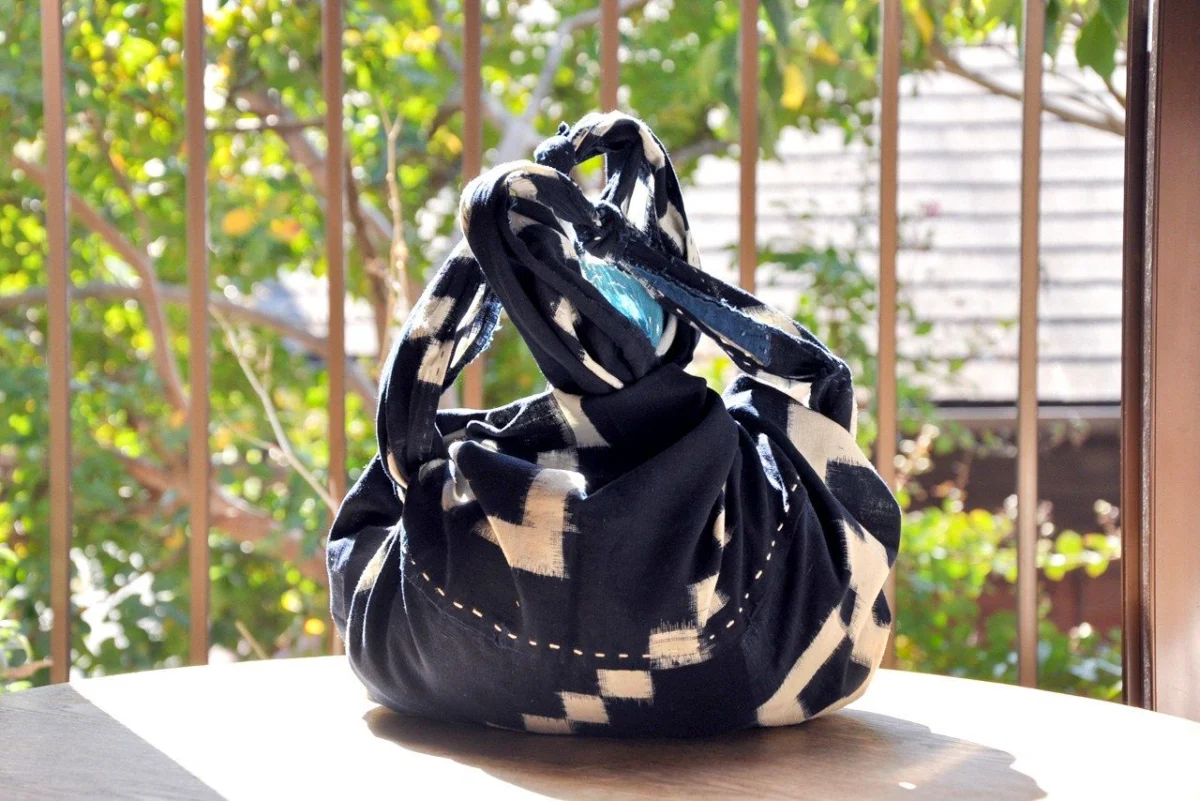
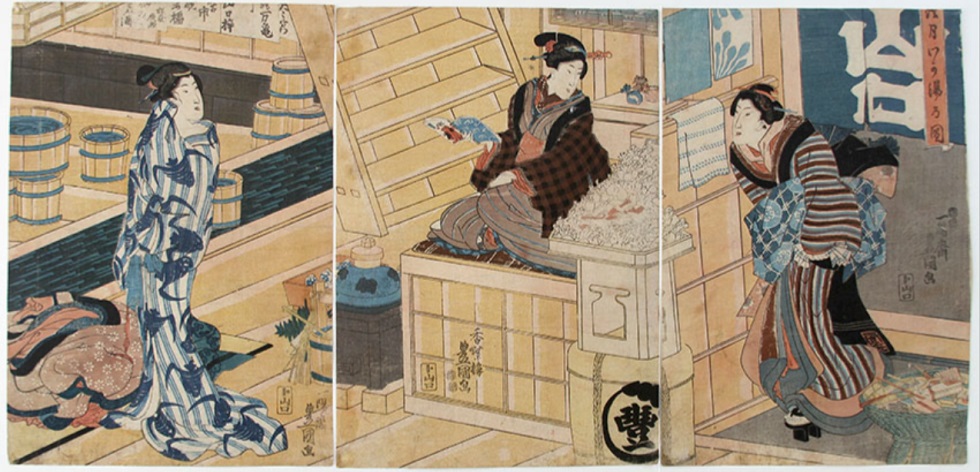
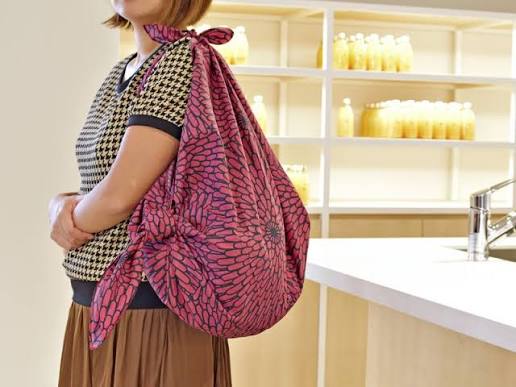
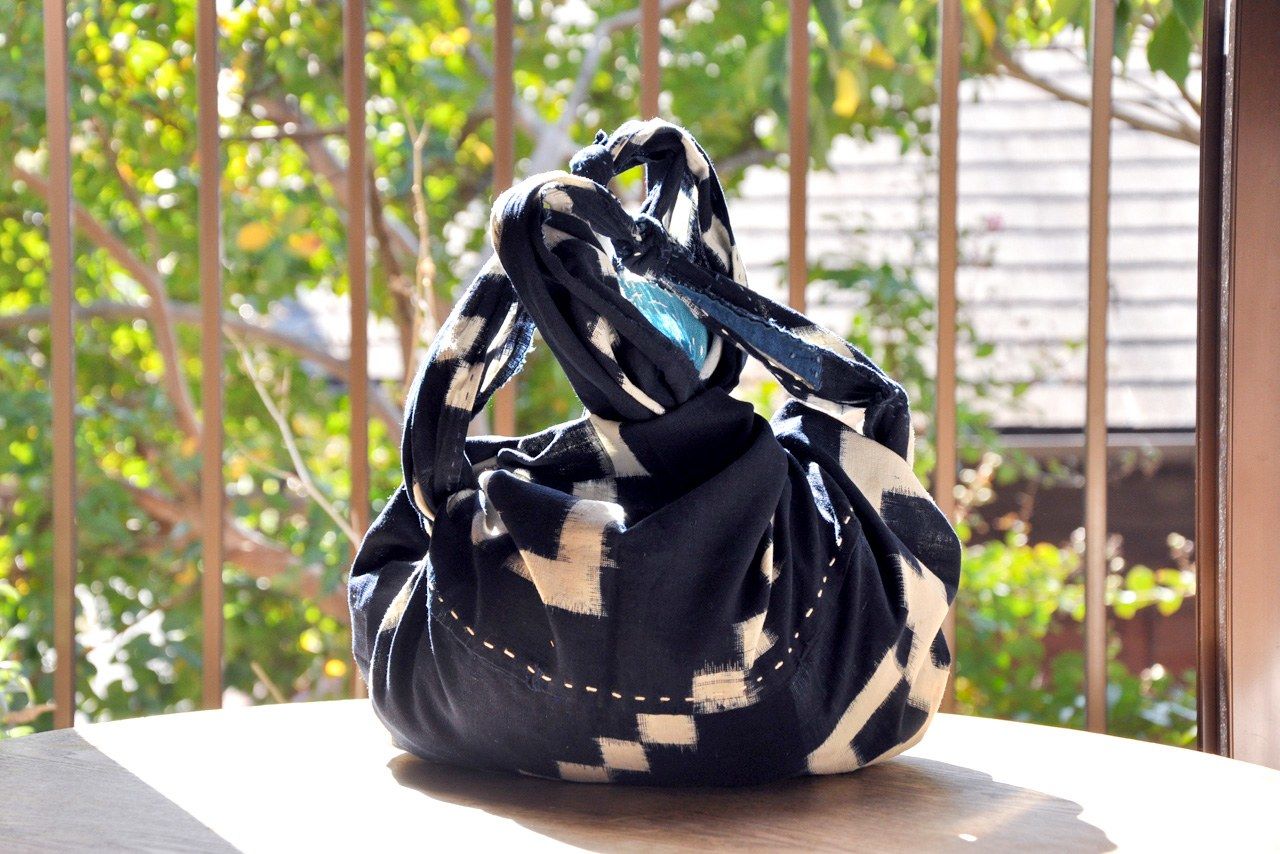
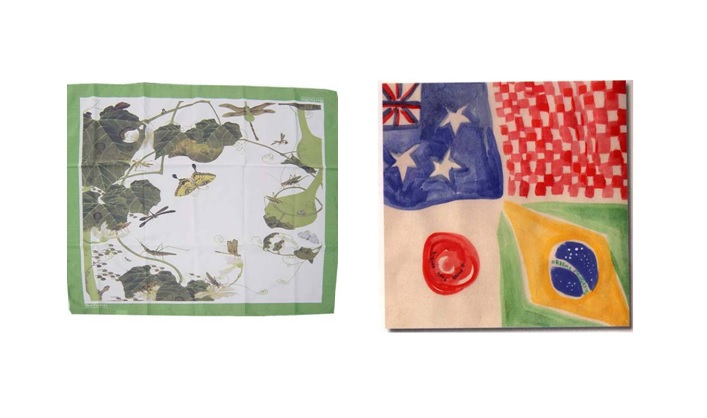
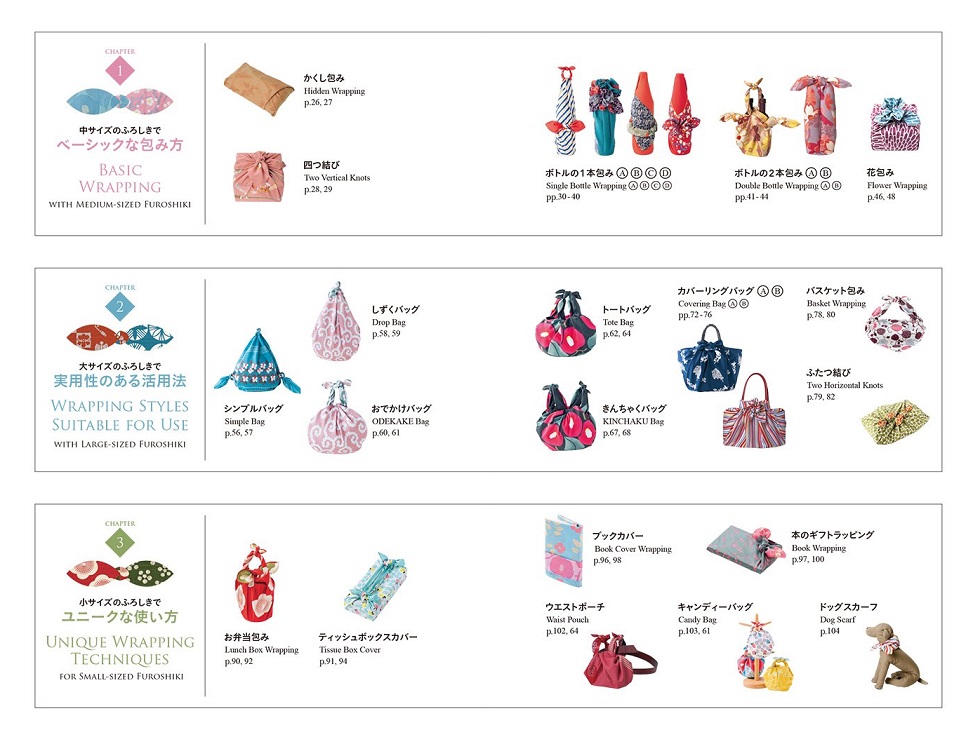
The furoshiki (literally "bath spread") is a masterclass in geometric versatility. Emerging from the ritual of wrapping belongings at public bathhouses, the system requires no hardware. A single square of fabric, through a series of specific knots, transforms into a shoulder sling, a bottle carrier, or a protective wrap for delicate items.
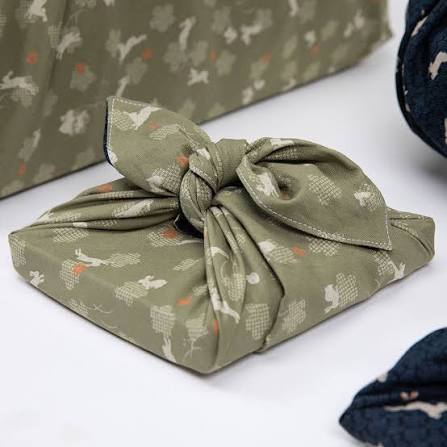
The brilliance of the furoshiki lies in its "zero-hardware" philosophy. Because every knot is temporary, the system is infinitely repairable and infinitely adaptable. In 2006, the Japanese Ministry of the Environment launched a national campaign to promote furoshiki as a sustainable alternative to single-use plastics, proving that a centuries-old technology could solve modern environmental crises.
Papua New Guinea: The Bilum and Anatomical Synergy
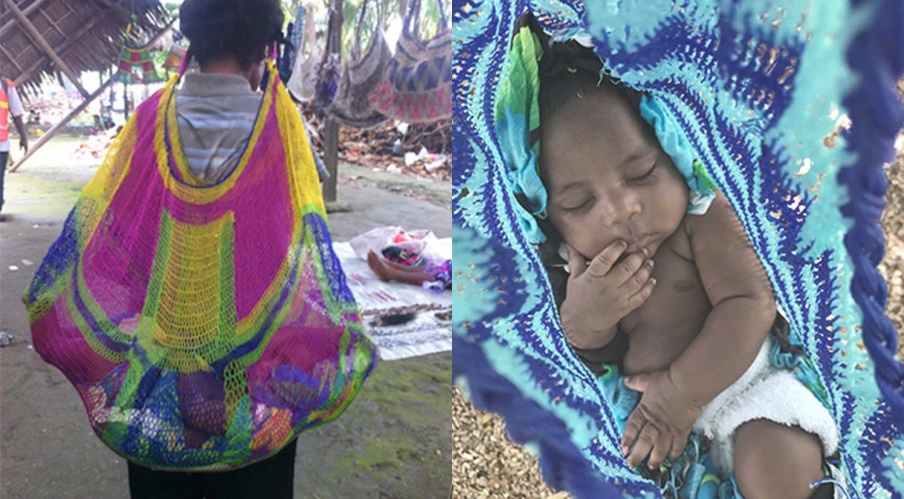
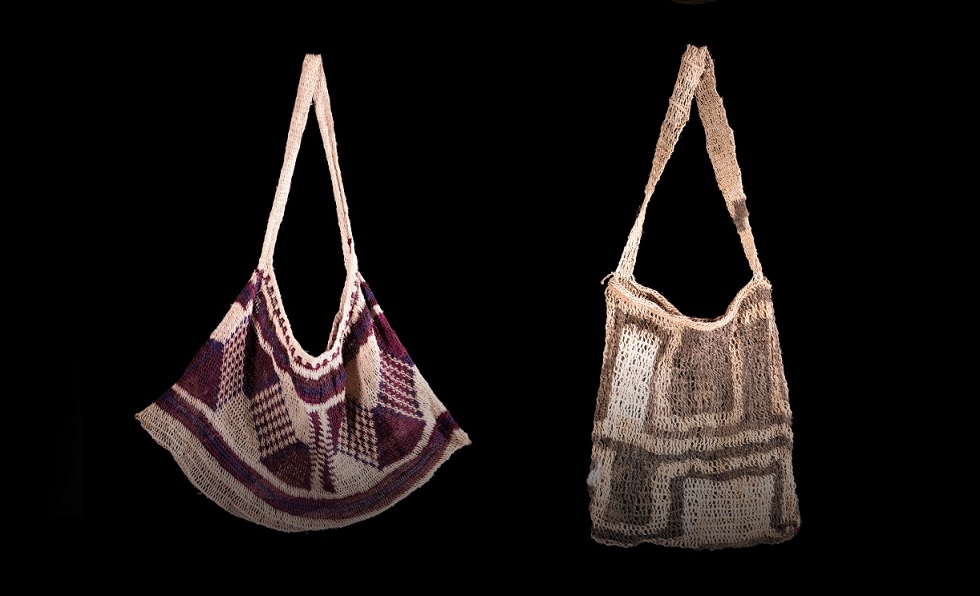
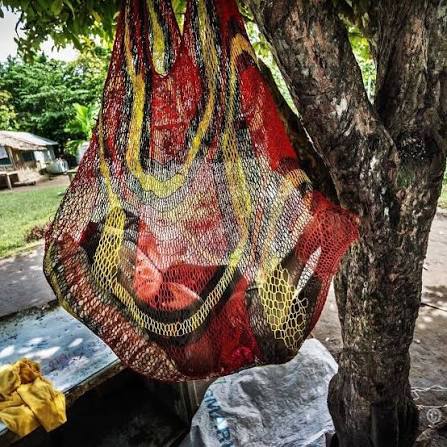
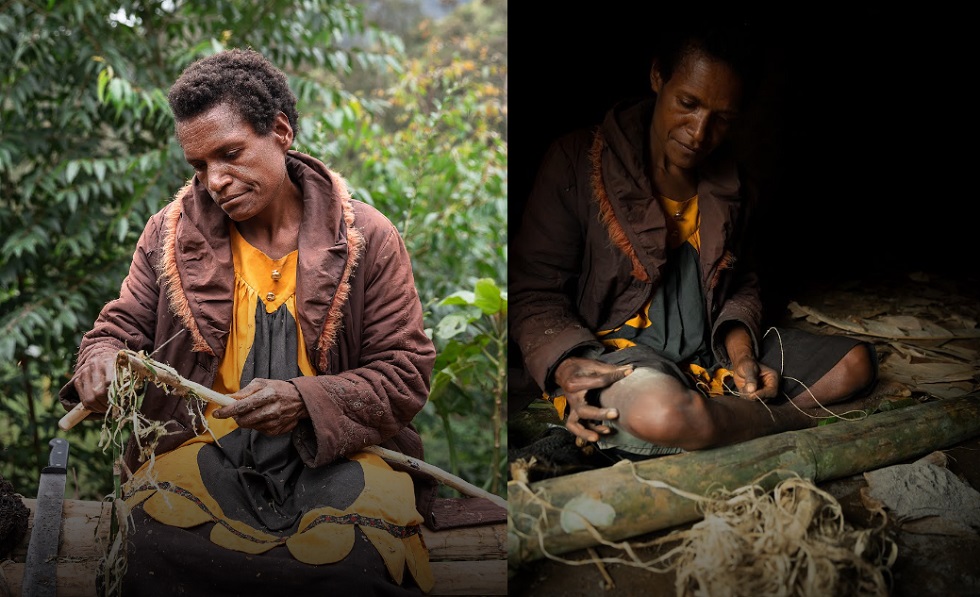
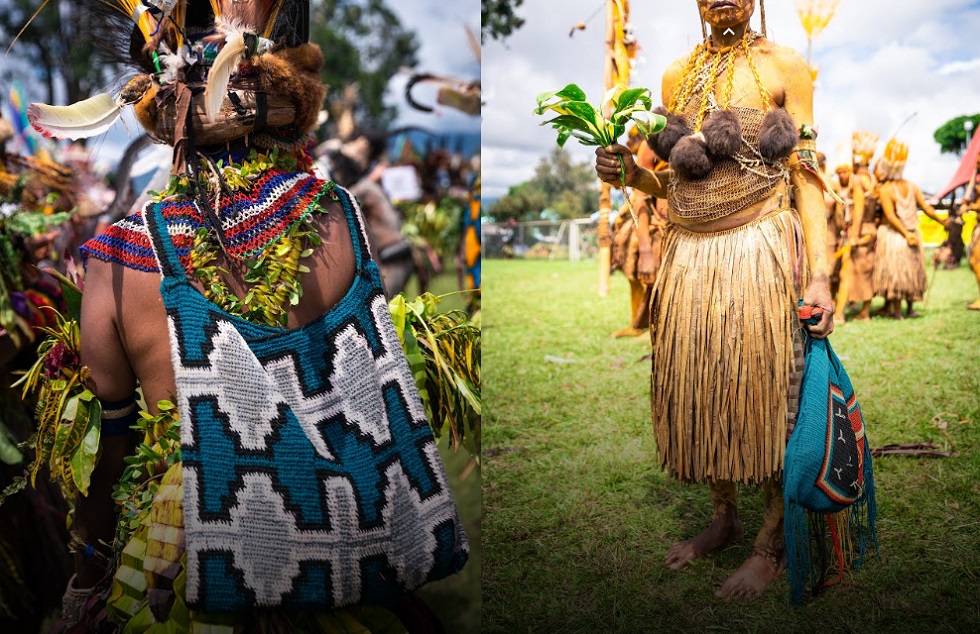
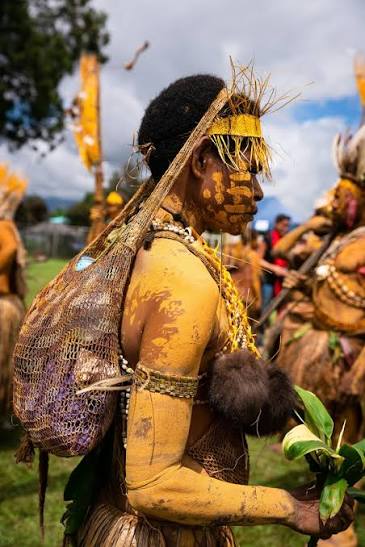
In Tok Pisin, the word bilum translates to "womb." This is not merely a linguistic choice; it reflects the bag’s function as an extension of the human form. Hand-looped from natural fibers like tree bark or pandanus, the bilum lacks a rigid frame. Instead, it relies on elasticity. The bag expands to accommodate its contents, shifting the load’s center of gravity to align with the wearer’s spine. By using a forehead strap, the carrier effectively bypasses the shoulder strain inherent in modern backpacks, distributing the weight across the body’s strongest structural axis.
Himalaya: Namlo and Doko – The Physics of the Ascent
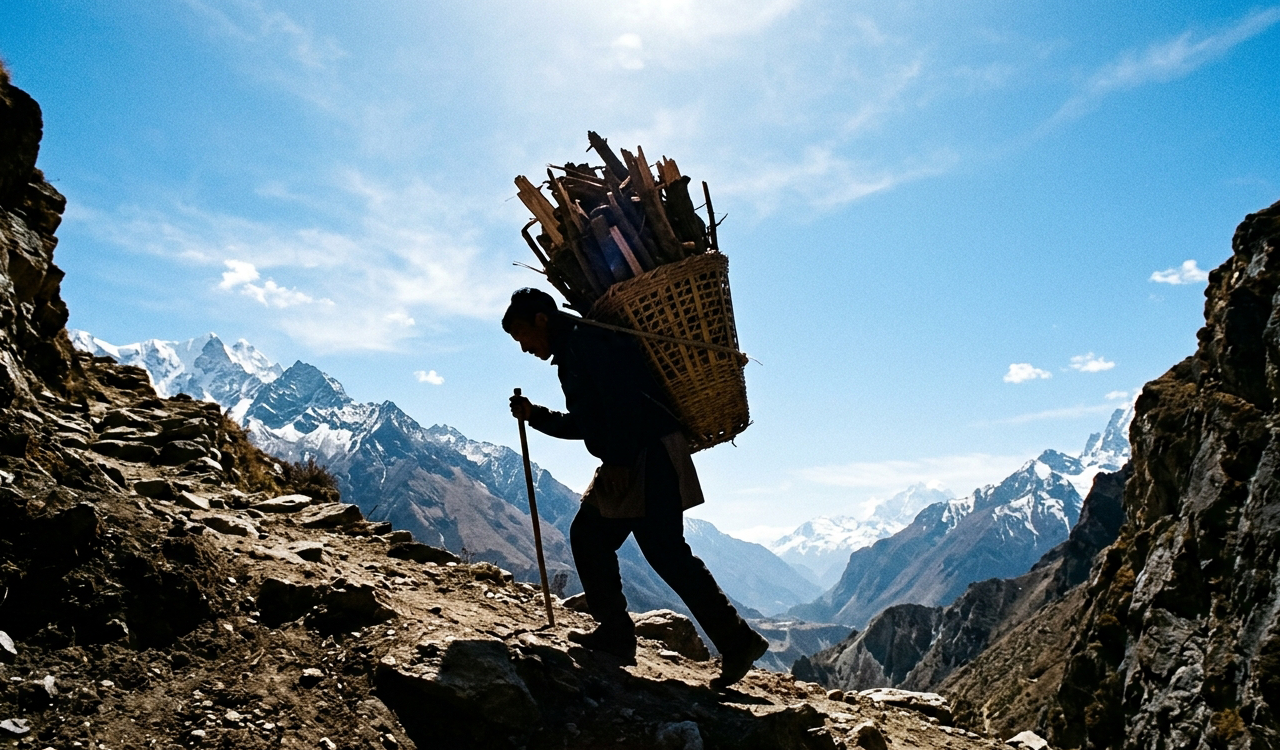
For a porter traversing the Solukhumbu region, the doko (a conical bamboo basket) and namlo (a braided strap) are more than tools; they are survival equipment. Unlike modern packs that focus on hip-belt weight transfer, the doko system utilizes the head and neck to hang the load, forcing the carrier to lean into the incline. This creates a "dynamic suspension" where the body’s posture acts as the primary shock absorber. It is a system designed for minimal points of failure—no zippers to jam, no buckles to snap in sub-zero temperatures.
South America: The Gaucho Rastra
The gauchos of the Argentine Pampas viewed carrying as a form of integration. Their system was not a bag, but a wardrobe. A tightly woven faja (sash) and a rastra (ornate belt) served as the foundation for carrying knives, currency, and tools. By keeping the load tightly against the pelvis, the gaucho maintained a perfect center of gravity while riding at high speeds. It was the original "Everyday Carry" (EDC) system, proving that the most efficient storage is often that which is integrated into the clothing itself.
Scandinavia: The Kont and Breathability
In the boreal forests, moisture is a killer. The kont, a rigid backpack woven from birch bark, addressed the specific threat of sweat-induced hypothermia. The natural properties of birch bark—breathable yet waterproof—allowed the carrier to move through the snow without the moisture-trapping issues common in modern synthetic materials. The kont was a collaboration between climate and material, serving as both a container for the back and a ruggedized storage unit for a sled.
The Science of the "Free Ride"
A significant piece of supporting data in the study of human load-carrying is the "free ride" effect observed in African head-carrying cultures. Biomechanists have long studied why certain populations can transport heavy loads with minimal metabolic increase.
Research suggests that this is not a genetic trait, but a highly refined motor skill. Through a lifetime of practice, these carriers develop a gait that synchronizes the pendulum-like movement of the load with their natural stride. This creates an energy exchange where the load effectively "rides" on the body’s kinetic energy. Crucially, studies have shown that this efficiency is lost when untrained individuals attempt the same task, underscoring that the "technology" of the carry is as much in the human nervous system as it is in the container itself.
Implications for Modern Design
The dichotomy between ancient and modern systems is clear:
- Modern Systems: Prioritize organization, compartmentalization, and high-performance, non-porous materials. They treat the pack as an external machine.
- Traditional Systems: Prioritize body alignment, repairability, and material intelligence. They treat the pack as an extension of the body.
The implication for modern designers is profound. As we reach the limits of what nylon and carbon fiber can do, the next frontier in "carry culture" may not be new materials, but a return to the principles of body-alignment and environmental harmony. We are seeing a resurgence of "place-based" equipment—gear that is designed for a specific landscape and a specific motion, rather than a generic "one-size-fits-all" solution.
Conclusion: Rediscovering Intention
The history of carrying is a narrative of human resilience. Whether it is the furoshiki fold, the bilum loop, or the doko tension, these systems remain relevant because they solved problems that modern technology has, in some ways, only complicated.
As we look toward the future of outdoor gear, the most innovative designs may be those that—like the tools of the past—simply disappear into the rhythm of the user. True innovation, it seems, is not just about holding more; it is about carrying better. By revisiting these ancient systems, modern designers are not moving backward—they are rediscovering the fundamental physics of moving through the world with grace, efficiency, and profound intention.
 Layla Zulfa
  Iffa Jayyana
  rifanmuazin