

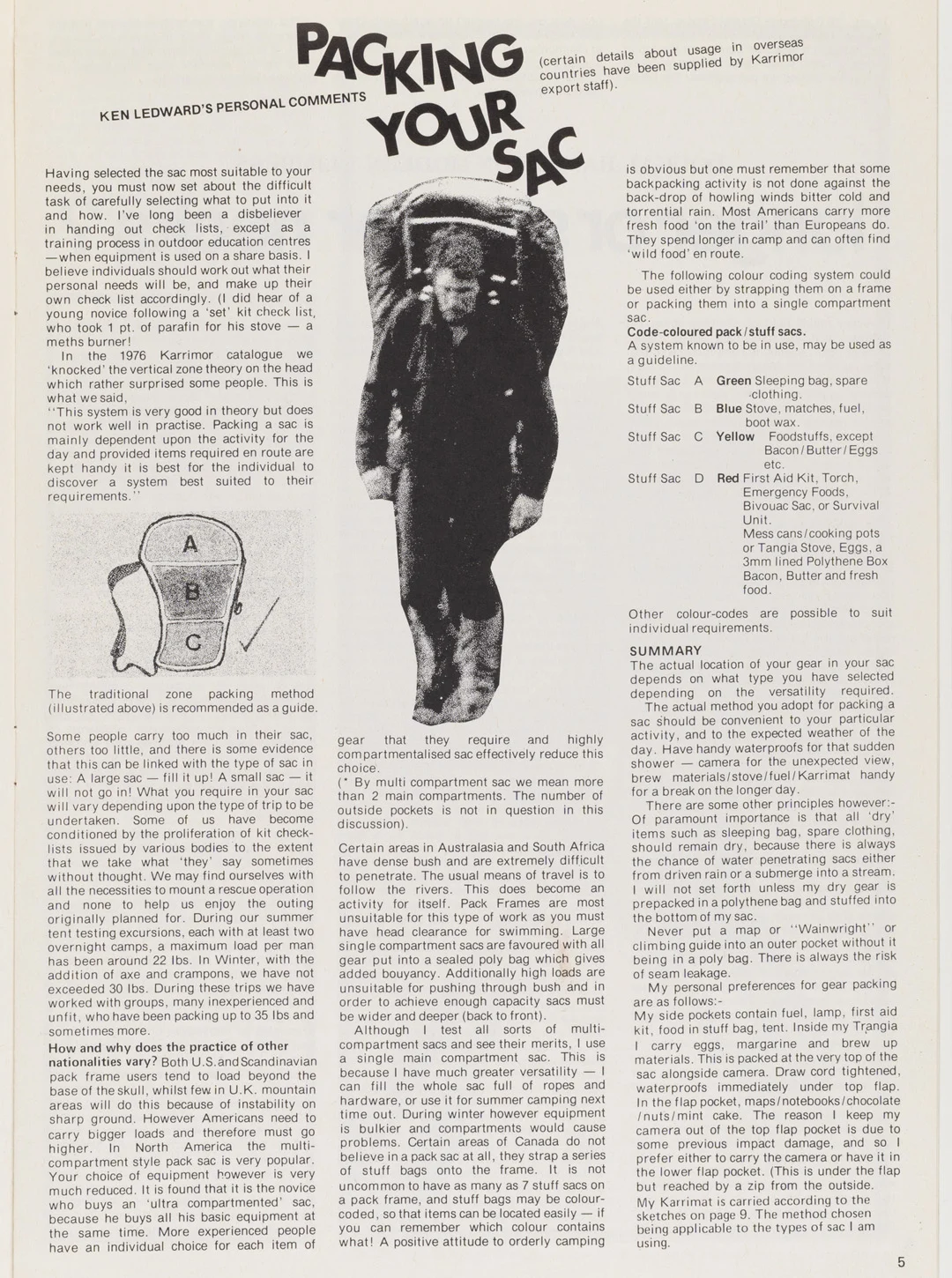
Few brands in the annals of outdoor history possess a lineage as dramatic, transformative, or surprisingly intimate as Karrimor. Today, the name may appear on entry-level gear in high-street discount stores, a shadow of its former self. Yet, to those who scaled the most unforgiving peaks of the 20th century—from the jagged crags of the British Isles to the oxygen-starved summits of the Himalayas—Karrimor was the gold standard. It was the brand that enabled the "Vector Generation" of climbers to push the limits of human possibility.
The story of Karrimor is not merely a corporate history; it is a tale of post-Depression tenacity, the resilience of a family in the face of debilitating tragedy, and the relentless pursuit of functional perfection.
The Foundations: A Struggle Against the Odds
The genesis of Karrimor is inextricably linked to the economic desolation of 1930s Lancashire, England. The region’s textile industry, once the beating heart of the British economy, was buckling under the weight of the Great Depression. Poverty was pervasive, and the future seemed to offer little more than further destitution.
Charles Parsons, a man defined by his uncompromising independence, refused to succumb to the malaise of his time. Driven by a diehard passion for cycling, he saw a path forward. In the mill town of Waterfoot, Parsons established a modest bicycle repair shop. The arrangement was simple: he partnered with a friend, with Parsons taking the grueling evening shifts to tinker with repairs long after the sun had set.

However, the entrepreneurial spirit is often tested by the betrayal of trust. When a customer remarked on finding the shop closed during morning hours, the truth came to light: his partner was failing to pull his weight. Parsons, fueled by a self-belief that would become the cornerstone of his family’s legacy, walked away. He opened his own shop just down the street, determined to prove that his vision could survive the harshest of economic climates.
Tragedy and Transition
Success is rarely a linear path, and for Charles, the greatest obstacle was yet to come. One night, while working in his shop, a horrific accident occurred: hydrochloric acid was splashed into his eyes. The subsequent medical journey was fraught with misfortune. A procedure in London during the Second World War was interrupted by German air raids, leaving the operation incomplete and setting off a chain of complications that would eventually render Charles completely blind by the 1950s.
Yet, rather than retreat, Charles and his wife, Mary, doubled down. With resources scarce and wartime rationing making manufactured goods nearly impossible to obtain, the couple turned their necessity into an opportunity. If they could not buy the gear they needed, they would build it.
Chronology: From Panniers to Everest
1946–1950s: The Attic Origins
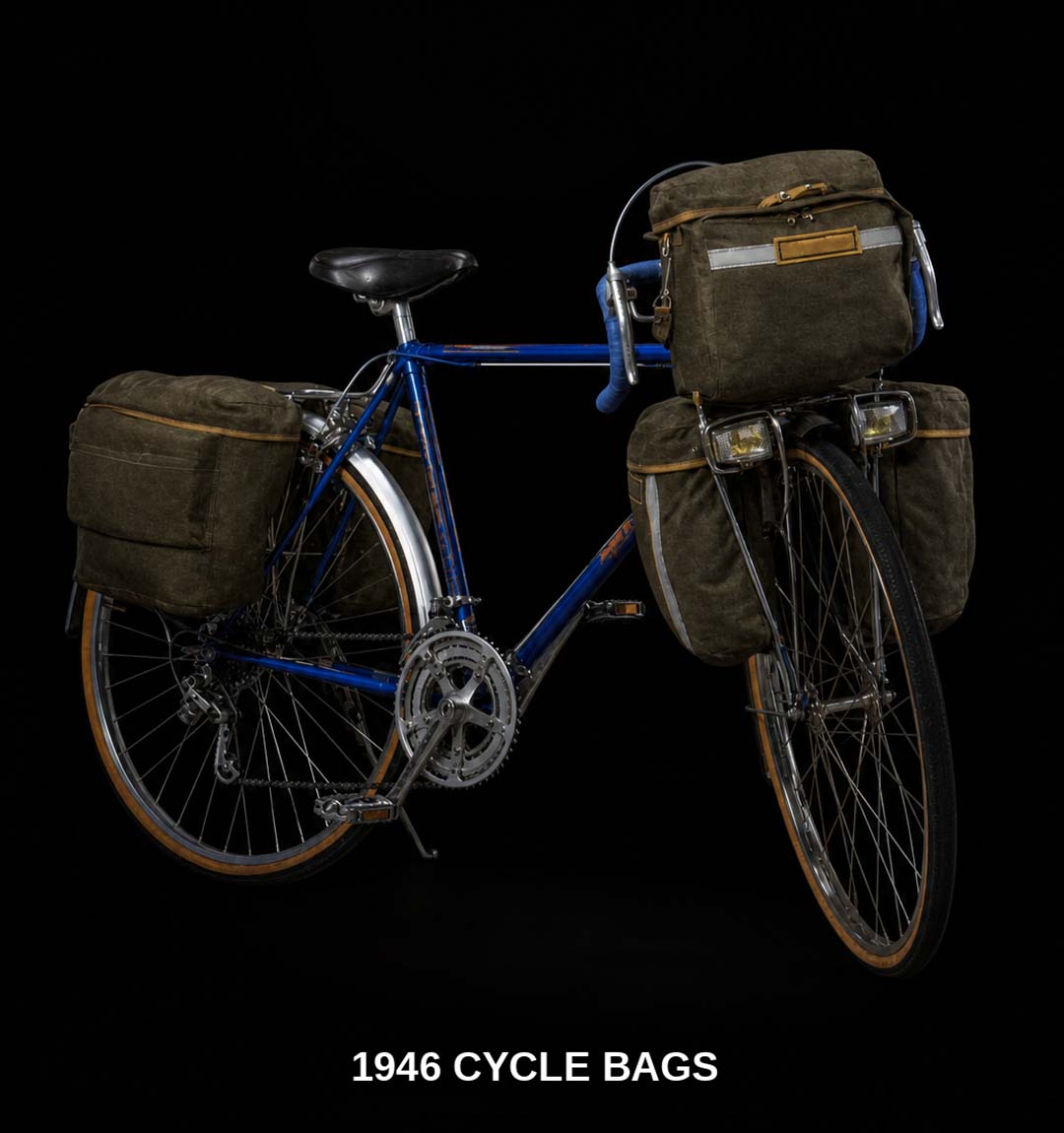
Mary Parsons and her sister, Grace, possessed the skilled hands of seasoned seamstresses. Using raw cotton-duck cloth, they began hand-sewing bike panniers and saddlebags. They christened the endeavor "Karrimor"—a phonetic play on the phrase "carry more." By 1946, the brand was formalized, producing durable, high-quality gear that resonated with a nation looking to rebuild.
1960s: The Shift to the Mountains
As the post-war era progressed, the cultural landscape of Britain shifted. Cycling declined as car ownership and outdoor recreation rose. The formation of the British Mountaineering Council in 1944 and the national euphoria following the 1953 Everest ascent signaled a new era. People were heading to the mountains, and Karrimor needed to pivot or perish.
Mike Parsons, the son of Charles and Mary, emerged as the company’s driving force. He brought a "boots-on-the-ground" philosophy to design. He spent his time with machinists and climbers, absorbing the realities of the crags. By the 1960s, Karrimor was no longer just a bike shop; it was a climbing laboratory.
1975: The Everest Summit
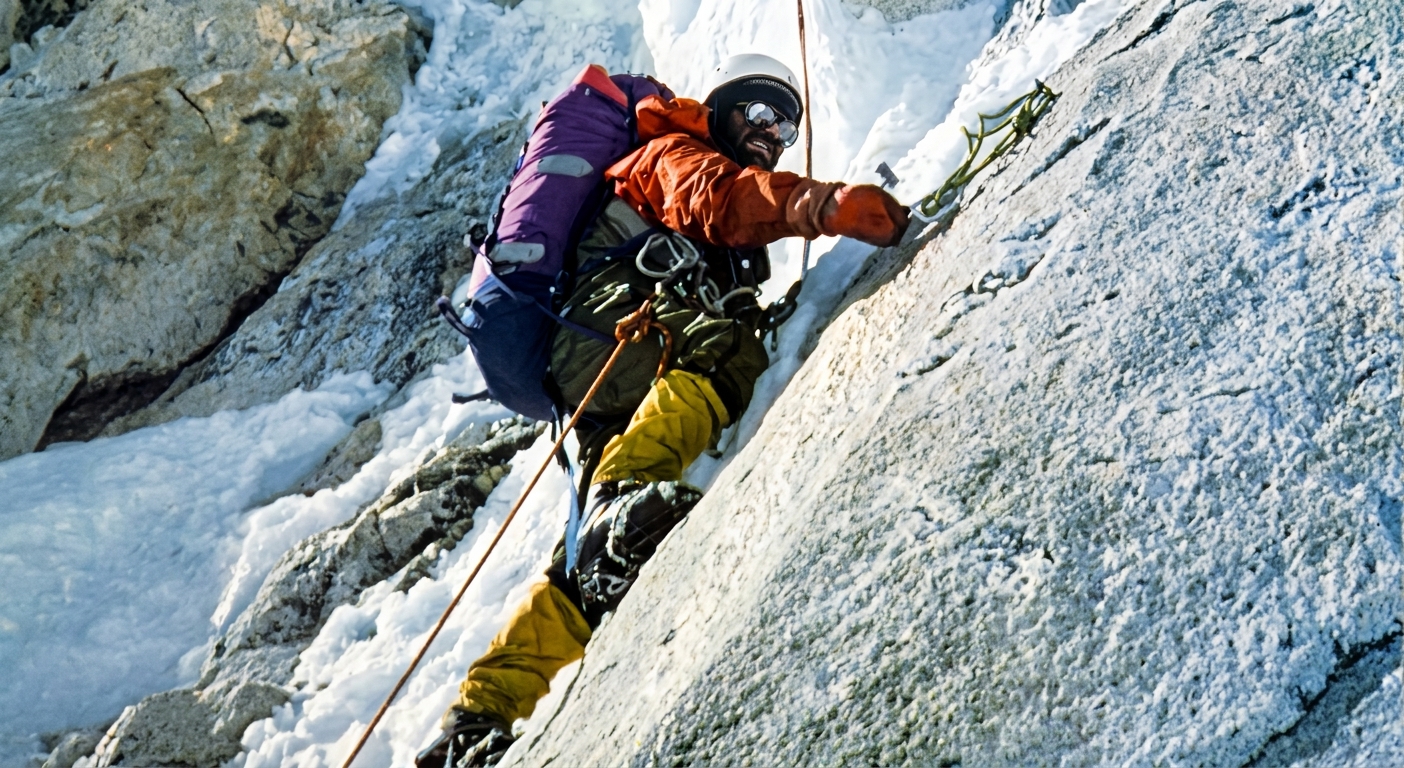
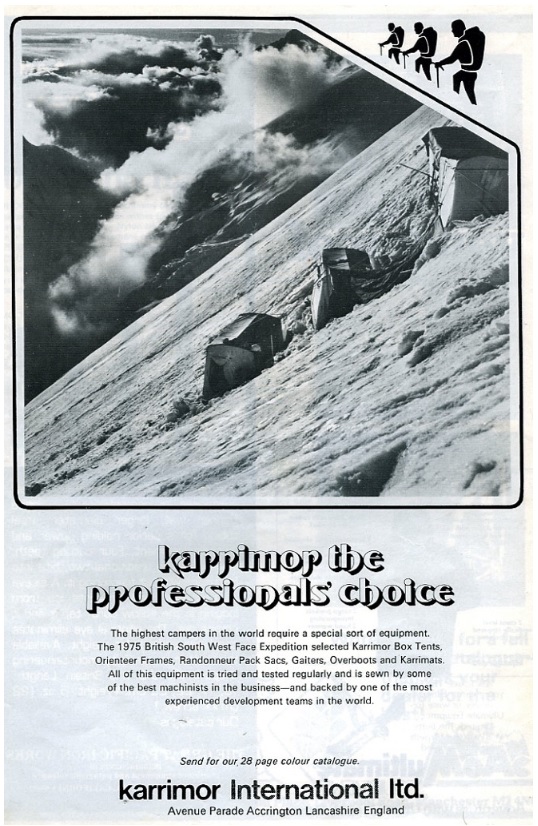
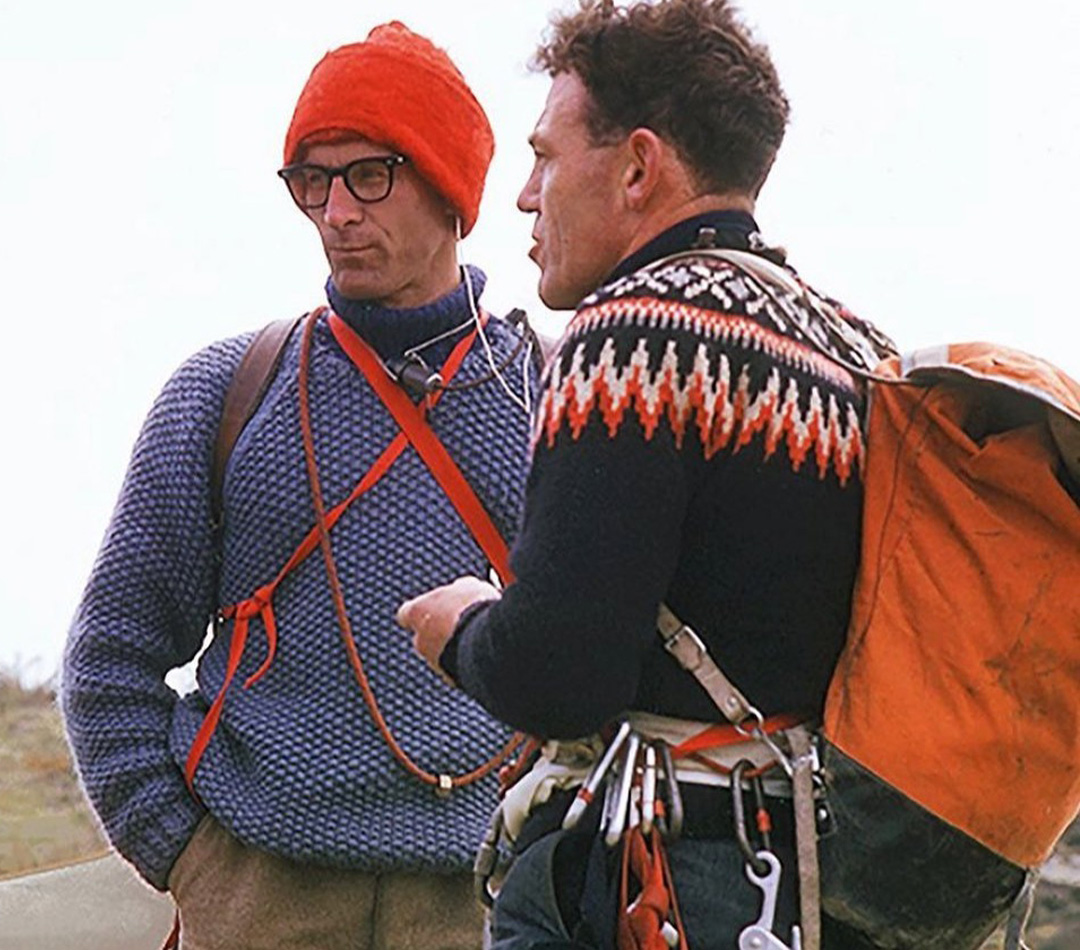
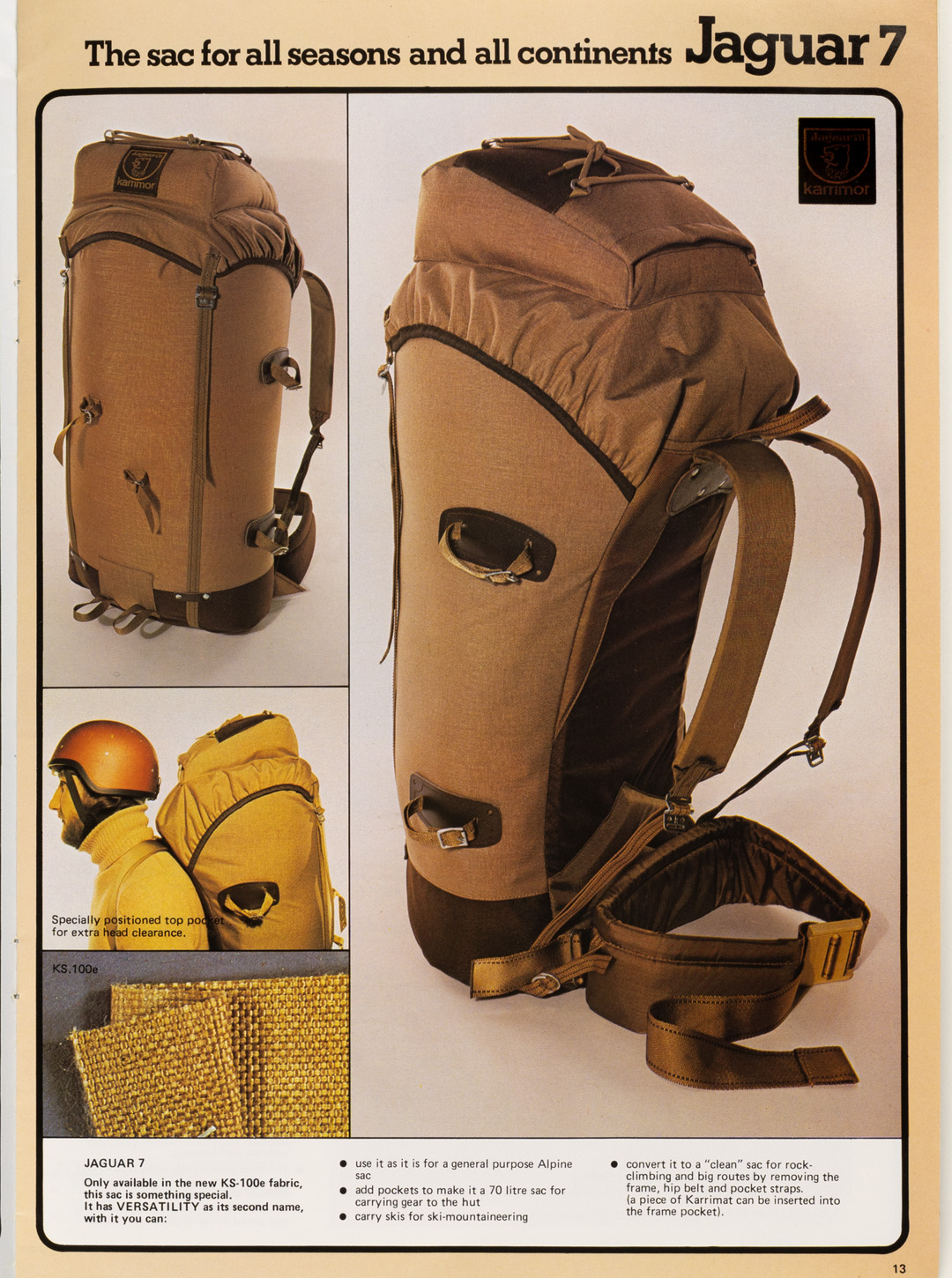
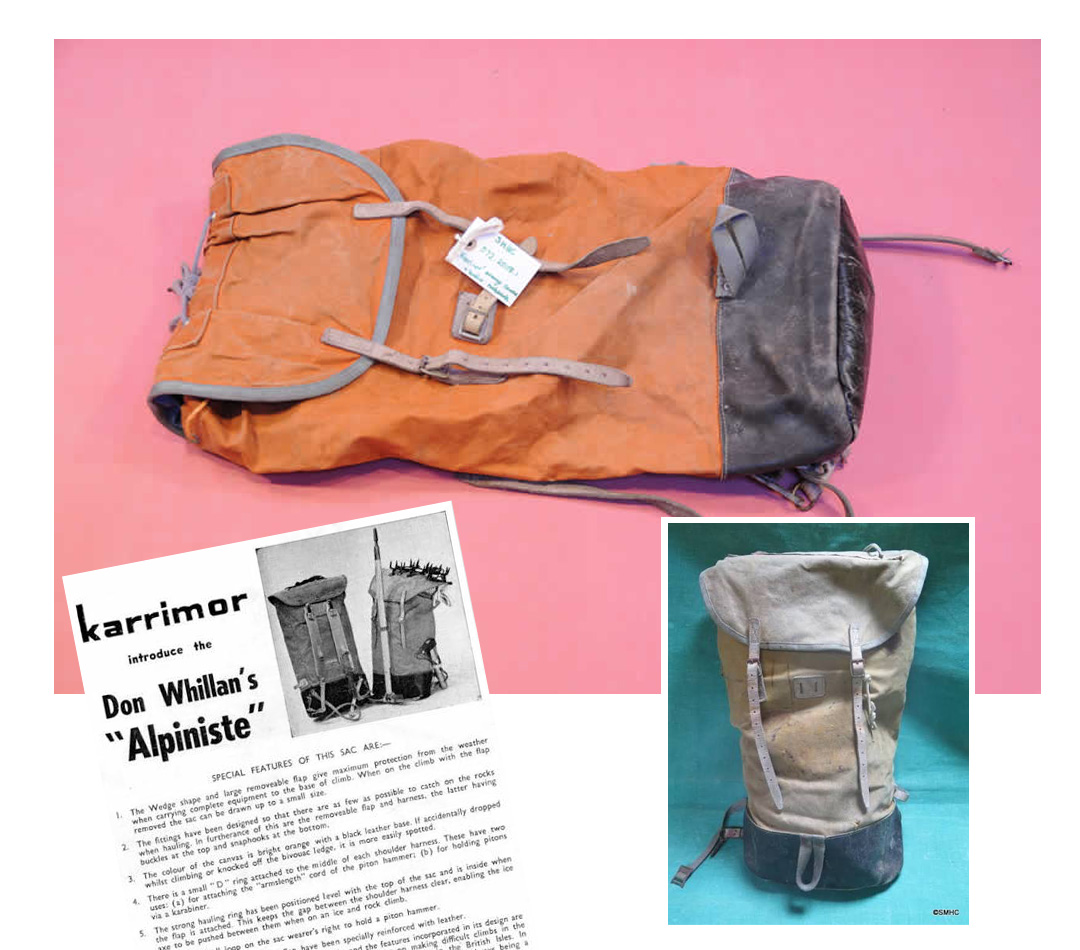
The brand’s influence reached its zenith in the mid-1970s. When Chris Bonington’s team tackled the formidable Southwest Face of Everest in 1975, they did so equipped with Karrimor’s revolutionary Jaguar and Alpiniste backpacks and the innovative Whillans Box Tent. That same year, Japanese mountaineer Junko Tabei utilized a Karrimor pack frame to become the first woman to reach the summit of Everest. Karrimor was no longer a regional British secret; it was a global authority.
Technical Innovation: The Science of Survival
Karrimor’s dominance was not a result of clever marketing, but of material science. The company’s proximity to the heart of the Lancashire cotton industry provided them with unique access to manufacturing processes.
The KS-100e Revolution
Perhaps the most significant technical contribution was the development of the KS-100e. This breakthrough involved a texturized thick nylon core anchored by an elastomer-nylon/polymer-coating process. By adding a fluorocarbon Durable Water Repellent (DWR) finish, Karrimor created a fabric that was inherently waterproof, exceptionally light, and nearly indestructible. It set a new industry benchmark, forcing international competitors to scramble to replicate the technology.
The Karrimat
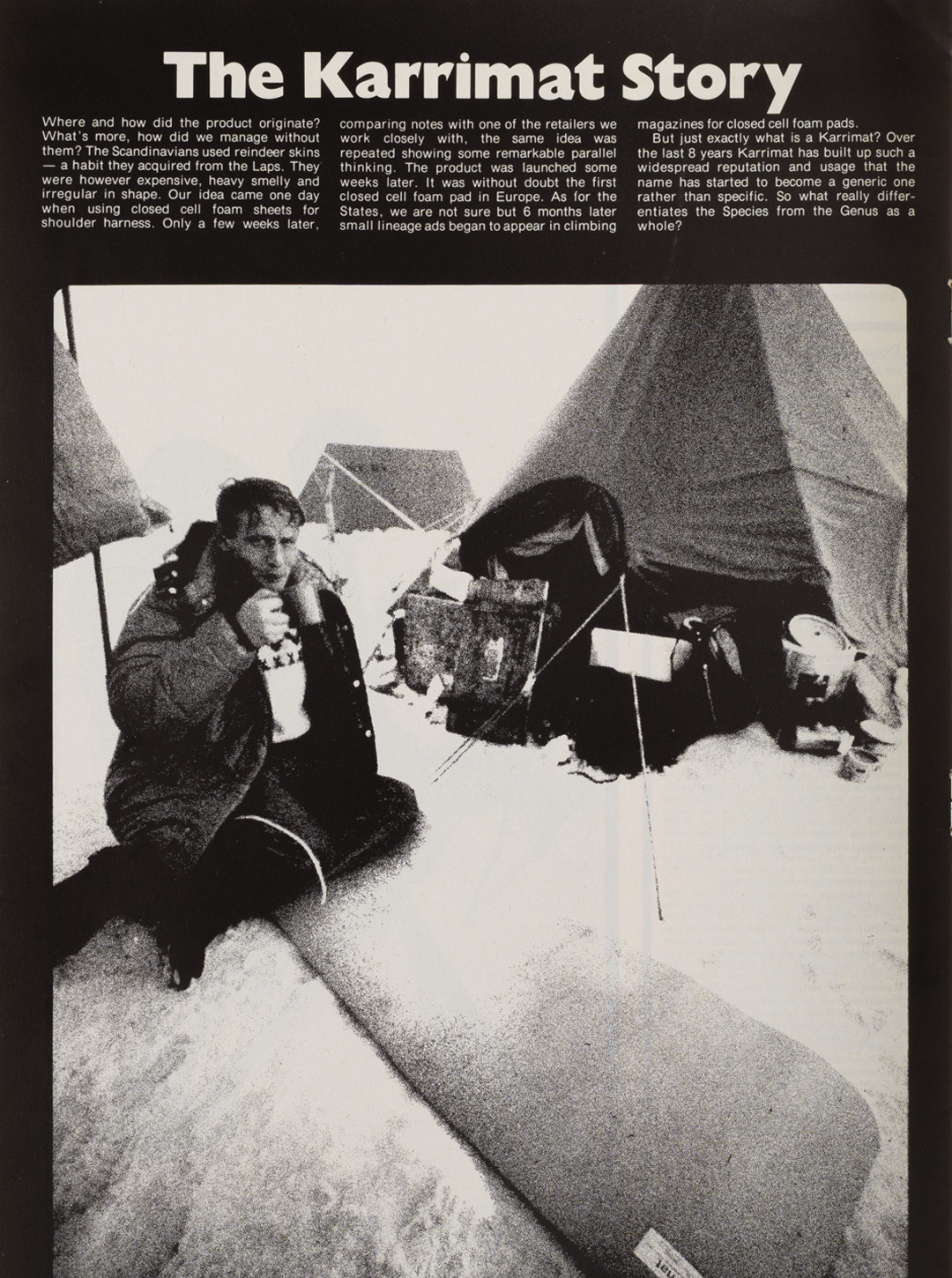
Innovation extended to the camp site with the "Karrimat." Developed by Mike Parsons in the mid-60s, this closed-cell foam sleeping pad offered superior cold and water resistance. It became so ubiquitous in the mountaineering community that "Karrimat" became the generic term for any sleeping roll, a rare feat of branding dominance that solidified Karrimor’s cultural footprint.
The "Vector Generation" and Co-Creation
The golden age of British climbing, lasting roughly from 1960 to 1990, is often called the "Vector Generation." These were blue-collar athletes who treated climbing not as a genteel hobby, but as a test of raw strength. Figures like Don Whillans and Dougal Haston were not just customers; they were design consultants.
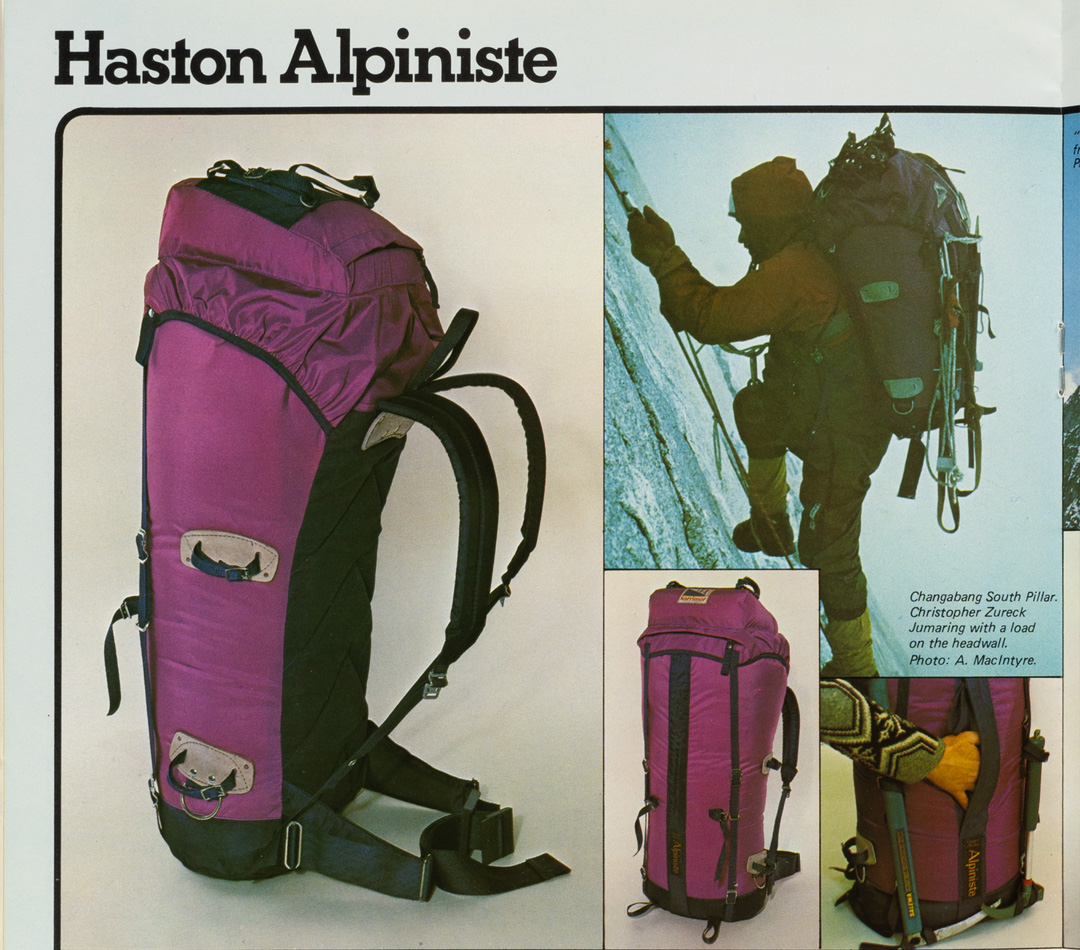
Mike Parsons famously eschewed traditional advertising in favor of direct feedback loops. If a climber like Whillans needed a pack with a specific geometry for technical ascents, Karrimor built it. The Haston Alpiniste rucksack, characterized by its Cordura nylon construction, twin ice-axe loops, and removable back pad, remains a masterpiece of utilitarian design. It was a no-frills, high-performance tool that defined the ethos of the brand.
Implications: The End of an Era and the Legacy
No success story is immune to the shifting tides of global commerce. The 1990s brought an influx of low-cost, mass-produced imports from Asia, alongside aggressive competition from giants like The North Face and Berghaus. The market fragmented, and the intimacy that had defined Karrimor’s rise became its Achilles’ heel in a race to the bottom on price.
Mike Parsons left the company in 1996, and in 2004, the original iteration of Karrimor entered administration, eventually being acquired by the retail conglomerate Sports Direct. For many, this marked the death of the brand’s soul. However, the story does not end there.
The Japanese Torch
While the UK arm of the company shifted its focus toward entry-level, mass-market products, the brand’s essence found a sanctuary in Japan. Karrimor Japan continues to honor the heritage of the original workshop, maintaining the commitment to technical excellence and design integrity that the Parsons family established nearly 80 years ago.
Conclusion
The legacy of Karrimor is a testament to the idea that true innovation is born from struggle. From a small, damp attic in Waterfoot to the thin air of the Himalayas, the company proved that with enough tenacity, a small team could challenge the world’s most elite mountaineers and win.
Charles Parsons, who eventually rode a tandem bike with his son Mike to maintain his connection to the world despite his blindness, embodied the spirit of the brand: keep moving, keep designing, and never stop pushing the ascent. As Mike Parsons prepares to release his memoir, “The gear that got us there… and back!”, the industry is reminded that the most enduring gear is that which is built with a deep, personal understanding of the challenges it will face. Karrimor may have faded from the peak of its powers, but its contributions to the evolution of outdoor exploration remain etched into the fabric of every modern backpack made today.
 Asep Darmawan
  Iffa Jayyana
  rifanmuazin