

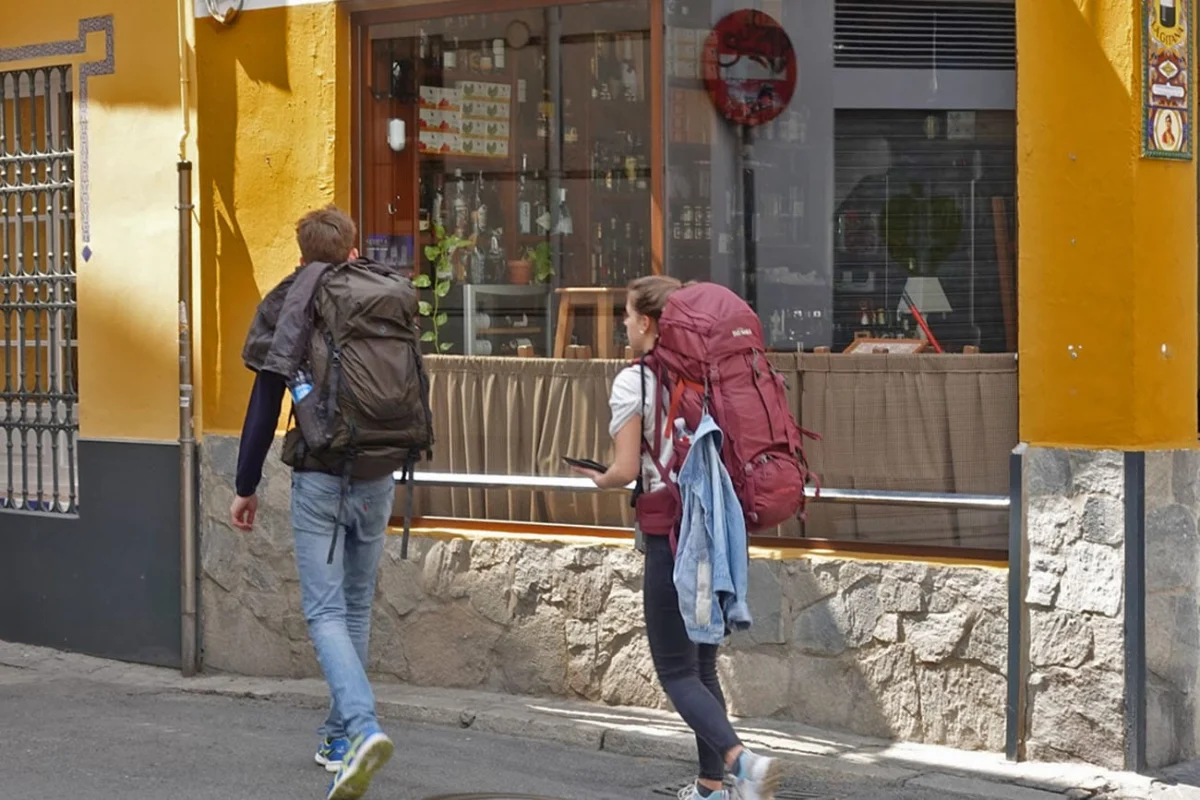
Packing for a trip to Europe is often cited as the most stressful part of the travel experience. For novices, the temptation to "prepare for every scenario" frequently leads to the classic mistake of overpacking. This not only turns transit days into a physical endurance test but also transforms the traveler into an obvious target for pickpockets and opportunists who prey on those burdened by excessive luggage.
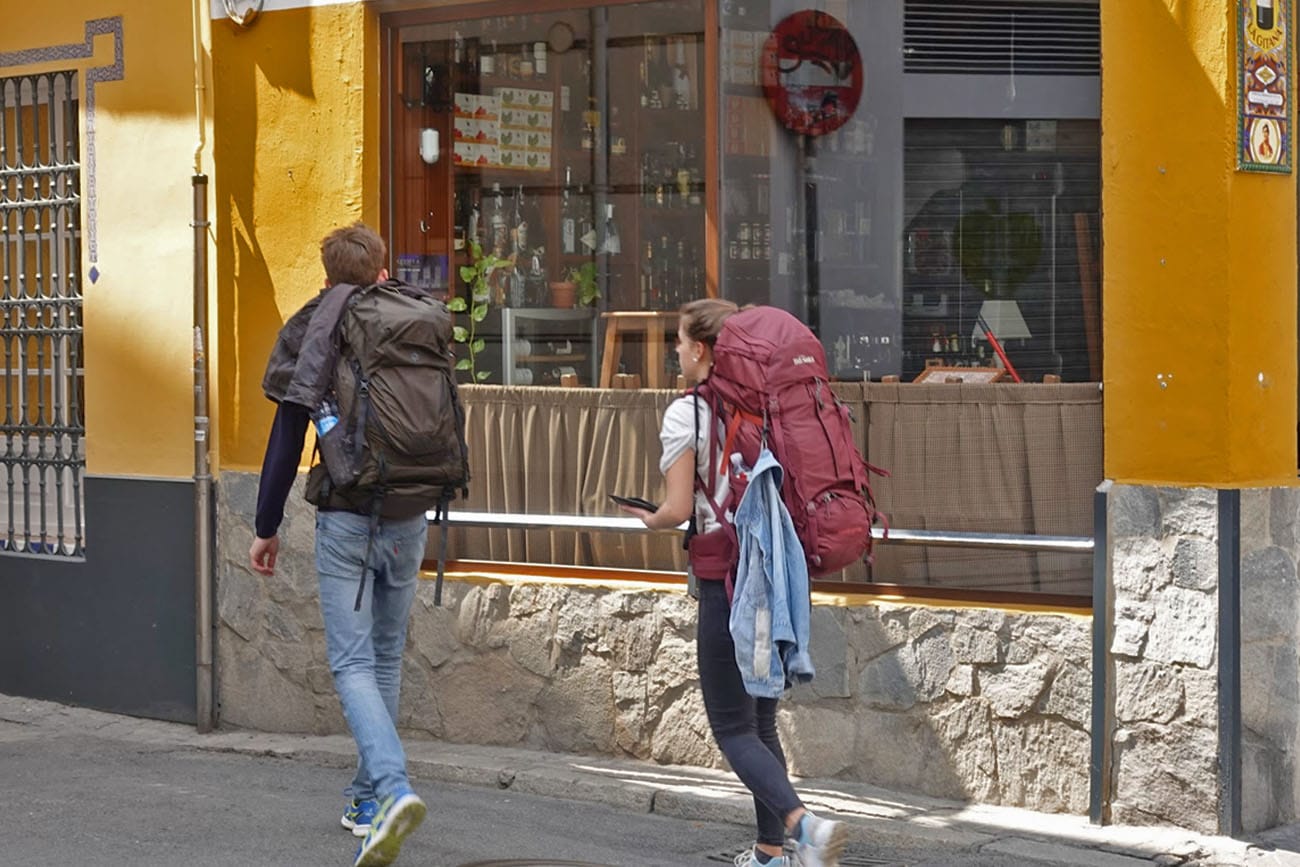
To navigate the continent with ease, one must embrace the "less is more" philosophy. This guide provides a strategic, professional approach to packing for Europe, focusing on weight reduction, versatile gear, and the logistical realities of modern travel.
The Core Philosophy: Why Weight Matters
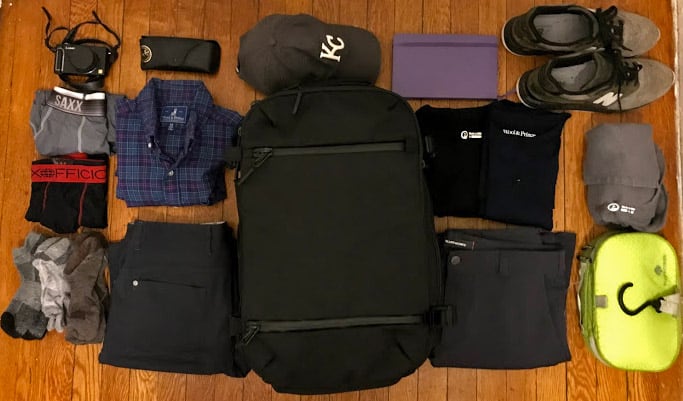
The golden rule of backpacking through Europe is to limit your total gear weight to 20–22 lbs (9–10 kg).

Logistical and Physical Implications
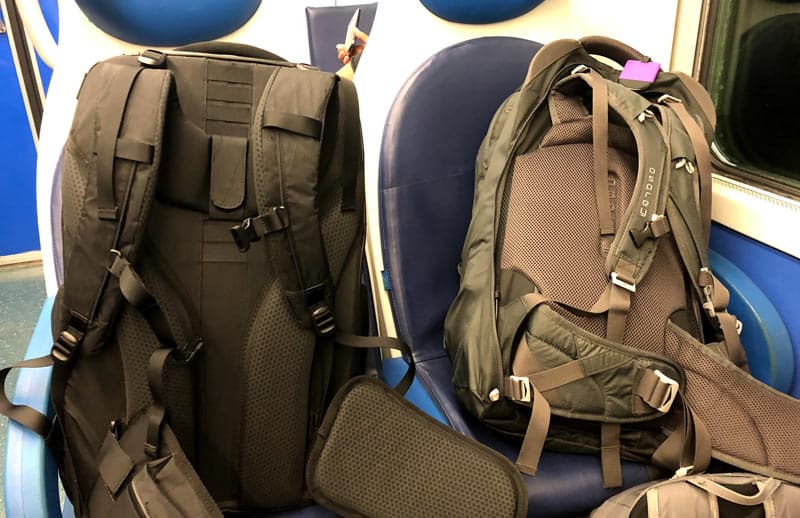
Maintaining this weight threshold is not merely about comfort; it is a tactical necessity. Budget European airlines—such as Ryanair, EasyJet, and Vueling—enforce strict carry-on weight limits. Exceeding these limits often results in exorbitant "gate fees" that can negate the savings of a budget flight. Furthermore, by keeping your pack light, you remain mobile. Navigating cobblestone streets, climbing narrow hostel staircases, and jumping onto crowded trains becomes significantly more manageable when your pack doesn’t dictate your movement.
Security and Accessibility
Overpacking creates a "clutter tax." When your bag is bursting at the seams, keeping track of your passport, wallet, and electronics becomes difficult. A streamlined, organized pack ensures that your most valuable items are always accounted for, reducing the window of opportunity for theft.
Strategic Wardrobe Selection: Cutting the Bulk
Clothing typically constitutes the majority of a traveler’s weight. The key to a functional wardrobe is modularity—the ability to mix and match items to suit different weather conditions and social settings.
The Laundry Reality
There is very little difference in the packing requirements for a two-week trip versus a two-month excursion. The solution is simple: laundry. By committing to doing a load of wash every 7 to 10 days, you can drastically reduce the number of items you carry.

Recommended Clothing Essentials
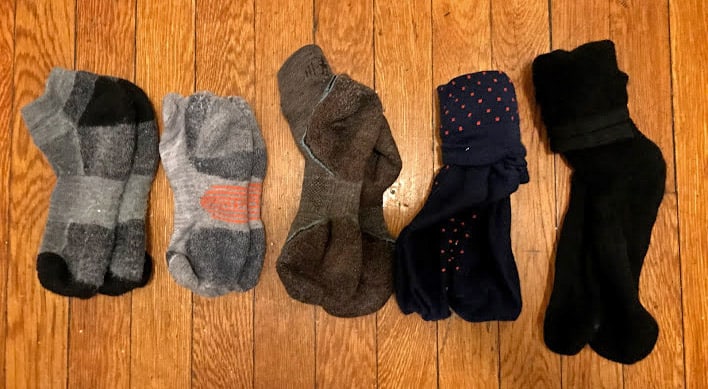
- Socks (5–8 pairs): Never skimp on quality. Lightweight merino wool socks are the industry standard; they are naturally moisture-wicking, odor-resistant, and provide superior blister protection.
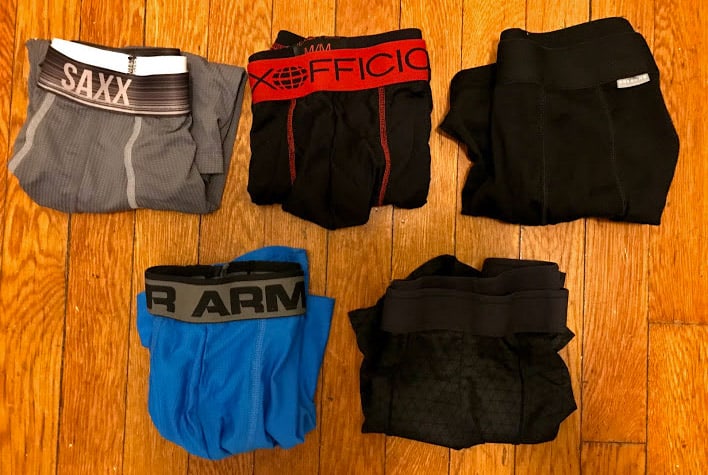
- Underwear (5–9 pairs): Opt for synthetic, quick-drying fabrics. These can be hand-washed in a sink and will dry overnight, providing a sustainable, lightweight cycle.
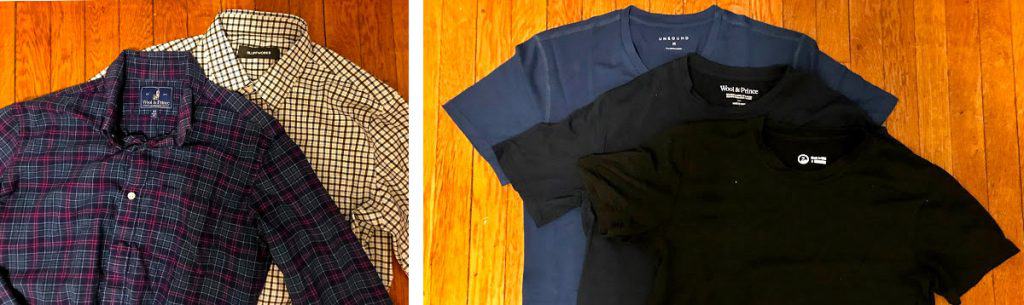
- Shirts and Tops: Pack 2–4 casual, long-sleeve button-ups that can be rolled up for a casual look or worn down for dinner. Supplement these with 3–4 high-quality, solid-colored t-shirts in cotton or wool blends.
- Pants (2 pairs): A pair of dark, well-fitting jeans and a pair of neutral-colored chinos are sufficient. Jeans are a staple in European fashion and, while heavy, are durable enough to be worn repeatedly between washes.
Footwear: The Foundation of the Journey
The "one-pair-of-shoes" rule is the gold standard for ultralight travel, though a second pair is acceptable if chosen wisely.
Selecting the Right Gear
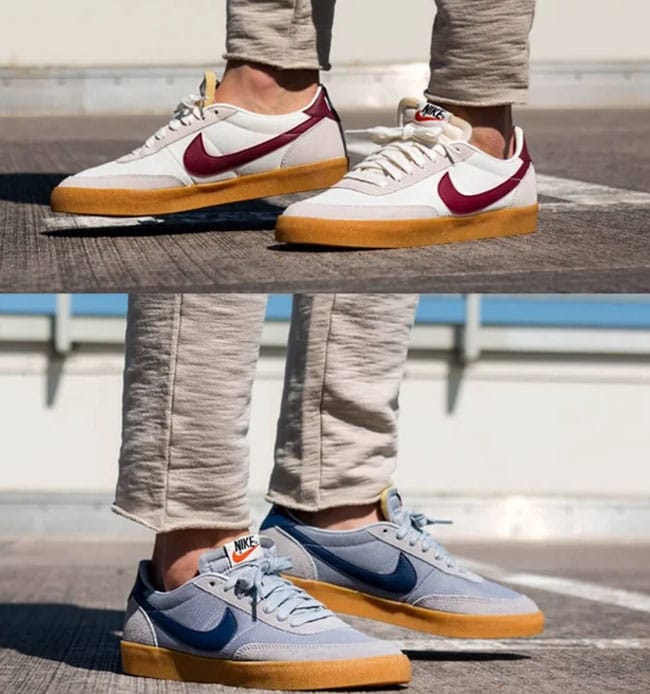
- Sightseeing Shoes: You will likely walk 10–15 miles a day. Prioritize support and style. Leather sneakers from brands like New Balance, Nike, or Adidas are often the best middle ground between athletic comfort and European street fashion.
- Hostel Essentials: A pair of cheap, lightweight rubber flip-flops is non-negotiable. Public showers in hostels require protection for hygiene reasons.
- The "Hiking Boot" Myth: Unless you are embarking on a specific mountain trekking expedition, leave the heavy, clunky hiking boots at home. They consume too much space and are generally unnecessary for urban exploration.
Essential Travel Accessories and Tech
Modern travel requires a specific set of tools to ensure connectivity and security without adding significant mass.
Organization: The Power of Packing Cubes
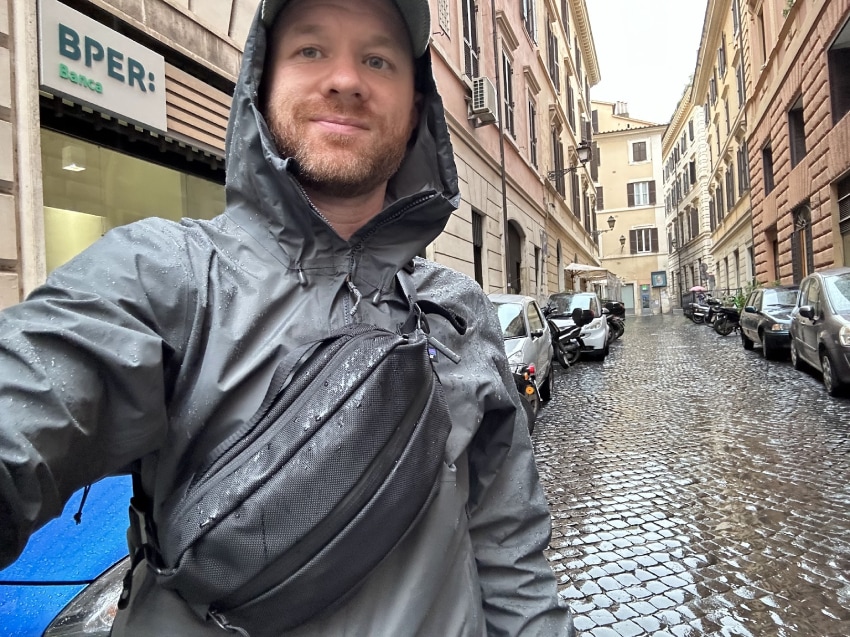
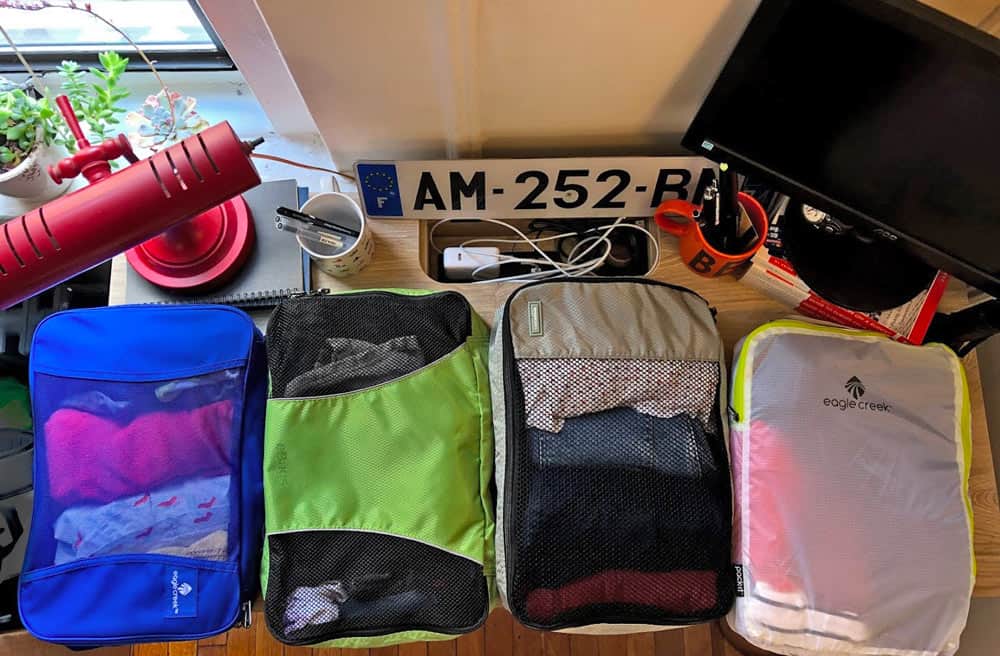
Packing cubes are not a luxury; they are a system. By compartmentalizing your clothing—socks in one, shirts in another—you eliminate the need to rummage through your bag. This keeps your belongings compressed, wrinkle-free, and instantly accessible.
Electronics and Power Management
- Adapters and Converters: Europe uses a different voltage and plug shape than North America. While modern laptops and smartphones are dual-voltage, you will need a physical plug adapter.
- Portable Power: Frequent use of navigation apps like Google Maps will drain your phone battery. A compact, 10,000mAh power bank is a standard requirement for long days of sightseeing.
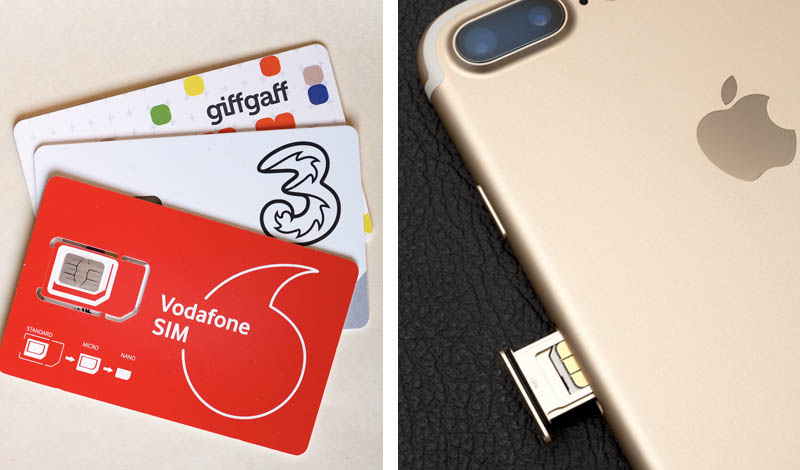
- Connectivity: Avoid exorbitant roaming fees by utilizing local eSIMs or regional SIM cards. This can reduce data costs from $10–$15 per day to a fraction of that price.
Security and Logistics: Preparing for the Unexpected
Travel insurance is an often-overlooked but vital component of your packing list.
Why Insurance is Mandatory
Whether it is a stolen laptop, a cancelled flight, or a medical emergency, the cost of an incident in a foreign country can be devastating. A reputable travel insurance provider acts as a safety net. Before you depart, ensure your policy covers medical expenses, theft, and trip interruption.
Protecting Your Valuables
- Digital Copies: Maintain a cloud-based folder (Google Drive or Dropbox) containing scans of your passport, travel insurance documents, and reservation confirmations.
- The Physical Lock: A high-quality combination padlock is essential for securing your locker in hostels. Avoid key-based locks, which are easily lost.
Implications of "Traveling Like a Local"
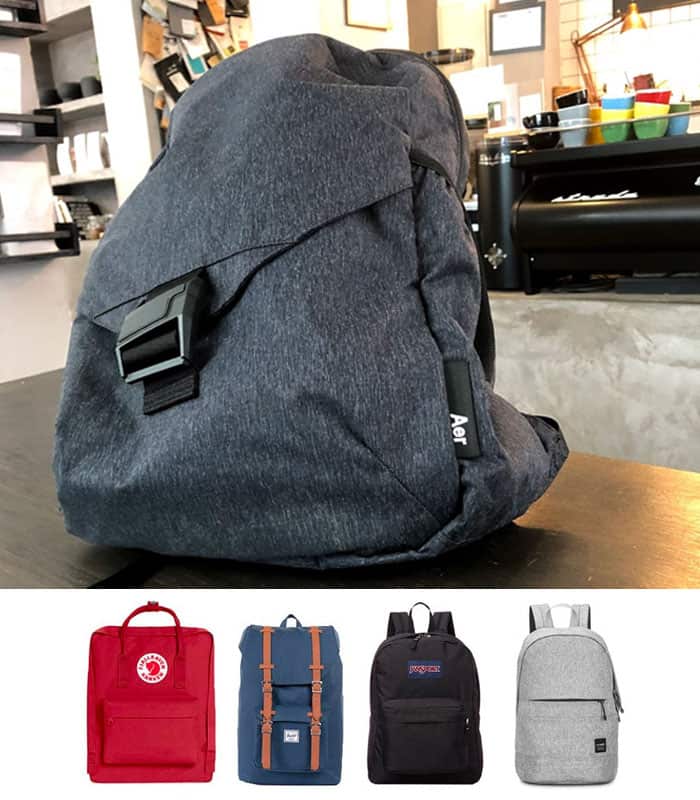
The goal of packing light is to integrate into the environment rather than stand out as an "American tourist." When you carry less, you move with the confidence of someone who is in control of their surroundings.
Dressing the Part
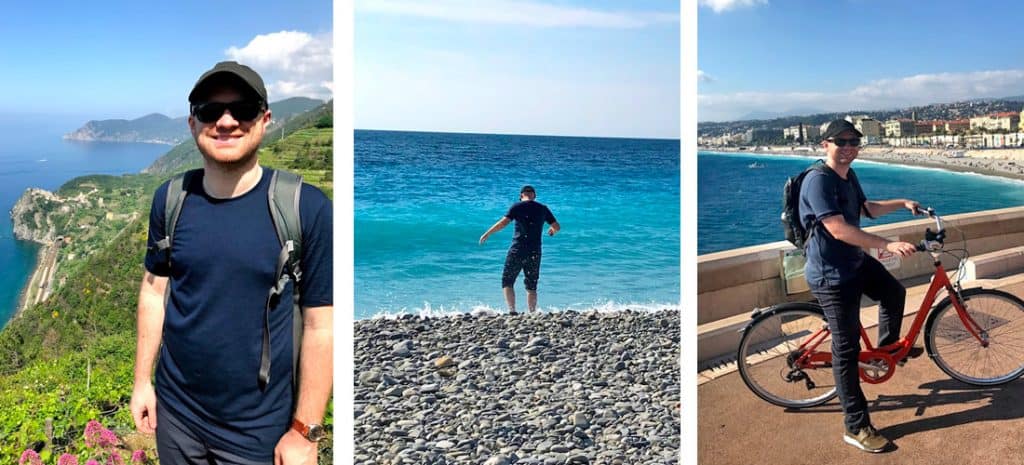
European style tends to be more structured and neutral-toned than American travel attire. By avoiding bright, neon-colored athletic gear and oversized cargo shorts, you are less likely to be perceived as a tourist, which can deter potential scammers and enhance your overall cultural experience.
Final Preparations: The "Pre-Departure" Checklist
- Check your weight: Use a digital luggage scale to ensure you are under the 22-lb limit.
- Test your gear: Spend a day walking around your home city with your fully packed bag to identify any discomfort.
- Refine the toiletries: If you have a full-sized bottle of shampoo, remove it. You can purchase travel-sized toiletries or basic necessities at any local grocery store in Europe.
By adhering to these principles, you ensure that your focus remains on the architecture, the history, and the culture of Europe, rather than the stress of hauling an oversized, unorganized, and unnecessary mountain of baggage. Safe travels.
 Ammar Sabilarrohman
  Pevita Pearce
  Dwi Wanna