

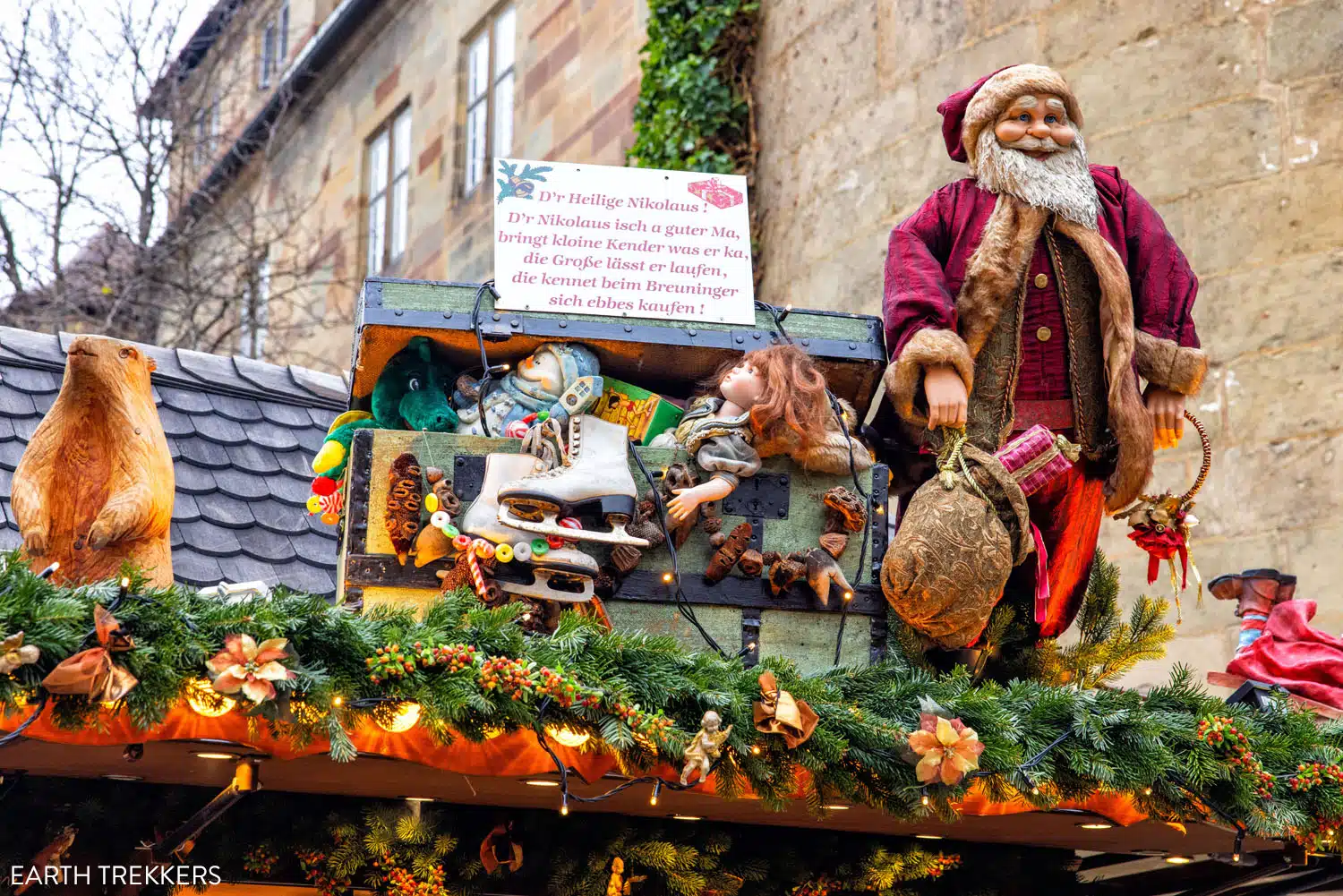
Germany’s Christmas markets (Weihnachtsmärkte) are more than just seasonal shopping venues; they are the beating heart of German winter culture. From the flickering glow of thousands of fairy lights in medieval town squares to the heady, comforting scent of Glühwein (mulled wine) and roasted almonds, these markets represent a centuries-old tradition that continues to draw millions of international visitors every year.
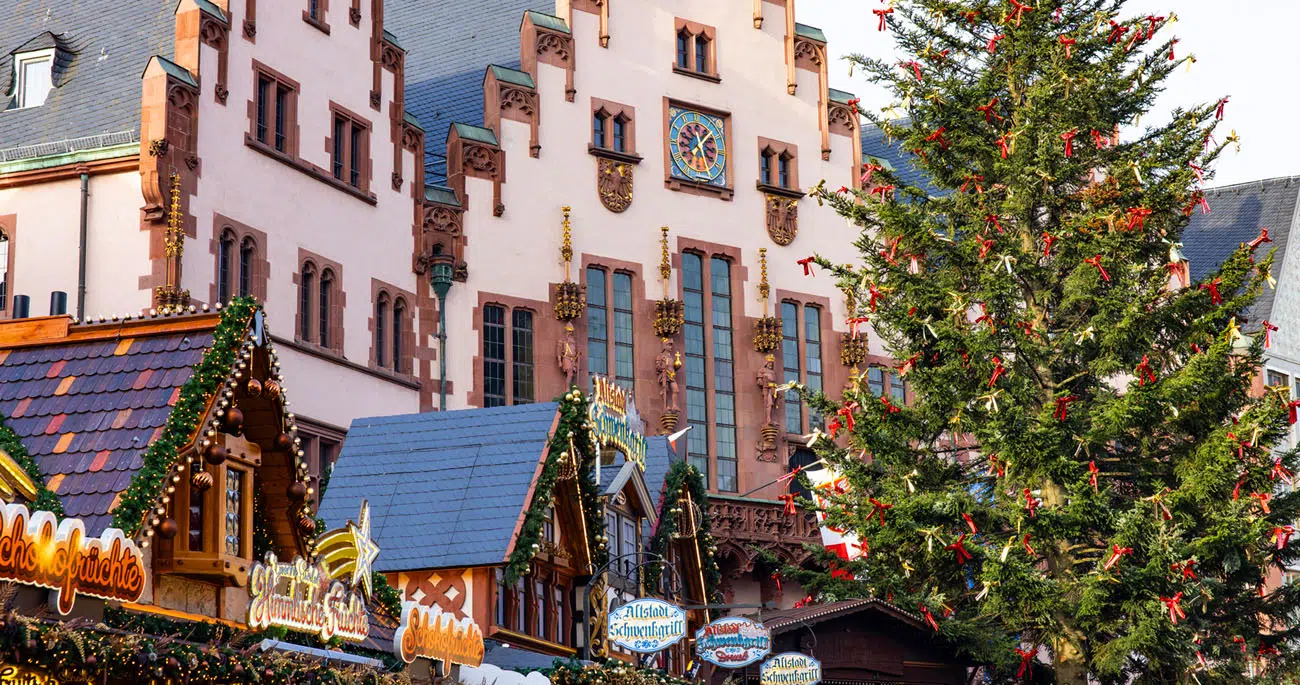
Drawing from extensive, multi-year firsthand explorations across Germany and the broader European continent, this guide provides a definitive ranking of the 20 most essential Christmas market destinations. Whether you are seeking the world-famous, grand-scale spectacles of major cities or the intimate, fairy-tale charm of hidden medieval towns, this report offers the insights necessary to curate your perfect holiday itinerary.

The Anatomy of a Perfect Christmas Market
To determine the "best" markets, we evaluated destinations based on five key pillars: Atmosphere, Setting, Craftsmanship, Culinary Quality, and Crowd Management.
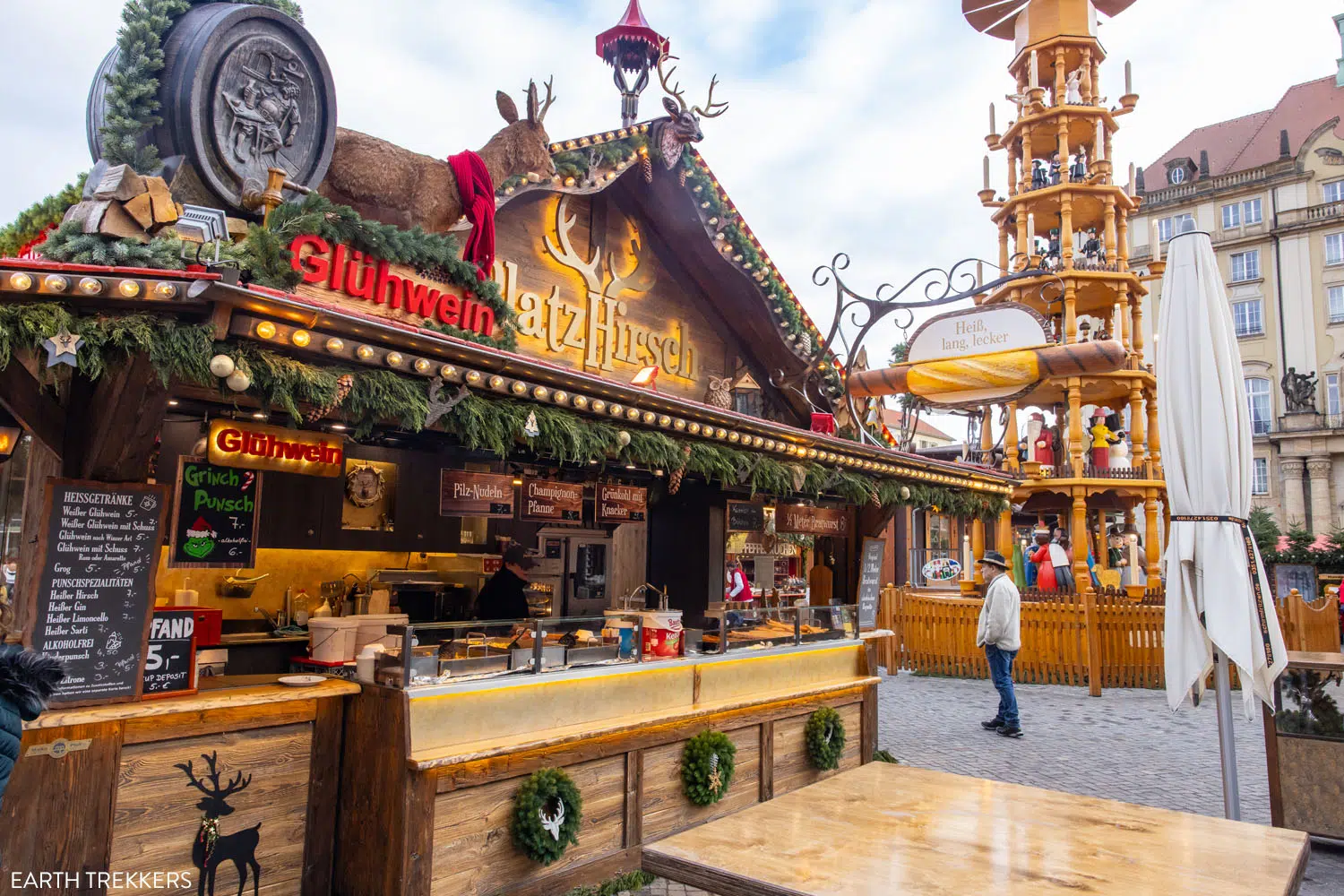
A truly world-class market is defined by its environment—the architecture surrounding the stalls is as important as the goods being sold. While major urban hubs offer scale, smaller, lesser-known towns often provide a more authentic, "local" experience that avoids the overwhelming crush of tourist-heavy centers.

A Chronology of the Season: When to Go
The rhythm of the German Christmas market season is dictated by the liturgical calendar.

Typical Operating Dates
- The Opening: Most markets across Germany officially launch during the last week of November, typically between November 25 and November 30. Larger metropolitan centers may open slightly earlier to accommodate the influx of holiday shoppers.
- The Closing: The majority of markets conclude their operations on December 23 or 24. However, in major cities, select markets remain open through December 26, and in rare instances, some continue until New Year’s Eve or January 1.
Strategic Planning for Visitors
- Peak Season: Early to mid-December is the busiest time. Friday and Saturday evenings, from sunset until 8:00 PM, represent the highest density of visitors.
- The Quiet Window: For those looking to avoid the "mosh pit" experience, late November and weekday mornings offer the most serene environment to appreciate the craftsmanship and local delicacies.
Top-Ranked Markets: From Medieval Magic to Modern Splendor
1. Esslingen am Neckar: The Medieval Masterpiece
Esslingen takes the top spot as our favorite market in Europe. Located near Stuttgart, this town boasts the oldest continuous row of half-timbered houses in Germany. The market is uniquely split between a traditional market and a dedicated "Medieval Market," where fire-eaters, axe-throwers, and artisans in period dress create a living history experience.

2. Dresden: The Historical Standard
Dating back to 1434, the Dresdner Striezelmarkt is the oldest in the country. Situated on the Altmarkt, it features a record-breaking Christmas pyramid and serves as the epicenter of Saxon holiday tradition. The surrounding historic architecture of Dresden provides a backdrop that feels frozen in time.

3. Nuremberg: The Culinary Capital
Nürnberger Christkindlesmarkt is a global icon. Beyond its history, it is the premier location for high-quality, authentic goods. Visitors flock here for the famous Nuremberg Lebkuchen (gingerbread) and the distinct blueberry-based Heidelbeer Glühwein.

4. Munich: The Bavarian Gateway
Munich serves as an ideal introduction to the German market circuit. The Marienplatz market is undeniably photogenic, but the city’s strength lies in its variety—from the LGBTQ-themed "Pink Christmas" to the authentic Medieval Market near the Wittelsbacherplatz.

5. Stuttgart: A Masterclass in Decoration
If aesthetic detail is your priority, Stuttgart is unrivaled. The stall owners compete annually to create the most elaborate roof decorations, featuring intricate scenes, animated figurines, and towering greenery.

Supporting Data: Understanding the "Pfand" System
A crucial element of the German Christmas market experience is the Pfand (deposit) system. When purchasing a drink, you pay a small deposit for the ceramic or glass mug.

- Returning the Mug: If you return the mug to the stall, your deposit is refunded.
- The Souvenir Strategy: If you choose to keep the mug, you simply forfeit the deposit. This has spawned a massive, addictive culture of collecting. Every market features a custom-designed mug that changes annually, making them the ultimate functional souvenir.
Official Responses and Logistics
Planning a trip requires acknowledging the logistical realities of popular destinations.

- Ravenna Gorge: Often cited as the most "unique" setting—located beneath a towering, illuminated railway viaduct—it is also the most challenging. This market is limited to specific weekends, requires pre-purchased tickets that often sell out in hours, and mandates a shuttle system due to its remote location in the Black Forest.
- Berlin: While Berlin hosts over 80 markets, it ranks lower on our list due to extreme overcrowding and a lack of the "cozy" atmosphere found in smaller Bavarian or Saxon towns. However, the WeihnachtsZauber Gendarmenmarkt remains a standout exception that warrants a visit for its upscale food and artisanal crafts.
Implications for Travelers
Traveling during the Advent season in Germany requires a shift in mindset. It is not a race to see every stall, but rather an immersion into a communal festive ritual.

Pro-Tips for Success:
- Carry Cash: While digital payments are becoming more common, many smaller stalls remain cash-only. Carrying €100 in small denominations is a safe strategy.
- Dress for the Elements: You will spend hours standing on cold stone in sub-zero temperatures. Layers, thermal base layers, and high-quality, insulated footwear are mandatory.
- The "Golden Hour": Plan your arrival for one hour before sunset. You will capture the best architectural photography as the daylight fades and the market lights begin to illuminate the squares, all before the heavy evening crowds arrive.
- Hygiene: Bring a small pack of wet wipes. If you intend to collect multiple mugs, wiping them down before packing them into your bag prevents sticky, sugary residues from damaging your belongings.
Conclusion: The Spirit of the Season
Whether you choose the bustling, historic squares of Dresden or the intimate, quiet corners of Würzburg, the German Christmas market remains a pinnacle of European winter travel. These markets are the culmination of centuries of regional identity, culinary tradition, and the simple, universal joy of light in the darkest month of the year.

By prioritizing smaller, atmospheric towns like Esslingen or Erfurt alongside the "must-see" classics, you can design a trip that is as much about the journey as it is about the destination. The magic is waiting—you only need to bring your appetite, your sense of wonder, and perhaps a bit of extra luggage space for those beautiful, hard-earned mugs.
 Siti Muinah
 Laily UPN
