


Main Facts: The Shift from Physical to Digital SIM Cards in Europe
For decades, the ritual of touching down at a European airport involved a frantic hunt for a local kiosk selling physical prepaid SIM cards, or risking exorbitant roaming fees from domestic carriers back home. Today, that logistical headache is rapidly becoming a relic of the past. The widespread adoption of embedded electronic SIMs (eSIMs) has revolutionized how international travelers access high-speed mobile data across the European continent.

An eSIM is a fully digital version of a traditional physical SIM card. Instead of opening your phone’s SIM tray with a specialized tool and swapping out tiny plastic chips, users can connect to local and regional European mobile networks entirely through software applications and QR codes. This technological leap offers unprecedented convenience, but it also introduces a new landscape of options, pricing models, and technical quirks that travelers must navigate to stay connected.
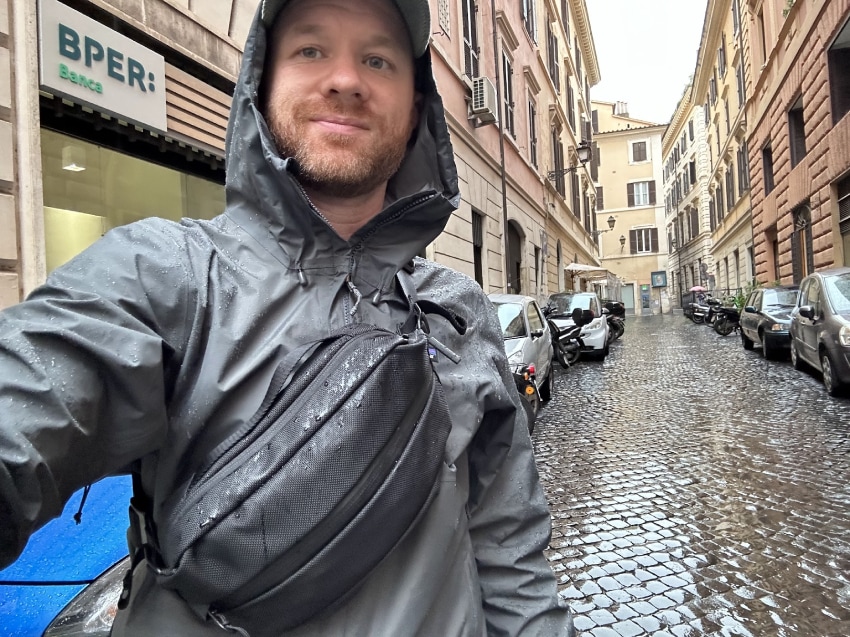
Whether you are booking high-speed train tickets on the go, navigating winding cobblestone streets via Google Maps, or scanning QR codes for restaurant menus, reliable mobile data is no longer a luxury—it is an absolute necessity for modern European travel.

Chronology: The Evolution of International Connectivity
The journey to seamless cross-border European connectivity has evolved through several distinct phases over the past ten years:
- The Pre-EU Roaming Ban Era: Prior to 2017, travelers hopping between European nations faced steep roaming charges every time they crossed a border, requiring separate SIM cards for different countries.
- The EU Roaming Abolition (2017): The European Union officially outlawed mobile data roaming fees within member states. This meant any data plan purchased within the EU could be used seamlessly across all other member countries without extra charges.
- The Rise of Dual-SIM Smartphones (2018–2020): Manufacturers like Apple and Google introduced dual-SIM functionality, allowing phones to host a physical domestic SIM alongside a digital profile, making it possible to keep your home number active while traveling.
- The eSIM-Only Transition (2022–Present): Apple made waves by removing the physical SIM card slot entirely from US-market iPhone 14 models and subsequent generations, cementing the industry-wide shift toward a fully digital, eSIM-dominated future. Most major smartphones manufactured since 2019-2020 now natively support eSIM technology.
Supporting Data: Comparing Carrier Roaming vs. Prepaid eSIMs
When planning a trip to Europe, travelers generally choose between three connectivity methods: relying on domestic carrier international passes, purchasing a regional eSIM provider plan, or buying local carrier packages. The financial and operational differences are stark.

1. Domestic Carrier International Plans (US, Canada, Australia)
Major domestic carriers offer convenience by letting you keep your primary number active, but they levy severe financial penalties:
- AT&T: Charges a $10/day International Day Pass, or offers a monthly Passport plan charging $70 for 2GB or $140 for 6GB, with overage fees hitting a staggering $30 per GB.
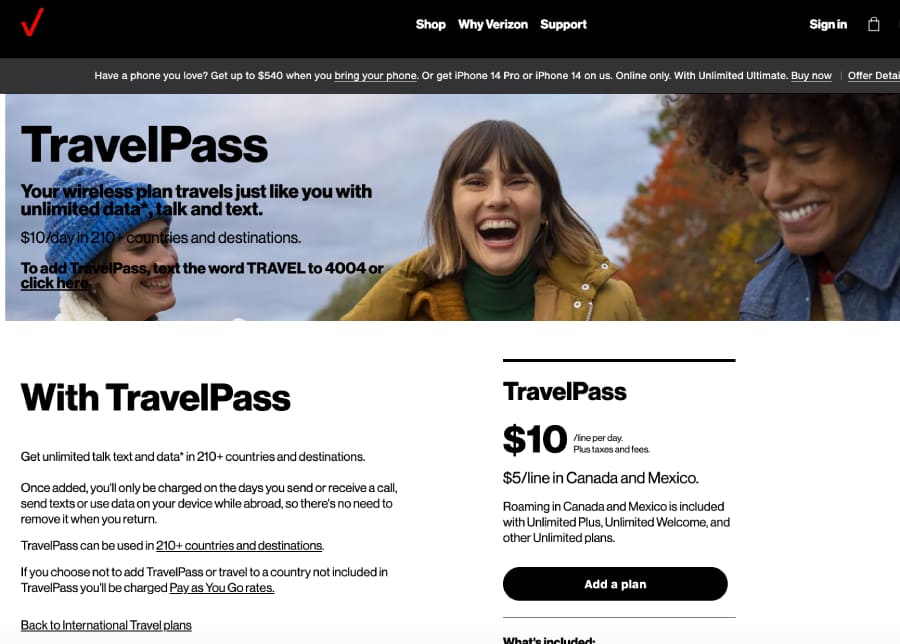
- Verizon: Employs a similar $10/day structure, but throttles speeds down to sluggish 3G levels after exhausting 2GB of daily usage.
- T-Mobile: Frequently markets "free unlimited" international data, but explicitly fine-prints a throttle to barely-functional 2G speeds after surpassing 5GB of total usage, forcing users to pay a premium for high-speed add-ons.
2. Prepaid Third-Party eSIM Providers
In contrast, third-party prepaid eSIM providers—such as Holafly and SimOptions—offer high-speed data packages that cost roughly one-fifth of traditional carrier international plans, averaging out to about $2 to $5 per day.

- Holafly: Headquartered in Europe, Holafly specializes in unlimited data packages ranging from 1 to 90 days. While daily rates decrease for longer durations, users enjoy peace of mind without worrying about data caps, though mobile hotspot usage may be restricted on certain plans.
- SimOptions: Operating as an official retailer for major European legacy carriers (including Orange, Bouygues Telecom, and O2), SimOptions provides structured data tiers (typically 10GB to 70GB) alongside a functional European phone number.
3. Top European eSIM Plans Detailed
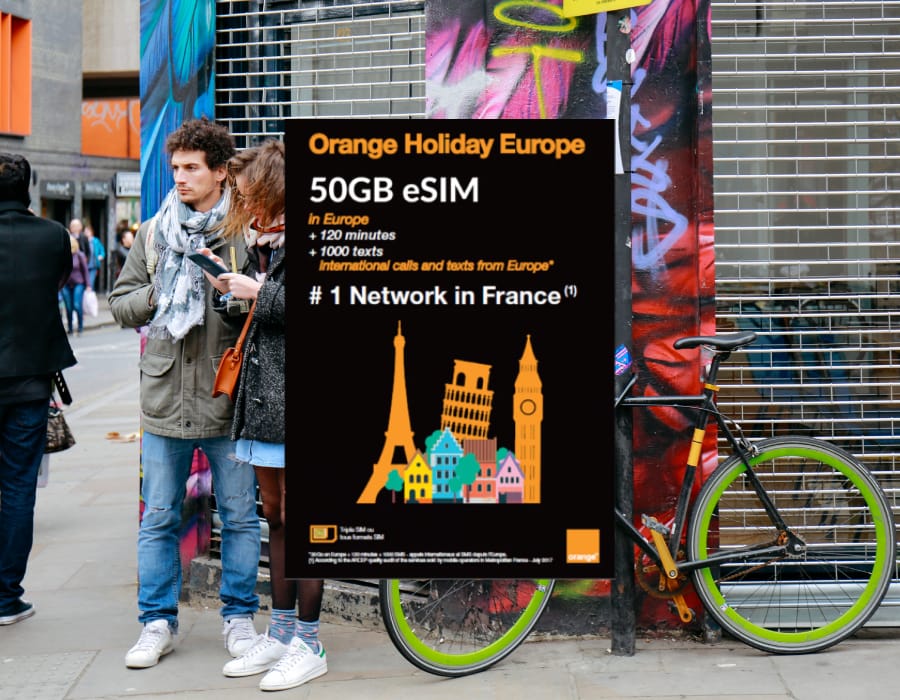
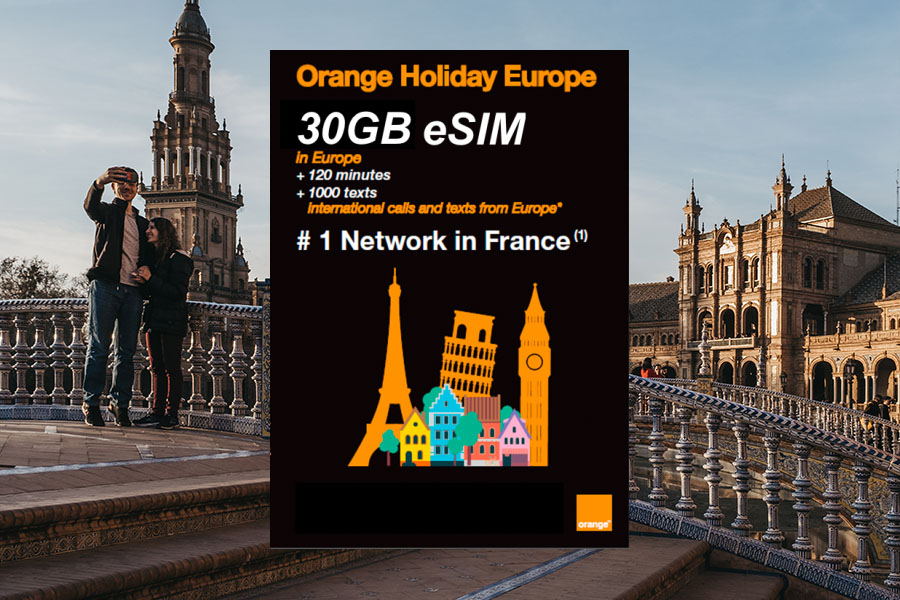
- Orange Holiday Europe eSIM (50GB / 70GB): Priced around $59.90, this robust plan runs on one of Europe’s largest networks. Valid for 28 days, it includes generous data allowances, hotspot capabilities, and an actual French phone number that permits international voice calls and texts across Europe.
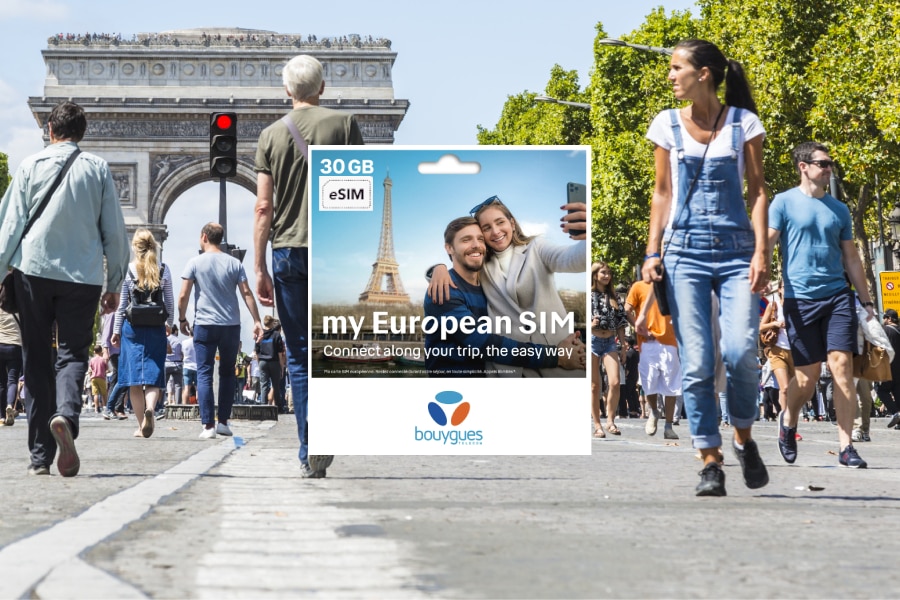
- Bouygues My European eSIM: A strong contender featuring 30GB of data, unlimited calls within Europe, and a 30-day validity period, making it ideal for standard vacation durations.
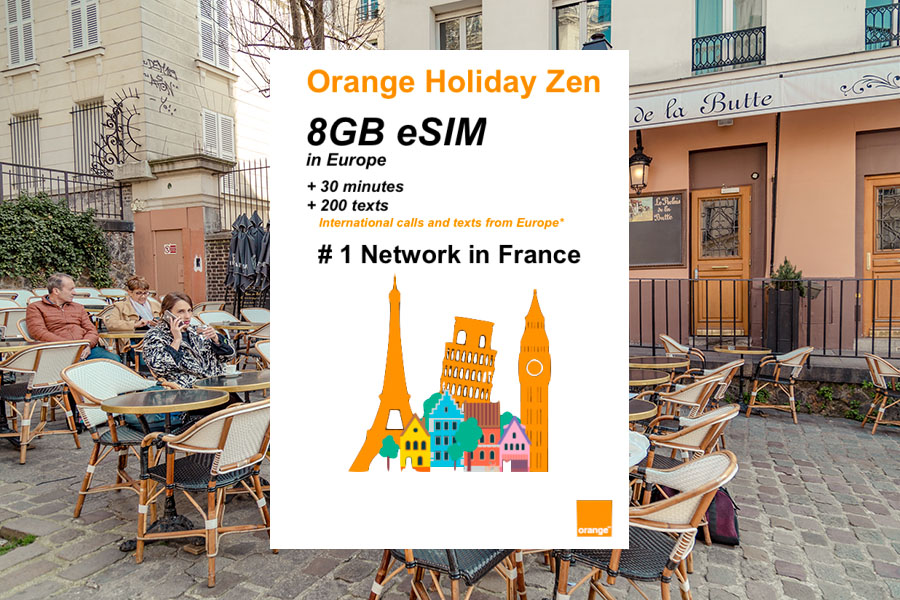
- Orange Holiday Zen: A budget-friendlier option offering 15GB of data, unlimited European calls/texts, and limited international calling credit outside the EU.
- Smart Comfort X eSIM: A lightweight, data-only option providing 5GB of data without a dedicated phone number, connecting users via partner networks like Bouygues in France or O2 in Germany.
Official Responses and Regulatory Considerations
The regulatory framework surrounding European telecommunications heavily favors the consumer, though specific geopolitical boundaries require attention.
Because the European Union successfully eliminated roaming fees across its member states, any compliant EU data plan operates seamlessly regardless of where you cross borders—allowing you to purchase a French eSIM and use it effortlessly in Italy, Spain, or Germany.
However, official industry guidelines warn travelers about notable exceptions:
- Switzerland and the UK: Neither Switzerland nor the United Kingdom are official members of the European Union. While many EU-wide eSIM plans still work within these territories, certain budget or regional providers explicitly exclude them. Travelers must carefully review the country-coverage list of their chosen eSIM provider before departure.
- Device Locking Policies: North American carriers frequently lock devices to their proprietary networks via software locks. Regulatory consumer protection laws require carriers to unlock phones upon request for international travel, but consumers must proactively contact their domestic provider before attempting to install a foreign eSIM profile.
Implications: How to Choose and Activate Your European eSIM
The transition to eSIM technology carries significant implications for modern tourism. It eliminates the physical risk of losing your home SIM card, bypasses exorbitant airport kiosk markups, and allows travelers to maintain dual connectivity—ensuring that critical two-factor authentication (2FA) bank texts and family messages continue to arrive on their primary number while cheap local data routes through the secondary eSIM.

Step-by-Step Activation Guide
- Purchase in Advance: Buy your eSIM plan online before departing your home country. You will need an active Wi-Fi or cellular connection to complete the initial software download.
- Scan the QR Code: Upon purchase, the provider will email a digital QR code. Display this code on a computer screen and scan it using your smartphone’s cellular setup menu.
- Hold Off on Full Activation: Do not complete the final activation steps until you physically arrive in Europe. Most data plans initiate their 14-to-30-day countdown the exact moment the service connects to a network. Activating it a week early at home wastes valuable service time.
- Optimize Data Usage: To maximize your data package, download offline maps via Google Maps prior to traveling, utilize free Wi-Fi for heavy media downloads, and configure your phone settings to restrict background data usage on high-drain social media applications.
By understanding the technical landscape, evaluating the financial pitfalls of legacy carrier roaming, and selecting a reputable regional eSIM provider, international travelers can secure lightning-fast mobile connectivity across Europe efficiently, affordably, and entirely on their own terms.
 Dwi Wanna
 rifanmuazin
 Siti Muinah
