

By Editorial Staff
September 26, 2026
KENGE, Democratic Republic of the Congo — A somber cloud hangs over the southwestern province of Kwango following a catastrophic aviation accident that claimed the lives of all 13 passengers and crew members aboard a military-chartered Let L-410 aircraft. The incident, which occurred on the afternoon of September 25, 2026, has sent shockwaves through the Congolese military establishment and the local community in Kenge, where the flight met its tragic end.
Main Facts: A Flight Cut Short
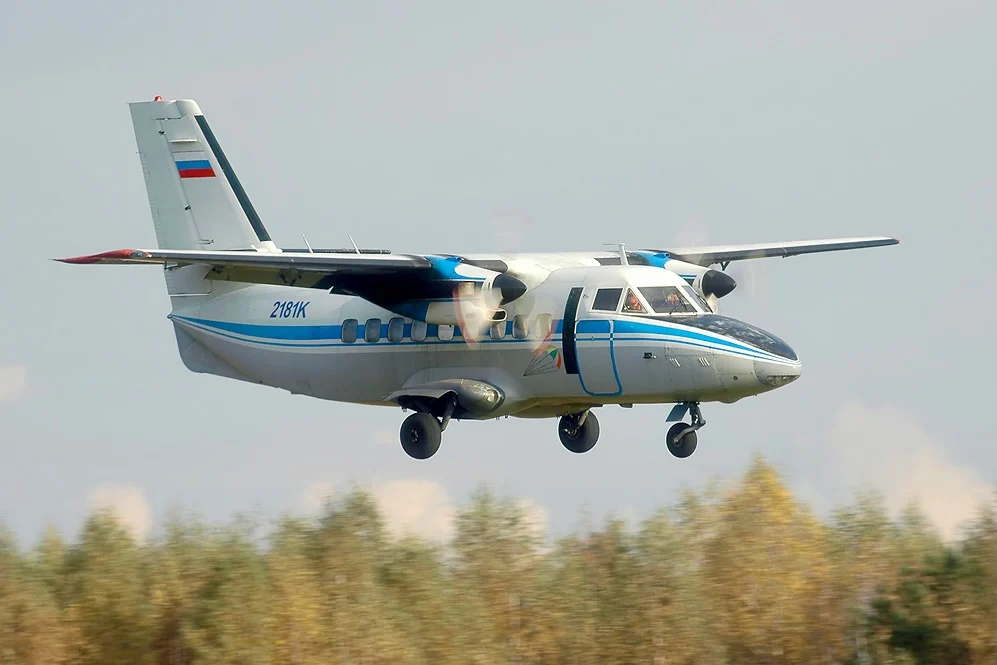
The aircraft, a twin-engine Let L-410 turboprop operated by Tracep Congo Aviation under a military contract, departed from the city of Kikwit, headed toward Kinshasa’s N’Dolo Airport. Registered as 9S-GUC, the plane was transporting a mix of high-ranking military officials and civilians when it encountered significant technical difficulties mid-flight.
According to preliminary reports and eyewitness accounts, the pilot attempted a desperate emergency landing in the town of Kenge after the aircraft’s systems began to fail. Despite these efforts, the plane crashed into a residential plot in the Manzau neighborhood. The impact triggered a massive fire, leaving the wreckage incinerated.
Authorities have confirmed that there were no survivors among the 13 people on board. Among the casualties was General Likulia Bakumi, the Auditor General of the Congolese Armed Forces (FARDC). The presence of such a senior military figure has intensified the scrutiny surrounding the crash, with the government moving quickly to initiate a formal inquiry.
Chronology: The Final Minutes of Flight 9S-GUC
The timeline of the disaster, reconstructed from local reports and flight tracking data, paints a harrowing picture of the crew’s final struggle to save the aircraft.
1:30 PM (Local Time): The Let L-410 departed Kikwit, maintaining a routine flight path toward the capital, Kinshasa. Weather conditions at the time were reported as generally stable, suggesting that environmental factors were unlikely to be the primary cause of the technical failure.
2:15 PM: As the aircraft traversed the skies over the Kwango province, witnesses on the ground reported hearing the engines "sputtering" and observing the plane flying at an unusually low altitude. The pilot reportedly initiated a series of maneuvers, circling the town of Kenge in a clear attempt to identify a suitable landing strip or open field to mitigate the impending impact.
2:28 PM: The aircraft descended rapidly, eventually impacting the ground in the Manzau neighborhood. The force of the crash caused the fuselage to rupture and immediately burst into flames. Social media footage surfacing in the aftermath showed the charred remains of the aircraft emitting thick plumes of black smoke as local residents rushed toward the scene, though it quickly became apparent that there was nothing to be done for those inside.
3:00 PM: Local police and emergency responders arrived at the scene. By this time, the fire had been largely contained, but the recovery of remains proved difficult due to the intensity of the post-impact blaze.
Supporting Data: The Let L-410 and Aviation Safety in the DRC
The Let L-410, a Czech-manufactured aircraft, is a staple of regional aviation in Africa due to its rugged design and ability to operate from short, unpaved runways. However, the model has been involved in several incidents in the Democratic Republic of the Congo over the past decade, often raising questions about maintenance standards, pilot training, and the regulatory oversight of private aviation firms operating military contracts.
Technical Specifications and Context
- Manufacturer: Let Kunovice (Czech Republic).
- Role: Short-range transport, often used in challenging environments.
- Operating Context: The DRC’s geography—characterized by dense rainforests and a lack of road infrastructure—makes aviation the primary mode of travel for both military personnel and government officials.
- Maintenance Concerns: While investigations into the specific failure of 9S-GUC are ongoing, aviation experts frequently cite the age of the regional fleet and the difficulty of sourcing certified spare parts as contributing factors to the higher-than-average accident rate for aircraft of this class in Central Africa.
The fact that the aircraft crashed into a residential area, yet miraculously caused no casualties among the local population, is considered a "best-case scenario" in the context of an urban aviation disaster. Had the pilot not managed to steer the failing aircraft toward an unoccupied plot, the death toll could have been significantly higher.
Official Responses and The Investigation
The Congolese government responded with immediate solemnity. In a statement released late Thursday evening, the Ministry of Defense confirmed the loss of the personnel, emphasizing the tragic nature of the accident.
"We are mourning the loss of distinguished military officers and civilians," said a spokesperson for the FARDC. "The Auditor General’s death is a profound loss to the judicial arm of our military. We are committed to a transparent and thorough investigation into the circumstances that led to this catastrophic failure."
The Investigation Process
The country’s aviation accident investigation authority has officially launched a probe into the crash. According to local police chief Jean Pierre Negidi, investigators are currently:
- Securing the Site: Preserving the debris field to ensure the flight data recorder (if equipped and recoverable) and mechanical components are analyzed.
- Forensic Audits: Reviewing the maintenance logs of Tracep Congo Aviation to determine if the aircraft had been serviced according to manufacturer specifications.
- Witness Statements: Compiling testimonies from the residents of the Manzau neighborhood who witnessed the plane’s final descent.
Kwango Vice Governor Remy Saki Bokinda, who visited the crash site shortly after the incident, expressed his condolences to the families of the victims. He lauded the pilot’s effort to avoid the populated areas of Kenge, noting that the pilot’s actions likely saved numerous lives on the ground.
Implications: A Call for Reform
The crash of 9S-GUC serves as a sobering reminder of the volatility inherent in the DRC’s aviation sector. For years, the Congolese government has faced pressure to upgrade its military transport capabilities and enforce stricter safety regulations on the private aviation companies it hires.
Military Judicial Impact
The death of General Likulia Bakumi, the Auditor General, creates a significant vacuum in the military judicial system. As the head of the military’s internal legal oversight, the General was a central figure in the ongoing efforts to reform the armed forces and prosecute corruption within the ranks. His sudden death will likely delay several high-profile military inquiries, adding a layer of political complexity to the tragedy.
Regulatory Oversight
There is a growing sentiment among aviation safety advocates that the use of aging aircraft for the transport of high-level government and military officials must be addressed. The "military flight" designation often bypasses the strict commercial safety regulations applied to civilian airlines. This tragedy is likely to trigger a parliamentary debate regarding whether the state should mandate the use of newer, more rigorously inspected aircraft for official travel, even at a higher cost to the taxpayer.
Furthermore, the incident raises questions about the oversight of "Tracep Congo Aviation." As authorities continue their investigation, the company will likely face intense scrutiny regarding its operational protocols, pilot certification requirements, and the airworthiness of its remaining fleet. If investigators find evidence of negligence or skipped maintenance protocols, it could lead to the permanent grounding of the firm’s operating license and potentially lead to criminal charges.
Conclusion
As the sun set over Kenge on September 25, 2026, the silence of the Manzau neighborhood was heavy with the weight of the day’s events. The 13 souls lost in the wreckage represent not just a statistic, but a cross-section of the Congolese military and civic life.
The investigation into the crash of 9S-GUC will be long and arduous. Families are left waiting for answers, while the government is left to reconcile the loss of key personnel with the urgent need to ensure that such a disaster does not happen again. For the people of Kenge, the memory of the burning aircraft circling their town will remain a haunting reminder of the fragility of life and the risks that define air travel in one of the world’s most challenging operational environments.
As the official inquiry moves forward, the international aviation community will be watching closely, hoping that the tragedy leads to meaningful safety improvements that might eventually prevent the next descent into darkness.
 Layla Zulfa
 rifanmuazin
 Laily UPN
