

By Aviation Correspondent
In a strategic maneuver designed to redefine its market positioning and capture a larger share of the lucrative premium travel segment, Alaska Air Group announced on September 29, 2026, a comprehensive revitalization of its long-haul and transcontinental cabin offerings. The initiative, which marks a significant departure from the carrier’s historical focus on domestic efficiency, signals an aggressive push into the global premium market.
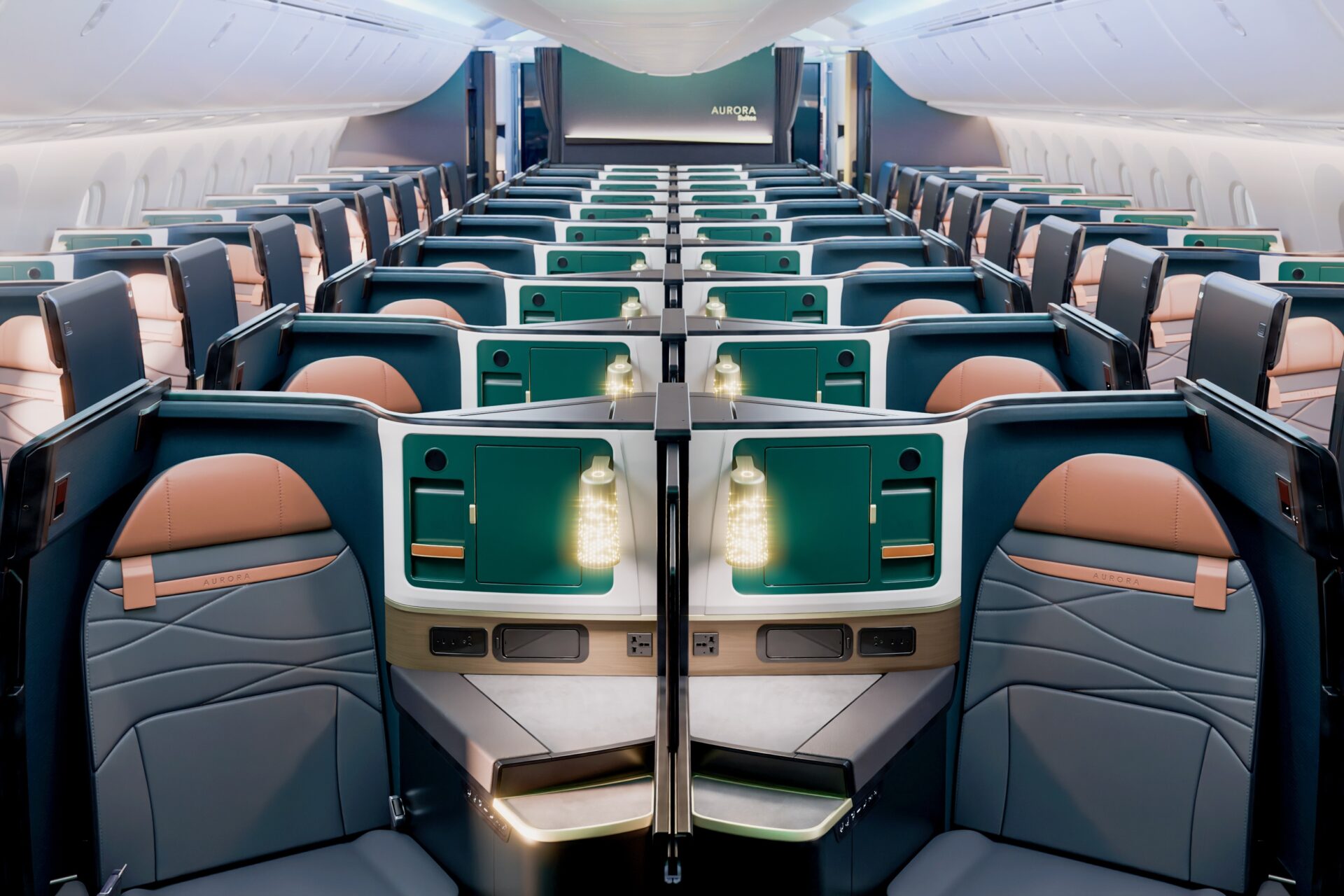
By 2028, Alaska Airlines will begin the rollout of its "Aurora Suites" and "Premium Reserve" seating across its Boeing 787 Dreamliner fleet, select Boeing 737 MAX 10s, and the Airbus A330 fleet inherited through its acquisition of Hawaiian Airlines. This multi-billion-dollar investment is not merely a cosmetic update; it is the cornerstone of a broader corporate strategy to pivot toward international expansion and high-yield passenger demographics.
The Strategic Vision: Scaling for Global Competitiveness
The airline’s announcement comes at a pivotal juncture in its history. Since integrating Hawaiian Airlines, Alaska Air Group has sought to leverage its expanded footprint to bridge the gap between traditional domestic carriers and full-service international flag carriers.
"The goal is clear: we are transforming from a regional powerhouse into a global competitor," said an Alaska Air Group spokesperson. "By 2030, we intend for premium revenue to account for over 40% of our total top-line performance. This is a deliberate shift to cater to the modern business and luxury traveler who demands privacy, connectivity, and, above all, comfort."
The "Aurora Suite" and "Premium Reserve" Experience
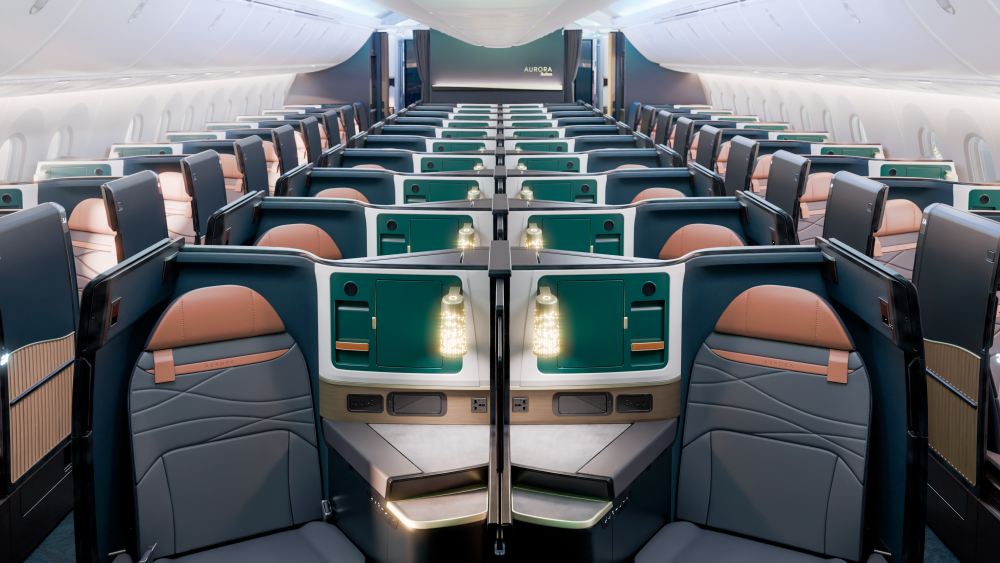
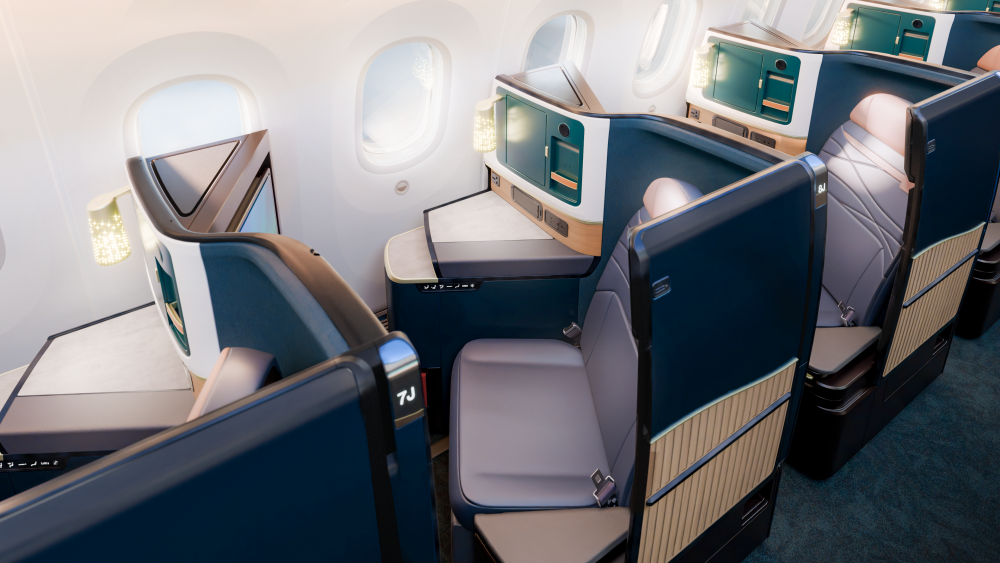
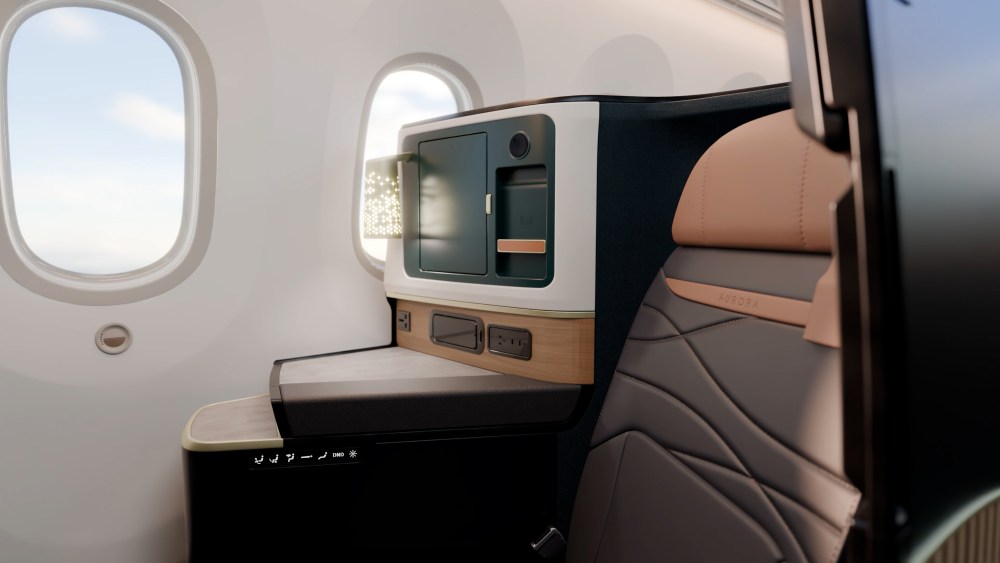
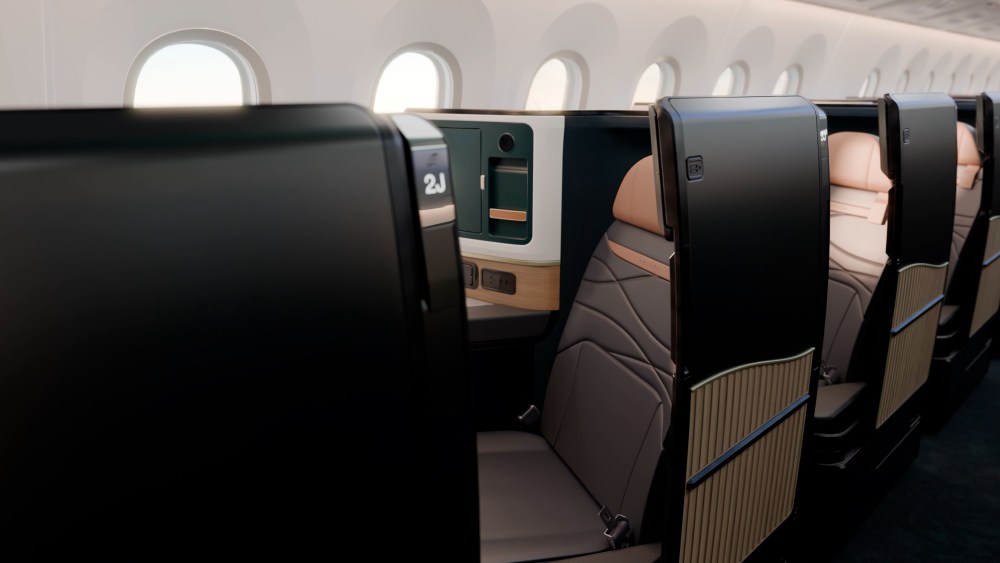
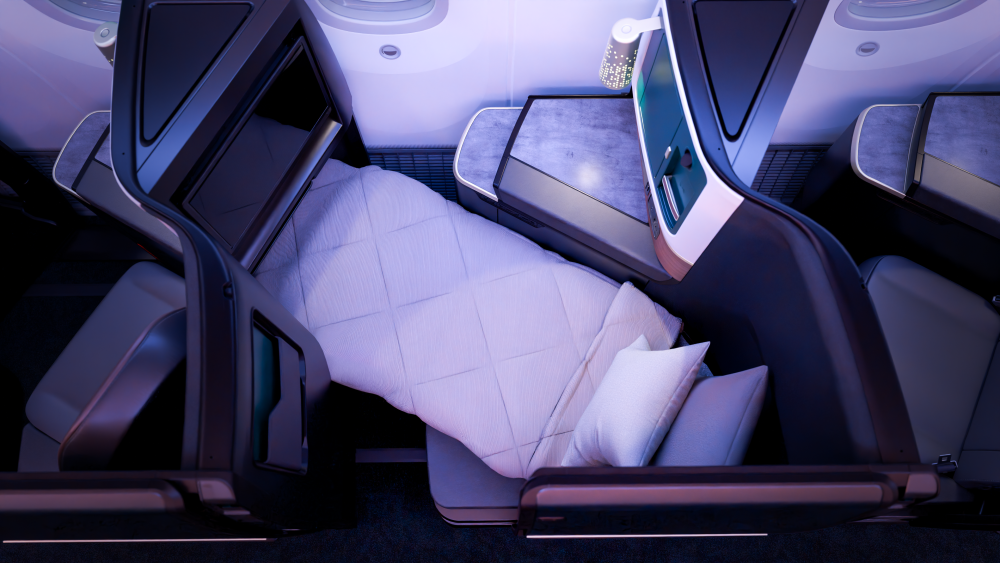
The hallmark of this transformation is the introduction of the Aurora Suite. Featuring full-height privacy doors, direct aisle access for every passenger, and lie-flat capability, the product is designed to compete directly with the world’s leading long-haul business class offerings.
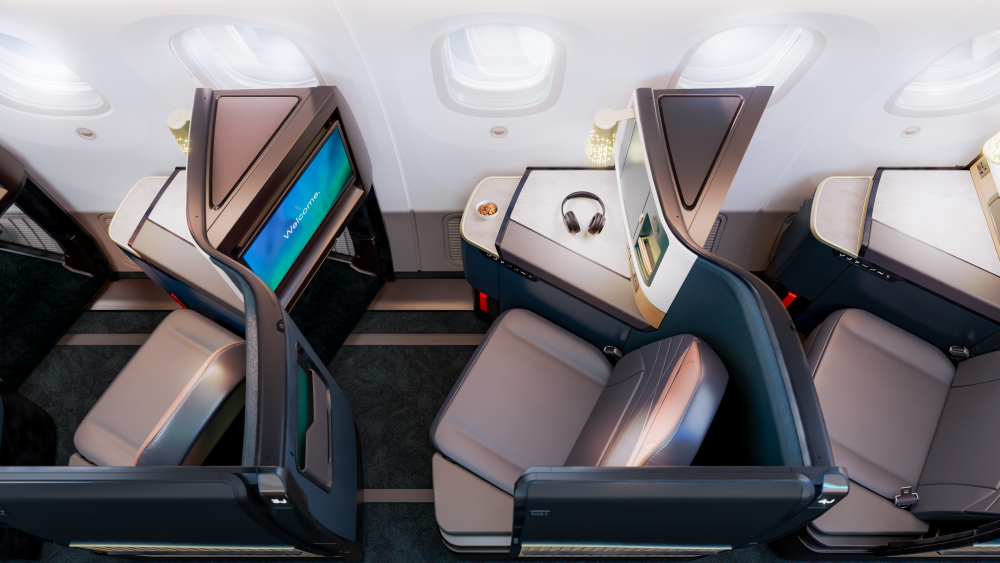
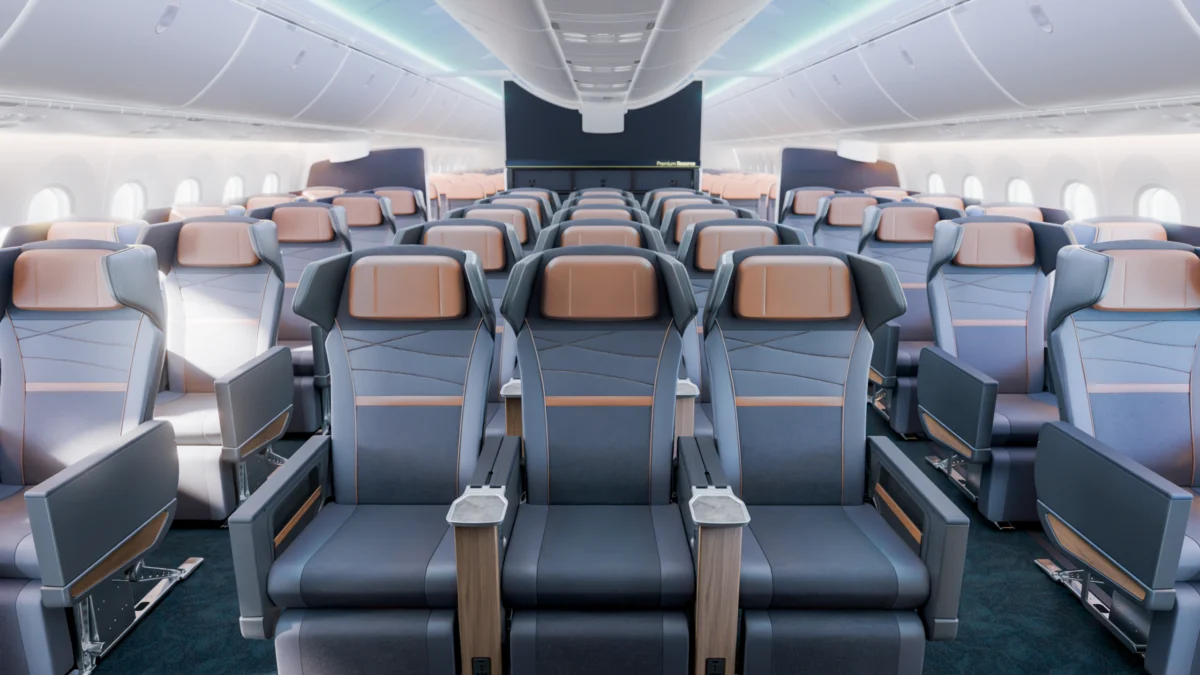
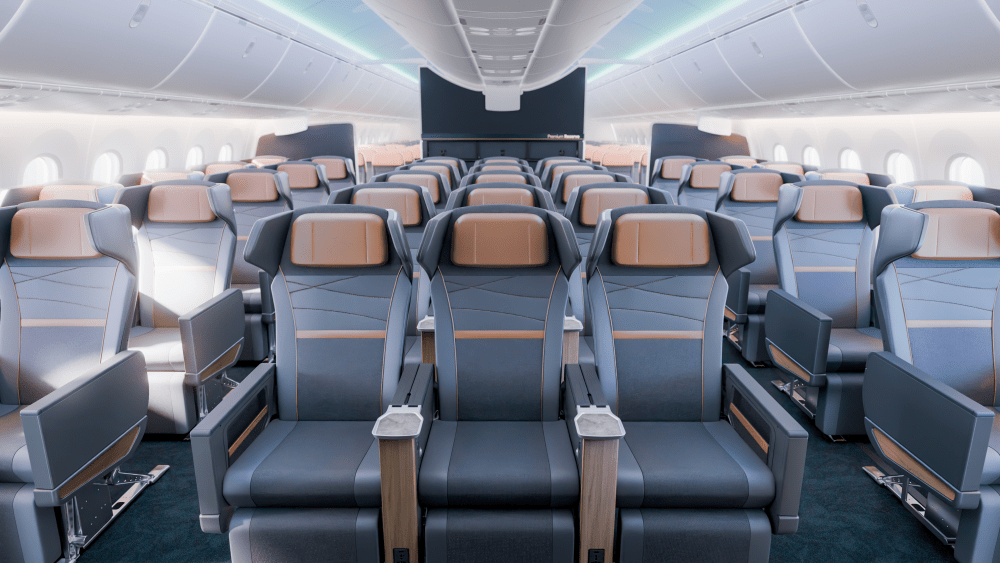
- Boeing 787 Dreamliners: The flagship of the fleet will feature 34 Aurora Suites. Complementing this, the aircraft will introduce 35 "Premium Reserve" seats—a high-end premium economy product offering a 38-inch pitch, dedicated leg rests, and expansive 16-inch high-definition entertainment screens.
- Boeing 737 MAX 10s: For its domestic transcontinental routes, Alaska plans to install 12 Aurora Suites on at least 25 of its MAX 10 aircraft, paired with 12 Premium Reserve seats. This configuration is aimed at capturing the high-value traffic between major tech and business hubs.
- Hawaiian Airlines A330s: The legacy 2-2-2 premium layout, often criticized for its lack of privacy, will be replaced with 22 state-of-the-art 1-2-1 configured suites. These aircraft will also be fitted with 28 Premium Reserve seats, effectively boosting the premium seat density from 30% to 40% of the cabin configuration.
A Chronology of the Transformation
The roadmap to 2030 is meticulously planned, reflecting the logistical complexities of retrofitting an entire fleet while simultaneously integrating new aircraft deliveries.
- 2026 (September): Official announcement of the cabin upgrade program and the unveiling of the Aurora Suite and Premium Reserve branding.
- 2027: Preliminary engineering and cabin certification phases. The airline continues to refine its "Alaska Accelerate" strategy, which has already realized approximately two-thirds of its $1 billion incremental profit target.
- 2028: The inaugural rollout of the new cabin configurations. The first retrofitted Hawaiian A330s and new-build 787s are expected to enter commercial service.
- 2029: Full-scale integration across the long-haul fleet. Expansion of the Seattle-based international network reaches peak intensity.
- 2030: The realization of the "40% Revenue Target." The Seattle hub is projected to serve at least 15 distinct intercontinental destinations, with long-haul flying accounting for roughly 15% of total network capacity—nearly doubling the current 8% capacity.
Supporting Data: The Economics of the Upgrade
The financial logic behind this overhaul is rooted in the shifting nature of aviation demand. While the post-pandemic era saw a surge in leisure travel, the recovery of corporate and high-net-worth individual (HNWI) travel has necessitated a "premium-first" approach.
Capacity and Revenue Projections
| Metric | Current (2026) | Target (2030) |
|---|---|---|
| Long-Haul Network Capacity | ~8% | ~15% |
| Premium Revenue Contribution | <30% | >40% |
| Seattle Intercontinental Routes | <10 | 15+ |
| A330 Premium Seat Density | 30% | 40% |
The capital expenditure is justified by the "Alaska Accelerate" initiative. Having already captured two-thirds of the targeted $1 billion in incremental profits, the company maintains a strong balance sheet to fund these modifications without jeopardizing its core operational liquidity.
Official Responses and Regulatory Context
While the airline’s enthusiasm is palpable, the road to 2028 is not without its bureaucratic hurdles. On September 28, 2026, the Federal Aviation Administration (FAA) announced a delay in the certification of the Boeing 737 MAX 10, citing a newly identified software issue. This regulatory friction has introduced a degree of uncertainty regarding the fleet’s delivery schedule.
Despite the FAA’s announcement, Alaska Airlines leadership remains confident. In an official statement, the airline confirmed that its 2028 timeline for the premium cabin rollout remains unchanged. "We are working closely with Boeing and the FAA to ensure that our fleet specifications meet every safety and performance requirement," the spokesperson stated. "The certification process is a standard element of aircraft acquisition, and we are confident in the long-term viability of the MAX 10 as a backbone of our premium transcontinental strategy."
Industry analysts suggest that the delay is unlikely to derail the broader long-term strategy, as the airline has sufficient buffer time within its three-year implementation window to accommodate minor certification slippages.
Strategic Implications: Redefining the "Alaska" Brand
The transition to a premium-heavy configuration represents a profound evolution for Alaska Airlines. Traditionally known for its regional reliability and West Coast dominance, the carrier is now positioning itself as a legitimate challenger to legacy carriers like United, American, and Delta on long-haul routes.
Competitive Pressure
By upgrading the Hawaiian A330s to a 1-2-1 lie-flat configuration, Alaska is effectively neutralizing the primary competitive advantage of its rivals on Pacific routes. The move signals to the market that the "Alaska-Hawaiian" entity is not merely a domestic consolidation but a global player with a coherent product strategy.
The Customer Experience Shift
For the frequent flyer, the introduction of the Aurora Suite offers a consistent, high-end experience that was previously inconsistent across the combined network. By standardizing the product, the airline aims to increase customer loyalty among business travelers who prioritize comfort and privacy.
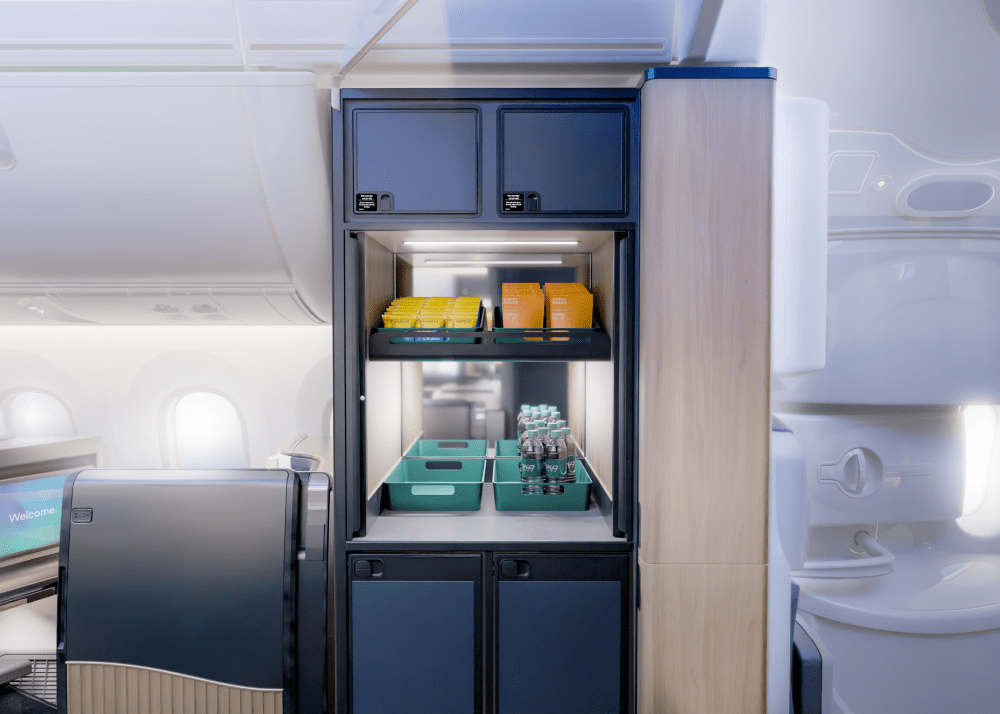
Furthermore, the expansion of the "Premium Reserve" class addresses the "middle market" of travelers—those who are not flying first-class but are willing to pay a premium for more space, legroom, and enhanced technology. This creates a more tiered revenue structure, allowing the airline to maximize yield across every cabin section.
Operational Challenges
The primary challenge for Alaska will be the execution of the retrofitting process. Removing interiors from wide-body aircraft like the A330 and 787 is a complex, time-consuming endeavor that requires taking assets out of service for extended periods. The carrier will need to manage this without disrupting existing flight schedules or degrading the customer experience during the transition years.
Conclusion: A High-Stakes Bet
As Alaska Air Group looks toward 2030, its trajectory is defined by a bold commitment to premium travel. The infusion of the Aurora Suites and the expansion of its international network are clear indicators that the airline is no longer satisfied with its status as a regional specialist.
Whether the market will sustain this growth in premium capacity remains to be seen, but the company’s internal metrics and the successful implementation of its "Alaska Accelerate" program suggest a high level of confidence. By aligning its cabin product with the expectations of the modern, globalized traveler, Alaska is betting that the future of aviation belongs to those who can offer the perfect blend of efficiency, luxury, and destination reach.
With the Boeing 787 Dreamliner serving as the vanguard of this new era, and the upgraded A330 fleet providing the necessary capacity for its Pacific expansion, Alaska Airlines is poised to disrupt the status quo. For passengers and investors alike, the coming years will be defined by the successful delivery of this vision, one suite at a time.
 Iffa Jayyana
 rifanmuazin
 Laily UPN
