

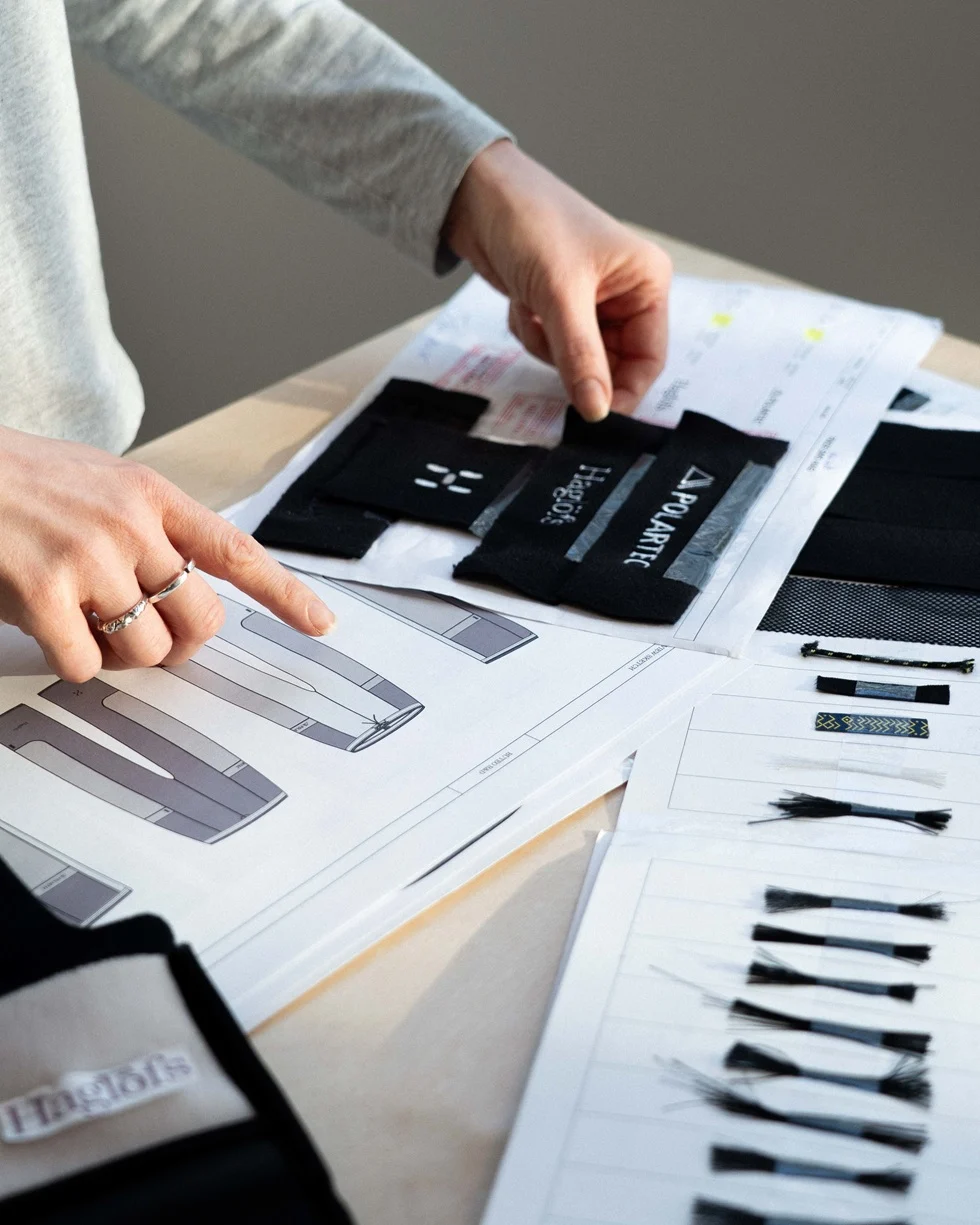
There is a quiet, persistent, and resource-heavy problem lurking in the aisles of every outdoor gear retailer on the planet. To the casual observer, it appears as a sea of uniformity—rows of fleece jackets, mid-layers, and technical shells, all rendered in the industry’s most popular color: black.
However, to the discerning eye or the seasoned gear technician, that uniformity is a mirage. When you hold two black fleeces from different brands side-by-side under high-quality lighting, the colors rarely match. One leans slightly toward a charcoal grey; another carries a subtle, cooler blue undertone; a third might possess a deeper, inkier intensity. These are not intentional aesthetic choices; they are the result of hundreds of disparate, redundant, and energy-intensive manufacturing processes.
Haglöfs and Polartec have decided it is time to address this "black hole" in the industry’s environmental record. By launching the Standard Issue Black™ initiative, they are challenging the outdoor sector to stop reinventing the wheel—or, more accurately, the dye bath—and embrace a universal standard that could fundamentally alter the sustainability profile of the global apparel market.
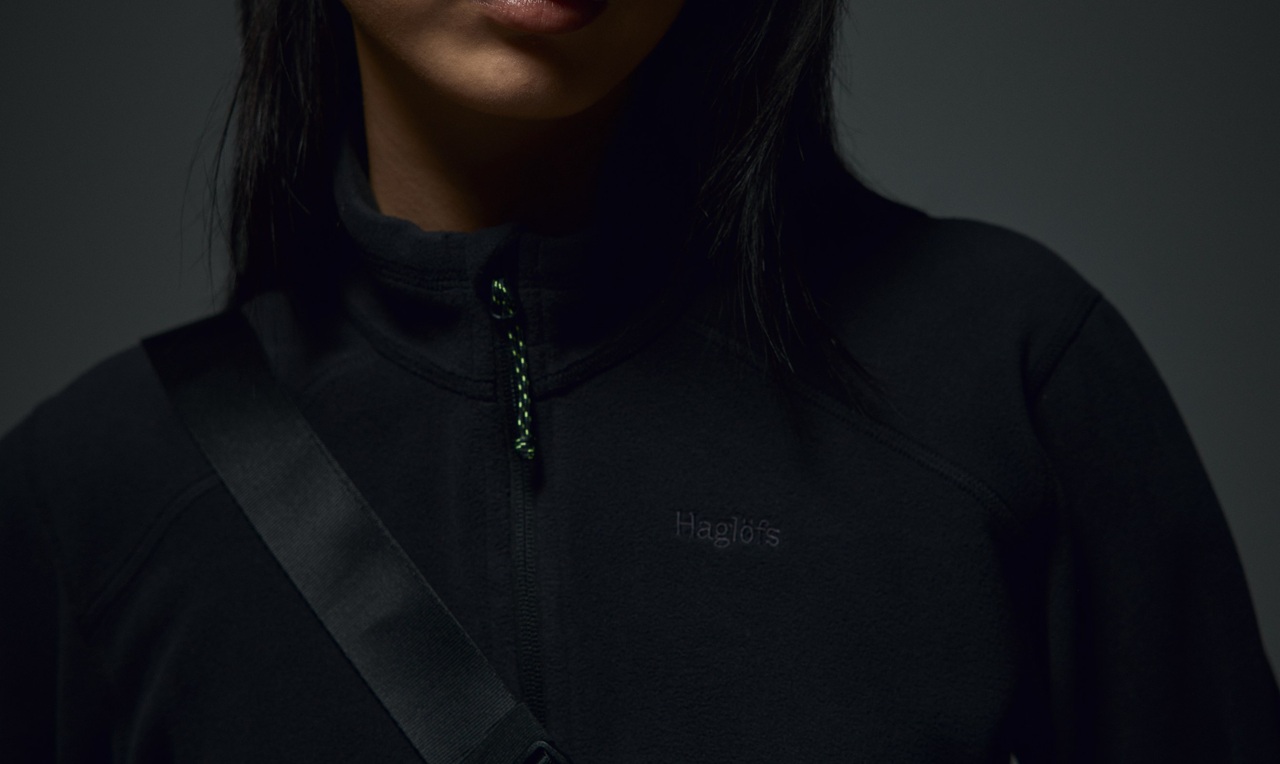
The Dye Problem: A Hydrophobic Hurdle
To grasp the scale of the issue, one must first understand the chemistry of performance fabrics. Unlike natural fibers such as cotton or wool, which possess an affinity for water-based dyes and can be colored at relatively low temperatures, synthetic polyester is inherently hydrophobic. It actively repels water, making it a challenge to color.
To force pigment into the dense polymer structure of a polyester fiber, the industry relies on "disperse dyes." This process requires high-pressure vessels, temperatures typically exceeding 130°C, and prolonged exposure times in a hot aqueous bath. It is an energy-intensive ordeal by design.
Black, the most demanded shade in the outdoor world, is the most demanding to produce. It is not a single pigment, but a complex cocktail of molecules layered together to achieve depth and neutrality. This requires more chemistry, more fixation cycles, and significantly more water. Considering that the textile industry is responsible for approximately 20% of global industrial water pollution—with dyeing and finishing being the primary culprits—the "black" problem is not merely a design quirk; it is an environmental crisis. A single kilogram of dyed polyester can consume between 30 and 150 liters of water. When multiplied across thousands of brands, each running independent, proprietary dye runs for shades of black that are functionally identical, the aggregate environmental bill is staggering.
Chronology of a Disruption
The road to Standard Issue Black™ did not begin with a corporate mandate, but with an observational realization.
- The Inception: Haglöfs, in collaboration with their long-time material partner Polartec, began analyzing the lifecycle of their mid-layer fleece production. They identified that the "minimum order quantity" (MOQ) requirement of dye houses was the catalyst for the waste.
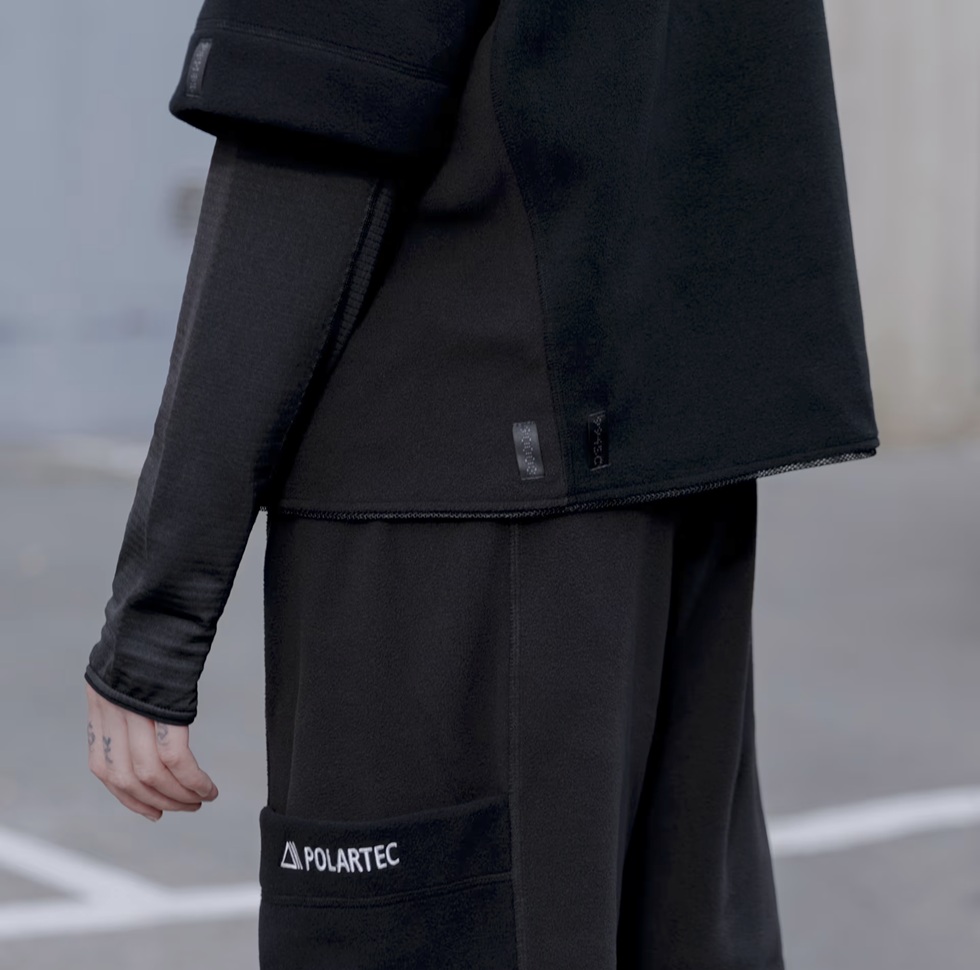
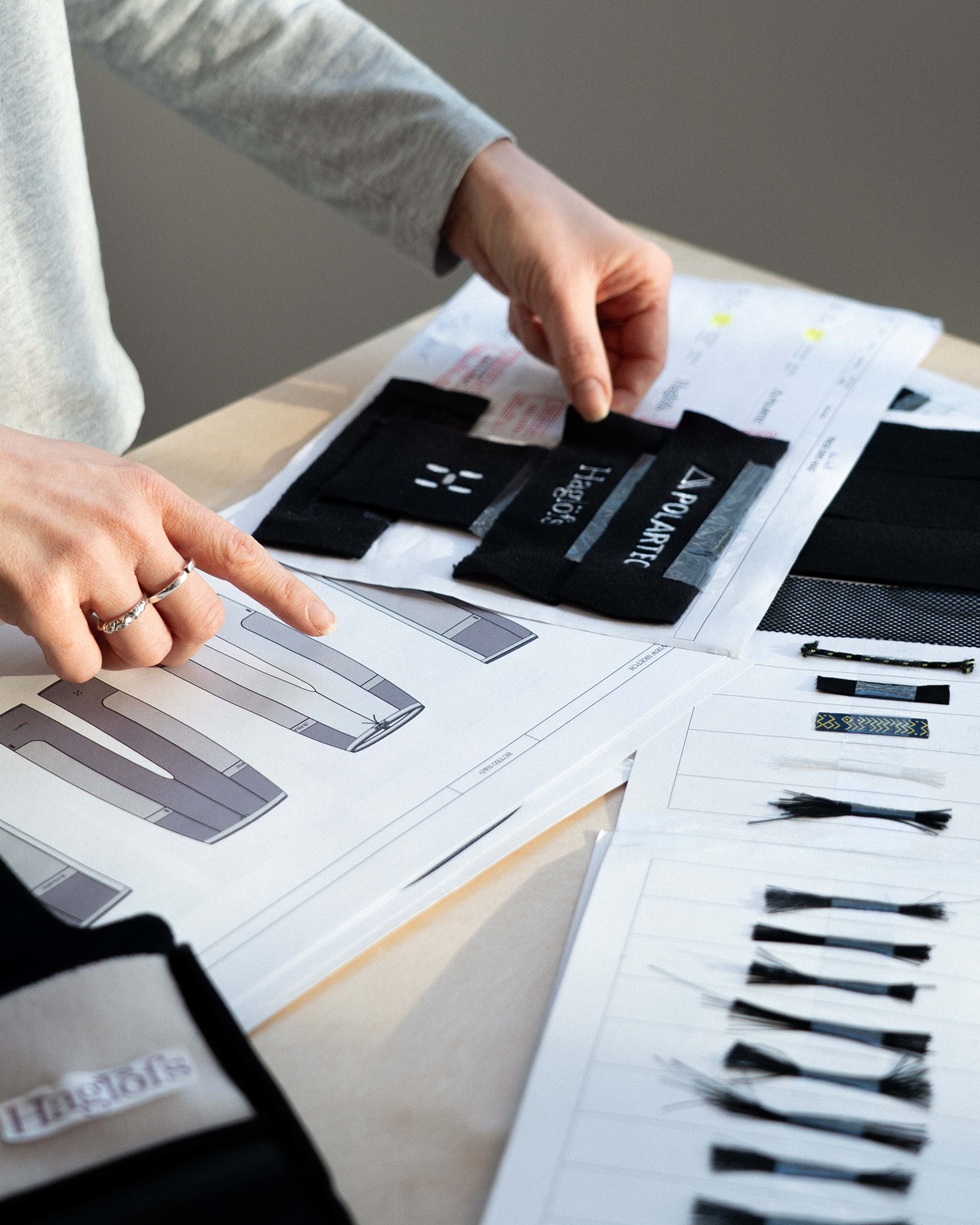
- The Diagnostic Phase: To visualize the inefficiency, Haglöfs sourced leftover black Polartec fleece from various disparate production runs. They constructed a "Black Capsule" collection—a series of garments where every panel, sleeve, and pocket was sourced from a different dye batch.
- The "Aha" Moment: Each panel was meticulously labeled with its original batch number. The resulting garments served as a tangible map of inefficiency, proving that dozens of separate dye runs were being commissioned to achieve virtually the same outcome.
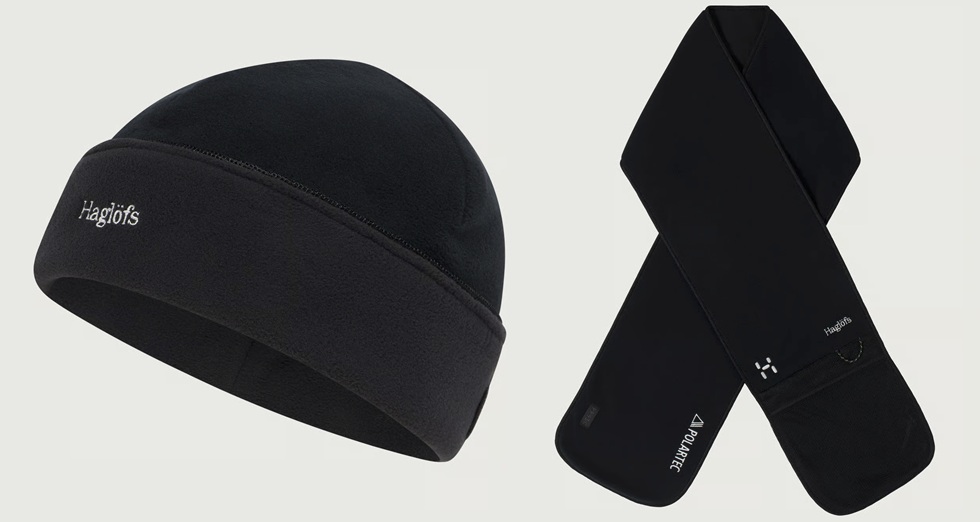
- The Prototype: The Black Capsule collection—comprising a Project Tee, Beanie, Scarf, and Pant—was released as an internal and external proof-of-concept. It was a visceral demonstration of how "rational" individual brand decisions create an "irrational" collective outcome.
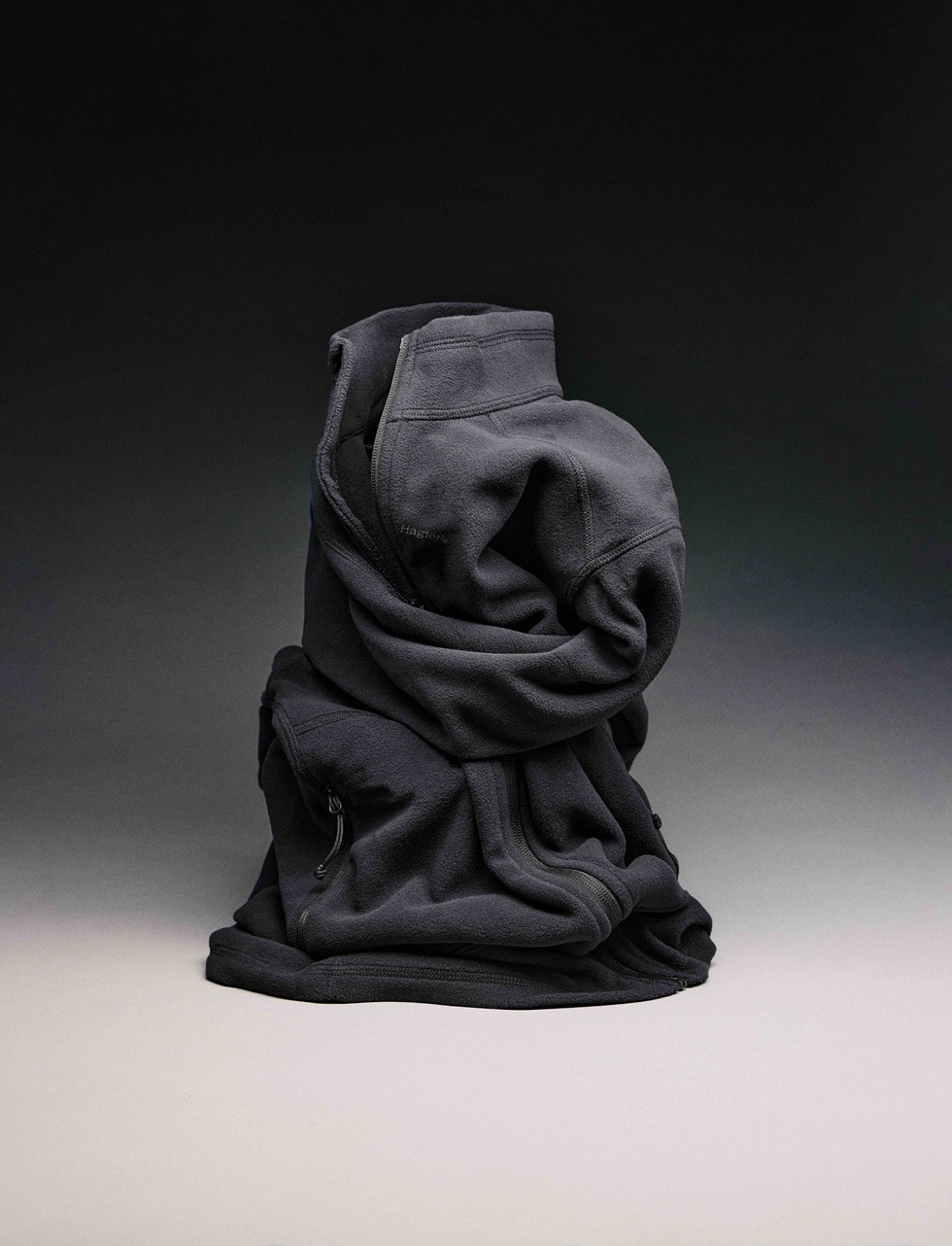
- The Implementation: Following the success of the conceptual phase, Haglöfs and Polartec finalized a single, high-performance shade of black. This standard was moved into full production for the Fall/Winter 2026 season, with the Buteo Mid II Jacket serving as the first high-volume, commercially available product to carry the standard.
Supporting Data: The Efficiency Gains
The environmental argument for Standard Issue Black™ is rooted in the economics of scale. By consolidating what would have been dozens of small-to-medium, fragmented dye batches into a single, massive, and continuous production run, the industrial chemistry becomes exponentially more efficient.
According to internal production assessments provided by Haglöfs, the move to a universal black yields significant dividends:
- Water Consumption: A reduction of over 50% in water usage compared to traditional piece-dyed black fabrics.
- Energy Consumption: A reduction of at least 20% in energy requirements, driven by fewer heating cycles and optimized pressure-vessel utilization.
While these figures are company-supplied, they align with well-understood levers in industrial chemistry. When you eliminate the need for hundreds of redundant recipe developments, quality approval processes, and separate machine cleanings between batches, the reduction in waste is both immediate and compounding.
Official Responses and Industry Skepticism
The response from the design community has been mixed, characterized primarily by the "Creativity Question." Many designers fear that standardization acts as a death knell for brand identity. If every brand uses the same "Black," does the outdoor aesthetic lose its edge?
Eva Weiss, Head of Design and R&D at Haglöfs, argues the contrary. "Standardization doesn’t have to limit creativity," she explains. "With the right framework, it gives us the freedom to work together in the same creative direction and make a bigger impact. Black has never been the primary point of differentiation for outdoor gear; we differentiate through our technical cuts, our hardware, our fit, and our innovative silhouettes."
To bolster this, industry proponents often point to the dominance of YKK zippers. Decades ago, the outdoor industry effectively standardized on YKK as the reliable, functional baseline. This did not result in a loss of design creativity; rather, it allowed designers to focus their energy on the "actual" points of differentiation, such as weatherproofing, ergonomic articulation, and garment longevity. Standard Issue Black™ posits that color—at least in the case of a utility shade like black—should be treated with the same pragmatic approach.
Implications: The Path to Institutional Change
The most significant hurdle for Standard Issue Black™ is not technical; it is the "institutional inertia" that defines the outdoor industry. The sector has a long history of well-intentioned sustainability initiatives that die on the vine due to a lack of cross-brand adoption.
However, this initiative differs from previous efforts in three key ways:
- Economic Neutrality: Unlike many "green" innovations that carry a price premium, Standard Issue Black™ is designed to be cost-neutral or even cost-positive. By leveraging economies of scale, it lowers the barrier to entry for brands looking to improve their sustainability credentials.
- Open Source Strategy: Haglöfs and Polartec have made the standard openly available. There are no proprietary lock-ins, no licensing fees, and no competitive advantages withheld. This is a rare example of "coopetition," where the industry is invited to participate in a shared standard for the greater good.
- Volume-Driven Logic: By applying this standard to high-volume products like the Buteo Mid II, Haglöfs is ensuring that the environmental impact is felt at scale, rather than sequestered within a niche, high-priced "sustainable" collection.
The ultimate implication is a potential shift in how the apparel industry views "raw materials." If brands can align on the mundane, functional aspects of their supply chain—the zippers, the thread, and now, the black dyes—they can collectively reduce their footprint without compromising their unique identities.
As the industry looks toward the late 2020s, the Standard Issue Black™ initiative acts as a litmus test. Will other major players join the movement, or will the "machine" continue to churn out dozens of identical, high-impact versions of the same color? The answer to that question will determine whether the outdoor industry is truly committed to systemic change or merely satisfied with the aesthetic of progress. For now, the Buteo Mid II stands as a quiet, black-clad reminder that sometimes the most radical thing a company can do is stop doing things differently.
 rifanmuazin
  Nana Muazin
  Evan Lee Salim