

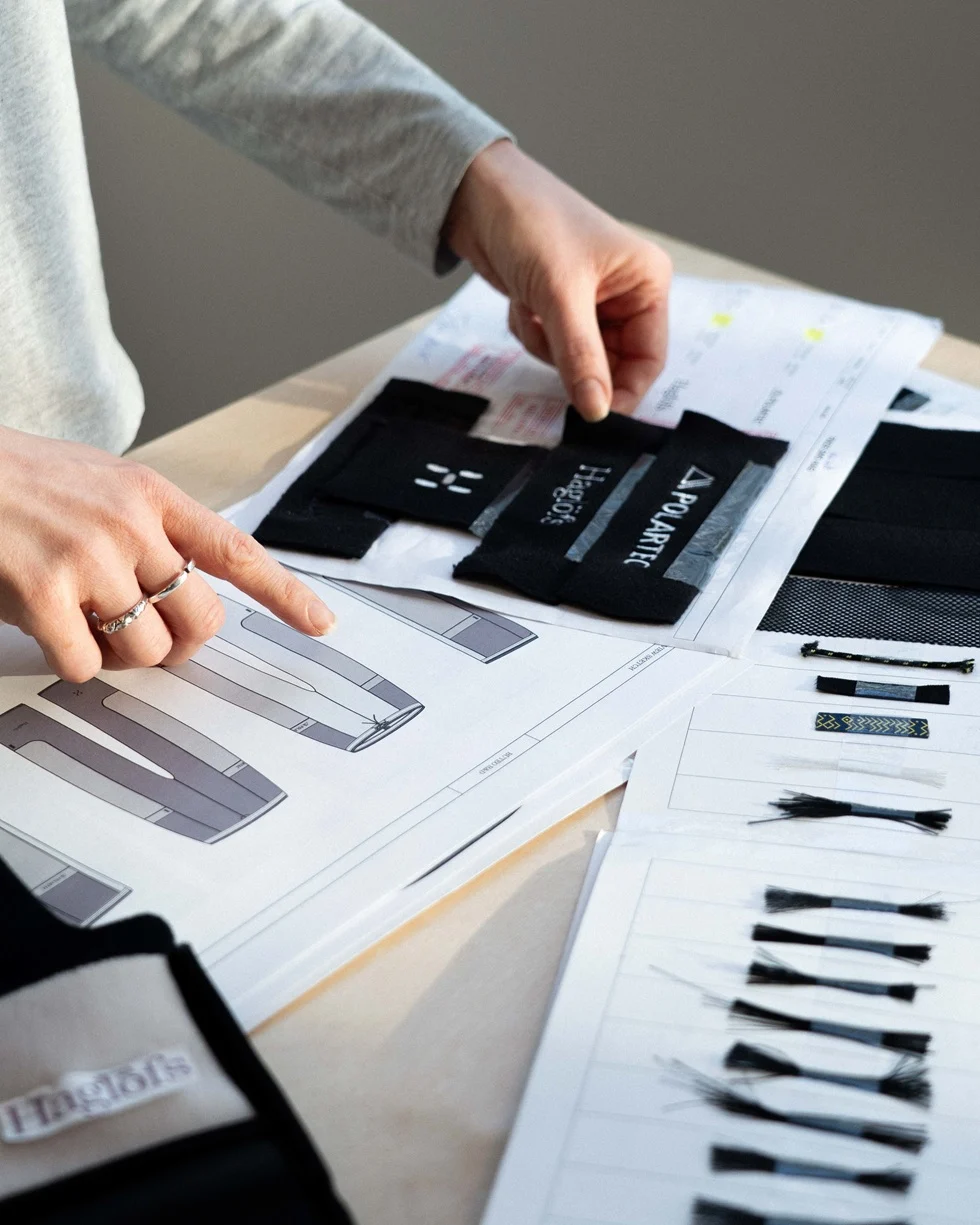
There is a problem hiding in plain sight in every outdoor gear store on Earth. It is a quiet, chromatic absurdity that occupies the most valuable real estate on the retail floor: the fleece aisle.
Walk into any well-stocked outfitter and you will be met with a sea of black garments. Dozens of versions of the same color, hanging side-by-side, each marginally different from the next in ways that only become visible when you hold two swatches together under harsh, direct light. One leans slightly toward the charcoal, another toward a deep navy-inflected obsidian, and a third toward a flat, matte carbon.
This is not a matter of design choice or intentional aesthetic variety. It is the result of a fractured, inefficient, and environmentally costly supply chain. Haglöfs and Polartec have decided that the time for these subtle, pointless differences has come to an end. By introducing "Standard Issue Black™," these two industry stalwarts are not just launching a new textile; they are challenging the outdoor sector to rethink the very nature of industrial production.
The Anatomy of the Problem: Why Black is Never Just Black
To understand why this "black problem" is so significant, one must first peel back the layers of textile engineering. Polyester—the backbone of the modern mid-layer—does not behave like natural fibers such as cotton or wool. Because polyester is hydrophobic, it inherently repels the water-based dyes that are relatively easy to apply to organic fabrics.
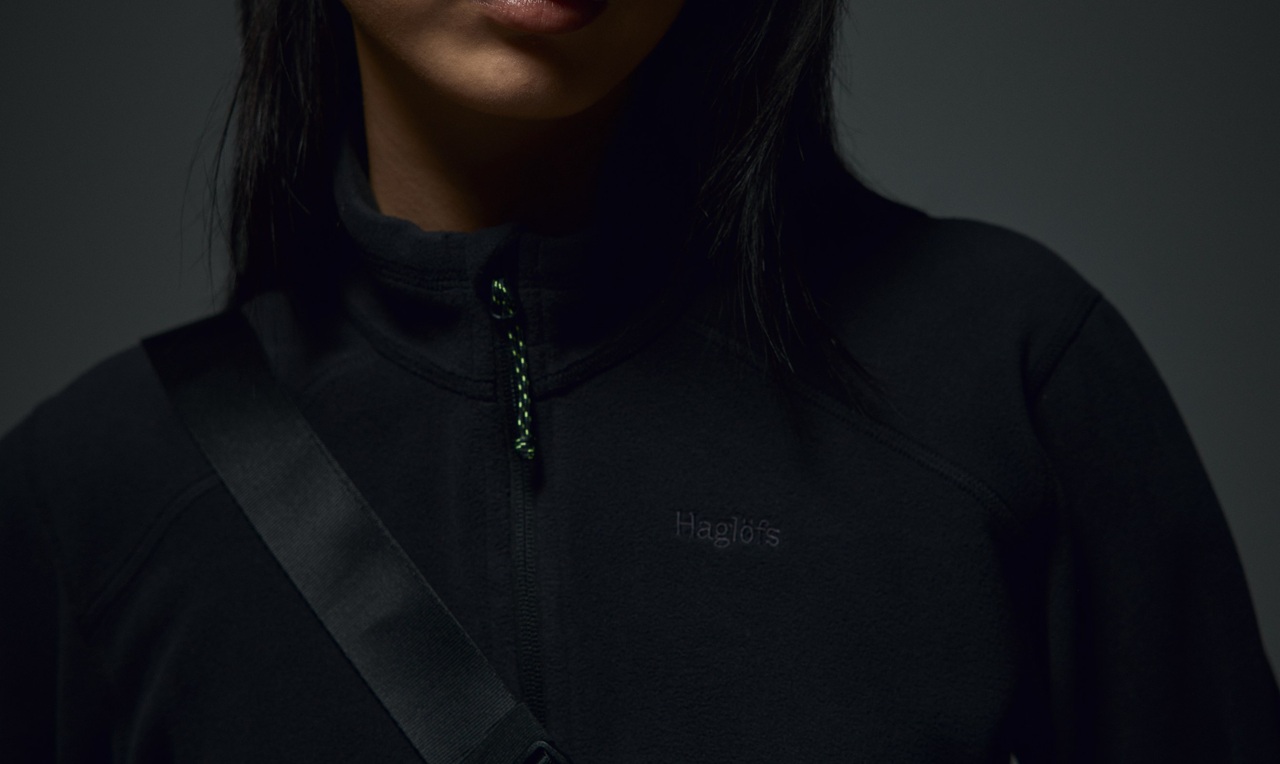
To color polyester, manufacturers must utilize "disperse dyes." This process requires high-temperature pressure vessels, usually operating at 130°C or above, to force dye molecules into the core of the synthetic polymer. It is an energy-intensive, water-heavy, and chemical-reliant process. When you add the requirement of a deep, consistent, and neutral black, the difficulty multiplies. Achieving a true black requires layering multiple dye molecules, which demands more heat, more fixation cycles, and significantly more water consumption.
The textile industry is responsible for approximately 20% of global industrial water pollution, with the dyeing and finishing stage serving as the primary offender. A single kilogram of polyester fabric can consume anywhere from 30 to 150 liters of water during processing. Black, being the most demanding shade on the spectrum, sits consistently at the high end of that range.
The absurdity, however, lies in the fragmentation. Every brand, every season, and every design team creates their own bespoke version of "black." This forces dye houses to calibrate, test, and run hundreds of separate batches for shades that are functionally indistinguishable to the consumer.
Chronology of a Disruption: From Concept to Implementation
The journey toward a unified standard began not with a boardroom presentation, but with a visceral demonstration.
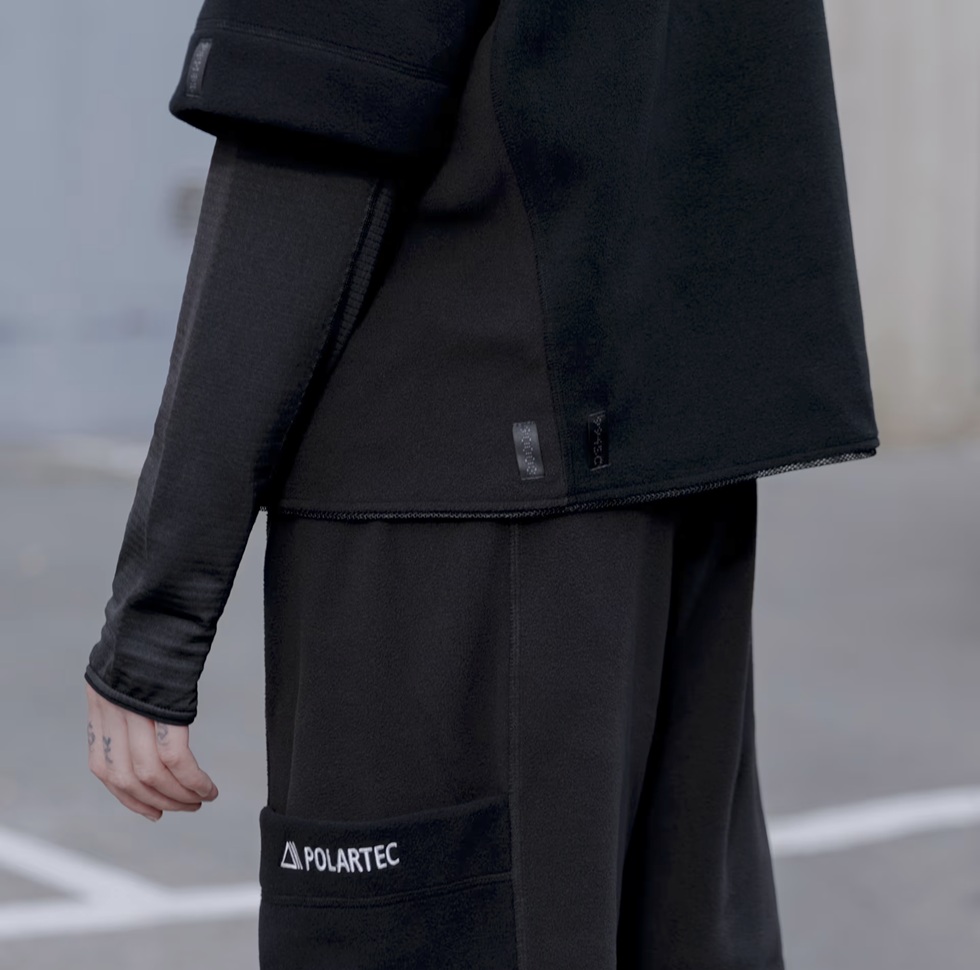
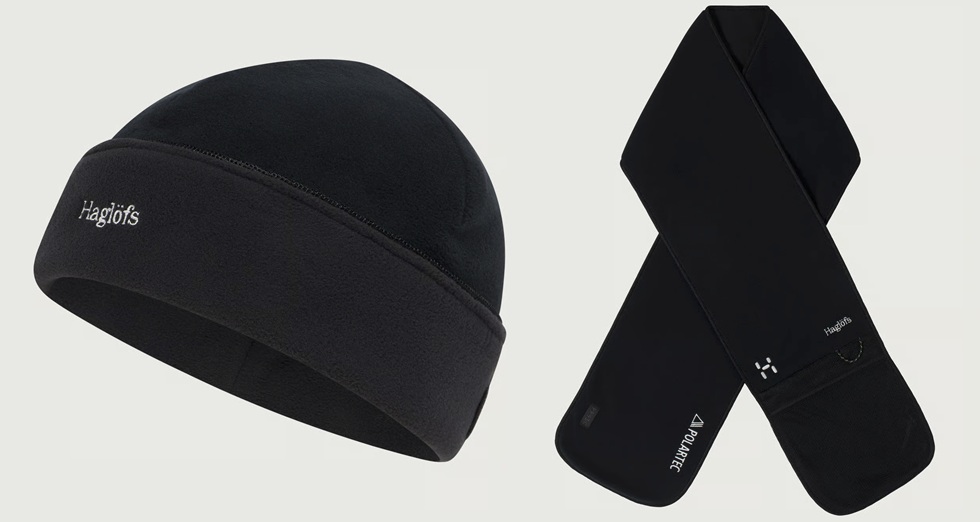
The Black Capsule (2025): Haglöfs debuted the "Black Capsule" collection—a limited-run series comprising a Project Tee, Beanie, Scarf, and Pant. The design was provocative: each garment was constructed from three distinct shades of leftover black Polartec fleece, stitched together as a single piece. To hammer the point home, every pattern piece featured a woven label stamped with its original dye batch number. This served as a tangible indictment of the industry’s wastefulness: a single garment showing, quite literally, how many redundant dye processes were required to produce a "black" product.
The Standardization Phase (2025–2026): Following the reception of the Black Capsule, Haglöfs and Polartec entered a period of collaborative engineering. They defined a singular, high-performance shade of black that would meet the rigorous technical standards of both parties. Unlike proprietary "secret sauces," this standard was designed to be open-source.
The Implementation (FW26): The launch of the Buteo Mid II Jacket in the Fall/Winter 2026 season marked the transition from conceptual art to mass-market utility. By integrating the standard into one of their highest-volume styles, Haglöfs moved the needle from a "niche sustainability project" to a "production-grade standard."
The Economics of Scale: Supporting Data
The environmental argument for Standard Issue Black™ is rooted in basic industrial efficiency. By consolidating what were previously dozens of small-to-medium dye batches into a single, massive, continuous dye run, the manufacturing process achieves economies of scale that are mathematically undeniable.
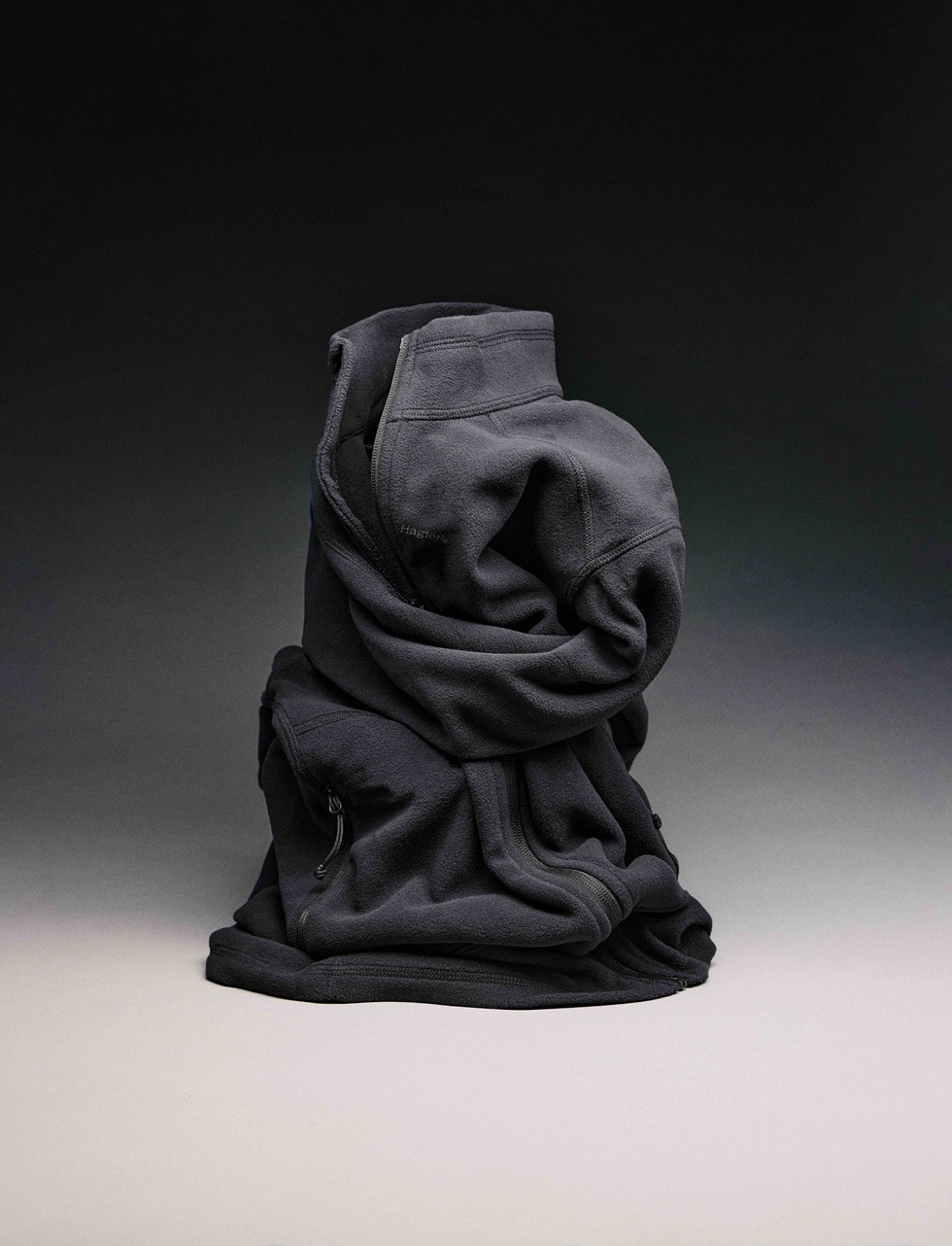
According to internal production assessments provided by Haglöfs, the move to a unified standard yields:
- Water Consumption: An estimated reduction of over 50% in water use compared to traditional piece-dyed black fabrics.
- Energy Consumption: A minimum 20% reduction in energy usage, primarily through the elimination of redundant heating and cooling cycles in the dye vessels.
While these figures are company-supplied, the underlying logic is consistent with the principles of industrial chemistry. The "Minimum Order Quantity" (MOQ) problem has long been the silent killer of efficiency in the garment trade. When a brand lacks the volume to justify a custom batch, they often settle for whatever the dye house has available or pay a premium for a redundant run. By standardizing the color, brands can aggregate their demand, allowing dye houses to run longer, more efficient cycles with fewer chemical adjustments.
Official Perspectives: The Philosophy of Standardization
The primary pushback against standardization in the fashion and outdoor industries is the fear that it will stifle creativity. However, industry leaders argue that this fear is misplaced.
"Standardization doesn’t have to limit creativity," explains Eva Weiss, Head of Design and R&D at Haglöfs. "With the right framework, it gives us the freedom to work together in the same creative direction and make a bigger impact. Having one defined black simplifies the design process, and brands could still differentiate themselves through other colors, cuts, and design elements."
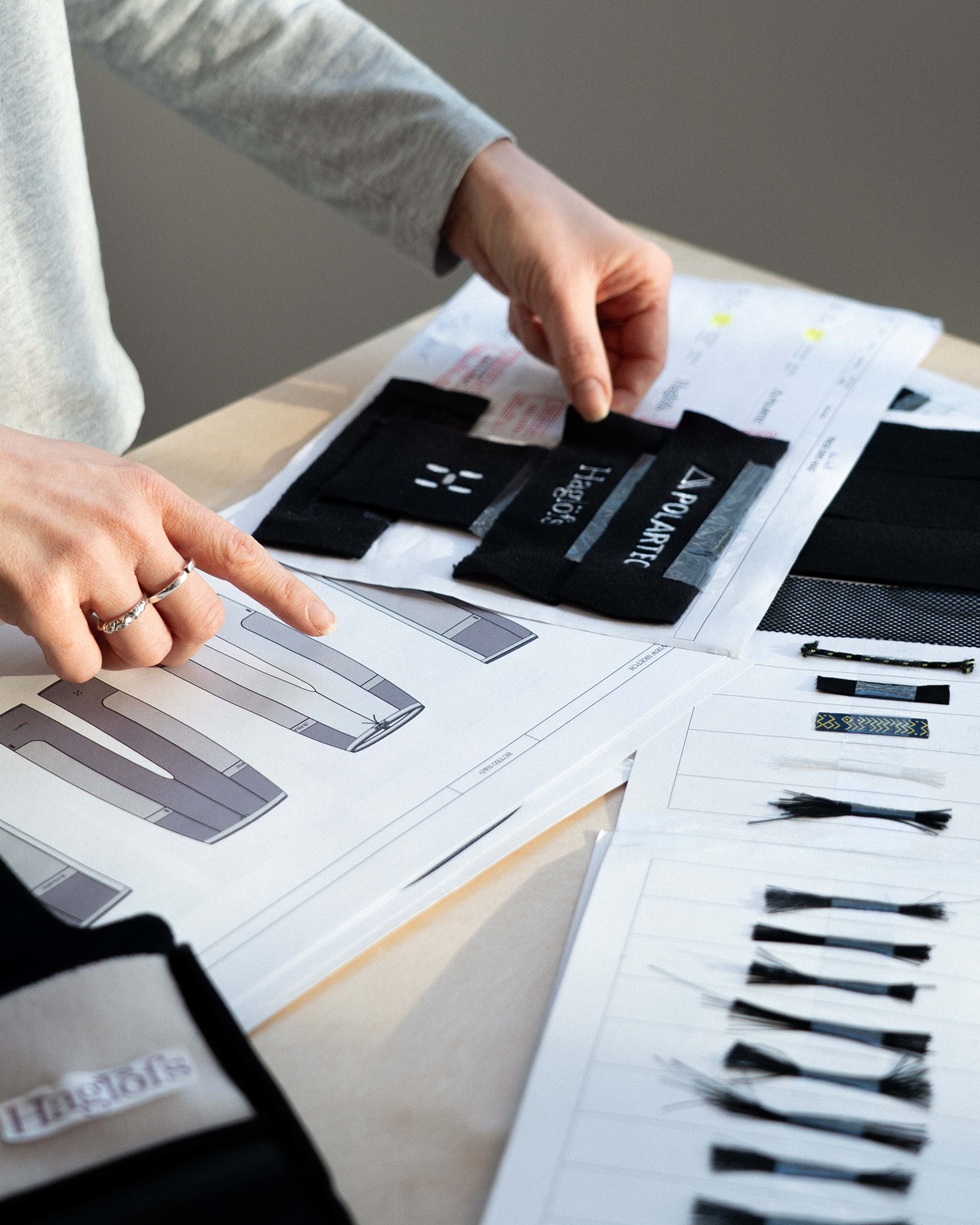
Weiss draws a powerful parallel to the zipper industry. Decades ago, the outdoor sector largely standardized on a few key zipper systems, most notably YKK. This move did not render outdoor gear boring or uniform; rather, it allowed designers to stop worrying about the fundamental reliability of a closure system and focus their energy on silhouette, technical utility, and brand-specific features.
Standard Issue Black™ proposes that color—specifically a foundational neutral like black—should be treated as a utility, much like a zipper or a sewing needle, rather than a point of competitive differentiation.
Implications: The Road Ahead
The ultimate test for Standard Issue Black™ will be the willingness of other major outdoor brands to abandon their "bespoke black" ego in favor of a collective standard. The industry has a long history of "greenwashing" or creating well-intentioned initiatives that wither when faced with the "green premium"—the gap between what consumers say they care about and what they are willing to pay.
Standard Issue Black™ is uniquely positioned to bypass this hurdle because it is not an expensive, luxury-focused technology. It is a cost-neutral, efficiency-focused system. If anything, it should theoretically reduce costs by simplifying procurement and production.
The real barrier, therefore, is not economic—it is institutional. It is the inertia of "how we’ve always done it." To adopt this standard, a brand must acknowledge that their previous, fragmented approach was not just inefficient, but actively harmful.
As we look toward the future of the outdoor industry, the Buteo Mid II Jacket stands as a sentinel. It asks a simple, uncomfortable question: If the industry has the power to solve a major environmental issue simply by agreeing on a color code, why wouldn’t it?
The machine of industrial manufacturing keeps running because stopping it, even for a moment, feels like a risk. But Standard Issue Black™ doesn’t ask the industry to stop the machine. It simply asks the industry to run it with a little more sense and a lot less waste. Whether that message is loud enough to overcome the industry’s deep-seated habits remains to be seen, but for the first time, the "black" in our closets might actually stand for something more than just a lack of color. It might finally stand for a unified commitment to the planet.
 Ali Ikhwan
  Pevita Pearce
  Nana
Nana 