

By [Author Name]
Published: September 2026
In a monumental breakthrough for zoology and conservation, researchers have officially introduced the world to Leopardus tilcayo, a newly classified species of wild cat native to the Bolivian Andes. Published today in the journal Current Biology, this milestone marks the first time in more than 100 years that a living cat species has been formally described and named.
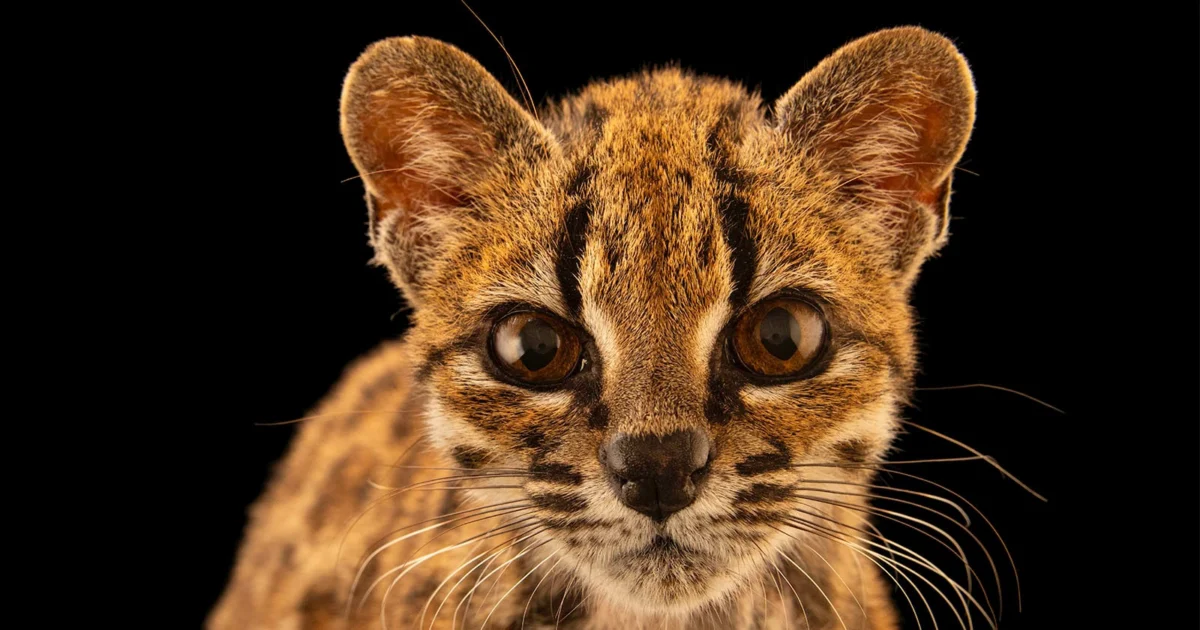
The discovery culminates a decade-long scientific detective story sparked by an abandoned kitten handed over to a Bolivian wildlife sanctuary. Characterized by its diminutive size, striking leopard-like spots, and distinctive cranial features, the tilcayo cat has not only expanded our understanding of feline taxonomy but has also ignited a renewed sense of urgency in global biodiversity conservation.
Main Facts: Meet the Leopardus tilcayo
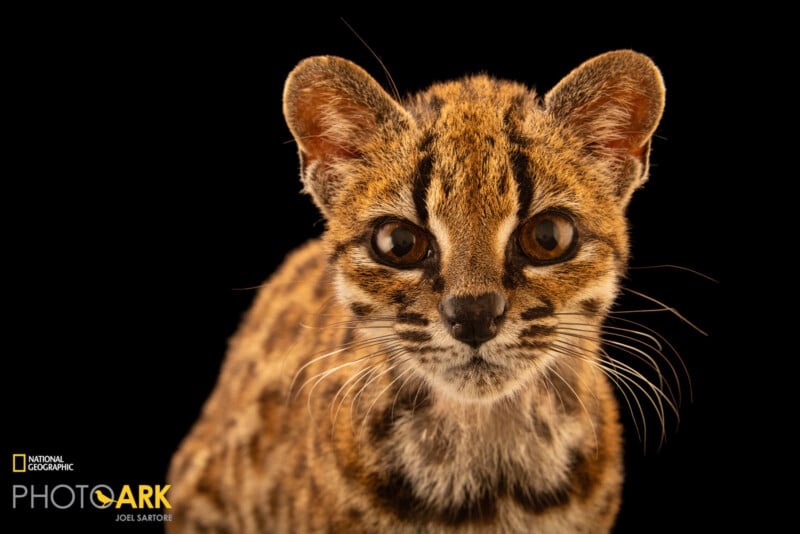
The Leopardus tilcayo is a small, spotted wild cat that immediately commands attention with its unique physical traits. Weighing just a few pounds—significantly less than the average domestic housecat—this wild feline possesses a delicate, scrunched-up facial structure, short rounded ears, long prominent whiskers, and striking amber eyes. Its coat is adorned with distinct leopard-like rosettes and spots designed for camouflage in its native mountain forests.
Despite its outward resemblance to other small Neotropical cats, comprehensive morphological and genetic testing has confirmed that Leopardus tilcayo is an entirely distinct species. It is not a subspecies reclassification, nor is it a rediscovered historical variant; it is a brand-new addition to the tree of life for the family Felidae.
The discovery challenges the long-held assumption that the planet’s mammalian megafauna and flagship groups—particularly cats—have been fully mapped and cataloged by modern science.
Chronology: A Decade-Long Journey from Sanctuary to Science
The extraordinary journey of Leopardus tilcayo began ten years ago in the rugged terrain of the Bolivian Andes.
2016: The "Weird Cat" Arrives
A local resident driving along a remote forest road stumbled upon a tiny, abandoned kitten. Initially mistaking the infant animal for an ordinary domestic cat, the man took it in. As the animal matured, however, its wild instincts and unusual morphology became undeniable. Realizing the cat did not belong in a domestic setting, the rescuer surrendered it to the Senda Verde wildlife sanctuary located in Coroico, Bolivia.
Sanctuary officials, recognizing that the animal was unlike any local cat they had encountered, reached out to Paola Nogales-Ascarrunz, a National Geographic Explorer, biologist, and founder of the Programa de Investigación de Félidos Bolivia (Bolivian Felids Research Program).
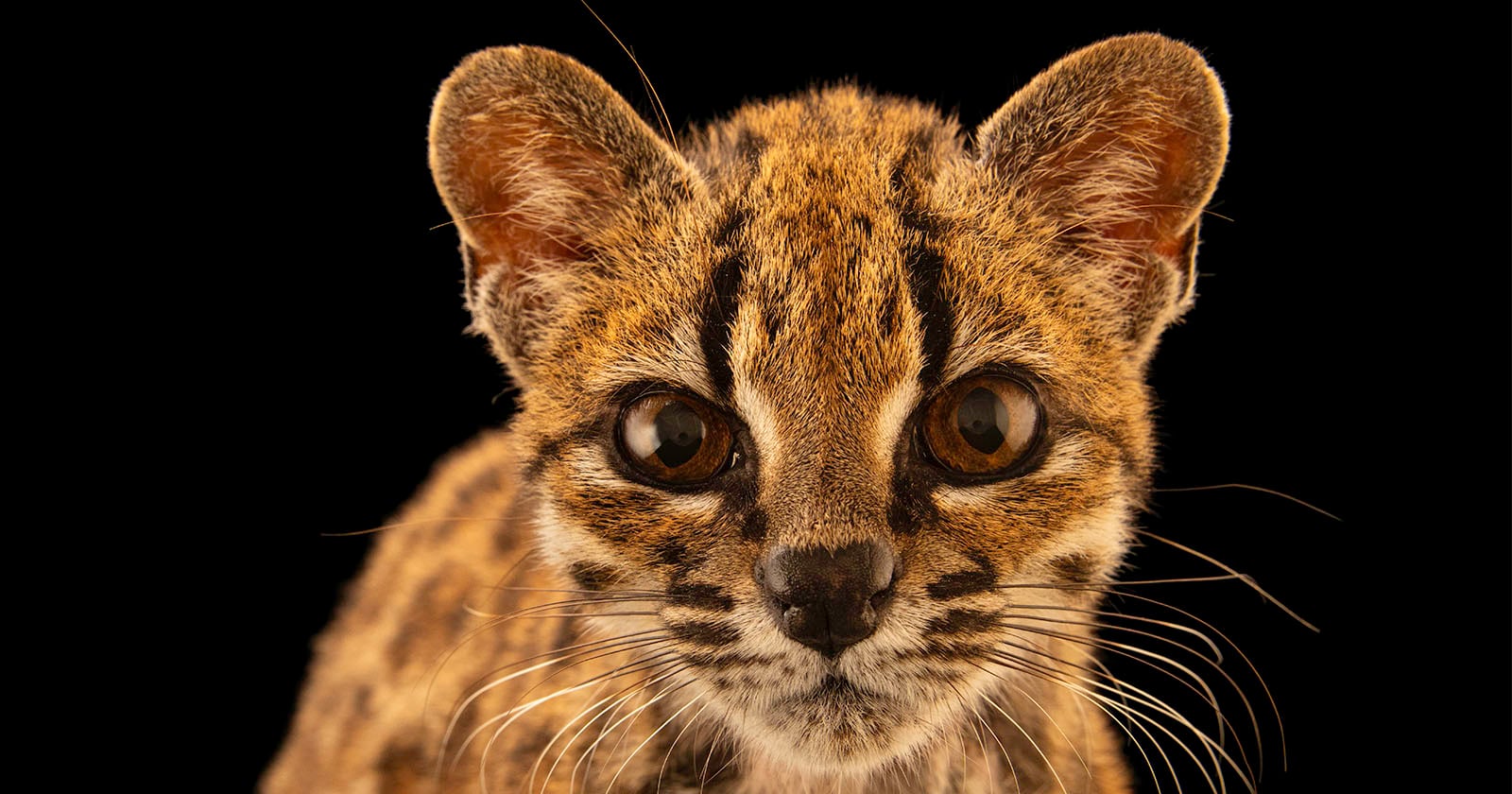
Nogales-Ascarrunz rushed to the sanctuary. "I took a hundred pictures of it," she recalls, reflecting on her initial encounter with the kitten. "I was so fascinated." At the time, she suspected the animal might be a member of Leopardus tigrinus (the oncilla or little spotted cat), an elusive and poorly understood feline native to Central and South America.
2019: The Plot Thickens
For years, the cat lived safely at Senda Verde while Nogales-Ascarrunz continued her broader field research. The turning point arrived in 2019, while she was compiling an educational booklet on the wild cats of Bolivia. Reviewing her 2016 photographs of the sanctuary cat, she experienced a moment of cognitive dissonance.
Comparing the images side-by-side with known specimens of Leopardus tigrinus, she realized the anatomy did not align. "This is so wrong," she thought, noting the structural discrepancies in the skull shape, coat patterning, and overall proportions.
The Genetic Investigation
Driven by this anomaly, Nogales-Ascarrunz sought to bridge her ecological fieldwork with advanced molecular techniques. She teamed up with renowned Brazilian geneticist Eduardo Eizirik of PUCRS and study co-author Jonas Lescroart of the University of Antwerp.
The collaborative team extracted DNA samples from the sanctuary cat and compared them against genetic databases encompassing other South American small cats. The results were definitive: the genetic profile of the Senda Verde cat stood entirely apart from any known species, proving it was a distinct lineage that had diverged millions of years ago. This discovery set in motion the rigorous, multi-year peer-review process required to formally name a new biological species.
Supporting Data and Taxonomy
The formal description of Leopardus tilcayo relies on an integration of integrative taxonomy—a methodology combining classical morphological examination with cutting-edge genomic sequencing.
Small Neotropical cats of the genus Leopardus (which includes ocelots, margays, Geoffroy’s cats, and oncillas) are notoriously difficult to classify. Many species share overlapping ranges, similar coloration patterns, and cryptic behaviors that conceal their true diversity. Historically, taxonomists relied heavily on pelage (fur) and skeletal measurements, which frequently led to misclassifications.
In the case of Leopardus tilcayo, the research team utilized mitochondrial and nuclear DNA sequencing to establish phylogenetic trees. The data revealed deep genetic divergences between Leopardus tilcayo and its closest relatives within the genus. Morphometric analyses of the skull and dental structures further reinforced these genetic distinctions, highlighting adaptations unique to the ecological niche occupied by the tilcayo cat in the eastern slopes of the Andes.
Official Responses and Expert Perspectives
The announcement has sent ripples through the international scientific community, highlighting the hidden complexities of tropical ecosystems.
"Showing the general public that even in a flagship group such as cats… there are still new species to be discovered may transmit an important message," says geneticist Eduardo Eizirik. "There are many undiscovered species out there in the world, and they are at risk of disappearing before we even discover them."
Paola Nogales-Ascarrunz emphasizes the emotional and scientific weight of seeing a decade-long mystery solved. What started as an enigmatic phone call about a "weird cat" has transformed into a landmark contribution to mammalogy.
Adding a visual milestone to the discovery, renowned National Geographic photographer Joel Sartore traveled to Senda Verde to photograph the original tilcayo cat for the Photo Ark—an ambitious project aiming to document every captive animal species in human care. The resulting portraits capture the intense amber eyes and intricate spotted coat of an animal that bridges the gap between folklore and formal science.
Implications for Conservation and Future Research
While the naming of Leopardus tilcayo is a triumph for taxonomy, it also serves as a stark reminder of how much remains unknown about the natural world.
Critical Knowledge Gaps
Despite now possessing a scientific name, Leopardus tilcayo remains shrouded in mystery. Biologists point out that foundational aspects of its ecology are entirely unstudied:
- Diet and Hunting Behavior: What specific prey species does it target in its natural habitat? Is it strictly arboreal, or does it hunt on the forest floor?
- Reproductive Biology: How do they find mates, what is their gestation period, and how large are their litters?
- Population Status and Distribution: What is the exact geographic range of the species? Are populations fragmented, and how far do they roam?
- Natural Predators and Competitors: How do they coexist with larger carnivores such as pumas, ocelots, and sympatric small cat species?
Conservation Urgency
The most pressing concern surrounding Leopardus tilcayo is its conservation status. The tropical and subtropical forests of the Bolivian Andes face severe anthropogenic pressures, including deforestation for agriculture, illegal logging, road construction, and climate change.
Because the original specimen was found as an orphan near a roadway, conservationists worry that habitat fragmentation is already impacting wild populations. Eizirik’s warning—that species are vanishing before science even knows they exist—underscores the race against time. Researchers must now pivot from taxonomic description to field surveys, aiming to locate wild populations, assess their numbers, and implement targeted protection measures before the newly unveiled cat faces the threat of extinction.
For now, the surviving pioneer of its species at Senda Verde serves as an ambassador for the unseen wonders of South America’s cloud forests—a living testament to the mysteries still waiting to be discovered in the wild.
 Nana Wu
  Pevita Pearce
  Lina Hope