

By Editorial Staff
Iceland has long occupied a unique space in the global tourism imagination. Positioned at the intersection of the North Atlantic and Arctic Oceans, this Nordic island nation offers a landscape defined by dramatic geological contrasts: volcanic craters, crystalline glaciers, and thundering waterfalls. However, for the uninitiated, Iceland is not merely a vacation destination—it is a logistical challenge that demands rigorous preparation.
In a recent feature for KidTripster, seasoned travel expert KyAnn Lewis distilled years of on-the-ground experience into a comprehensive guide for families and adventurers. Following multiple expeditions to the island, Lewis provides a roadmap that separates the novice traveler from the seasoned explorer.
The Core Essentials: Lessons from the Field
The primary takeaway from Lewis’s analysis is that Iceland rewards the prepared and punishes the impulsive. Whether one is traversing the Ring Road or exploring the Golden Circle, the volatility of the Icelandic climate remains the central variable.
Strategic Planning: The Foundation of Success
Planning an Icelandic itinerary is not merely about choosing hotels; it is about understanding the geographic and meteorological realities of the region. Lewis emphasizes that "winging it" in Iceland often leads to missed opportunities or, more seriously, safety hazards. Key logistical pillars include:
- Vehicle Selection: Navigating the F-roads (mountain roads) requires specialized 4×4 vehicles. Attempting to traverse the interior with a standard sedan is not only ill-advised but often prohibited by rental agencies.
- The Seasonality Factor: The experience of a trip in July—characterized by the Midnight Sun—is fundamentally different from a winter excursion where daylight hours are limited and road conditions are treacherous.
- Budgeting Realities: Iceland is consistently ranked as one of the most expensive travel destinations globally. Understanding the cost of dining, fuel, and specialized gear is essential for maintaining a viable travel budget.
A Chronological Perspective: The Evolution of an Icelandic Traveler
To understand the depth of Lewis’s insights, one must look at the progression of an Icelandic travel profile. Most travelers go through a predictable cycle of evolution.
Phase 1: The Initial Discovery
The first trip to Iceland is often dominated by "bucket-list" tourism. Travelers gravitate toward the Blue Lagoon, the Gullfoss waterfall, and the iconic Reykjavik city center. During this phase, travelers often underestimate the distance between sites, leading to "windshield time" fatigue.
Phase 2: The Deep Dive
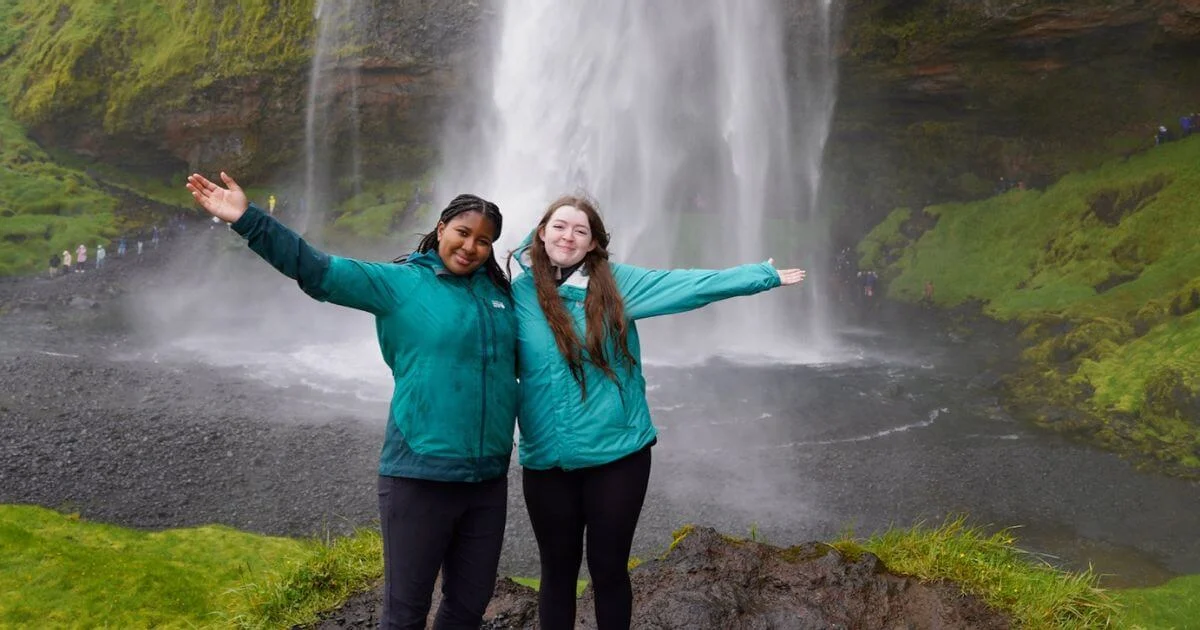
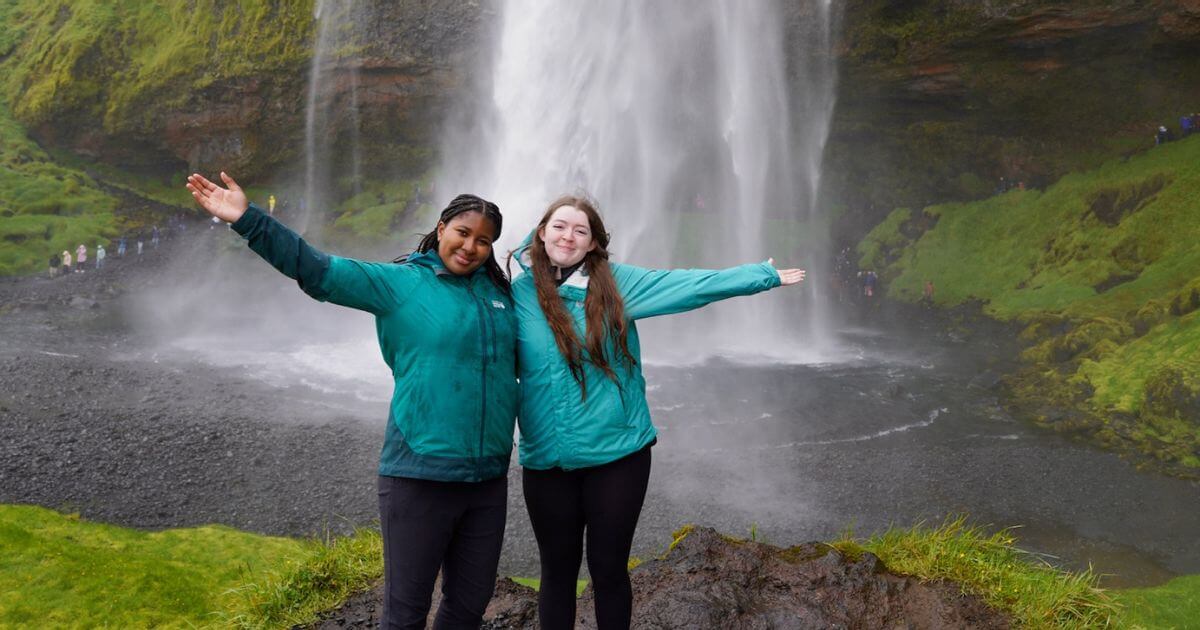
By the second or third trip, the traveler shifts from tourist to explorer. They begin to venture into the Westfjords or the Snæfellsnes Peninsula. This is the stage where logistical competence improves; the traveler learns that a rain jacket is not optional, but a necessity, and that wind speeds in Iceland can reach levels that literally strip car doors from their hinges.
Phase 3: The Master Practitioner
The final phase is marked by a focus on micro-climates and off-peak timing. By choosing to travel during the shoulder seasons—late spring or early autumn—the seasoned visitor avoids the peak-season congestion of the South Coast while still capturing the essence of the landscape.
Supporting Data: The Logistics of the Nordic Frontier
While the aesthetic appeal of Iceland is well-documented, the empirical data suggests that safety and environmental preservation should be the primary focus of any itinerary.
Weather and Safety Metrics
According to the Icelandic Meteorological Office, wind gusts in certain regions can exceed 100 km/h (62 mph) even in relatively mild conditions. For families, the implication is clear: safety alerts are not suggestions.
| Variable | Recommendation |
|---|---|
| Footwear | Waterproof, high-ankle hiking boots are mandatory. |
| Apparel | The "three-layer" rule: Base (moisture-wicking), Mid (insulation), Outer (waterproof/windproof). |
| Navigation | Always rely on SafeTravel.is for real-time road and weather updates. |
Environmental Impact
Iceland’s delicate moss-covered lava fields take decades to recover from foot traffic. Responsible tourism dictates that travelers stay on marked paths. The data shows that as tourism numbers have increased (surpassing pre-pandemic levels in 2024), the pressure on natural sites has necessitated stricter regulation and the implementation of parking fees at major natural landmarks.
Official Perspectives: The Tourism Authority Stance
The Icelandic Tourist Board has increasingly pushed for a "Value over Volume" approach. Their official guidance aligns closely with the observations made by KyAnn Lewis. The Board emphasizes that the "infrastructure of the island is not built for mass-market, last-minute tourism."
"We encourage travelers to spend more time in one region rather than attempting to circumnavigate the entire country in four days," says a representative from the Icelandic Tourism Ministry. "The quality of the experience is inversely proportional to the speed of the travel."
This official stance underscores the importance of the "slow travel" movement—a concept that Lewis champions in her work. By staying longer in one location, families can better integrate with local communities, support regional businesses, and reduce their overall carbon footprint.
Implications for Future Travel
What does this mean for the future of Icelandic tourism? As climate change continues to impact the glacial landscape, the way we visit Iceland must also evolve.
1. The Sustainability Imperative
Iceland is at the forefront of geothermal energy, and it expects its guests to adhere to similar standards of environmental consciousness. Future travelers should prioritize sustainable tour operators who utilize electric vehicles and follow "Leave No Trace" principles.
2. The Shift in Seasonal Preferences
As the summer months become increasingly crowded, we are seeing a shift toward "Winter Tourism." While this requires a higher level of preparation, it offers the reward of the Northern Lights and a more solitary experience in the Highlands. However, this shift implies a requirement for higher technical skill in winter driving and cold-weather survival.
3. The Digital Nomad and the "Slow Stay"
There is a growing trend toward mid-term stays. Instead of a 7-day whirlwind, families are opting for 14-21 day stays, renting cottages in the North or the East. This allows for a deeper appreciation of the culture and a mitigation of the physical exhaustion that often plagues shorter, high-intensity trips.
Conclusion: The Wisdom of Experience
KyAnn Lewis’s reflections serve as a vital reminder that the most rewarding travel experiences are rarely the ones that come easily. Iceland is a country that demands respect—for its weather, its history, and its environment.
Whether you are planning your first trip or your fifth, the principles remain the same:
- Respect the elements: Never underestimate the Icelandic wind or the speed at which a clear day can turn into a blizzard.
- Plan with precision: Use local resources and trusted expert advice to build an itinerary that balances adventure with rest.
- Travel with purpose: Engage with the culture beyond the photo-ops. Understand the volcanic history, the sagas of the settlers, and the contemporary challenges of a nation that sits on a tectonic divide.
By internalizing these lessons, the traveler is transformed. No longer just a visitor, they become a custodian of the landscape, contributing to the sustainable future of one of the most beautiful nations on Earth. For those seeking a deeper dive into the specifics of gear, timing, and regional highlights, the full article by KyAnn Lewis on KidTripster remains an essential companion for your Icelandic journey.
For those preparing for their upcoming Icelandic excursion, further reading and comprehensive checklists can be found at KidTripster.com.
 Neng Nana
  Jia Lissa