

By Professional Editorial Desk
Sponsored by OM SYSTEM
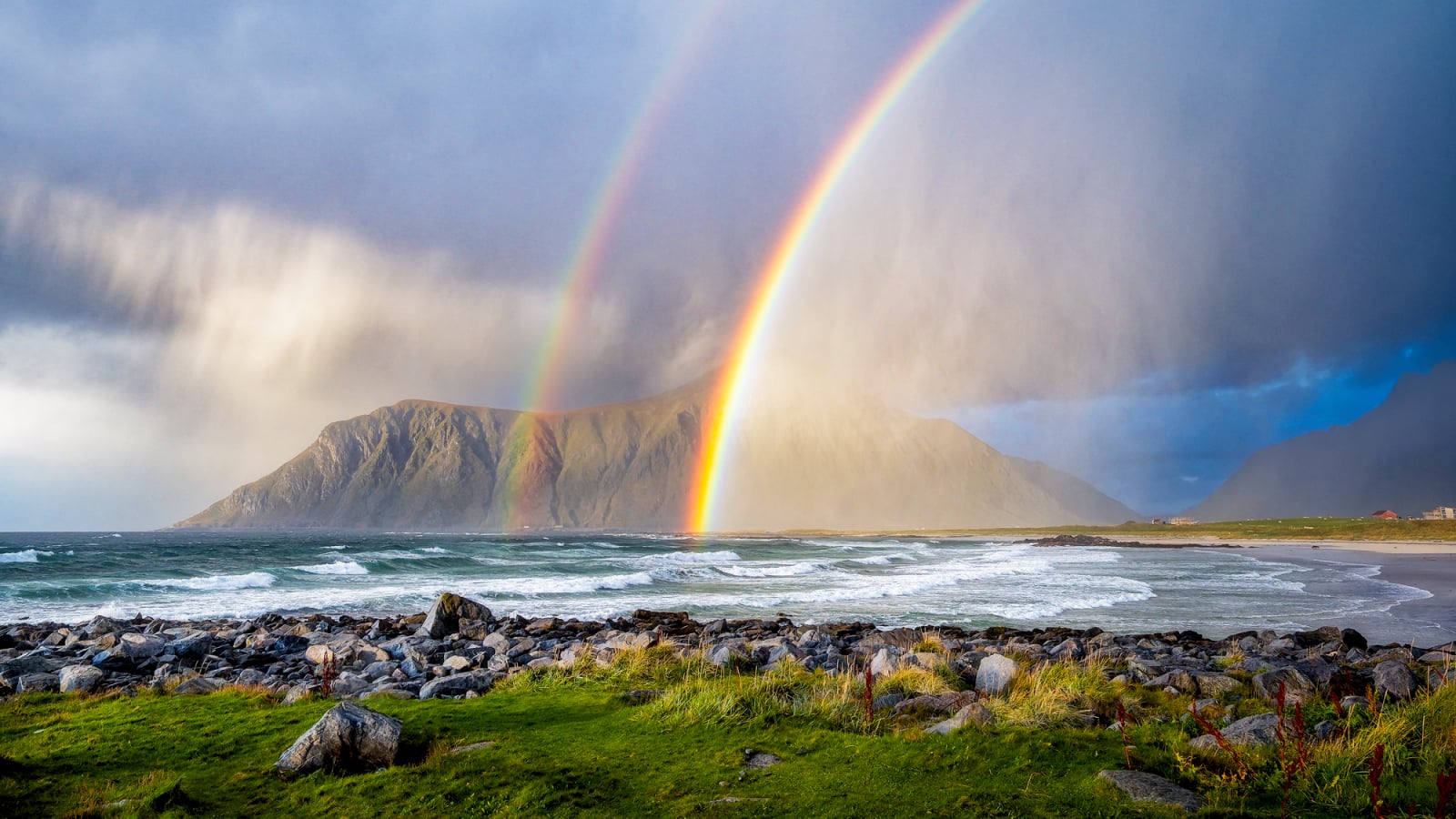
For most landscape photographers, the rhythmic tick of the clock dictates a strict, predictable routine. Mornings begin frantically before dawn, culminating in the fleeting, golden brilliance of sunrise. Once the sun climbs into the harsh midday sky, cameras are packed away, lenses are capped, and practitioners retreat to their vehicles, hotels, or editing desks. They wait out the burning hours of the afternoon, surfacing only when the sun dips low toward the western horizon for a brief encore during sunset, followed swiftly by a hasty departure.
Veteran landscape photographer and OM SYSTEM Ambassador Matt Suess challenges this industry-standard dogma. In a comprehensive workflow exploration, Suess advocates for an intensive, immersive exercise: spending an entire day—from pre-dawn darkness, through the blazing glare of midday, and deep into the quiet hours of the night—locked down in a single, solitary location.
Drawing from a rich 17-year background as a daily newspaper photojournalist, Suess argues that the hours most photographers throw away are precisely where the most rewarding artistic breakthroughs happen. Equipped with weather-sealed gear like the OM-5 Mark II and a disciplined mindset, Suess proves that patience, endurance, and a willingness to embrace difficult lighting conditions yield a deeper connection to nature and a vastly richer portfolio of work.
Main Facts: Redefining the Landscape Workflow
The core thesis of Suess’s methodology centers on breaking away from the "sunrise and sunset trap." By refusing to abandon a chosen viewpoint when the morning light fades, a photographer opens themselves up to dynamic, shifting environments that dictate creative problem-solving.
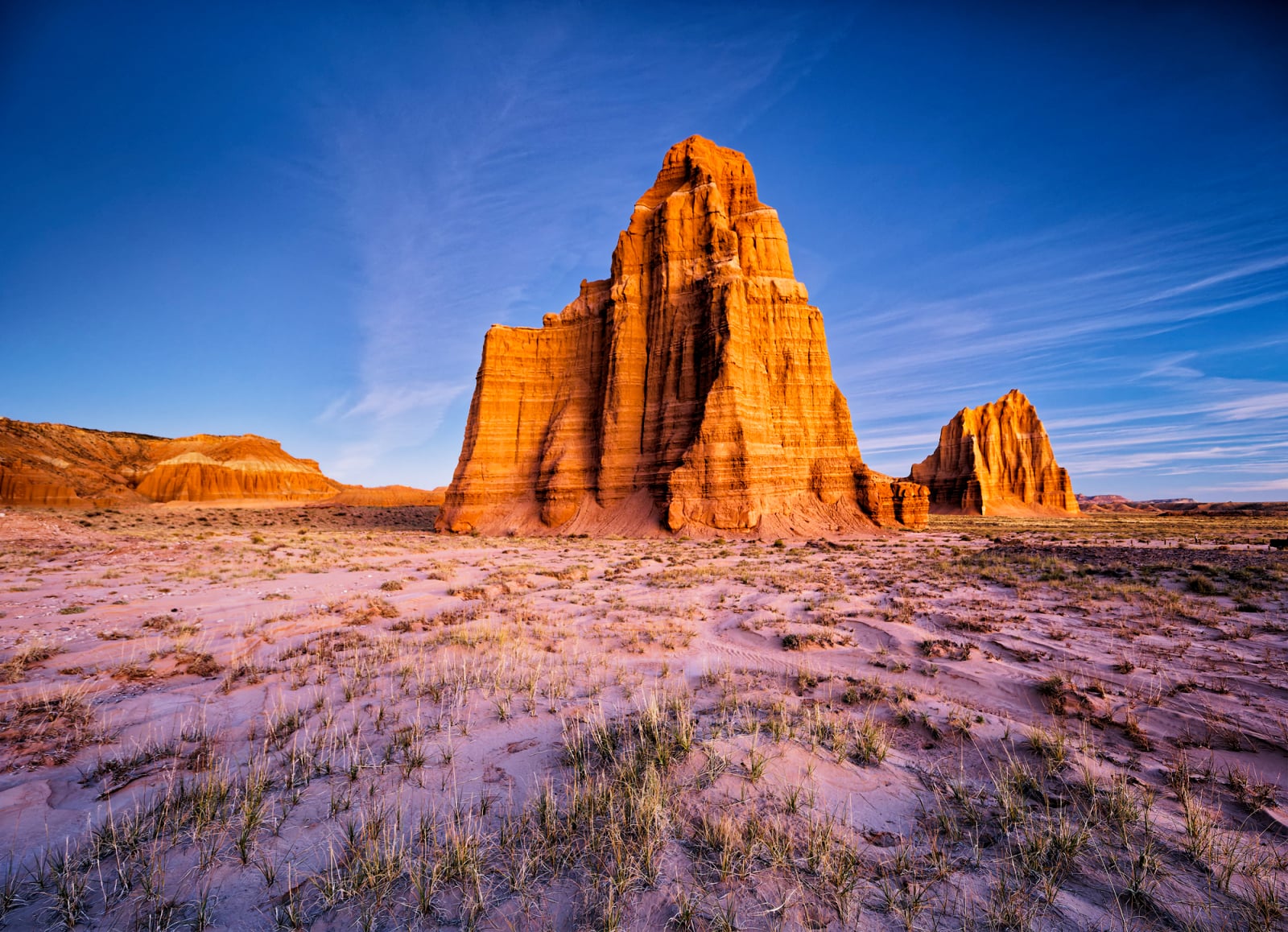
- The Core Premise: Spend an entire day—from darkness to darkness—in one single location to force adaptability and uncover rare lighting conditions.
- The Gear Philosophy: Suess champions a minimalist approach to carry weight. Prioritizing safety supplies, weather-appropriate layers, and hydration over heavy lens bags, he frequently relies on a single versatile optic: the M.Zuiko Digital ED 12-100mm F4.0 IS PRO.
- Technological Empowerment: Modern computational photography features—such as in-body image stabilization (providing up to 6.5 stops of compensation), High Res Shot mode, Live ND, and Live Composite—allow photographers to capture complex scenes without relying on cumbersome equipment.
- The Background: Based in Bozeman, Montana, Suess transitioned from nearly two decades of fast-paced newspaper photojournalism to leading dedicated landscape and astrophotography workshops across iconic American public lands, including Grand Teton National Park, Badlands, and Capitol Reef.
Chronology of a Full-Day Shoot: From Dark to Dark
To understand Suess’s approach, one must follow the chronological arc of a 24-hour photographic cycle. Rather than treating time as a barrier, Suess views the shifting hours of the day as distinct, sequential chapters in a visual story.
1. Pre-Sunrise: The Blue Hour and Monochromatic Tone
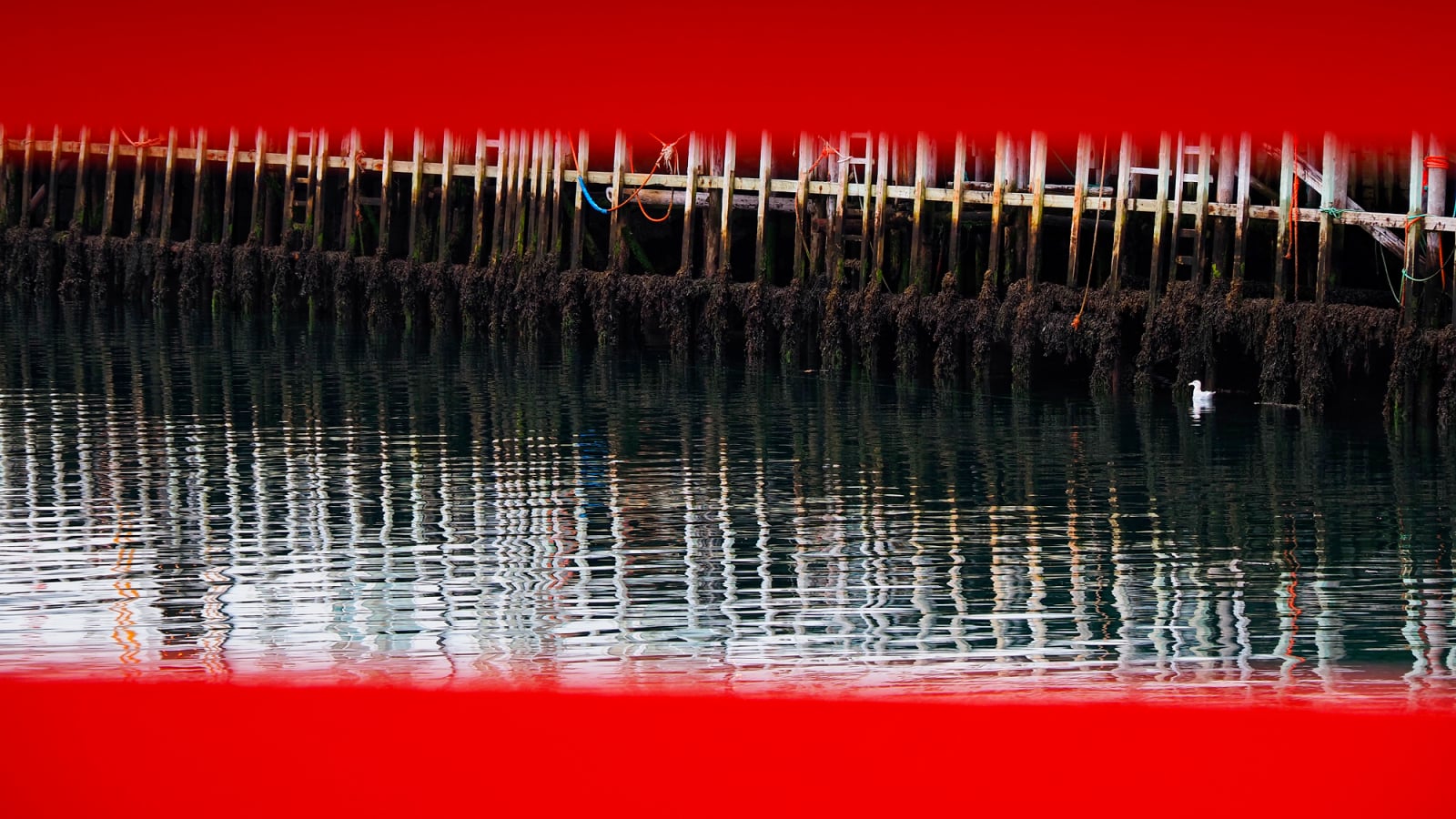
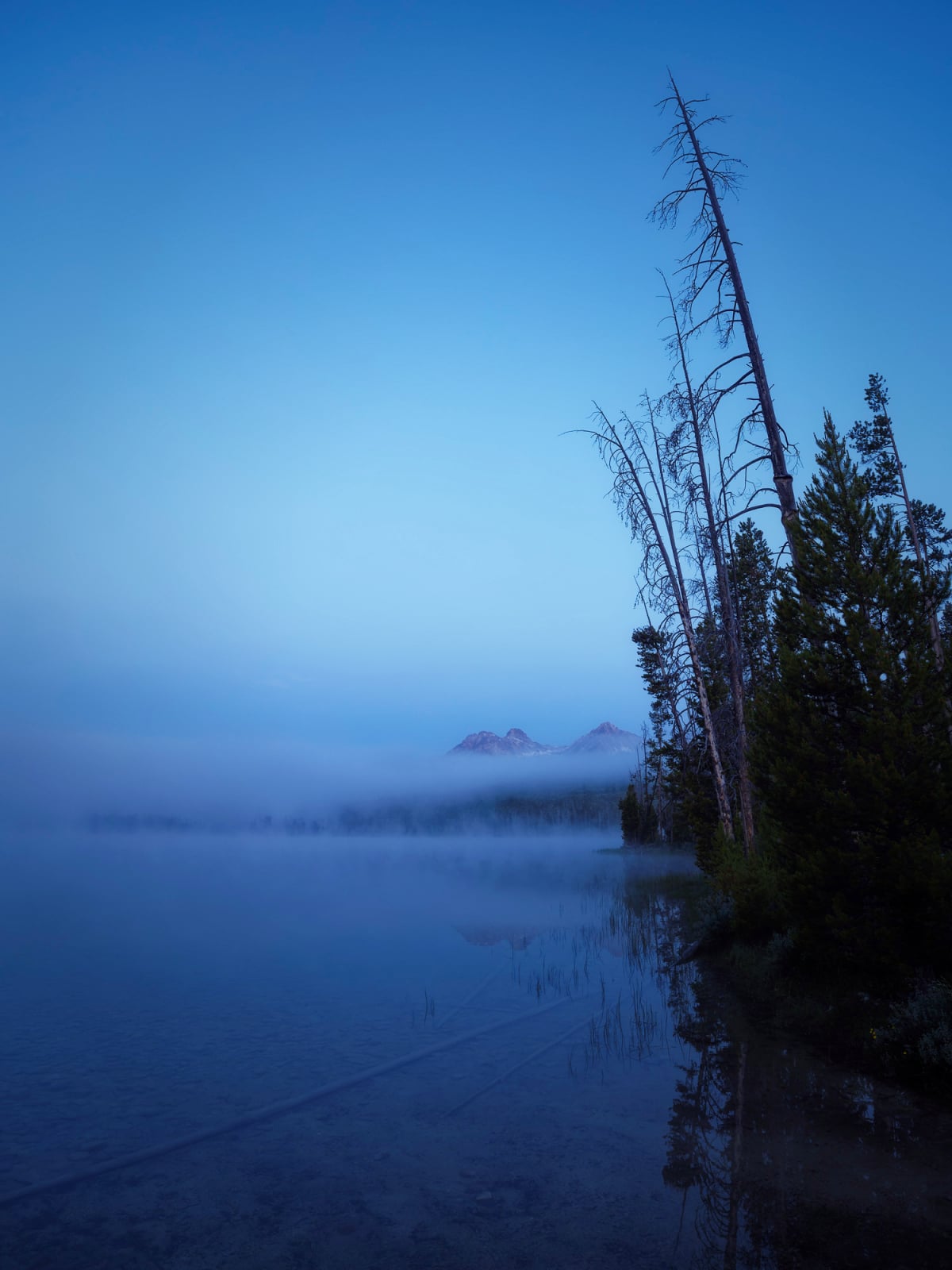
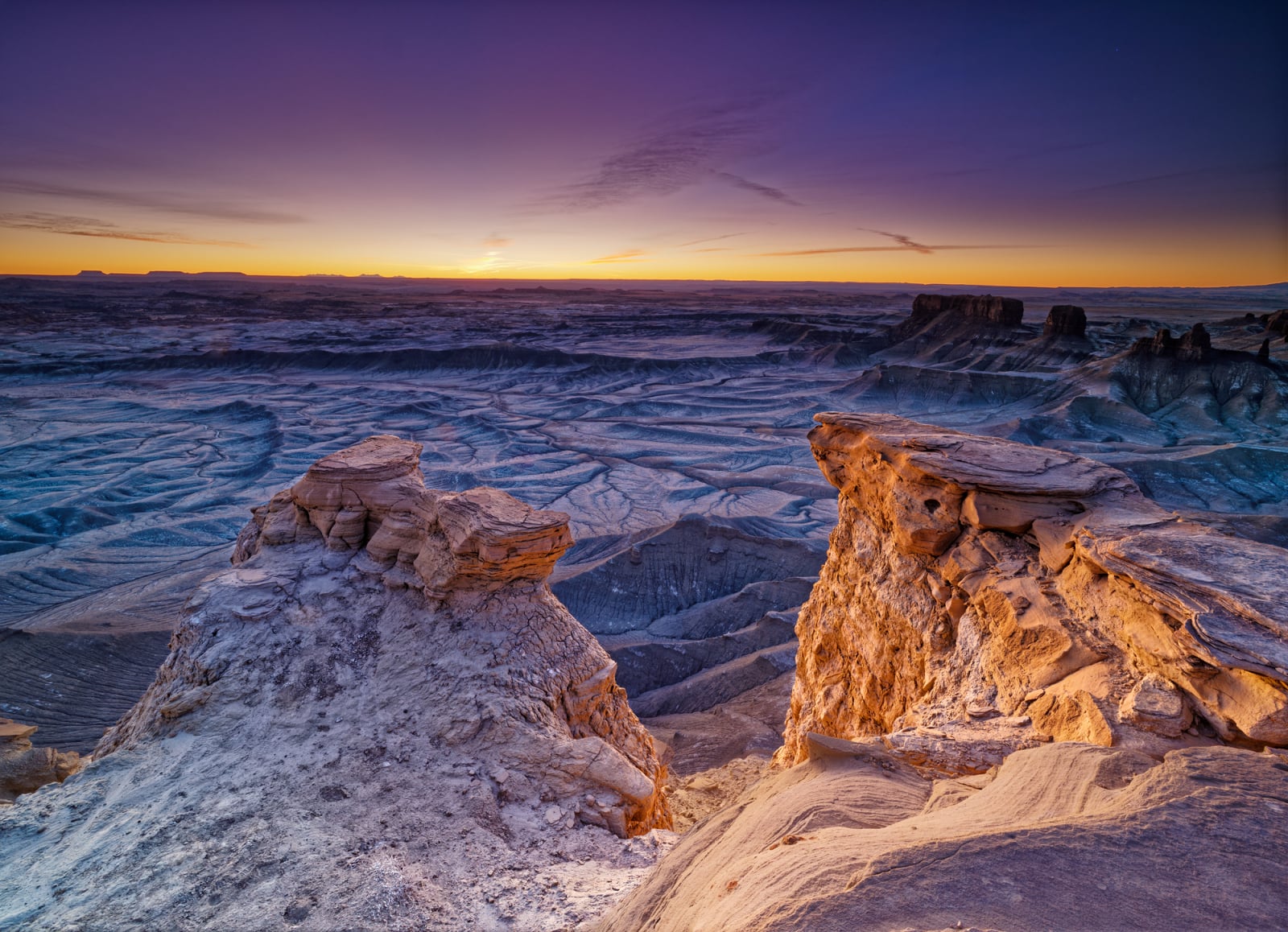
The day begins long before the sun crests the horizon. During the pre-dawn blue hour, the landscape is bathed in soft, low-contrast, monochromatic tones dominated by shades of blue. Without dramatic color or harsh directional shadows to naturally organize the frame, composition becomes paramount.
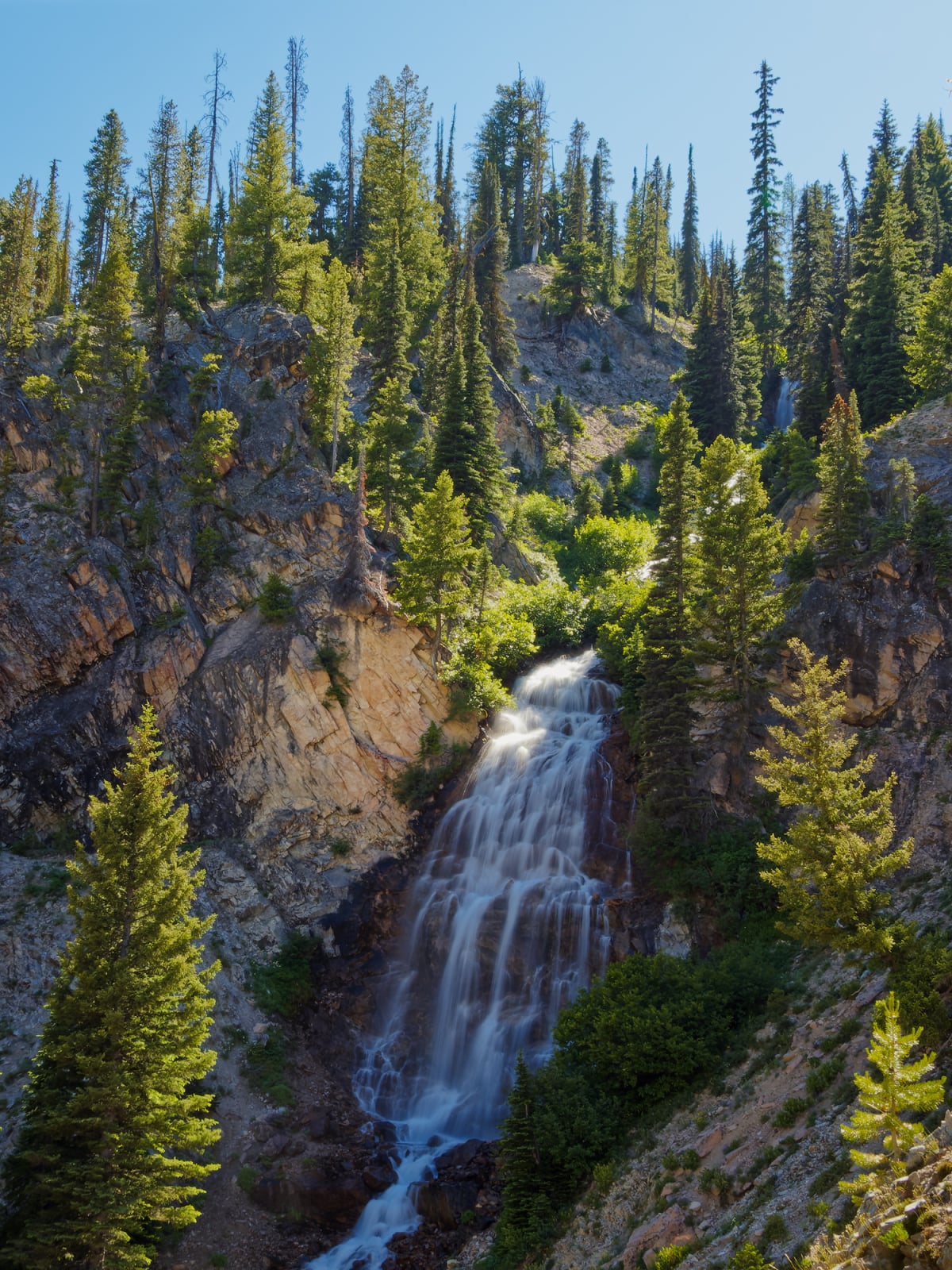
Suess advises practitioners to pause before lifting the camera to their eyes. By simply observing the environment, a photographer can identify what genuinely commands attention—whether it is the texture of the soil, the geometry of dead trees leading toward a distant ridge, or a mirror-like lake reflecting faint atmospheric light. Only after formulating a visual intent does Suess reach for his camera, tailoring his focal length and angles to match his initial response.
2. Sunrise: The Three-Shot Story
When the sun finally breaks, the lighting changes rapidly. Suess applies a technique honed during his newspaper days covering breaking news: the "three-shot story."
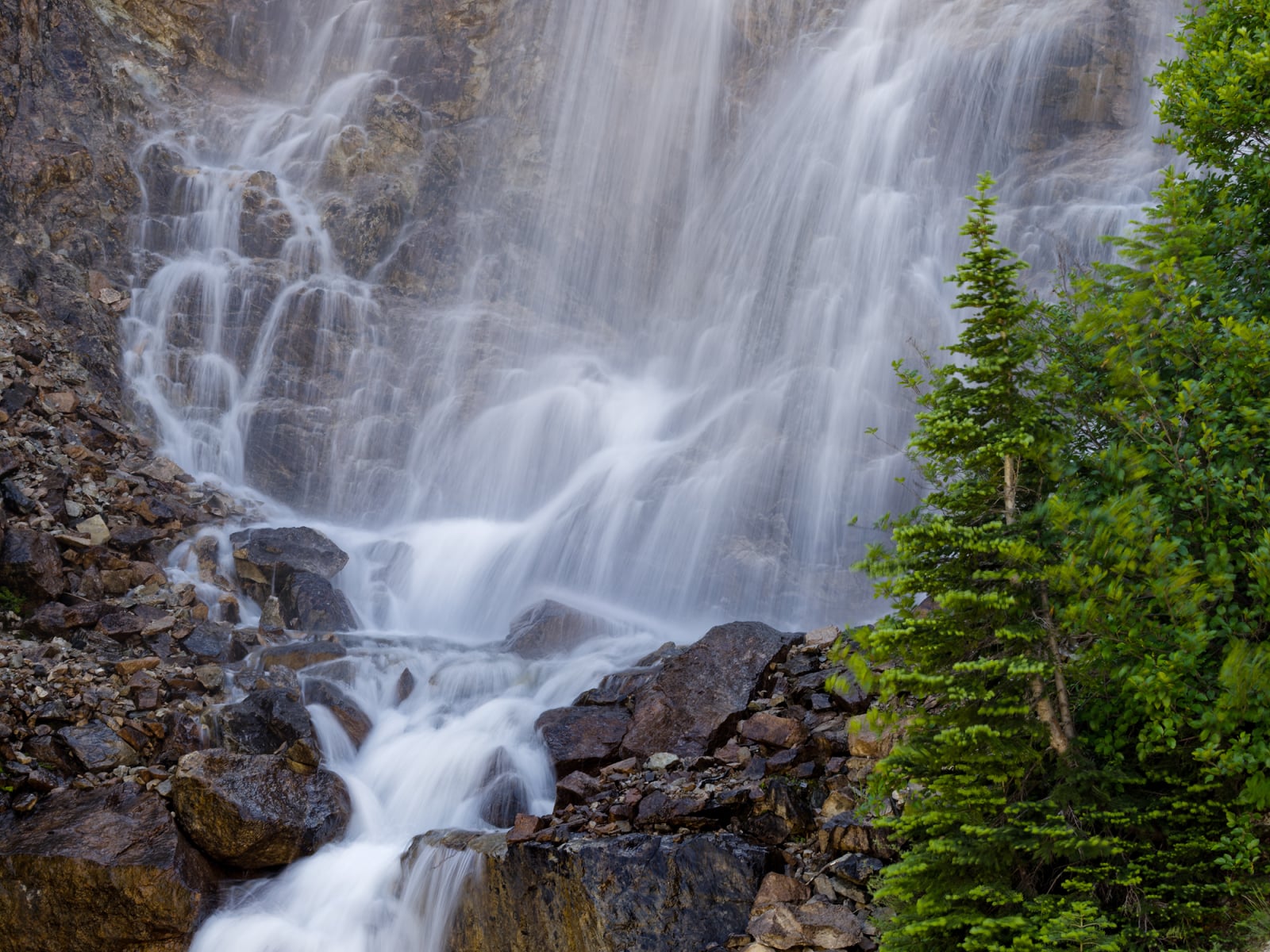
When a major event unfolds, a photojournalist starts wide to establish the scene, moves to a medium frame to capture action, and finishes with a tight telephoto crop to isolate details. Suess applies this exact sequence to sunrise landscapes. While other photographers fixate exclusively on a single pre-planned wide shot, Suess captures the wide view, then pivots to look for localized action—steam rising from a lake, wildlife stirring, or sidelight grazing a distant peak.
3. Midday: Navigating the Harsh Hours
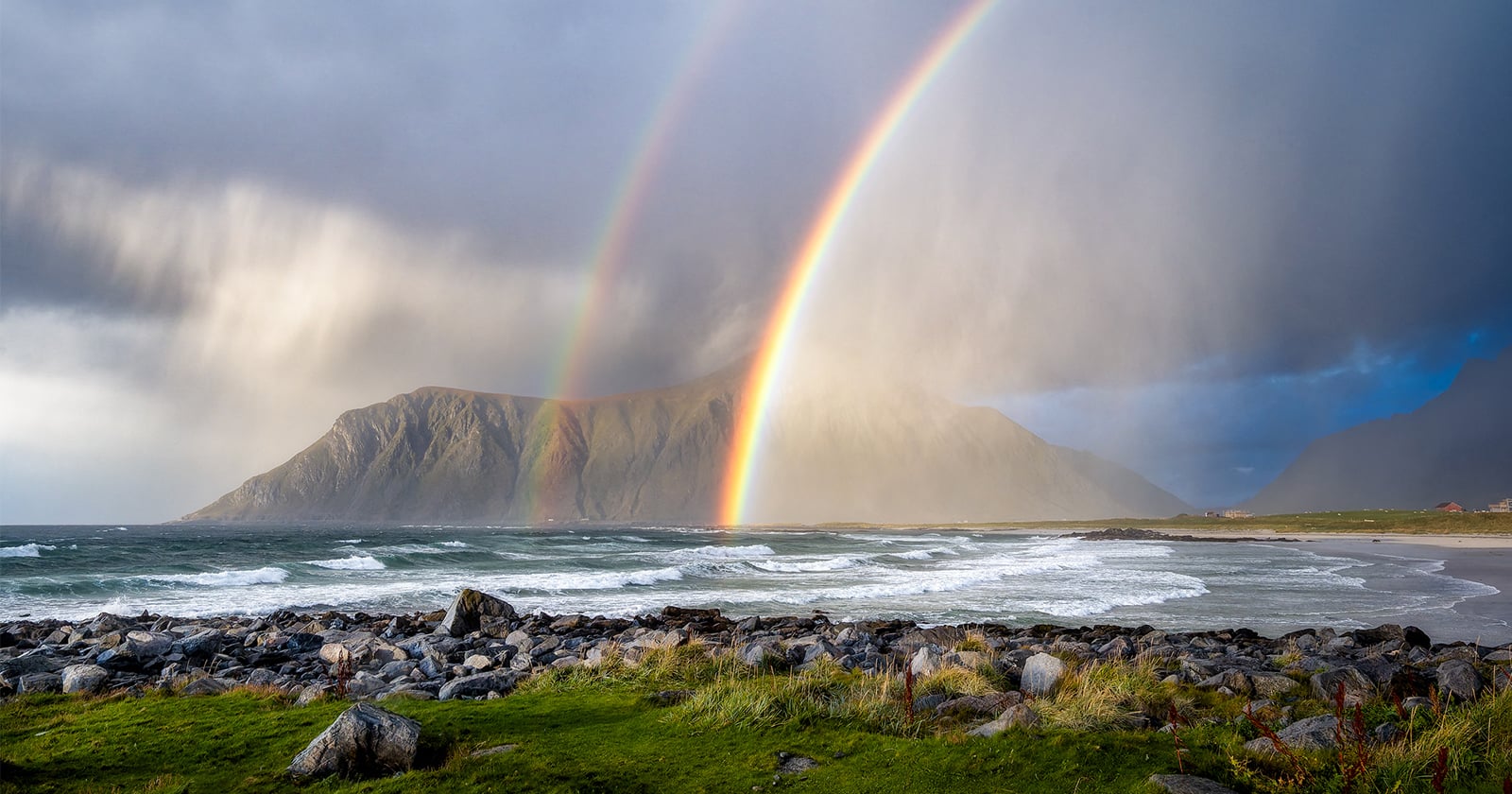
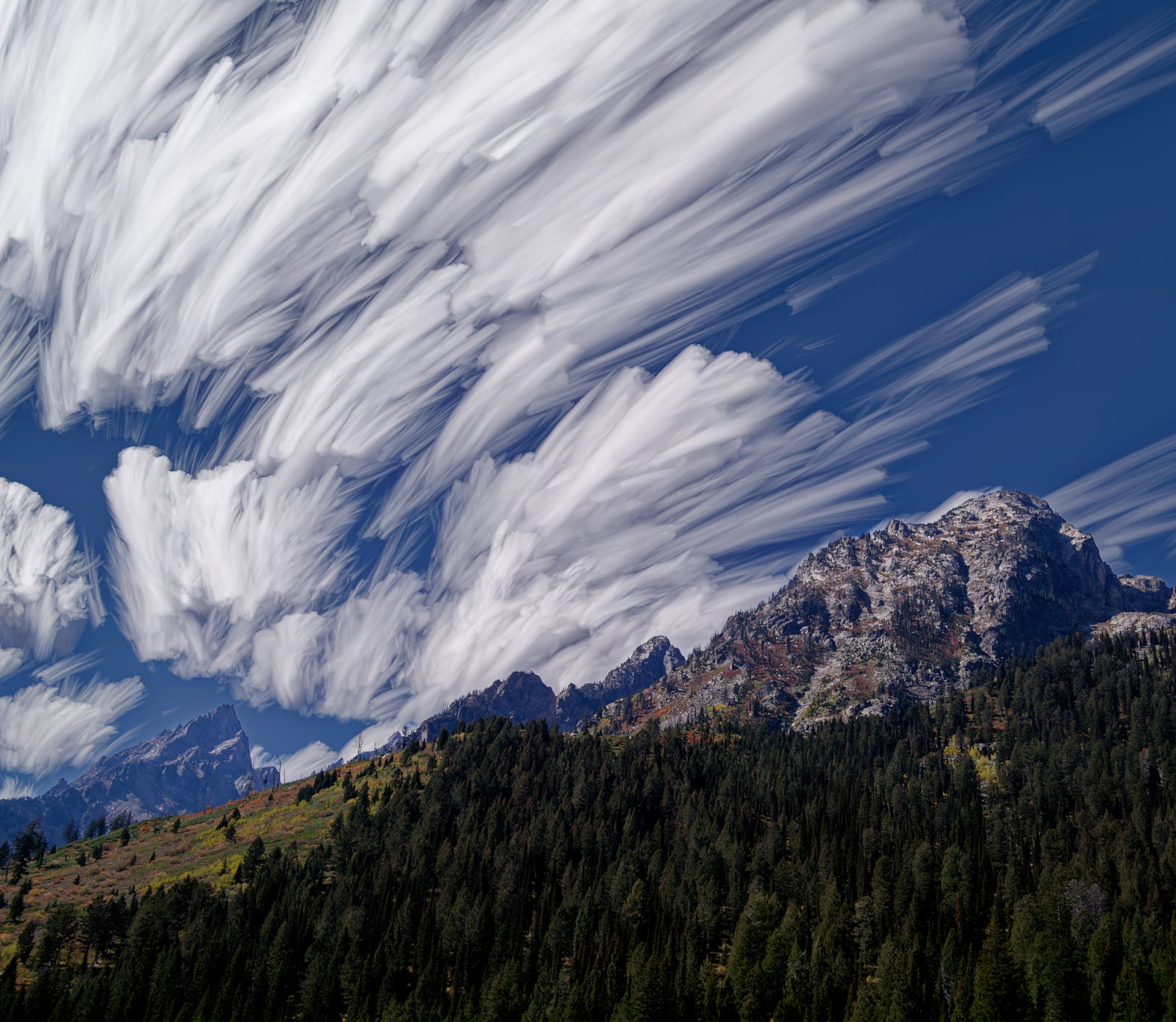
Midday is traditionally written off as a photographic dead zone due to harsh, overhead sunlight. Suess intentionally seeks out variable, stormy weather forecasts precisely to combat this monotony. Intermittent cloud cover creates a shifting dance of light and shadow across valleys, canyons, and coastlines.
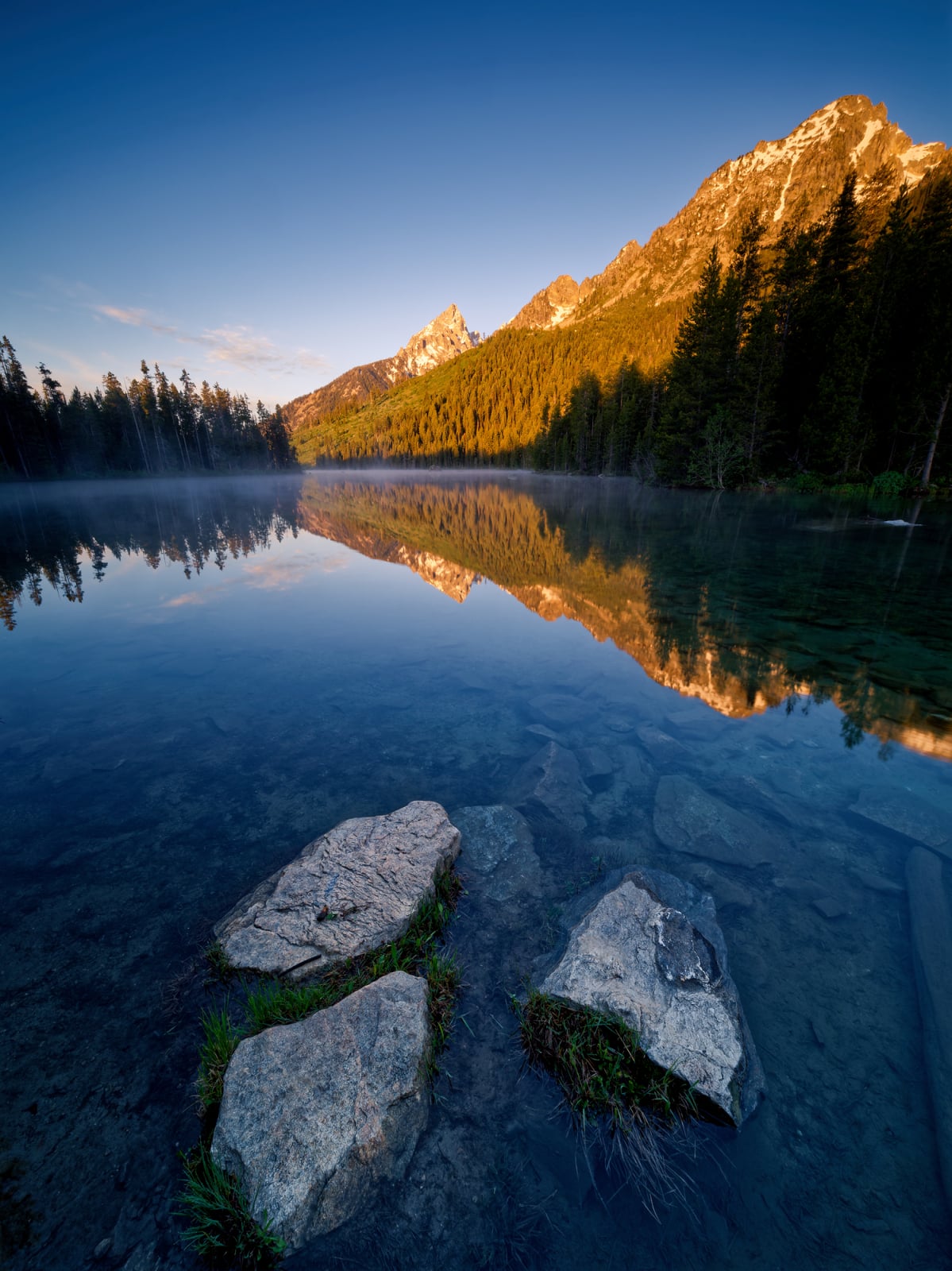
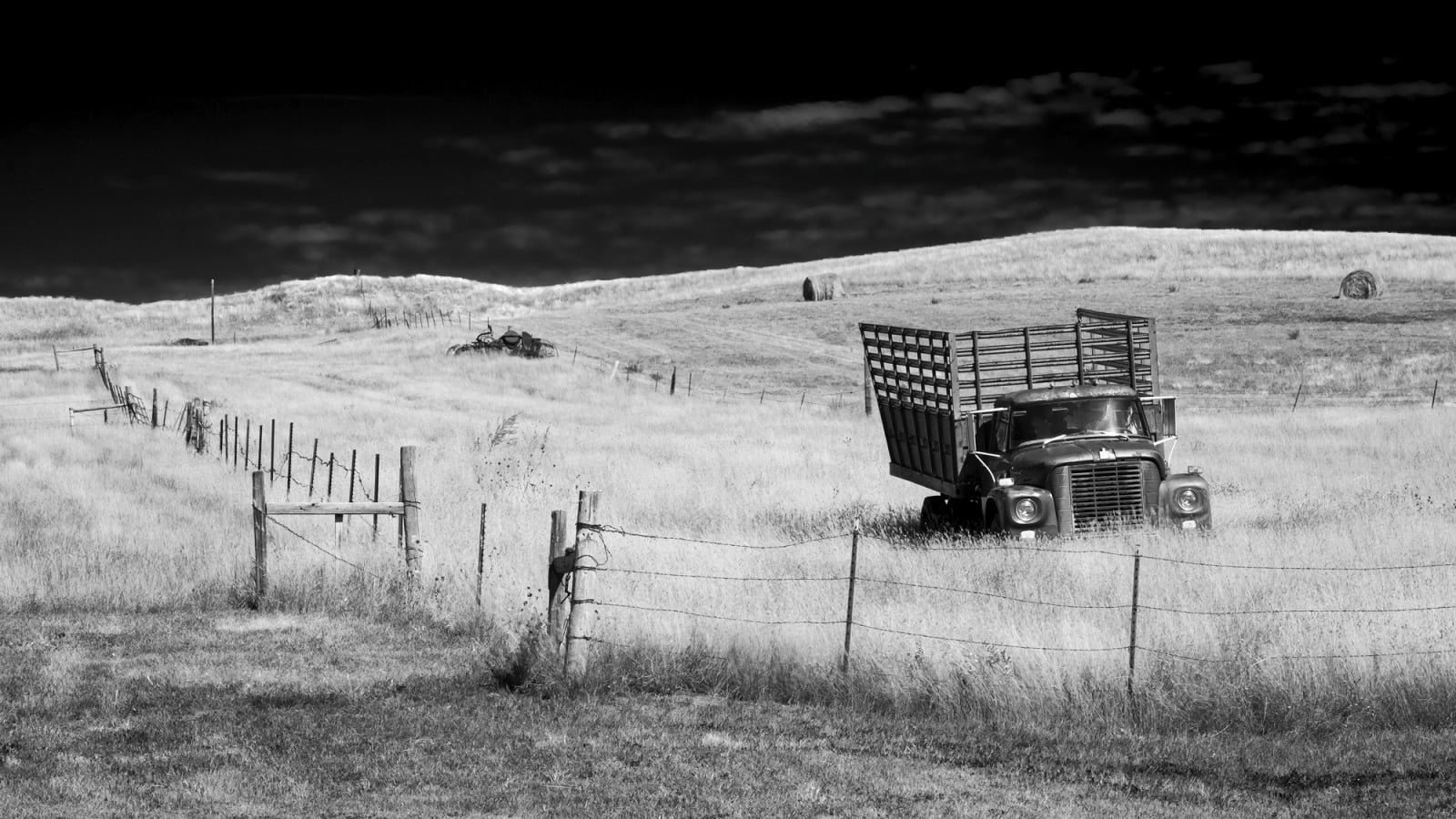
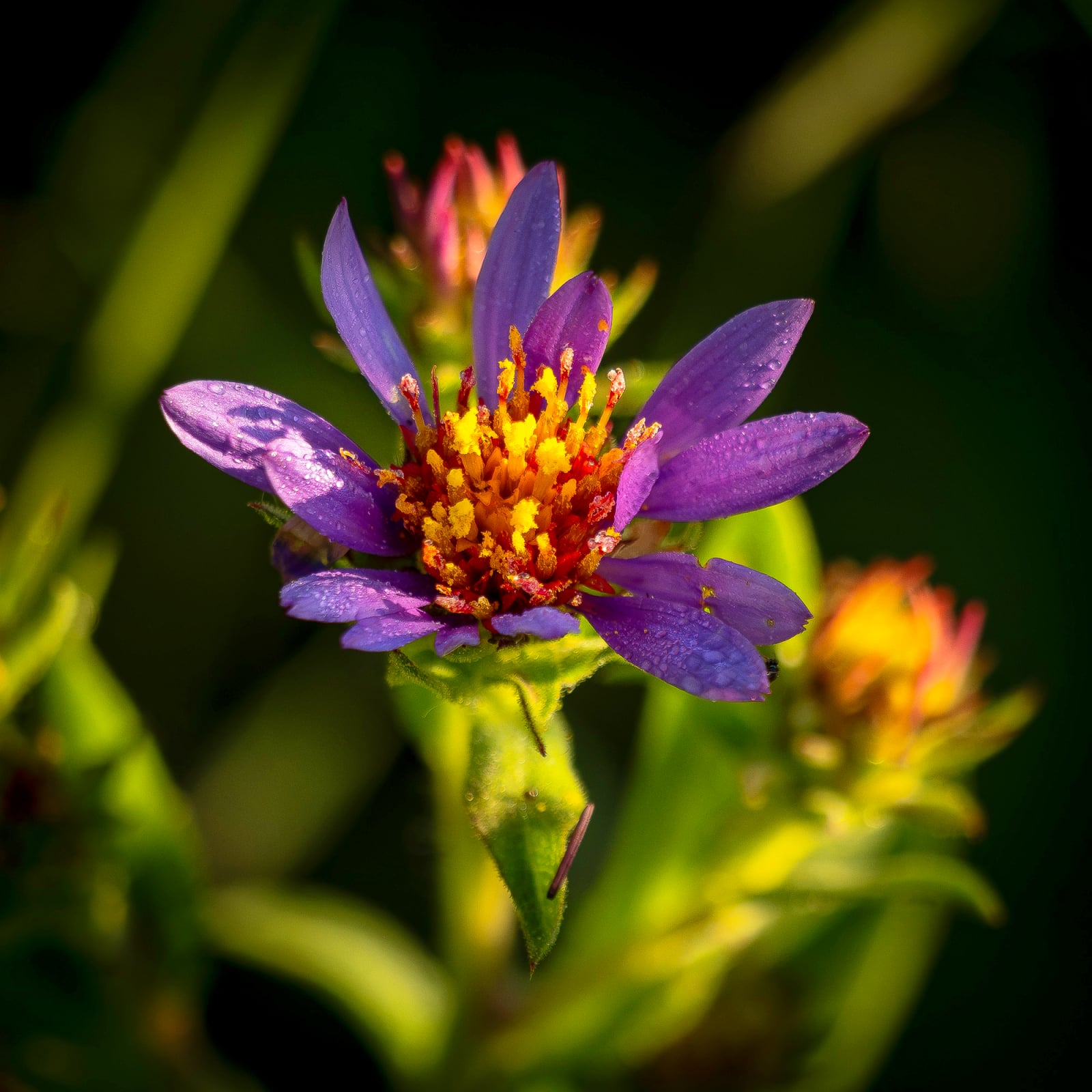
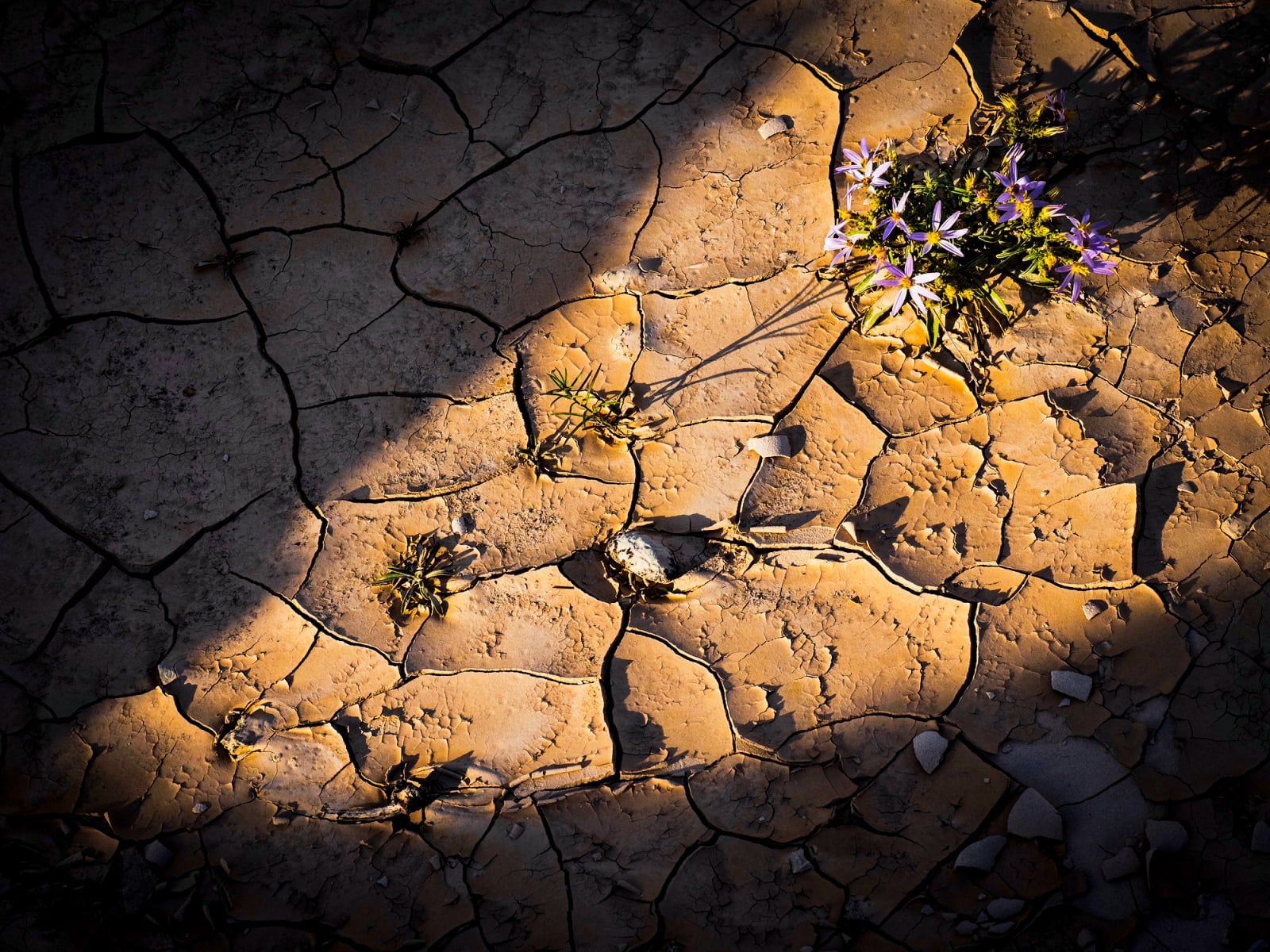
When skies are completely clear, Suess pivots his strategy. He looks for pockets of shade within forest canopies, uses telephoto lenses to capture macro details of wildflowers bathed in filtered light, or incorporates human-made elements like vintage trucks and rustic barns. Furthermore, he utilizes the OM-5 Mark II’s built-in ART filters—recording RAW and JPEG simultaneously—to experiment with high-contrast black-and-white modes, Pin Hole, and Bleach Bypass filters when natural light proves uncooperative.
4. Sunset and the Reverse Day
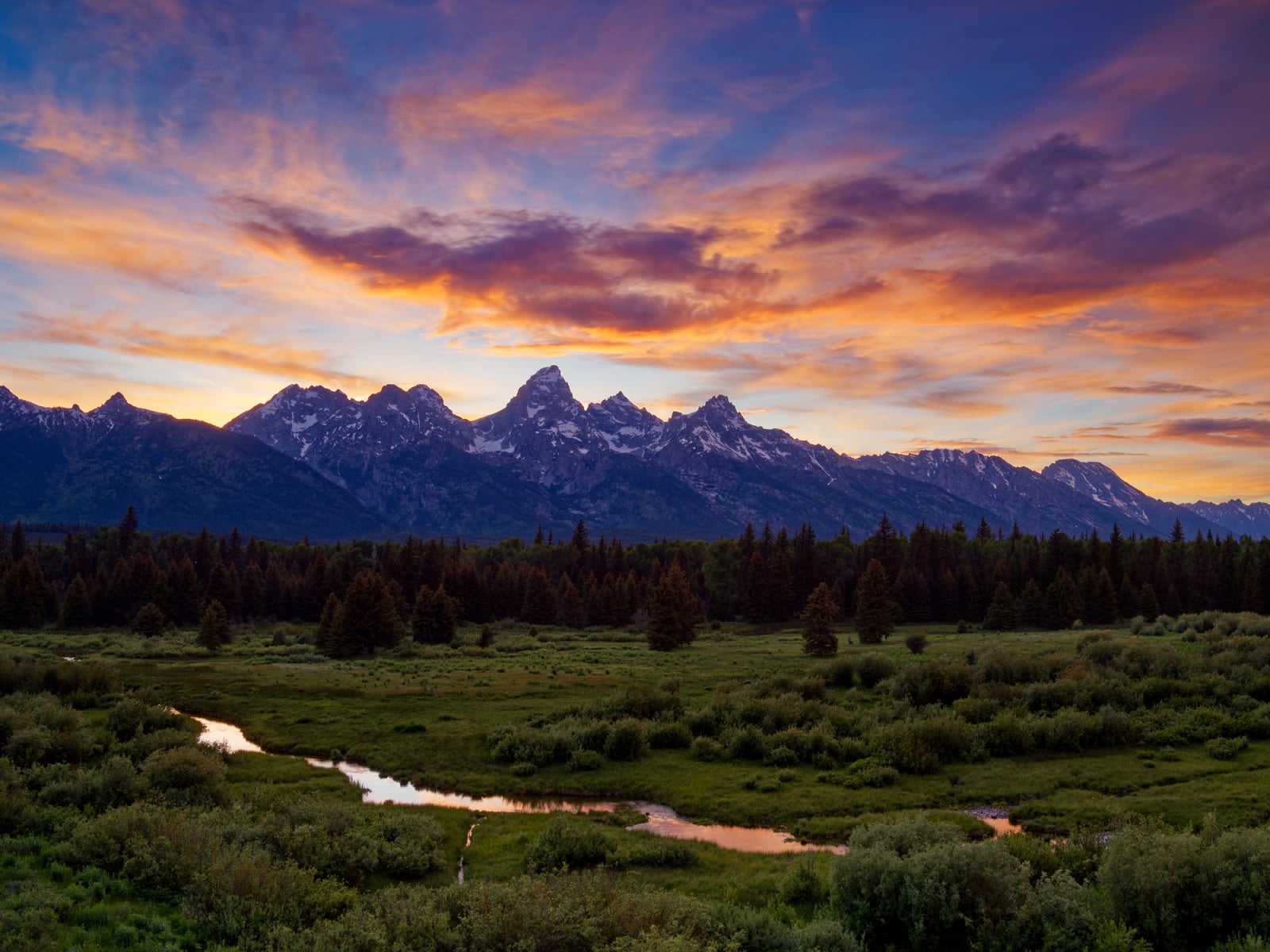
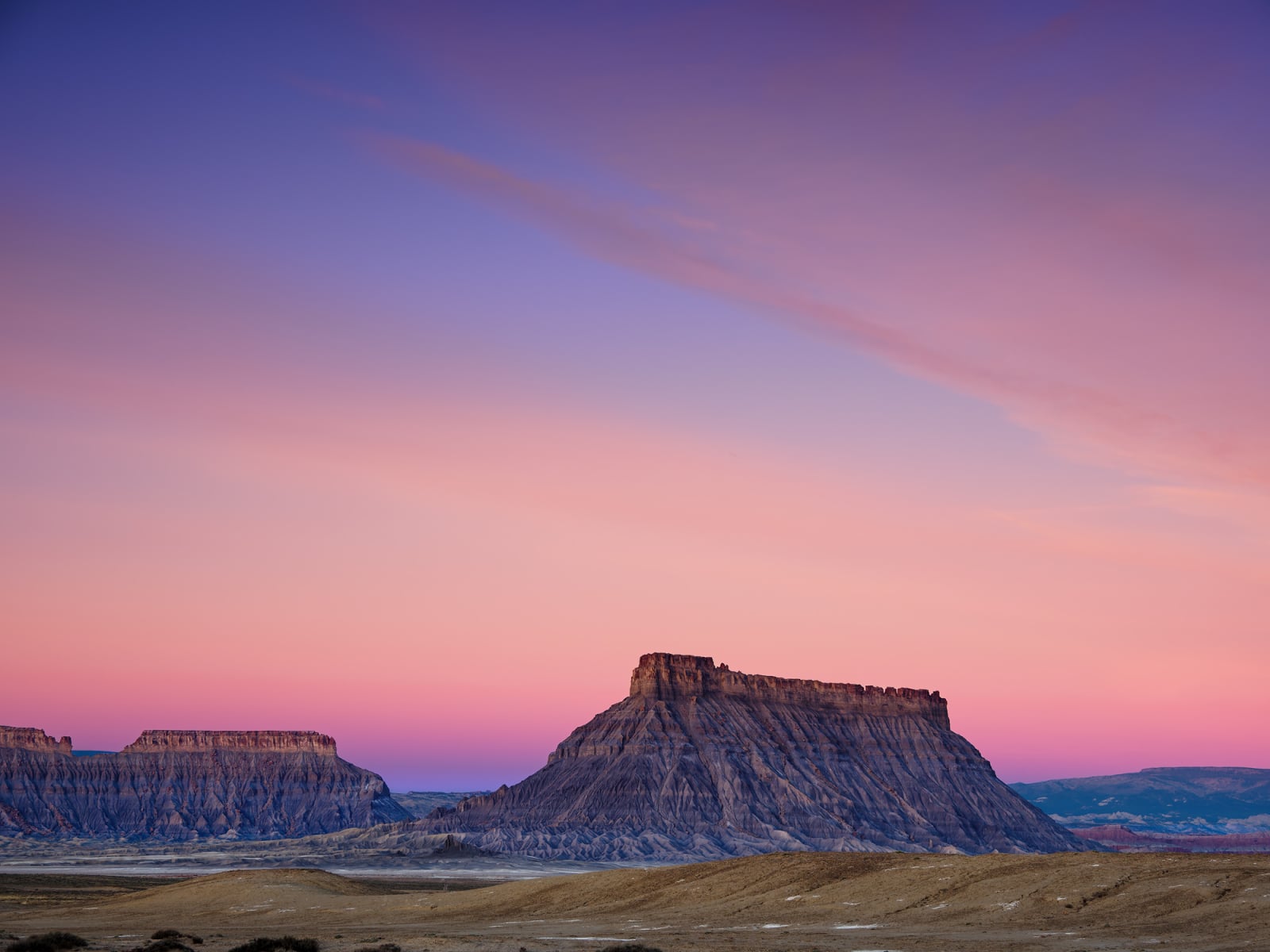
As afternoon yields to evening, light progresses in reverse. However, Suess notes a distinct atmospheric difference between morning and evening blue hours. Morning air is often damp and cool, yielding mist, fog, and earthy moods. Evening air, having been warmed throughout the day, tends to produce cleaner, crisper conditions. Crucially, Suess frequently observes richer, more intense color lingering for up to 30 minutes after the sun dips below the horizon—precisely the moment when impatient crowds pack their gear and leave.
5. Night: Astrophotography and Live Composite
Full darkness marks the final chapter. When the Milky Way is obscured by moonlight, clouds, or light pollution, Suess treats the night as a creative canvas rather than a lost cause. Moonlight casts dramatic highlights and deep shadows that can make familiar landscapes look utterly otherworldly.

For astrophotography, Suess makes a rare exception to his single-lens rule, swapping the 12-100mm for the M.Zuiko Digital ED 7-14mm F2.8 PRO to gather more light. When capturing star trails or dynamic cityscapes, he relies heavily on the OM-5 Mark II’s Live Composite mode, which intelligently exposes a static background while stacking only newly introduced light sources (such as headlights, lightning, or rotating stars) over time.
Supporting Data & Technical Specifications
Suess’s field methodology is heavily reinforced by the technological capabilities of his chosen equipment ecosystem. Mirrorless micro-four-thirds systems offer unique advantages for endurance-based outdoor photography:
- OM-5 Mark II Body: Known for its compact, lightweight form factor and class-leading weather-sealing, allowing photographers to brave rain, dust, and freezing temperatures without bulky rain covers.
- M.Zuiko Digital ED 12-100mm F4.0 IS PRO: Provides a versatile 24-200mm full-frame equivalent focal length range, incorporating macro capabilities and constant aperture performance, making it the ultimate all-in-one daylight lens.
- M.Zuiko Digital ED 7-14mm F2.8 PRO: Deployed specifically for nightscapes and astrophotography, offering a fast f/2.8 aperture to capture faint celestial details.
- In-Body Image Stabilization (IBIS): Delivering up to 6.5 stops of compensation, enabling sharp handheld exposures in low light—even stretching up to 10 seconds in optimal conditions—which frees the photographer from the constant burden of carrying a heavy tripod across rugged terrain.
- Computational Modes: Features like High Res Shot (for multi-exposure high-resolution detail) and Live Composite (for real-time star-trail accumulation) streamline complex in-camera workflows.
Official Recommendations and Safety Protocols
Before discussing aperture, shutter speed, or composition, Suess stresses that safety must be the absolute top priority for any nature photographer.
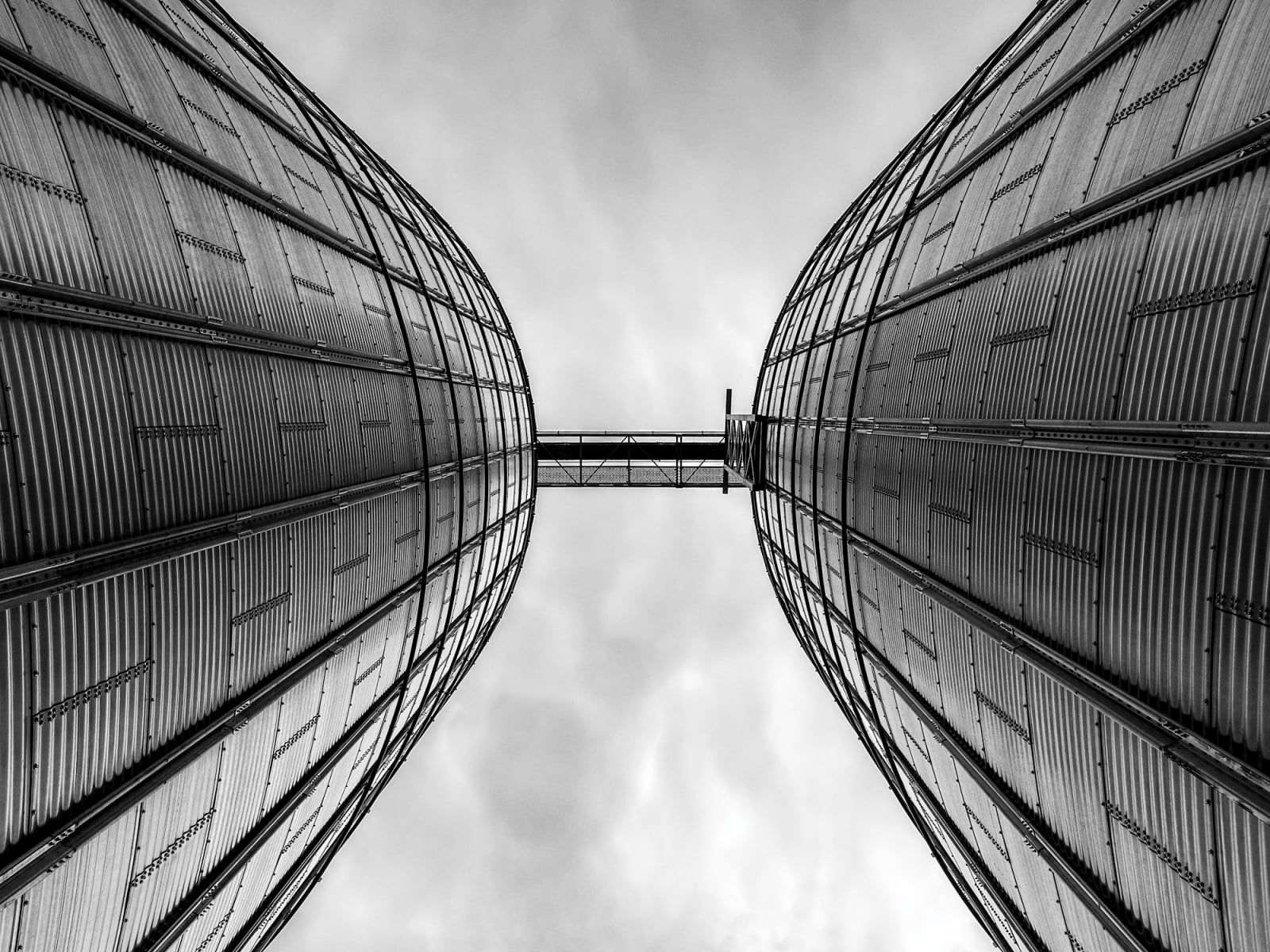
The Survival and Safety Checklist
- Communication and Itinerary: Always inform someone at home of your exact destination and expected return time. Pack a reliable satellite communicator and a portable phone battery bank.
- Wildlife and Environmental Defense: In bear country, bear spray is mandatory. Adequate supplies of insect repellent, high-protein snacks, and fresh drinking water are non-negotiable.
- Personal Weather Protection: Because Suess trusts the robust weather-sealing of his camera gear, he directs his physical energy toward staying dry himself. Waterproof jackets, sturdy boots, and multi-layered clothing are essential for handling dramatic alpine temperature swings.
- The Weight Trade-off: By keeping his camera kit lean—often restricted to a single camera body and one or two lenses—Suess ensures his backpack has ample room for essential survival gear and extra clothing layers. As he notes: “I would rather carry extra clothing and safety gear than another lens.”
Implications for the Modern Landscape Photographer
Matt Suess’s philosophy offers profound implications for the broader photography community. In an era dominated by instant gratification, algorithmic social media rewards, and a "rush to the viewpoint" mentality, Suess’s approach acts as an antidote to creative burnout.
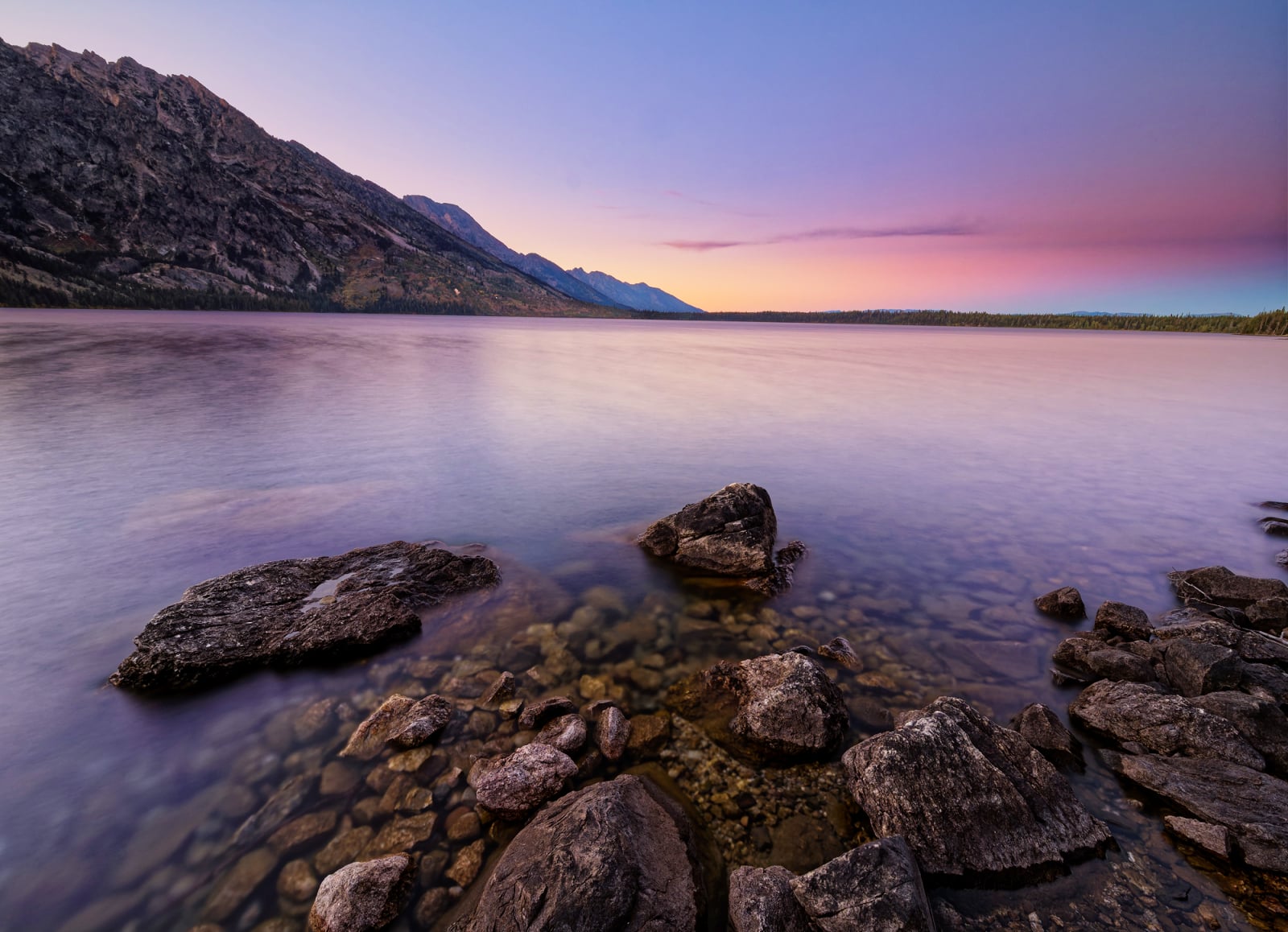
By stripping away the obsession with accumulating gear and replacing it with a commitment to unyielding presence, photographers can transform how they interact with the natural world. The practice forces practitioners to stop relying on easy, golden-hour light as a crutch. When forced to find compelling compositions in the harsh glare of noon or the deep shadows of midnight, a photographer’s problem-solving skills sharpen exponentially.
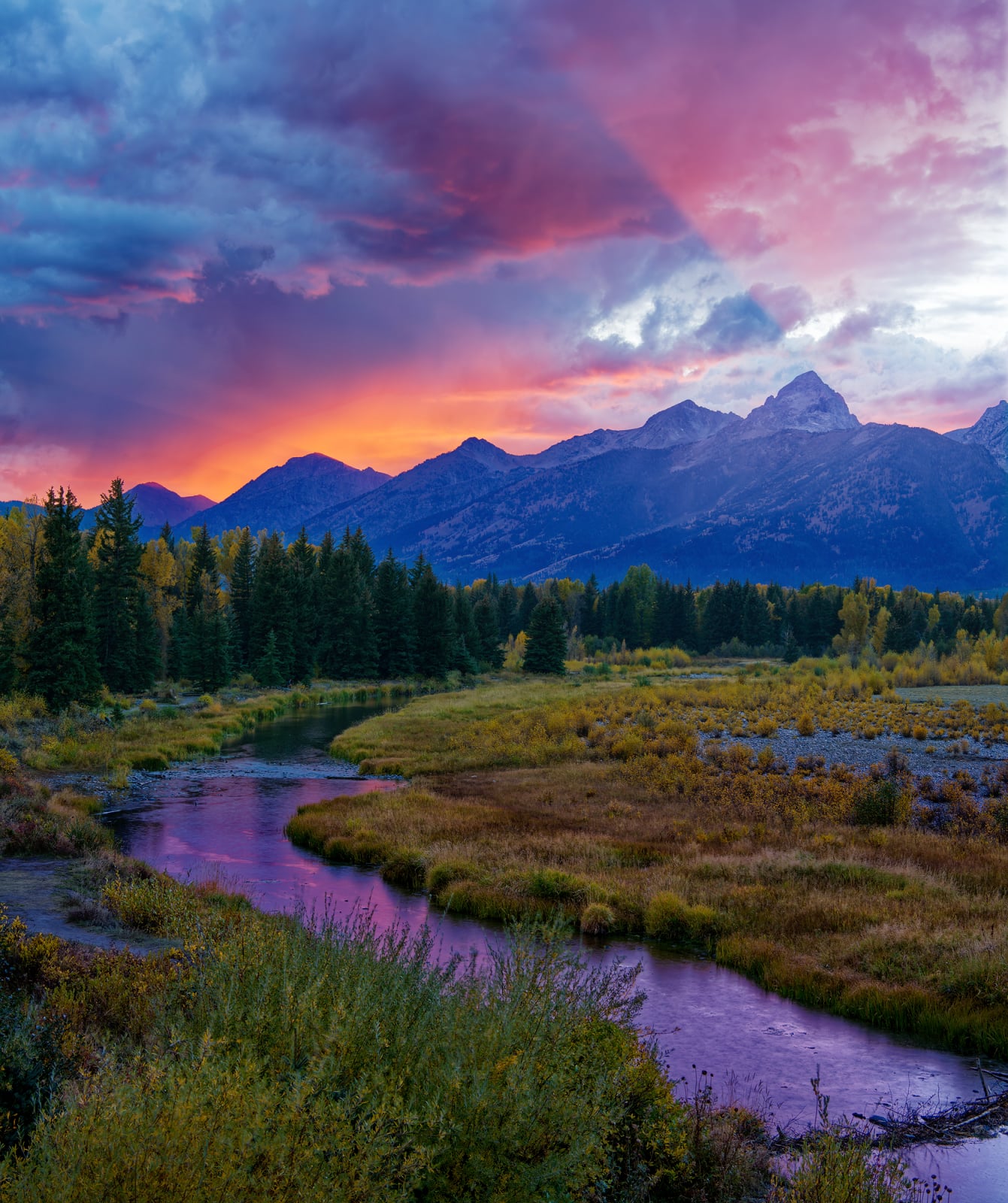
Ultimately, Suess measures the success of a long day in the field not solely by the commercial viability of the final image files, but by the experiential return. Even on days when the weather refuses to cooperate and no portfolio-worthy frame is captured, the exercise succeeds if the photographer walks away with a deeper understanding of the environment and a sharper artistic vision.
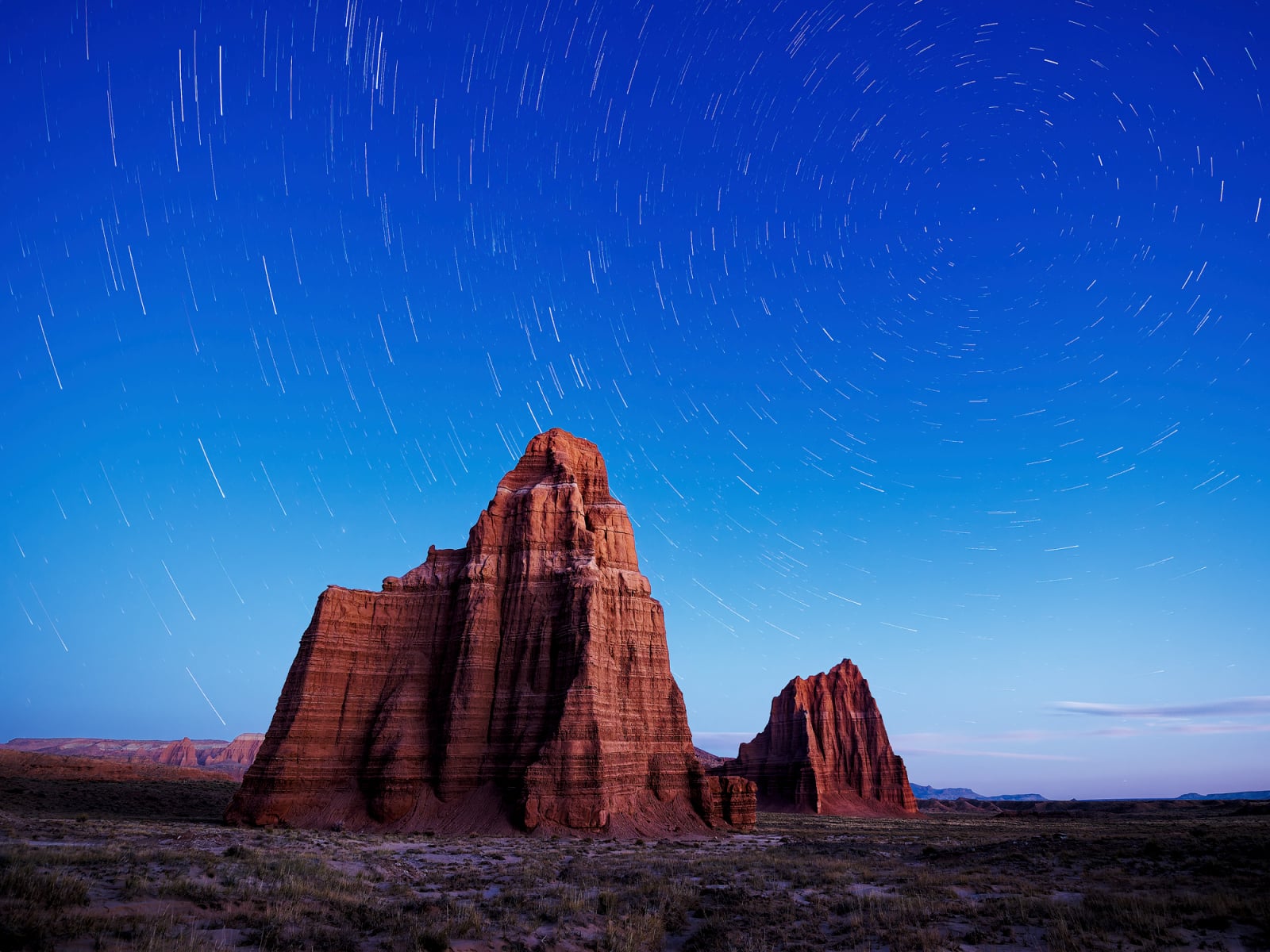
For those willing to accept the challenge, the prescription is simple: pick a day, choose a single location, stay long after everyone else has gone home, and keep looking.
 Reynand Wu
  Nana Muazin
  Nana
Nana 