


For nearly two decades, Ko Lipe held a sacred place in the archives of my memory. In 2006, the small Thai island was the epitome of the "backpacker’s dream"—a remote sanctuary where electricity was a luxury provided for only a few hours a day, basic beachfront bungalows could be secured for $2 USD, and the arrival of the "last boat" signaled a season of total isolation from the outside world. It was a place where time didn’t just slow down; it ceased to exist.
Returning after 19 years was a decision fraught with trepidation. I feared that by revisiting, I would be chasing "travel ghosts"—attempting to recapture a specific, transient magic that had long since evaporated. Yet, while planning a recent journey through Southeast Asia, the island’s proximity to my route to Malaysia made it a logistical choice for a New Year’s celebration. I expected change, but I was unprepared for the reality of what I found.
Ko Lipe has succumbed to the same unsustainable development model that transformed Ko Phi Phi into a cautionary tale of overtourism. The paradise I once knew has been paved over, and its future hangs in a precarious, polluted balance.
The Chronology of Transformation: From Seclusion to Sprawl
The metamorphosis of Ko Lipe did not happen overnight, but the pace has been relentless. In the mid-2000s, the island was defined by its limitations. Life was analog: you spent your days snorkeling, reading on the sand, or sharing beers at the island’s singular beach bar. Meals were rotated between five local restaurants. There was no "industry" of tourism—only a community of travelers and locals coexisting in a fragile, pristine environment.
By the early 2010s, the "discovery" of the island by mainstream travel platforms began to shift the landscape. The infrastructure struggle began with the need for reliable electricity, leading to the installation of heavy-duty power grids. As the accessibility of the island improved through faster ferry services, the demand for "comfort" followed.
By 2026, the transition is complete. The dirt footpaths that once connected the island’s interior have been replaced by concrete roads designed to accommodate motorized traffic and heavy construction vehicles. The skyline, once dominated by coconut palms and low-slung wooden structures, is now punctuated by multi-story resorts. The island, which lacks a natural freshwater source, now supports an array of swimming pools—a staggering display of resource mismanagement.
Supporting Data: The Ecological and Economic Toll
The ecological degradation of Ko Lipe is visible to even the most casual observer. The surrounding coral reefs, once vibrant and teeming with marine life, are suffering from the cumulative effects of mass tourism.
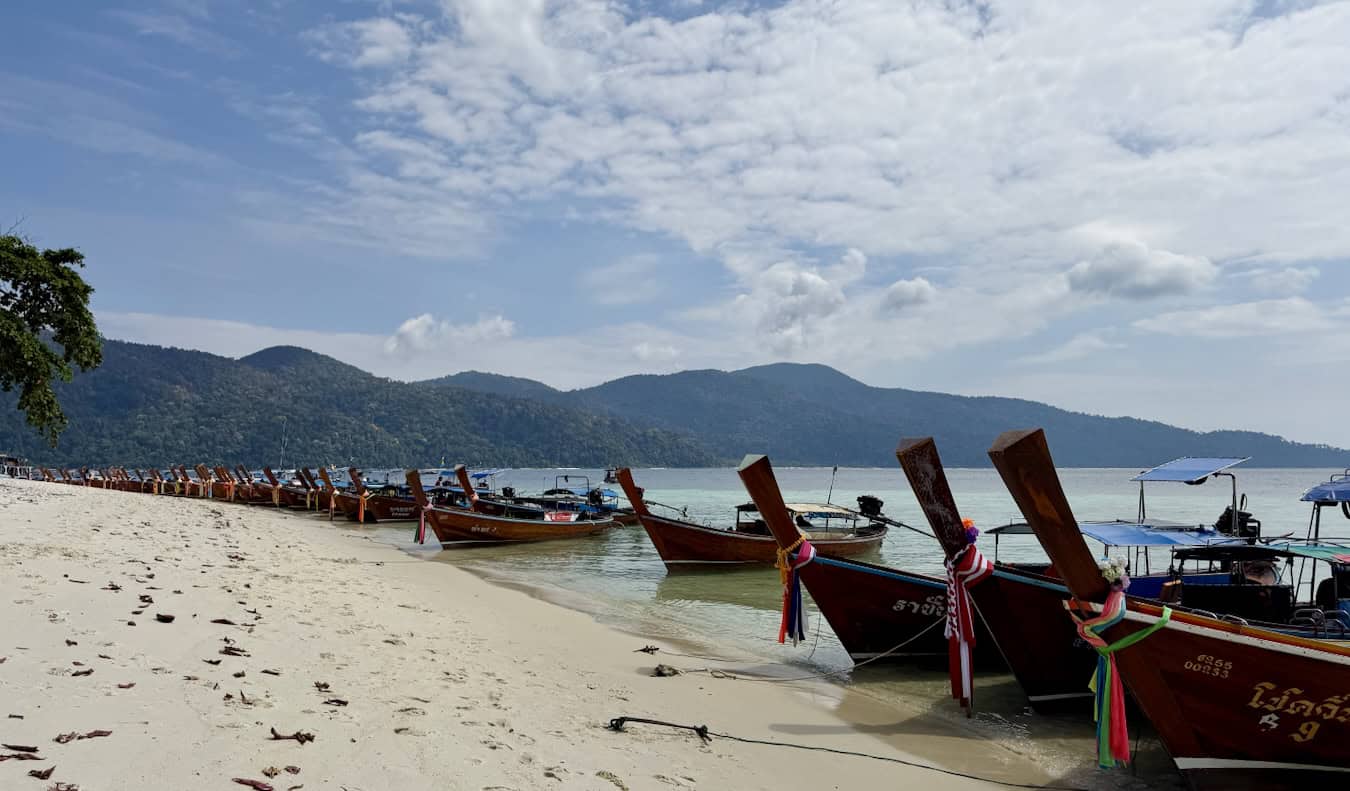
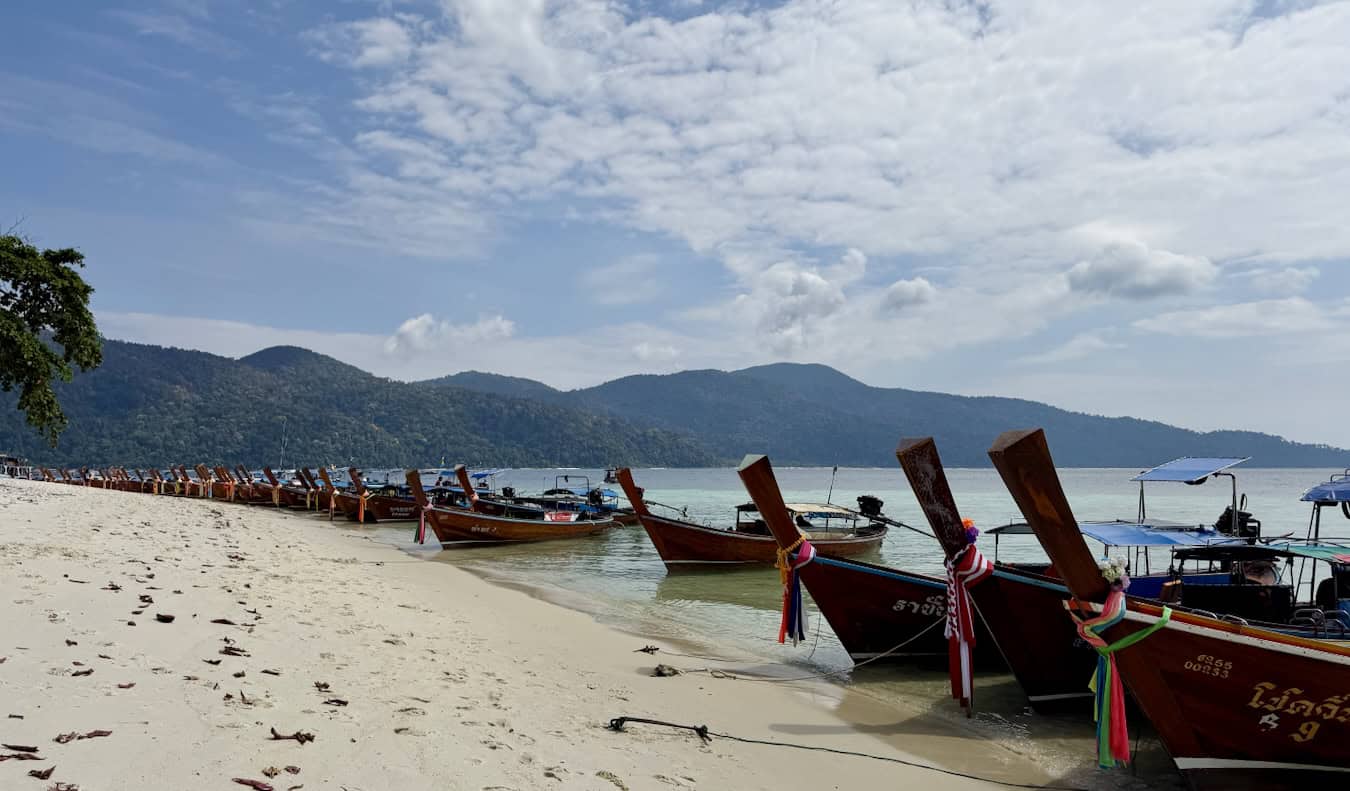
- Marine Pollution: The bay is perpetually crowded with longtail boats. The cumulative exhaust from these engines creates a persistent, iridescent oil slick on the water’s surface—a byproduct of unregulated boat traffic that clings to the skin of swimmers.
- Resource Depletion: The reliance on desalinated water and trucked-in supplies for high-end resorts creates a massive carbon footprint. The island’s waste management infrastructure has not kept pace with the surge in population, leading to issues with sewage and solid waste disposal that inevitably bleed into the surrounding marine national park.
- Economic Displacement: The "boom" has proven to be a double-edged sword for the local population. Many residents, finding it impossible to compete with the capital-heavy investments of mainland corporations, were forced to sell their land. Today, the island’s workforce is largely transient, comprised of laborers brought in from the mainland who see little of the profit generated by the tourism sector.
The Myth of "Postcard Perfection"
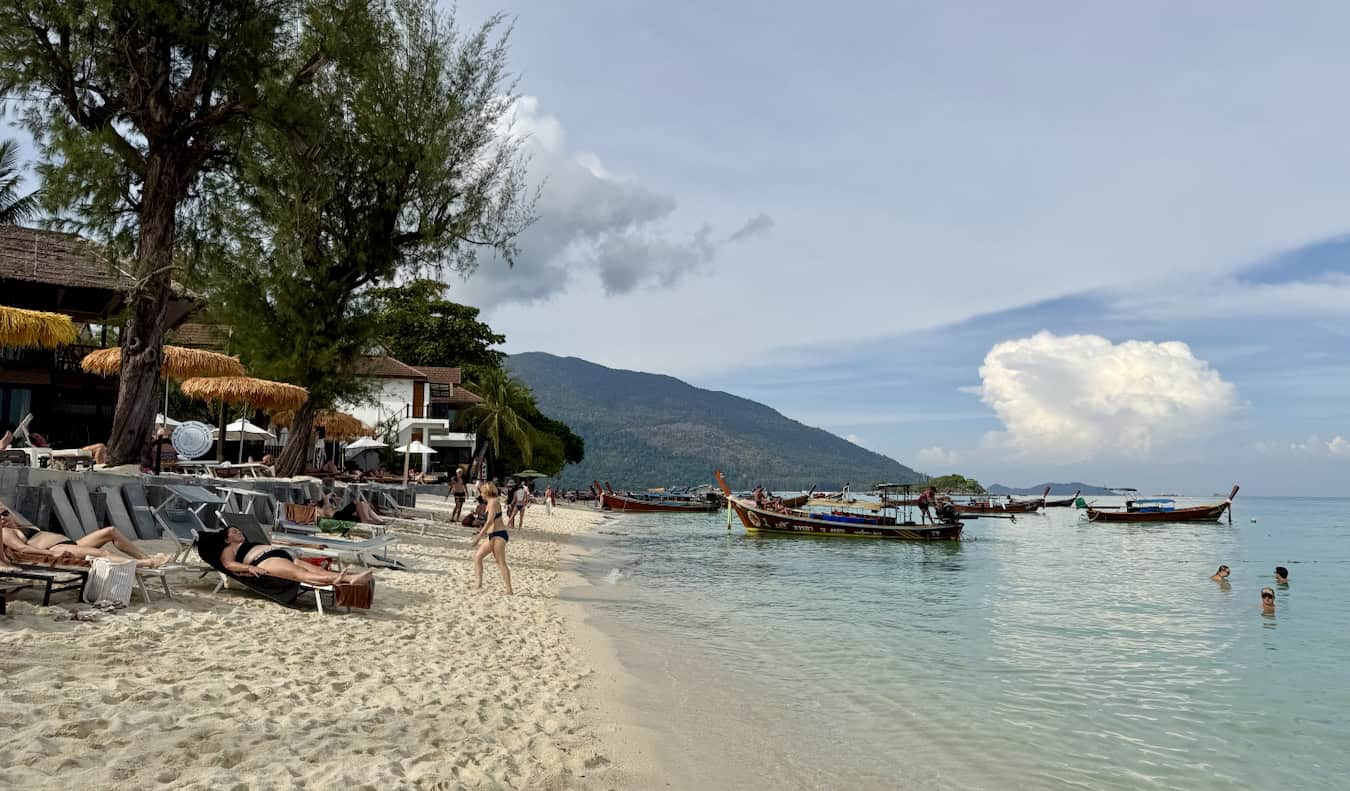
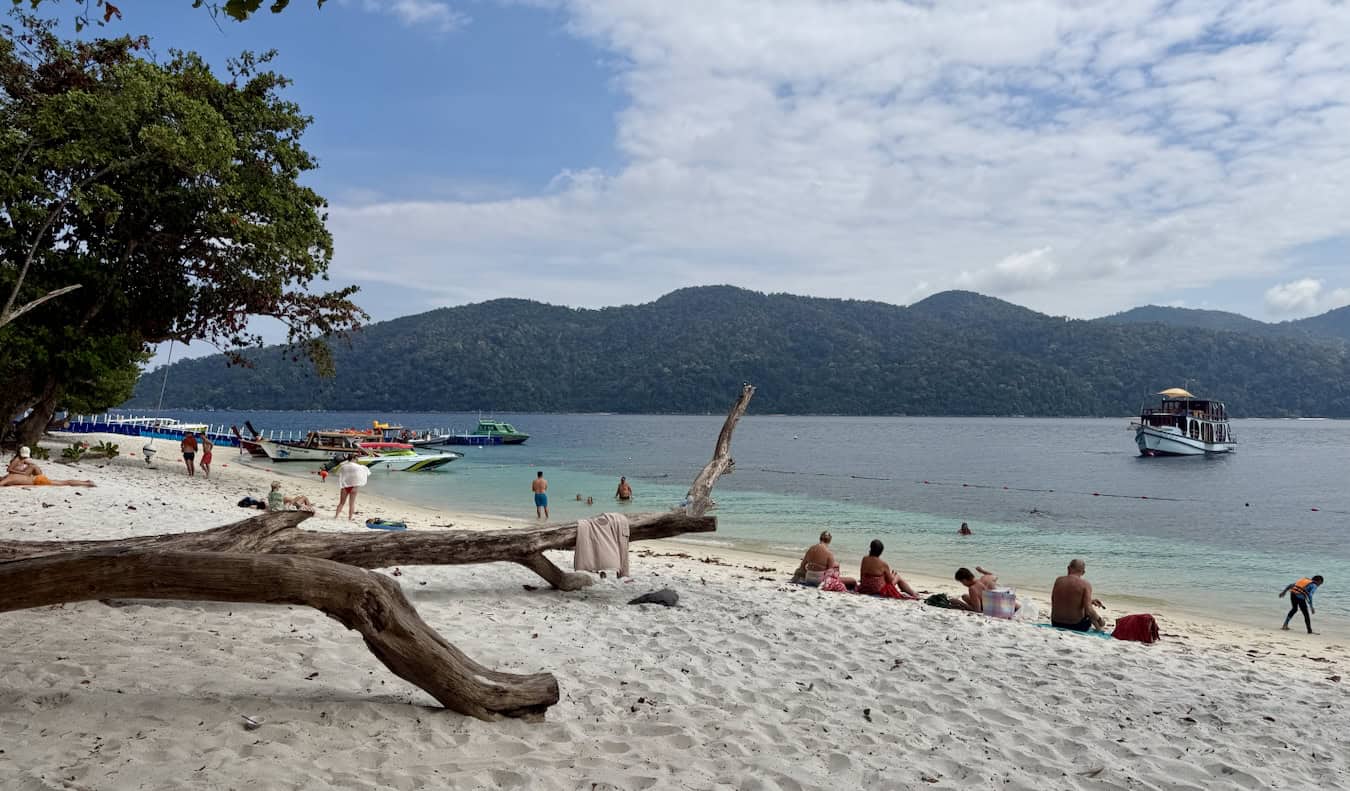
Despite the visible scars of overdevelopment, the island remains a magnet for first-time visitors. When you strip away the context of what the island used to be, the scenery remains objectively beautiful. The azure water and white sand, framed by the protected islands of the Tarutao National Marine Park, still possess an undeniable aesthetic appeal.
Many travelers arrive, take their photos, and leave with a sense of wonder. They are shielded from the reality of the island’s ecological fragility because their experience is sanitized by the luxury resorts. They do not see the local families who were displaced, nor do they see the degraded reef just beyond the swimming zone.
However, the fact that a tourist might find the island "beautiful" does not excuse the systemic failure of its management. We are witnessing a tragedy of the commons, where the short-term profits of a few developers are prioritized over the long-term viability of the ecosystem and the cultural heritage of the islanders.
Implications for the Future of Travel
The lesson of Ko Lipe is not that we should stop traveling, but that we must change how we travel. The "Ko Phi Phi model"—characterized by rapid, uncontrolled, and high-density tourism—is a path toward total environmental collapse.
If travelers continue to flock to already saturated destinations, they create a market incentive for more of the same. Every hotel booking in an ecologically stressed area is a vote in favor of further development. The power of the consumer is the only mechanism that has consistently forced change in the travel industry. We have seen this before: the global shift away from elephant riding and the rise of genuine eco-lodges were both driven by a conscious, informed consumer base.
What Should Travelers Do?
- Vote with Your Feet: If a destination is known for its overdevelopment, the most ethical choice is to skip it. There are numerous neighboring islands in Thailand—such as Ko Lanta, Ko Jum, and Ko Mook—that remain better managed and arguably more authentic. By diverting tourism dollars to these areas, travelers can help sustain communities that have not yet reached the point of no return.
- Practice Conscious Stewardship: If you do choose to visit a destination, prioritize businesses that demonstrate a commitment to sustainability. Look for resorts that use solar power, treat their own waste, and employ local staff with fair wages.
- Demand Transparency: Support travel operators and organizations that are vocal about their environmental impact. If we, as travelers, demand better standards, the industry will be forced to adapt to remain profitable.
Conclusion: Knowing When to Say "Enough"
It is painful to admit that a place which shaped my own life is now a place I would actively discourage others from visiting. But if we are to be responsible stewards of the planet, we must acknowledge when a location has reached its carrying capacity.
Ko Lipe has reached that point. The genie cannot be put back in the bottle; the concrete cannot be unpoured, and the displaced families cannot simply return to their ancestral homes. However, we can prevent the next Ko Lipe from happening.
Your choices have a profound impact. By choosing to bypass the "must-see" hotspots that are crumbling under the weight of their own popularity, you are choosing to protect the integrity of the travel experience. We have a collective responsibility to preserve the world’s remaining treasures, and sometimes, the most respectful thing you can do for a place you once loved is to walk away.

The era of blind exploration is over. The era of conscious, deliberate, and ethical travel must take its place. Ko Lipe serves as a final warning: if we do not change our habits, there will soon be no "paradise" left to find.
 Laily UPN
  Neng Nana