

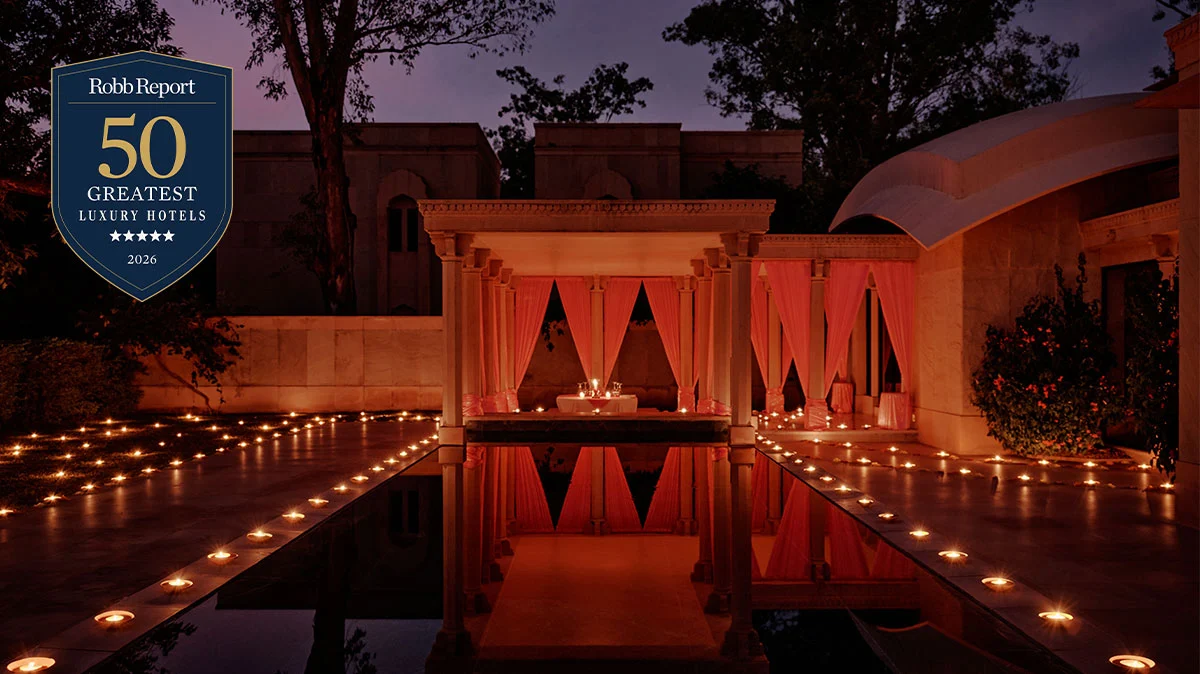
The definition of luxury is undergoing a profound transformation. What once centered on the gilded corridors of European capitals has expanded into the remote reaches of the Antarctic interior and the rugged landscapes of the Indian subcontinent. In its latest definitive guide, Robb Report—the leading voice in global luxury—has released its highly anticipated list of the 50 Best Luxury Hotels in the World for 2025 and 2026. This year’s selection reflects a world in flux, where geopolitical shifts, a yearning for remote "frontier" experiences, and a return to heritage excellence define the itinerary of the world’s most discerning travelers.

Main Facts: A New Map of Excellence
The Robb Report 50 Best Luxury Hotels list is not merely a ranking; it is a curated "cheat sheet" for the global elite. For the 2025-2026 cycle, the list highlights a significant shift in the geography of high-end travel. While traditional bastions of luxury like Italy continue to dominate the rankings, new players and returning frontiers are reshaping the industry’s landscape.

Key Highlights of the 2025-2026 List:
- Italy’s Continued Reign: Italy remains the country with the highest density of top-tier properties, blending centuries-old heritage with modern boutique sensibilities.
- The Rise of India: India has seen a dramatic surge in its representation, with its palatial hospitality and heritage-focused resorts earning high praise from international specialists.
- The Return of the "White Continent": After a brief hiatus from the rankings, Antarctica has returned to the list, signaling a renewed interest in ultra-luxury expeditions to the world’s most remote environments.
- Geopolitical Omissions: Notably, no Middle Eastern hotels secured a spot on this year’s list. The ongoing regional conflicts have significantly deterred high-net-worth travelers, impacting the scores of even the most opulent properties in the region.
- The "Lodge" Phenomenon: The 2025-2026 list sees a notable pivot toward luxury lodges situated in deserts, forests, and mountains, moving away from the traditional urban "grande dame" model.
Chronology: The Evolution of the Robb Report Standard
The journey to the 2025-2026 list began in 2023, when Robb Report first launched its initiative to identify the absolute pinnacle of hospitality. The goal was to move beyond standard star ratings and provide a vetted resource for travelers who demand "nothing but the very best."

2023: The Foundation
The inaugural list established the methodology. Rather than relying on public voting or editorial whim, Robb Report sought the expertise of "Travel Masters"—the consultants and specialists who manage the travel lives of billionaires, celebrities, and heads of state.

2024: Refining the Definition
As the travel industry stabilized post-pandemic, the list began to prioritize properties that offered "hyper-personalization." The focus shifted toward general managers who could anticipate a guest’s needs before they were even articulated.

2025-2026: The New Frontier
The current list reflects a post-urban trend. While the "grande dames" of London and Paris remain relevant, the emphasis for the upcoming two years is on properties that provide an "escape." This includes villa collections overlooking crystalline waters and secluded ranches that offer both privacy and adventure. The inclusion of 2026 projections indicates a forward-looking approach, identifying properties that are setting the trends for the years to come.

Supporting Data: Methodology and Metrics of Luxury
The credibility of the Robb Report list rests on its rigorous vetting process. The publication does not use a "pay-to-play" model; instead, it utilizes a sophisticated peer-review system among industry experts.

The Travel Masters
The primary data source for the list is a panel of 24 "Travel Masters." These are five-star specialists who operate in the highest echelons of the travel industry. Their clientele consists of the "discerning few" whose expectations far exceed the standard luxury experience.

Each Travel Master was required to:

- Vouch for five newer properties: This ensures the list remains fresh and identifies the "boutique newcomers" that are disrupting the industry.
- Endorse past favorites: This maintains a baseline of excellence, ensuring that legendary properties are still performing at the required level.
- Qualitative Justification: Specialists must explain the "why" behind each choice, focusing on specific details such as the thoughtfulness of turndown amenities, the architectural integrity of restored heritage buildings, or the specific view from a standard room.
Regional Density and Trends
Data from this year’s list indicates a clear concentration of luxury in specific corridors:

- Europe: Continues to hold nearly 40% of the list, driven by the restoration of historic villas and palaces.
- Asia: India’s strong showing is attributed to a "new golden age" of Indian hospitality, where service levels are often cited as the highest in the world.
- The Exclusion Factor: The absence of Middle Eastern properties serves as a data point on the sensitivity of luxury travel to regional stability. Despite the existence of world-class infrastructure in cities like Dubai and Doha, the "Travel Masters" reported a significant drop in recommendations due to safety and ethical concerns from their clientele.
Official Responses: Defining the "Exceptional"
While Robb Report acts as the arbiter, the "official" voice of the list comes from the collective wisdom of its Travel Masters and editors. They emphasize that the word "hotel" has become a relative term in the modern era.

"A hotel is no longer just a building with rooms," says the editorial team at Robb Report. "It is an ecosystem of excellence." According to the publication, the shared trait among all 50 winners is a "commitment to excellence in luxury hospitality" that transcends the physical structure.

The Human Element
The specialists highlighted that a standout General Manager (GM) can often be the deciding factor for a property’s inclusion. In the luxury tier, the GM is viewed as a "conductor of an orchestra," where every detail—from the scent in the lobby to the speed of the laundry service—must be perfectly synchronized.

The Design Philosophy
The official consensus among the experts is that "rightness" in design is paramount. For the 2025 winners, this meant a move away from "manufactured luxury" toward authenticity. Whether it is a safari camp in the Serengeti or a ranch in the American West, the properties that succeeded were those that felt "of their place" while providing an uncompromising level of comfort.

Implications: The Future of High-End Travel
The Robb Report 50 Best list for 2025-2026 carries significant implications for the hospitality industry and the global economy of luxury.

1. The "Experience" Economy Overcomes Material Luxury
The inclusion of remote lodges and Antarctic expeditions suggests that for the ultra-wealthy, "luxury" is now defined by access to the inaccessible. The implication for hotel developers is a shift in capital toward remote locations where the "luxury" is the environment itself, supported by high-end infrastructure.

2. Geopolitical Sensitivity
The total exclusion of Middle Eastern hotels is a stark reminder of how quickly a region’s luxury market can be impacted by conflict. This may lead to a "flight to safety" in hospitality investments, with brands focusing more heavily on stable markets like Italy, Switzerland, and the United States.

3. The Indian Hospitality Boom
India’s strong showing suggests a shift in the global center of gravity for service. As Indian luxury brands expand globally, their "guest-as-god" philosophy is becoming the new benchmark for Western properties to emulate.

4. Sustainability and the "White Continent"
The return of Antarctica to the list implies that luxury and environmental sensitivity are becoming more integrated. Travelers are looking for ways to visit fragile ecosystems without leaving a footprint, and the hotels/lodges that can facilitate this "conscious luxury" will dominate the market in the latter half of the decade.

5. The End of the "Standard" Five-Star Room
The Robb Report methodology emphasizes that a "stunning view no matter what room you end up in" is now a requirement, not a perk. This puts pressure on architects and developers to move away from high-density hotel designs toward more thoughtful, low-impact layouts where every guest experience is equalized in quality.

Conclusion: The Definitive Guide
As we move toward 2026, the Robb Report 50 Best Luxury Hotels list serves as more than just a travel guide; it is a barometer for the state of the world. It reflects where we feel safe, what we value, and how we define the "good life" in an increasingly complex global landscape. From the interior of the White Continent to the historic capitals of Europe, these 50 properties represent the pinnacle of human service and architectural achievement, vetted and endorsed by the most exacting travelers on the planet.
 Ammar Sabilarrohman
  Iffa Jayyana