

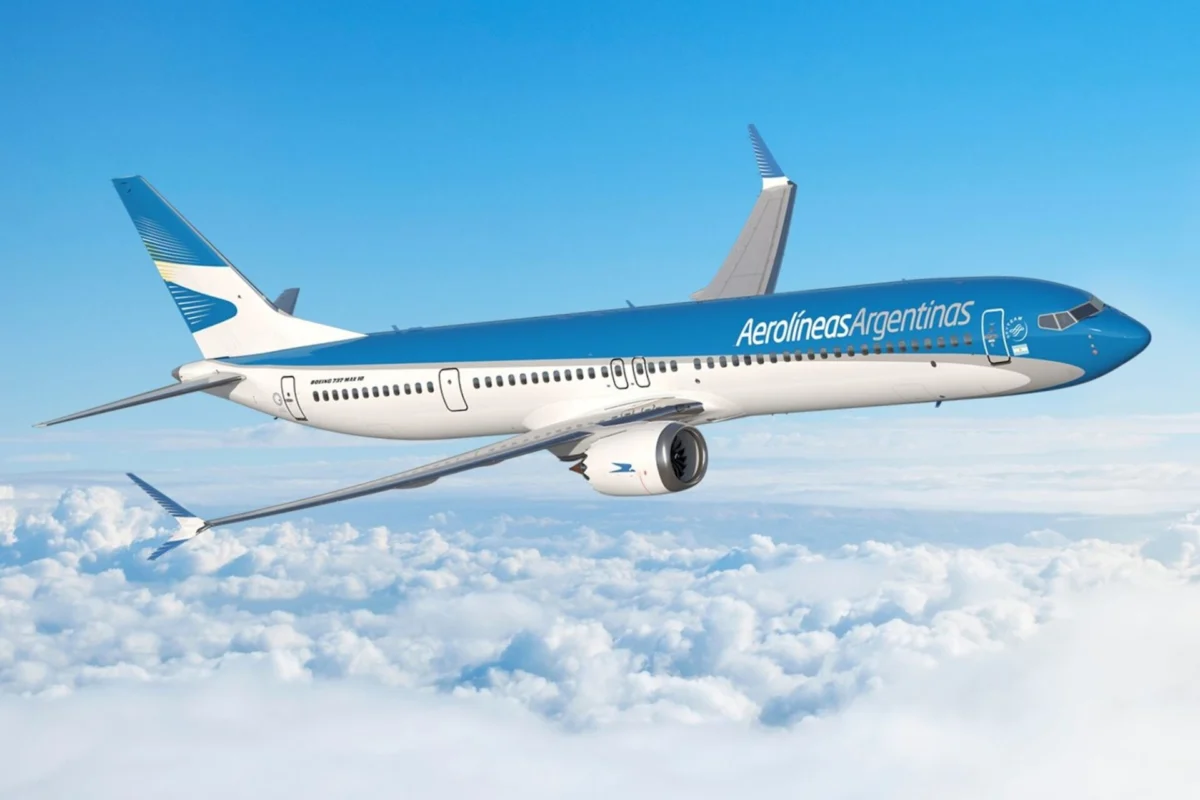
Farnborough, UK – July 23, 2026 – In a significant move to modernize and expand its operational capabilities, Aerolíneas Argentinas today announced a pivotal lease agreement for six state-of-the-art Boeing 737 MAX 10 aircraft. The deal, struck with leading global aircraft lessor Aviation Capital Group (ACG) at the prestigious Farnborough International Airshow 2026, marks a substantial investment in the future of Argentinian air travel. This strategic acquisition is poised to bolster capacity on high-demand domestic and regional routes, enhance operating efficiency, and reinforce the airline’s commitment to offering a competitive and sustainable product to its passengers.
The agreement, formally signed amidst the bustling aerospace showcases at Farnborough, will see the first of these advanced Boeing narrow-body aircraft delivered to the Argentinian flag carrier in 2028. This delivery will originate from Aviation Capital Group’s substantial Boeing orderbook, underscoring ACG’s confidence in the 737 MAX 10’s market appeal and its ability to meet the evolving needs of airlines worldwide.
Reinforcing Key Hubs and Expanding Reach
The introduction of the Boeing 737 MAX 10s is strategically aligned with Aerolíneas Argentinas’ objective to strengthen operations at its two primary Buenos Aires hubs: Aeroparque Jorge Newbery Airport (AEP) and Ezeiza Airport (EZE). These bustling airports serve as crucial gateways for domestic travel within Argentina and facilitate vital cross-border connections to various destinations across South America.
The increased capacity and enhanced efficiency offered by the 737 MAX 10 are expected to significantly benefit these key routes, allowing Aerolíneas Argentinas to cater to growing passenger demand more effectively. This strategic deployment will enable the airline to introduce more frequencies, potentially open new routes, and improve the overall travel experience for its customers.
A Vision for the Future: Fleet Modernization and Sustainability
Fabián Lombardo, President and CEO of Aerolíneas Argentinas, articulated the strategic importance of this lease agreement, stating, "These aircraft are a key part of our 2027-2031 fleet plan and will allow us to add capacity on high-demand domestic and regional routes, improve operating efficiency, and continue offering a more competitive product to our passengers."
Lombardo further emphasized the airline’s forward-looking vision: "This agreement reflects Aerolíneas Argentinas’ commitment to building a more modern, efficient, and sustainable fleet for the years ahead." This statement underscores a broader industry trend towards adopting newer generation aircraft that offer superior fuel efficiency, reduced emissions, and a quieter operational profile – all critical factors in the modern aviation landscape.
The Boeing 737 MAX 10: A Superior Choice for Capacity and Efficiency
The Boeing 737 MAX 10 represents the largest variant in the MAX family, offering airlines enhanced capacity and a compelling combination of range and fuel efficiency. Its design incorporates advanced aerodynamics, fuel-efficient engines, and a redesigned wing for improved performance. This makes it an attractive proposition for airlines looking to optimize operations on medium-haul routes.
Aviation Capital Group has been a significant proponent of the 737 MAX program since its inception. The lessor placed its initial order for 20 of the 737 MAX 10 aircraft back in 2017 at the Paris Air Show. Since then, ACG’s commitment has grown substantially, with its current orderbook featuring an impressive 56 of the 737-10 variant, according to data from aviation analytics firm ch-aviation.
The company is recognized as one of the launch customers for the 737 MAX 10, and anticipates receiving its first aircraft later this year, contingent upon the Federal Aviation Administration (FAA) granting the necessary certification for the type. This certification process is crucial for the MAX 10 to enter commercial service, and its successful completion will pave the way for a new era of operations for airlines like Aerolíneas Argentinas.
Aviation Capital Group’s Strategic Perspective
Thomas Baker, CEO and President of Aviation Capital Group, highlighted the specific advantages of the 737 MAX 10 in a statement released from Farnborough. "The 737-10 offers airlines vital additional capacity, improved fuel efficiency, and enhanced profitability, making it well suited to high-demand routes," Baker explained.
He further elaborated on ACG’s investment philosophy: "These aircraft reflect our continued focus on investing in the latest, fuel-efficient aircraft technology and our commitment to meeting the long-term needs of our airline customers." This commitment to technological advancement and customer satisfaction is a cornerstone of ACG’s business model.
A Busy Farnborough for Aviation Capital Group
The announcement of the lease agreement with Aerolíneas Argentinas was not the only significant news from Aviation Capital Group at Farnborough. On the opening day of the airshow, ACG also revealed a separate deal to lease seven 737 MAX 10 aircraft to Japanese carrier Skymark Airlines. The first of these aircraft is also slated for delivery to Skymark in 2028, drawn from ACG’s extensive orderbook.
Skymark Airlines currently operates a fleet primarily composed of the Boeing 737-800 and 737-8 models. The introduction of the larger and more advanced 737 MAX 10 would represent a significant upgrade and expansion of their operational capabilities, allowing them to cater to increased demand and potentially explore new routes.
The Broader Implications for the South American Aviation Market
The lease agreement between Aerolíneas Argentinas and Aviation Capital Group has several far-reaching implications for the South American aviation market. Firstly, it signifies a strong endorsement of the Boeing 737 MAX program by a major Latin American carrier, potentially influencing other airlines in the region to consider the MAX family for their fleet modernization plans.
Secondly, the introduction of more fuel-efficient aircraft like the 737 MAX 10 is crucial for the sustainability of air travel in South America. As environmental regulations become stricter and passenger demand for responsible travel grows, airlines that invest in greener technologies will be better positioned for long-term success.
Thirdly, the expansion of capacity on domestic and regional routes will contribute to economic development within Argentina and across the South American continent. Improved air connectivity facilitates tourism, trade, and business, fostering greater integration and prosperity.
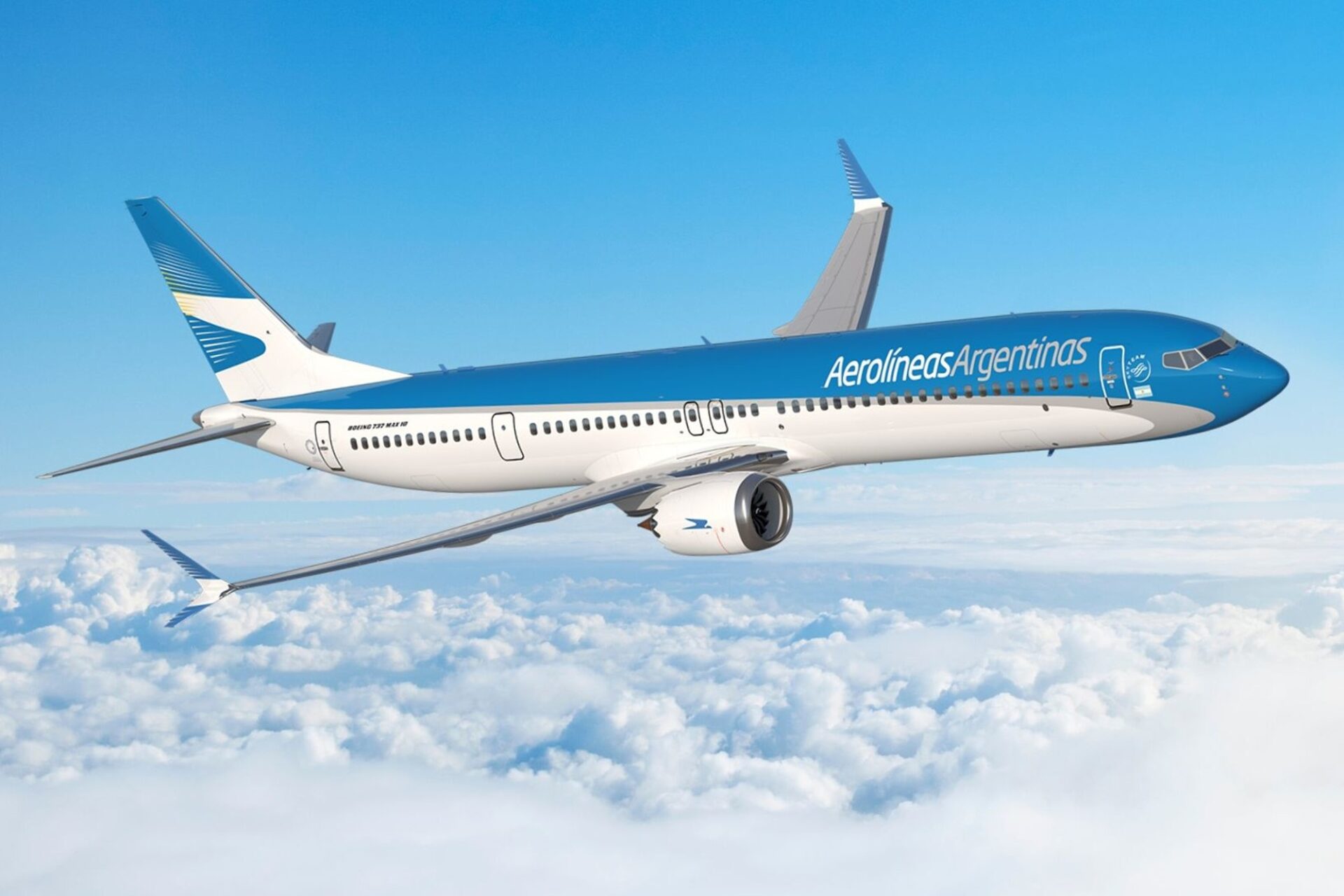
The partnership between Aerolíneas Argentinas and Aviation Capital Group, facilitated by the innovative offerings at the Farnborough International Airshow, is a testament to the dynamic nature of the global aviation industry and its continuous drive for advancement. As the world emerges from the lingering effects of the pandemic and looks towards a more sustainable future, strategic fleet decisions like this will undoubtedly shape the landscape of air travel for years to come.
Supporting Data and Fleet Modernization Context
To fully appreciate the significance of this agreement, it’s important to consider the current state of Aerolíneas Argentinas’ fleet and the broader context of fleet modernization in the airline industry. While specific fleet details can fluctuate, airlines globally are under pressure to retire older, less fuel-efficient aircraft and replace them with newer generation models.
The Boeing 737 MAX 10’s key advantages lie in its improved fuel burn compared to previous generation aircraft, often cited as a reduction of 15-20%. This translates directly into lower operating costs for airlines and a smaller carbon footprint, a critical consideration in today’s environmentally conscious market. Furthermore, the MAX 10 offers a higher passenger capacity, typically around 230 seats in a two-class configuration, which can be highly beneficial for high-density routes where maximizing seat-mile costs is paramount.
For Aerolíneas Argentinas, operating primarily in a region that can experience significant fluctuations in economic conditions, optimizing operational efficiency is not just desirable but essential for long-term viability. The 737 MAX 10, with its advanced avionics, new wing design, and efficient LEAP-1B engines, is engineered to deliver precisely that.
The airline’s stated fleet plan for 2027-2031 indicates a clear strategy to integrate newer, more capable aircraft. This lease agreement for six 737 MAX 10s is a concrete step towards achieving that objective. It suggests a proactive approach to fleet management, aiming to balance growth with efficiency and sustainability.
The decision to lease rather than purchase outright is also a common and strategic financial maneuver for airlines, particularly when introducing a new aircraft type or when capital expenditure needs to be managed carefully. Leasing provides flexibility, allows airlines to access the latest technology without the upfront capital investment of a direct purchase, and often includes maintenance and support packages.
Official Responses and Industry Reactions
The pronouncements from both Aerolíneas Argentinas and Aviation Capital Group at Farnborough clearly signal optimism and strategic intent. Fabián Lombardo’s focus on capacity, efficiency, and competitiveness highlights the immediate operational benefits expected from the 737 MAX 10. His mention of sustainability reinforces the airline’s alignment with global environmental goals.
Thomas Baker’s emphasis on the 737 MAX 10’s "vital additional capacity, improved fuel efficiency, and enhanced profitability" underscores its appeal from a lessor’s perspective. ACG’s confidence in the aircraft’s marketability is further demonstrated by their substantial orderbook and their ability to secure lease agreements with multiple carriers.
Industry analysts have generally viewed the 737 MAX 10 as a strong contender in the narrow-body market, particularly for airlines looking to serve high-demand, medium-haul routes. Its larger capacity compared to the 737 MAX 8 and MAX 9 makes it an attractive option for airlines seeking to optimize their fleets for specific route networks. The successful certification of the MAX 10 by the FAA will be a critical factor in its widespread adoption.
The dual announcement of leases for both Aerolíneas Argentinas and Skymark Airlines at the same airshow underscores the growing momentum behind the 737 MAX 10. It suggests that despite earlier challenges faced by the 737 MAX program, the aircraft’s inherent capabilities are now being recognized and embraced by a wider range of global carriers.
Future Outlook and Strategic Significance
The lease agreement between Aerolíneas Argentinas and Aviation Capital Group is more than just a transaction; it represents a significant strategic alignment that will shape the future of air travel in Argentina and potentially the wider South American region.
The introduction of six Boeing 737 MAX 10 aircraft will undeniably enhance Aerolíneas Argentinas’ ability to serve its most lucrative routes with greater efficiency and capacity. This is crucial for the airline’s competitiveness, especially in a market that often sees intense competition from both domestic and international carriers.
Furthermore, the commitment to a modern, fuel-efficient fleet aligns Aerolíneas Argentinas with global sustainability objectives. As the aviation industry faces increasing scrutiny regarding its environmental impact, proactive adoption of advanced aircraft technologies is a vital step towards a more responsible future.
For Aviation Capital Group, this deal reinforces its position as a key player in the aircraft leasing market, demonstrating its ability to secure high-demand aircraft and place them with reputable airlines. Their significant orderbook for the 737 MAX 10 signals a strong belief in the aircraft’s long-term success.
As the Boeing 737 MAX 10 progresses towards full certification and entry into service, agreements like this one will become increasingly common. The aircraft’s promise of enhanced capacity, improved economics, and greater environmental performance makes it a compelling choice for airlines worldwide. The Farnborough International Airshow 2026 has once again served as a vital platform for forging these critical partnerships that will define the future of aviation.
 Asro
Asro  Reynand Wu
  Dwi Wanna