

Oshkosh, Wisconsin – July 22, 2026 – Skyfly Technologies, a prominent UK-based innovator in electric aviation, has announced a significant strategic pivot, signaling its expansion beyond the production of its own two-seat vertical-lift aircraft. At the highly anticipated EAA AirVenture Oshkosh, the company revealed that it will now offer its advanced electric propulsion system, originally developed for its flagship Axe aircraft, to a wider range of manufacturers. This move marks a crucial step in Skyfly’s growth trajectory, positioning the company as a key supplier of cutting-edge electric propulsion solutions within the burgeoning aviation sector.
The announcement, made amidst the bustling atmosphere of the world’s premier aviation gathering, was met with considerable interest from industry professionals and potential partners. Skyfly’s decision to commercialize its proprietary technology underscores a growing trend towards specialized component suppliers in the rapidly evolving landscape of electric and hybrid-electric aviation. By providing a readily integrated propulsion package, Skyfly aims to accelerate the development and adoption of electric aircraft across various segments of the market, alleviating the significant burden of in-house system development for other original equipment manufacturers (OEMs).
In addition to the electric propulsion system for manned aircraft, Skyfly also unveiled a novel hybrid-electric propulsion system specifically engineered for unmanned aerial vehicles (UAVs) that utilize distributed electric propulsion. This dual offering demonstrates Skyfly’s commitment to addressing diverse needs within the electric aviation ecosystem, from personal air mobility to advanced autonomous platforms.
A Closer Look at Skyfly’s Propulsion Innovations
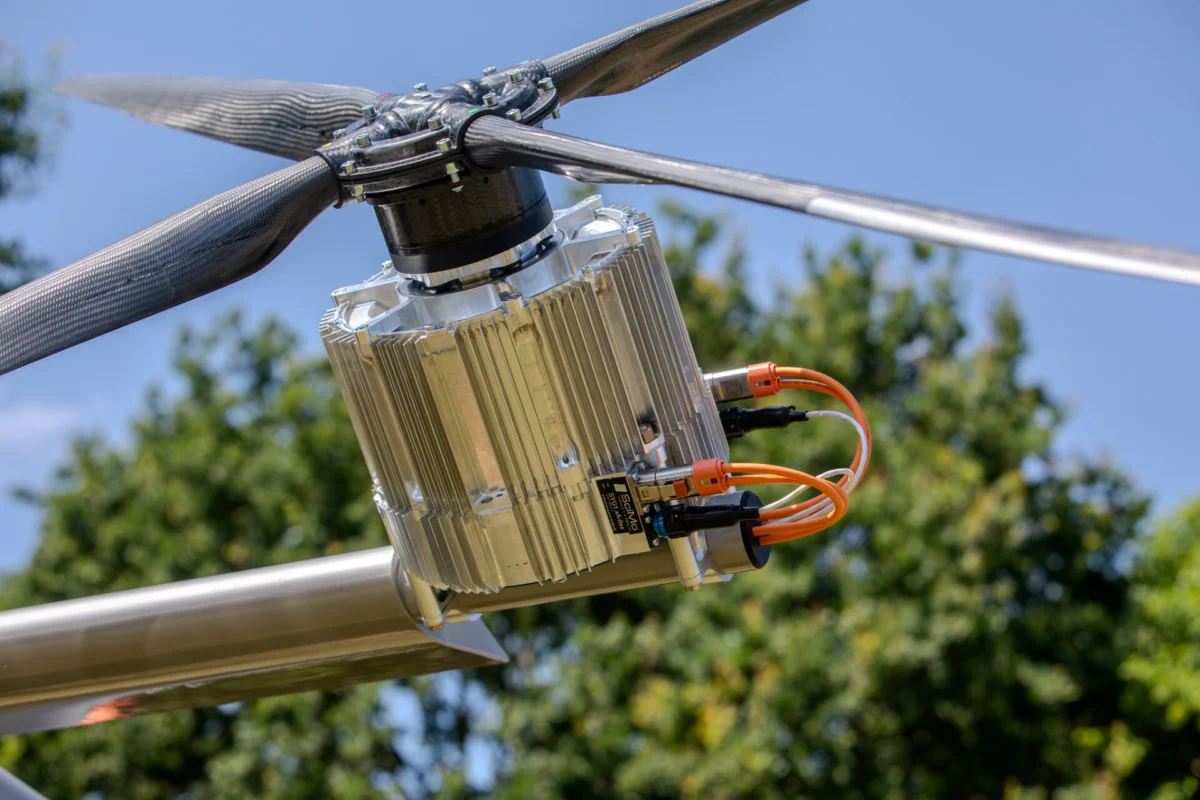
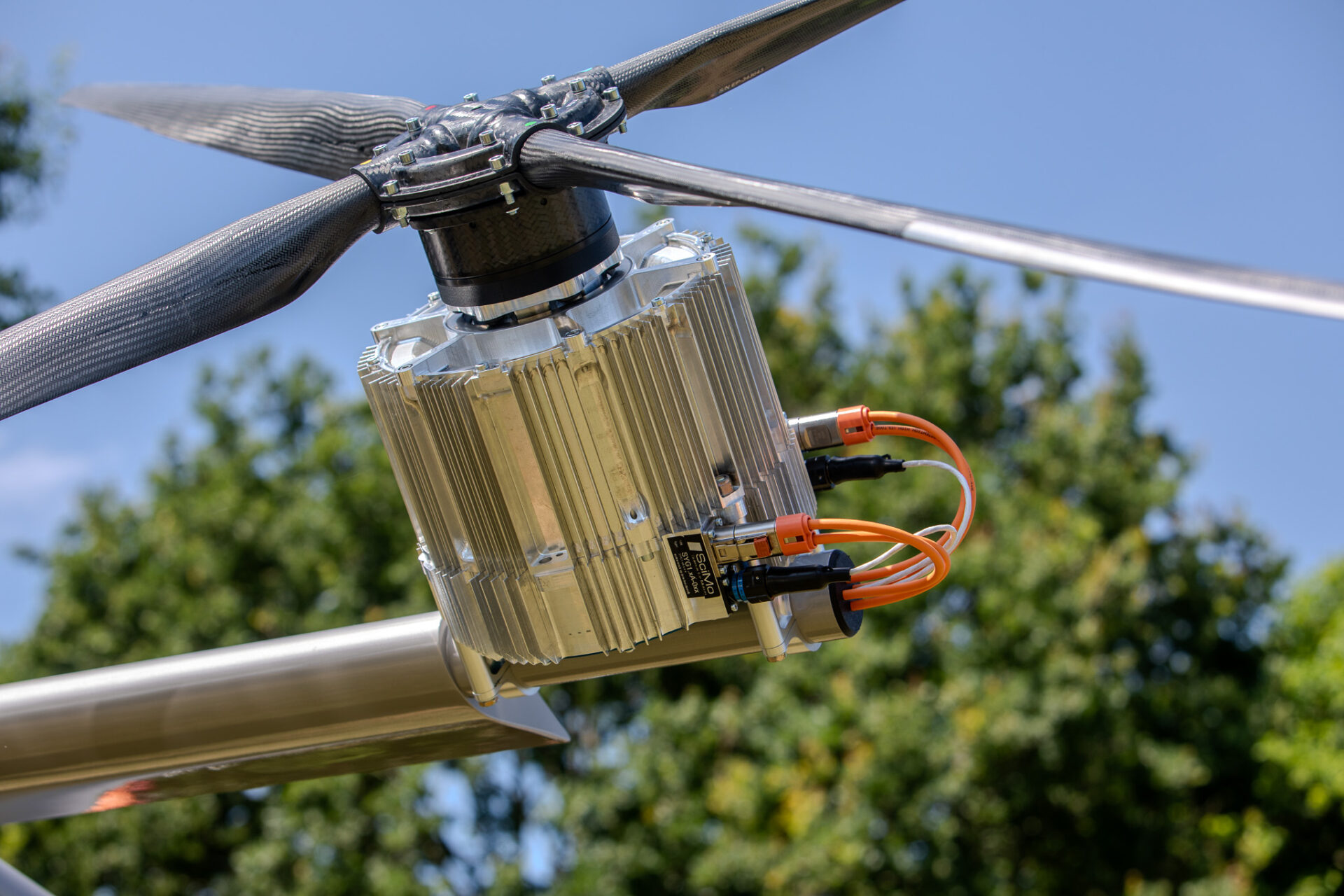
At the heart of Skyfly’s offering for manned aircraft is a highly integrated electric motor and inverter unit. This sophisticated piece of engineering, co-developed with the renowned German engineering firm SciMo, is designed to offer a compelling alternative to traditional internal combustion engines. Skyfly has stated that this compact and powerful unit is capable of replacing a 100-horsepower Rotax engine in numerous applications, suggesting a broad applicability across the light aircraft spectrum.
The comprehensive propulsion package extends beyond the motor and inverter, encompassing a meticulously designed power distribution unit and an 800-volt-class battery architecture. This battery system has been specifically tailored for the demanding requirements of light-sport aircraft, prioritizing safety, efficiency, and performance within this regulatory framework.
Michael Thompson, CEO of Skyfly Technologies, emphasized the strategic rationale behind opening up their technology. "Our propulsion system was meticulously engineered with the specific performance and safety mandates of light aircraft in mind," Thompson stated. "By extending this technology to the broader OEM community, we are empowering other manufacturers. They will no longer need to undertake the immense task of building this critical capability from scratch, significantly reducing their development timelines and costs."
The integrated motor and inverter unit are reportedly available immediately for evaluation and integration by aircraft manufacturers, indicating a readiness for deployment and a commitment to prompt collaboration. While the power distribution unit and battery modules are still undergoing development, Skyfly has assured that detailed specifications and availability dates will be communicated in due course. This phased approach allows potential partners to begin assessing the core propulsion technology while Skyfly finalizes the complementary components.
The development of this propulsion system was intrinsically linked to Skyfly’s own aircraft program, the Axe. The Axe is a two-seat electric aircraft designed with a versatile flight profile, capable of both vertical take-off and landing (VTOL) and conventional take-off and landing (CTOL). This dual capability offers unparalleled operational flexibility, catering to a wide array of mission profiles and infrastructure constraints.
Skyfly showcased a production-specification Axe at AirVenture’s dedicated Vertical Lift Center, drawing significant attention. The company has indicated its intention to pursue regulatory approval for the Axe under the Federal Aviation Administration’s (FAA) recently expanded light-sport aircraft (LSA) rules. This regulatory pathway is designed to streamline the certification of innovative aircraft, further supporting the growth of electric aviation.
Hybrid-Electric Propulsion for Unmanned Systems
Beyond its foray into manned electric aircraft, Skyfly leveraged the AirVenture platform to unveil a separate, yet equally significant, innovation: a hybrid-electric propulsion system designed for unmanned aircraft. This system represents a sophisticated solution for extending the operational capabilities of UAVs, particularly those requiring extended range and endurance.
The hybrid system artfully combines electric propulsion with an integrated turbine generator. This generator serves a dual purpose: it can efficiently recharge the aircraft’s batteries while in flight, or provide power when on the ground. This capability is a game-changer for many UAV applications, overcoming the inherent range limitations of current battery-only electric systems.
Skyfly projects that this innovative design could enable unmanned platforms to achieve ranges exceeding 400 miles, all while retaining the benefits of multiple electrically driven propellers for enhanced maneuverability and redundancy. The inclusion of compatibility with JP-8 fuel also opens up significant potential for military applications, where logistical considerations and operational environments often necessitate robust and versatile fuel options.
The hybrid system is specifically targeted at unmanned aircraft that demand greater operational flexibility and extended flight times than what is currently achievable with solely battery-powered solutions. This addresses a critical gap in the market, particularly for applications such as long-range surveillance, cargo delivery in remote areas, and advanced aerial surveying.
As with the manned aircraft propulsion system components, detailed specifications and a definitive availability date for the hybrid system are yet to be released. Skyfly acknowledges that this system is currently in active development, indicating ongoing refinement and testing to ensure optimal performance and reliability.
Chronology of Development and Market Entry
The journey to this dual announcement at AirVenture 2026 has been one of focused research, development, and strategic partnership. Skyfly Technologies, established with a vision for sustainable aviation, has consistently invested in advancing electric propulsion technology.
- Early Years (Pre-2020s): Skyfly likely engaged in foundational research and development of electric powertrains, focusing on the core challenges of energy density, motor efficiency, and system integration. This period would have involved extensive testing of various component designs and configurations.
- Development of the Axe Aircraft (Mid-2020s): The company’s proprietary Axe eVTOL aircraft served as a crucial testbed for its electric propulsion system. The design and development of the Axe, a two-seat platform capable of both VTOL and CTOL, provided real-world operational data and performance metrics that informed the refinement of the propulsion system. This phase likely involved significant iteration and optimization to meet the stringent safety and performance requirements for light aircraft.
- Partnership with SciMo: The collaboration with German engineering firm SciMo was pivotal in developing the integrated electric motor and inverter. This partnership brought specialized expertise in electric powertrain design, likely accelerating the development of a high-performance and reliable unit.
- Introduction of Hybrid System for UAVs: Concurrently, Skyfly has been developing a separate hybrid-electric propulsion system for unmanned applications. This indicates a parallel, yet equally ambitious, R&D effort to address the unique challenges and opportunities within the UAV sector.
- EAA AirVenture Oshkosh 2026: This landmark event served as the official public debut for both offerings. The announcement of making the electric propulsion system available to other OEMs signifies a strategic shift from a purely aircraft manufacturer to a technology provider. The unveiling of the hybrid system for UAVs further diversifies Skyfly’s product portfolio.
Supporting Data and Technical Specifications (Projected and Announced)
While specific detailed specifications for the offerings are still being finalized or are proprietary, the following details provide a glimpse into the capabilities and design principles of Skyfly’s propulsion systems:
For Manned Aircraft (Axe Propulsion System):
- Integrated Unit: Electric motor and inverter co-developed with SciMo.
- Power Output Equivalence: Designed to replace a 100-horsepower Rotax engine. This suggests a continuous power output in the range of 75-100 kW, with potential for higher peak power for take-off.
- Voltage Architecture: 800-volt-class battery architecture. This higher voltage system is crucial for efficient power delivery and reduced current draw, leading to lighter wiring harnesses and improved overall system efficiency.
- Components: Includes an integrated motor, inverter, power distribution unit (under development), and 800V battery modules (under development) specifically for light-sport aircraft.
- Target Application: Light-sport aircraft and similar light aviation platforms.
- Availability: Integrated motor and inverter available now for evaluation. Power distribution unit and battery modules specifications and availability dates to follow.
For Unmanned Aircraft (Hybrid-Electric Propulsion System):
- Configuration: Hybrid-electric system combining electric propulsion with a turbine generator.
- Range Potential: Projected range exceeding 400 miles for unmanned platforms. This is a significant improvement over current battery-electric UAVs.
- Propulsion Method: Utilizes multiple electrically driven propellers, indicative of distributed electric propulsion (DEP) for enhanced control and redundancy.
- Fuel Compatibility: Potential compatibility with JP-8 fuel, a common military aviation fuel, suggesting military applications.
- Target Application: Unmanned aircraft requiring extended range and endurance.
- Availability: In active development; detailed specifications and availability dates to follow.
Official Responses and Industry Implications
The announcement from Skyfly Technologies has been met with a generally positive and forward-looking response from industry observers and potential partners. The move to open-source its propulsion technology is seen as a strategic masterstroke that could significantly accelerate the adoption of electric aviation.
Industry Analysts: Many aviation industry analysts view Skyfly’s strategy as a smart move to capitalize on its technological expertise. By focusing on providing a core component rather than the entire aircraft, Skyfly can scale its business more rapidly and cater to a broader market demand. This approach is reminiscent of how engine manufacturers became integral to the growth of the automotive industry.
Potential OEM Partners: Representatives from various aircraft manufacturing companies have expressed keen interest. The prospect of acquiring a pre-certified, high-performance electric propulsion system can drastically reduce their R&D budgets and time-to-market for new electric aircraft models. This is particularly relevant for smaller OEMs looking to enter the electric aviation space without the prohibitive costs of developing their own propulsion technology.
Regulatory Bodies: While Skyfly is pursuing certification for its Axe aircraft under existing FAA LSA rules, the wider availability of their propulsion systems could indirectly influence future regulatory frameworks. As more electric and hybrid-electric aircraft enter the market, regulatory bodies will continue to adapt and refine standards for these new technologies. The robust nature of Skyfly’s system, designed with safety and performance at its core, is likely to be viewed favorably in these discussions.
Environmental Impact: The broader adoption of electric and hybrid-electric propulsion systems, facilitated by Skyfly’s initiative, holds significant promise for reducing the environmental footprint of aviation. Electric propulsion offers zero direct emissions during flight, contributing to cleaner air and quieter operations. Hybrid systems, while still utilizing fossil fuels, offer improved fuel efficiency and reduced emissions compared to traditional combustion engines.
Market Competition: Skyfly’s move intensifies competition in the electric aviation component market. Other companies developing electric powertrains and related technologies will face increased pressure to innovate and differentiate their offerings. This competitive landscape, however, is ultimately beneficial for the industry, driving faster technological advancements and cost reductions.
Implications for the Future of Aviation
Skyfly Technologies’ strategic shift and its dual product unveilings at AirVenture 2026 carry profound implications for the future of aviation:
- Accelerated Electrification: By providing a readily available and proven electric propulsion system, Skyfly is removing a significant barrier to entry for many aircraft manufacturers. This will likely lead to a more rapid and widespread adoption of electric and hybrid-electric aircraft across various segments, from personal air vehicles to cargo drones and regional transport.
- Democratization of Electric Aviation: The offering of a modular and integrated propulsion solution democratizes access to advanced electric technology. Smaller companies and startups that might not have the resources to develop their own electric powertrains can now integrate Skyfly’s systems into their aircraft designs, fostering greater innovation and diversity in the market.
- Rise of Specialized Component Suppliers: Skyfly’s strategy highlights a potential future where aircraft manufacturers focus on airframe design and integration, while specialized companies like Skyfly provide critical propulsion and energy systems. This specialization can lead to greater efficiency, expertise, and cost-effectiveness throughout the aviation supply chain.
- Advancement of UAV Capabilities: The hybrid-electric propulsion system for UAVs directly addresses the limitations of current battery technology, opening up new possibilities for longer-range and more versatile autonomous operations. This could revolutionize sectors like logistics, surveillance, and remote sensing.
- Increased Focus on Safety and Performance Standards: As Skyfly emphasizes its focus on the performance and safety requirements of light aircraft, this sets a benchmark for other propulsion system developers. The industry will likely see a continued emphasis on rigorous testing and certification to ensure the safe and reliable integration of these new technologies.
- Sustainable Aviation Goals: Ultimately, Skyfly’s contributions, by enabling more widespread adoption of electric and hybrid-electric propulsion, play a vital role in the global pursuit of sustainable aviation. This move represents a tangible step towards a future of quieter, cleaner, and more environmentally responsible air travel.
In conclusion, Skyfly Technologies’ bold move at EAA AirVenture Oshkosh 2026 marks a pivotal moment in its corporate journey and a significant development for the electric aviation industry. By sharing its hard-won expertise in electric propulsion, Skyfly is not just expanding its business; it is actively contributing to the acceleration of a more sustainable and innovative future for flight. The coming years will undoubtedly reveal the full impact of this strategic pivot as more manufacturers embrace the power of Skyfly’s advanced electric and hybrid-electric propulsion solutions.
 Asro
Asro  Reynand Wu
  Dwi Wanna