

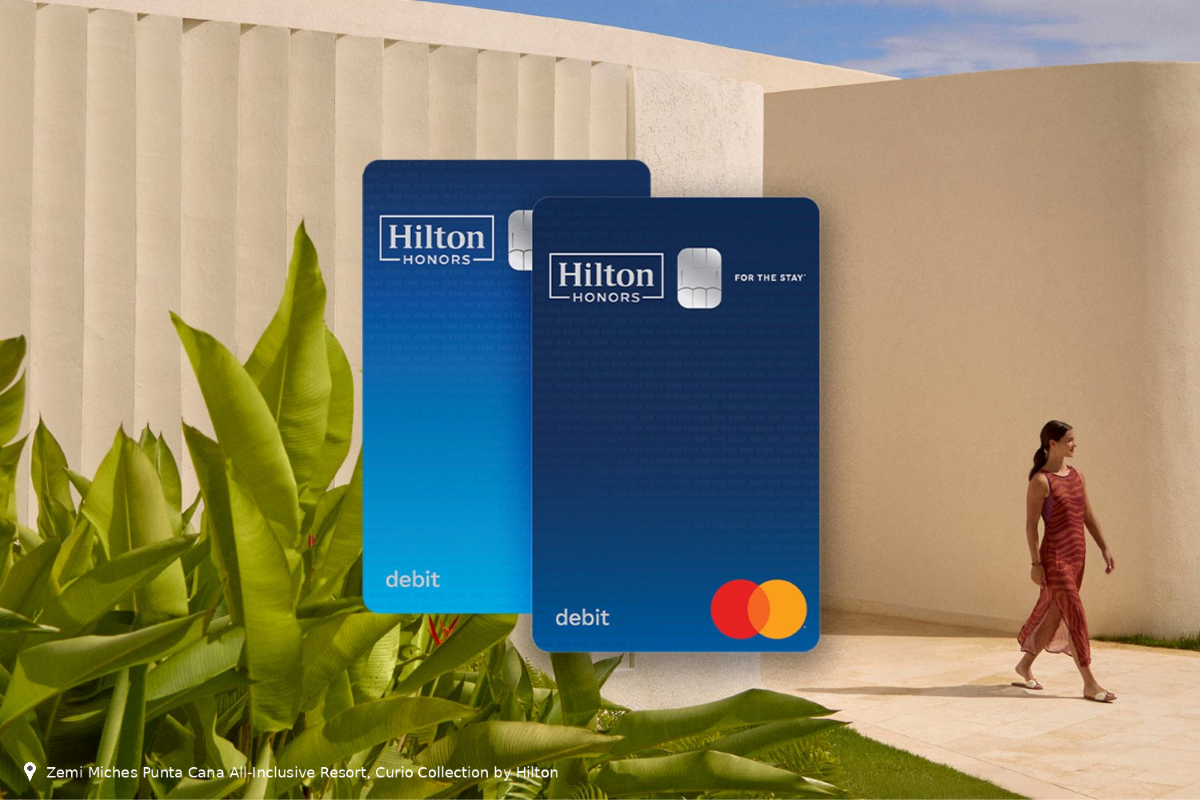
The landscape of travel loyalty is undergoing a tectonic shift. For decades, the gold standard of hotel and airline rewards was tethered to the credit card—a high-margin, high-friction financial instrument designed to capture the "premium" traveler. However, a new trend is rewriting the playbook. In a strategic move that underscores the evolving relationship between fintech and hospitality, the United Kingdom has emerged as the global laboratory for the "debit-first" loyalty model.
When IHG Hotels & Resorts launched its co-branded debit card in partnership with Revolut and Visa earlier this month, it solidified a trend that has moved with surprising velocity. IHG is now the third major global hotel group to enter the UK debit market in less than two years, following Hilton’s entry in 2024 and Marriott’s expansion into the space in 2025.
This pivot to debit is not merely a localized tactical choice; it is a fundamental reassessment of how loyalty programs interact with the everyday consumer. While these brands continue to offer credit cards elsewhere, the UK stands as the only market in the world where these hospitality giants have introduced debit-based loyalty products. This begs a critical question: Why the UK, and why now?
A Chronology of the Debit Pivot
The transition toward debit-led loyalty programs represents a departure from the traditional "high-spender" model. To understand how we arrived at this moment, one must look at the recent sequence of market entries that have transformed the UK financial landscape.
- 2024: The Hilton Precedent: Hilton was among the first major global chains to recognize that the traditional credit card model was failing to capture a massive segment of the younger, debt-averse, or budget-conscious demographic. By launching a debit product, they effectively opened the gates for a new class of travelers to earn points on groceries, transport, and daily essentials.
- March 2025: United Airlines Enters the Fray: While hotels dominated the headlines, the aviation sector was watching closely. United Airlines launched its own UK debit card in March 2025, signaling that the "debit-loyalty" model was not confined to hospitality. This cross-sector adoption proved that the infrastructure for debit-based rewards was stable and scalable.
- 2025: The Marriott Expansion: Following the success of early adopters, Marriott entered the UK debit market, further validating the thesis that debit cards could serve as a primary acquisition tool for loyalty members.
- Late 2025: The IHG Milestone: The recent launch of the IHG-Revolut-Visa partnership marks the most significant institutional push yet. By leveraging Revolut’s massive user base, IHG has effectively bypassed the traditional banking friction, embedding loyalty rewards directly into the daily digital wallet of the British consumer.
The "Debit-First" Logic: Supporting Data
The UK’s financial ecosystem is unique, making it the perfect petri dish for this experiment. Unlike the United States, where credit cards are the primary tool for consumer leverage, the UK has matured into a debit-dominated economy.
According to UK Finance’s Payment Markets 2025 report, the data is unequivocal:
- Volume: Debit cards accounted for a staggering 26.1 billion payments in the UK in 2024.
- Market Share: Debit payments currently represent over 50% of all transactions conducted in the country.
- Growth Projections: The trend shows no signs of slowing, with payment volumes forecast to reach 30.6 billion by 2034.
- Saturation: Almost every adult in the UK holds at least one debit card, and for the vast majority, it is the default instrument for all transactions, from morning coffees to monthly rent payments.
These statistics represent a massive, untapped reservoir of data and engagement. For a hotel group, capturing a customer’s "daily spend" is the holy grail of loyalty. If a member earns points on their morning commute or their supermarket shop, they are far more likely to choose that specific hotel chain when it comes time to book their annual vacation.
Official Responses and Strategic Rationale
The leadership teams behind these partnerships have been transparent about the shift. For them, it is about "meeting the customer where they live," rather than asking the customer to climb the barrier of entry associated with credit products.
Paul Proctor, IHG’s Senior Vice President of Global Loyalty and Partnerships, highlighted the strategic importance of the UK market during the launch of their Revolut card. "The UK is a particularly attractive market because debit cards are the dominant form of everyday payment," Proctor stated. "By aligning our loyalty program with the primary payment method of the UK consumer, we are democratizing access to rewards."
From the perspective of partners like Revolut or Visa, the value proposition is equally compelling. These fintech companies gain access to the massive, aspirational travel ecosystem of global hotel brands, while the hotel brands gain access to the sleek, user-friendly digital interfaces that modern consumers demand. It is a symbiotic relationship: fintech provides the technology and the reach, while hospitality provides the aspirational "hook" that keeps users engaged.
The Implications: A New Era of Loyalty
The shift toward debit cards is not just about payments; it is about the "democratization of loyalty." For decades, the best rewards were reserved for those who could qualify for premium credit cards—a barrier that naturally excluded students, younger professionals, and those who prefer a debt-free lifestyle.
1. Removing the Credit Barrier
By decoupling loyalty points from credit history, brands are widening the funnel. A user who would never qualify for a high-limit travel credit card can now participate in the same loyalty ecosystem as a business traveler. This inclusivity fosters brand affinity at a much earlier stage in the customer’s life cycle.
2. High-Frequency Engagement
Credit cards are often used for "big-ticket" items. Debit cards, however, are used for high-frequency, low-value items. By capturing these smaller transactions, hotel groups can track consumer behavior in real-time, allowing for hyper-personalized marketing offers. If a brand knows a customer buys coffee at a specific chain or shops at a specific store, they can tailor their rewards to align with that lifestyle.
3. Resilience in Economic Volatility
In periods of economic uncertainty, consumers often retreat from credit, fearing high interest rates and debt accumulation. A debit card remains a constant in the consumer’s wallet, regardless of the macroeconomic climate. By anchoring their loyalty programs to debit, hotel groups are essentially "future-proofing" their membership growth against potential credit crunches.
4. The Fintech Disruption
This trend signals a broader challenge to traditional banking. By partnering directly with digital-first banks like Revolut, traditional hospitality giants are bypassing legacy financial institutions. This "disintermediation" allows for faster innovation, lower transaction fees, and a more seamless user experience that can be updated via software rather than physical card issuance.
Challenges on the Horizon
Despite the clear benefits, the transition is not without its hurdles. First, the reward margins on debit transactions are significantly thinner than those on credit cards. Because credit cards command higher interchange fees, they are the primary source of funding for airline and hotel points.
To make debit loyalty programs viable, brands must rely on volume and data. They need millions of users making thousands of small, daily transactions to generate the revenue necessary to subsidize free hotel nights or flight upgrades. Furthermore, there is the risk of "points inflation," where the ease of earning points leads to an oversaturation of the market, potentially devaluing the loyalty programs themselves.
Conclusion: The Path Forward
The "debit-first" strategy in the UK is a bold experiment that highlights the changing nature of the global travel industry. As digital wallets replace physical leather ones, the brands that win will be those that successfully integrate into the daily rhythm of the consumer’s life.
Whether this trend will expand beyond the UK remains to be seen. However, given the global push toward digital payments and the rising consumer preference for debt-free spending, it is highly probable that we will see a "debit-loyalty" rollout in other mature markets—such as Australia, Canada, or Scandinavia—in the near future.
For the traveler, the implications are clear: the barrier to entry for travel rewards has never been lower. For the hotelier, the challenge has never been higher. By moving into the debit space, brands are no longer just competing with other hotels; they are competing with every other app on the user’s phone, fighting for the precious real estate of the daily digital wallet. The era of the "everyday loyalty" has officially arrived.
 Basiran
  Pevita Pearce
  Evan Lee Salim