

In the niche but fiercely passionate world of analog photography, few companies have generated as much buzz as Light Lens Lab. Known primarily for their meticulous, high-performance recreations of legendary glass—lenses that have historically been either impossible to source or priced well beyond the reach of the average enthusiast—the brand is now pivoting toward an even more ambitious horizon.
Light Lens Lab has officially confirmed that it has entered the early stages of development for an entirely new film camera. This move marks a pivotal transition for the company, evolving from a manufacturer of optical accessories into a comprehensive hardware developer. While the project remains in its infancy, the announcement has sent ripples of excitement through the community, promising a potential "end-to-end" analog ecosystem that could reshape the modern film landscape.
The Main Facts: A New Chapter in Analog Hardware
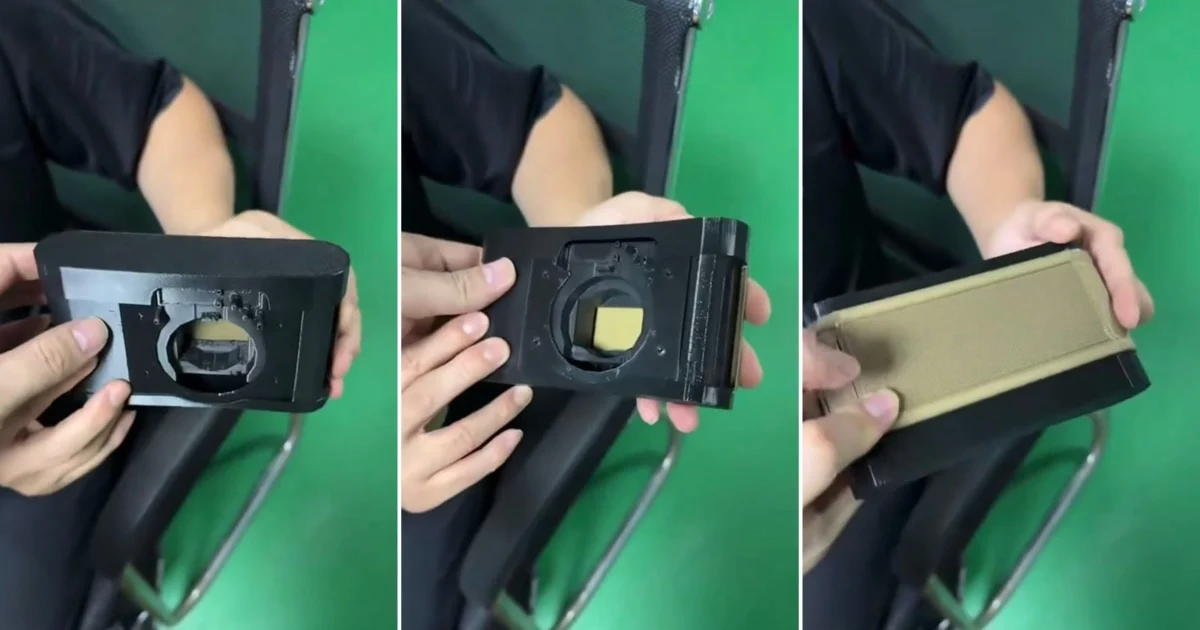
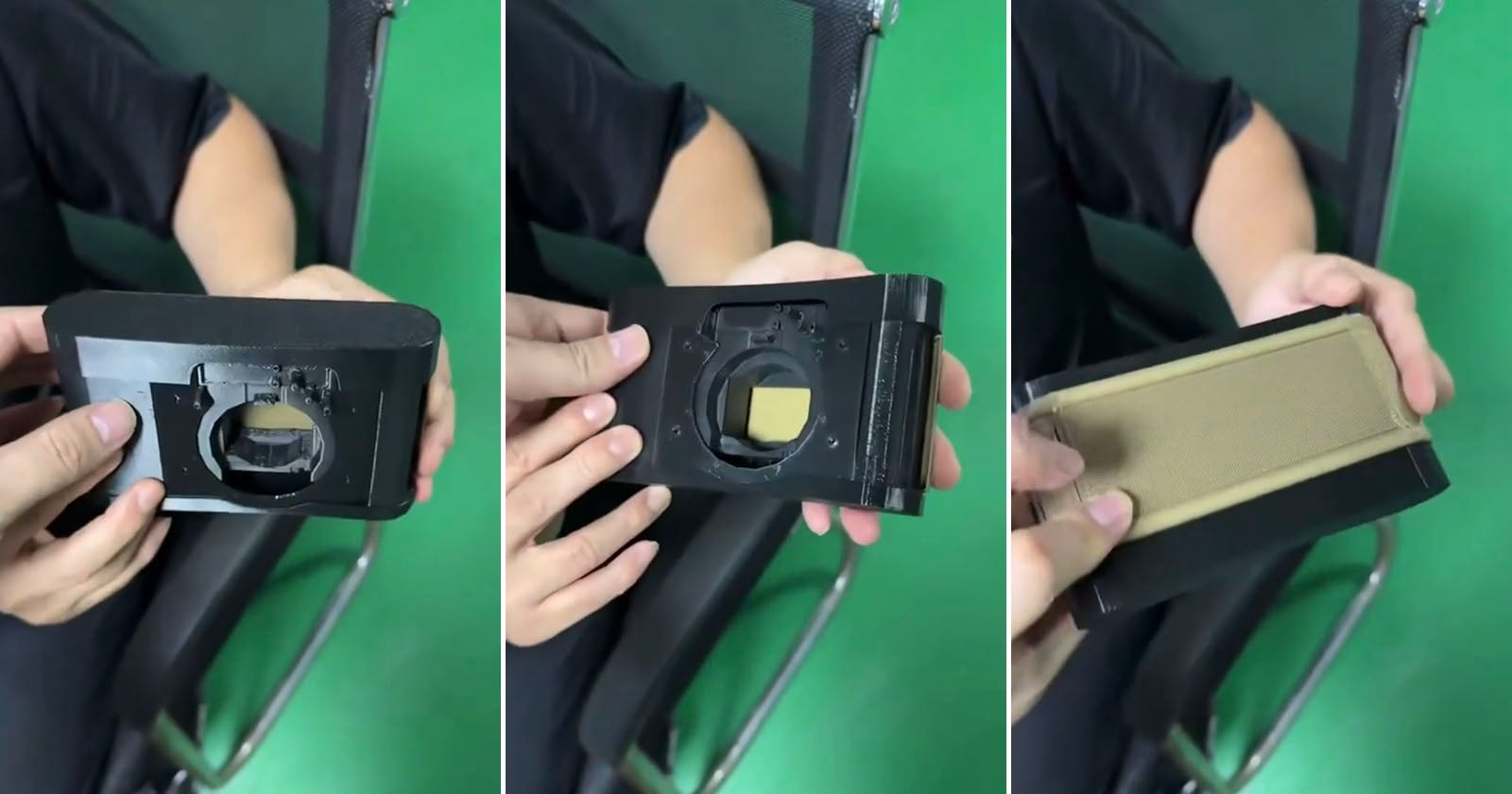
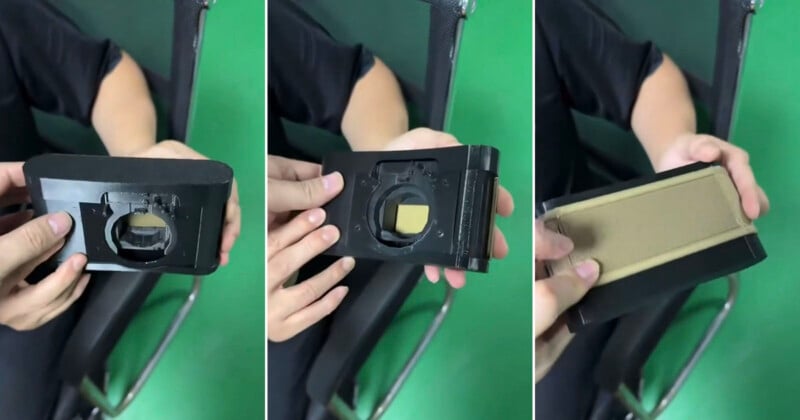
The announcement, delivered via a cryptic but compelling social media teaser, reveals a company that is no longer content with merely paying homage to the past. The initial reveal features a 3D-printed prototype, showcasing a compact, minimalist body that strongly suggests a rangefinder-style architecture.
While Light Lens Lab is managing expectations by emphasizing that the project is in "extremely early development," the implications are clear: the company is looking to build a camera from the ground up rather than relying on refurbished components. The prototype, characterized by its sleek, utilitarian aesthetic, draws clear visual inspiration from the golden age of rangefinder photography—a nod to the same era that inspired their acclaimed M-Mount lens lineup.
Crucially, the company has clarified that this camera will not be a derivative project. Unlike their lens designs, which are often based on classic optical formulas, this camera is being engineered to incorporate proprietary, patent-pending technologies.
Chronology: A Trajectory of Growth
To understand the magnitude of this announcement, one must look at the rapid, strategic expansion of Light Lens Lab’s portfolio over the past few years.
- The Foundation (The Lens Era): Light Lens Lab established its reputation by engineering modern versions of iconic glass, such as the 35mm f/1.4 ASPH. These products were received with critical acclaim, providing photographers with the "soul" of vintage glass paired with modern manufacturing precision.
- The Expansion (Chemical Foundations): Recognizing that a camera is only as good as the film inside it, the company pivoted toward the chemical side of the medium. They began the arduous process of developing a new black-and-white film emulsion, a notoriously difficult feat given the complexity of film manufacturing in the 21st century.
- The Innovation (Peel-Apart and Beyond): Parallel to their film emulsion work, the company announced a project to revive peel-apart film, further signaling their commitment to sustaining the analog lifecycle.
- The Current Milestone (Hardware Development): With the recent confirmation of a proprietary camera body, the company has now closed the loop, positioning itself to offer a holistic experience for the analog photographer.
The current timeline, as communicated to PetaPixel, suggests a long-term development cycle. Light Lens Lab is targeting a release window between 2027 and 2030, a duration that reflects the immense technical challenges of designing a modern mechanical-electronic hybrid camera.
Supporting Data: Why an Integrated Ecosystem Matters
The strategic importance of this development cannot be overstated. Currently, the analog photography market is heavily fragmented. Photographers are forced to mix and match: using vintage cameras from the 1970s, new lenses from modern manufacturers, and film from a dwindling pool of suppliers.
Light Lens Lab’s strategy—"Recreating Legacy, Engineering Tomorrow"—is a calculated attempt to solve this fragmentation. By controlling the supply of the optics (lenses), the capture medium (film), and the chassis (camera), they are effectively creating a closed-loop system.
Technical Hurdles and Aspirations
The inclusion of "automatic features" and "patent-pending technologies" is perhaps the most intriguing aspect of the disclosure. Traditional rangefinders are almost entirely manual, relying on the photographer’s eye and tactile control. By introducing automation, Light Lens Lab is signaling that they intend to modernize the user experience without sacrificing the analog feel.
The use of 3D printing in the current prototype phase is a standard industry practice for rapid iteration, allowing engineers to test ergonomics and internal spatial requirements before moving to more expensive tooling for metal production. However, the move from a 3D-printed proof-of-concept to a production-grade alloy camera is a massive leap in engineering, involving complex mechanical tolerances and electronic integration.
Official Responses: The Philosophy Behind the Build
In a statement provided to PetaPixel, the company was candid about its departure from its previous operational model:
"The camera is, at the moment, a rough prototype. We are also not related to any previous project that we worked on, like lenses, and are creating something of our own. It will have automatic features and also new patent-pending technologies."
This statement is pivotal. It confirms that the company is not merely "re-skinning" existing designs. Instead, they are positioning themselves as innovators in the field. When asked about the nature of their patent-pending technologies, the company remained tight-lipped, citing the ongoing legal process for their intellectual property. However, their motto, "Recreating Legacy, Engineering Tomorrow," suggests that while the form factor may honor the rangefinder tradition, the internal mechanics will likely lean into 21st-century advancements in reliability and light metering.
Implications: A New Era for Film Photography?
The announcement has profound implications for the analog community. For years, the market has been dominated by the secondary "used" market. Prices for functional, high-quality rangefinders have skyrocketed, often pricing out younger photographers or those who simply don’t want the headache of repairing 50-year-old electronics.
1. Market Stability
If Light Lens Lab successfully brings a modern, reliable, and "new" camera to market, it could significantly stabilize the cost of entry into professional-grade analog photography. A new camera with a warranty and modern manufacturing standards would provide a compelling alternative to the "gamble" of purchasing vintage gear.
2. The "End-to-End" Vision
By developing their own black-and-white film alongside the hardware, Light Lens Lab is insulating itself from the volatility of the global film supply chain. If they succeed, they will be the only company in the modern era to offer a complete, proprietary photographic system—lenses, camera body, and film stock.
3. Industry Catalyst
The presence of a new, well-funded, and technically ambitious player in the hardware space may force other manufacturers to re-evaluate their own commitment to analog. It creates a competitive environment that encourages innovation rather than stagnation.
4. Challenges Ahead
Despite the optimism, the path to 2030 is fraught with risk. The history of camera manufacturing is littered with failed startups that underestimated the cost of mechanical engineering, the complexity of supply chains, and the stringent demands of high-end photography. The transition from designing a lens—which is a static, optical task—to a camera, which is a dynamic, multi-disciplinary task involving mechanics, electronics, and materials science, is a monumental challenge.
Final Reflections
The vision presented by Light Lens Lab is nothing short of audacious. In an age dominated by high-resolution digital sensors and instantaneous image processing, the resurgence of interest in film is not merely a nostalgic trend—it is a movement seeking a more tactile, intentional, and deliberate creative process.
By bridging the gap between the legendary designs of the past and the engineering capabilities of the future, Light Lens Lab is attempting to secure the longevity of analog photography. Whether or not they succeed in their ambitious timeline remains to be seen, but their commitment to "Engineering Tomorrow" is a sentiment that resonates deeply with a community that has spent the last two decades watching their favorite medium slowly fade away.
As we look toward the 2027-2030 window, the eyes of the photography world will be firmly fixed on this small, ambitious lab. They have proven they can recreate the past; now, they are betting everything that they can build the future.
 Suro Senen
  Reynand Wu