

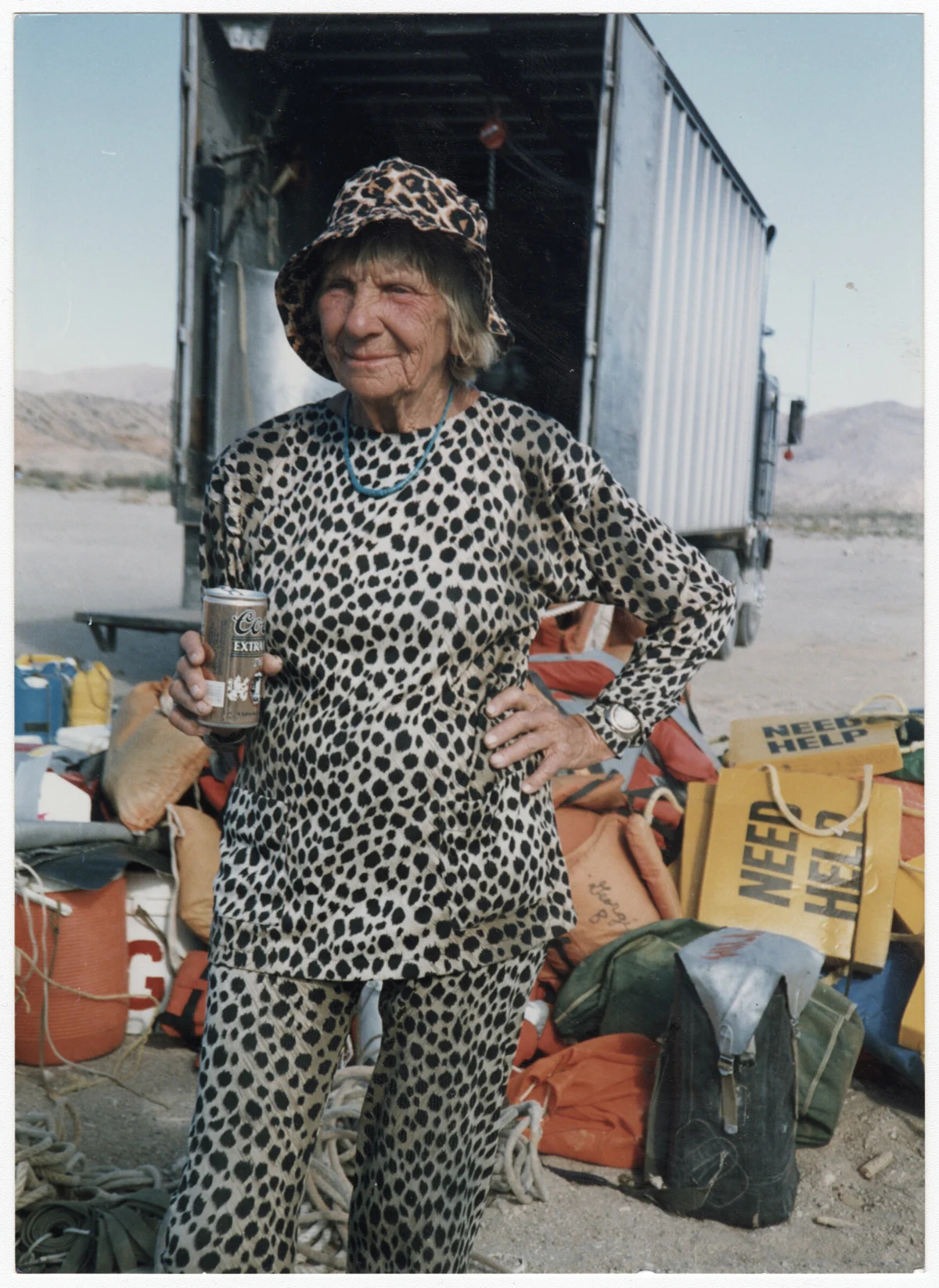
The Colorado River is a living entity, a sculptor of stone and a master of physics. To navigate its length, particularly the tempestuous stretches through the Grand Canyon, is to submit to a force that demands absolute respect. For the modern river guide, the challenge is physical and technical, but for Georgie White Clark—the woman who pioneered the commercial river-running industry—the challenge was existential.
In the late 1960s, a time when the Grand Canyon was viewed through the lens of male-dominated exploration, Georgie White carved a path that changed the trajectory of adventure tourism forever. Today, retracing her wake is not merely an exercise in historical appreciation; it is a humbling reminder of the grit required to tame one of the most unforgiving landscapes on Earth.
The Weight of History: Rowing the Modern Rapids
The sensation of being caught in an eddy is a familiar, if unwelcome, rite of passage for any oarsman on the Colorado. When the river catches an eighteen-foot gear boat—laden with the detritus of a sixteen-day, twenty-four-person expedition—the physics shift dramatically.
Rowing the "groover boat," which carries the expedition’s portable waste management system, is a task that tests the limits of endurance. By the tail end of a multi-week trip, the boat becomes "pluggy," sluggish, and stubborn. Yet, even in the deceptively calm flat water west of Diamond Creek, the river’s power is absolute. A momentary lapse in focus, and the Colorado wrenches the oar from one’s grip, spinning the vessel with the ease of a child playing with a toy.
This physical struggle serves as a visceral bridge to the past. Georgie White did not have the benefit of modern, lightweight materials or sophisticated navigation gear. She navigated the Canyon with a raw, defiant spirit, setting the template for what it means to lead a group through the "Big Ditch."
Chronology: The Rise of the First Lady of the Colorado
To understand the significance of the present-day journey, one must examine the timeline of Georgie White’s ascent.
- 1940s: Georgie begins her relationship with the Colorado River, initially through hiking and primitive exploration.
- 1952: A watershed year in river history. Georgie, along with Harry Aleson, completes a record-breaking swim and hike through the Grand Canyon, utilizing life jackets and rudimentary logistics.
- 1953: Georgie transitions from explorer to commercial guide, pioneering the use of large, multi-raft configurations—often lashed together to create a massive, stable "cataract" boat.
- 1960s: Her company, "Georgie’s Royal River Rats," becomes a fixture on the river. She establishes a reputation for being unconventional, often wearing a leopard-print swimsuit and demanding high standards of performance from her crew.
- 1970s–1980s: As the National Park Service begins to implement strict regulations on river traffic, Georgie remains a vocal, often controversial advocate for access and the right to explore the wilderness on one’s own terms.
- 1992: Georgie White passes away, leaving behind a legacy that paved the way for thousands of female river guides to follow in her wake.
Supporting Data: The Logistics of the Canyon
The logistics of a modern Grand Canyon trip are staggering. A typical commercial expedition involves:
- Duration: 14 to 18 days on the river.
- Capacity: 16 to 25 passengers per trip.
- Waste Management: Every ounce of human waste must be packed out. This is the primary function of the "groover"—a system that, while essential, significantly increases the dead weight of the lead raft.
- Topography: The Colorado River drops roughly 2,200 feet over the course of the 277 miles of the Grand Canyon proper, creating the high-velocity rapids that define the experience.
- Hydrology: Flow rates are dictated by the Glen Canyon Dam, fluctuating based on regional power needs and water conservation requirements.
These figures illustrate why Georgie White’s early success was so anomalous. She was operating in an era before satellite forecasting, before high-tech life vests, and before the standardized safety protocols that govern modern commercial outfitters.
Official Perspectives and Industry Impact
The National Park Service (NPS) has historically viewed the commercialization of the Grand Canyon with a mixture of necessity and apprehension. Georgie White was often at odds with park authorities, as her, at times, flamboyant style and aggressive expansion of river trips clashed with the bureaucratic push for preservation.
"Georgie was a force of nature," says a senior river ranger who specializes in Canyon history. "She forced the NPS to reckon with the fact that the river wasn’t just for the elite, male-dominated scientific expeditions of the early 20th century. She made it accessible to the public, even if her methods were unorthodox."
Today, the industry acknowledges her as the grandmother of the commercial river trip. Her business model—bringing large groups, prioritizing the "experience" of the Canyon, and utilizing high-capacity rafts—is the blueprint still used by most of the large-scale commercial companies operating in the region today.
Implications: The Enduring Spirit of Adventure
What does it mean to "follow Georgie" in the 21st century? It is more than just a nod to history; it is an interrogation of the spirit of exploration.
As we navigate the same eddies that once challenged her, we are forced to reconcile the commodification of the Grand Canyon with the original intent of the explorers who first mapped it. The "groover boat" is a reminder that even the most sublime wilderness experiences require the management of the mundane.
The Evolution of Risk
Risk management has evolved from "survival" to "safety compliance." While this has undoubtedly saved lives, it has also sanitized the experience. Georgie White’s era was one of high stakes. The lack of modern safety nets meant that every guide was essentially a frontiersperson. Retracing her steps highlights a profound shift in the human relationship with nature: we have moved from conquering the landscape to "managing" our presence within it.
The Gender Gap and Legacy
Perhaps the most significant implication of Georgie’s legacy is the normalization of women in the "Big Boat" captain’s chair. In the mid-century, a woman leading a river expedition was a radical act of defiance. Today, while the industry still struggles with parity in leadership roles, the presence of female guides is an unquestioned standard. Georgie’s "Royal River Rats" proved that the river does not discriminate based on gender; it only discriminates based on skill, nerve, and preparation.
Conclusion: A Living River
The Colorado River continues to carve its path, oblivious to the humans who attempt to master it. As the sun sets behind the towering red walls of the Canyon, the silence that descends is heavy with the ghosts of those who came before.
Georgie White’s story is not just a footnote in the history of the American West; it is a fundamental chapter in the democratization of adventure. Whether we are rowing a gear boat laden with the realities of modern waste management or simply observing the majesty of the cliffs, we are all following the trail she blazed.
The Colorado demands that you stay present. It demands that you fight the current when necessary and yield to it when you have no other choice. In that struggle, we find the same clarity that Georgie White found decades ago: the river is the boss, and in its presence, we are all just guests.
As the trip draws to a close and the final miles of the Canyon unfold, one is left with a singular realization: the best way to honor the pioneers of the past is to continue the tradition of respectful, rigorous, and relentless exploration of the wild spaces that remain. Georgie may be gone, but the river, and the spirit of those who dare to run it, remains as wild as ever.
 Raul Delapena Setiawan
  Pevita Pearce
  Siti Muinah