

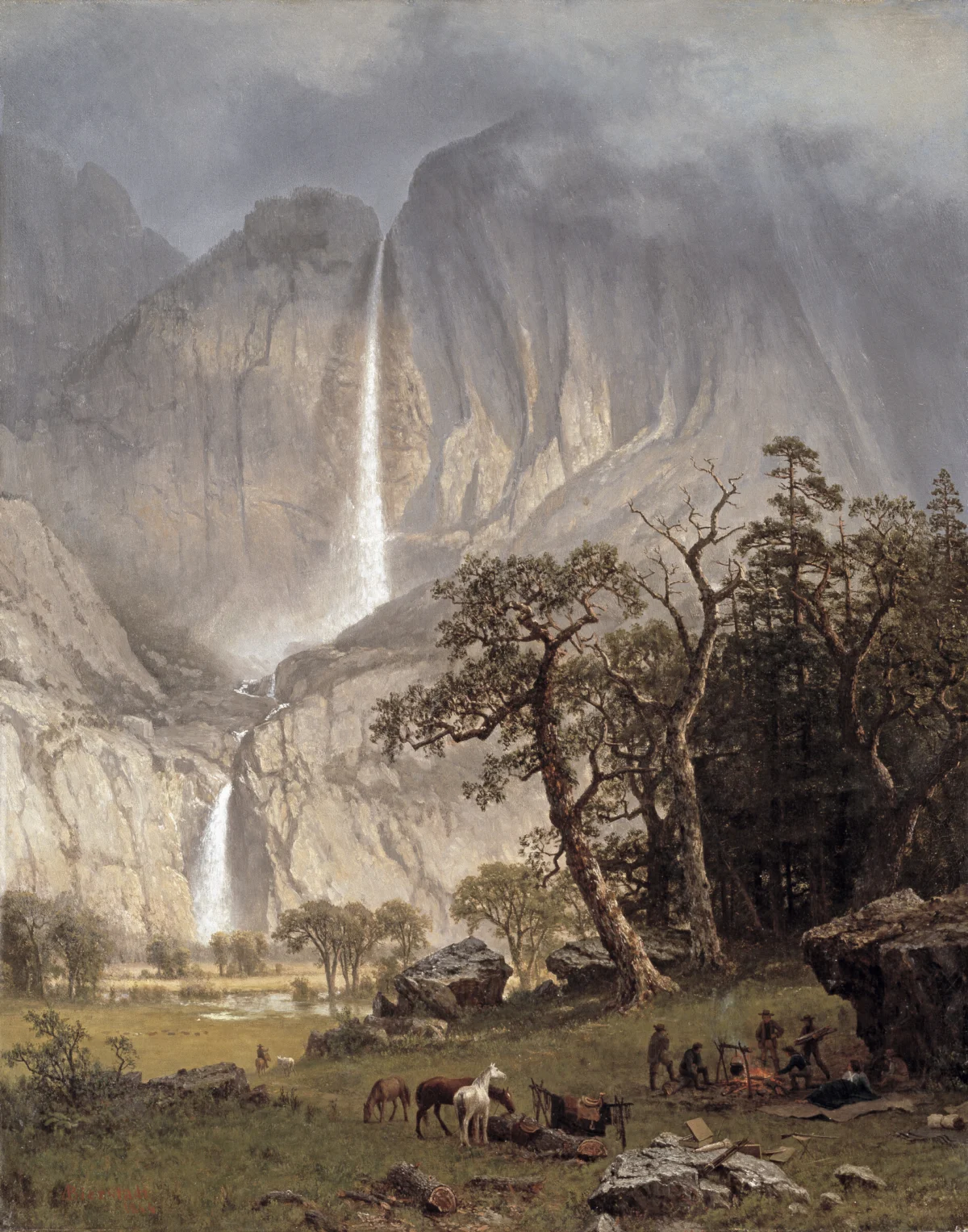
“The camp-fire is the living, life-giving, palpitating heart of the camp; without it all is dead and lifeless.” — Daniel Carter Beard
For as long as humanity has ventured beyond the threshold of the hearth, the campfire has served as our portable sun. It is the original technology, the first communal space, and the primal anchor of the human experience in the wild. While modern camping is often defined by the technical specifications of our equipment—the ultralight weight of a tent, the thermal rating of a sleeping bag, or the efficiency of a pressurized stove—the campfire remains the singular, irreplaceable soul of the outdoor experience. It is not merely a tool for warmth or sustenance; it is a cultural institution that has shaped the way we perceive, interact with, and romanticize the natural world.
The Primal Anchor: Why We Gather
Outdoor educator and author David Wescott famously dubbed the campfire the "prince of entertainers, the king of hosts." This is no hyperbole. Across the vast expanse of human history, fire has been the catalyst for storytelling, the guardian against the terrors of the night, and the alchemical force that turns raw ingredients into shared meals.
Anyone who has spent a night under the canopy of trees knows that food cooked over an open flame possesses a distinct, almost mystical quality. The "smoky patina" that clings to a charred hot dog or a simple tin of beans is more than just a byproduct of combustion; it is the flavor of authenticity. It is a sensory reminder that we are participating in a ritual as old as the species itself. Unlike the sterile precision of a home kitchen, the campfire demands patience, skill, and a surrender to the elements.
A Chronology of the Flame
The history of the campfire is the history of human migration and exploration. To understand our relationship with the wild, we must look at how fire has been captured in art, literature, and the collective consciousness.
The 19th Century: Romanticizing the Wilderness
In the 1800s, as the American frontier began to shrink under the pressure of expansion, painters like Albert Bierstadt and Winslow Homer began to codify the campfire as an icon of the American experience. Bierstadt, in his sweeping, luminist depictions of Yosemite, used fire to anchor his compositions, suggesting a primordial connection between the explorer and the land.
Winslow Homer’s 1880 painting, Campfire, captures a more intimate, psychological perspective. Here, the fire is a sanctuary. In the flickering light, the rough edges of the woods are softened, and the men huddled around the flames become silhouettes—part of the landscape rather than conquerors of it. This era marked a transition where the campfire moved from a survival necessity to a symbol of spiritual renewal and national identity.
The Early 20th Century: The Scout Movement
Daniel Carter Beard, one of the founders of the Boy Scouts of America, recognized that the campfire was the most potent tool for character development. He saw the fire as a "living heart." During this period, the campfire was formalized into a pedagogical tool. It became the setting for the transmission of lore, the teaching of knots and woodcraft, and the building of brotherhood. The fire was no longer just a source of heat; it was the classroom of the wilderness.
The Modern Era: Between Conservation and Custom
In the mid-to-late 20th century, the campfire began to face an identity crisis. As national parks saw exponential increases in visitation, the environmental impact of thousands of fires—scarring the earth, depleting firewood, and increasing wildfire risk—forced a shift in policy. We moved from "every campsite needs a ring" to "leave no trace" ethics. Today, the campfire is a site of tension: it is both a sacred tradition and a potential environmental hazard that requires modern stewardship.
The Chemistry and Psychology of the "Good Fire"
Why does the campfire hold such a tight grip on our psyche? Scientists and psychologists point to a phenomenon known as "biophilia"—the innate human instinct to connect with nature and other living beings.
The Multisensory Experience
- The Visual: The rhythmic flickering of flames is a hypnotic stimulus. Studies suggest that watching fire lowers blood pressure and induces a state of calm, likely an evolutionary response to the safety and comfort provided by fire during our ancestors’ nights on the savanna.
- The Auditory: The crackle of sap, the pop of shifting logs, and the low roar of a steady flame provide a "white noise" backdrop that masks the unpredictability of the forest, effectively creating a sound-bubble of security.
- The Olfactory: The scent of burning wood—cedar, pine, or oak—triggers deep-seated sensory memories. It is a primitive signal of "home," regardless of how far one is from civilization.
Official Perspectives and Safety Implications
The National Park Service (NPS) and the U.S. Forest Service maintain strict guidelines regarding campfires, emphasizing that the "hearth" must be managed with scientific rigor.
According to data from the National Interagency Fire Center (NIFC), human-caused wildfires remain a primary concern for land managers. In drought-prone regions, the traditional campfire is frequently banned in favor of gas-fueled alternatives. This has led to a cultural friction point: the conflict between the desire for an authentic, traditional experience and the urgent need for environmental conservation.
Experts argue that the solution is not the abolition of the campfire, but the "education of the flame." This includes:
- Fire-Ring Discipline: Only using established fire rings to prevent soil sterilization.
- Fuel Management: Using only dead and downed wood, never cutting living trees.
- The "Cold-Out" Standard: Ensuring the fire is completely extinguished—to the point where the ashes can be touched—before leaving the site or retiring for the night.
The Future of the Campfire
As we look toward the next decade of outdoor recreation, the campfire is undergoing a technological evolution. We are seeing a rise in "smokeless" portable fire pits, which offer the aesthetic benefits of a flame while significantly reducing particulate emissions and the risk of stray sparks.
However, technology cannot replace the cultural weight of the ritual. Whether it is a modern, high-tech titanium stove or a classic pile of stones on a riverbank, the act of gathering remains the same. The campfire is an equalizer. It strips away the digital noise of the 21st century and returns the individual to a state of focus.
Implications for the Modern Adventurer
The implications of this "cultural biography" are profound. As we become increasingly disconnected in a hyper-digital world, the campfire serves as a necessary corrective. It demands presence. You cannot "doom-scroll" effectively while tending a fire; you must be engaged with the wood, the oxygen, and the heat.
For the independent traveler, the weekend warrior, and the seasoned mountaineer, the campfire is a reminder that we are part of a lineage of fire-tenders. It is a responsibility—a duty to the land we inhabit and a tribute to the ancestors who first discovered that when we gather around a spark, we are never truly alone in the dark.
As Adventure Journal continues to document the intersection of the wild and the human spirit, the campfire remains our most enduring subject. It is the beginning of the story, the middle of the conversation, and the final memory we take home when the tent is packed and the trail ends.
So, the next time you strike a match in the backcountry, remember: you aren’t just building a fire. You are participating in a global tradition that has defined humanity for millennia. Tend it well, leave no trace, and let the embers burn long enough to tell the story.
 Raul Delapena Setiawan
  Pevita Pearce
  Siti Muinah