

Main Facts
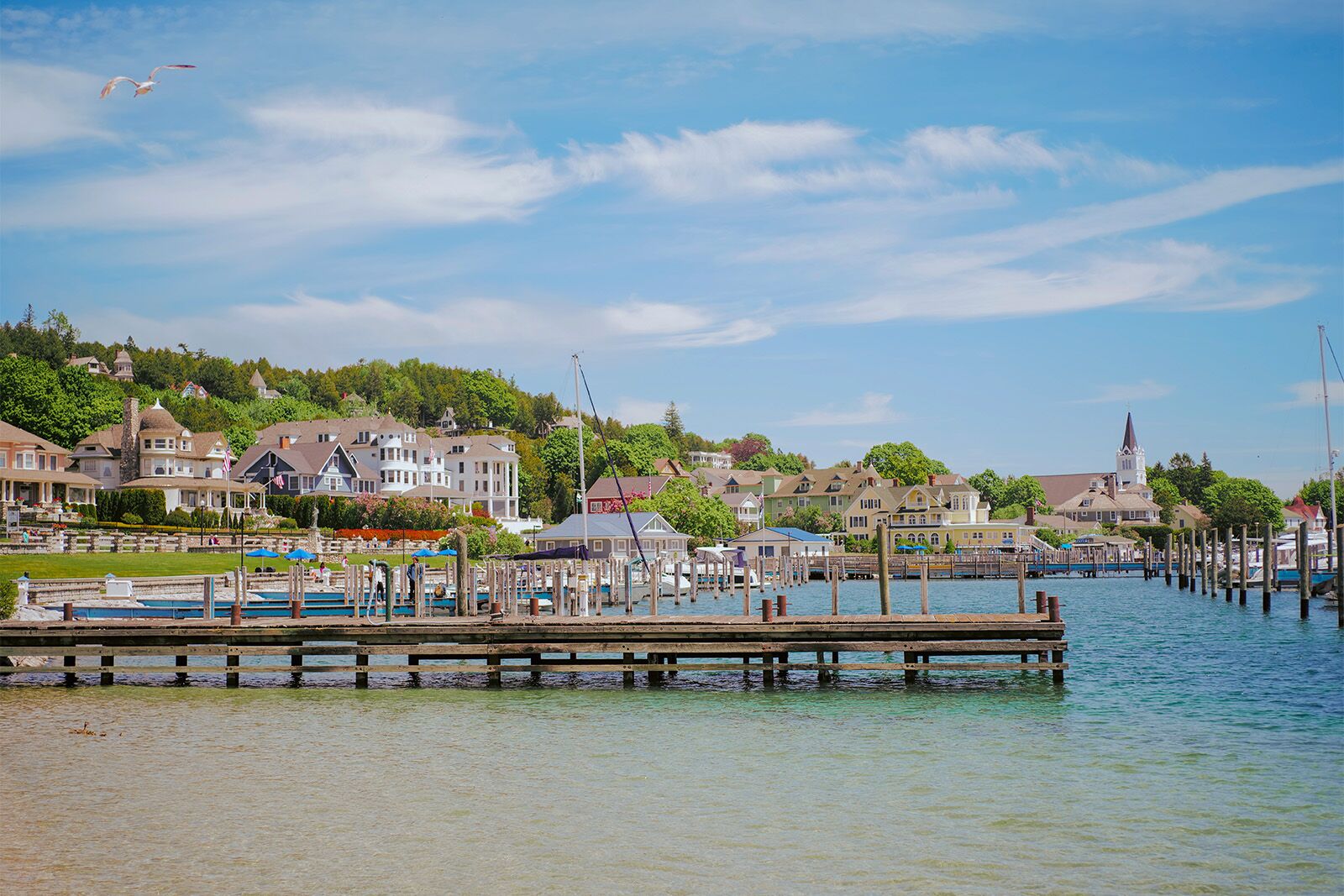
Nestled in the waters of Lake Huron, precisely positioned between Michigan’s Upper and Lower Peninsulas, lies Mackinac Island—a unique tourist destination that serves as a living museum of American history and a modern model for ecological preservation. Encompassing approximately eight miles of pristine shoreline, this island is globally renowned for a defining characteristic: the near-total absence of motor vehicles.
                       [ MACKINAC ISLAND ]
                                |
       +------------------------+------------------------+
       |                                                 |
[ TRANSPORTATION ]                                [ PRESERVATION ]
       |                                                 |
       +--> No cars since 1898                           +--> 80% State Park land
       +--> Bicycles & walking                           +--> National Historic Landmark
       +--> Horse-drawn carriages                        +--> Victorian architecture
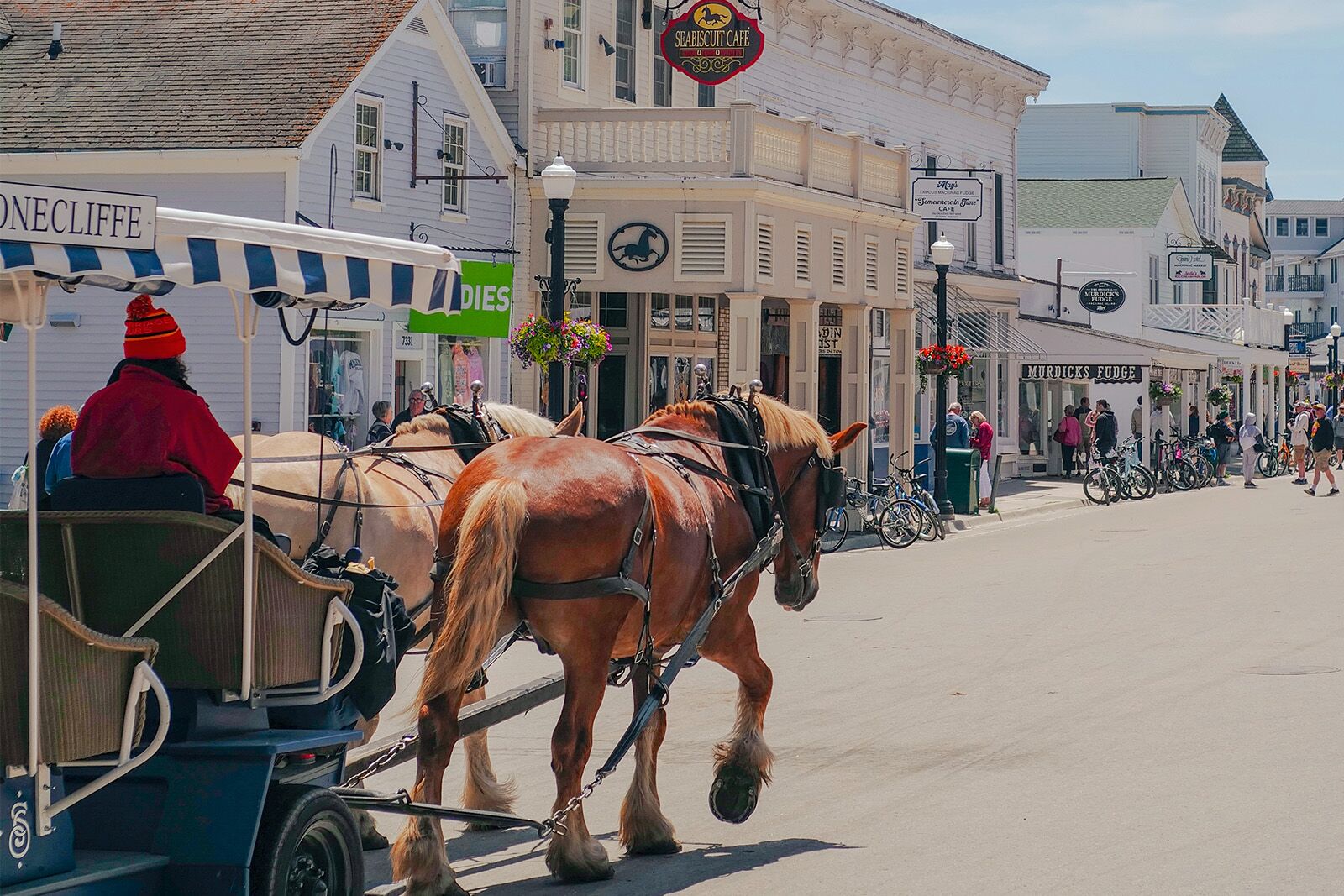
The ban on automobiles, enacted in 1898, remains strictly enforced to this day. It was initially passed after local carriage drivers complained that early steam and gasoline engines startled their horses. More than a century later, this pragmatic municipal ordinance has transformed the island into a quiet sanctuary where transportation is limited to walking, bicycling, and horse-drawn carriages.
The island’s primary tourism season spans from May through October, peaking during the warm summer months. In June, the island undergoes a dramatic transformation as the local workforce—many of whom spend the harsh winters preparing for the seasonal influx—welcomes the first major waves of travelers.
This period coincides with the annual Mackinac Island Lilac Festival, when vibrant white and purple lilacs bloom across the downtown district. Local travel experts and residents widely agree that the optimal windows for visiting are early summer, to witness the floral blooms, and late autumn, when the island’s dense canopy turns into a showcase of fall foliage.
Chronology
The development of Mackinac Island from a strategic military outpost to a premier resort destination is defined by a series of historical milestones:
1869: Carriage Tours established
  │
1875: Designated as U.S. National Park #2
  │
1887: Grand Hotel opens; Murdick's Fudge founded
  │
1895: Decommissioned to become Michigan's first State Park
  │
1898: Motor vehicle ban enacted
  │
1902-1904: Construction of Hotel Iroquois and the Inn at Stonecliffe
  │
1980: "Somewhere in Time" filmed on location
  │
2024-2025: Inn at Stonecliffe $40M renovation; modern digital & retail expansions- 1869: Mackinac Island Carriage Tours begins operations, establishing a formal horse-drawn transit infrastructure that remains active today.
- 1875: The federal government designates the island as the United States’ second national park, Mackinac National Park, trailing only Yellowstone.
- 1887: The iconic Grand Hotel opens to the public. Concurrently, the Murdick family establishes the island’s first candy shop, initiating a confectionery legacy that would define the island’s culinary culture.
- 1895: Due to shifting federal priorities, the national park is decommissioned and transferred to the state, officially becoming Michigan’s first state park: Mackinac Island State Park.
- 1898: Following mounting friction between carriage drivers and early motorists, the local government bans "horseless carriages," establishing the island’s car-free legacy.
- 1902–1904: The island’s luxury lodging footprint expands with the construction of Hotel Iroquois (1902) and the Inn at Stonecliffe (1904), the latter built as a grand Tudor mansion for a wealthy meat-packing magnate.
- 1980: The release of the romantic fantasy film Somewhere in Time, filmed on-site at the Grand Hotel and various island locations, cements Mackinac Island’s place in American pop culture.
- 2024–2025: The island experiences a wave of modern reinvestment, highlighted by a historic $40 million renovation of the Inn at Stonecliffe in 2024, and the expansion of local businesses—such as the Mackinac Island Cookie Company—into major transit hubs in 2025.
Supporting Data
The island’s sustained appeal relies on a carefully managed network of historical preservation, outdoor recreation, culinary arts, and luxury hospitality.
Historic and Cultural Main Streets
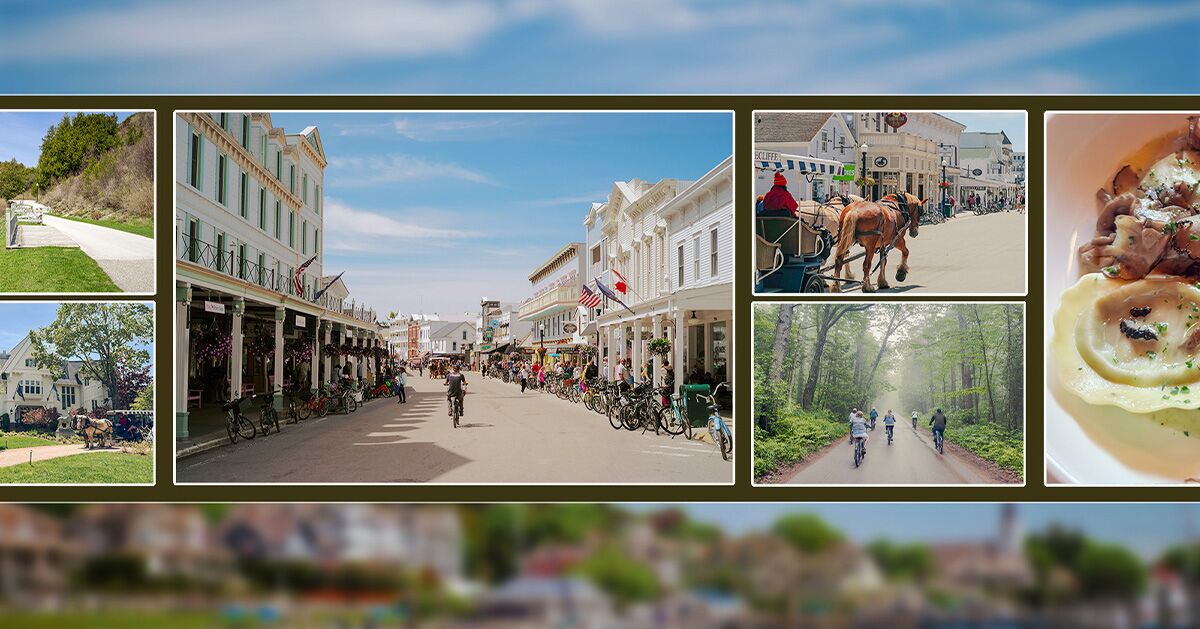
The commercial heart of the island is Main Street, a bustling corridor dominated by family-owned and operated businesses, many of which have been passed down through generations.
Among these is Doud’s Market, officially recognized as the oldest continuously operating, family-run grocery store in the United States. Here, visitors can observe a uniquely local sight: residents transporting weekly groceries in wooden wagons hitched to the backs of bicycles.
Other notable retail establishments include Little Luxuries, which showcases artisan goods and regional beauty products, and The Island Bookstore, a literary hub that has anchored the streetscape for decades.
To help visitors navigate this history, local historians have turned to digital solutions. Mackinac Jane’s Audio Tours, developed using the VoiceMap application, offers self-guided walking and cycling routes narrated by long-term residents.
These digital tours guide visitors past the historic summer cottages of East Bluff, the rocky shores of British Landing—a key site of the War of 1812—and the scenic backdrops used in the filming of Somewhere in Time.
[MAIN STREET COMMERCE]
 ├── Doud's Market (Oldest family-run grocery in the US)
 ├── Little Luxuries (Local artisan goods)
 └── The Island Bookstore (Historic literary hub)
Active Recreation and Environmental Preservation
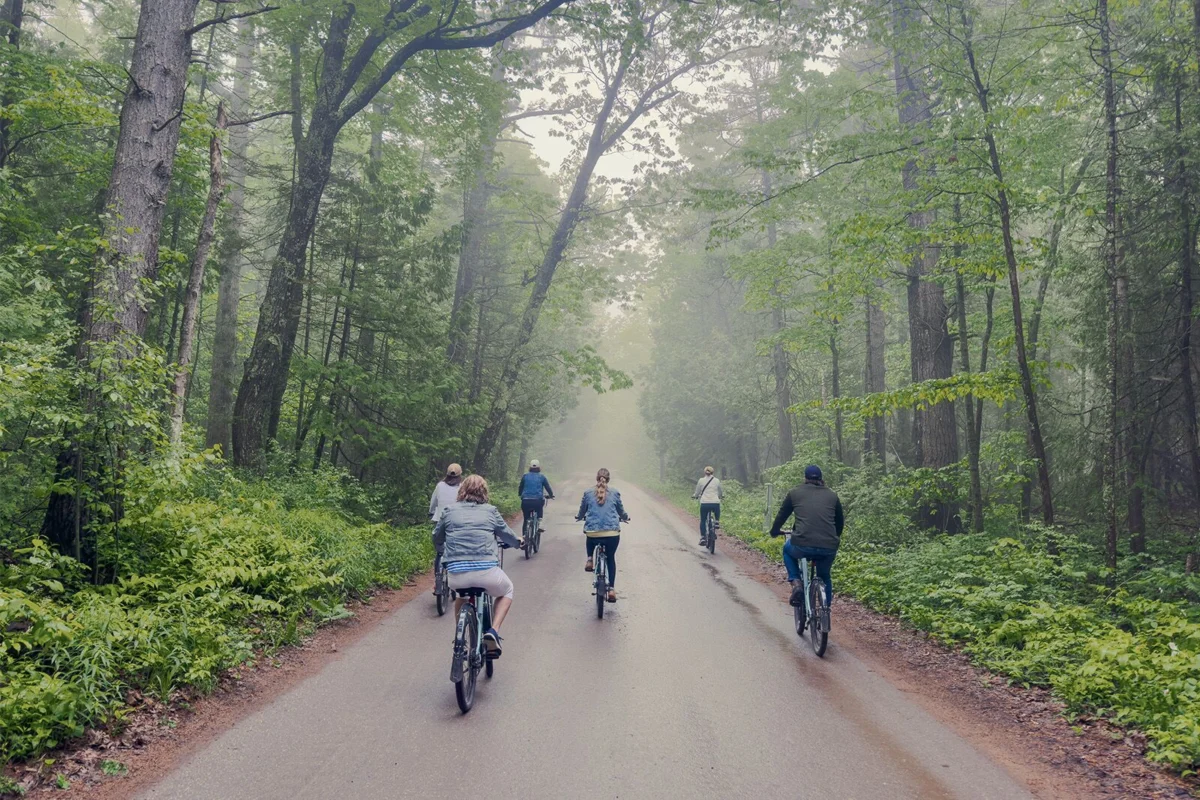
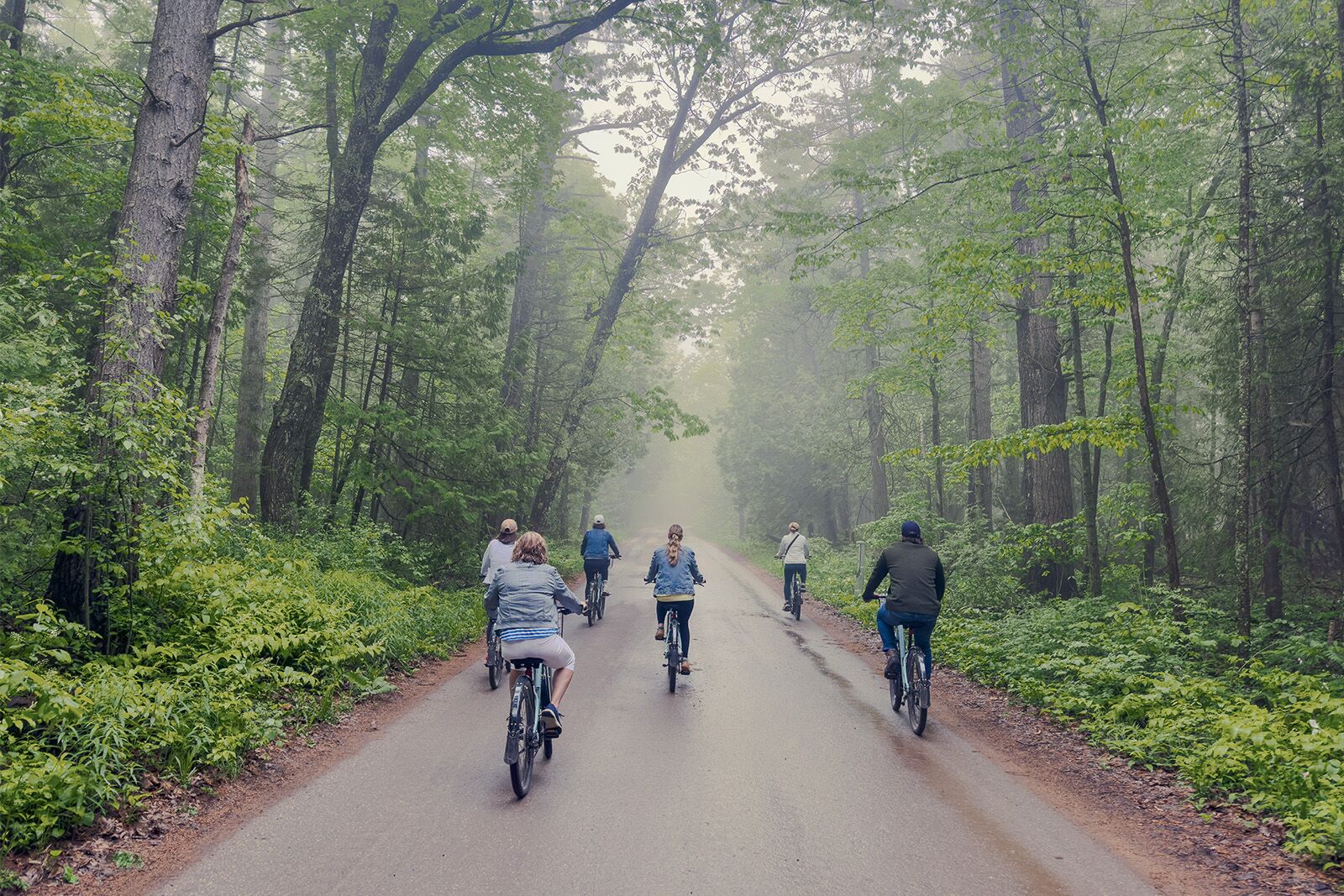
More than 80 percent of the island’s landmass is protected within the boundaries of Mackinac Island State Park. This protected status preserves over 70 miles of multi-use trails that cut through evergreen forests and wildflower meadows.
                  [ MACKINAC ISLAND STATE PARK ]
                                |
       +------------------------+------------------------+
       |                                                 |
[ GEOLOGICAL LANDMARKS ]                         [ TRAIL NETWORKS ]
       |                                                 |
       +--> Arch Rock (Limestone arch)                   +--> West Bluff (Victorian views)
       +--> Sugar Loaf (75-foot stack)                   +--> Croghan Water (Wildlife)
       +--> Fort Holmes (Highest point)                  +--> 8-Mile Lake Shore Loop
For cyclists, the definitive experience is the eight-mile perimeter loop along Lake Shore Boulevard. This car-free route offers unobstructed views of Lake Huron and provides direct access to the island’s unique geological formations:
- Arch Rock: A natural limestone arch rising above the eastern shoreline. Visitors can secure their bicycles at the base and climb 207 wooden steps to view the crystal-clear waters of Lake Huron through the geological span.
- Sugar Loaf: A massive, 75-foot-tall limestone breccia stack that rises abruptly from the forest floor, representing ancient post-glacial lake levels.
- Fort Holmes: Situated at the island’s highest elevation point, this historic fort offers panoramic views of the Straits of Mackinac and the massive Mackinac Bridge.
Maritime and Carriage Transit Systems
With personal cars prohibited, transit on and around the island relies on specialized services. On the water, Sip n’ Sail Cruises offers public excursions aboard two distinct vessels: the 55-foot, glass-bottomed Robin E and the 81-foot Isle Royale Queen III. These cruises navigate the Straits of Mackinac, passing directly beneath the five-mile-long suspension cables of the Mackinac Bridge.
On land, the historic Mackinac Island Carriage Tours operates guided horse-drawn carriage excursions lasting up to two hours. These tours cover key landmarks, including Surrey Hill—home to a carriage museum, blacksmith shop, and butterfly conservatory—and the Grand Hotel.
For off-route travel, the company runs a 24-hour dispatch horse-drawn taxi service (cash only), providing vital point-to-point accessibility. Travelers seeking a hands-on experience can rent and drive their own horse-and-buggy configurations through Jack’s Livery Stable.
Culinary Traditions and Gastronomy
Culinary tourism on Mackinac Island is anchored by its world-famous fudge industry, a tradition dating back to 1887. The island’s chocolate legacy is preserved by competing multi-generational establishments, most notably Murdick’s Fudge and Joann’s Fudge.
The production process remains a public performance: confectioners pour liquid fudge onto large marble slabs, using long-handled scrapers to fold and shape the cooling mixture. This marble-slab technique is essential to the product’s quality, as continuous aeration prevents crystallization, ensuring a smooth texture.
[ FUDGE MAKING PROCESS ]
Liquid Fudge boiled in copper kettles
  └── Poured onto cooling marble slabs
        └── Hand-folded with scrapers
              └── Aeration prevents crystallization (smooth texture)
Beyond confections, the island’s food scene features a variety of dining options:
- Mackinac Island Cookie Company: Located at the Arnold Transit Dock, this family-run bakery is famous for its oversized, homemade cookies, including its signature oatmeal recipe.
- Watercolor Café: A waterfront spot on Main Street known for its "Poppies"—a fresh-baked, artisanal take on classic toaster pastries. The café also hosts daily art classes, converting its dining room into an open art studio in the afternoon.
- The Straits: Located at the Inn at Stonecliffe, this fine-dining restaurant features a farm-to-table menu sourced from regional growers and the inn’s own gardens. Signature dishes include fresh-caught Great Lakes whitefish, spring gnocchi, and local walleye.
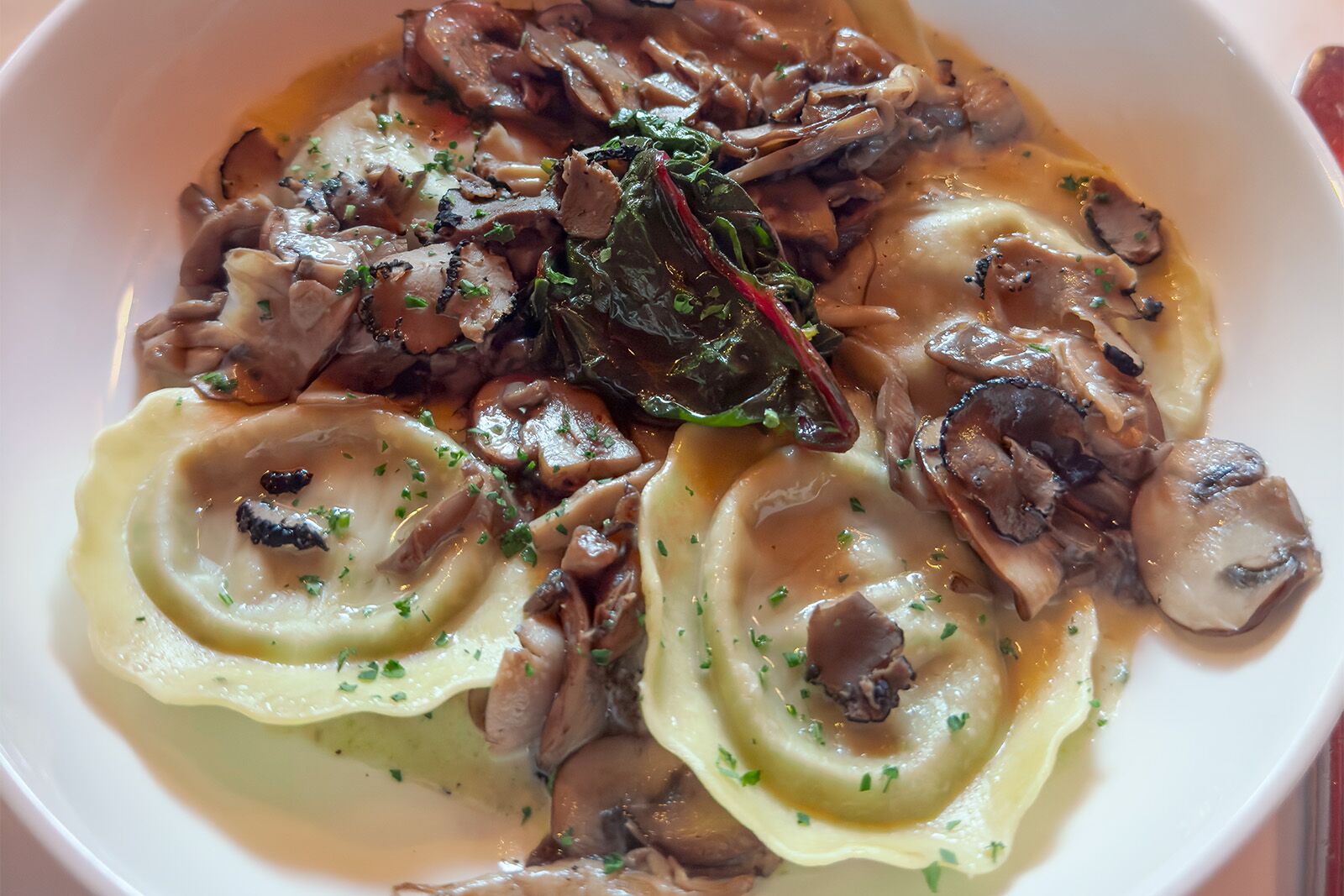
- Woods Restaurant: Operated by the Grand Hotel and housed in a Bavarian-style lodge in the island’s interior, this restaurant is accessible by carriage or bicycle. It is highly regarded for its upscale rustic menu, featuring wild boar meatballs, wild mushroom ravioli, and green goddess salads.
- Pink Pony: Located inside the Chippewa Hotel since the early 1900s, this historic waterfront patio and lounge offers classic American fare, such as its signature sirloin patty melt served on toasted rye.
Accommodation Profiles
| Establishment | Est. Date | Key Architectural & Amenities | Notable Features |
|---|---|---|---|
| The Inn at Stonecliffe | 1904 | Tudor Revival Mansion; 16 mansion rooms, 32 summer house rooms, private cottages, wellness center, sauna, pool, and manicured lawns. | Humanitarian Hotel model; $40M renovation (2024); exclusive raspberry chocolate fudge. |
| Grand Hotel | 1887 | Victorian Palace; 400 individually decorated guest rooms, 660-foot front porch (world’s longest), extensive estate gardens. | National Historic Landmark; filming site of Somewhere in Time; strict evening dress code. |
| Hotel Iroquois | 1902 | Queen Anne Victorian; 46 waterfront rooms, private sun pier, manicured gardens, fine dining at the Carriage House. | Prime downtown waterfront location; operates without elevators to preserve historic integrity. |
Official and Local Responses
The preservation of Mackinac Island’s unique environment depends on the active participation of its business owners and residents.
Mary Jane Barnwell, who has owned and operated The Island Bookstore on Main Street since 1989, emphasizes the importance of historical literacy among travelers.
"The island isn’t just a theme park; it is a deeply historic place with layers of Native American, French, British, and early American history," Barnwell explains. This belief motivated her and her husband, Mark, to develop their digital audio tours, ensuring that visitors can engage with authentic local history narrated by the people who live it.
Similarly, Kate Conlon, co-owner of the Mackinac Island Cookie Company, highlights the community-driven nature of the island’s economy.
"Operating a business here requires adapting to a unique set of logistics—everything from flour to ovens has to arrive by ferry and then be hauled by horse or bicycle," Conlon notes. Despite these operational challenges, she credits the island’s tight-knit business community and supportive visitors for the successful expansion of her family’s bakery from the mainland to the island’s busy transit docks.
At the Inn at Stonecliffe, management has structured its operations around social responsibility. As a certified "Humanitarian Hotel," the property directs its net profits toward local community development projects.
Furthermore, the inn partners with international agencies to employ asylum-seekers, providing housing, competitive wages, and professional training. This program helps address seasonal labor shortages while offering meaningful opportunities to individuals rebuilding their lives.
Implications
Mackinac Island’s long-standing policies offer valuable lessons for the global tourism and hospitality industries, particularly regarding environmental sustainability and community preservation.
                         [ MACKINAC MODEL ]
                                 |
       +-------------------------+-------------------------+
       |                         |                         |
[ SUSTAINABILITY ]       [ CONSERVATION ]        [ SOCIAL RESPONSIBILITY ]
       |                         |                         |
       +--> Zero-emission        +--> 80% State Park       +--> Humanitarian Hotel
       +--> Micro-mobility       +--> Historic Landmark    +--> Local reinvestment
The Micro-Mobility and Carbon-Free Blueprint
As modern urban planners struggle to reduce carbon emissions and ease vehicular congestion in historic city centers, Mackinac Island stands as a successful, long-term case study in pedestrian-first infrastructure.
For over 125 years, the island has proven that a local economy can thrive without cars. The reliance on bicycles and horses has not only kept air quality high, but it has also fostered a slower, more deliberate style of travel that benefits local businesses.
Balancing Historic Preservation with Modernization
The island’s ongoing success demonstrates that historic preservation does not require stagnation. The integration of modern amenities—such as the $40 million renovation of the Inn at Stonecliffe, the use of GPS-enabled digital history apps, and the introduction of online ordering systems for local merchants—shows that destinations can adopt modern technology while maintaining their historic character.
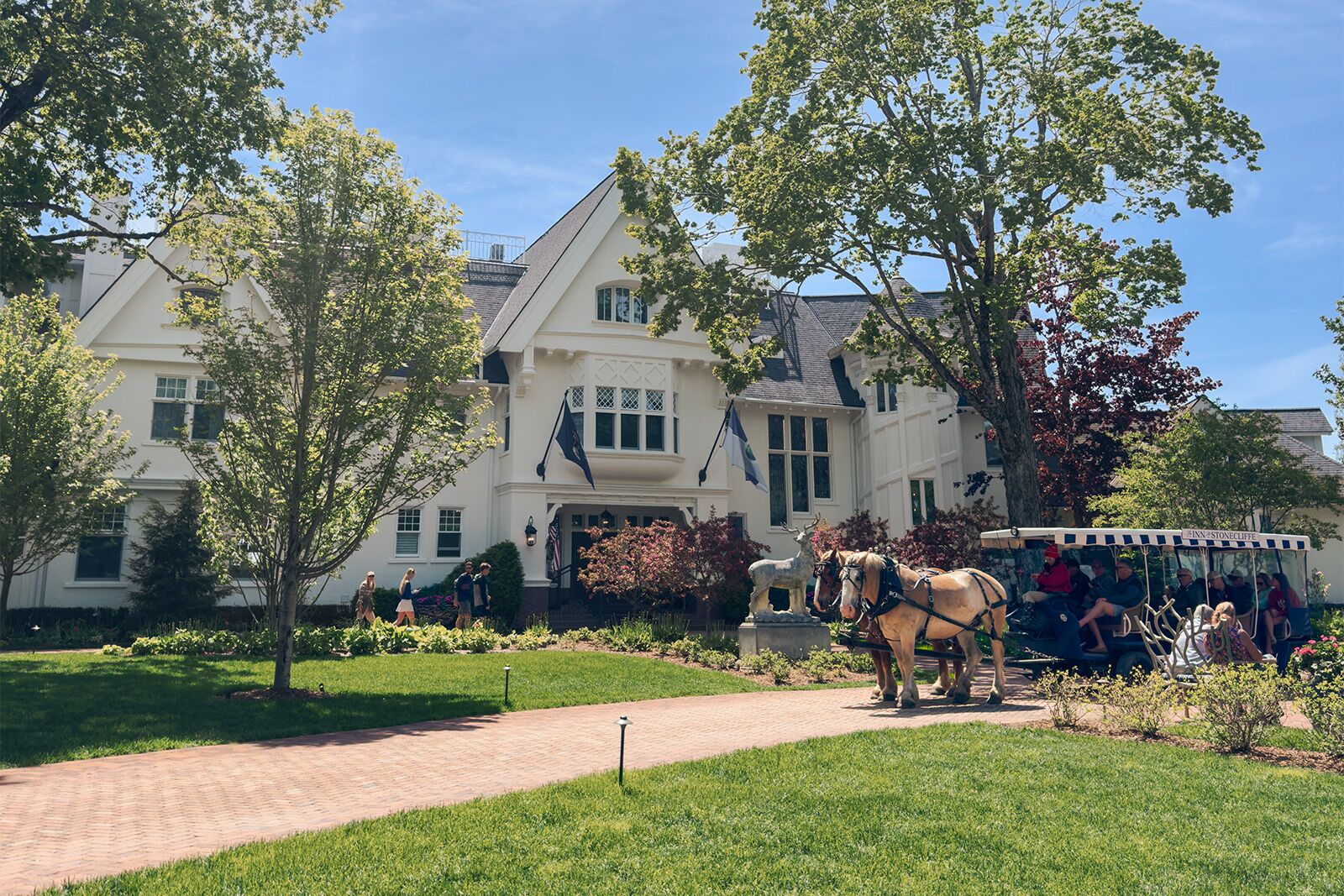
By preserving its architectural heritage and natural landscapes, Mackinac Island maintains a distinct identity in a highly competitive travel market.
The Rise of Socially Conscious Hospitality
The "Humanitarian Hotel" model pioneered by the Inn at Stonecliffe represents a promising shift in luxury travel. As travelers increasingly seek out socially responsible options, businesses that align their operations with community welfare, ethical hiring, and environmental stewardship are well-positioned for long-term success.
By demonstrating that luxury hospitality can support social good, Mackinac Island’s business community offers a compelling path forward for the global tourism industry.
 Laily UPN
  Dwi Wanna
  Ammar Sabilarrohman