

Main Facts
Alaska remains one of the final frontiers of relatively untouched wilderness in North America, encompassing over 586,000 square miles of territory. This vast expanse features more than a dozen national parks and preserves, contrasted against a sparse human population of fewer than 750,000 residents. Consequently, travelers navigating the region are almost guaranteed to encounter landscapes dominated by wildlife rather than human development.
For years, the travel industry has promoted small expedition cruises as the premier vehicle for intimate wildlife viewing in Southeast Alaska. These specialized excursions, however, often command premium prices, frequently exceeding $15,000 per person.
Evidence gathered during a week-long cruise at the opening of the Alaska sailing season in May 2026 demonstrates that standard, mainstream cruise ships offer highly comparable wildlife viewing opportunities at a fraction of the cost.
The Impact of Seasonal Variation on Wildlife Sightings
A comparative analysis of voyages undertaken during different periods of the Alaskan cruise calendar reveals that timing, rather than the size of the vessel, dictates the variety of species observed.
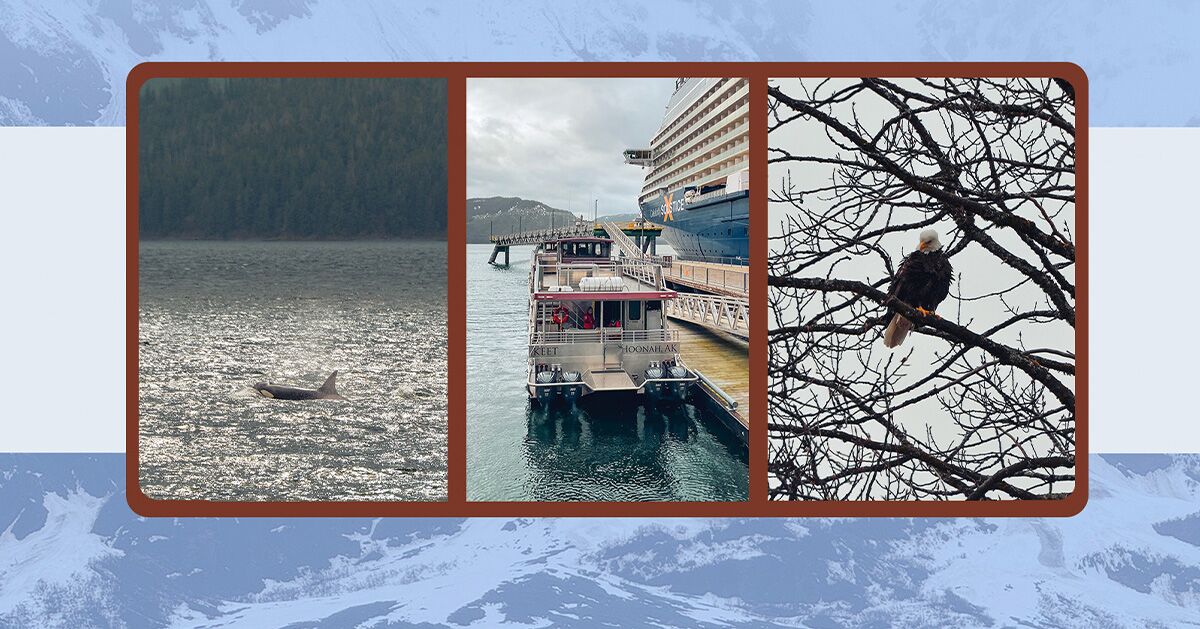
- Late-Autumn Observations (September 2022): A voyage conducted at the tail end of the season revealed an abundance of bald eagles and thousands of sea otters, while orcas and humpback whales were far less visible.
- Early-Spring Observations (May 2026): A voyage conducted during the opening week of the season documented a high concentration of orcas, humpback whales, and Rufous hummingbirds. Conversely, bald eagles and sea otters were observed in highly limited numbers during this specific window.
Regardless of the season, proper equipment—specifically high-quality travel binoculars and telephoto cameras—remains essential for passengers on commercial vessels to successfully spot and document these species from deck-side observation points.
Chronology of the Voyage
The Spring Embarkation
The journey commenced in May 2026, marking the official opening of the Southeast Alaska cruise season. The maritime route followed the Inside Passage, a critical marine corridor extending from northern Washington state to the panhandle of Southeast Alaska.
Port of Call: Icy Strait Point (Hoonah)
Upon arrival in Hoonah, at the Indigenous-owned destination of Icy Strait Point, travelers were presented with various recreational options, including hiking, ziplining, and cable car transits. To maximize wildlife observation, a 2.5-hour whale and marine mammal excursion was selected.
[Departure from Icy Strait Point]
       │
       ▼ (10 Minutes of Navigation)
[Port Frederick Fjord / Komtok Hon] ──► Spotting of Transient Orca Pod
       │
       ▼ (2 Hours of Observation)
[Return Transit to Shoreline]       ──► Sightings of Coastal Brown Bears
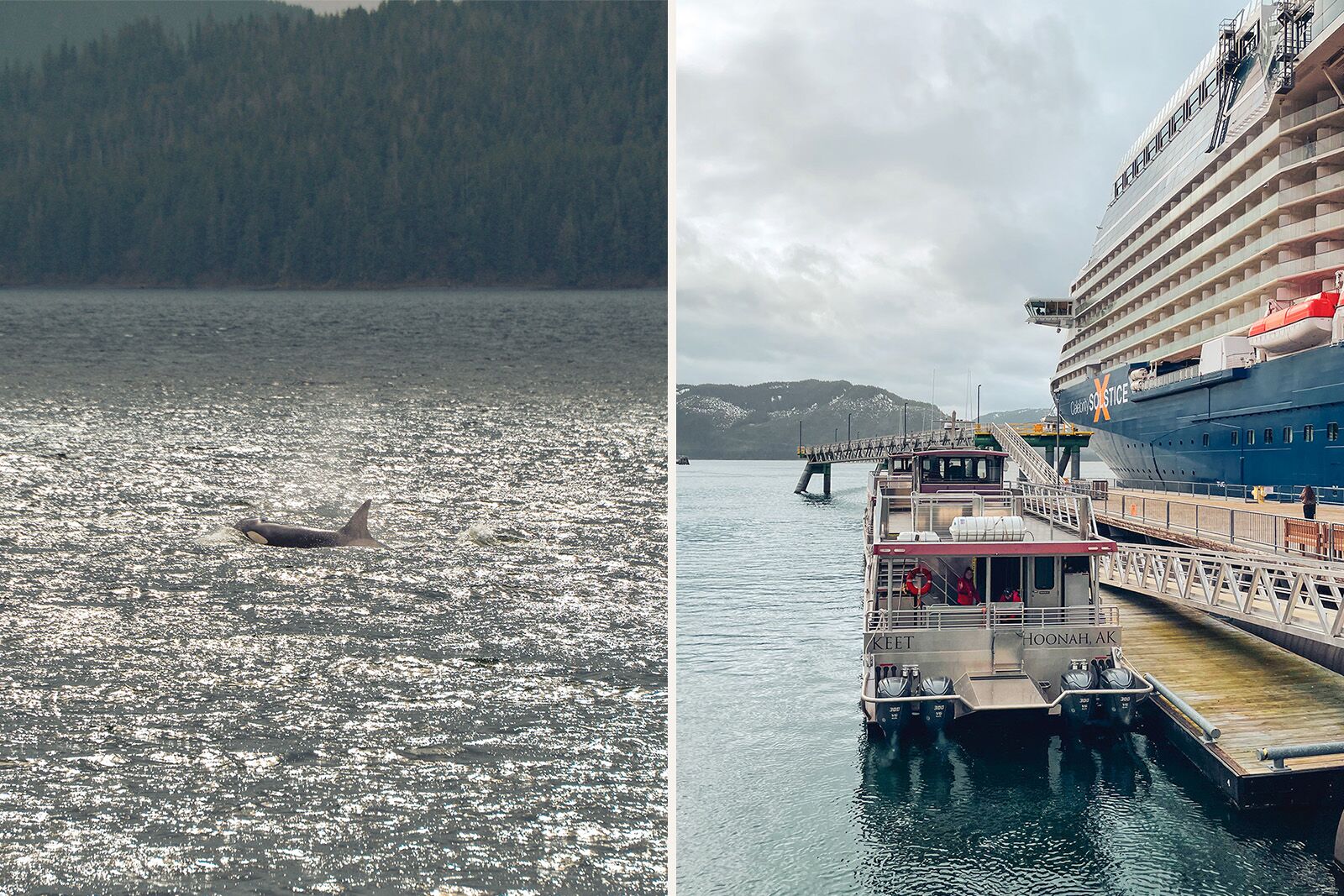
Within ten minutes of departing the dock and entering Port Frederick Fjord (known in the native Tlingit language as Komtok Hon), the vessel encountered a transient pod of orcas (Orcinus orca). The pod consisted of three individuals: an adult male, an adult female, and a juvenile. The excursion vessel, named Keet (the Tlingit word for orca), maintained a respectful viewing distance for two hours.
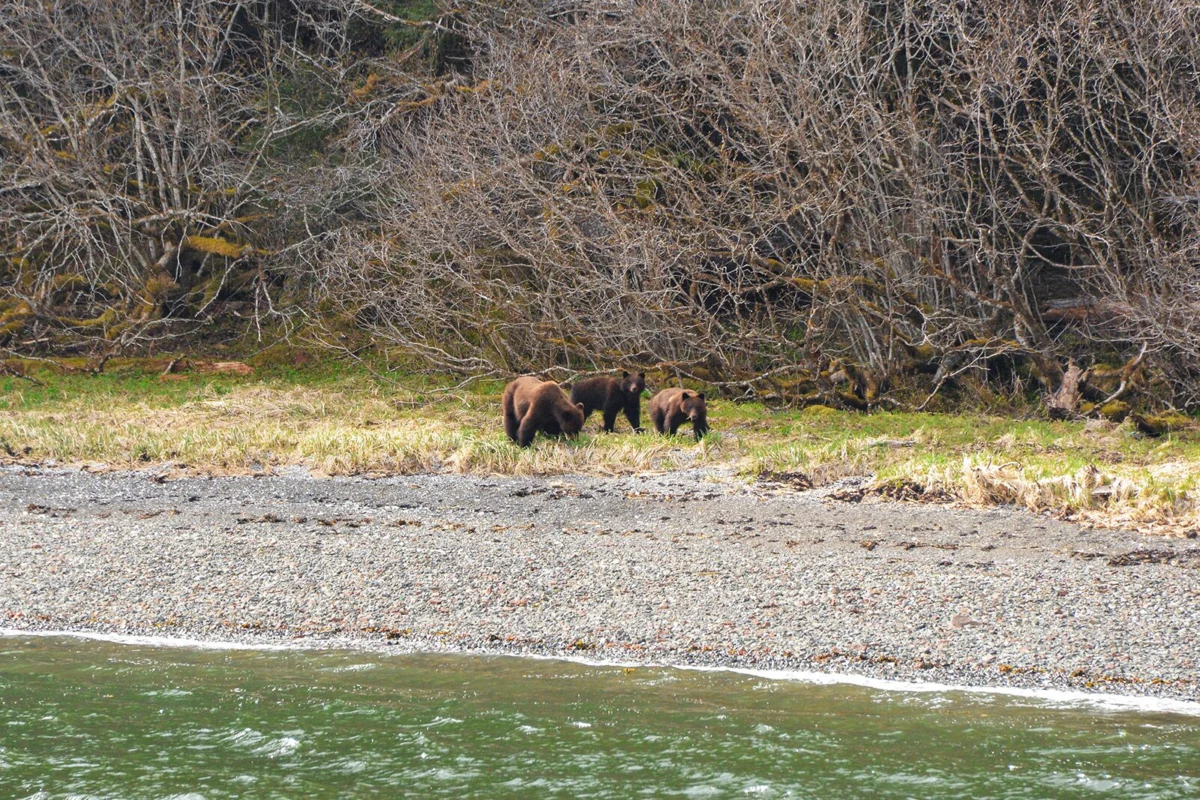
Prior to returning to the dock, the vessel’s crew spotted a family of coastal brown bears—a mother and two cubs—grazing along the shoreline, allowing passengers to observe them in their natural habitat without causing disruption.
Transit of Yakutat Bay to Hubbard Glacier
The cruise ship subsequently navigated north into Yakutat Bay, heading toward Hubbard Glacier, located within the boundaries of Wrangell-St. Elias National Park and Preserve.
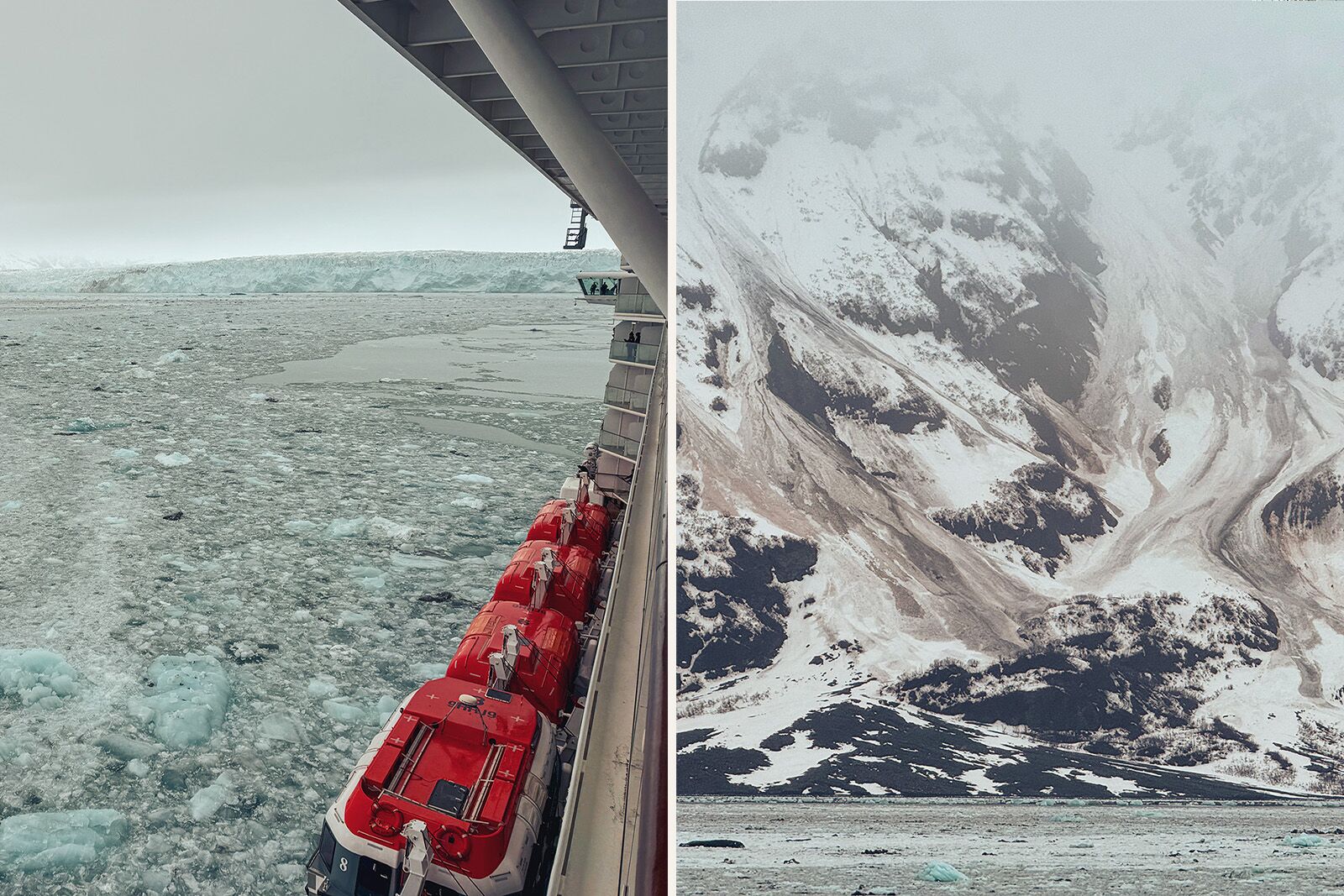
The transit was marked by inclement weather, characterized by heavy rain, dense fog, and low temperatures. Despite the challenging environment, passengers on covered balconies and open decks observed the shifting ice fields.
As the ship approached the face of the tidewater glacier, the sound of moving ice became audible, accompanied by the sight of large ice floes flipping in the wake of the vessel.
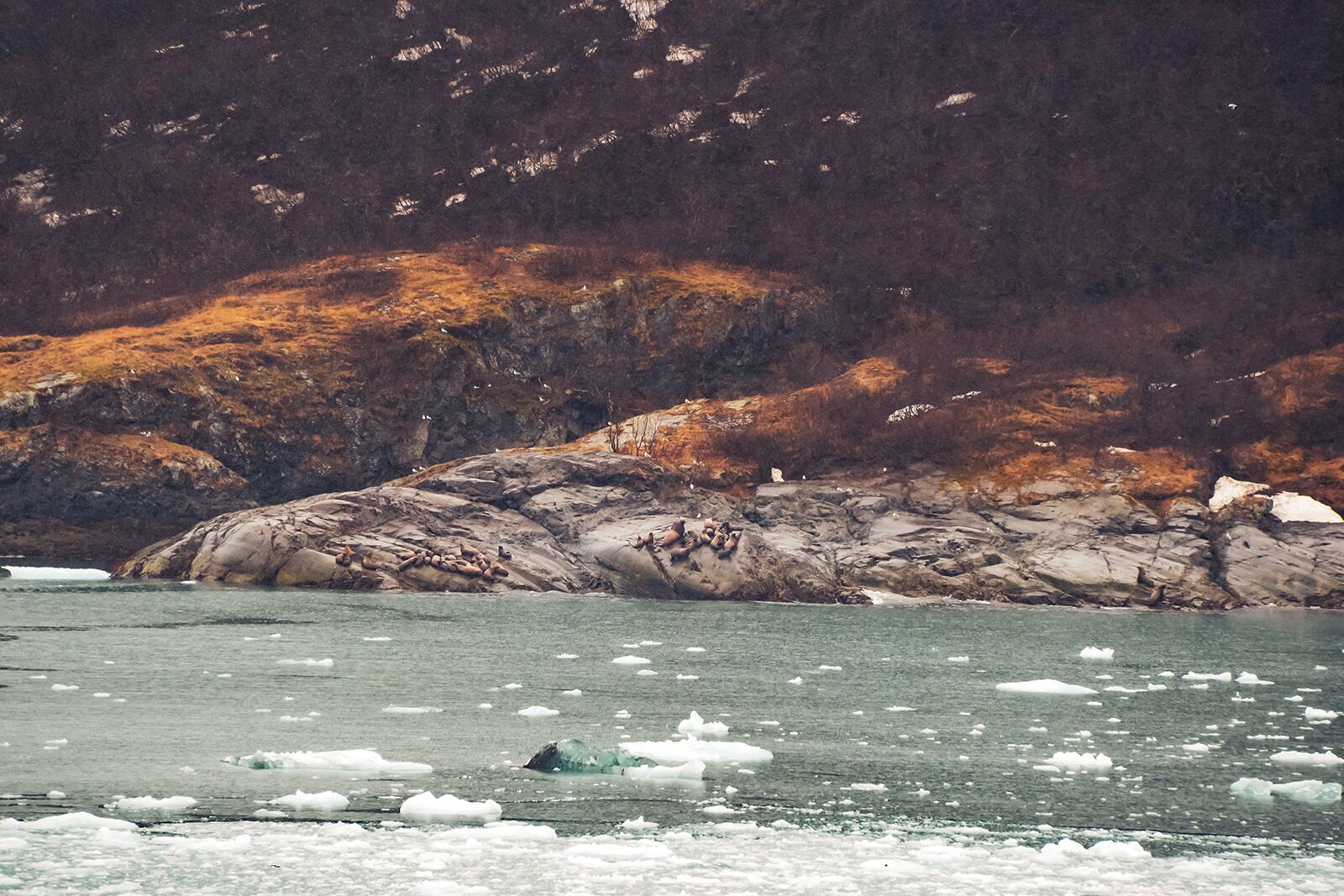
During this transit, binocular observations revealed:
- A colony of Steller sea lions resting on a rocky peninsula.
- Scattered harbor seals and a solitary sea otter navigating the ice-choked waters.
- An unexpected sighting of a Rufous hummingbird migrating through the freezing rain.
Port of Call: Ketchikan
The final phase of the regional survey took place in the coastal town of Ketchikan. Renowned for its salmon runs, which occur from May through September, the town serves as a major feeding ground for avian predators.
While in Ketchikan, travelers explored both the urban waterways and the surrounding coastal rainforest:
- Creek Street: A harbor seal was observed navigating the shallow waters near the mouth of the creek, monitoring tourist activity.
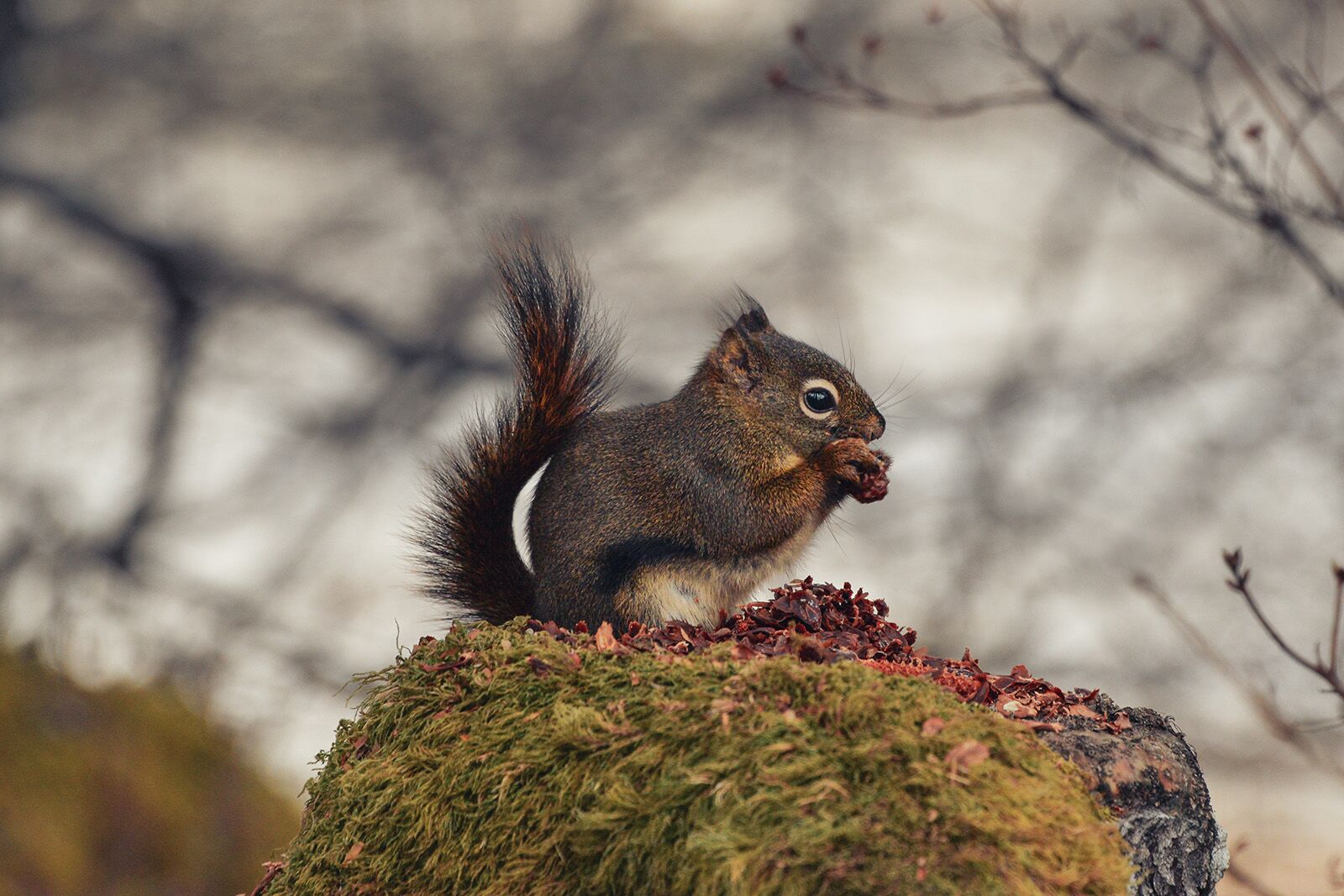
- Forest Trail Hike: A red squirrel was documented foraging on a tree stump, systematically stripping pine cones for seeds.
- Totem Heritage Center: A cultural visit highlighted the historical connection between local fauna and Indigenous art forms.
Supporting Data and Biological Insights
To contextualize the wildlife encounters documented during the May 2026 voyage, it is necessary to examine the biological and environmental data associated with each species.
Marine Mammal Classifications and Characteristics
Orcas (Orcinus orca)
Despite their common moniker of "killer whales," orcas are taxonomic members of the dolphin family (Delphinidae), representing the largest species within that group. Physical characteristics observed during the excursion allowed for immediate identification of sex and maturity:
| Demographic | Dorsal Fin Height | Dorsal Fin Shape |
|---|---|---|
| Adult Male | Up to 6 feet | Tall, straight, and triangular |
| Adult Female | Significantly smaller | Curved and falcate |
| Juvenile | Small / underdeveloped | Curved |
Humpback Whales (Megaptera novaeangliae)
Humpback whales migrate annually from tropical breeding grounds in Hawaii, Mexico, and Japan to the nutrient-rich cold waters of Alaska to feed during the spring, summer, and autumn.
The Inside Passage holds one of the highest global concentrations of these cetaceans. They are identified by their distinctive exhalation plumes (blows) and their flukes, which are raised above the water’s surface prior to a deep dive.
       [Tropical Breeding Grounds] (Hawaii, Mexico, Japan)
                   │
                   ▼ (Spring Migration)
       [Nutrient-Rich Alaskan Waters] (Inside Passage)
                   │
                   ▼ (Summer/Autumn Feeding)
       [Return Migration] (Late Fall)
Steller Sea Lions (Eumetopias jubatus)
Steller sea lions exhibit extreme sexual dimorphism, with adult males growing up to three times the size of adult females. They are highly vocal, often identified by loud barking before they are visually spotted against rocky shorelines.
Avian and Terrestrial Species Data
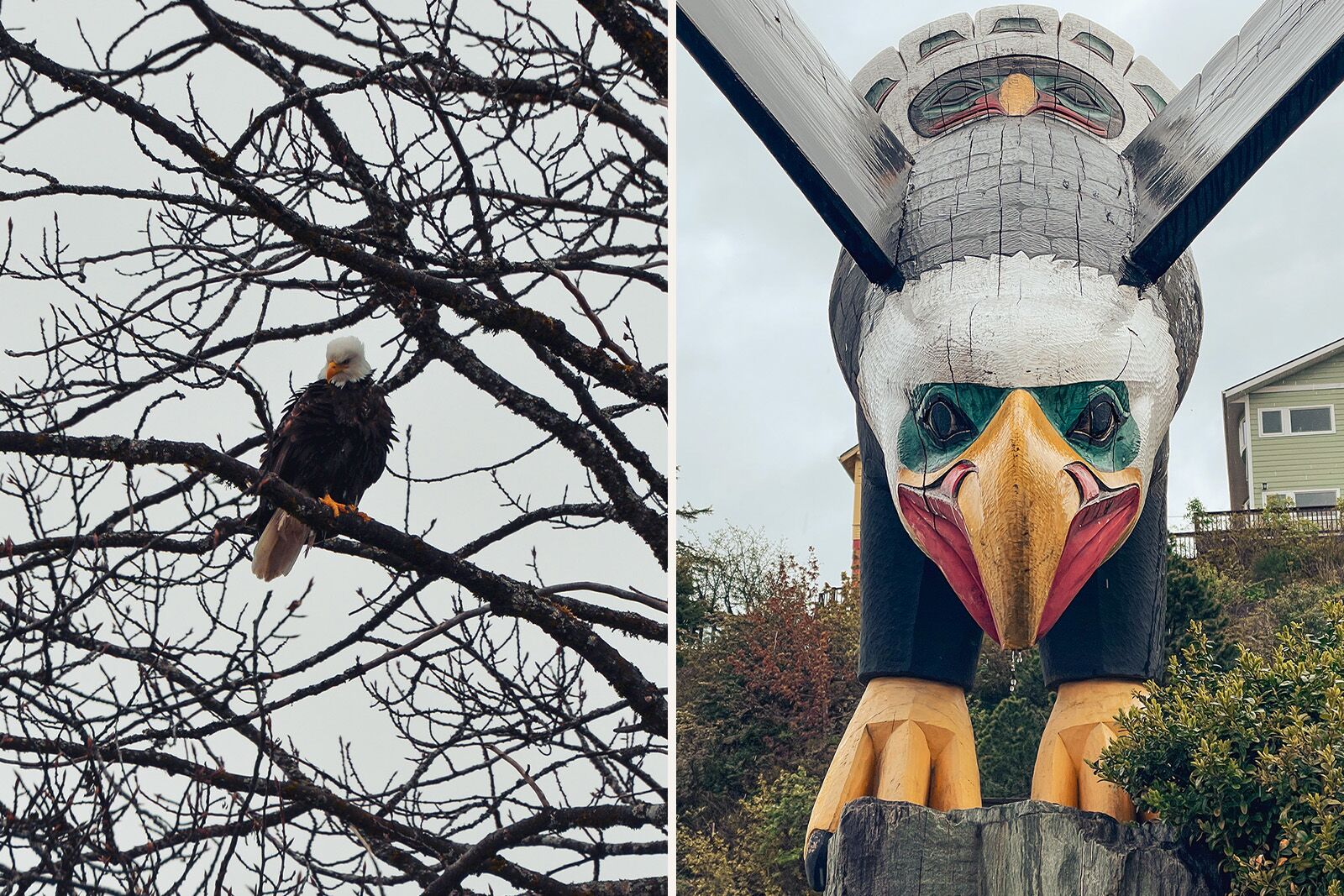
- Bald Eagles (Haliaeetus leucocephalus): Alaska supports the largest population of bald eagles in the United States, with estimates exceeding 70,000 individuals. Their diet consists primarily of fish, concentrating their populations along marine shorelines. Their nests are the largest of any North American bird, measuring up to eight feet across.
- Coastal Brown Bears vs. Inland Grizzlies: While taxonomically the same species (Ursus arctos), coastal brown bears differ significantly from inland grizzlies in diet and physical scale. Coastal brown bears rely heavily on marine proteins such as salmon and clams, allowing them to achieve larger physical dimensions than inland grizzlies, which rely on berries, roots, and terrestrial game.
- Red Squirrels (Tamiasciurus hudsonicus): Widespread across Alaskan forested regions, these small mammals are known for creating "middens"—large piles of pine cone debris left behind at favored feeding spots, such as tree stumps.
Official Responses and Cultural Context
Indigenous Stewardship and Nomenclature
The destinations visited during the cruise are deeply tied to the heritage of the Tlingit people, who have inhabited Southeast Alaska for millennia. Icy Strait Point is an Indigenous-owned enterprise, managed with a focus on sustainable cultural tourism.
The integration of Tlingit culture is reflected in both the geographical naming conventions and local folklore:
- Komtok Hon: The traditional Tlingit name for Port Frederick Fjord.
- Keet: The Tlingit term for the orca, a species that holds a prominent place in clan crests, oral histories, and traditional artwork.
- The Totem Heritage Center: Located in Ketchikan, this institution preserves historic totem poles carved by Tlingit, Haida, and Tsimshian artists, showcasing the spiritual and cultural significance of eagles, killer whales, and bears in native iconography.
                  ┌──────────────────────────────┐
                  │   Tlingit Cultural Symbols   │
                  └──────────────┬───────────────┘
                                 │
         ┌───────────────────────┼───────────────────────┐
         ▼                       ▼                       ▼
    [The Eagle]             [The Orca]              [The Bear]
Represented in Totems   Reverently called       Symbol of strength
at Ketchikan Heritage   "Keet"; central to     and shared coastal
       Center              clan crests             ecosystems
Conservation Status and Wildlife Management
Federal and international environmental agencies maintain strict monitoring protocols over the species observed during this voyage:
- Steller Sea Lions: The National Oceanic and Atmospheric Administration (NOAA) and the International Union for Conservation of Nature (IUCN) divide Alaskan Steller sea lions into two distinct populations. The Western population is listed as Endangered under the Endangered Species Act, while the Eastern population is classified as Near Threatened.
- Humpback Whales and Orcas: Both species are protected under the Marine Mammal Protection Act (MMPA). Federal regulations mandate that vessels maintain a minimum distance of 100 yards from humpback whales and avoid disrupting the travel patterns of marine mammal pods.
- Wrangell-St. Elias National Park and Preserve: Managed by the National Park Service (NPS), this park is the largest single unit of the U.S. National Park System. While it remains one of the least-visited national parks by land due to its remote, rugged interior, its marine boundaries—specifically Hubbard Glacier—receive high-volume cruise ship traffic, requiring careful monitoring of emissions and marine noise pollution.
Implications for Eco-Tourism
The Democratization of Alaskan Wilderness Access
The primary economic implication of this comparative analysis is the democratization of high-quality eco-tourism. By demonstrating that standard commercial cruise liners can deliver wildlife encounters comparable to those of luxury expedition ships, the financial barrier to experiencing Alaska’s marine ecosystem is significantly lowered. Travelers do not need to spend $15,000 or more per person to observe apex predators, tidewater glaciers, and unique migratory species.
Environmental and Travel Preparedness Priorities
For travelers planning an Alaskan voyage, several key takeaways emerge:
- Seasonal Selection: Those prioritizing marine mammals (orcas and humpbacks) and migrating birds should target early-season cruises in May. Those seeking high-density bald eagle sightings and sea otters may find the late-season months of August and September more suitable.
- Essential Gear: Because standard cruise ships operate at a greater distance from shorelines and marine life than specialized expedition vessels, high-quality binoculars and telephoto lenses are non-negotiable requirements for successful observation.
- Climate Adaptability: The weather in Southeast Alaska is consistently wet, cold, and unpredictable, particularly near active tidewater glaciers like Hubbard Glacier. Proper gear—including waterproof parkas, thermal layers, gloves, and the selection of cabins with covered balconies—directly impacts a traveler’s ability to remain outdoors and spot wildlife.
Ultimately, standard cruise ships offer an accessible window into Alaska’s rich marine and terrestrial ecosystems, provided that passengers travel with the right expectations, gear, and seasonal awareness.
 Laily UPN
  Dwi Wanna
  Ammar Sabilarrohman