


Nineteen years ago, Ko Lipe was a whisper in the ears of the world’s most intrepid travelers. It was a place where time didn’t just slow down; it seemed to dissolve entirely. In 2006, spending a month on the island meant living in a bamboo bungalow for two dollars a night, relying on a generator that flickered out after a few hours, and navigating the island via dirt footpaths that cut through dense jungle. It was, by all accounts, the quintessential "backpacker’s idyll."
Today, that version of Ko Lipe is a memory, an echo of a bygone era. Returning to the island for a New Year’s visit, I found not the serene, disconnected refuge of my youth, but a bustling, overdeveloped hub that serves as a grim reflection of Thailand’s broader struggles with unsustainable tourism.
The Chronology of Decline: From Hidden Gem to Tourist Factory
The transformation of Ko Lipe did not happen overnight, but the speed of its metamorphosis has been staggering. In the mid-2000s, the island operated on a rhythm dictated by the seasons. There was a literal "last boat" of the season, after which the island retreated into silence.
By the mid-2010s, the "Phi Phi model" of rapid development began to take hold. As social media platforms began to broadcast the island’s azure waters to millions, the infrastructure scrambled to catch up—and it did so without a master plan. The dirt paths were replaced by concrete roads to accommodate the influx of tourists and construction vehicles. Palm groves were cleared, not for sustainable community housing, but for high-end, resource-heavy resorts.
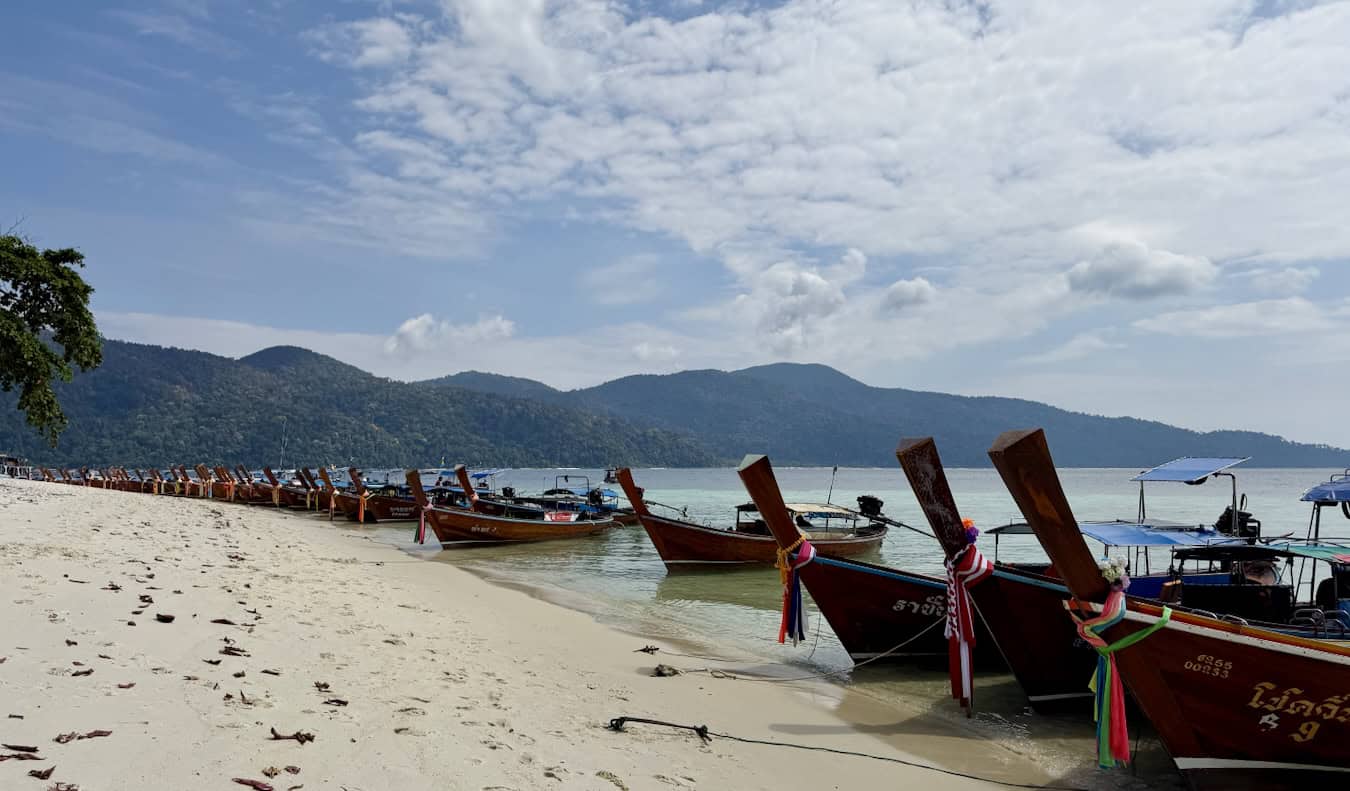
My return journey was spurred by a desire to reconnect with a place that had defined my early travels. I sought a lively spot for New Year’s Eve, and logically, the island that had once been my favorite seemed the place to be. However, the reality on the ground was a jarring collision between my nostalgic expectations and the modern, commercialized truth.
The Anatomy of Overdevelopment
The current state of Ko Lipe is a masterclass in how rapid, unchecked tourism can erode the very assets it seeks to commodify. The environmental and social costs are now impossible to ignore.
Environmental Degradation
The most immediate sign of distress is the water quality. The island lacks a natural freshwater supply, yet it now supports massive resort pools and a constant stream of tourists who require daily showers and laundry. The depletion of local aquifers is only part of the problem.
The coral reefs, once the pride of the surrounding Tarutao National Marine Park, are dying. The culprit is a trifecta of destruction:
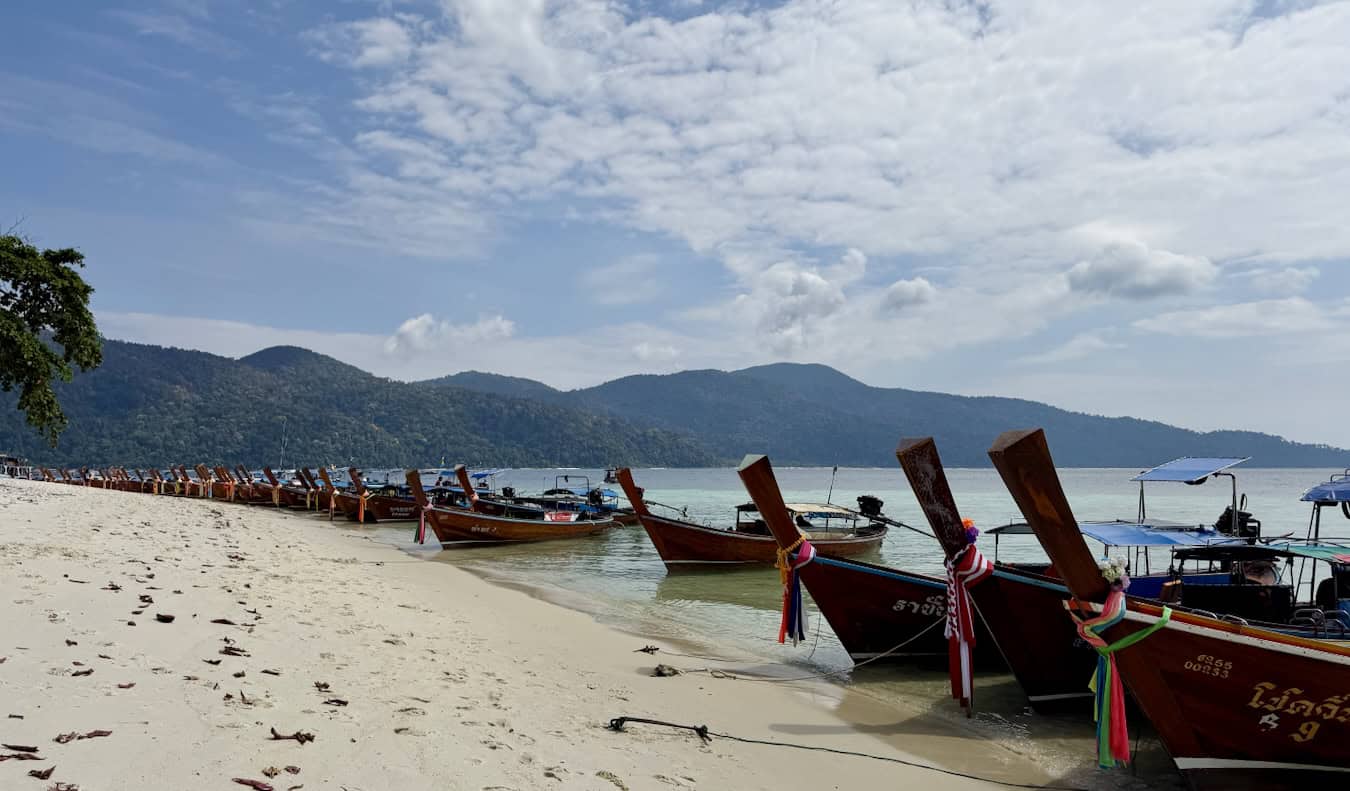
- Physical Damage: The constant anchoring of hundreds of longtail boats creates a web of destruction across the sea floor.
- Pollution: The fuel exhaust from these boats forms a persistent, iridescent slick on the surface of the water, visible even as one swims.
- Overfishing: To satisfy the culinary demands of thousands of tourists—many of whom are seeking familiar Western food rather than sustainable local fare—the surrounding waters are being stripped of their biodiversity.
The Human Cost
Beyond the environmental toll, there is a profound human displacement. As property values skyrocketed, many local families found themselves pushed off their land, selling to mainland developers who viewed the island not as a community, but as a real estate portfolio. Today, much of the workforce on the island is transient, imported from the mainland. They are the ones cleaning the hotel rooms and serving the cocktails, yet they rarely see the wealth generated by the tourism boom. The local culture, once vibrant and deeply connected to the sea, has been largely sidelined.
The Case Against Visiting: A Moral Imperative
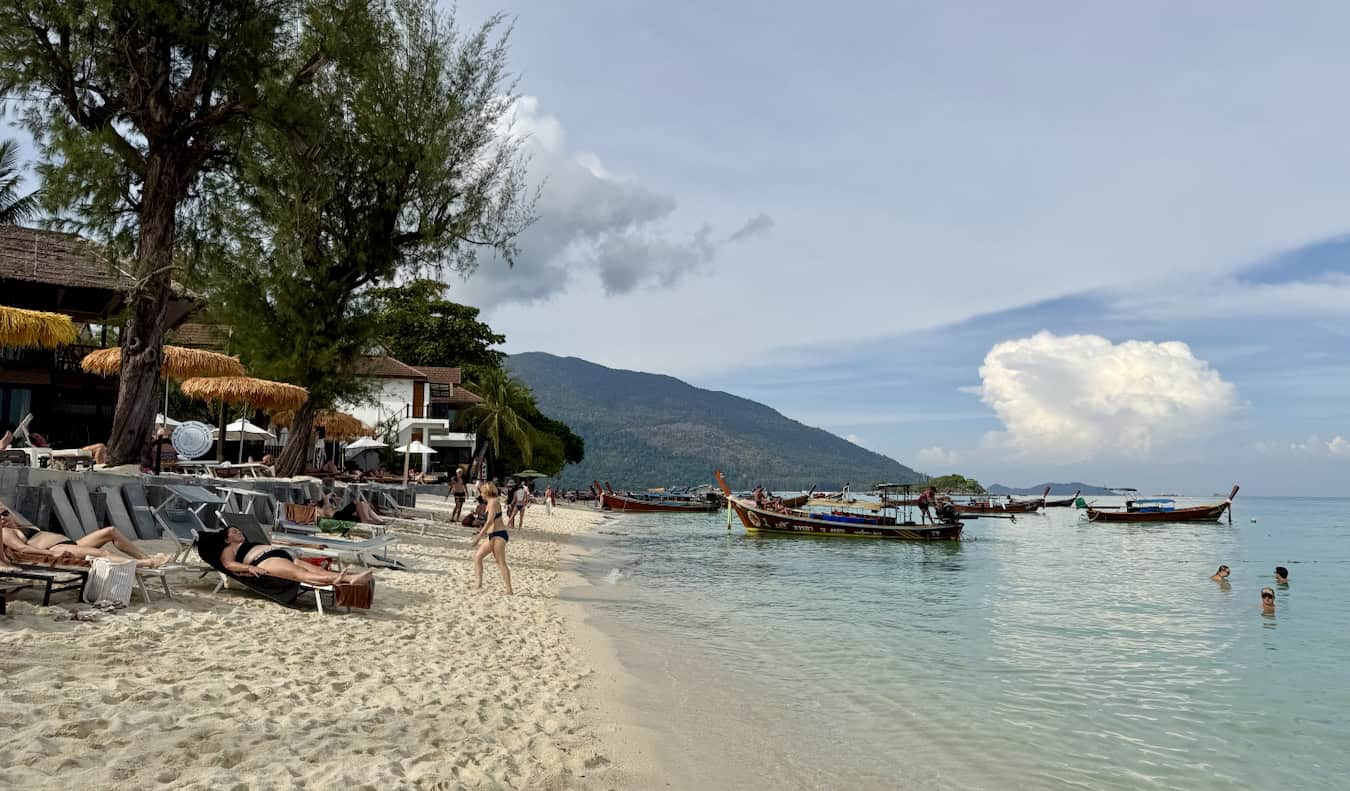
If you are a first-time visitor to Ko Lipe, it is easy to see why you might be enchanted. The postcard-perfect white sands, the vibrant blue water, and the proximity to the pristine islands of the national park are undeniably beautiful. Compared to the hyper-commercialized zones of Phuket or Krabi, Ko Lipe can still feel, at a glance, like a slice of heaven.
However, the "wow" factor is deceptive. By choosing to visit, travelers are actively contributing to the strain on an ecosystem that is already at a breaking point.
Why Sustainability Matters
We are living in an era where the "genie is out of the bottle." Once a destination is paved over, it is nearly impossible to return it to its natural state. As travelers, we have a responsibility to act as stewards of the places we visit. The argument that "my single trip doesn’t make a difference" is the fundamental flaw in modern tourism. When that sentiment is multiplied by hundreds of thousands of annual visitors, the cumulative impact is devastating.
Better Alternatives: Where to Go Instead
If your goal is to experience the beauty of the Thai islands without contributing to the destructive cycle of overtourism, there are better-managed options. Islands like Ko Lanta, Ko Jum, and Ko Mook continue to offer a more authentic, manageable, and sustainable experience. These destinations have, thus far, resisted the extreme, high-density development that has crippled Ko Lipe. By choosing to visit these places, you are signaling to the market that travelers value sustainability over convenience and excess.
Implications: The Power of the Consumer
The history of travel is littered with examples of destinations that were loved to death. Conversely, there are also success stories where consumer consciousness forced change.
We saw this with the decline of elephant riding in Thailand. As travelers became more educated about animal welfare, the demand plummeted, and operators were forced to pivot toward more ethical, observation-based models. Similarly, the rise of the "eco-lodge" was a direct response to a market that began demanding lower carbon footprints.
If we want to save what remains of Thailand’s fragile island ecosystems, we must treat our tourism dollars as votes. By choosing not to visit Ko Lipe, we are sending a clear message: we do not support this brand of development. We do not support the displacement of locals. We do not support the destruction of coral reefs for the sake of a resort pool.
A Plea for Conscious Travel
It pains me to write this. Ko Lipe was a part of my soul for nearly two decades. But if we are to be ethical travelers, we must sometimes be willing to walk away from the things we love when they are no longer the places we once knew.
If enough people stop coming, perhaps there is a slim hope that the island’s trajectory could be corrected—that developers might be forced to consider conservation, or that the government might impose stricter limits on capacity. It is a long shot, perhaps a naive one. But continuing to feed the machine of overtourism is a guarantee of further decay.
Your choices have an impact. Be a traveler who cares enough about the future of a destination to leave it alone. Choose the road less traveled, support the communities that are managing their growth with respect for the land, and leave the ghost of the old Ko Lipe to rest in peace.
 Asep Darmawan
  Iffa Jayyana
  Pevita Pearce