

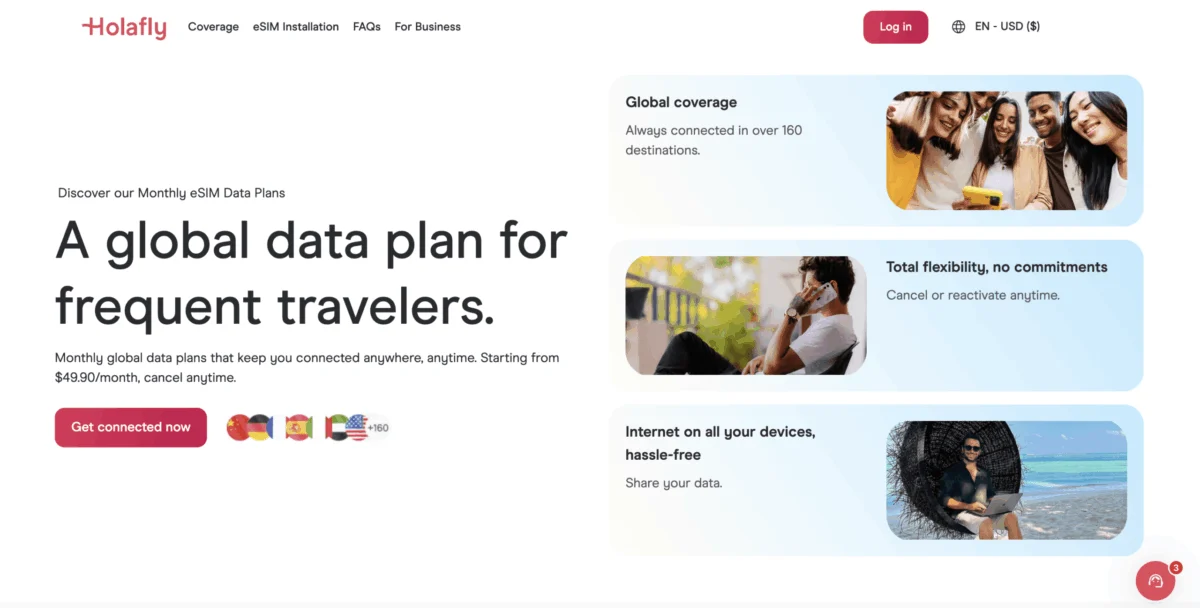
For the modern traveler, the "SIM card scramble" is a rite of passage—one that usually involves hunting for a kiosk in a foreign airport, navigating language barriers, and paying exorbitant prices for a temporary connection. As travel technology has evolved, eSIMs (embedded SIMs) have revolutionized this experience, allowing users to activate digital plans via a QR code or an app.
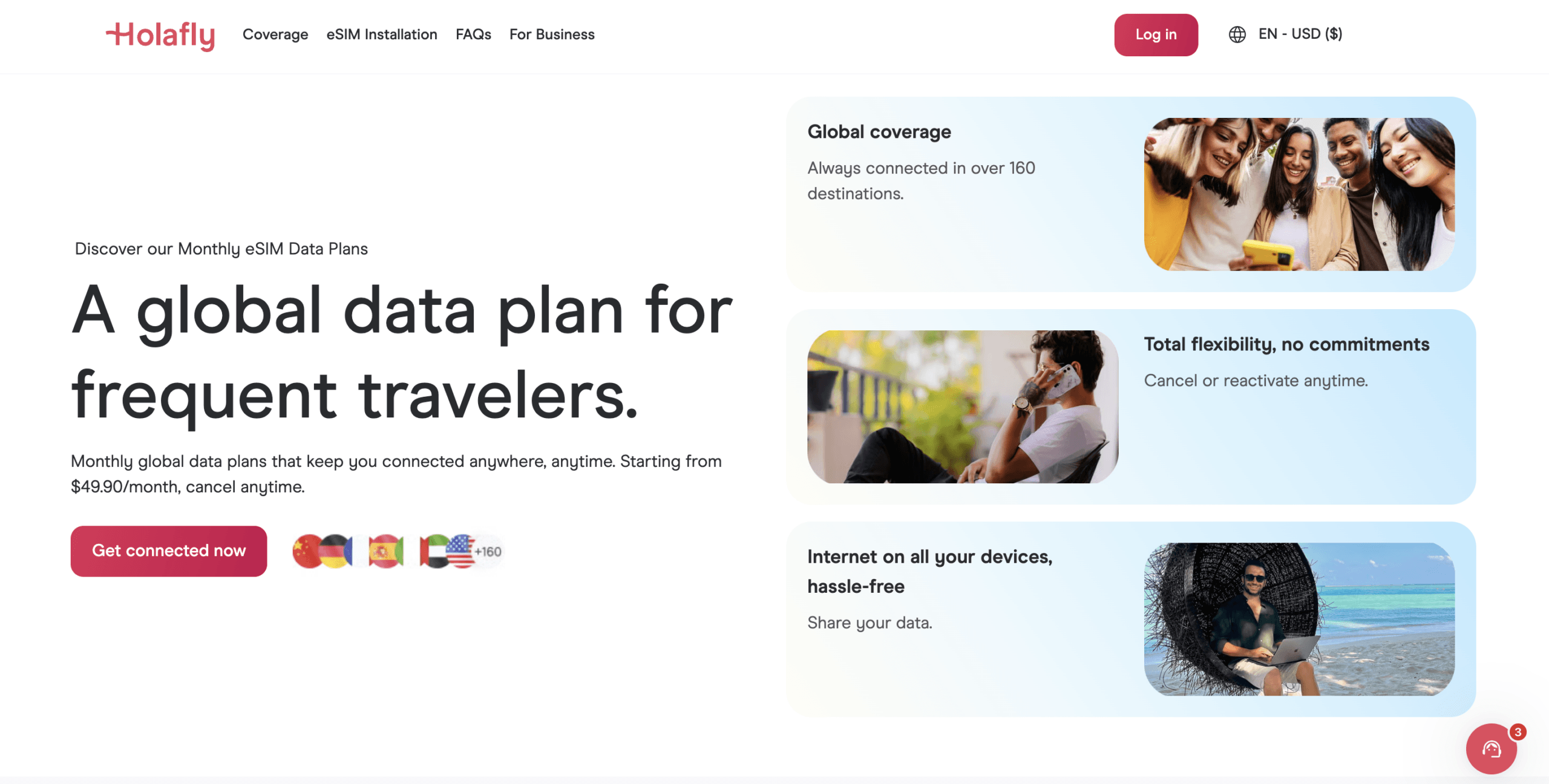
While the market is crowded with providers, one company has consistently stood out for its reliability: Holafly. Having utilized their services for years, I have seen firsthand how they simplify international roaming. Now, the company has taken a significant leap forward with the launch of "Holafly Plans"—a single, subscription-based eSIM that provides ongoing coverage across more than 160 destinations.
In this analysis, we explore the mechanics, utility, and market impact of this new service, and why it represents a fundamental shift in how we approach global connectivity.
The Evolution of International Connectivity: Main Facts
At its core, Holafly Plans is a departure from the "one-trip, one-SIM" model. Previously, travelers purchased an eSIM for a specific country or region for a set duration. Once that duration ended or the traveler crossed a border, the process had to be repeated.
Holafly Plans eliminates this friction. By offering a single global eSIM that acts as an ongoing subscription, the service allows travelers to move across borders without manual intervention. The device automatically reconnects to local networks upon arrival. The product is designed to function similarly to a domestic mobile carrier, but with a global footprint and at a significantly more competitive price point than traditional international roaming add-ons.
How the Subscription Works
The service is structured as a flexible, no-contract subscription. Users can choose between monthly, quarterly, or annual billing cycles. It is categorized into two primary tiers:

- The Light Plan: Offers 25GB of monthly data, including hotspot capabilities, across the full 160+ country list. This is ideal for travelers who primarily rely on navigation, messaging, and casual social media usage.
- The Unlimited Plan: Designed for power users and digital nomads. It features no data caps, unlimited hotspot usage, and a local phone number (US, UK, or Canada) for receiving SMS messages.
Additionally, both plans include the "Always On" feature, which grants users 1GB of backup data every month for life—even if they choose to cancel their primary subscription.
A Chronology of the Digital Nomad’s Connectivity Struggles
To understand the significance of Holafly Plans, one must look at the progression of mobile connectivity for international travelers over the last decade.
- The Physical SIM Era: Travelers relied on local carriers, requiring physical hardware swaps, phone unlocking, and the risk of losing one’s primary SIM card.
- The Roaming Pass Era: Major domestic carriers introduced "International Day Passes," typically costing $10–$15 per day. While convenient, this often resulted in monthly bills exceeding $300 for frequent travelers, often coupled with data throttling after a small threshold.
- The Early eSIM Era: Companies like Holafly introduced region-specific, one-off digital purchases. This solved the physical hardware issue but still required the administrative burden of buying a new plan for every trip.
- The Global Subscription Era (Current): With the introduction of Holafly Plans, the industry has arrived at a "set-it-and-forget-it" model. It recognizes that for the modern digital nomad, travel is not an occasional event but a lifestyle, and connectivity must be as fluid as the traveler’s itinerary.
Supporting Data: The Economic Implications
The financial argument for a global subscription is compelling when analyzed against the current alternatives. For many American travelers, staying with a home-based carrier’s international roaming package is the default. However, these packages are rarely cost-effective.
| Feature | Holafly Plans (Unlimited) | US Major Carrier Roaming | Local/Single eSIMs |
|---|---|---|---|
| Monthly Cost | ~$55–$65 | $100–$300 | $60–$120 |
| Data Allowance | Unlimited | Capped/Throttled | Varies (5GB–10GB) |
| Hassle Factor | Near-Zero | High Cost | High Admin/Swapping |
| Hotspotting | Included | Restricted | Varies |
As the data shows, the cost of a Holafly Unlimited Plan—often as low as $55 per month on an annual basis—drastically undercuts the $100+ fees charged by major US carriers for inferior, throttled services. For a digital nomad spending ten months abroad, the annual savings could easily reach $500–$1,000, while simultaneously gaining higher data reliability and freedom from carrier restrictions.
Official Responses and Service Philosophy
According to the developers behind Holafly, the goal of this product was to bridge the gap between "tourist data" and "professional-grade roaming."
"Our users were telling us that they were tired of the administrative overhead of managing multiple eSIMs," a company representative noted. "The goal was to create a ‘home base’ for their digital identity, no matter where they are in the world."
The inclusion of a local phone number in the Unlimited tier addresses a critical pain point for international professionals: two-factor authentication. Being able to receive SMS messages for banking or professional accounts while abroad is a feature that many standard travel eSIMs lack, forcing users to keep their expensive home-country SIMs active just for verification codes.
Implications for the Digital Nomad Ecosystem
The release of these plans signifies a maturation of the eSIM market. We are moving away from treating international data as a luxury add-on and toward treating it as a utility.
The "Always On" Advantage
The "Always On" 1GB feature is a strategic inclusion that changes the retention model. By providing a baseline of connectivity even after the subscription is canceled, Holafly creates a sense of security for the user. It ensures that when a traveler arrives in a new country, they have just enough data to land, navigate, and purchase a new, larger plan if necessary, effectively preventing the "dead zone" that often occurs at international airports.
Operational Efficiency
For the digital nomad, the ability to tether a laptop on the go without worrying about data caps is a game-changer. The rise of remote work has made reliable, high-speed, and unlimited data a prerequisite for employment. By incorporating unlimited hotspotting, Holafly is positioning itself not just as a travel tool, but as a productivity tool.
Pros and Cons: A Balanced View
Pros:
- Seamless Transition: No need to change SIMs or scan new QR codes when crossing borders.
- Cost Efficiency: Significantly cheaper than traditional roaming for heavy data users.
- Professional Features: Includes local phone numbers and unlimited hotspotting.
- Always On Safety Net: Guaranteed 1GB of data even after plan cancellation.
- Customer Support: 24/7 human support for troubleshooting.
Cons:
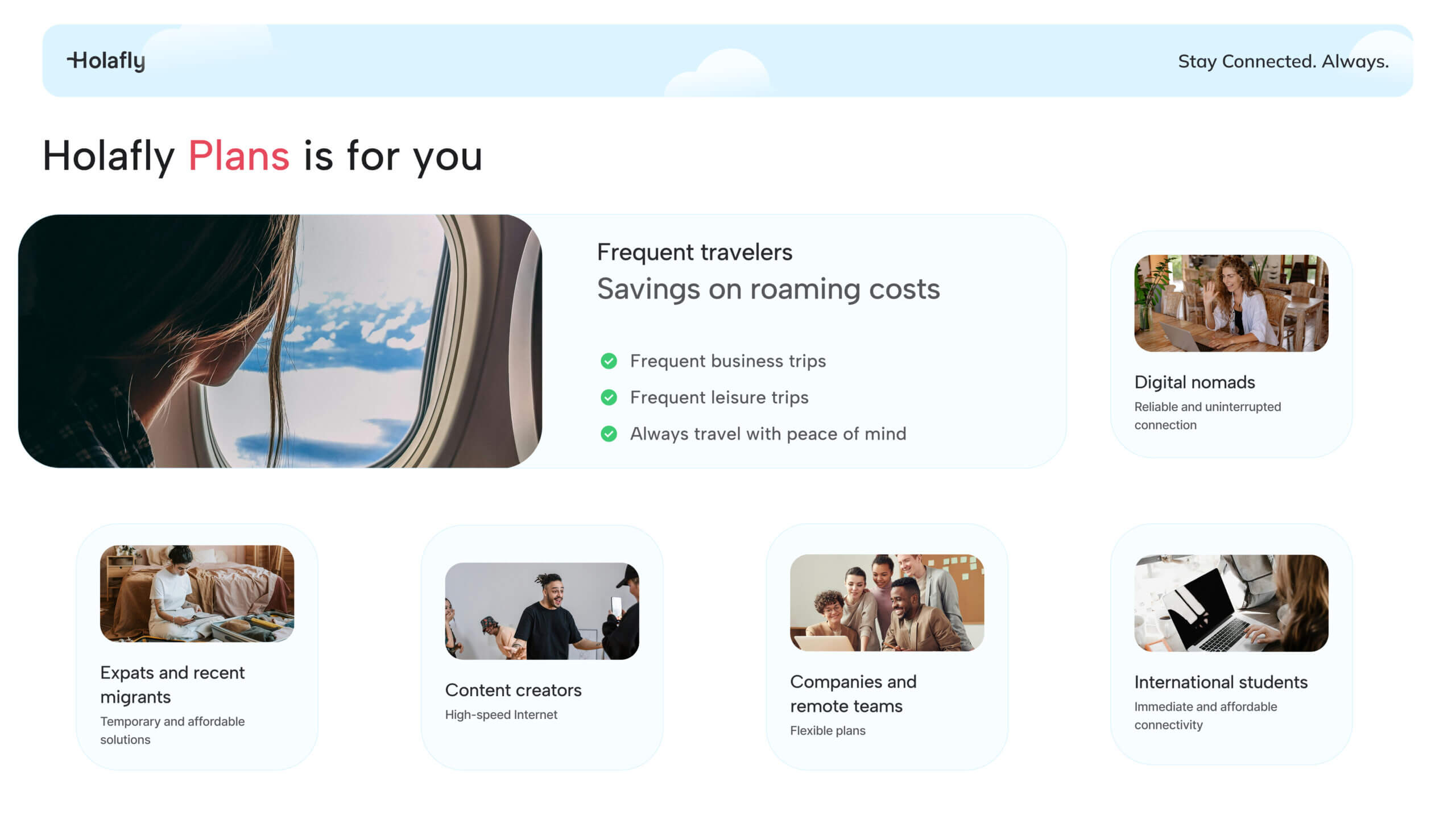
- Not for Short Trips: If you are only traveling for a week, a single-country, one-off eSIM remains the most cost-effective option.
- No In-Place Upgrades: Currently, users cannot upgrade from the Light plan to the Unlimited plan without canceling and repurchasing.
- Hardware Dependence: Still requires an eSIM-compatible smartphone.
Final Verdict: Who Should Use This?
Holafly Plans is not a one-size-fits-all solution. If your travel pattern consists of a single two-week vacation once a year, you are better served by the traditional, destination-specific eSIMs that Holafly—and others—offer.
However, if you are a frequent traveler who finds yourself in three or more countries per quarter, or a digital nomad who relies on your phone as a mobile office, the value proposition is undeniable. You are essentially paying for peace of mind, administrative simplicity, and a data allowance that finally matches the needs of the modern, connected professional.
For those ready to make the switch, using the promo code NOMADICMATT at checkout currently provides 10% off Holafly Plans and 5% off standard eSIMs, further sweetening the deal for those looking to transition to a more efficient, global way of staying connected.
As the world continues to shrink and remote work becomes the standard, tools like this aren’t just convenient—they are the new essential infrastructure of global mobility.
 Iffa Jayyana
  Pevita Pearce
  Laily UPN