

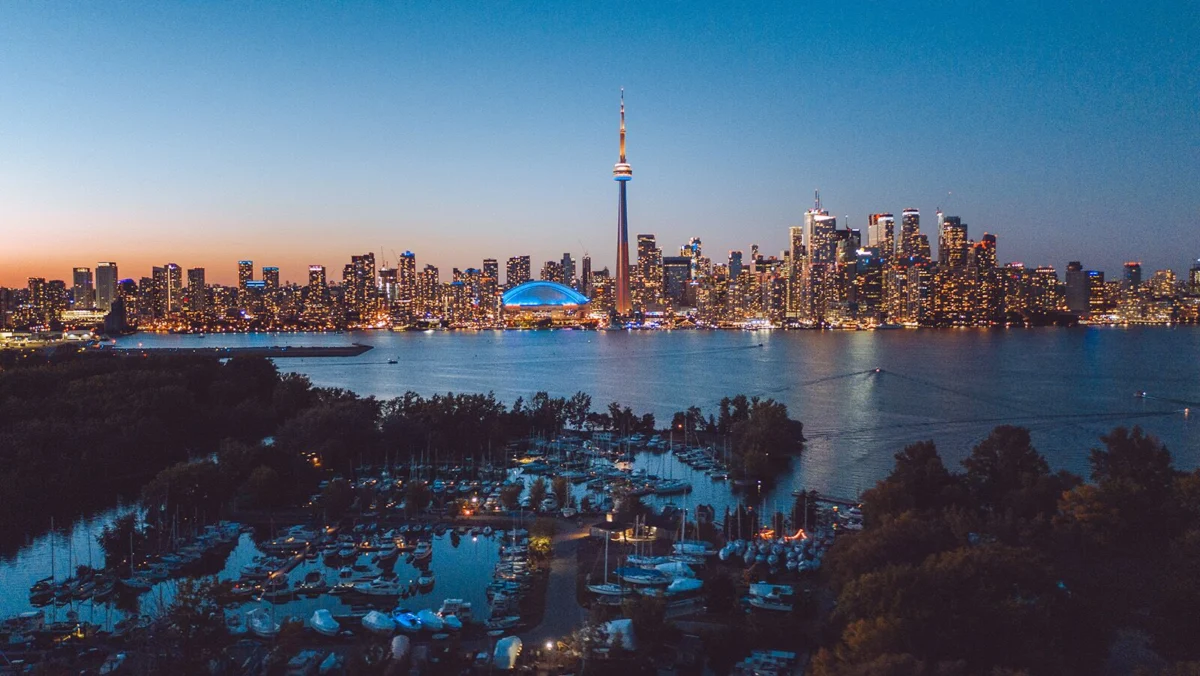
Toronto is frequently mischaracterized as a monolithic metropolis. While it stands as Canada’s largest city and a towering financial hub, the reality of the city is far more nuanced. To walk through Toronto is to traverse a collection of distinct, vibrant villages stacked along the northwestern shore of Lake Ontario. Each neighborhood acts as a standalone microcosm, possessing a personality that ranges from the polished and prestigious to the gritty and bohemian.
Underpinned by a cultural makeup representing over 250 ethnicities and 150 unique neighborhoods, Toronto lives by its motto: Diversity Our Strength. For the modern traveler, this creates an unparalleled opportunity: one can eat, shop, and explore a dozen distinct cultures without ever needing a passport or leaving the city limits.
The Chronology of a City’s Evolution
The Toronto of today is the result of centuries of migration and urban planning. From its origins as a colonial trading post to its emergence as a global gateway, the city has evolved through distinct phases.
In the late 19th and early 20th centuries, the city’s identity was forged in industrial districts like the Distillery District—once the site of the world’s largest whiskey distillery, Gooderham & Worts. As the city industrialized, immigrants from Italy, Portugal, and Eastern Europe established the "Little" districts that still anchor the west end today. By the late 20th century, Toronto began a transition from a manufacturing center to a knowledge-based, service-oriented powerhouse. The 21st century has seen the rise of the "Condo Boom," which has densified the Entertainment District and King West, effectively blurring the lines between residential life and the city’s high-energy commercial core.
Yorkville: Where Luxury Meets Legacy
If your ideal day consists of sophisticated people-watching, boutique browsing, and high-culture immersion, Yorkville is the undisputed destination. Once the epicenter of Canada’s 1960s counter-culture movement, it has since transitioned into the city’s most upscale enclave.
The Mink Mile and Beyond
At the heart of Yorkville lies "The Mink Mile," a stretch of Bloor Street West that hosts international fashion titans like Gucci alongside homegrown Canadian icons. The Holt Renfrew Centre remains the flagship of luxury, but the savvy shopper will venture into the Toronto Designers Market to find emerging Canadian talent.
Cultural Icons and Acoustic Perfection
Yorkville is not merely a shopping destination; it is a repository of history. The Royal Ontario Museum (ROM) serves as a bridge between natural history and global culture, while the Gardiner Museum offers a specialized look at the art of ceramics. For the auditory enthusiast, Koerner Hall is an architectural marvel of acoustics, hosting legends from Yo-Yo Ma to Mavis Staples. In the summer, the Village of Yorkville Park serves as an outdoor stage for musicians ranging from classical violinists to R&B performers.
Culinary Refinement
The dining scene in Yorkville reflects the neighborhood’s "well-heeled" reputation. Whether it is the contemporary Canadian cuisine at the historic, plant-filled Sassafraz or the Michelin-starred precision of Alobar Yorkville, the neighborhood provides a masterclass in hospitality.
The Entertainment District: The City’s Kinetic Core
King West and the Entertainment District form the beating heart of Toronto. This is where the city’s major-league sports culture, theater scene, and nightlife intersect.
Sports and Spectacle
Toronto’s sports culture is central to its identity. The Scotiabank Arena, home to the Maple Leafs and the Raptors, serves as a secular cathedral for sports fans. During the NBA playoffs, the adjacent "Jurassic Park" square becomes a symbol of civic unity, drawing thousands to celebrate in the streets. Meanwhile, the Rogers Centre remains the home of the Blue Jays, maintaining Toronto’s status as a major league city.
A Legacy of Performance
The district houses the Royal Alexandra Theatre, a National Historic Site that has held the record for the longest-running theater on the continent. For those seeking higher arts, the Four Seasons Centre for the Performing Arts hosts the National Ballet of Canada and the Canadian Opera Company, while the TIFF Lightbox stands as the year-round anchor for the Toronto International Film Festival.
Culinary Excellence
The dining here is as diverse as the city itself. From the Michelin-starred Italian elegance of Don Alfonso 1890 to the blind tasting menus at Alo, the district caters to the most discerning palates. For a more communal experience, the city’s burgeoning food hall scene—including Wellington Market and Waterworks Food Hall—offers a microcosm of Toronto’s global flavors.
The Distillery District and St. Lawrence Market: A Walk Through Time
To step into the Distillery District is to travel back to the 1890s. With its red-brick Victorian industrial architecture and cobblestone streets, it remains one of North America’s best-preserved heritage sites.
Historic Landmarks
The Gooderham Building, or the "Flatiron," is the crown jewel of the area’s historic architecture. Nearby, St. Lawrence Market has served as a central gathering point for over 200 years. It is a sensory overload of fresh produce, artisanal goods, and the legendary peameal bacon sandwich at Carousel Bakery—a staple of the Toronto diet.
Artistic Industrialism
The district’s warehouses have been repurposed into galleries like the Thompson Landry and Arta Gallery, blending the grit of history with the polish of contemporary art. It is a pedestrian-only haven that prioritizes the human experience over vehicular traffic.
Little Italy and Little Portugal: The Multicultural Fabric
The neighborhoods of Little Italy and Little Portugal represent the "neighborhood" aspect of Toronto in its most authentic form. Here, one can move from the espresso bars of College Street to the bakeries of Dundas Street West in a single afternoon.
A Global Tasting Menu
Dining is the heartbeat of these streets. The culinary offerings range from the open-fire cooking at Quetzal to the traditional Portuguese plates at Bairrada Churrasqueira. Bar Raval has gained international acclaim for its Spanish small plates and high-concept cocktails, while the custard tarts at Caldense Bakery represent a long-standing tradition of immigrant culinary influence.
Artistic Roots
These areas are living museums of community art. The Italian Walk of Fame and the self-guided street art tours along Dundas Street West tell the stories of the people who built these neighborhoods. The Royal Theatre and LuLa Lounge ensure that the cultural spirit remains active, hosting indie films and live Latin and jazz music that keep the community vibrant.
Queen West and Ossington: The Creative Pulse
If Yorkville is the city’s suit-and-tie center, Queen West and Ossington are its creative labs. This is where Toronto’s avant-garde fashion, street art, and indie music scene thrive.
Fashion and Design
Queen West is the epicenter of independent fashion. Boutiques like KOWLI and Gaspard emphasize wearable art, while Ossington’s Lost & Found caters to those looking for high-quality, heritage-style goods.
The Open-Air Gallery
Rush Lane, commonly known as "Graffiti Alley," is a testament to the city’s commitment to urban art. It is an ever-evolving, city-permitted canvas that defines the neighborhood’s aesthetic. Indoor galleries like Paul Petro and Koffler Arts further cement the area’s reputation as a center for contemporary creative voices.
The Music Scene
The historic Cameron House is the legendary stage that birthed acts like the Barenaked Ladies. Even today, the district remains the premier place to catch a rising band before they reach stadium status. Combined with the patio culture of the Drake Hotel and the seasonal menus at Union, this area captures the modern, relaxed, yet ambitious spirit of Toronto.
Implications for the Modern Traveler
Toronto’s strength lies in its refusal to be defined by a single landmark. The implications for the visitor are clear: the "best" way to experience Toronto is to abandon the checklist of traditional tourist traps and instead commit to one or two neighborhoods for the duration of a trip.
By immersing oneself in the specific culture of a district—whether that means browsing the luxury boutiques of Yorkville or wandering the murals of Queen West—the traveler gains a deeper understanding of what makes Toronto a global leader in urban livability. The city’s motto, "Diversity Our Strength," is not just a slogan; it is the fundamental infrastructure upon which the visitor experience is built. Whether you are seeking a Michelin-starred dinner, a historic walk, or an afternoon of indie-rock in a dive bar, Toronto provides the canvas, but the neighborhood provides the color.
 Ammar Sabilarrohman
  Raul Delapena Setiawan
  Nila Kartika Wati