

TOKAT, TURKEY – As the global tourism industry pivots toward sustainability and the preservation of cultural heritage, the historic city of Tokat, Turkey, is preparing to take center stage. From July 27 to 31, 2021, this archaeologically profound and geographically diverse city will host the 16th Ecotourism and Sustainable Tourism Conference (ESTC), organized by The International Ecotourism Society (TIES).
The selection of Tokat as the host city marks a significant milestone for the region. Known for its seamless integration of ancient history and ecological mindfulness, Tokat is not merely a destination—it is a living laboratory of how a historic municipality can adapt to modern environmental standards while honoring its deep-rooted Anatolian past.
The Convergence of History and Sustainability: An Overview
Tokat stands as a testament to the endurance of human civilization. With a history stretching back to the 5th century, the city has served as a crossroad for 14 distinct civilizations. Its unique position—nestled at the intersection of the Black Sea and the Anatolian heartland—has fostered a climate and landscape that is as varied as it is fertile.
The 16th ESTC comes at a pivotal time. As international travel seeks to recover from global challenges, the conference aims to establish a roadmap for the future of travel—one that prioritizes the health of local ecosystems, the economic empowerment of indigenous communities, and the preservation of tangible and intangible heritage. For Tokat, the conference is an opportunity to demonstrate that the "sustainable" in sustainable tourism is a practice the city has mastered over centuries of agricultural and social stewardship.
A Legacy of Stewardship: The Chronology of Tokat
To understand Tokat’s readiness for the ESTC, one must look at the timeline of its development.
- Ancient Origins (5th Century): The foundation of the city, marked by the strategic construction of the Tokat Castle, which remains a sentinel over the city today.
- The Melting Pot Era: Over the centuries, the region became a nexus for trade, culture, and agriculture. The convergence of Mediterranean and Continental climates allowed for a level of agricultural output that sustained dozens of civilizations.
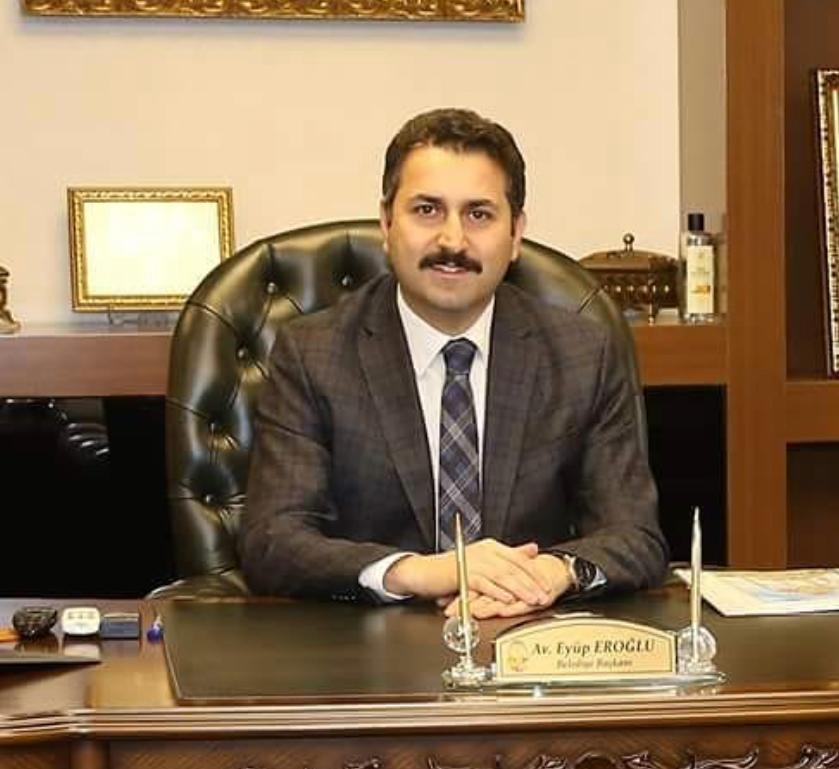
- Modern Urban Planning (21st Century): Under the leadership of Attorney Eyüp Eroğlu, one of Turkey’s youngest and most proactive mayors, Tokat has undergone a revitalization process. The city has focused on upgrading infrastructure to meet modern sustainable standards without compromising its historic aesthetic.
- The Selection (2021): After a rigorous vetting process, The International Ecotourism Society identified Tokat as the ideal venue for the 16th ESTC, citing its successful marriage of ecological diversity and administrative commitment to green growth.
The Economic and Ecological Engine
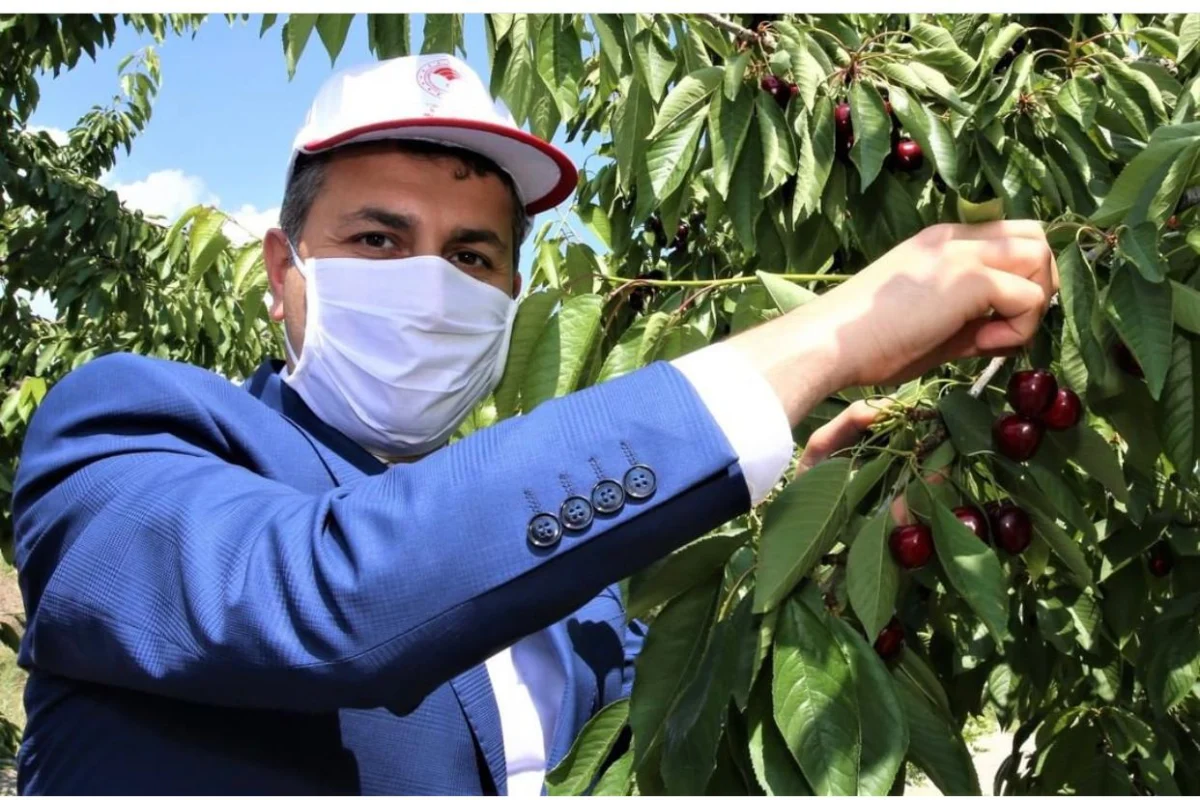
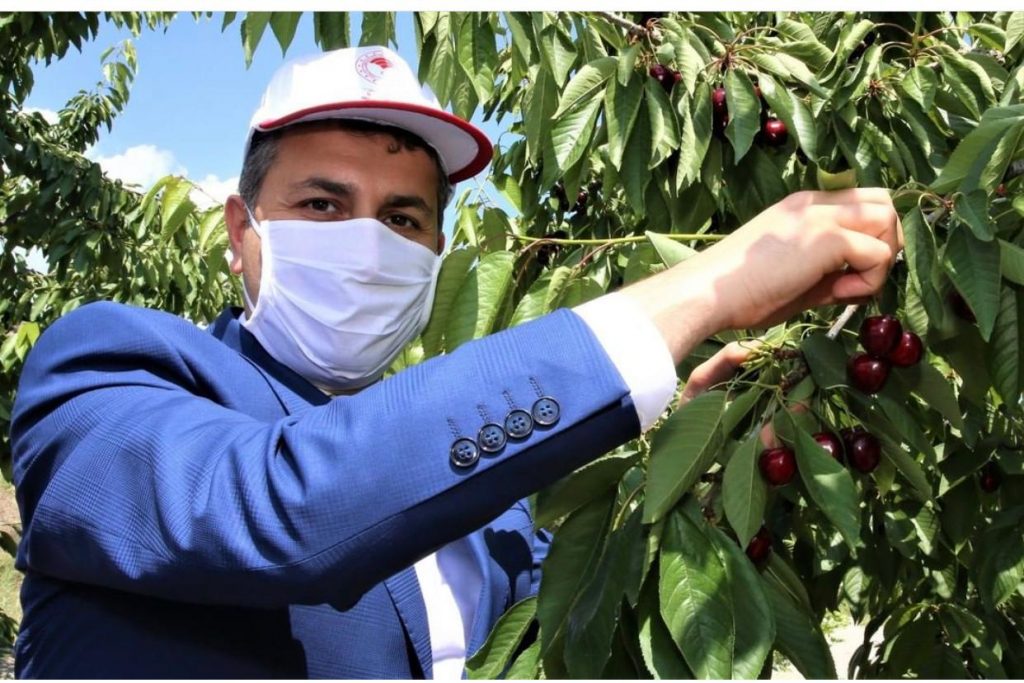
Tokat’s appeal to the ecotourism sector is not merely aesthetic; it is deeply grounded in its productive landscape. The region boasts an impressive 82 varieties of cereals, vegetables, and fruit crops. This agricultural biodiversity is the bedrock of the local economy and a major draw for the "gastronomic traveler."
The city’s agricultural profile includes high-value, locally sourced staples such as walnuts, fenugreek, grape leaves, and molasses. These products are not just ingredients; they are cultural artifacts. The famous "Tokat Kebab," which requires specific environmental conditions and traditional cooking methods to perfect, exemplifies the "slow food" movement that the ESTC seeks to promote. By focusing on local food security and traditional farming methods, Tokat provides a model for how tourism can support, rather than exploit, local agricultural systems.
Official Perspectives: A Vision for the Future
In an exclusive conversation, Mayor Eyüp Eroğlu emphasized that the city’s readiness for the ESTC is the result of a deliberate, long-term vision.
"Along with Tokat’s friendly local people and their welcoming outlook, the Tokat Municipality will make every effort to develop our city’s tourism to be represented in the international arena, and we will accomplish this in a sustainable way," Mayor Eroğlu stated.
For the Mayor, the conference is a two-way street. It is an opportunity to showcase Tokat to the world, but it is also an invitation for the world to share its best practices with the people of Tokat. "We hope to have the opportunity to show the world our cultural legacy and conference hospitality," he added. "We are sure that ecotourists and travelers will collect many unforgettable memories in Tokat and witness our true Anatolian heritage."
When questioned about the logistics of hosting such a prestigious event, particularly regarding attendee safety, the Mayor highlighted the meticulous planning involved. "I am impressed with the care TIES has taken to ensure the safety of ecotravelers and the community of Tokat," he noted, emphasizing that the municipality has implemented rigorous health and safety protocols that align with both national mandates and international TIES standards.
The Implications of the 16th ESTC for Tokat
The impact of the ESTC on Tokat will likely extend far beyond the five-day event. By hosting delegates from around the globe, the city is effectively rebranding itself as a premier destination for "high-value, low-impact" travel.
Economic Implications
The conference serves as a global advertisement for Tokat’s local industries. By highlighting its agricultural output and artisanal crafts, the municipality hopes to stimulate further investment in local production. If successful, this will create a virtuous cycle where tourism revenue is reinvested into the protection of the very landscapes and historical sites that visitors come to see.
Cultural Preservation
The prominence of the Tokat Castle and the historic city center serves as a reminder that sustainability includes the preservation of human history. The influx of international experts in the field of ecotourism will provide local stakeholders with new strategies for managing historical sites, ensuring they remain vibrant community assets rather than stagnant ruins.
A Global Model
Perhaps the most significant implication of the conference is the role Tokat will play as a case study. If Tokat can successfully manage an influx of international travelers while maintaining its carbon footprint and preserving its cultural integrity, it will become a blueprint for other historic cities in Anatolia and beyond.
Preparing for the Event: A Call to Action
The International Ecotourism Society is urging interested delegates, environmental researchers, and travel professionals to secure their registration for the event. The conference is designed to be immersive, featuring site visits to local agricultural hubs, historical tours of the castle, and panel discussions held in venues that highlight the city’s commitment to energy efficiency.
For those traveling to Tokat, the experience promises to be more than a standard professional engagement. It is an opportunity to step into a city where the past is present in every meal, every stone wall, and every interaction with the local community.
As the countdown to July 27 begins, the eyes of the global tourism community are fixed on this Anatolian gem. Tokat is ready to prove that the future of travel does not lie in the rapid consumption of destinations, but in the slow, respectful exploration of the world’s most precious, preserved, and productive landscapes.
Registration Information:
Interested delegates and participants are encouraged to register for the 16th Ecotourism and Sustainable Tourism Conference through the official TIES registration portal. Early registration is advised to ensure access to all site visits and specialized workshops.
 Layla Zulfa
 Nana
 Dwi Wanna
