

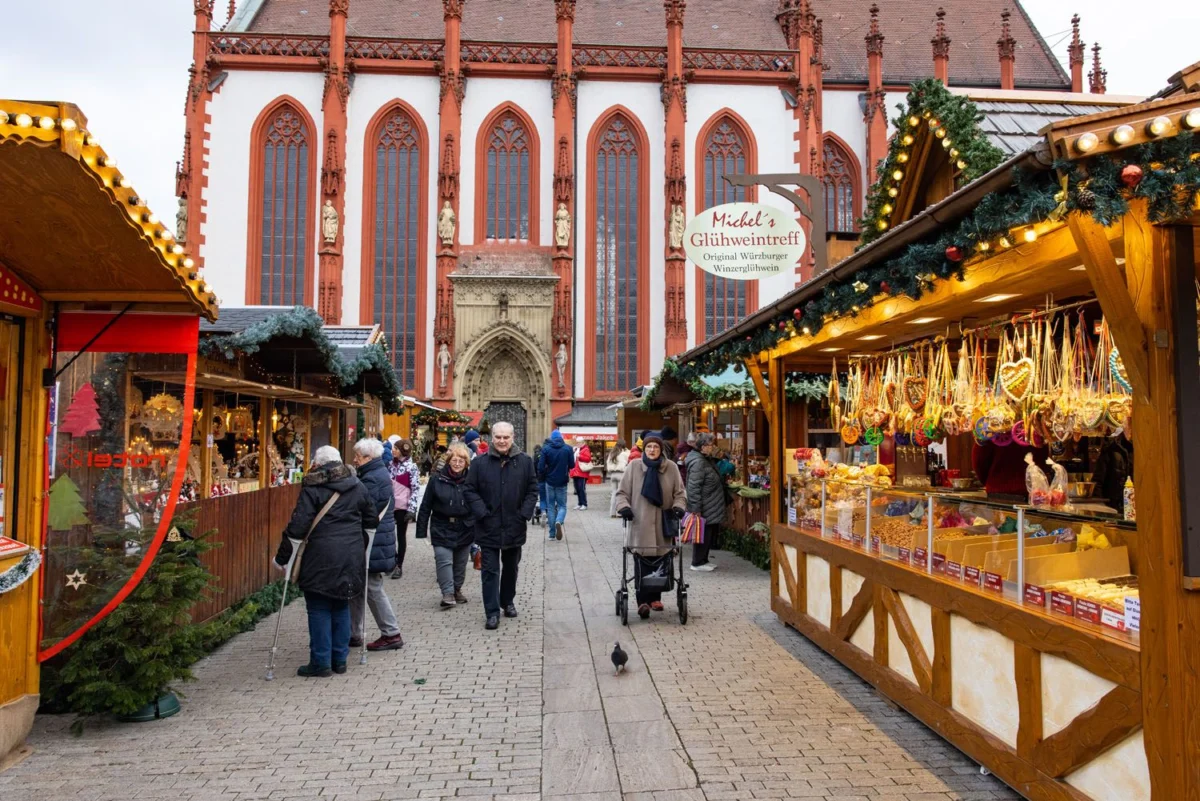
Germany is the undisputed heart of the European Christmas market tradition. For those seeking the quintessential holiday experience—where the scent of toasted almonds and spicy Glühwein hangs in the crisp winter air and medieval town squares transform into glowing, festive villages—there is no better destination.
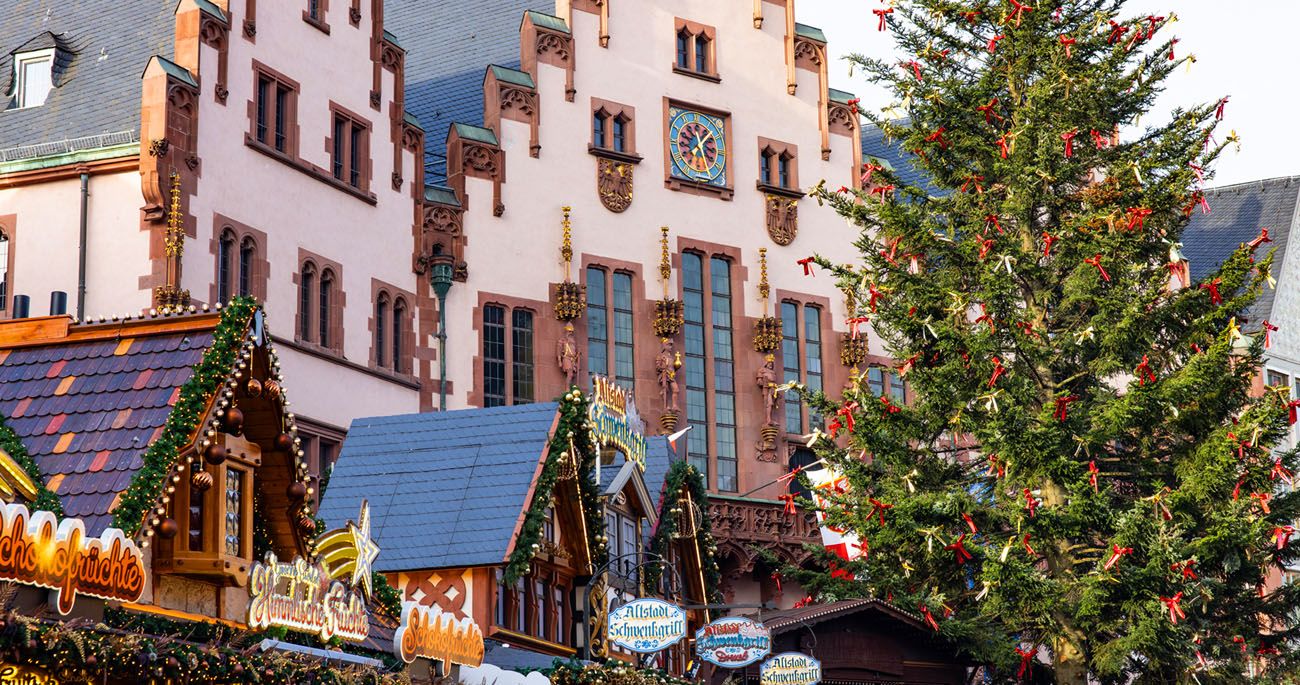
Based on years of extensive travel and firsthand exploration of over 20 distinct market destinations, this guide serves as your definitive roadmap to navigating the magic, the crowds, and the hidden gems of Germany’s Christmas season.
The Anatomy of a Magical Market: Our Selection Criteria
What distinguishes a truly world-class Christmas market? While the abundance of twinkling lights is a baseline expectation, our rankings are derived from a rigorous evaluation of the total visitor experience. We analyzed each location based on four core pillars:
- Atmosphere and Setting: We prioritized towns that leverage their historic architecture—half-timbered houses, ancient cathedrals, and cobblestone squares—to create a sense of place.
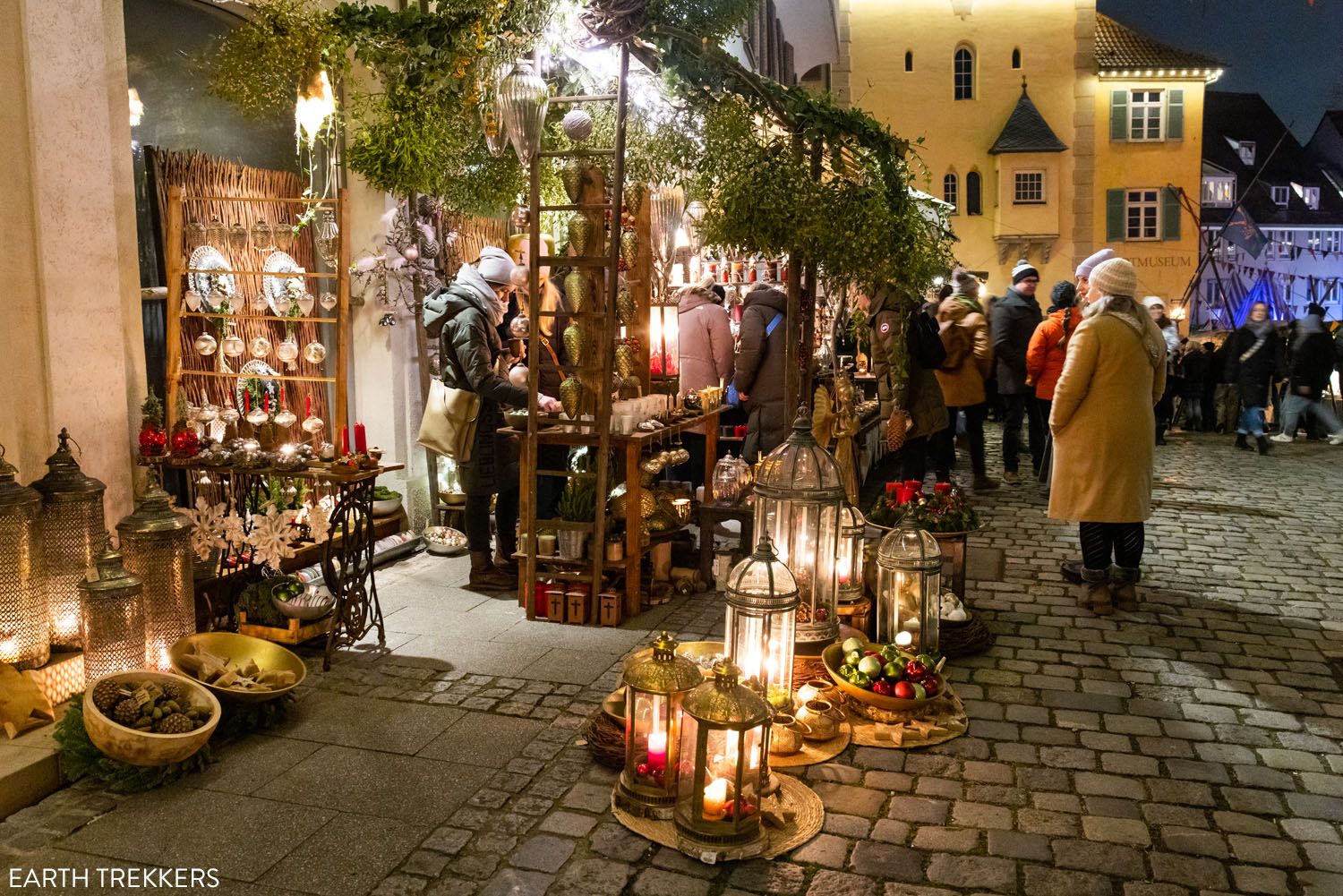
- Authenticity and Quality: Markets featuring handcrafted local goods, traditional regional food, and artisanal crafts scored higher than those relying on mass-produced trinkets.
- Unique Experiences: From fire-eaters in medieval settings to underground wine cellars, we looked for locations that offer something beyond the standard stall-and-sausage setup.
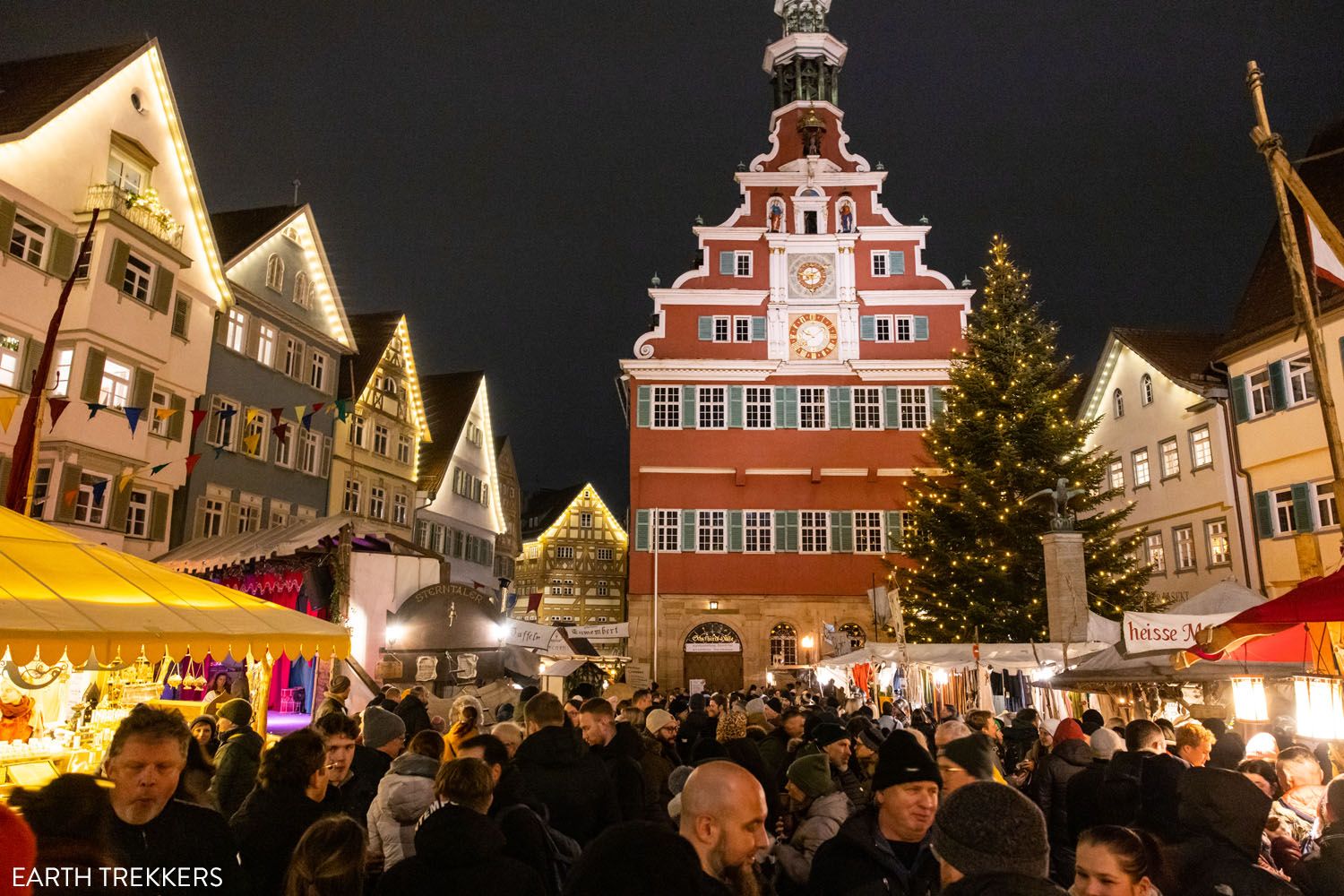
- Accessibility and Crowd Dynamics: We assessed the balance between popularity and comfort, noting that even the most beautiful market can be diminished by overwhelming, "mosh-pit" style crowds.
Chronology: Planning Your Winter Itinerary
Timing is the most critical element of a successful German Christmas trip.
The Season Window
Most German Christmas markets open during the final week of November, typically between November 25 and 30. This is often the most atmospheric time to visit, as the initial excitement of the season begins without the frantic energy of the final week before Christmas.
Closing Times
The majority of markets cease operations on December 23 or 24, as Christmas is a deeply family-oriented holiday in Germany. However, major urban hubs like Berlin or Munich may keep select markets open through December 26, with a rare few extending their festivities until New Year’s Day.
Peak vs. Quiet
If you desire a serene, intimate experience, target weekday mornings in late November or early December. Conversely, Friday and Saturday nights from 5:00 PM to 8:00 PM are the peak intensity periods; while these times offer the most "festive" glow, they are often the most crowded.
The Top-Tier: The Best of the Best
1. Esslingen am Neckar (The Medieval Masterpiece)
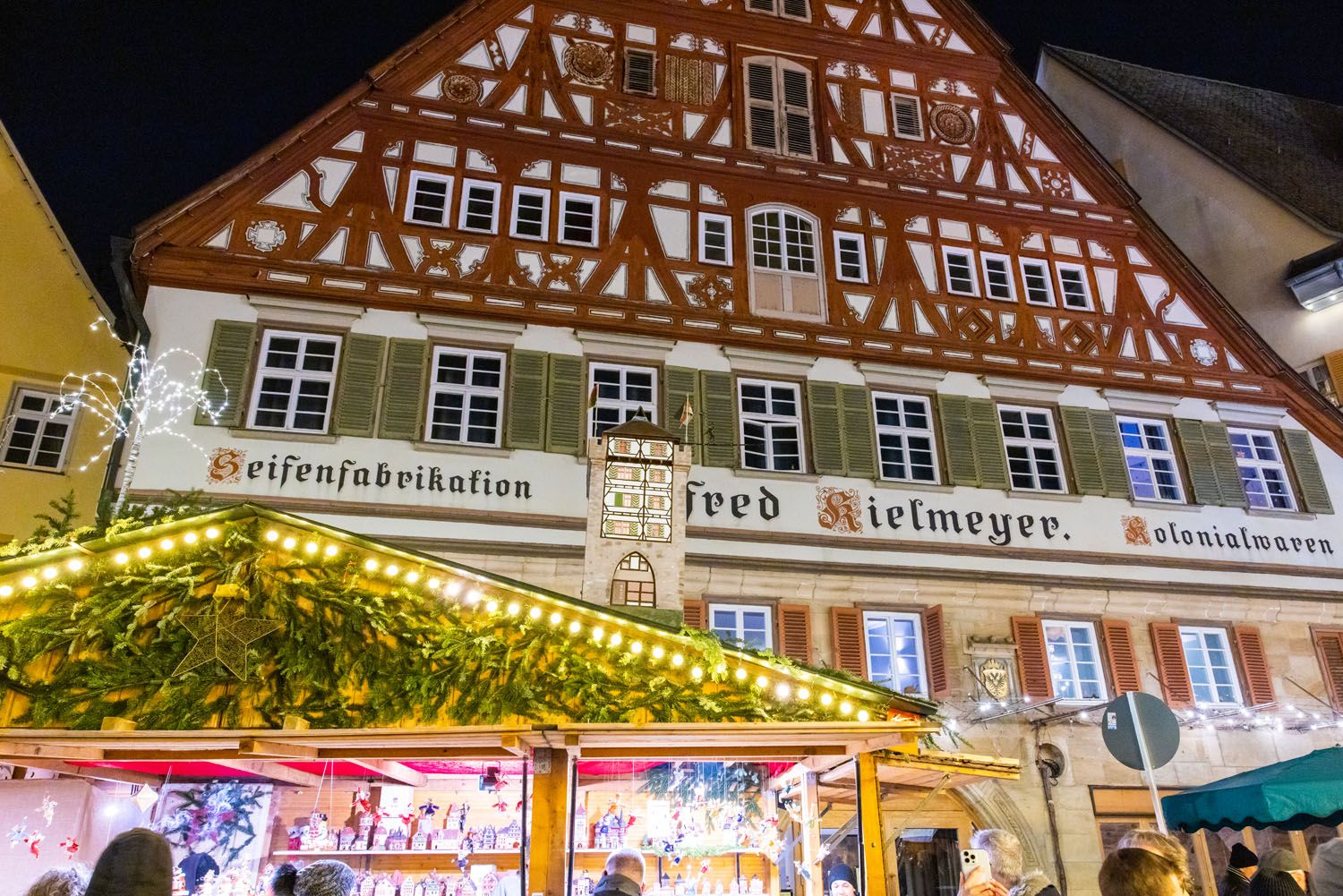
Esslingen is, in our estimation, the finest Christmas market in Europe. Its distinction lies in its commitment to history. Set against the backdrop of Germany’s oldest continuous row of half-timbered houses, the medieval market offers an immersive experience. Visitors can watch blacksmiths, try their hand at archery, or witness fire-eaters perform under the moonlight. The culinary offerings here—including Stockbrot (bread baked on sticks)—are unmatched.
2. Dresden (The Historic Standard-Bearer)
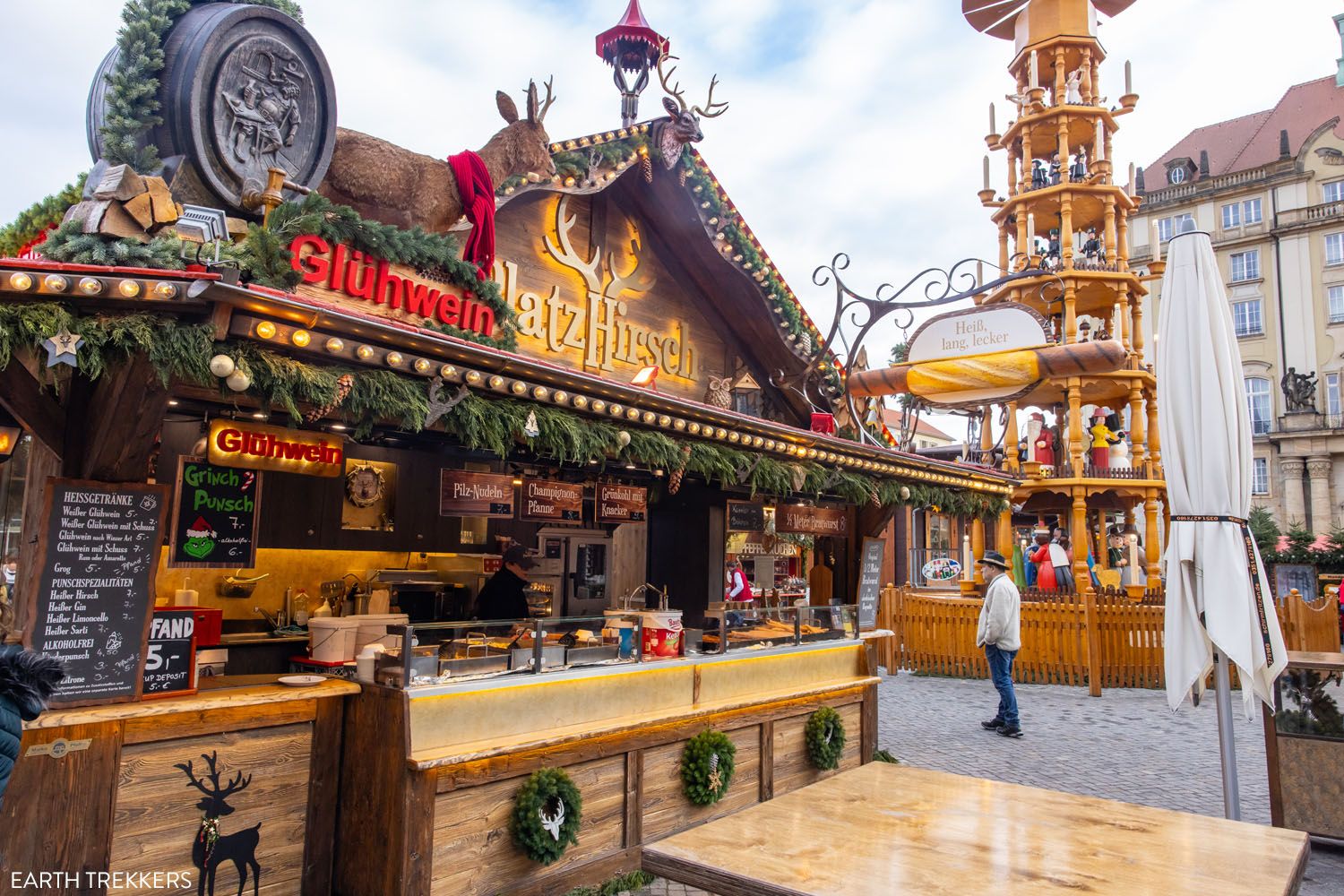
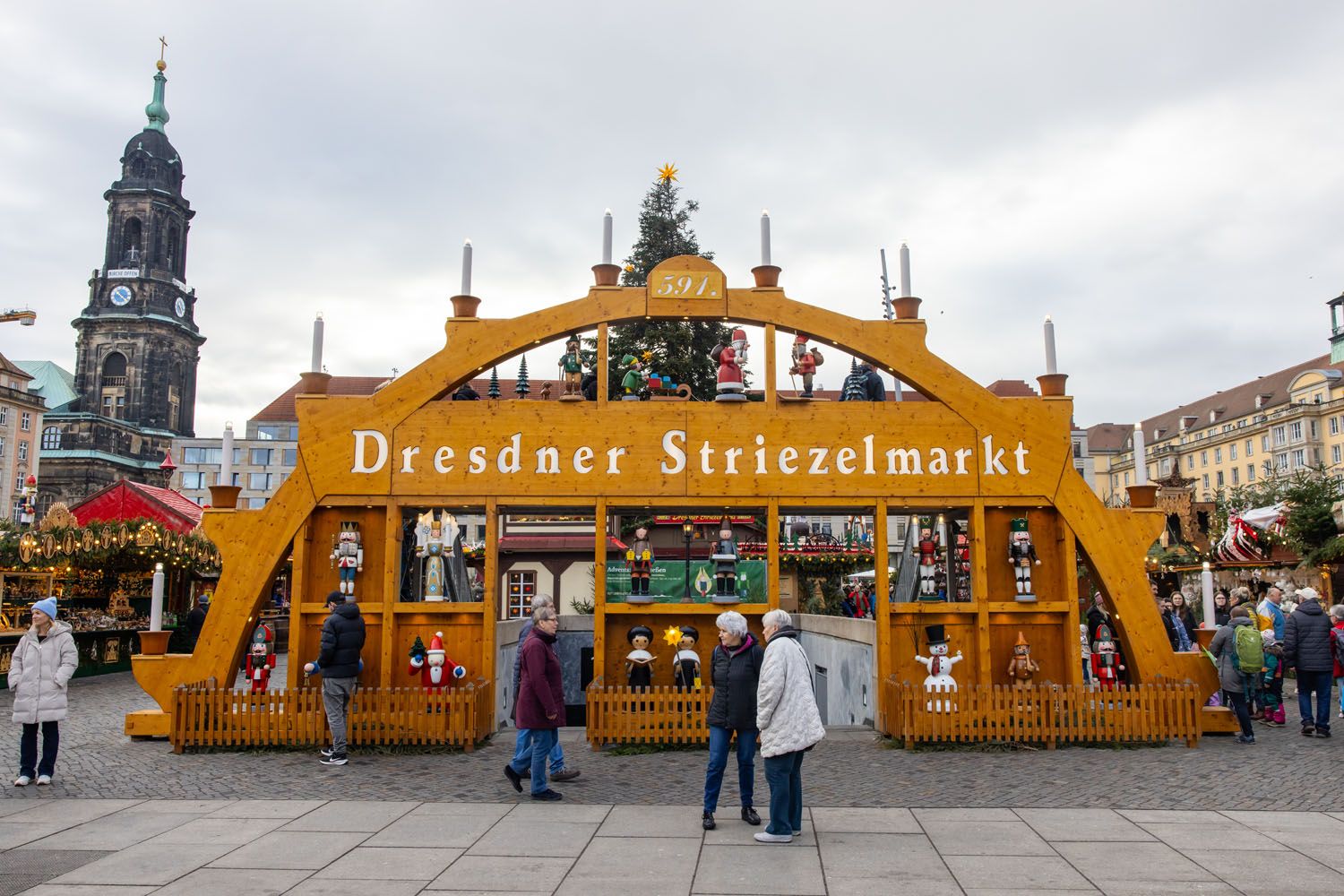
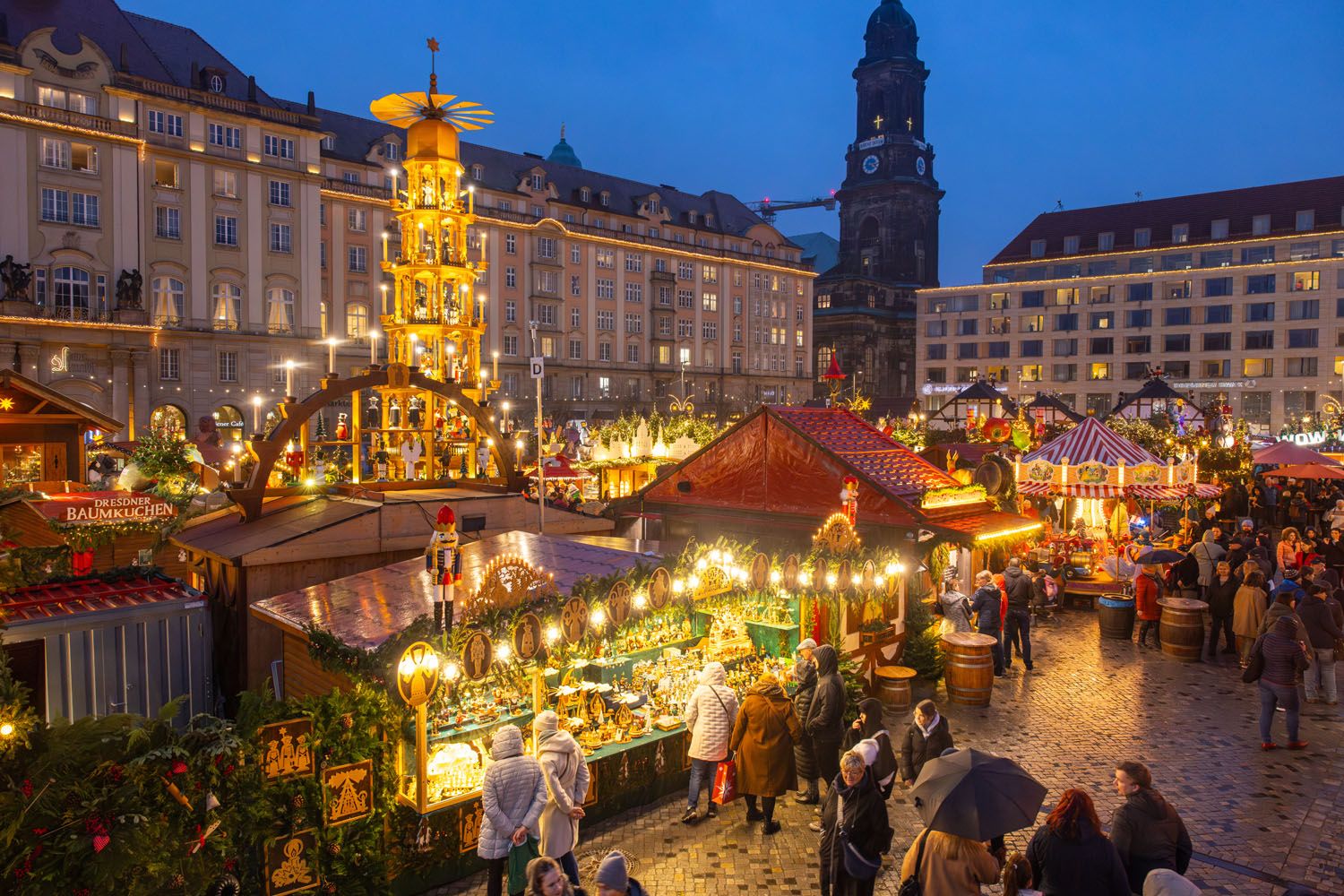
Dating back to 1434, the Dresdner Striezelmarkt is the standard by which all other markets are measured. Located on the Altmarkt, it is famous for its massive Christmas pyramid and its connection to the city’s rich history. Dresden offers a collection of diverse markets, including the enchanting Stallhof Medieval Market, which provides a quieter, more tactile experience for those wanting to escape the main crowds.
3. Nuremberg (The Traditional Icon)
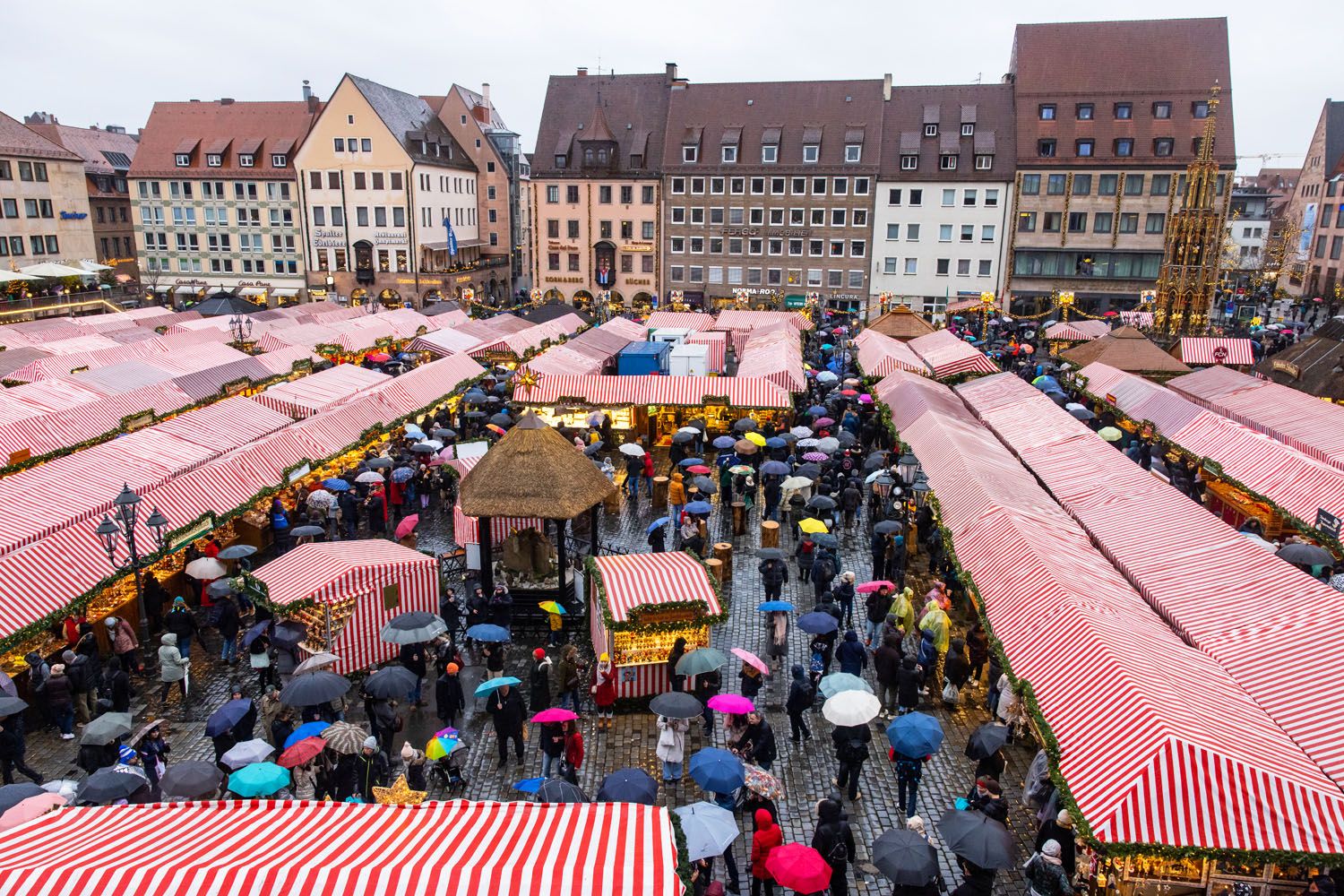
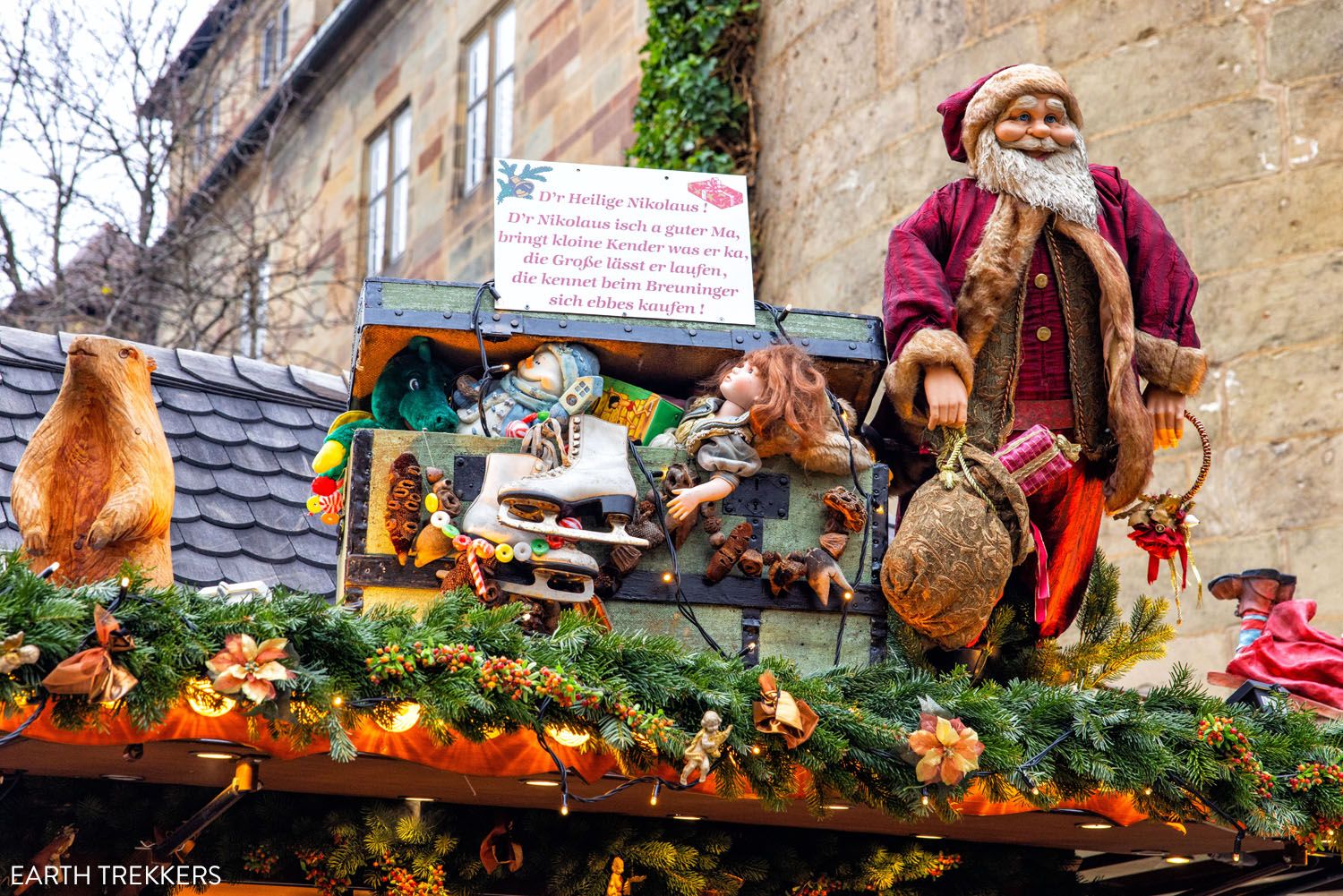
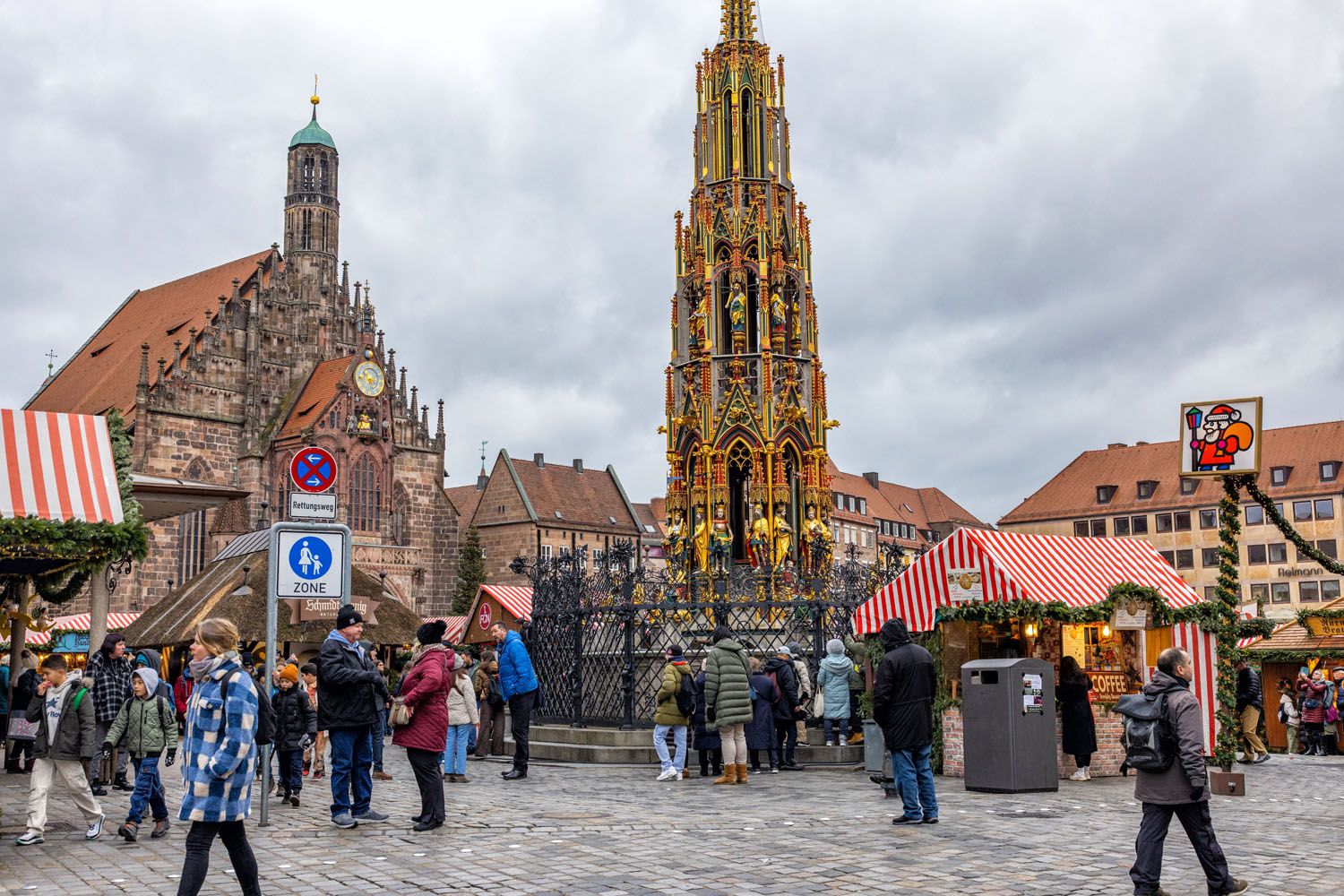
The Christkindlesmarkt in Nuremberg is perhaps the most famous market in the world. It is a bastion of tradition, renowned for its high-quality regional crafts and the famous Nuremberg Lebkuchen (gingerbread). While the sheer volume of visitors on a Saturday night can be intense, the view of the market from the balcony of the Frauenkirche is an iconic perspective that every traveler should witness once.
The "Hidden Gems" and Underrated Finds
While the big names draw the crowds, some of our most cherished memories came from smaller, less-hyped locations.
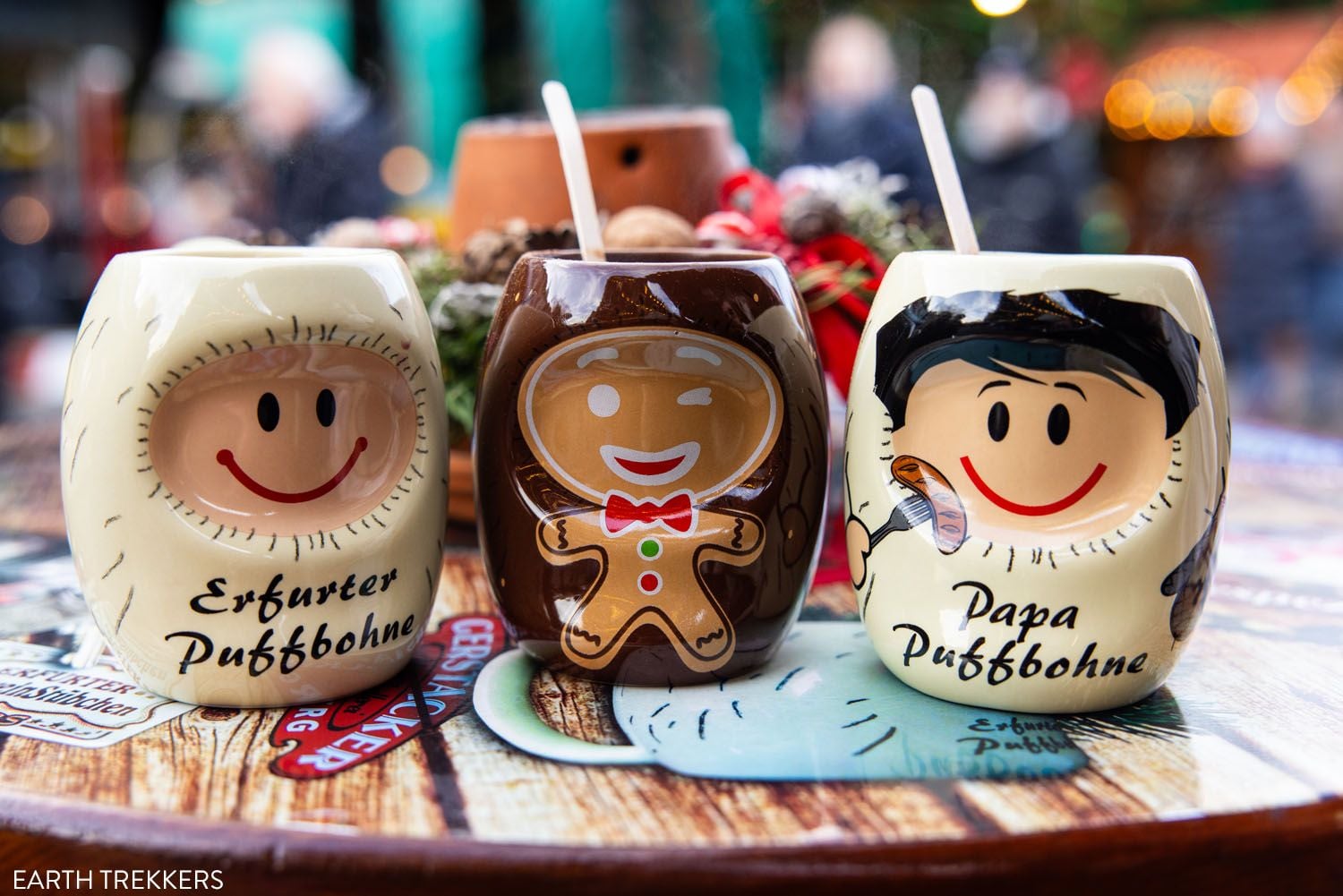
- Erfurt: Often overlooked by international tourists, Erfurt’s market, set against the towering backdrop of the Cathedral and St. Severus Church, feels like a scene from a fantasy novel. It also hosts some of the most beautiful and unique souvenir mugs in all of Germany.
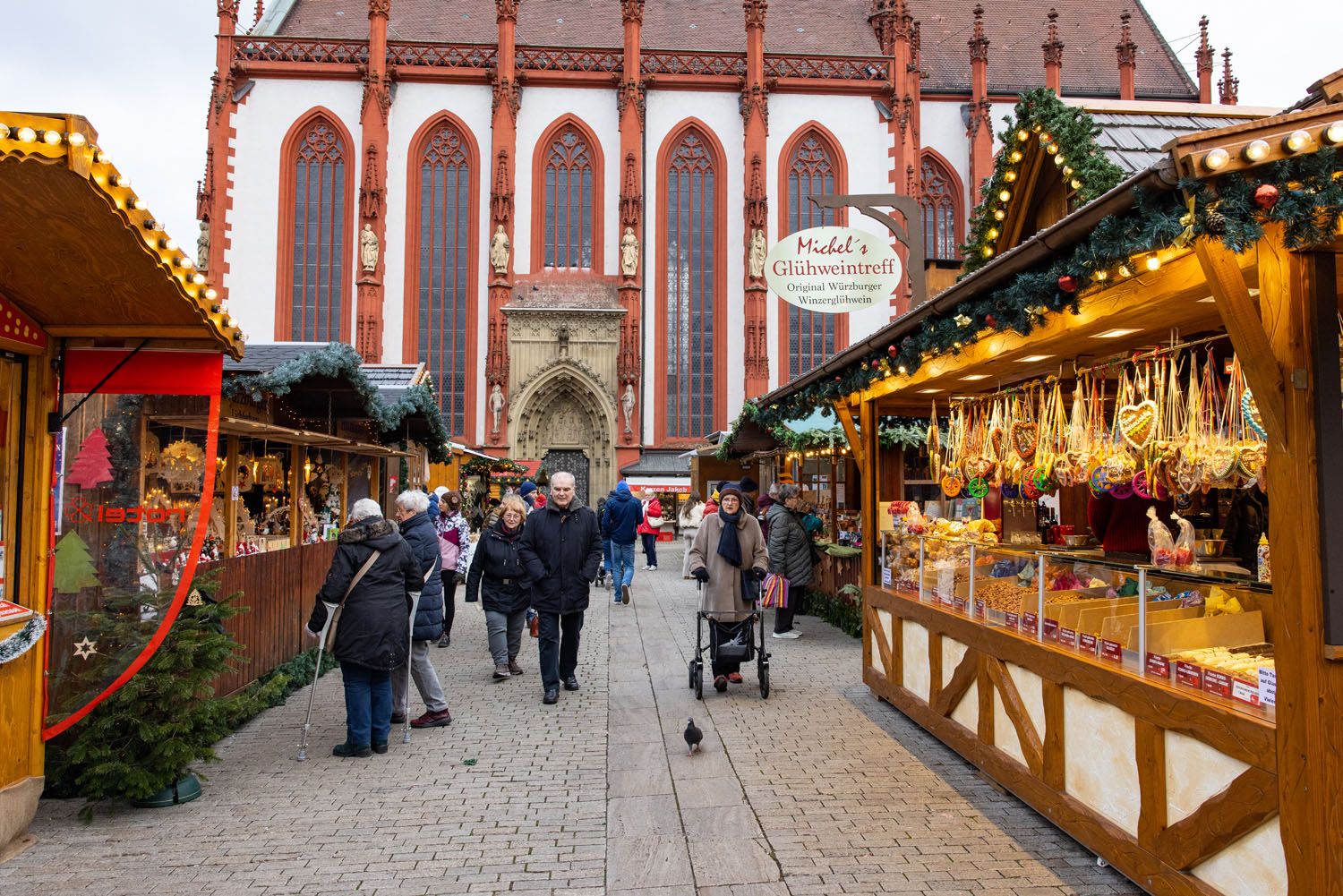
- Würzburg: Boasting a Baroque-inspired charm, Würzburg offers a sophisticated, local atmosphere. With fewer crowds than Nuremberg, visitors can actually enjoy the stalls and the architecture, including the stunning Marienberg Fortress.
- Ludwigsburg: For those who appreciate the Baroque aesthetic, Ludwigsburg is a must. The market stalls are decorated with elaborate golden angels, and the lack of tourist congestion makes it a relaxing, authentic alternative to the chaotic centers of Stuttgart.
Supporting Data: Navigating Logistics and Costs
The "Pfand" System
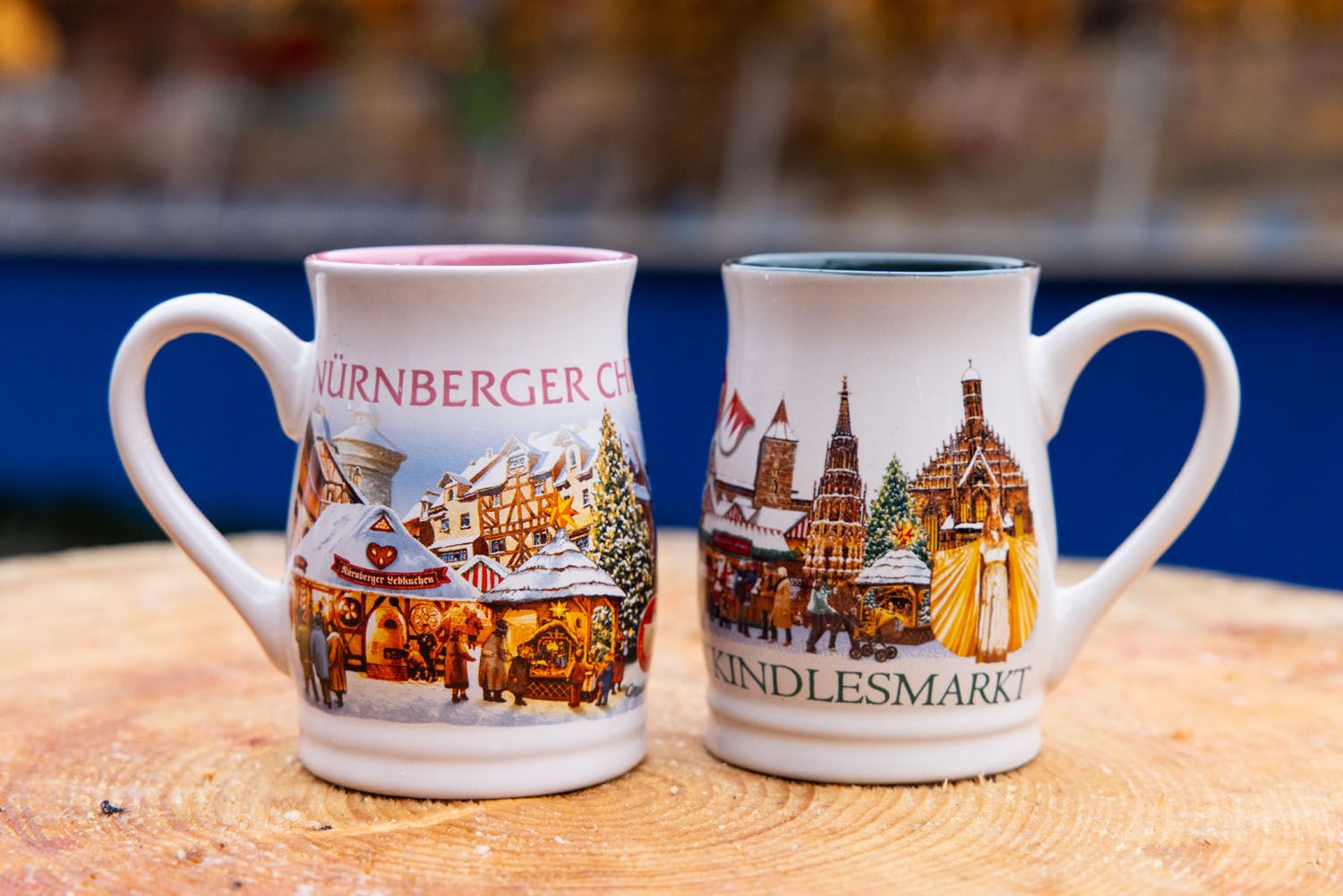
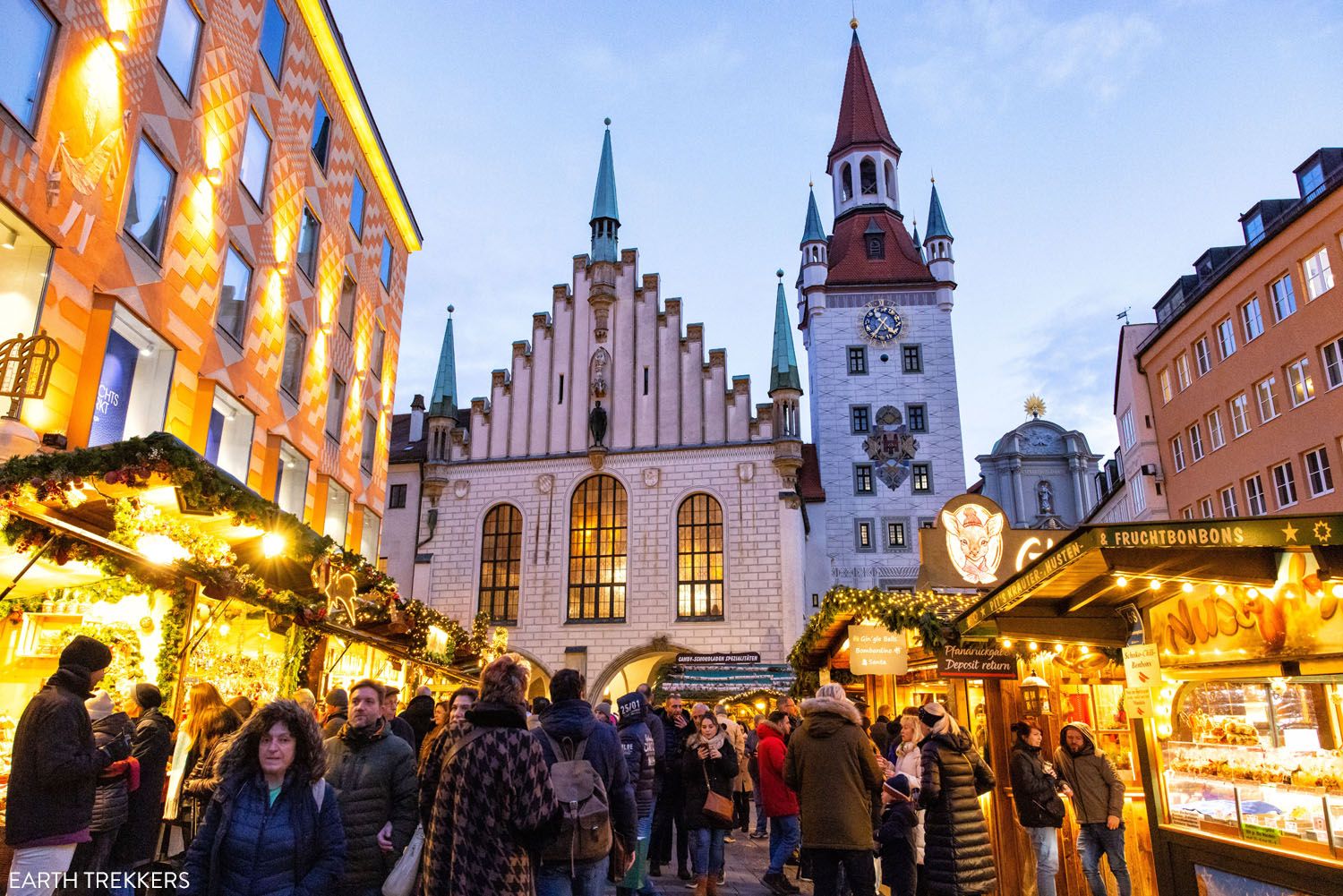
Understanding the Pfand (deposit) system is essential for any visitor. When you purchase a drink—be it Glühwein, Kinderpunsch, or hot chocolate—you pay a small deposit for the mug. You can either return the mug to any stall to receive your money back or keep it as a souvenir. It is a brilliant, sustainable system that has turned millions of tourists into amateur mug collectors.
Financial Expectations
Most markets are free to enter. However, expect to pay a nominal entrance fee (usually 2–5 Euros) for markets located on private palace grounds, such as the Romantic Christmas Market at Thurn and Taxis Palace in Regensburg. These fees generally cover the cost of maintaining the private venue and help manage crowd capacity.
Official Perspectives and Travel Implications
Tourism boards across Germany emphasize that the Christmas market season is not merely a commercial event but a vital cultural institution. The shift toward more sustainable, locally-sourced food and goods has been a priority for many municipalities.
Implications for Travelers
- Cash is Still King: Despite the modernization of many stalls, many smaller vendors prefer or exclusively accept cash. We recommend carrying at least 100 Euros in small denominations to ensure you don’t miss out on a unique snack or gift.
- The "Sunset" Strategy: Plan your day around the sunset. The hour preceding sunset provides the softest, most beautiful light for photography, while the hour immediately following provides the quintessential "night market" glow.
- Footwear Matters: You will be on your feet on cold, uneven cobblestones for hours. Warm, waterproof boots are not a fashion choice; they are a necessity.
Summary of Secondary Markets
While we have highlighted our favorites, the German market landscape is vast.
- Cologne: Offers a thematic variety, with the "Angel Market" providing an upscale, modern white-star aesthetic that contrasts beautifully with the gothic intensity of the Cologne Cathedral.
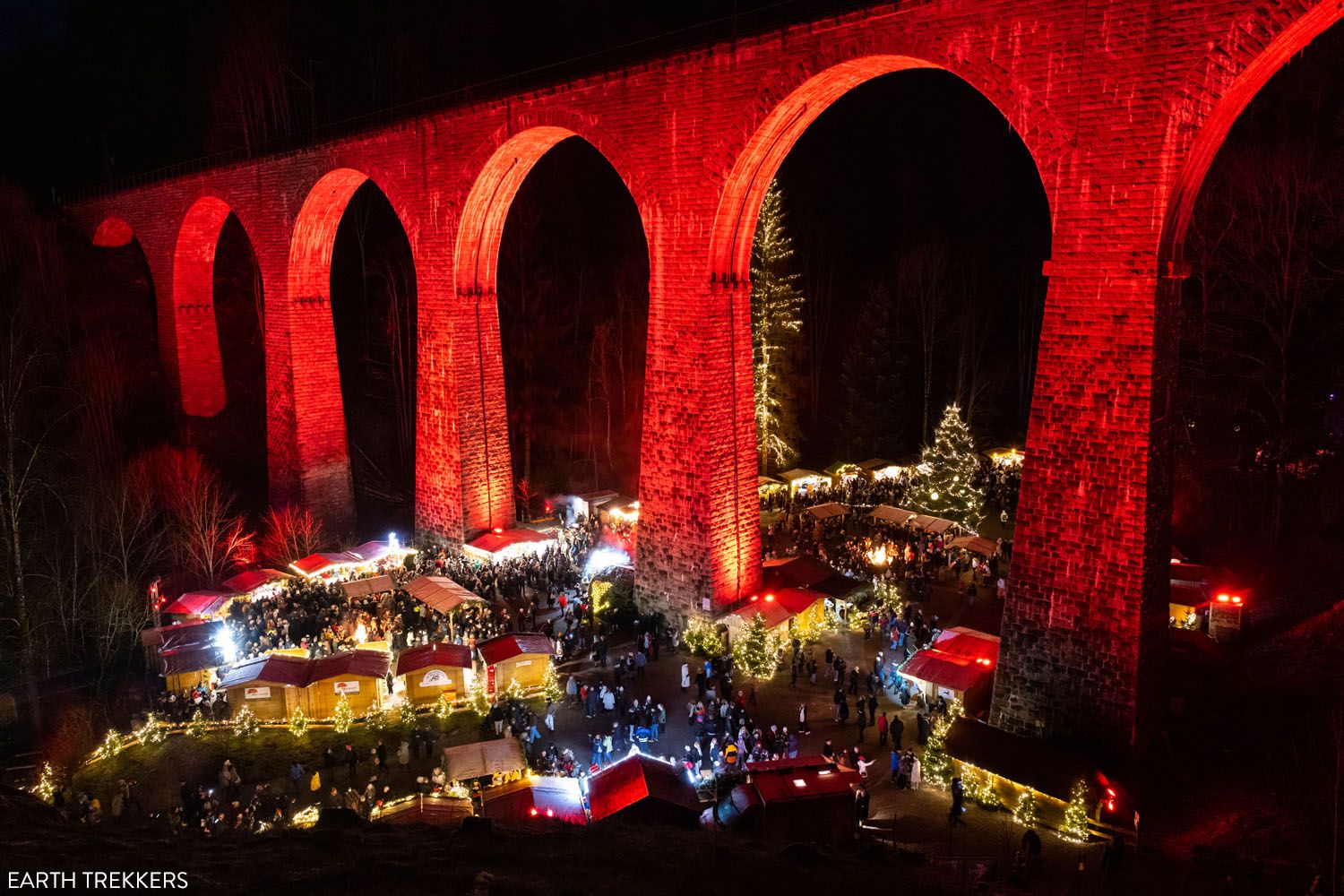
- Ravenna Gorge: A unique, ticketed event held beneath a massive illuminated railway viaduct. It is visually stunning but requires significant logistical planning regarding shuttles and advance ticket bookings.
- Berlin: With over 80 markets, it is a city of quantity over quality. While the Gendarmenmarkt is exceptional, much of the rest of the city’s offerings can feel overly commercialized compared to the smaller, more traditional towns.
Final Reflections: Why It Matters
A trip to the German Christmas markets is an exercise in slowing down. It is about standing in a crowded square, warming your hands on a ceramic mug, and feeling the shared warmth of a tradition that has persisted for centuries. Whether you find yourself in the medieval lanes of Esslingen or the grand squares of Dresden, the magic of the season is best experienced with a sense of wonder and a warm drink in hand.
Have you explored the German Christmas markets? Which ones stole your heart? Share your experiences in the comments below, and let us know if you have questions for your upcoming winter adventure.
 Nila Kartika Wati
  Siti Muinah
  Nana Wu