

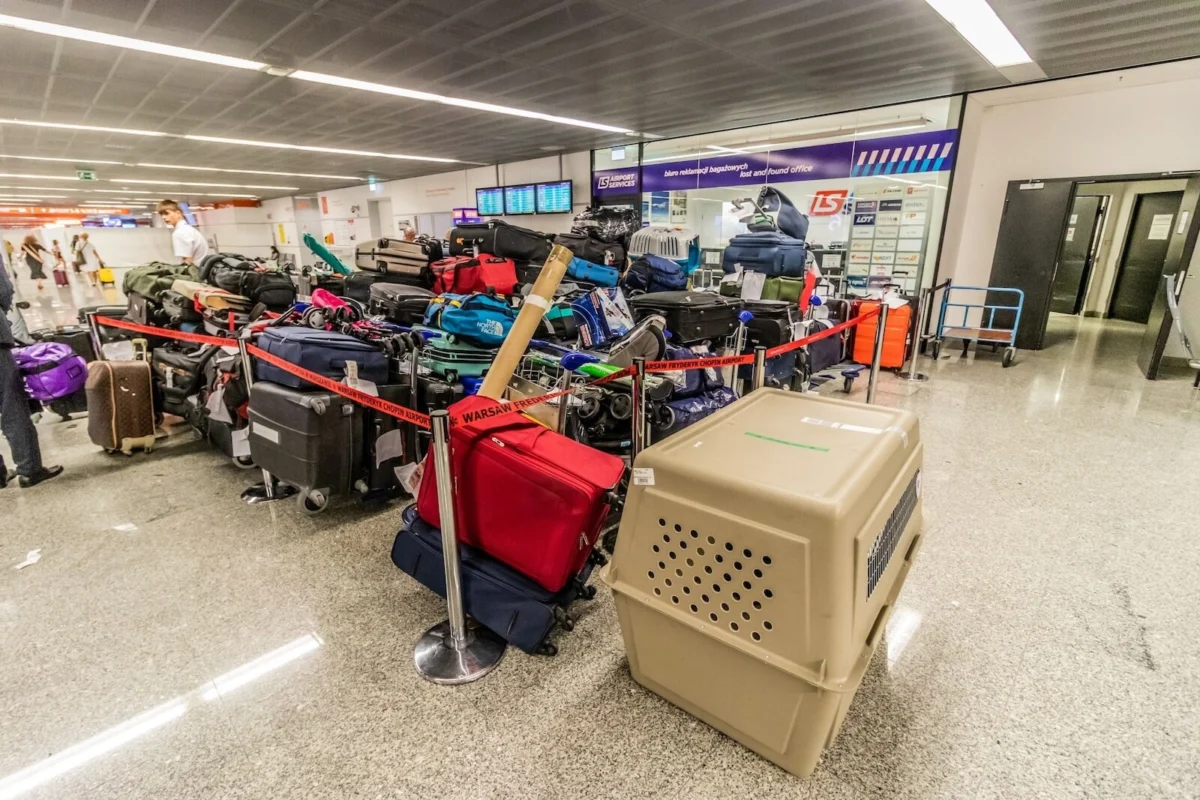
For the modern traveler, few experiences are as anxiety-inducing as standing at an airport baggage carousel as the conveyor belt slows to a halt, the crowd thins, and your suitcase remains conspicuously absent. Despite it being one of the most pervasive fears in aviation, the statistical reality is far more reassuring than the nightmare scenario often played out in the mind of the passenger.
While the "lost bag" remains a staple of travel comedy and horror stories alike, the industry has undergone a technological revolution that makes the permanent disappearance of luggage a statistical anomaly. Understanding the mechanics of the baggage system—and how to advocate for yourself when things go wrong—is essential for any frequent flyer.
The Statistical Rarity of Mishandled Baggage
It is a common misconception that airlines regularly "lose" thousands of bags. According to industry experts, the term "lost" is frequently misused by the public. In the vast majority of cases, bags are not lost; they are simply delayed.
"Less than one percent of all U.S. flyers face lost, delayed, or damaged bags," explains Scott Mayerowitz, founder of GlobeTrotScott Strategies and former executive editor at The Points Guy. "The most common issue is flight delays, especially on connecting itineraries. When major hub airports like Atlanta, Chicago, Dallas, or Houston experience severe summer thunderstorms, it triggers a cascade of delays. Often, bags get stranded or inadvertently placed on the wrong aircraft during the scramble to keep operations moving."
Ross Feinstein, a consultant and aviation expert who previously led communications for both American Airlines and the Transportation Security Administration (TSA), corroborates this assessment. "The majority of mishandled bags occur during irregular operations," Feinstein notes. "Whether it’s weather, mechanical issues, or labor shortages, those are the moments we see bags piling up. However, the bags are almost never truly lost. They are usually sitting in a sorting facility or on a subsequent flight, waiting to be reunited with their owner."
Chronology: A Bag’s Journey and Why It Fails
To understand how a bag goes missing, one must understand the journey it takes behind the scenes. From the moment you drop your bag at the check-in counter, it enters a highly complex, automated logistics network.
- The Check-In Phase: Your bag is tagged with an RFID or barcode label. This is the "birth" of the bag’s digital identity.
- The Sorting Phase: Conveyor systems read these tags to route bags to the correct aircraft. This is where most errors occur; if a flight is delayed or if the connection window is too short, the baggage handling system may prioritize bags for a different, more urgent flight.
- The Ramp Phase: Ground crews load the bags. During major storms or "irregular operations," crews are often stretched thin, and human error in loading—or a failure to scan a bag into the new flight’s manifest—is the primary culprit for a misplaced suitcase.
- The Arrival Phase: The bag is offloaded. If it didn’t make the flight, it remains at the origin or the connecting hub until the airline’s automated tracking system identifies it and rebooks it on the next available flight.
Supporting Data: The Impact of Technology
The reason permanent loss is so rare is due to the integration of sophisticated tracking. Delta Air Lines, for example, has pioneered the use of RFID (Radio Frequency Identification) tags, which allow for real-time tracking of every piece of luggage throughout the system.
"American and United use laser scanners at numerous points during the journey," Feinstein adds. "With this level of granularity, airlines can pinpoint exactly where a bag was last seen. It’s a far cry from the manual, paper-tag days of the 1990s."
Despite these advancements, passengers have increasingly taken their own security into their hands. The rise of Bluetooth-enabled trackers, such as Apple AirTags or Tile devices, has provided a "second pair of eyes." When a passenger can see that their bag is sitting in a warehouse in Chicago while they are in Paris, they are empowered to provide accurate, actionable information to the airline’s customer service staff, often accelerating the resolution process.
Official Responses and Passenger Rights
When the worst happens, and your bag does not appear on the carousel, the legal landscape is governed by a mix of Department of Transportation (DOT) regulations and individual airline policies.
The 2024 DOT Refund Mandate
As of 2024, the Department of Transportation has solidified protections for consumers. Airlines are now legally required to automatically refund your checked-bag fee if your luggage does not arrive within a specific timeframe:

- Domestic Flights: Within 12 hours of the flight’s arrival.
- International Flights: Between 15 and 30 hours, depending on the length of the flight.
These refunds are intended to be automatic, but experts still advise travelers to file a formal "Mishandled Baggage Report" at the airport immediately. This creates a timestamped record that serves as the official trigger for any compensation claims.
Liability Limits
It is important to understand the "ceiling" of airline liability. For domestic flights within the U.S., the maximum liability for a lost bag is $3,800. For international itineraries, which are governed by the Montreal Convention, the limit is lower—currently just under $1,800.
"I would never advise anyone to check expensive electronics, jewelry, or irreplaceable heirlooms," Mayerowitz cautions. "Airlines limit their liability, and proving the exact value of the contents of a bag can be a difficult, bureaucratic process."
Implications: What You Should Do (And Not Do)
If your bag is missing, the impulse is often to panic. However, a calm, methodical approach is the most effective way to secure a resolution.
1. File the Report Immediately
Do not leave the airport without visiting the baggage service office. You must obtain a Property Irregularity Report (PIR) or a claim reference number. This is the document that tracks your bag’s status and provides you with the leverage needed to demand reimbursement.
2. Keep Your Receipts
Airlines are generally obligated to reimburse "reasonable expenses" incurred due to a delay. This includes toiletries, a change of clothes, and perhaps a phone charger. Do not go on a shopping spree, however. "Reasonable" is the operative word. Most carriers define this as a daily allowance—often around $50 per day—but this varies by carrier. Save every receipt; without them, the airline will likely deny your claim.
3. Leverage Digital Tools
Use the airline’s app to track your claim. If you have an AirTag, share that information with the agent at the baggage office. While they may not be able to act on your phone’s data immediately, it helps them verify the bag’s location within their own internal systems.
4. Create an Inventory
If the bag is not found within five to 21 days (depending on the airline), it will be officially declared "lost." At this point, you will need to file a comprehensive, itemized list of the contents. Creating this list while the items are fresh in your memory—rather than two weeks later—is critical for the success of a major claim.
A Final Strategy for the Modern Traveler
Ultimately, the most effective way to deal with lost luggage is to prevent the possibility entirely.
- The "Carry-On Only" Strategy: For shorter trips, avoiding checked bags entirely eliminates the risk of loss, damage, or delay. It also saves time at the carousel and prevents the added cost of checked bag fees.
- The Three-Day Rule: If you must check a bag, ensure your carry-on contains enough essentials—toiletries, medications, and at least three days of clothing—to sustain you in the event of a delay.
While the aviation industry continues to refine its logistics to nearly perfect accuracy, the traveler’s role has shifted from passive victim to active participant. By utilizing tracking technology, understanding the legal frameworks of the DOT, and keeping careful documentation, you can navigate the occasional, inevitable hiccup of air travel without letting a missing suitcase ruin your trip. The bags are rarely lost for good—but being prepared for the "what if" is the hallmark of a savvy traveler.
 Raul Delapena Setiawan
  Nila Kartika Wati
  Iffa Jayyana