


Home to approximately 3.5 million residents, Madrid stands not only as the capital of Spain but as its largest, most vibrant, and arguably most misunderstood metropolis. While coastal cities often dominate the narrative of Spanish tourism, Madrid serves as the cultural and political beating heart of the nation. Sprawling yet remarkably accessible, the city is defined by its grand architecture, a world-class culinary scene, and an infectious nocturnal energy that frequently pushes the boundaries of dawn.
With over 10 million annual visitors, Madrid has solidified its reputation as a premier European destination. However, to truly experience the city, one must shed the frenetic pace of a typical tourist. Madrid operates on its own timeline—a slow, deliberate rhythm where dinner is an event, nightlife is a craft, and the afternoon siesta is a cultural pillar. By embracing this pace, travelers uncover the authentic soul of a city that is as historically significant as it is effortlessly "cool."
The Anatomy of Madrid: Key Facts and Cultural Context
Madrid’s allure lies in its contradictions. It is a city of immense imperial grandeur—manifested in the Habsburg-era plazas and 18th-century royal architecture—yet it maintains an approachable, neighborhood-centric feel.
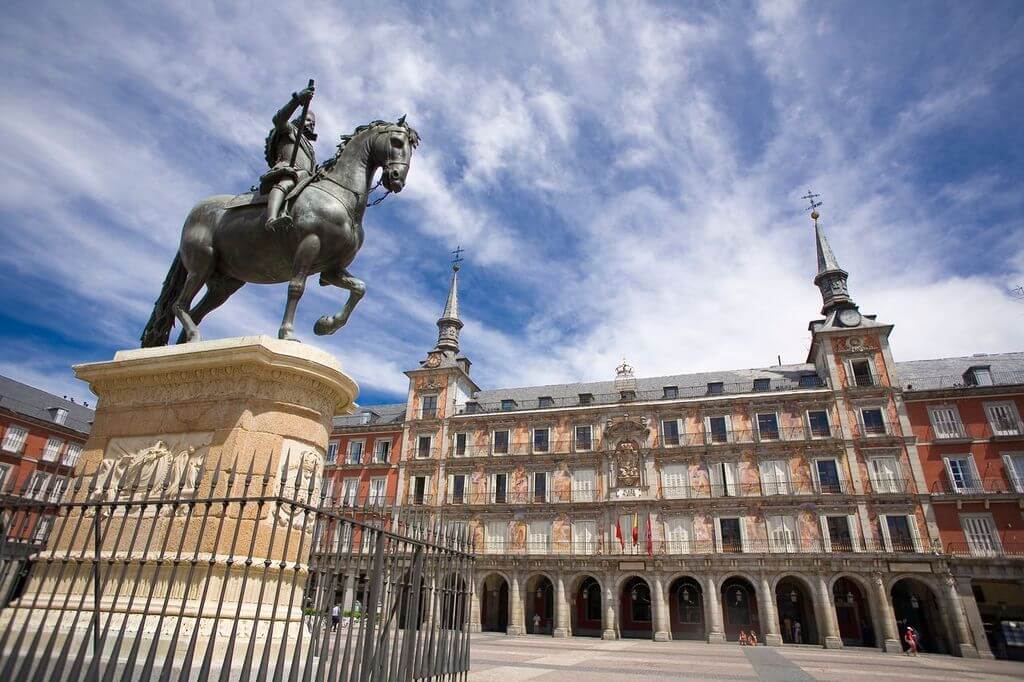
Chronology of Influence:
- 16th Century: Philip II establishes Madrid as the permanent capital, shifting the center of gravity of the Spanish Empire.
- The Golden Age: The city flourishes as a hub for art and literature, home to luminaries like Cervantes and Velázquez.
- Modern Era: Madrid has transformed into a global financial center and a leading European hub for LGBTQ+ culture, sustainable urban living, and gastronomy.
The city’s geography is dominated by the Paseo del Prado and the sprawling Retiro Park, which collectively form the "Landscape of Light"—a UNESCO World Heritage site recognized for its unique blend of nature and human endeavor.
Five Days in the Capital: A Strategic Itinerary
Day 1: The Art Walk Immersion
The journey begins at the heart of Madrid’s cultural prestige. The Paseo del Prado is home to over 40 monuments and historic structures.
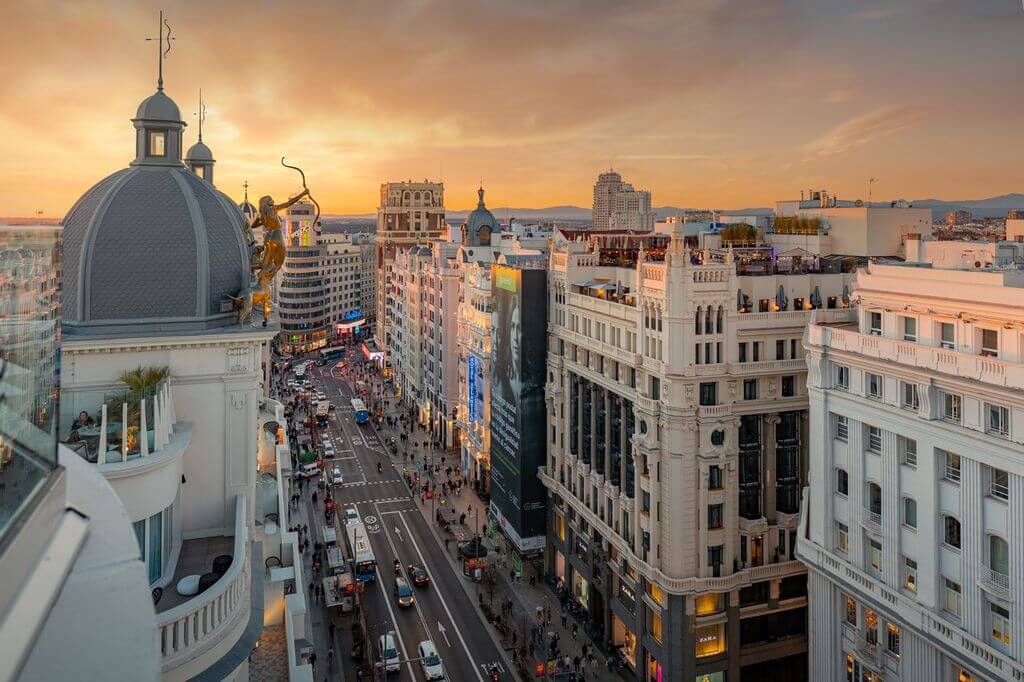
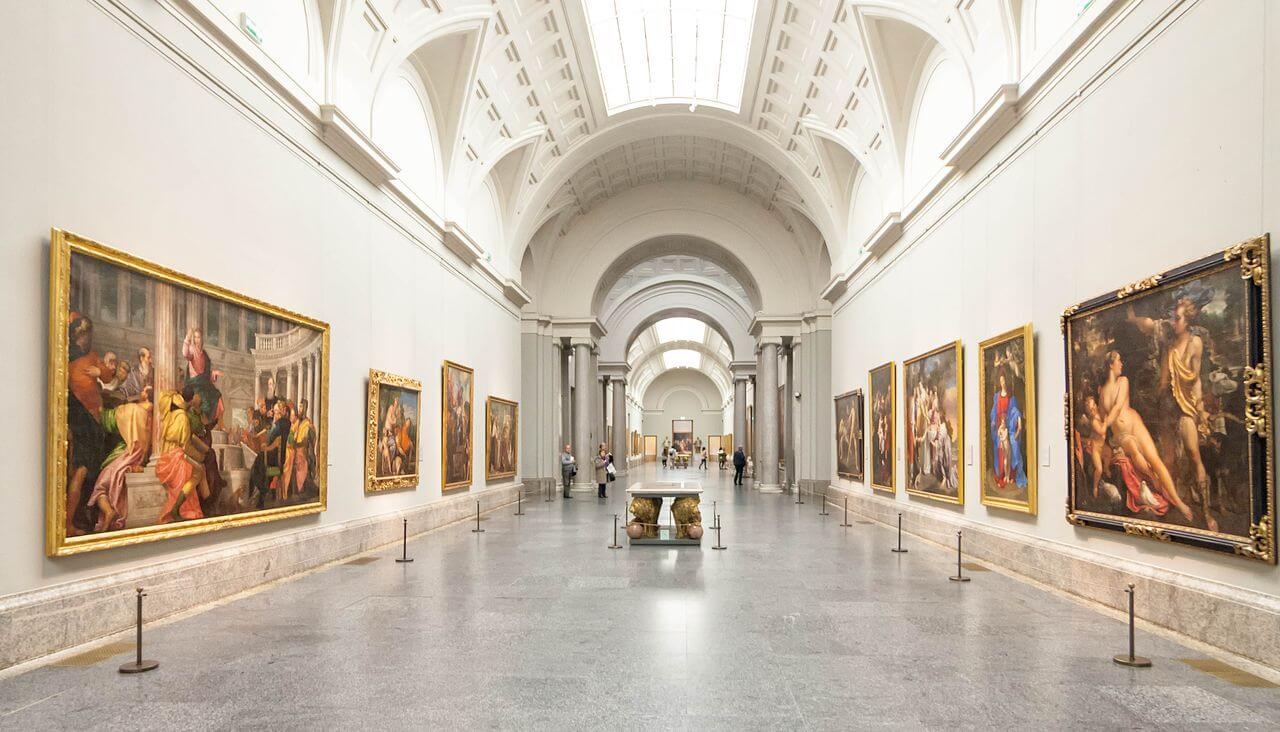
- The Prado Museum: Widely considered one of the world’s premier art institutions, it houses definitive works by El Greco, Velázquez, and Goya. A minimum of three hours is required to appreciate the breadth of the collection.
- Thyssen-Bornemisza & Reina Sofía: Moving from the Renaissance to modernism, the Reina Sofía is the definitive home of Picasso’s Guernica. Its emotional weight makes it an essential stop for any visitor.
- The House Museums: To escape the crowds, explore the Sorolla Museum, the former residence of the "painter of light," which offers an intimate, sun-drenched look at 19th-century domestic life.
Day 2: Habsburg Grandeur and Royal History
The second day focuses on the medieval and Renaissance roots of the city, known locally as Madrid de los Austrias.
- Puerta del Sol: The geographic center of Spain. Locate "Kilometer Zero" and the iconic Bear and the Strawberry Tree statue.
- Plaza Mayor: Once the site of inquisitions and bullfights, this porticoed square is now the city’s premier stage for people-watching.
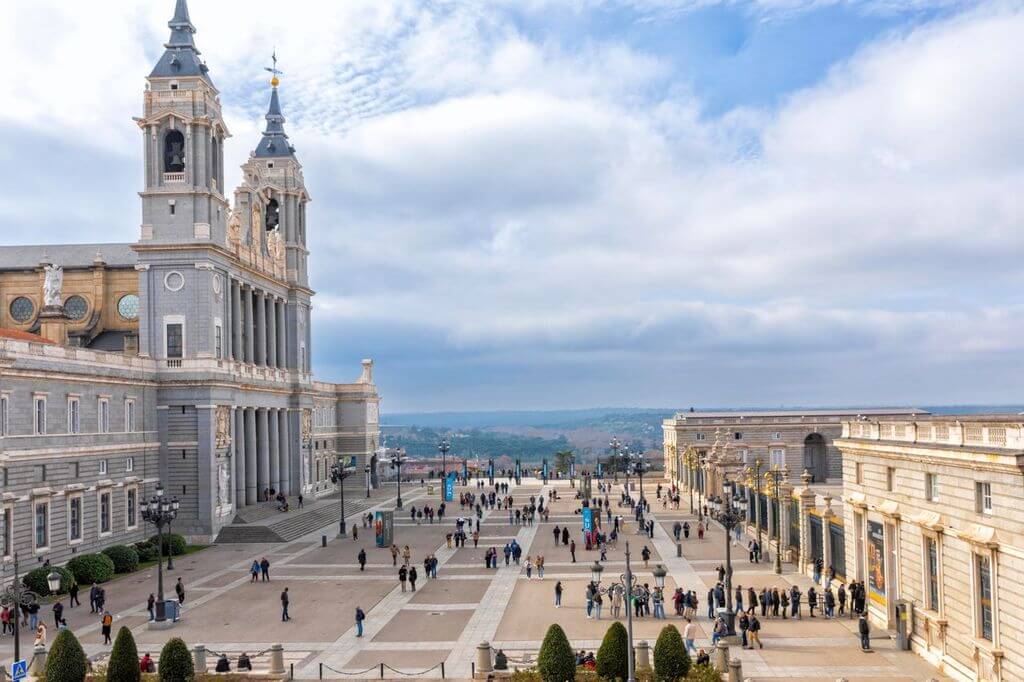
- The Royal Palace: As the largest palace in Western Europe, its 3,400 rooms offer a glimpse into the opulent history of the Spanish monarchy. Follow this with a visit to the Almudena Cathedral, where the dome provides a panoramic view of the capital’s skyline.
Day 3: The Culinary Frontier
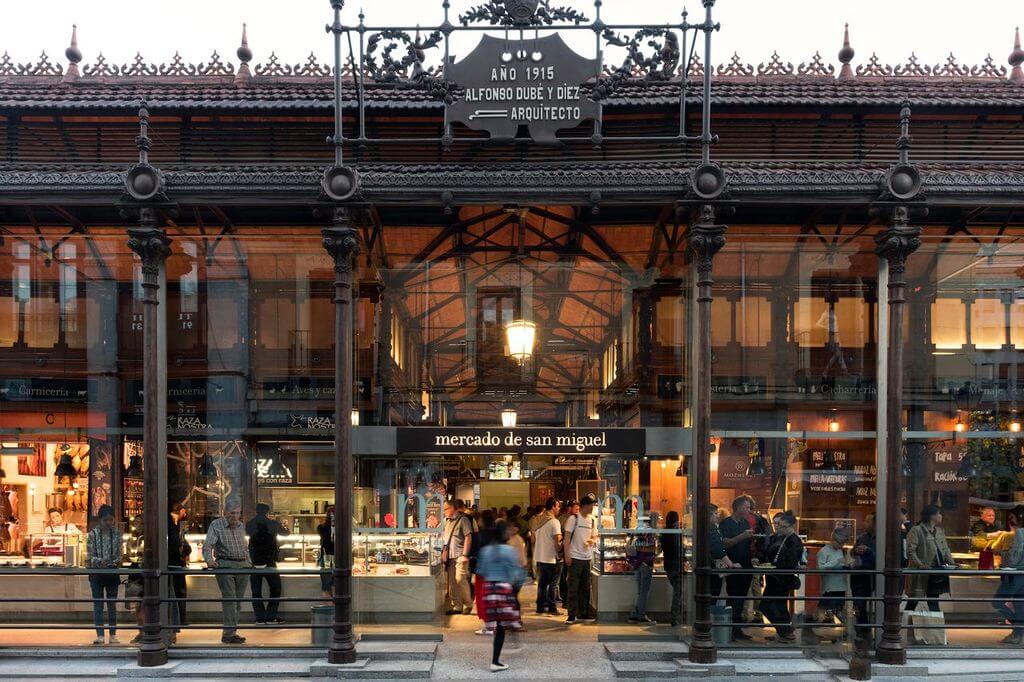
Madrid is a paradise for the gastronomic traveler. The city’s markets are the lifeblood of its food scene.
- Market Hopping: Start at the Mercado de San Miguel for high-end tapas, then move to Mercado de San Antón in the trendy Chueca neighborhood for a more local, contemporary experience.
- Historical Dining: No visit is complete without a meal at Sobrino de Botín, the oldest restaurant in the world, famously frequented by Ernest Hemingway.
- Rooftop Culture: End the day on the Gran Vía. Venues like the RIU 360º Sky Bar provide unparalleled vistas of the city, reflecting the modern, elevated direction of Madrid’s hospitality sector.
Day 4: UNESCO World Heritage Beyond the Walls
Madrid serves as a strategic base for exploring Spain’s monumental heritage.
- El Escorial: A 16th-century imperial monastery and royal mausoleum, this granite masterpiece reflects the somber, powerful reign of Philip II.
- Aranjuez: The Royal Palace and Gardens of Aranjuez provide a serene alternative to the city, blending Renaissance aesthetics with lush, manicured landscapes.
- Alcalá de Henares: As the birthplace of Miguel de Cervantes, this university city is a living museum of the Spanish Golden Age and offers a quiet, academic charm just 45 minutes from the capital.
Day 5: Off-the-Beaten-Path Treasures
On the final day, explore the "hidden" side of Madrid.
- Monasteries and Cloisters: The Monastery of Las Descalzas Reales is a treasure trove of art hidden behind a modest façade. Originally a convent for noblewomen, it houses a startling collection of religious masterpieces.
- Casa de Campo: Wrap up the trip in the city’s largest public park. Stretching over 17 square kilometers, it provides the perfect vantage point to view the Royal Palace and Cathedral across the water, offering a peaceful reflection on the preceding days.
Supporting Data and Tourism Trends
Recent data from the Madrid Tourism Board indicates that the city’s post-pandemic recovery has been fueled by a shift toward "slow tourism." Visitors are staying longer—averaging 4.2 days—and spending significantly more time in neighborhood markets and cultural institutions outside of the central tourist core.
Furthermore, the city has seen a 25% increase in vegan and vegetarian establishments over the last five years, specifically in the Malasaña district, signaling a broader commitment to diverse, sustainable dining options that cater to a global demographic.
Implications for the Modern Traveler
The shift in Madrid’s tourism strategy has profound implications for how one should plan a trip. With the city’s inclusion in the UNESCO World Heritage list, infrastructure and pedestrian-friendly zones have been expanded. Travelers are encouraged to utilize the robust public transportation network rather than private vehicles, as the city’s "Landscape of Light" is best experienced on foot.
Moreover, the emphasis on "authentic" travel means that booking in advance—particularly for museums like the Prado or the Royal Palace—is no longer just a recommendation; it is a necessity to ensure access.
Official Perspectives and Planning Logistics
"Madrid is no longer just a gateway to the coast; it is the destination," says the local tourism board. To ensure a seamless experience, travelers should utilize reputable platforms like Skyscanner for flight aggregation and Hostelworld or Booking.com for diverse accommodation needs, ranging from historic boutique hotels to budget-conscious hostels.
Practical Tips:
- Travel Insurance: Never traverse the Iberian Peninsula without comprehensive coverage for medical emergencies and cancellations.
- Dining Etiquette: Remember that the local schedule dictates late lunches (2:00 PM – 4:00 PM) and even later dinners (9:00 PM onwards). Adjusting to this schedule is the single most effective way to integrate with the local culture.
- Resources: For those requiring deeper logistical planning, regional tourism portals offer updated museum hours and public holiday schedules, which are vital for a smooth five-day stay.
By balancing the heavy hitters of history with the quiet, sun-drenched corners of its historic districts, any traveler can find their own version of Madrid—a city that, after two decades of exploration, remains as inexhaustible as it is enchanting.
 Pevita Pearce
  Laily UPN