


Artificial intelligence tools are no longer a futuristic novelty or a niche experiment reserved for tech enthusiasts. They are deeply embedded in the daily digital infrastructure, altering professional landscapes across industries. For freelance writers, navigating this new era requires a strategic pivot. Those who ignore artificial intelligence risk obsolescence, while those who rely on it to blindly generate entire articles produce mediocre content that clients spot instantly.
However, a thriving middle ground has emerged. The most successful independent writers today are leveraging AI not as a replacement for human intellect, but as an administrative and tactical assistant. By delegating tedious, repetitive tasks to language models, writers can redirect their energy toward what truly drives value: deep thinking, original reporting, expert interviewing, and relationship building.

This transition marks a fundamental maturation in how freelance writers operate. To unpack this shift, we examine the timeline of AI adoption in writing, the practical framework for integration, expert perspectives, and the broader implications for the global freelance economy.
Chronology: From Novelty to Necessity in Freelance Writing
The integration of artificial intelligence into the freelance writing workflow did not happen overnight. Tracing its trajectory reveals how rapidly expectations and capabilities have evolved:
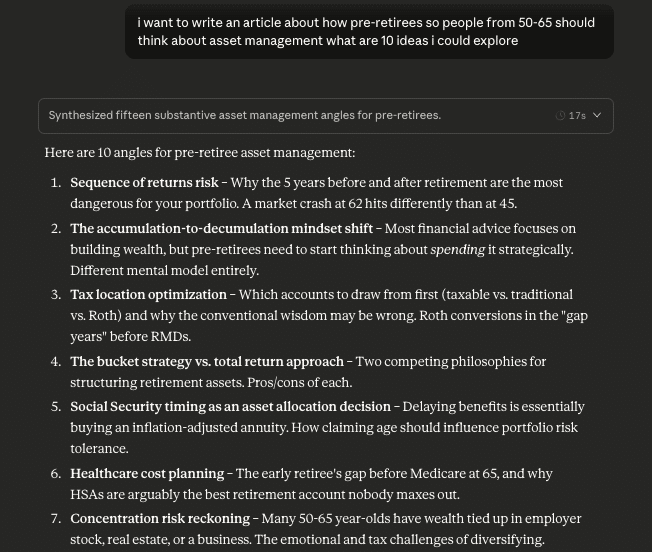
- Late 2022: The public release of generative AI models (such as early iterations of ChatGPT) sparked panic and fascination. Freelance writers feared immediate replacement, while early adopters tested the waters by asking bots to write entire blog posts from scratch—yielding stiff, formulaic, and generic results.
- 2023: The "Crutch Phase." Writers realized that raw AI output lacked voice, nuance, and factual accuracy. However, productivity-minded professionals began experimenting with narrower use cases, such as brainstorming titles or summarizing lengthy PDFs.
- 2024–2025: The Rise of the Assistant Framework. Tools like Claude, Perplexity, and Otter matured. Platforms introduced features specifically designed for context-heavy tasks, research retrieval, and transcript analysis. Writers shifted from viewing AI as a "ghostwriter" to treating it as a "collaborative sounding board."
- Present Day: Strategic Integration. The conversation has shifted from whether to use AI to how to wield it responsibly. Modern freelancers use structured workflows, custom prompts, and AI-driven tracking systems to manage everything from cold outreach to content repurposing, establishing a clear boundary between machine processing and human creativity.
Supporting Data and Industry Shifts
The economic realities facing freelance writers underscore the necessity of adopting efficiency-enhancing tools. According to recent independent publishing and freelance market analyses:
- Productivity Gaps: Writers who incorporate AI into ideation, outlining, and research phases report saving an average of 3 to 5 hours per standard project, allowing them to scale their client rosters without increasing burnout.
- The Content Saturation Challenge: With the explosion of zero-effort, AI-generated content flooding the web, human expertise, verified quotes, and personalized outreach have skyrocketed in market value.
- The Outreach Math: Traditional cold pitching often requires high volume to secure a single client. Data tracked by modern freelancers using conversational AI assistants indicates that personalized, targeted outreach—supported by AI-researched company milestones—significantly improves response rates compared to generic templates.
10 Strategic Ways to Use AI Without Losing Your Voice
To remain competitive, freelance writers must integrate AI surgically. Here are ten practical ways to leverage these tools to enhance your workflow rather than compromise your value.

1. Beating the Blank Page
The psychological barrier of the blank document is one of the greatest drains on a writer’s time. AI excels at breaking this paralysis—not by writing the piece for you, but by populating the page so you have something concrete to react to.
- The Strategy: Ask tools like ChatGPT or Claude for ten distinct angles on a topic, five alternative opening lines, or a list of questions a skeptical reader might ask.
- The Rule: Use the output to spark momentum. Discard what doesn’t fit, and rewrite the rest in your own voice.
2. Streamlining the Outlining Process
Organization is the backbone of clear writing. Before drafting a blog post, article, or pitch, an outline is essential.
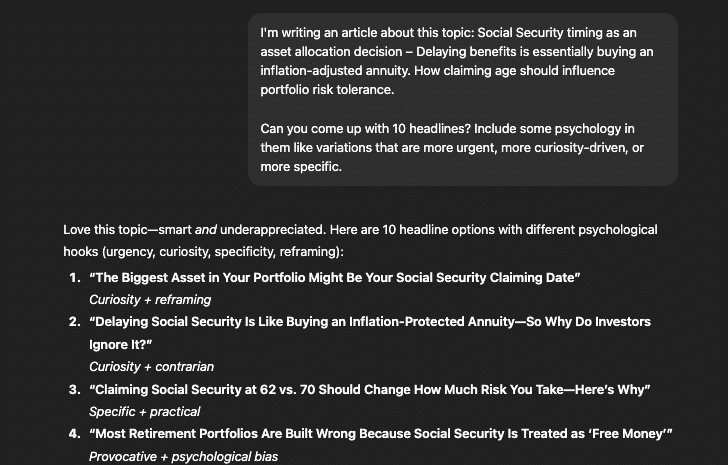
- The Strategy: Feed your core topic, target audience, and primary goals into an AI model. Ask it to suggest subheadings, structural flows, or sections a reader would expect.
- The Rule: Treat the AI’s suggestions as scaffolding. If it proposes an angle you hadn’t considered, incorporate it; otherwise, prune the structure to match your narrative arc.
3. Deploying an AI Research Assistant
Freelance writing demands extensive reading of reports, studies, and long-form articles.
- The Strategy: Use advanced search-backed models like Perplexity Pro to gather verified statistics with full citations within minutes. Paste long source documents into an AI assistant to extract key arguments, summarize data points, or triage whether a text contains the information you need before reading it cover-to-cover.
- The Rule: Always cross-reference crucial statistics and verify source dates. AI can accelerate initial triage, but it does not replace diligent fact-checking.
4. Drafting Cold Emails and Letters of Introduction (LOIs)
Staring at an email composer trying to write your hundredth introduction to a marketing agency is exhausting.
- The Strategy: Generate structural templates for cold outreach or letters of introduction. Ask the AI for multiple variations, ranging from concise to conversational.
- The Rule: The first sentence of any outreach email must be deeply personal—referencing a specific company milestone, award, or piece of content. AI can provide the framework, but you must supply the genuine human connection.
5. Crafting Compelling Headlines and Hooks
A great headline determines whether an article lives or dies in a crowded digital ecosystem.
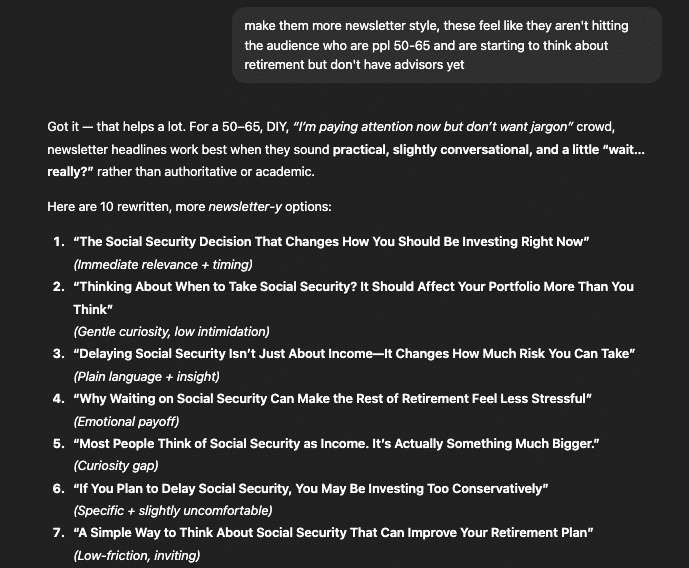
- The Strategy: Request ten headline variations tailored to specific psychological triggers (urgency, curiosity, or specificity). Similarly, prompt the AI for creative opening hooks when you feel stuck.
- The Rule: Rarely use a headline verbatim. Instead, treat the options as puzzle pieces—mix and match elements from two or three suggestions to craft a title that is sharp, accurate, and engaging.
6. Rigorous Editing and Proofreading
Human eyes naturally glaze over repeated drafts, filling in gaps with what we meant to write rather than what is actually on the page.

- The Strategy: Paste your draft into an AI editor or proofreading platform like Grammarly. Prompt the model to role-play as a strict editor or as your specific target audience, flagging wordiness, unclear sentences, or logical gaps.
- The Rule: You retain final editorial control. Use AI to catch mechanical oversights and blind spots, not to rewrite your artistic prose.
7. Maximizing Content Repurposing
Writing a 1,500-word article is only half the battle; promoting it across multiple channels is where sustainable visibility is built.
- The Strategy: Feed your completed article into Claude or ChatGPT and request platform-specific derivatives—such as LinkedIn post hooks, newsletter snippets, or Twitter thread outlines.
- The Rule: Leverage the heavy lifting you’ve already completed. By transforming a single comprehensive piece into five or ten distinct promotional angles, you expand your reach without starting from scratch.
8. Conducting Comprehensive Interview Prep
The quality of an interview with a Subject Matter Expert (SME) dictates the quality of your final article.

- The Strategy: Use AI to review background information on your interview subject, identify recent industry trends, and generate ten probing questions designed to elicit specific, engaging answers.
- The Rule: Tailor the questions to your specific narrative arc. If you are writing for an industry new to you, use AI to quickly bridge your baseline knowledge gap so you don’t waste your expert’s time.
9. Managing and Mining Interview Transcripts
Interviews often generate hours of raw audio and dense walls of transcribed text.
- The Strategy: Utilize transcription tools equipped with built-in chat features (such as Otter.ai). Once a recorded call is transcribed with permission, prompt the system to locate specific themes, summarize key takeaways, or pull direct quotes.
- The Rule: Always verify extracted quotes against the original audio file prior to publication to prevent misinterpretation or inaccurate attribution.
10. Tracking Marketing and Outreach Metrics
Freelancers often struggle with the administrative overhead of tracking pitches, follow-ups, and client conversions in traditional spreadsheets.
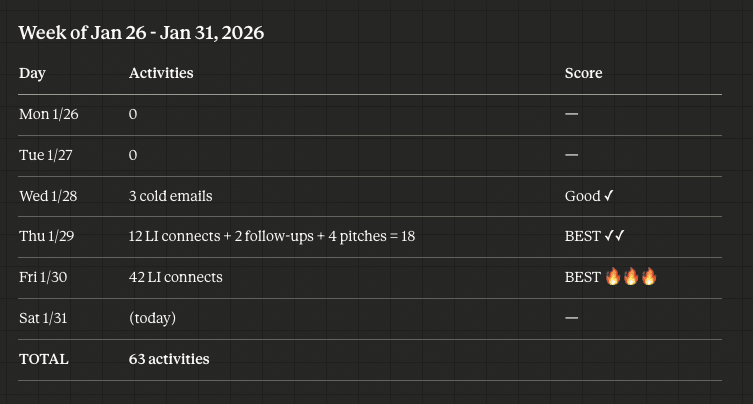
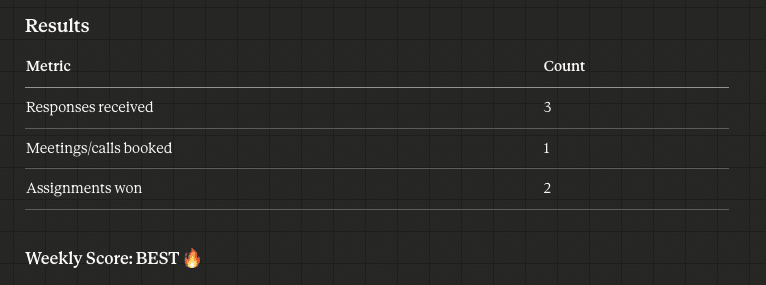
- The Strategy: Use conversational workspace tools (like Claude Cowork) to log your outreach sessions. Input who you contacted, what you sent, and the responses received. At the end of the month, request a comprehensive summary or a gamified scorecard.
- The Rule: Reviewing your performance metrics allows you to spot patterns—such as conversion rates per niche or response rates to specific pitch styles—allowing you to adjust your business strategy dynamically.
What NOT to Do With AI: Avoiding the Traps
While efficiency is the primary benefit of artificial intelligence, misuse can permanently damage a freelancer’s reputation. Industry standards dictate clear boundaries regarding what should remain strictly human:
- Do not automate relationship building: Clients hire freelancers for trust, communication, and emotional intelligence. Outsourcing client correspondence entirely to a bot destroys professional authenticity.
- Do not publish unverified claims: Hallucinated statistics and outdated data can ruin your credibility. Every fact, figure, and quote must be independently verified.
- Do not sacrifice your unique voice: If your writing sounds indistinguishable from every other generic, AI-generated blog post on the internet, you offer no competitive advantage to clients.
Implications for the Freelance Writing Industry
The widespread adoption of artificial intelligence tools carries profound implications for the future of digital media and independent contracting:
- The Death of Commodity Writing: Low-end, high-volume content writing—such as basic product descriptions or generic SEO filler—is rapidly being automated. Writers who relied solely on churning out low-cost, formulaic text are finding their market disappearing.
- The Premium on Human Experience: Conversely, content requiring original reporting, deep analytical thought, vulnerable personal essays, and expert interviews is more valuable than ever. Clients are willing to pay top dollar for writers who can synthesis real-world experiences into compelling narratives.
- The Shift Toward Strategic Solopreneurship: Freelancers are increasingly operating like lean media agencies. By utilizing AI assistants for administration, research, and marketing analytics, a single writer can manage a volume of work that previously required a small team, transforming the economics of solo business ownership.
The Bottom Line
Artificial intelligence tools are permanent fixtures of the modern professional landscape. Rather than fearing their integration, freelance writers must view them as high-powered instruments designed to eliminate administrative drag.
By automating the tedious mechanics of outlining, researching, and repurposing, writers free up mental bandwidth for the irreplaceable human elements of their craft: critical thinking, expert empathy, and authentic relationships. Start by integrating one or two of these use cases into your daily routine, master them, and gradually build a workflow that maximizes your efficiency without ever compromising your unique voice.
 Asep Darmawan
  Raul Delapena Setiawan
  Asro
Asro 