

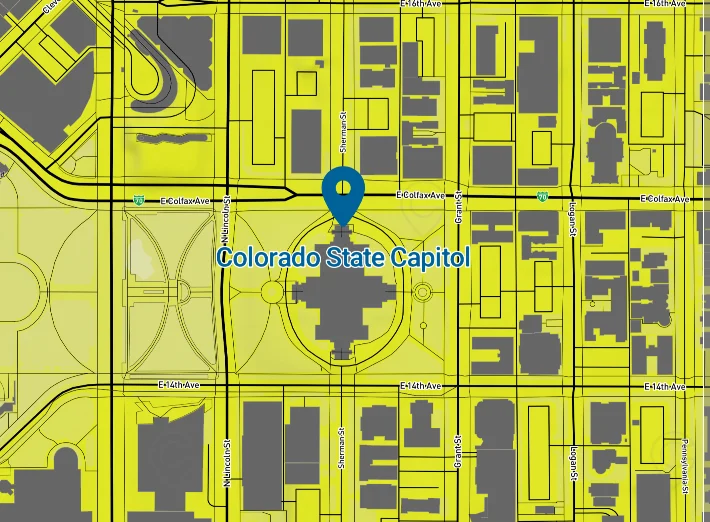
DENVER, CO — June 2, 2026 — In a move widely celebrated by the digital commerce and travel sectors, Colorado Governor Jared Polis has officially vetoed HB 26-1210, a piece of legislation that had sparked significant debate regarding the intersection of algorithmic pricing, consumer protection, and technological innovation. The bill, which aimed to regulate advanced pricing technologies, was ultimately deemed by the Governor’s office to be overly broad, threatening to stifle the very tools that provide Coloradans with discounts and loyalty rewards.
The Travel Technology Association (Travel Tech), the primary industry body representing global distribution systems, online travel agencies (OTAs), and metasearch engines, spearheaded the opposition to the bill. Following the announcement, the organization praised the Governor’s decision, framing it as a victory for both market competition and the consumer’s ability to access affordable travel options.
The Core Conflict: Where Regulation Met Reality
The central tension of HB 26-1210 lay in its regulatory scope. While the bill’s sponsors argued that the legislation was necessary to curb deceptive pricing practices and algorithmic discrimination, critics—including Travel Tech—contended that the language was imprecise.
The primary concern was that the bill’s definitions were so expansive that they would inadvertently categorize standard, pro-consumer digital practices as illicit conduct. Specifically, the travel industry relies on dynamic pricing, location-based promotions, and loyalty-linked discounts to manage inventory and provide competitive pricing. Under the proposed statutory framework, these everyday digital interactions could have been subjected to strict liability thresholds, forcing companies to move away from personalized pricing models entirely.
Governor Polis’s veto highlights a growing challenge for state legislatures nationwide: how to regulate sophisticated artificial intelligence and automated pricing tools without dismantling the digital infrastructure that modern consumers rely on to save money.
Chronology: The Road to the Veto
The legislative journey of HB 26-1210 was marked by intense lobbying and technical scrutiny.
- Early 2026: HB 26-1210 is introduced in the Colorado General Assembly, framed as a consumer protection measure against "opaque" or "unfair" pricing algorithms.
- April 2026: As the bill advances through committee, travel industry stakeholders begin raising alarm bells. Travel Tech issues a series of technical briefings detailing how the bill would affect common practices like app-based discounts.
- May 14, 2026: Travel Tech formally submits a veto request letter to Governor Polis. The letter outlines how the bill would impact the travel industry’s ability to offer loyalty pricing, dynamic bundling, and metasearch functionalities.
- Late May 2026: Industry experts and consumer advocates debate the balance between transparency and business efficiency. The Governor’s legal team begins an in-depth review of the potential economic impact of the bill.
- June 2, 2026: Governor Jared Polis formally exercises his veto power, issuing a detailed letter explaining his concerns that the legislation would create a "chilling effect" on legitimate innovation.
The Governor’s Perspective: Why the Bill Failed
In his formal veto letter, Governor Polis emphasized that while he supports the spirit of consumer protection, the implementation details of HB 26-1210 were fundamentally flawed. The Governor’s office expressed particular concern regarding the "low liability threshold," which he noted would "unintentionally capture innocuous uses of technology that benefit consumers."
The Governor specifically identified loyalty programs and discount structures as essential components of the modern consumer experience. By forcing these technologies into a rigid legal framework, the state risked making Colorado a less attractive market for tech-driven services. Polis’s veto effectively sets a precedent for the state’s approach to digital commerce: Colorado seeks to be a hub for innovation, not a regulatory hurdle for the tools that keep prices competitive.
Industry Response: The Voice of Travel Tech
Laura Chadwick, President & CEO of Travel Tech, released a statement following the veto, characterizing the outcome as a thoughtful win for the travel industry and the public alike.
"Travel Tech applauds Governor Polis for recognizing that HB 26-1210 took an overly broad approach that risked discouraging lawful, consumer-beneficial uses of technology," Chadwick said. "We appreciate the Governor’s thoughtful veto message and his recognition that policymakers should focus on targeting genuinely harmful conduct without undermining innovation or limiting opportunities for consumers to save money."
Travel Tech’s advocacy was grounded in the reality of how travelers currently book their itineraries. By using meta-search tools and OTAs, consumers can aggregate data across hundreds of airlines and hotels in seconds. The association argued that the bill, if passed, would have forced companies to simplify their pricing models to avoid legal risk, ultimately leading to higher prices and fewer options for the average traveler.
Implications for the Travel and Tech Sectors
The veto of HB 26-1210 serves as a bellwether for the future of algorithmic regulation. Several key implications have emerged from this legislative cycle:
1. The Necessity of Precision in Legislation
The veto confirms that broad-stroke legislation is increasingly untenable in the age of Big Data. Future regulations must distinguish clearly between "deceptive" practices and "dynamic" practices. Legislators who fail to define these terms with technical accuracy are likely to face strong pushback from the tech sector.
2. The Future of Dynamic Pricing
Dynamic pricing is no longer just for airlines; it is a fundamental part of the digital economy. This veto protects the ability of companies to adjust pricing based on supply, demand, and user loyalty—factors that allow for lower prices during off-peak times. The decision signals to the industry that such practices remain legally protected in Colorado.
3. State-Level Regulatory Fragmentation
As individual states move to regulate AI and algorithms, companies are facing a patchwork of local laws. Travel Tech and other trade organizations are now expected to shift their focus toward helping states draft legislation that is both effective and technically feasible, preventing a scenario where firms must navigate fifty different sets of regulations for a single product.
4. Consumer Impact
For the average Colorado resident, the veto means that the current landscape of travel booking remains unchanged. Loyalty programs and personalized discount codes, which are often generated via algorithmic analysis, will continue to function. If the bill had passed, consumers might have seen a reduction in these "member-only" perks as companies sought to mitigate the risk of litigation.
Supporting Data: Understanding the Complexity of Travel Tech
To understand why Travel Tech fought so hard against this bill, one must look at the complexity of the current ecosystem. A single search on a metasearch engine triggers a series of API calls that compare hundreds of variables:
- Inventory Availability: Real-time checking of seat and room inventory.
- User Profiles: Applying loyalty status discounts (e.g., frequent flyer perks).
- Contextual Factors: Location-based mobile discounts or seasonal promotions.
- Bundling Logic: Discounting a hotel when purchased alongside a flight.
The bill, as written, lacked the nuanced language to protect these background processes. Experts noted that even minor misinterpretations of the law could have resulted in multi-million dollar class-action lawsuits, forcing platforms to disable these features to ensure compliance.
Conclusion: A Balanced Path Forward
The veto of HB 26-1210 is not the end of the conversation regarding consumer protection in Colorado. Both Governor Polis and the industry have acknowledged that there is a place for regulation when it comes to predatory or deceptive practices. However, the message is clear: any future legislation must be surgically precise.
As Travel Tech noted, the industry remains committed to supporting efforts that target genuinely harmful conduct. By rejecting a bill that would have cast too wide a net, Colorado has preserved a pro-innovation environment while leaving the door open for future, more targeted discussions on algorithmic transparency.
For now, the travel industry breathes a sigh of relief. Travelers can continue to leverage the power of technology to find the best deals, and tech companies can continue to iterate on the platforms that have revolutionized how the world explores, works, and connects.
About the Travel Technology Association (Travel Tech)
The Travel Technology Association (Travel Tech) is a non-profit membership organization that promotes and protects the travel technology industry. Travel Tech represents the leading innovators in travel technology, including global distribution systems, online travel agencies, metasearch companies, travel management companies, short-term rental platforms, and the latest generation of travel technology start-ups.
For further information or to schedule an interview with a Travel Tech spokesperson, please contact [email protected].
 Nana Muazin
  Asro
Asro  Reynand Wu