


Home to approximately 3.5 million residents, Madrid stands not only as the political and financial capital of Spain but as its undisputed cultural engine. While the coastal allure of Barcelona often dominates international headlines, Madrid offers a deeper, more visceral experience. It is a sprawling metropolis of wide boulevards, world-class art institutions, and a culinary landscape that arguably rivals any city on the planet. For the 10 million annual visitors who pass through its gates, Madrid reveals itself as a city of contrasts: where 17th-century wine caves coexist with modern rooftop mixology, and where the pace of life is dictated not by the clock, but by the sunset.
The Essence of the Capital: Key Facts and Cultural Context
Madrid’s identity is rooted in its "slow-burn" lifestyle. Unlike the rapid-fire efficiency of northern European capitals, Madrid operates on its own timeline. Dinner rarely commences before 9:00 PM, and the city’s legendary nightlife is a marathon that stretches toward the dawn. This is a city designed for the night owl, where the authentic heart of the culture—the bustling tabernas, the quiet plazas, and the art galleries—only truly comes alive after the sun dips below the horizon.
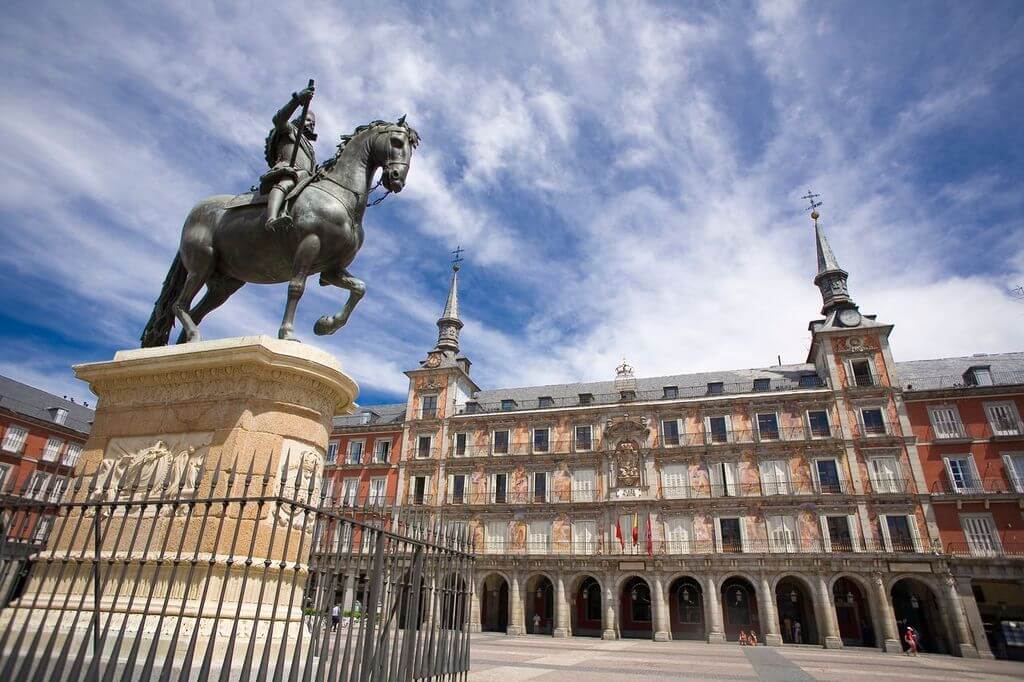
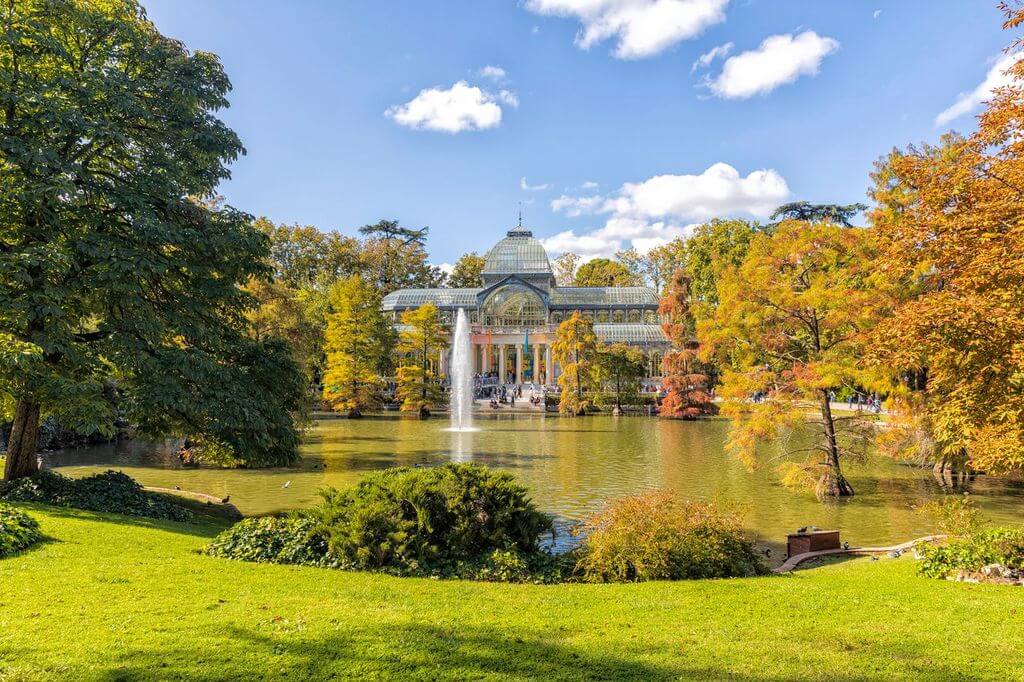
Despite its modern infrastructure, the city remains tethered to its historic layout. The "Madrid de los Austrias" (Habsburg Madrid) district provides a window into the city’s medieval and Renaissance origins, while the "Paisaje de la Luz" (Landscape of Light) serves as a testament to the city’s commitment to urban green space and artistic preservation, earning it a prestigious UNESCO World Heritage designation in 2021.
A Five-Day Odyssey: A Chronological Itinerary
To navigate a city of this magnitude, one requires a structured approach. The following itinerary is designed to balance the essential "must-sees" with the quiet, off-the-beaten-path experiences that define a truly local visit.
Day 1: Immersion in the Art Walk
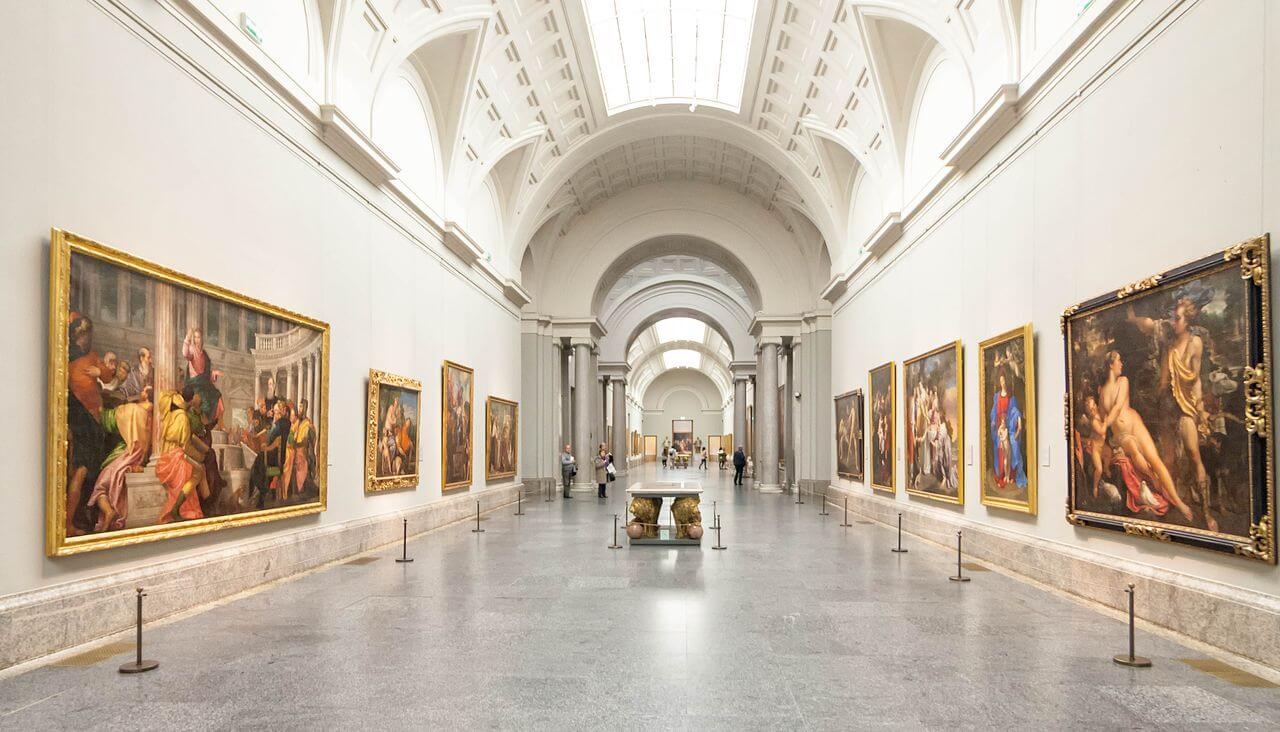
Begin your journey at the UNESCO-listed "Landscape of Light." Your first stop is the Prado Museum, a colossal institution that serves as the cornerstone of Western art history. With masterpieces by El Greco, Velázquez, and Goya, the museum demands a minimum of three to four hours.
Following the Prado, transition to the Thyssen-Bornemisza Museum, which provides a bridge between classical and contemporary works. End your day at the Reina Sofía National Art Center, home to Picasso’s Guernica. For a culinary capstone, explore the rustic Taberna La Fragua de Vulcano or the historic Bodega de los Secretos, where you can dine within subterranean 17th-century wine vaults.
Day 2: The Grandeur of the Historic Center
Day two focuses on the medieval heart of the city. Start at Puerta del Sol, the "Kilometer Zero" of Spain’s road network. After a obligatory photo with the Bear and the Strawberry Tree statue, head to the Plaza Mayor. Once the site of inquisitions and bullfights, it is now the perfect place for a bocadillo de calamares (calamari sandwich) in the surrounding alleys.
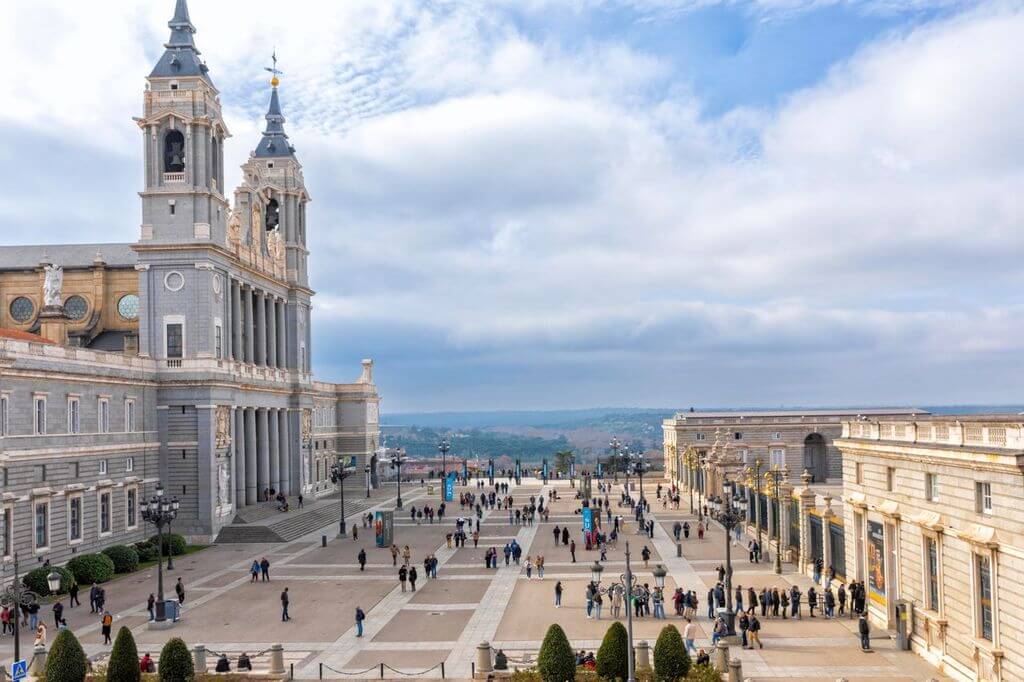
Conclude the day at the Royal Palace, the largest of its kind in Western Europe, followed by a visit to the Almudena Cathedral. The cathedral’s dome offers a panoramic view of the palace grounds, providing an ideal vantage point for sunset photography.
Day 3: Culinary Discovery and Rooftop Culture
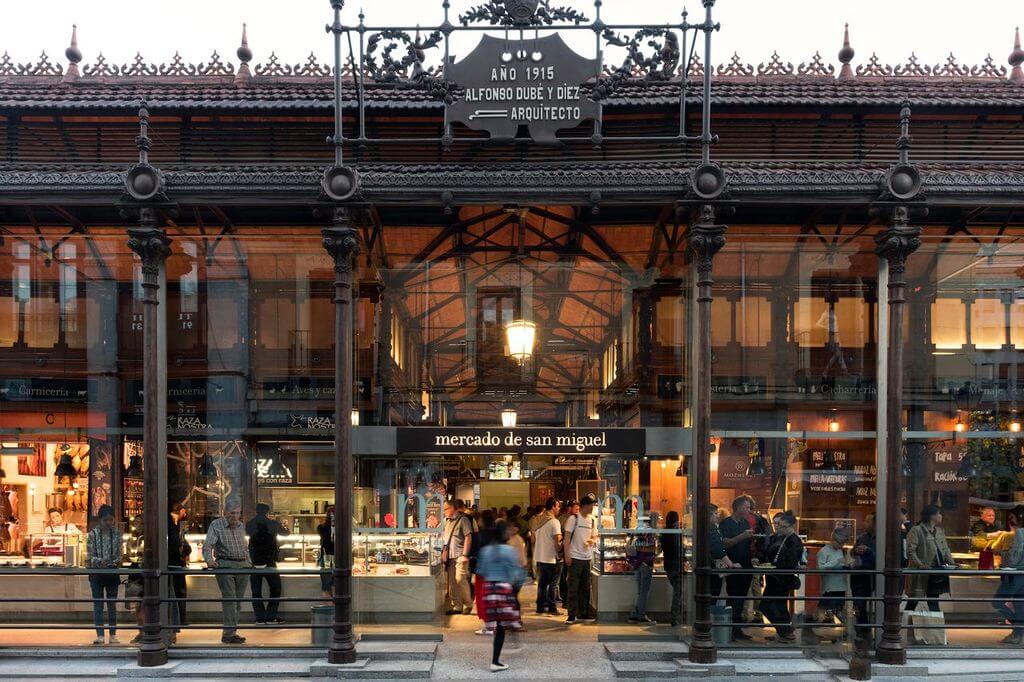
Madrid is a sensory experience defined by its food. Skip the tourist traps and head directly to the Mercado de San Miguel for high-end tapas. For those looking for a more neighborhood-centric experience, the Mercado de San Antón in the vibrant Chueca district offers a deeper dive into regional flavors.
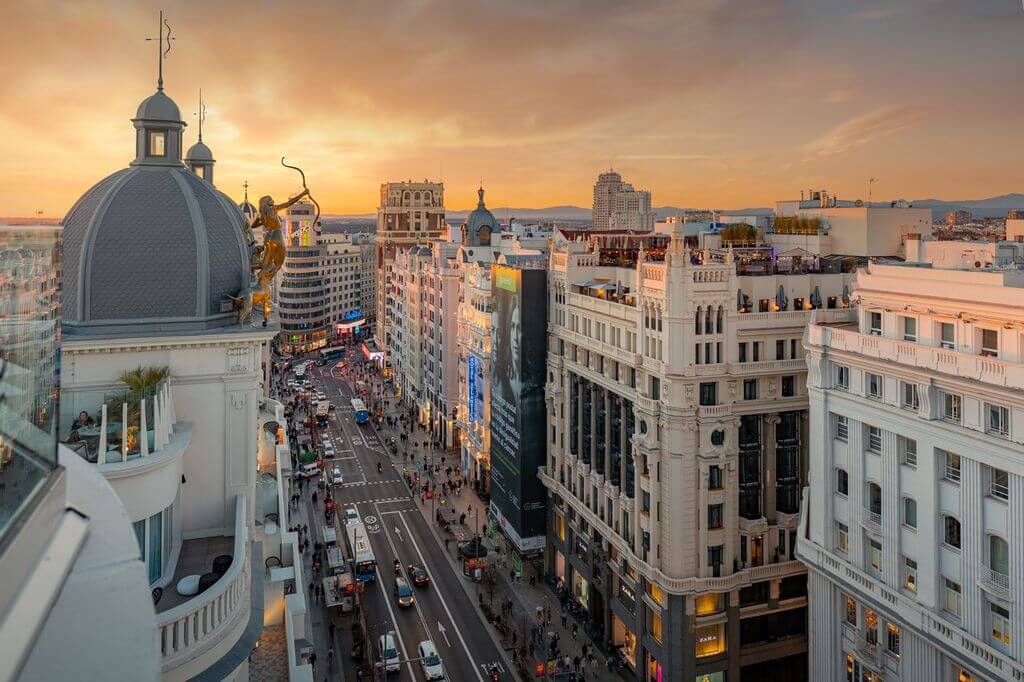
For dinner, consider Sobrino de Botín, recognized by the Guinness World Records as the oldest restaurant in the world—a favorite haunt of Ernest Hemingway. End your evening at a rooftop bar along the Gran Vía, such as the RIU 360° Sky Bar, which offers a bird’s-eye view of the illuminated city.
Day 4: UNESCO Wonders Beyond the Walls
Madrid serves as the perfect base for day trips to Spain’s imperial past. A one-hour excursion to San Lorenzo de El Escorial reveals the austere, grand monastery built by Philip II. Alternatively, the Royal Palace and Gardens of Aranjuez offers a glimpse into the spring lives of the Spanish monarchs, featuring a blend of Renaissance and Baroque architecture that rivals Versailles. For literature enthusiasts, the town of Alcalá de Henares, the birthplace of Miguel de Cervantes, provides an impeccably preserved look at the Spanish Golden Age.
Day 5: Off-the-Beaten-Path Treasures
Spend your final day in the quiet, cloistered corners of the city. The Monastery of Las Descalzas Reales and the Royal Monastery of La Encarnación are often overlooked by the average tourist but house some of the most significant royal art collections in the country. End your trip at the Casa de Campo, a 17-square-kilometer park that offers locals a respite from the urban density, featuring lakeside terraces with unparalleled views of the Royal Palace.
Supporting Data and Travel Logistics
- Transportation: Madrid is highly walkable, but the Metro system is widely considered one of the most efficient and cleanest in Europe.
- Budgeting: While Madrid offers luxury, it is remarkably affordable compared to London, Paris, or Zurich. Utilizing local markets for lunch and practicing "tapas crawling" can significantly reduce costs.
- Accessibility: Most major museums offer free entry hours (typically in the late afternoon or early evening). Check official websites for updated schedules.
Official Perspectives: Tourism Strategy and Preservation
The Madrid City Council has increasingly focused on the "Paisaje de la Luz" project to balance tourism growth with urban livability. By promoting districts beyond the immediate city center, officials aim to mitigate overcrowding while encouraging visitors to support local economies in neighborhoods like Malasaña and La Latina. The reopening of the Sorolla Museum in 2026 marks a significant investment in restoring the city’s historic "House Museums," ensuring that the intimate history of Madrid’s former inhabitants remains accessible to the public.
Implications: The Evolution of the European Capital
The primary takeaway for the modern traveler is that Madrid is no longer a "layover city" but a destination in its own right. The city’s evolution—from a traditional seat of power to a progressive, inclusive, and vegan-friendly culinary hub—reflects the changing tides of European society.
As Madrid continues to attract millions, the challenge remains to maintain its authentic "slow" culture. For the visitor, this means rejecting the urge to rush. By embracing the late-night dinners, the multi-hour museum visits, and the quiet strolls through the Casa de Campo, you are not just checking sights off a list; you are participating in a long-standing tradition of living well. Madrid is, above all, a city that rewards the patient observer—a place where the deeper you look, the more it gives back.
 Pevita Pearce
  Laily UPN