

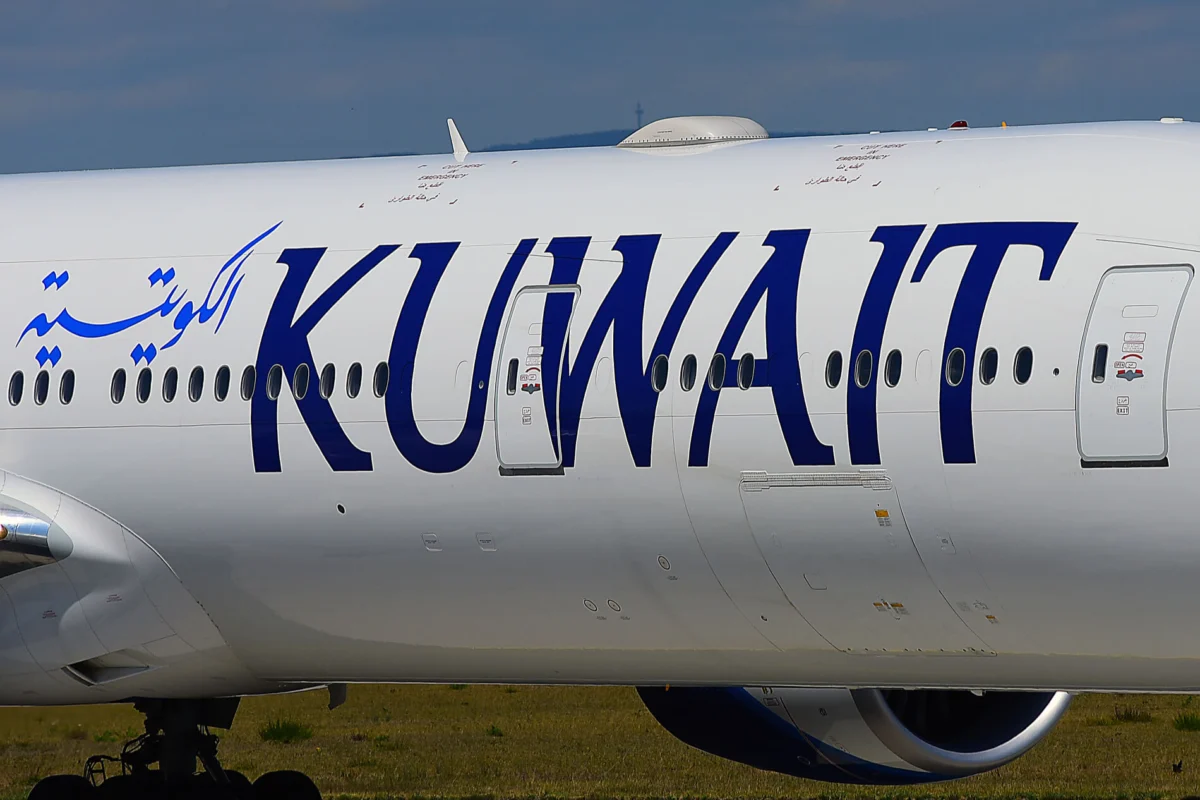
Kuwait City, Kuwait – July 18, 2026 – Kuwait International Airport (KWI) was plunged into a state of operational paralysis today as the nation’s airspace was completely shut down following a fresh wave of Iranian missile and drone attacks that have sent shockwaves across the Persian Gulf. The dramatic closure, which began on the morning of July 18, 2026, has significantly disrupted civilian air travel, impacting thousands of passengers and raising concerns about regional stability amidst a volatile escalation in hostilities between Iran and the United States.
Kuwait Airways, the national carrier, announced that the majority of its flights have been rescheduled due to the unprecedented airspace closure. The airline issued a strong advisory to passengers, urging them to meticulously verify their flight statuses before making their way to the airport. Passengers booked on Kuwait Airways flights are being notified of schedule changes via SMS messages sent to the telephone numbers provided at the time of booking, although the exact number of affected flights remains undisclosed.
This latest airspace shutdown is a direct consequence of renewed Iranian aerial assaults targeting Kuwait and other Gulf nations, a grim development occurring against the backdrop of an intensifying conflict between Iran and the United States. The attacks have not only jeopardized civilian aviation but have also struck critical infrastructure within Kuwait, including a vital power and water desalination facility, underscoring the widening scope and severity of the current confrontation.
Main Facts: A Region Under Siege
The immediate trigger for Kuwait’s drastic airspace closure was a series of Iranian missile and drone strikes that commenced following seven consecutive nights of US military operations targeting Iran. While the exact targets of the Iranian attacks within Kuwait have not been fully detailed, reports indicate that both military and civilian infrastructure have been subjected to bombardment. The attack on the power and water desalination plant is particularly alarming, highlighting the potential for Iran to disrupt essential services in its regional adversaries.
Kuwait has, in recent weeks, been compelled to implement periodic airspace closures and restrictions as a precautionary measure to safeguard civilian aircraft from the dangers posed by incoming missiles, drones, and the ensuing air defense activities. These closures have become a recurring feature of the escalating conflict, a stark indicator of the pervasive threat to aviation safety in the region. The Kuwaiti Civil Aviation Authority has consistently characterized these measures as necessary steps to protect passengers, airlines, and the operational integrity of Kuwait International Airport, a vital hub for regional and international travel.
Chronology of Escalation: A Rapid Descent into Crisis
The current crisis did not materialize overnight. The past few weeks have witnessed a relentless spiral of aggression, with each action seemingly provoking a more forceful reaction. The initial US strikes on Iran, the specifics of which are still emerging, appear to have been the catalyst for Iran’s retaliatory measures, which have now directly impacted Kuwait.
Early July 2026: Reports of heightened tensions and increased military posturing in the Persian Gulf begin to surface. Diplomatic channels are reportedly strained, with international efforts to de-escalate proving largely unsuccessful.
Mid-July 2026 (specific dates undisclosed): The first significant Iranian missile and drone attacks are launched, targeting locations within the broader Gulf region. These initial strikes are met with swift US responses, marking the beginning of a direct military confrontation.
July 10-17, 2026: A pattern of retaliatory strikes emerges, with the US conducting multiple operations against Iranian targets. Iran, in turn, launches further aerial assaults, with an increasing focus on Gulf states perceived to be aligned with the United States. Civilian infrastructure in several countries begins to face collateral damage or direct targeting.
July 17, 2026: Iran launches a significant wave of missile and drone attacks, with reports of strikes impacting Kuwait. The scale and nature of these attacks prompt immediate concern for civilian aviation.
July 18, 2026, Early Morning: Kuwait announces the complete closure of its national airspace. Kuwait Airways begins the process of rescheduling flights, and passengers are advised to seek updated flight information. The international aviation community is alerted to the severe disruption.
Supporting Data: A Grim Picture of Disruption
The closure of Kuwait’s airspace has far-reaching implications beyond the immediate inconvenience to passengers. Kuwait International Airport serves as a critical transit point for millions of travelers annually, connecting Europe, Asia, and Africa. The cessation of air traffic will inevitably lead to significant economic losses for airlines, tourism sectors, and related industries.
While the exact number of flights affected by the closure remains unconfirmed by Kuwait Airways, it is reasonable to assume that all inbound and outbound flights, as well as transit operations, have been halted. This translates to hundreds, if not thousands, of delayed or canceled journeys for passengers, creating a ripple effect across global travel networks. The economic impact is multifaceted:
- Airline Revenue Loss: Airlines operating routes to and from Kuwait will suffer substantial revenue shortfalls. This includes national carriers like Kuwait Airways and Gulf Air, as well as numerous international airlines with regular services.
- Tourism and Business Travel Disruption: The closure will deter tourists and business travelers from visiting Kuwait, impacting hotels, restaurants, and other service-based industries. The ability to conduct business meetings and conferences will be severely hampered.
- Cargo and Logistics: The flow of goods and essential supplies through Kuwait will be disrupted, potentially leading to shortages and increased costs for businesses reliant on air cargo.
- Crew and Aircraft Repositioning: Airlines will face challenges in repositioning their aircraft and crews, leading to further operational complexities and costs.
The precedent set by Kuwait’s airspace closure also raises concerns about the potential for similar actions by other regional states if the conflict further escalates. The article notes that Bahrain, Qatar, Oman, and the United Arab Emirates, while facing elevated threats, maintained open airspace as of July 18. However, the volatile nature of the situation means this could change rapidly. The contrasting responses highlight the differing risk assessments and strategic calculations being made by these nations.
Official Responses: Calls for Restraint Amidst Crisis
In response to the escalating tensions and the subsequent airspace closure, official statements from Kuwait and international bodies have emphasized the need for de-escalation and the protection of civilian populations and infrastructure.
The Kuwaiti Civil Aviation Authority has reiterated its stance that airspace closures are purely precautionary. A spokesperson stated, "The safety and security of passengers, airline crews, and airport operations are our utmost priority. These closures are implemented to mitigate the risks posed by the ongoing hostilities and to ensure that civilian aviation is not endangered by the unpredictable nature of these attacks." The authority has pledged to reopen the airspace as soon as the security situation permits, but no timeline has been provided.
Kuwait Airways has focused its communications on passenger welfare, urging them to stay informed and be patient. The airline’s advisory stated, "We understand the inconvenience this situation causes and appreciate your understanding and cooperation. Our teams are working tirelessly to manage the situation and will provide further updates as they become available."
While specific statements from Iran and the United States regarding Kuwait’s airspace closure have not been detailed in the provided text, both nations have been engaged in a war of words and actions. It is expected that Iran would justify its attacks as a response to perceived aggression, while the US would likely condemn Iran’s actions as destabilizing and a threat to regional security.
International organizations, such as the United Nations and the International Civil Aviation Organization (ICAO), are likely monitoring the situation closely. Calls for an immediate ceasefire and a return to diplomatic negotiations are expected to be amplified. The ICAO, in particular, would be concerned with the safety of international air navigation and the adherence to international aviation standards.
Implications: A Fragile Peace in the Balance
The renewed Iranian attacks and Kuwait’s subsequent airspace closure have profound implications for the already precarious stability of the Persian Gulf and the broader international security landscape.
Firstly, the incident underscores the fragility of peace in a region characterized by deep-seated geopolitical rivalries. The direct targeting of civilian infrastructure, even if collateral, signals a dangerous escalation and a willingness to inflict widespread disruption. The attack on the power and water desalination facility is a particularly worrying development, as it threatens the very survival of populations in an arid region.
Secondly, the impact on global connectivity is significant. The Persian Gulf is a vital artery for international trade and travel. Any disruption to its airspace has ripple effects that can be felt across continents, impacting supply chains, business operations, and personal travel plans. The longer Kuwait’s airspace remains closed, the more severe these global consequences will become.
Thirdly, the situation highlights the limitations of deterrence in the current geopolitical climate. Despite previous warnings and the potential for severe repercussions, Iran has continued its aggressive actions. This raises questions about the effectiveness of current diplomatic and military strategies in curbing the escalation of conflict.
Finally, the humanitarian cost of such conflicts cannot be overstated. Beyond the immediate disruption to travel, the threat of further attacks, the potential for civilian casualties, and the impact on essential services create an environment of fear and uncertainty for millions. The need for a swift and peaceful resolution has never been more urgent. The coming days will be crucial in determining whether the region can pull back from the brink or if this incident is merely a precursor to a wider and more devastating conflagration.
 Asro
Asro  Reynand Wu
  Dwi Wanna