

By Kate Garibaldi
Published September 2026
Main Facts
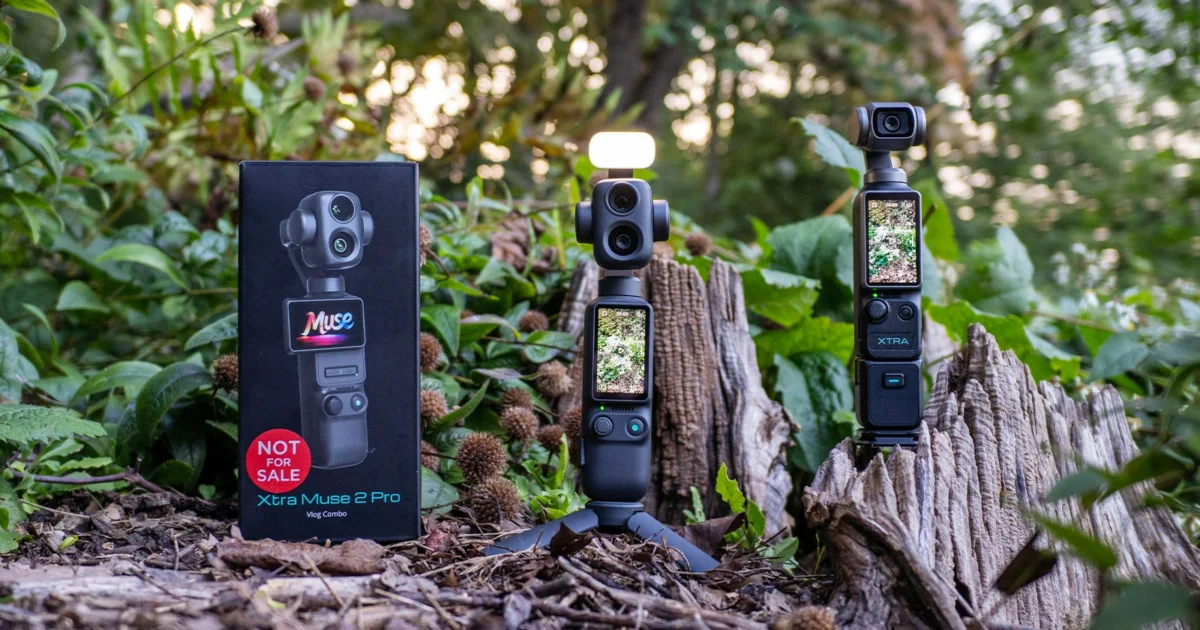
The Xtra Muse 2 Pro occupies one of the strangest commercial paradoxes in the modern consumer technology landscape: it is a pocket-sized, high-performance mechanical gimbal camera that is actively being reviewed and tested in the United States, yet it is fundamentally unavailable for purchase by American consumers.
Featuring a dual-lens optical configuration, a 1-inch primary CMOS sensor, and advanced AI-driven subject tracking, the Muse 2 Pro represents a major leap forward for solo creators and mobile videographers. However, its path to the U.S. market has collided with intense regulatory crosscurrents. Plagued by Federal Communications Commission (FCC) investigations regarding restricted technology imports and compliance scrutiny tied to broader trade enforcement actions against competitor ecosystems like DJI, Xtra was forced to halt its domestic rollout indefinitely.
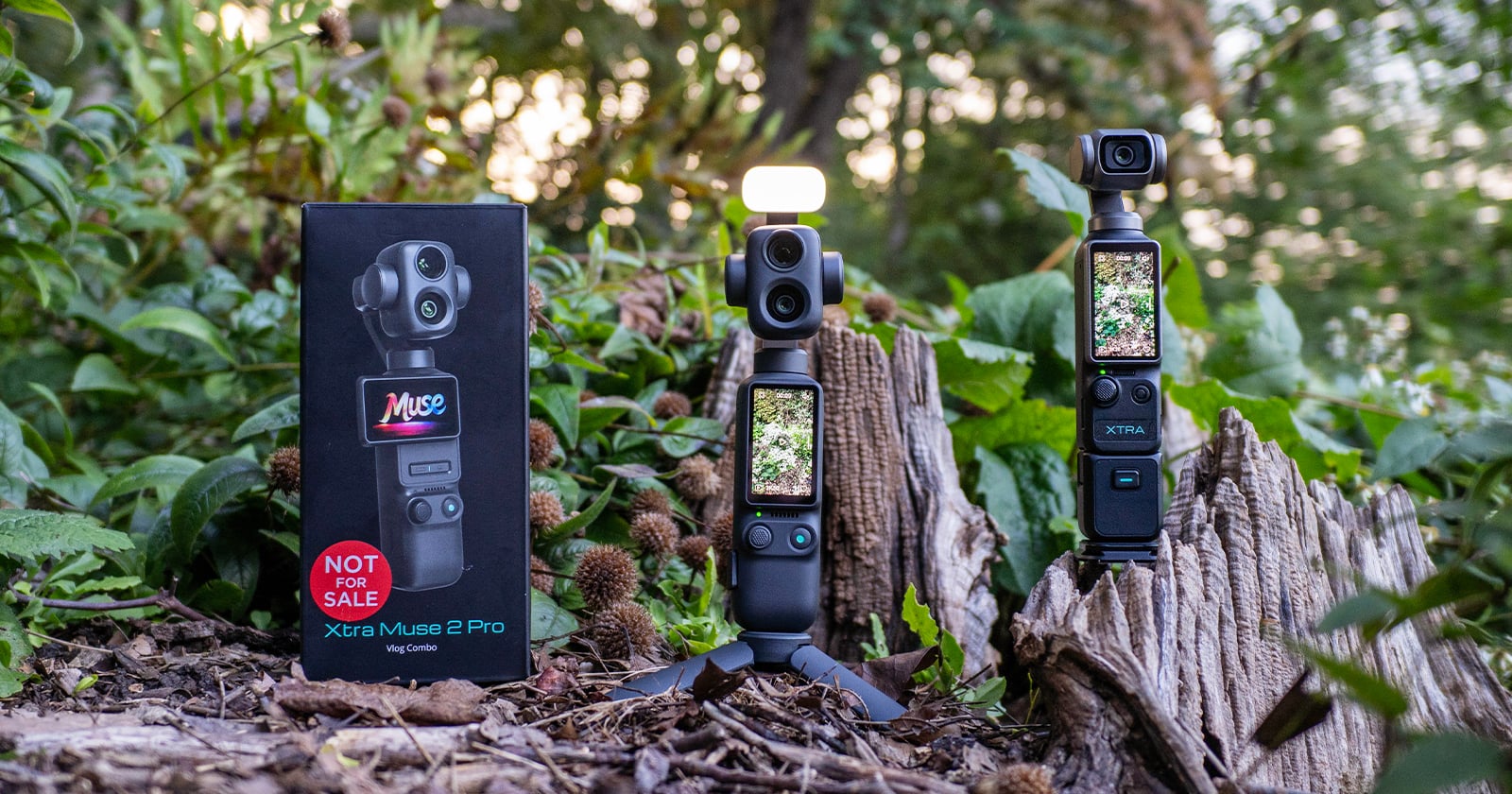
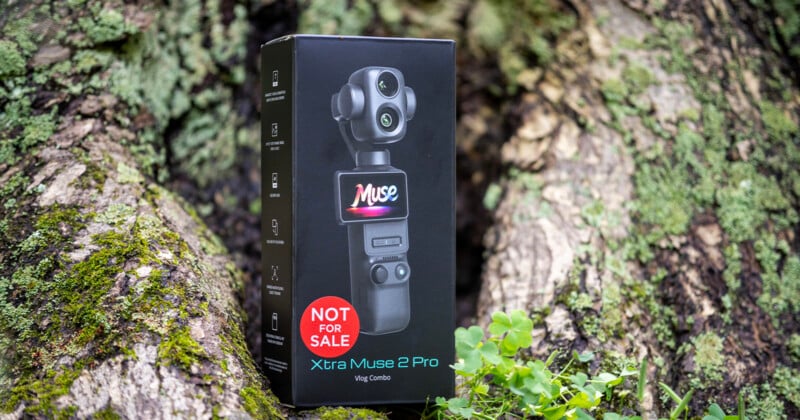
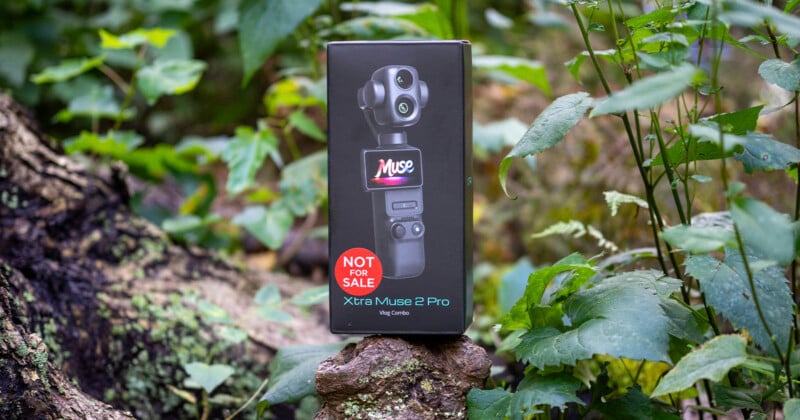
Today, the only units circulating within the United States are restricted promotional samples sent directly to select brand ambassadors. Stamped with ominous red stickers reading "NOT FOR SALE," these pocket gimbals have transformed from anticipated consumer products into rare, contested artifacts of geopolitical trade policy and regulatory enforcement.
Chronology: From Creator Program to Regulatory Halt
The journey of the Muse 2 Pro in the United States has been marked by sudden pivots, dashed expectations, and bureaucratic friction.
- Late May 2026: Xtra officially announces its ambitious "100 Creators for Xtra Muse 2 Pro" program on Instagram. The initiative invites photographers and videographers to submit portfolio work, tag the company, and nominate peers. Selected creators are designated "Xtra Aesthetic Masters"—a title reserved for those demonstrating exceptional command of mood, light, and visual style.
- June 2026: The first wave of successful creators is announced, with shipments slated for domestic delivery. During this period, the Muse 2 Pro successfully receives an initial FCC equipment authorization after filing attestations stating the hardware complied with current standards. Xtra opens a domestic "Early Bird" reservation program, allowing prospective buyers to lock in a slot with a refundable $20 deposit, with a formal retail launch targeted for late July 2026.
- July 2026: The rollout abruptly collapses. Xtra halts its Early Bird campaign, halts consumer orders, and begins issuing automatic deposit refunds, citing an inability to confirm a reliable launch timeline. Concurrently, regulatory pressure mounts as the FCC proposes a $25,000 forfeiture against Xtra and moves to restrict the importation and marketing of specific hardware lines allegedly linked to restricted DJI-associated technology supply chains.
- August–September 2026: While older, legacy Xtra products remain legally available and supported under ongoing dialogue with federal authorities, the Muse 2 Pro enters total limbo. Review samples finally arrive at creators’ doorsteps—delivered inside packaging adorned with prominent "NOT FOR SALE" warnings—leaving the broader American photography community able to read about the hardware online, but entirely locked out of purchasing it.
Supporting Data and Technical Specifications
Despite its restricted availability, the hardware profile of the Xtra Muse 2 Pro underscores why it generated such intense anticipation among mobile content creators. It bridges the gap between traditional action cameras, high-end smartphones, and professional mirrorless hybrid kits:
- Primary Sensor: 1-inch CMOS sensor paired with an $f/2.0$ aperture and a 20mm-equivalent wide-angle lens. The large sensor size provides a distinct advantage over standard action cameras in low-light environments, curbing digital noise and retaining dynamic range.
- Secondary Telephoto Lens: A dual-camera architecture that incorporates a secondary telephoto lens providing approximately a 60mm-equivalent ($3times$) reach, allowing creators to seamlessly shift perspectives without carrying supplementary optical glass.
- Stabilization & Build: A 3-axis mechanical gimbal integrated into a compact chassis small enough to fit inside a jacket pocket.
- Video Capabilities: Capable of recording up to 4K resolution at 240 frames per second for ultra-smooth slow-motion sequences. Features a 10-bit X-Log 3 profile boasting up to 17 stops of dynamic range, granting significant flexibility in post-production color grading.
- Storage: Generous onboard capacity featuring 103GB of built-in internal storage, minimizing immediate reliance on removable media cards.
- Accessory Ecosystem: Delivered in a comprehensive "Vlog Combo" bundle that includes essential peripherals such as a detachable mini-tripod and a compact fill light, positioning the kit as an all-in-one solution for solo field reporting.
Official Responses and Regulatory Context
The absence of the Muse 2 Pro from shelves is not merely a supply chain hiccup; it is the direct result of an evolving regulatory war involving the FCC, international manufacturing standards, and intellectual property/trade compliance.
In mid-2026, the FCC intensified its enforcement mechanisms targeting companies accused of importing technological architecture derived from or associated with restricted DJI equipment lines. While Xtra secured an initial equipment authorization for the Muse 2 Pro via standard filings in June, subsequent investigations led the federal agency to propose a $25,000 forfeiture against the company alongside broader restrictions on the importation and marketing of flagged equipment categories.
Xtra has maintained an active dialogue with regulatory authorities. In official statements, the company emphasizes that its legacy consumer products currently circulating in the U.S. remain fully operational and supported. However, company representatives acknowledge that the regulatory pathway for bringing newer, unreleased hardware—specifically the Muse 2 Pro—into compliant commercial channels remains unresolved.
The nuanced distinction between a complete nationwide ban and targeted import restrictions explains why older Xtra accessories remain purchaseable, while the Muse 2 Pro remains trapped behind customs walls and corporate embargoes.
Field Impressions: Pushing the Limits of Pocket Cinema
Having spent extensive time testing a restricted review unit in the field—following a preliminary trial period with the original first-generation Muse—the functional capabilities of the Muse 2 Pro quickly become apparent.
Ergonomics and Design Evolution
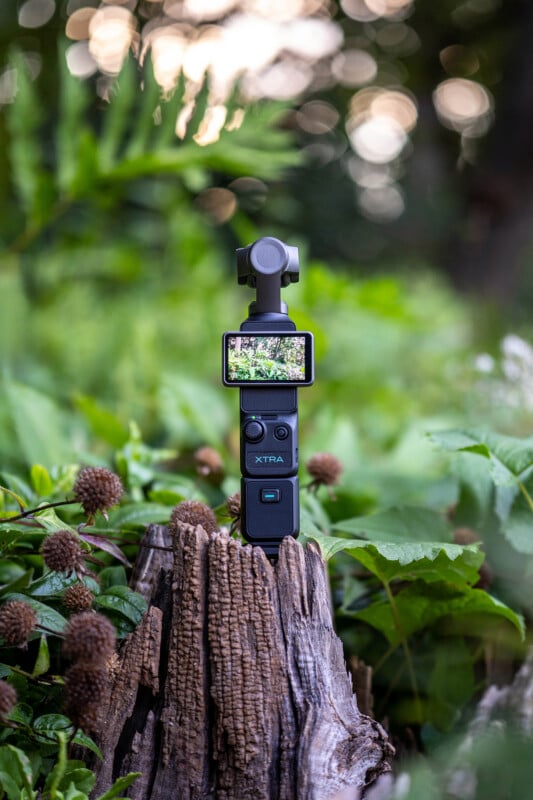
Physically, the Muse 2 Pro feels substantially different from its predecessor. The inclusion of the secondary telephoto module expands the physical footprint of the gimbal assembly, giving the top of the camera a heavier, more authoritative presence. Unlike the original Muse, which featured a modular, extending battery/grip section at its base, the Pro opts for a more streamlined, monolithic chassis.

Autofocus, Tracking, and Low-Light Performance
Testing the camera across varied terrain—ranging from shaded botanical greenhouses to twilight hikes—revealed exceptional subject-tracking capabilities. The onboard AI rapidly locks onto moving targets, demonstrating an impressive ability to re-acquire subjects if they briefly slip out of frame.
In low-light scenarios, the 1-inch sensor punches well above its weight class, preserving color fidelity and minimizing shadow noise during blue hour conditions. While extreme darkness can occasionally cause the autofocus system to hunt—a limitation shared by high-end mirrorless systems requiring manual override—the overall cinematic falloff and natural background bokeh mimic traditional large-sensor cameras far more closely than standard smartphone algorithms.

Comparative Value for Solo Creators
Compared against legacy vlogging favorites like the Canon PowerShot G7 X series, the Muse 2 Pro vastly outperforms them in stabilization, slow-motion frame rates, and automated tracking versatility. It allows a solo filmmaker to document dynamic outdoor expeditions—such as tracking wildlife or navigating rugged terrain—without needing a secondary camera operator.
Implications for the Industry and Consumers
The saga of the Xtra Muse 2 Pro highlights a growing vulnerability within the creator economy: the increasing reliance on hardware ecosystems that are highly susceptible to geopolitical crosswinds and shifting telecommunications regulations.

For everyday American photographers, the situation is deeply frustrating. The device proves that pocket-sized gimbal cameras can deliver near-mirrorless image quality paired with unmatched portability. Yet, because of administrative penalties and ongoing FCC enforcement actions, consumers are barred from experiencing these technological advancements firsthand.
Whether Xtra will successfully navigate compliance channels to secure a permanent retail greenlight remains an open question. Until then, the few "NOT FOR SALE" units resting on studio desks across the United States will remain silent testaments to a brilliant piece of engineering that arrived ahead of its time—only to be grounded by the borders that divide the global market.
 Suro Senen
  Reynand Wu
  Nana
Nana 