

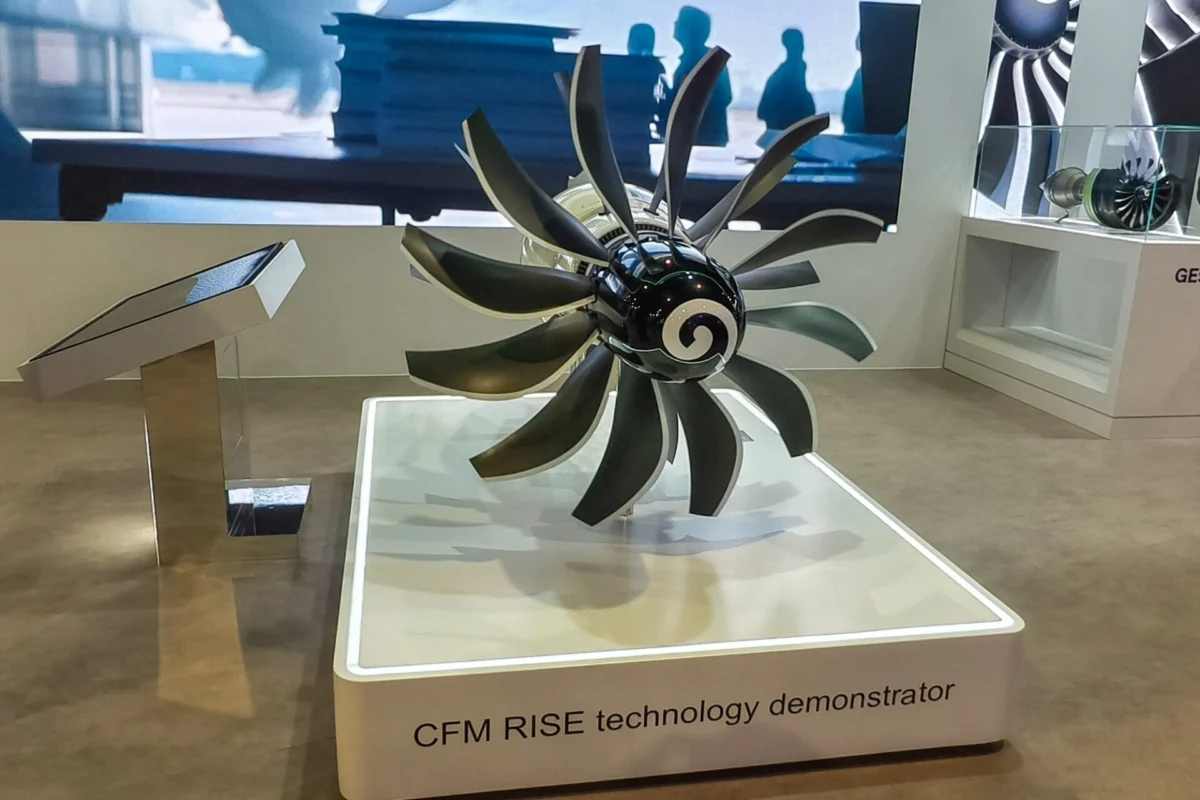
London, UK – July 18, 2026 – In a pivotal announcement held just prior to the prestigious Farnborough Airshow 2026, CFM International, the global leader in advanced aerospace propulsion, reaffirmed its unwavering commitment to shaping the future of flight. The company unveiled a series of significant milestones achieved within its revolutionary RISE (Revolutionary Innovation for Sustainable Engines) program, signaling a bold leap forward in sustainable and efficient aviation technology.
Gaël Méheust, President and CEO of CFM International, opened the press conference with a resounding declaration: "We are actively preparing the future of aviation." He highlighted the RISE program as the cornerstone of this endeavor, a comprehensive suite of cutting-edge technologies designed to dramatically reduce emissions and enhance fuel efficiency. The program’s core components – open fan architecture, compact core engines, and hybrid-electric systems – are rapidly progressing from concept to tangible reality, bolstered by extensive testing and validation.
A Foundation of Rigorous Testing: The RISE Program Takes Flight
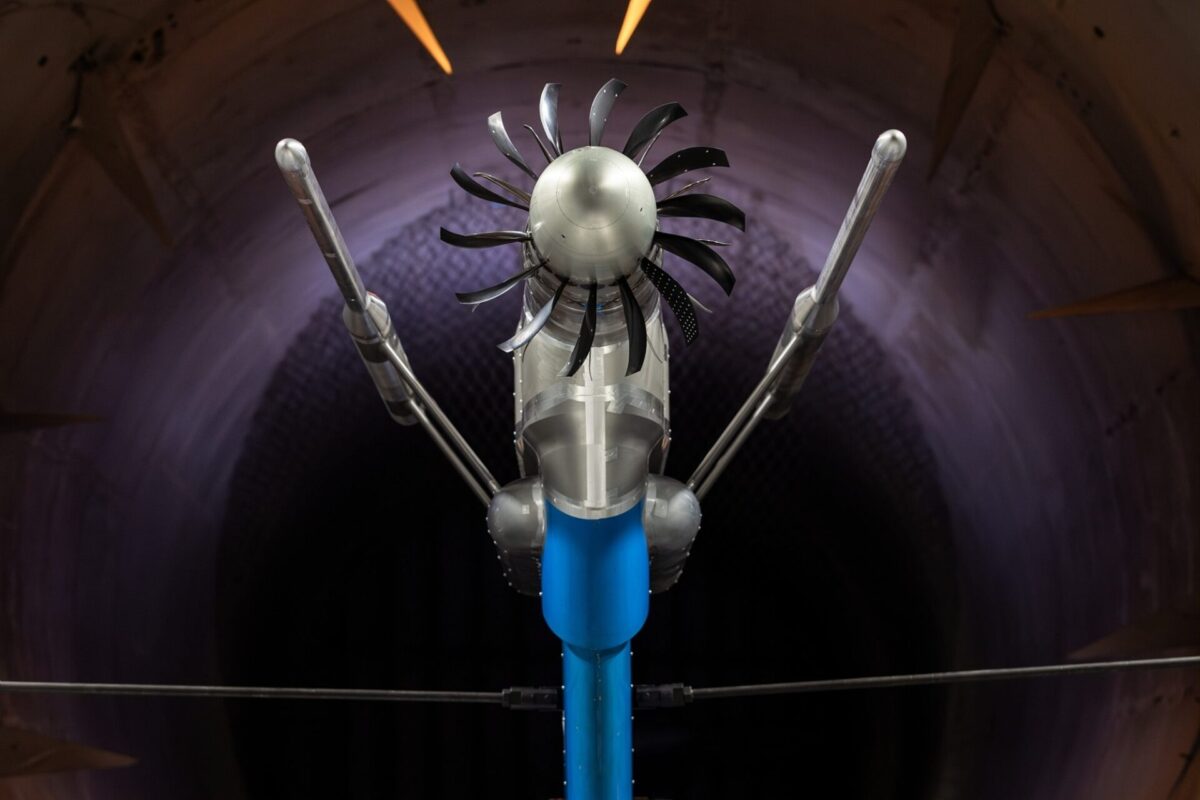
The depth of CFM’s confidence in its innovative technologies is firmly rooted in a robust and extensive testing regimen. Pierre Cottenceau, CFM International Vice President of Engineering, Research and Technology, detailed the program’s progress over the past five years, since its inception. "We have successfully conducted over 500 test campaigns and accumulated more than 500 hours of wind tunnel testing," Cottenceau revealed. This monumental effort has provided invaluable data and insights, paving the way for the next critical phase.
"This extensive testing gives us the confidence that we can now proceed to the ground testing of the open fan engine later this decade," Cottenceau stated, underscoring the tangible steps being taken towards real-world application. The successful completion of Preliminary Design Reviews (PDRs) for both the open fan and the outlet guide vanes (OGVs) airfoils marks a significant engineering achievement. These reviews signify that the designs are mature enough to move into the manufacturing phase for the ground test demonstrator.
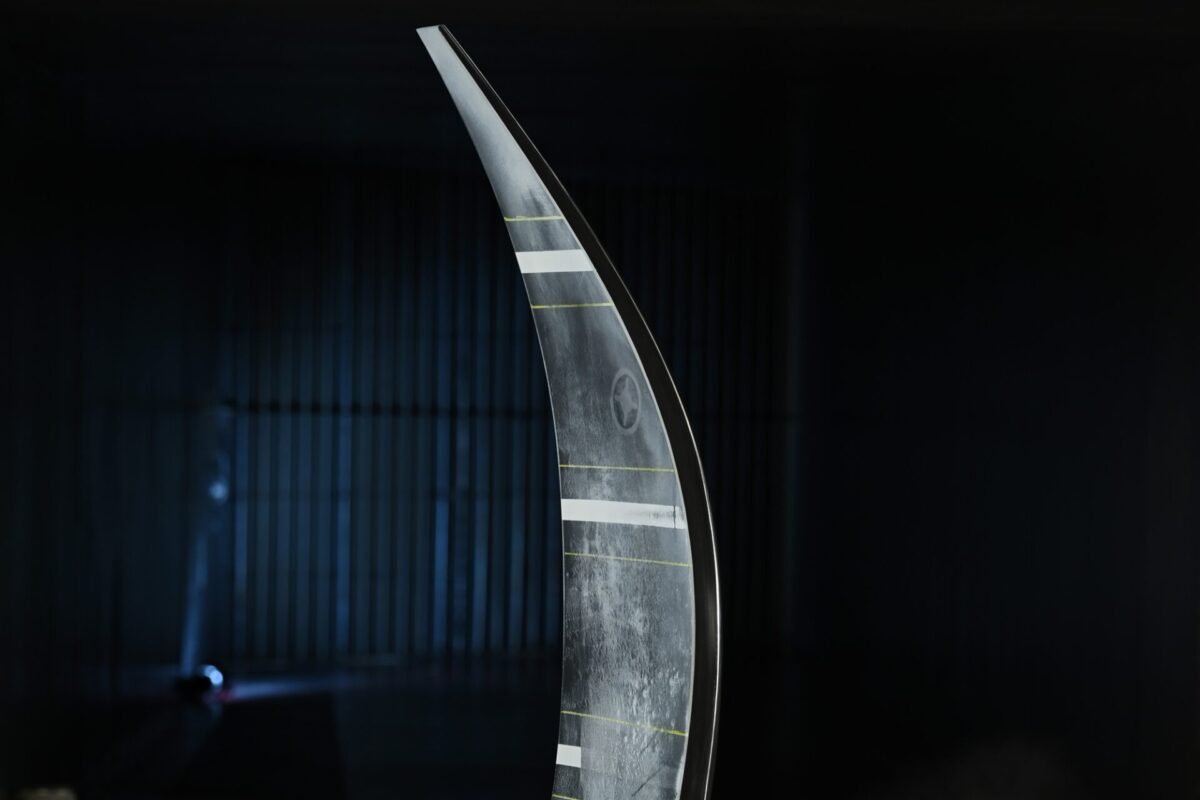
CFM elaborated on the crucial role of OGVs, describing them as the second stage of airfoils positioned behind the fan. Their primary function is to meticulously direct airflow, a critical element in enabling the open fan design to achieve the same operational speeds and altitudes as current turbofan engines. This intricate aerodynamic control is key to unlocking the full potential of the open fan concept.
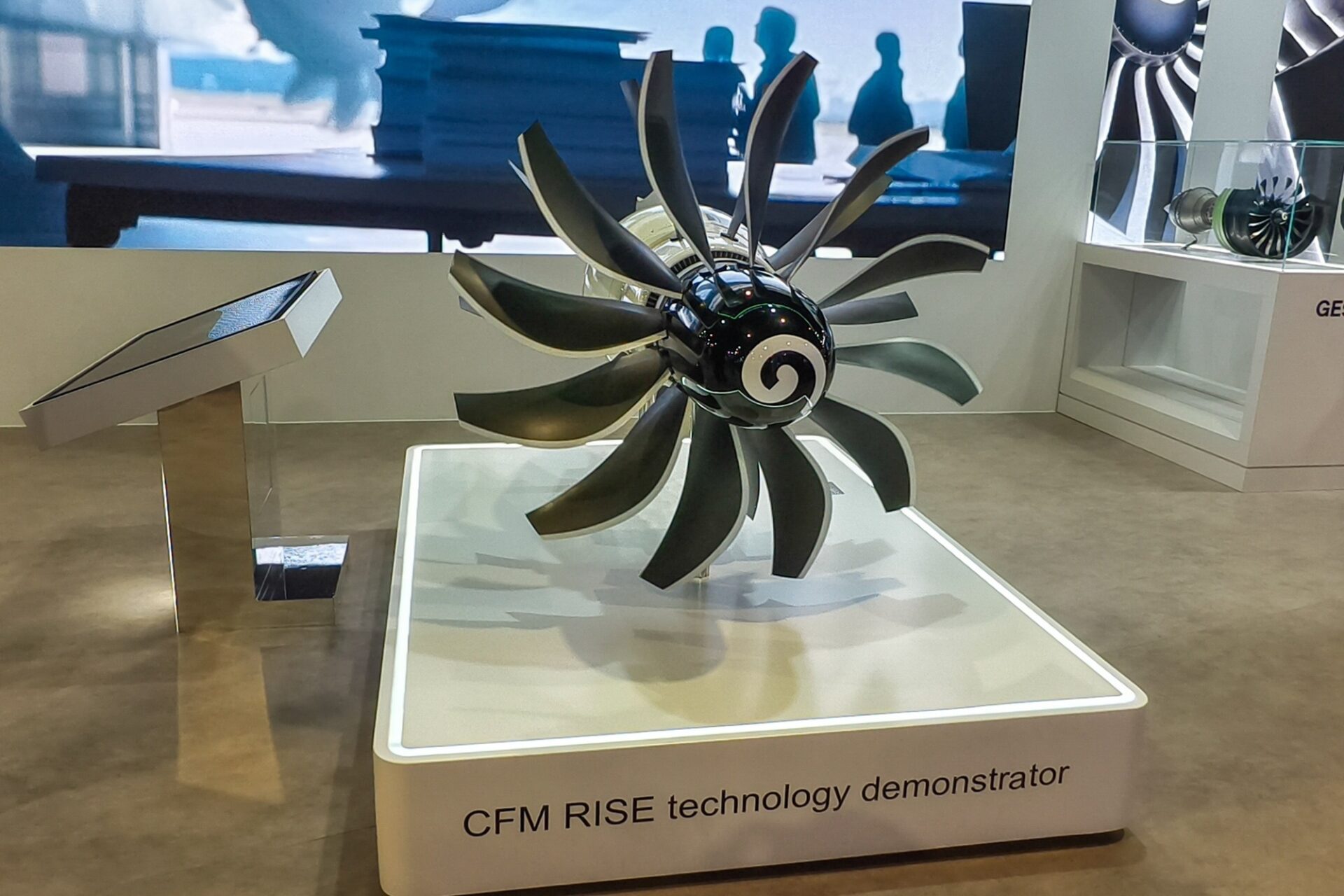
Arjan Hegeman, GE Aerospace Vice President of Future of Flight Engineering, echoed this sentiment, emphasizing the real-world progress being made. "We’re testing real, full-size Open Fan hardware, showing real progress and a renewed ambition from CFM to advance the RISE program and deliver the vital technology step-changes for durability and efficiency to power the future of air travel," Hegeman asserted. This statement reinforces the commitment of both parent companies, GE Aerospace and Safran, to the success of the RISE initiative.
RISE Durability Advantages: Redefining Engine Longevity and Performance
Beyond efficiency gains, the RISE program is also poised to revolutionize engine durability, a critical factor for airline operational costs and environmental impact. Hegeman specifically highlighted the promising results from dust ingestion tests, which reveal significant durability advantages for the open fan architecture compared to current next-generation engines.
"An open fan ingests more than 50% less dust than a ducted architecture," Hegeman reported. This reduction in abrasive particle ingestion, coupled with lower operating temperatures within the engine, translates directly into "significantly more time on wing." This means that aircraft equipped with future open fan engines will require fewer maintenance interventions, leading to increased availability and reduced operational expenses for airlines.
The Preliminary Design Review for the compact core systems has also been successfully completed. This aspect of the RISE program focuses on optimizing the engine’s core components for greater efficiency and reduced size, further contributing to overall performance improvements. To validate these advancements, CFM has conducted over 2,000 cycles of dust ingestion tests, meticulously evaluating next-generation high-pressure turbine (HPT) airfoil technologies within an engine core environment.
Furthermore, the company is leveraging advanced computational power to refine its designs. Hegeman noted that supercomputers in Germany and the United States are actively engaged in running complex simulations to optimize the acoustics and aerodynamics of the RISE technologies. This sophisticated approach ensures that the engines are not only efficient and durable but also quieter, contributing to a more environmentally responsible aviation ecosystem.
Hybrid Electric Ground Tests: Powering the Electric Future of Flight
The RISE program’s ambition extends to the realm of hybrid-electric propulsion, a key pathway towards decarbonizing aviation. CFM International executives confirmed that its parent companies, Safran and GE Aerospace, are actively conducting ground tests of hybrid-electric systems as part of the RISE initiative.
GE Aerospace has recently completed two significant hybrid-electric engine ground tests within the past year. These tests have provided crucial validation for the feasibility of "more electric aviation," exploring its potential both with and without integrated energy storage systems. This dual approach allows for a comprehensive understanding of hybrid-electric capabilities and their potential applications.
Concurrently, Safran has launched PHILEAS, a comprehensive ground testing campaign at its facility in Istres, France. PHILEAS is a full-scale engine demonstrator specifically designed to incorporate two electric machines. This innovative setup is intended to power the next generation of short- and medium-range aircraft engines, marking a substantial step towards electrifying commercial air transport.
Certification Milestones: Enhancing Existing LEAP Engine Capabilities
In addition to the forward-looking RISE program, CFM also announced significant achievements in enhancing its current engine offerings. The company has secured certification for the CFM LEAP-1B high-pressure turbine (HPT) durability kit from both the Federal Aviation Administration (FAA) and the European Aviation Safety Agency (EASA).
This crucial certification represents a substantial upgrade for LEAP-1B engines, particularly for those operating in demanding "hot and harsh" environments. According to CFM, this durability kit is expected to double the engine’s time on wing in such conditions, addressing a growing challenge faced by airlines due to increasingly extreme weather patterns. The enhanced durability kit is slated for customer delivery in early 2027.
Moreover, CFM has also achieved engine-level certification for the LEAP-1B reverse bleed system (RBS). This innovative cooling system is designed to significantly reduce the frequency of on-wing fuel nozzle replacements, a common maintenance task that can lead to costly downtime.
"These systems will increase time between shop visits while also reducing maintenance burden, especially for customers in severe environments," Méheust stated. "This means customers will benefit from longer time on wing in addition to the exceptional efficiency, reliability, and utilization that LEAP engines already deliver." This dual focus on both future innovation and current product enhancement underscores CFM’s holistic approach to advancing aerospace propulsion.
The announcements made by CFM International at this pre-Farnborough event paint a clear picture of a company at the forefront of aerospace innovation. With the RISE program progressing rapidly and existing engine technologies receiving significant upgrades, CFM is not just preparing for the future of aviation; it is actively building it, promising a more sustainable, efficient, and reliable era of air travel. The insights gained from extensive testing, coupled with strategic advancements in both revolutionary and evolutionary technologies, position CFM International as a key architect of the skies to come.
 Asro
Asro  Reynand Wu
  Dwi Wanna