

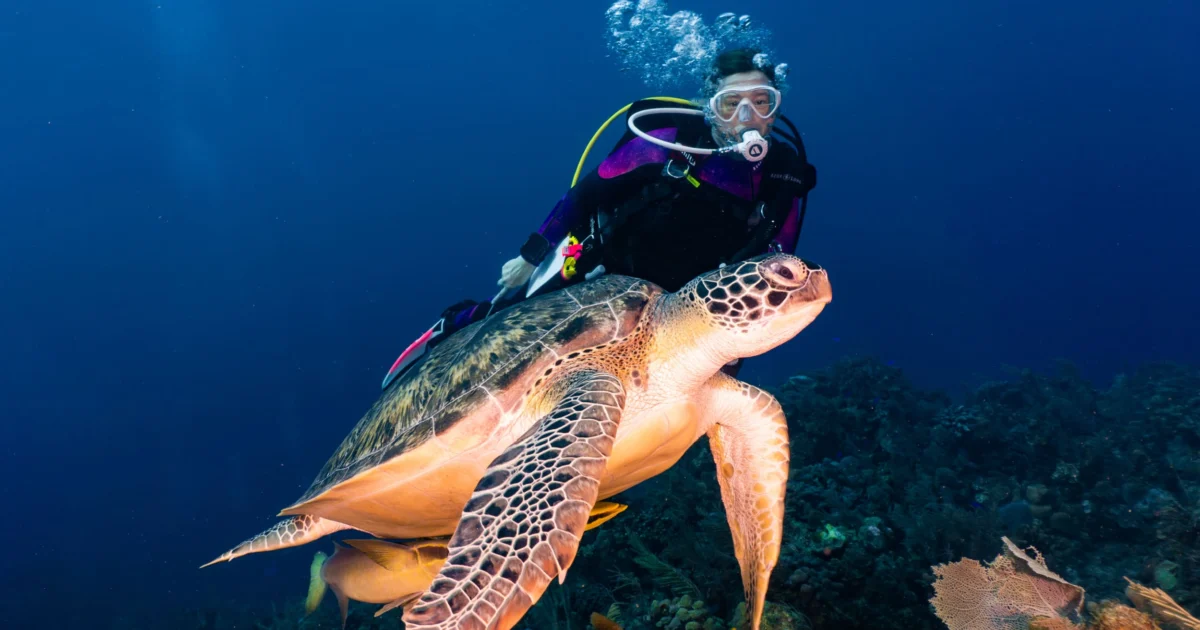
For many, travel is a seasonal indulgence—a brief escape from the monotony of the nine-to-five. But for Robin Reiner, travel is not a destination; it is an ecosystem, a pedagogical tool, and a way of life. By bridging the gap between scientific inquiry and leisure, Reiner has carved out a unique niche in the luxury travel industry, proving that exploration, when done with intention, can be a transformative force for both the traveler and the environment.
The Genesis of an Explorer: A Professional Chronology
Robin Reiner’s career trajectory is anything but conventional. Her professional life began not in a cubicle, but beneath the surface of the world’s oceans. With a background as a biologist and a former science teacher, Reiner’s early career was defined by the intersection of discovery and education.
Her transition into the travel industry was organic, born from years spent managing group travel for complex, high-stakes scuba diving expeditions. Navigating the logistics of transporting groups to remote, underwater environments required a level of precision that few in the tourism sector possess. It was during these years—managing the intricate balance of oxygen tanks, marine regulations, and group dynamics—that Reiner realized the modern traveler was craving more than just a hotel room. They were craving a deeper connection to the planet.
"As a biologist and a teacher," Reiner explains, "I saw travel as an opportunity to bridge the gap between sightseeing and understanding. My goal was to create experiences that allowed travelers to focus on what really matters—exploration, authentic connection, and adventure that leaves a positive footprint."
This realization led to the founding of her personalized travel consultancy, a firm that discards the "cookie-cutter" approach to tourism in favor of curated, sustainable, and scientifically informed itineraries.
The Philosophy of Sustainable Adventure
At the heart of Reiner’s practice is a core philosophy: travel should be an act of conservation. In an era of over-tourism and climate instability, Reiner advocates for "sustainable adventure." This involves selecting destinations that prioritize the health of the ecosystem and local community welfare over mass-market convenience.
Expertise and Focus
Reiner’s expertise is rooted in her dual background. She specializes in:
- Scuba and Marine Exploration: Leveraging her scientific expertise to curate diving experiences that prioritize marine conservation.
- Eco-Conscious Adventure: Designing itineraries that minimize carbon footprints while maximizing immersion in natural landscapes.
- Educational Tourism: Infusing trips with biological insights, turning a holiday into a masterclass on local biodiversity.
"When you take a client to the Caribbean, you aren’t just showing them a beach," says Reiner. "You are showing them the health of a coral reef, the resilience of a mangrove forest, and the importance of supporting local, sustainable hospitality."
Geography of Preference: Why the Caribbean and Costa Rica?
When asked about her most popular destinations, Reiner points to two regions that embody her vision: Dominica and Costa Rica. These choices are no coincidence; both locations are global leaders in ecological preservation and biodiversity.
Dominica, often called "The Nature Island," offers a rugged, untamed beauty that appeals to the traveler who wants to disconnect from the digital world and reconnect with the Earth. Costa Rica, on the other hand, provides the gold standard for ecotourism. Through her work, Reiner facilitates access to these regions by partnering with vetted, sustainable operators—a process she supports using resources like Tourism Cares to ensure that every recommendation meets rigorous environmental and social standards.
The Art of Family Travel: A Multi-Generational Approach
One of the most complex challenges in the travel industry is balancing the divergent interests of multi-generational families. Reiner’s approach to family travel planning is refreshingly egalitarian.
"The most valuable tip I can offer," Reiner notes, "is to democratize the planning process. Too often, parents dictate the itinerary, leading to friction. I insist on asking the children and the parents what their favorite activities are. By identifying the ‘ideal’ for every member of the group, we can build a schedule that balances high-octane adventure with necessary downtime."
This strategy shifts the travel experience from a series of forced family activities to a collaborative adventure. By integrating education—such as guided nature walks or citizen science projects—into the itinerary, Reiner ensures that the younger generation gains an appreciation for the environment while the adults enjoy the logistics-free peace of mind that comes with professional planning.
The Tech-Enabled Human Touch
While Reiner’s work is deeply personal and rooted in human connection, she is a proponent of leveraging technology to streamline the logistics of travel. In the modern landscape, where travelers expect real-time updates and seamless coordination, she relies on platforms like Travefy.
"Travefy is an essential tool," she explains. "It allows my clients to see their entire itinerary at a glance, from flight details to restaurant reservations. It serves as a central nervous system for the trip, facilitating communication before, during, and after the experience. However, technology should only facilitate the trip; the core value remains the human expertise, the vetted locations, and the personal relationship I build with the traveler."
Beyond logistical tools, Reiner uses her digital presence—particularly her website—as a visual portfolio. By showcasing the destinations she has personally explored, she establishes a level of trust that automated booking sites cannot replicate.
Implications for the Future of Tourism
Reiner’s approach signals a broader shift in the travel industry. As global awareness of climate change grows, the "tourist" is being replaced by the "traveler"—someone who is more mindful of their impact and more interested in the authenticity of their experience.
The Economic and Environmental Impact
By focusing on sustainable locations and local operators, consultants like Reiner are driving capital into communities that prioritize conservation. This creates a positive feedback loop: the more demand there is for sustainable travel, the more incentive local governments and businesses have to protect their natural assets.
The Education Component
Furthermore, Reiner’s background as an educator highlights a growing trend in luxury travel: the desire for "transformational experiences." Clients are increasingly willing to pay for experiences that offer intellectual stimulation. Whether it is learning about coral restoration in the Caribbean or understanding the reforestation efforts in Costa Rica, travelers are looking to return home not just rested, but informed.
Conclusion: A Blueprint for Better Exploration
Robin Reiner’s career is a testament to the idea that passion, when combined with rigorous professional standards, can create a sustainable business model. By treating every itinerary as a scientific endeavor and every client as a partner in conservation, she has moved beyond the traditional travel agent role to become an architect of experiences.
For the modern traveler, the lessons from Reiner’s practice are clear:
- Be Intentional: Choose destinations that align with your values.
- Involve the Family: Ensure that all participants have a voice in the planning phase.
- Seek Expertise: Rely on professionals who have been to the ground and have vetted the experiences for sustainability.
As we look toward the future of global tourism, the path forward is paved by professionals like Reiner, who understand that the ultimate luxury is not just comfort—it is the privilege of seeing the world in a way that ensures it remains worth seeing for generations to come.
Photo courtesy of Robin Reiner.
 Ammar Sabilarrohman
 Muslim
 Nila Kartika Wati
