CHICAGO — More than seven decades after the brutal murder of 14-year-old Emmett Till shocked the global conscience and galvanized the American civil rights movement, a powerful new exhibition asks a haunting, imaginative question: What if he had lived?
Currently on view through December 19, 2026, at the Museum of Contemporary Photography (MoCP) at Columbia College Chicago, If Emmett Till Lived: Freedom on American Ground draws from the institution’s extensive permanent image collection. Rather than focusing solely on the tragedy of his death, the exhibition constructs a visual, speculative biography of the life Till was denied—a life that would have seen him celebrate his 85th birthday this year.
Curated by scholar and writer Sarah Lewis, the exhibition brings together generations of master photographers to map out a parallel American history, one where Till returns home to Chicago from Mississippi, grows up, falls in love, raises a family, and witnesses seismic shifts in American culture and politics.
Main Facts: The Exhibition and Its Premise
Exhibition If Emmett Till Lived: Freedom on American Ground
Location: Museum of Contemporary Photography (MoCP) at Columbia College Chicago
Dates: Open through December 19, 2026
Curator: Sarah Lewis
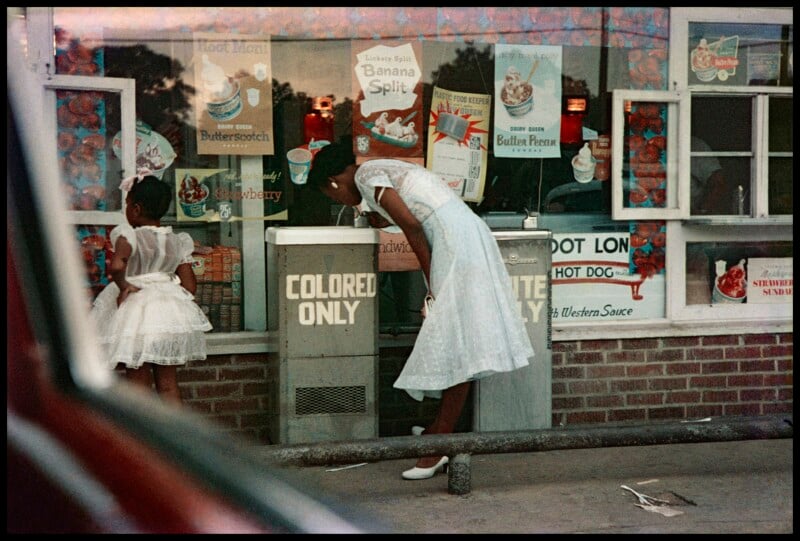
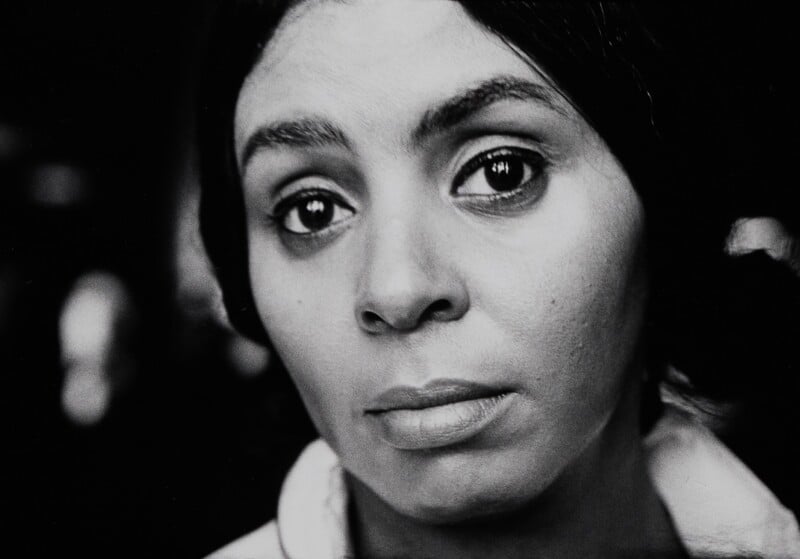
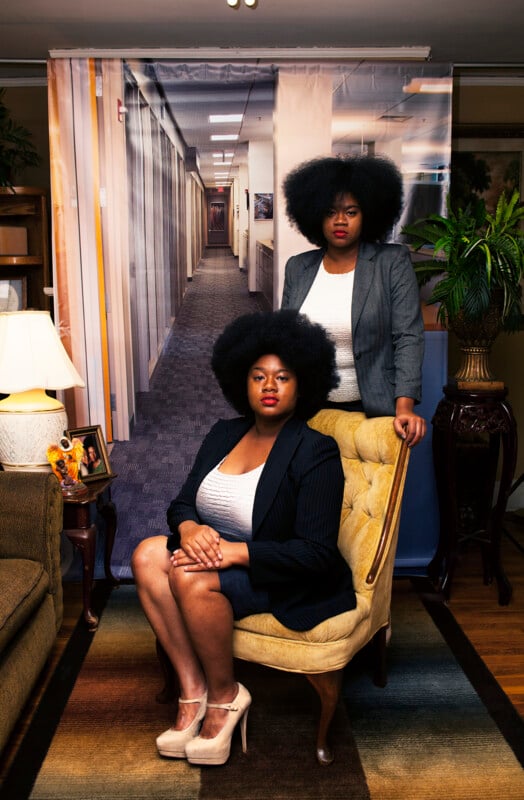
Featured Artists: The exhibition features works from an illustrious roster of multigenerational photographers, including Gordon Parks, Dawoud Bey, Henri Cartier-Bresson, Dorothea Lange, Carrie Mae Weems, Teju Cole, Laylah Amatullah Barrayn, Stephen Marc, Barbara Crane, and Sheila Pree Bright, among others.
Core Concept: The exhibition uses historical and contemporary photographs to visualize an alternate timeline spanning roughly 70 years of life that Till never got to experience, mapping themes of transit, domesticity, civil rights progress, and cultural milestones.
The galleries are not filled with archival documents of the trial or graphic photographs of Till’s mutilated body. Instead, viewers encounter intimate portraits of fatherhood, quiet suburban afternoons, bustling city streets, railroad lines crossing the American landscape, and triumphant cultural touchstones—such as Michael Jordan’s championship era with the Chicago Bulls and the historic election of Barack Obama.
"This show and the book that is its counterpart should not have to exist—and that is why I felt called to make them," curator Sarah Lewis stated. "They claim the ground of Till’s untaken journey from Mississippi back to Chicago. His life is the epitome of the question we still grapple with today: Who has a right to the ground, to claim the right to stand?"
Chronology: From the Tragedy of 1955 to a Speculative 2026
To understand the emotional and historical weight of If Emmett Till Lived, one must trace the timeline of events that transformed a young Chicago teenager into an immortal symbol of racial injustice, and subsequently, into this profound artistic meditation.
August 1955: The Murder
In the summer of 1955, 14-year-old Emmett Till left his home in Chicago to visit relatives in Money, Mississippi. On August 24, outside a grocery store, Till reportedly whistled at a white woman named Carolyn Bryant. Days later, he was abducted from his uncle’s home by Bryant’s husband and brother-in-law.
Till was brutally beaten, shot, and thrown into the Tallahatchie River, weighed down by a 75-pound cotton gin fan tied around his neck with barbed wire. His body was recovered days later. Recognizing the horror of her son’s condition, Mamie Till-Mobley made the courageous and historic decision to hold an open-casket funeral in Chicago, allowing tens of thousands to witness the brutality of Jim Crow racism. Photos of his disfigured face were published in Jet magazine, searing the reality of American racial terror into the national consciousness.
Late 1955–1957: The Catalyst for Movement
The all-white jury swiftly acquitted Till’s killers, who later brazenly confessed to the crime in a magazine interview. The miscarriage of justice served as an immediate catalyst for the civil rights movement:
December 1955: Just months after Till’s murder, Rosa Parks refused to give up her seat on a Montgomery, Alabama bus. Parks later explicitly noted that Emmett Till was on her mind when she made her historic stand, having recently attended a memorial rally led by a young minister named Martin Luther King Jr.
1957: Public outrage over Till’s lynching and the subsequent impunity of his murderers fueled intense congressional debates, ultimately culminating in the passage of the Civil Rights Act of 1957, which established federal protections for African American voting rights.
2026: An Imagined Milestone
If Emmett Till had survived that fateful trip to Mississippi, he would have turned 85 years old this year. MoCP’s exhibition steps into this counterfactual timeline, treating the intervening seven decades not as a vacuum, but as a canvas of ordinary and extraordinary Black American life.
Supporting Data and Artistic Framework
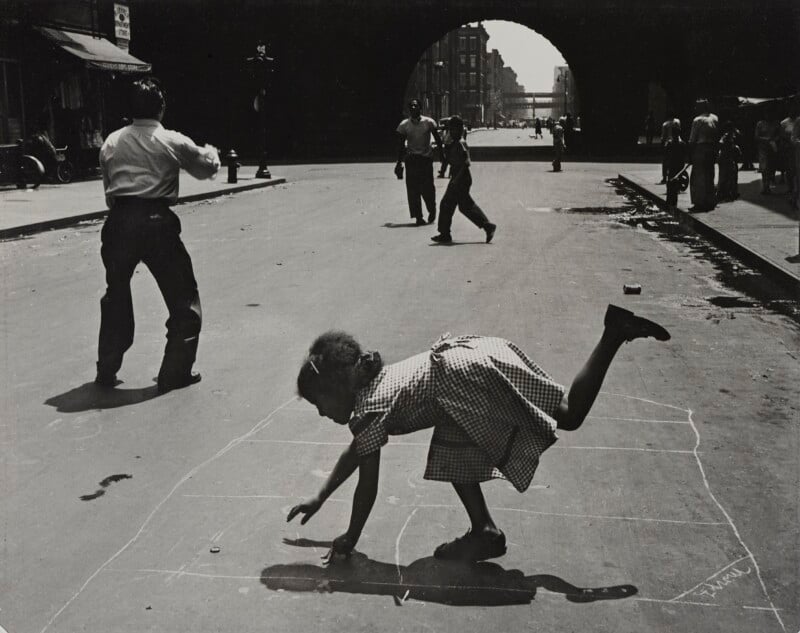
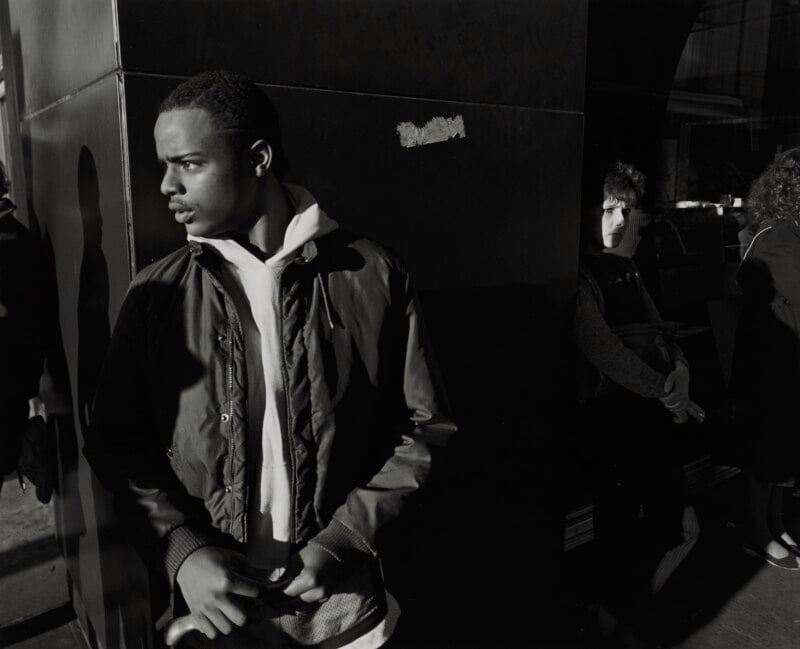
The curatorial framework of If Emmett Till Lived relies on juxtaposition. By pairing mid-century street photography with contemporary imagery, the exhibition bridges historical eras to construct a continuous narrative of Black resilience, joy, and everyday existence.
Transit and Migration: Photographs capturing railroad lines and cross-country journeys nod to the Great Migration—the historical movement of millions of African Americans out of the rural Southern United States to urban centers like Chicago, which was Till’s home.
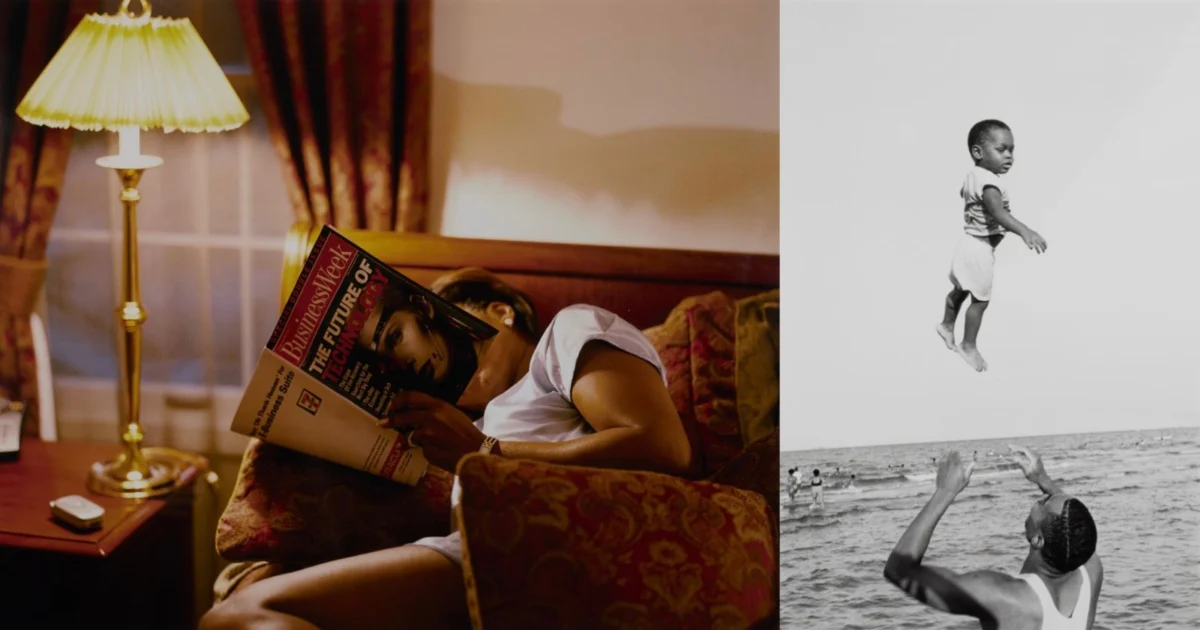
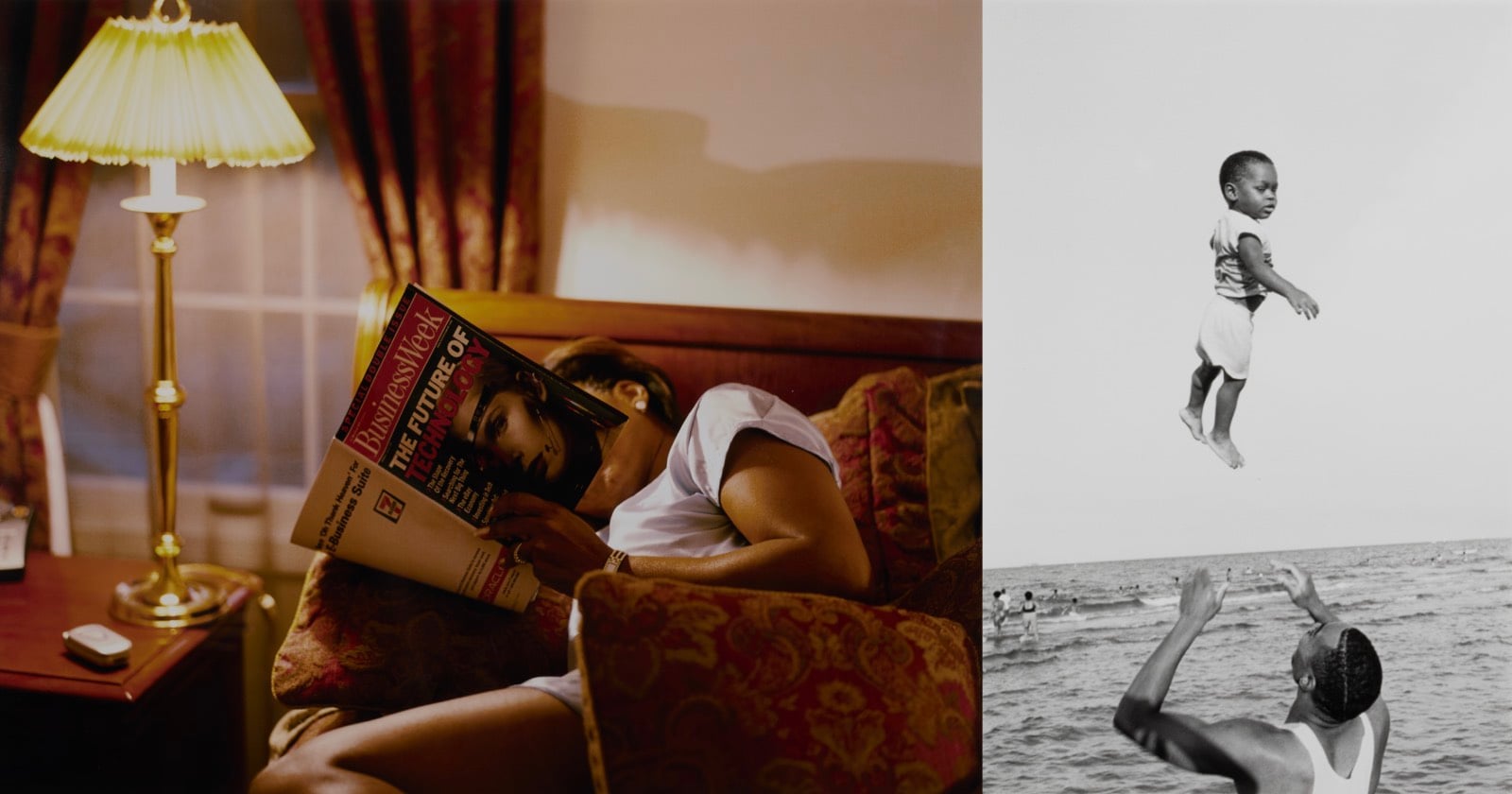
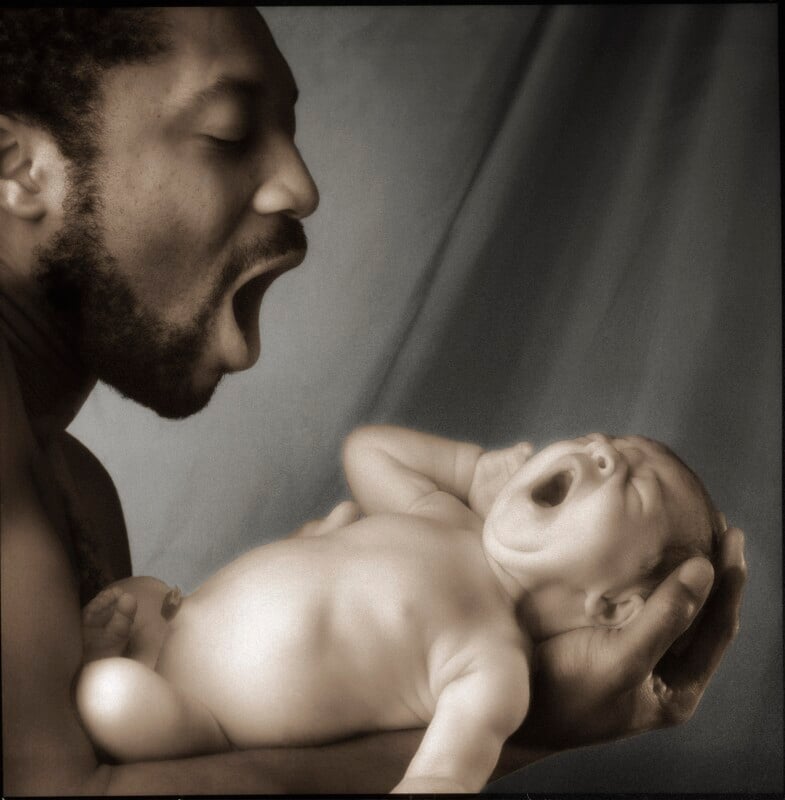
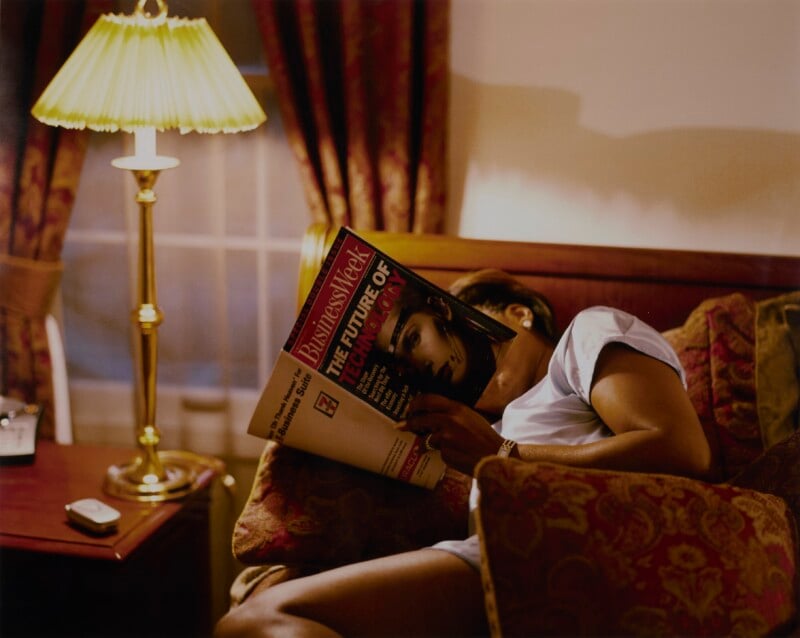
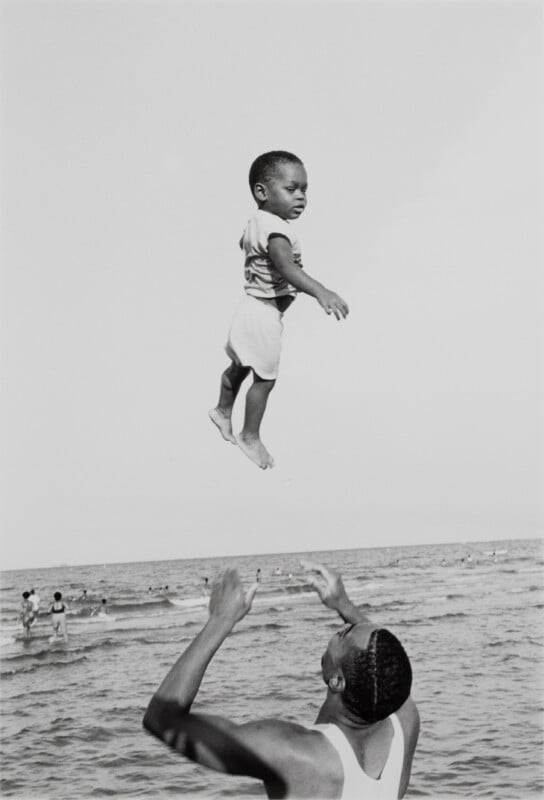
Domesticity and Fatherhood: Intimate works, such as Phil Borges’ 1990 gelatin silver print Paternity (depicting a father and newborn yawning together) and Stephen Marc’s sun-drenched beach photographs from Changing Chicago, visualize the milestones Till was denied: marriage, raising children, and growing old.
Civic and Cultural Triumphs: The exhibition incorporates powerful portraiture, including Dawoud Bey’s 2006 photograph of Barack Obama sitting in a tan leather chair prior to his presidency, anchoring the speculative narrative in the actual milestones achieved by Black Americans over the decades.
The accompanying publication and exhibition act as a visual archive that honors not just Till, but every Black and brown individual whose life was cut short by systemic violence.
Official Responses and Perspectives
The artistic community and institutional leaders have rallied around the exhibition, viewing it as both a heartbreaking elegy and a fierce demand for accountability.
"Why create this show and publication now?" Sarah Lewis asked during the exhibition’s opening. "Because more than seventy years after Emmett Till’s death, we are still asking, have we made good on the sacrifice of his life? We should not have to ask this."
Lewis emphasized that the project serves as a "creative monument" to the inherent right of any person—specifically Black and brown youth—to simply live their lives unmolested.
Directors at Columbia College Chicago noted that hosting If Emmett Till Lived aligns with the institution’s mission to foster rigorous public dialogue through contemporary art. By housing the exhibition within its Museum of Contemporary Photography, the college provides students, scholars, and the broader public a space to confront historical trauma through the transformative lens of creative imagination.
Implications: Why This Exhibition Matters Today
In an era marked by intense cultural debates over the teaching of history, systemic racism, and the ongoing struggle for civil rights, If Emmett Till Lived offers a vital paradigm shift.
1. Reclaiming Humanity Over Martyrdom
Histories of marginalized groups are frequently centered around trauma and victimhood. While acknowledging the horrific violence of Till’s death is essential, this exhibition insists on reclaiming his humanity. By imagining Till as an elder, a father, a neighbor, and a retiree, the exhibition rescues him from being merely a historical symbol of tragedy, restoring the richness of an unlived life.
2. A Mirror to Contemporary America
Curator Sarah Lewis points out that the exhibition asks a lingering, uncomfortable question about modern society: Have we built a world where a young Black boy can travel, grow, and thrive without fear? The persistence of racially motivated violence and civil rights battles decades after 1955 suggests that America is still struggling to answer in the affirmative.
3. Photography as an Act of Memory and Justice
The medium of photography itself plays a crucial role. Just as Mamie Till-Mobley used the camera lens to expose the truth of her son’s murder to the world in 1955, contemporary photographers in this exhibition use their craft to build an alternate reality—proving that art can challenge history, honor the fallen, and demand a more just future.
If Emmett Till Lived: Freedom on American Ground remains on view at the Museum of Contemporary Photography at Columbia College Chicago through December 19, 2026.



 Sagoh
Sagoh  Layla Zulfa
  Asro
Asro 