

For the North American traveler, landing in Europe often feels like stepping onto a sprawling, open-air runway. Whether you are navigating the historic boulevards of Paris, the bustling piazzas of Rome, or the sleek, minimalist streets of Copenhagen, one observation remains consistent: European women possess an innate, seemingly effortless ability to look polished, regardless of the occasion. Even a mundane errand—like picking up fresh milk at a local grocer—is treated as an opportunity to present a curated, stylish silhouette.
After years of residing in the heart of Paris, I have learned that this "European look" is less about expensive designer labels and more about a set of cultural principles regarding fit, quality, and restraint. If you are preparing for your next transatlantic trip, understanding these unspoken fashion codes will not only help you blend in with the locals but also ensure you pack with purpose.
The Foundation: Understanding the European Aesthetic
It is a common misconception that European fashion is governed by rigid, inaccessible rules. While the "Parisian uniform" of monochrome black is a popular trope, the reality is far more vibrant and diverse. European fashion is fundamentally about expression, but it is tempered by a deep appreciation for the "timeless" over the "trendy."

The Golden Rule: It’s All About the Fit
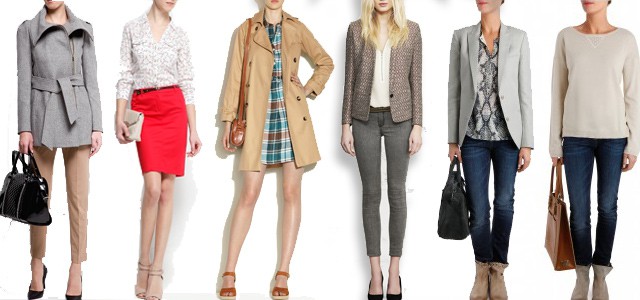
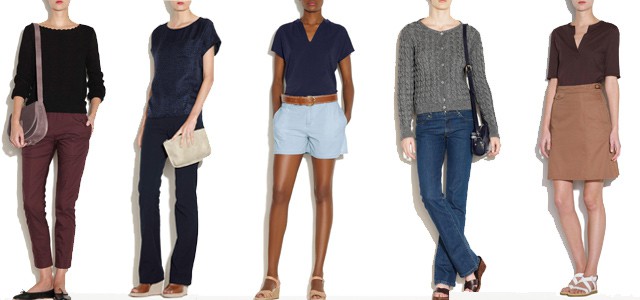
The most significant differentiator between the average tourist and a local is the fit of the clothing. While many travelers rely on oversized, comfortable athleisure, the European aesthetic leans toward tailored, structured pieces. Europeans are far more likely to invest in a modest garment from a high-street retailer—such as H&M, Zara, or Mango—and take it to a professional tailor to ensure it drapes perfectly. A ten-dollar adjustment to a hem or a waistline can elevate an inexpensive piece to look like a high-end designer garment.
The Philosophy of Simplicity
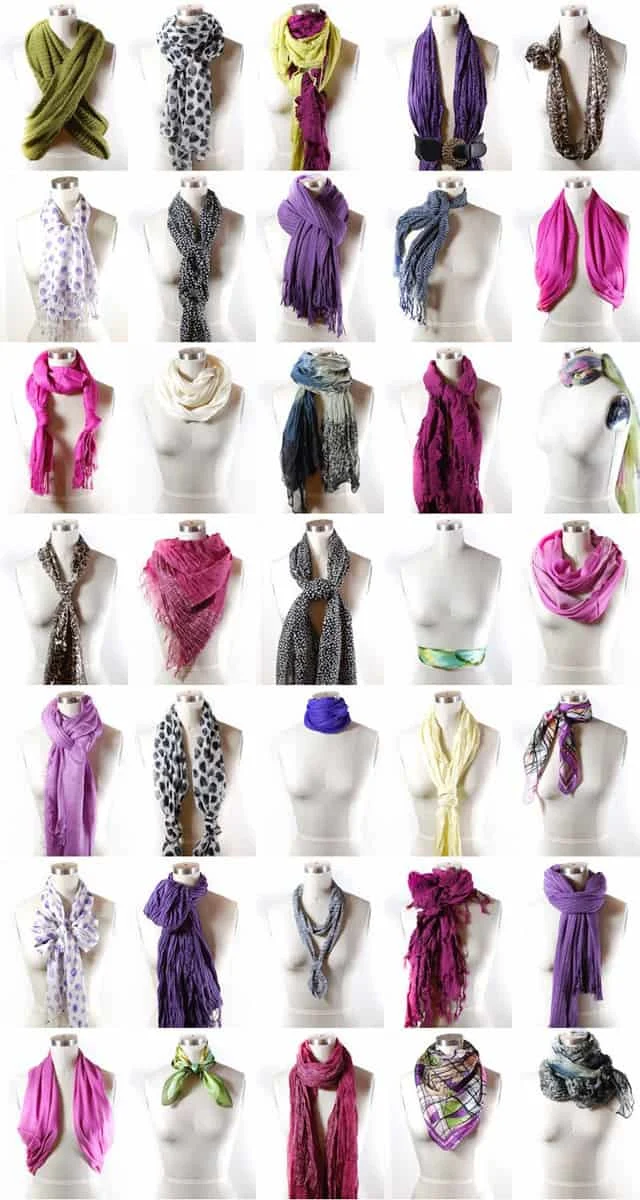
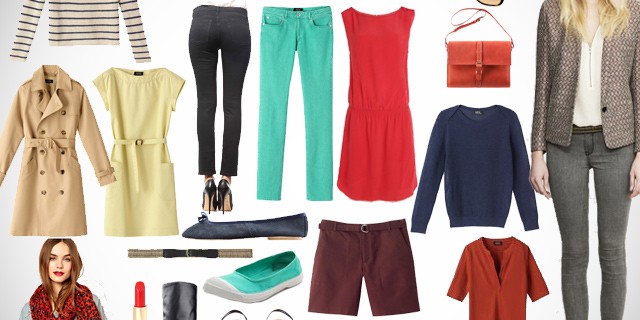
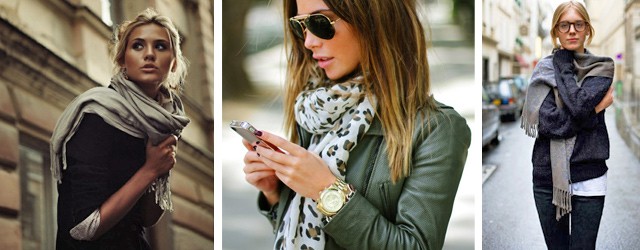
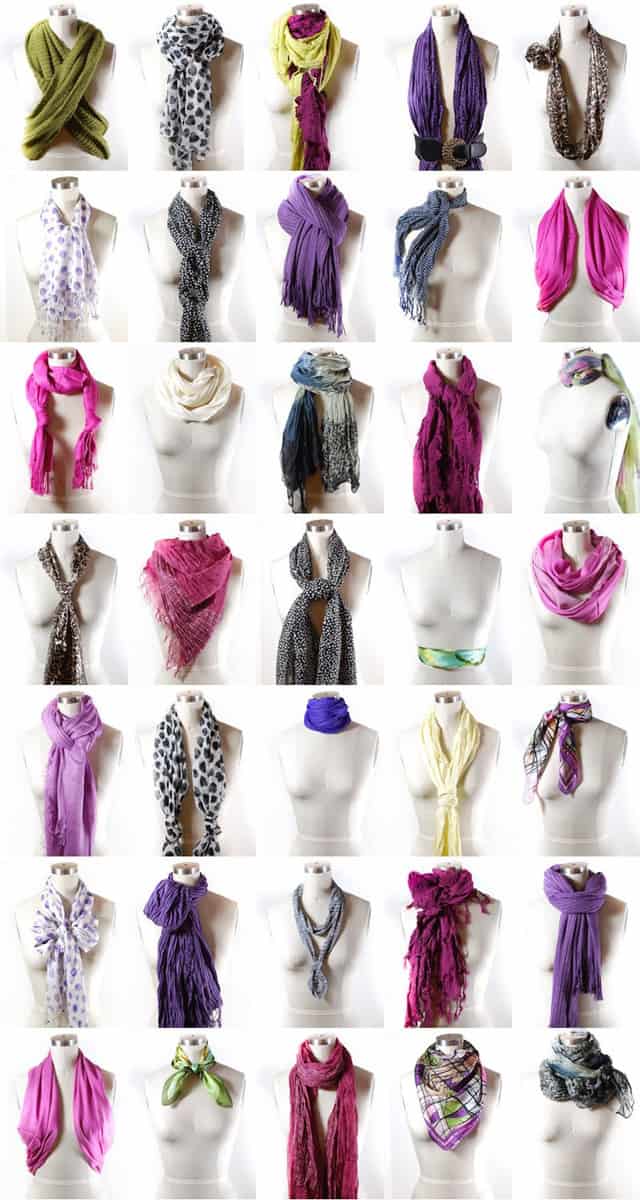
European style operates on the principle of "less is more." A wardrobe is built upon a foundation of classic, versatile staples—neutral trousers, crisp button-down shirts, and quality knitwear. Once this base is established, the look is finished with a singular, high-impact accessory. This might be a vibrant silk scarf, a statement piece of jewelry, or a structured leather handbag. This contrast—pairing a neutral, chunky knit sweater with a sleek, tailored skirt—is the secret to the effortless look that seems to evade many visitors.
Chronology of Trends: From Daily Wear to Evening Elegance
While trends cycle, certain items remain constant in the European wardrobe. Understanding how these items transition from day to night is key to packing efficiently.

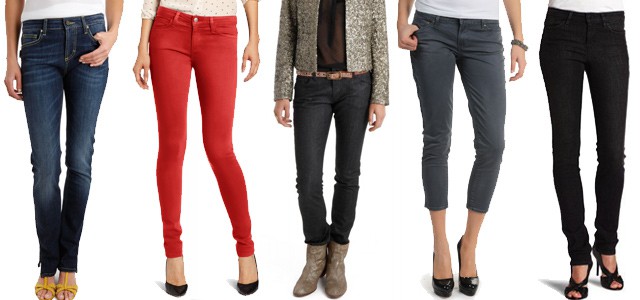
- The Denim Staple: Jeans are ubiquitous, but the silhouette remains predominantly slim or straight-leg. You will rarely see the heavily distressed, light-wash denim common in some North American regions. Instead, look for dark-wash, charcoal, or grey denim that maintains a polished appearance.
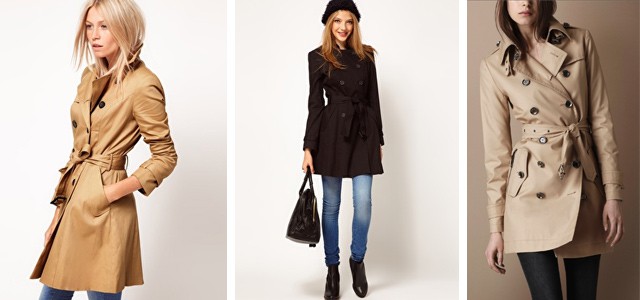
- The Power of the Trench: A well-fitted trench coat is a staple of European urban life. It serves as the ultimate transitional garment, providing a chic barrier against unpredictable weather while instantly pulling together an outfit.
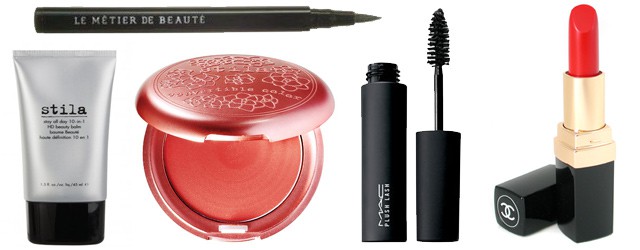
- The "Effortless" Beauty Look: European beauty standards generally favor a natural, "no-makeup" aesthetic. The goal is to look as though you spent five minutes getting ready, rather than an hour. However, the one exception is the lip: a bold, classic red lip is considered a timeless accessory that requires little else to look sophisticated.
Supporting Data: Footwear and the Cobblestone Challenge
If there is one area where tourists frequently fail, it is footwear. European cities are historic, which means they are defined by cobblestones, uneven limestone, and miles of walking.
The Stiletto Paradox
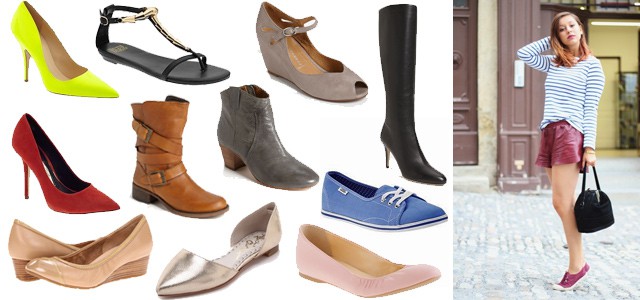
You will see European women wearing high heels, but they have years of experience navigating difficult terrain. For the visitor, attempting to wear stilettos on a historic street is a recipe for disaster. If you desire height, opt for a wedge or a block heel, which offers the stability necessary for walking.
The Sneaker Revolution
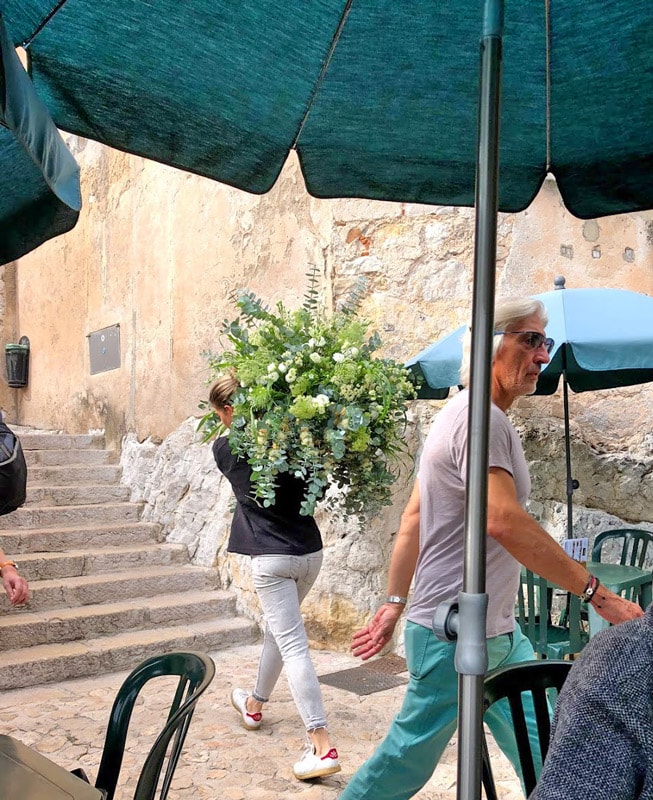
It is a myth that Europeans do not wear sneakers. In fact, white, minimalist leather sneakers are a fashion staple. The key is to avoid "running shoes"—those neon-colored, mesh-heavy athletic shoes designed for the gym. If you want to wear sneakers, choose brands and styles that are streamlined and fashionable, such as classic tennis shoes or low-profile leather trainers. Brands like Veja, Superga, or high-end versions from Nike and Adidas fit seamlessly into the urban landscape.
Professional Insights: Packing Strategy and Practicality
Traveling with limited luggage is a reality of the modern era, and the challenge is balancing aesthetic goals with the need to carry your life in a suitcase.
The Science of Packing Light
The goal is to curate a "capsule wardrobe." By focusing on neutral colors—black, navy, camel, and white—every top you pack can be paired with every bottom. This increases your outfit combinations exponentially without increasing the volume of your luggage.
The Role of Accessories
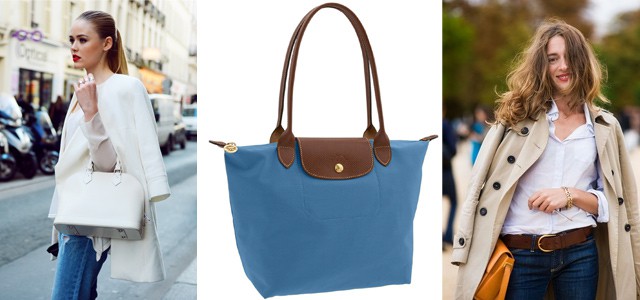
Accessories are the easiest way to change the "vibe" of an outfit without adding weight to your bag. A simple black dress can be transformed from a daytime museum-touring outfit to an evening dinner ensemble simply by changing from a canvas tote and flats to a structured clutch and a pair of ankle boots.
Essential Travel Brands
For those looking to invest in travel-specific clothing, look for brands that prioritize high-performance fabrics. Modern materials can be moisture-wicking, odor-resistant, and wrinkle-proof, all while appearing like standard cotton or linen. Companies like Athleta, Prana, and various tech-focused travel labels have begun bridging the gap between "outdoorsy" and "urban chic."
Implications for the Modern Traveler
When we look at the broader implications of how we dress abroad, we find that fashion is, in many ways, a form of cultural etiquette. Dressing with a bit more intention is often viewed as a sign of respect for the culture you are visiting. By opting for a more polished look, you may find that you are treated with a higher degree of service in restaurants and shops.
The "No Sweats" Policy
It bears repeating: leave the sweatpants and oversized hoodies at home. In major European cities, these are strictly reserved for the gym or the privacy of one’s own living room. If you are worried about comfort on a long flight, opt for high-quality leggings paired with a long tunic or a cashmere sweater. This allows for comfort while maintaining a level of dignity that fits into the European public sphere.
The Final Verdict: Authenticity is Key
While this guide provides a roadmap, the most important element of any outfit is confidence. The reason Europeans look so good is that they are comfortable in their choices. They do not overthink their outfits; they prioritize quality over quantity and comfort over fleeting fads.
As you prepare for your travels, remember: you are not trying to be a Parisian or a Roman. You are trying to be the most polished version of yourself. Use these tips as a framework, but don’t be afraid to inject your own personality. After all, the true spirit of travel is the intersection of local inspiration and personal expression.

When you return home, you may find that the "European way" of dressing—buying less, choosing better, and valuing the fit—has permanently altered your own relationship with your wardrobe. And that, perhaps, is the most valuable souvenir of all.
 Ammar Sabilarrohman
  Pevita Pearce
  Azzam Bilal Chamdy