

For nearly two millennia, the silent, stone-entombed streets of Pompeii have held the world in a state of morbid fascination. Since its rediscovery, this UNESCO World Heritage site has served as a poignant time capsule, offering an unparalleled window into the daily lives, anxieties, and sudden, cataclysmic end of a Roman civilization. Each year, over 2.5 million visitors traverse its excavated ruins, yet the story of the city’s final hours has often been relegated to either dry academic texts or sensationalized, low-budget dramatizations.
National Geographic’s latest three-part docudrama series, Pompeii: Out of Time, seeks to bridge that divide. Anchored by the charismatic presence of Marvel star and history enthusiast Tom Hiddleston, the series blends rigorous historical inquiry with a cinematic visual language, aiming to redefine the “historical docudrama” genre. By weaving together expert testimony, archaeological evidence, and high-stakes dramatic reenactment, the series invites viewers to experience the eruption of Mount Vesuvius in 79 A.D. not as a distant historical footnote, but as a visceral, unfolding tragedy.
The Vision: Fusing Cinema with Academic Rigor
The ambition behind Pompeii: Out of Time was to move away from the “cheesy” aesthetic often associated with television historical reenactments. Achieving this required a total reimagining of the visual grammar of historical storytelling.
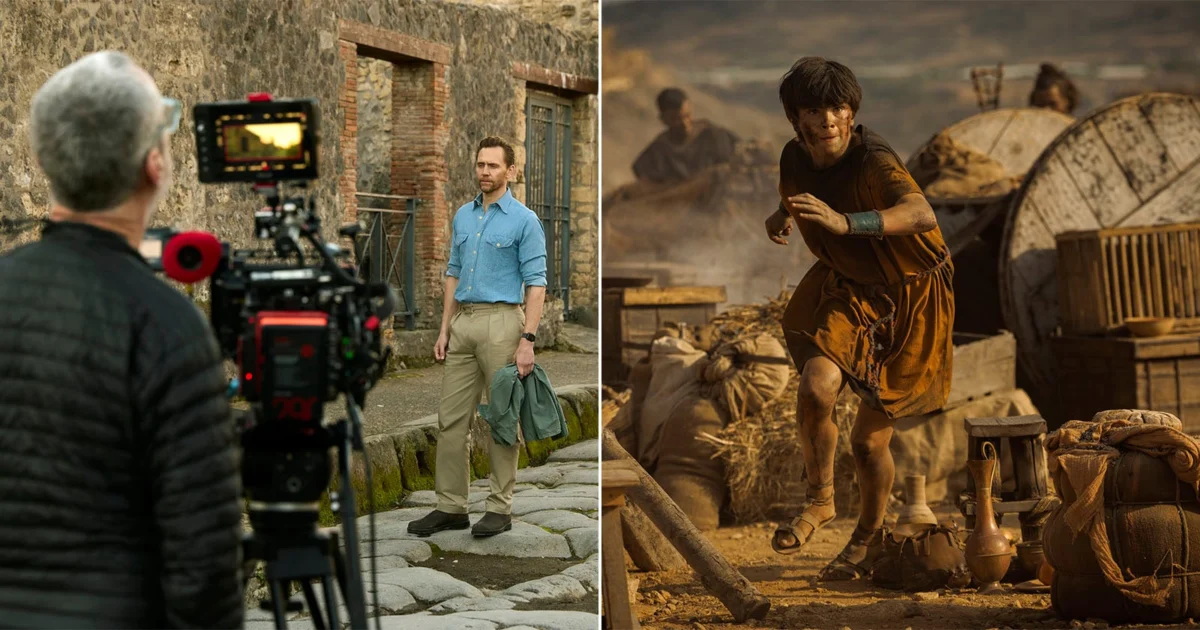
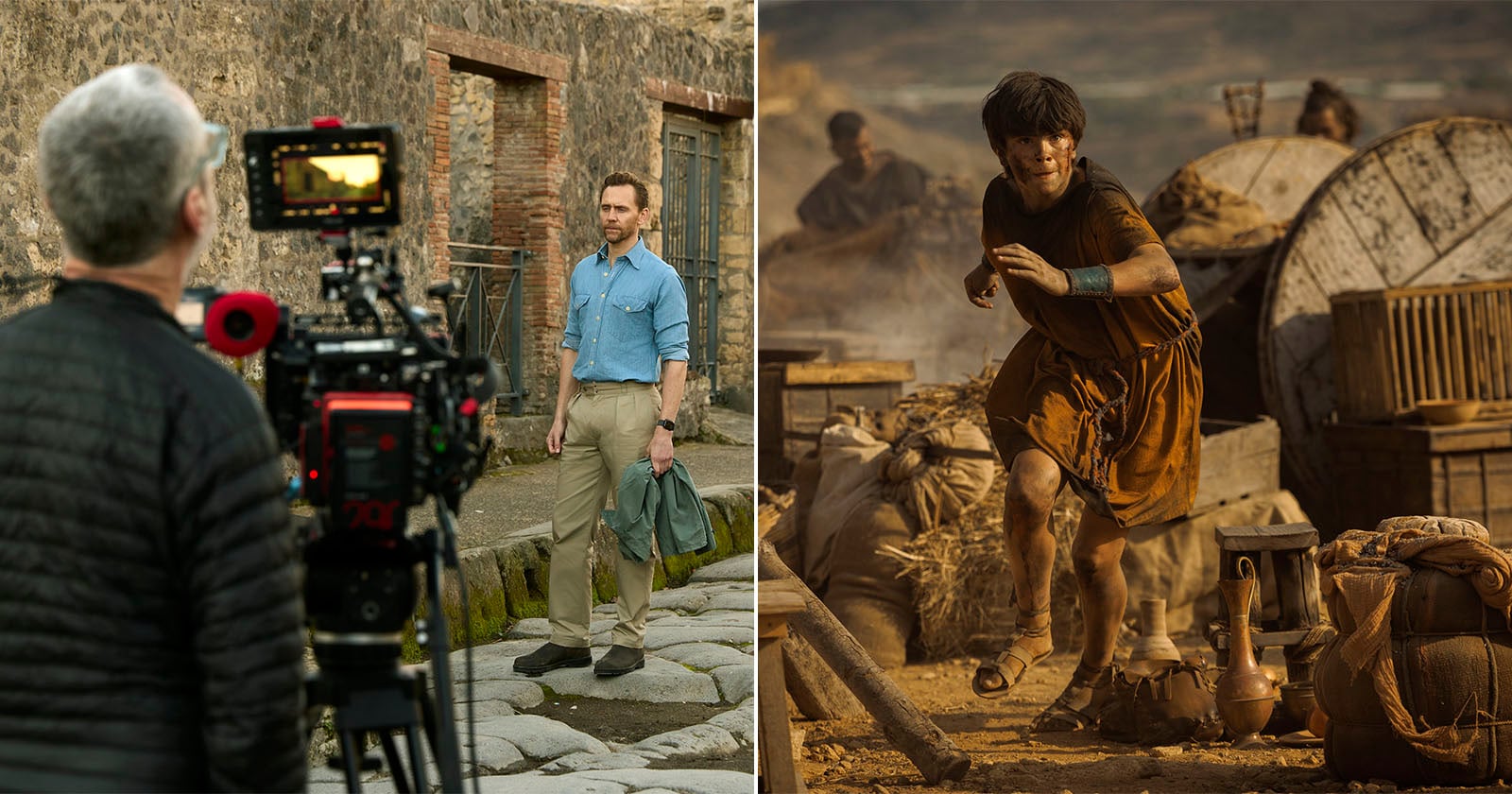
Cinematographer Jim Jolliffe, working in close collaboration with director Tom Barbor-Might, sought to create a visual bridge between the modern-day investigation of the site and the historical narrative of the victims. The creative team settled on using Caldwell Chameleon anamorphic prime lenses, paired with the Arri Alexa 35 cinema camera.
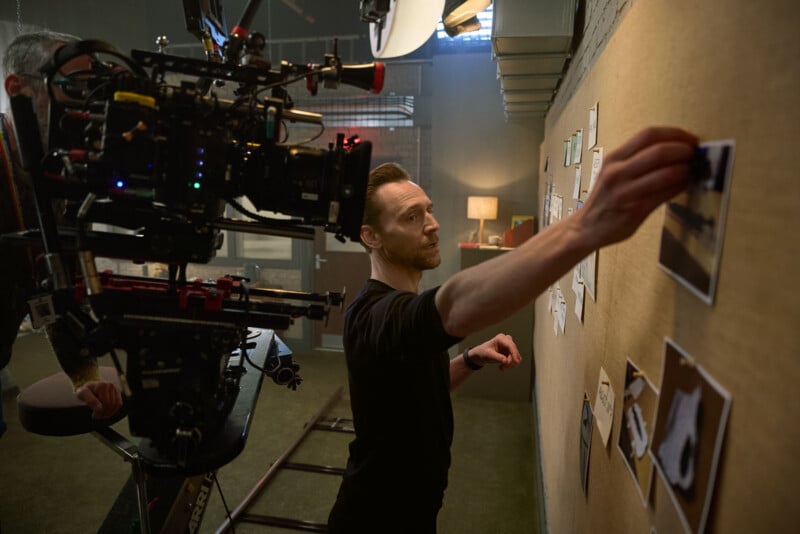
“The first thing we thought was that we both wanted to shoot on anamorphic lenses,” Jolliffe explains. “We thought, first, it’s obviously great for the drama, and second, it would be a great way to visually tie the drama-world into the present-day with Tom and his interviews.”
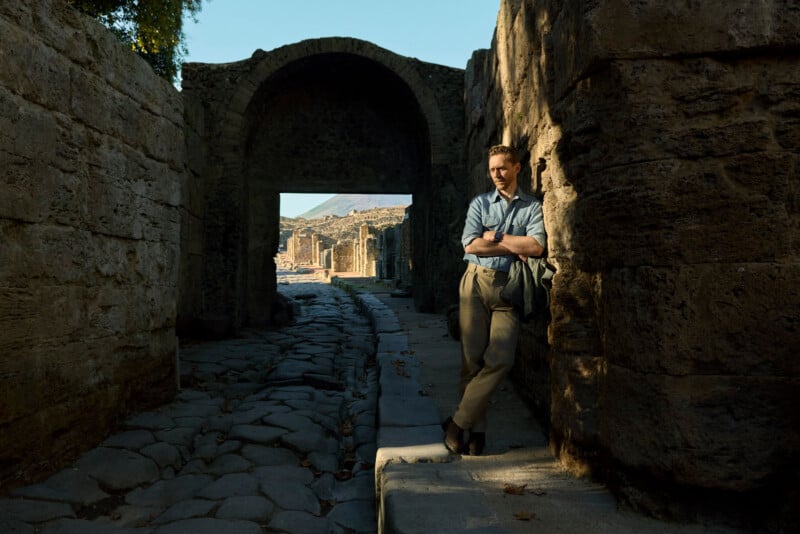
This stylistic choice lends the series a distinct, wide-screen cinematic texture that elevates the production value, ensuring that the reenactments carry the weight of a feature film rather than a standard television documentary. The anamorphic glass provides beautiful flares and a unique depth of field, though Jolliffe notes that the practical limitations of the set—which often lacked edge lighting—meant the team had to be inventive with how they captured light.
Chronology of the Catastrophe
The series is structured to guide the viewer through the temporal stages of the disaster: the period of relative normalcy, the onset of the “tremors,” the eruption itself, and the immediate, harrowing aftermath.
Pre-Eruption: The Calm Before the Storm
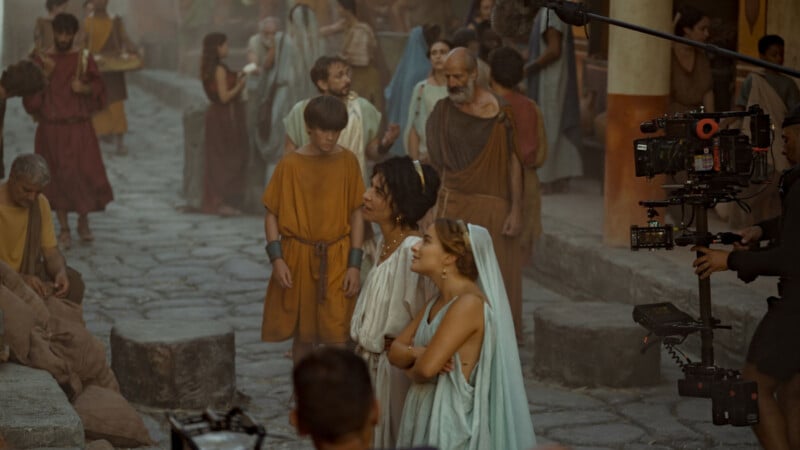
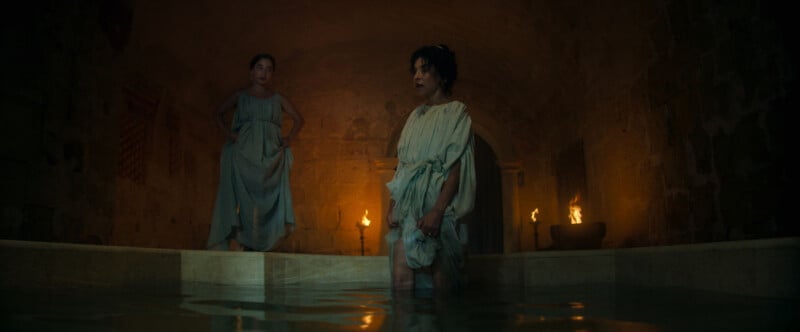
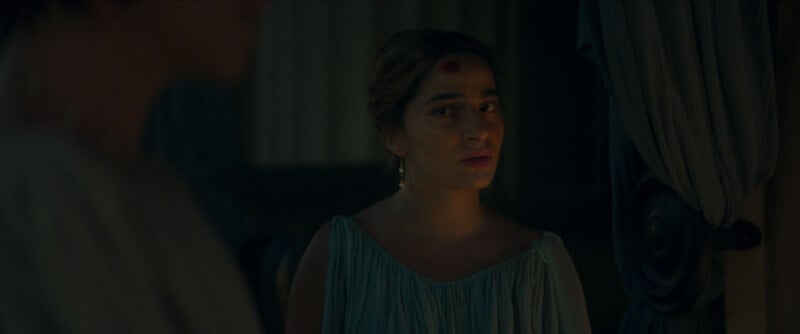
The initial segments are characterized by a warmer color palette, reflecting the vibrancy of life in a bustling Roman city. The cinematography here is stable and slower-paced, intended to immerse the audience in the domestic details of the characters’ lives—the painting of a sign, an argument between neighbors, the routine of a bathhouse.
The Eruption: The Shift in Tone
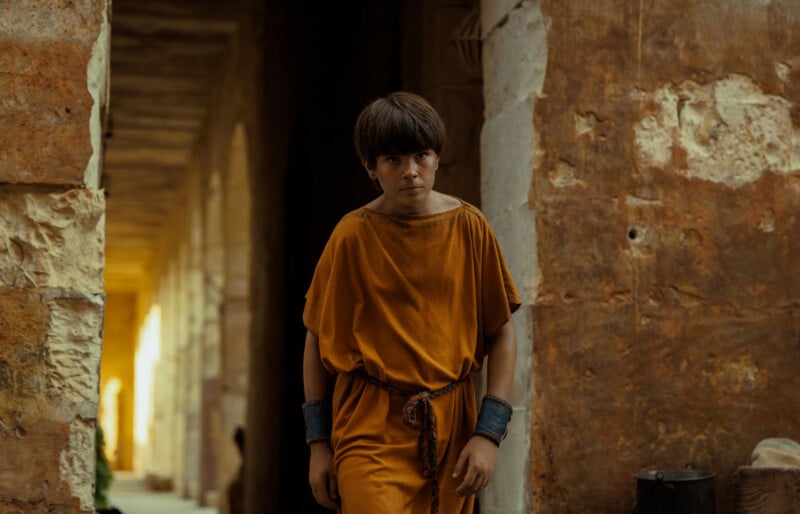
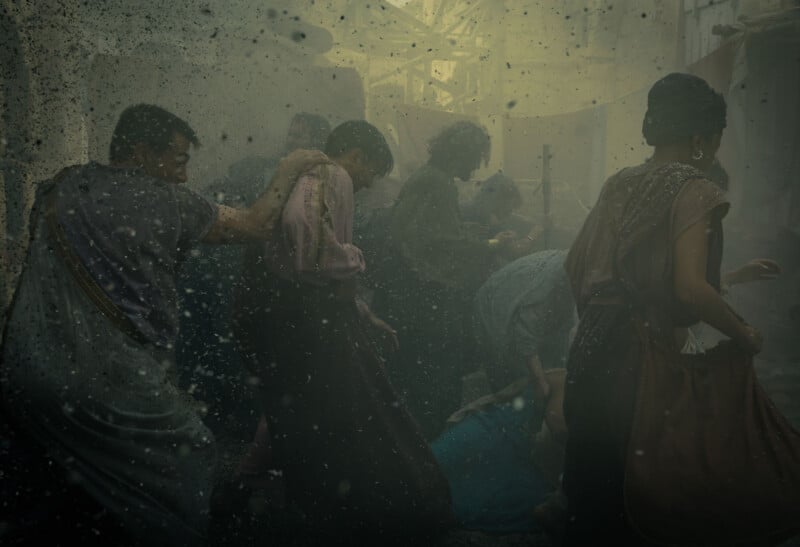
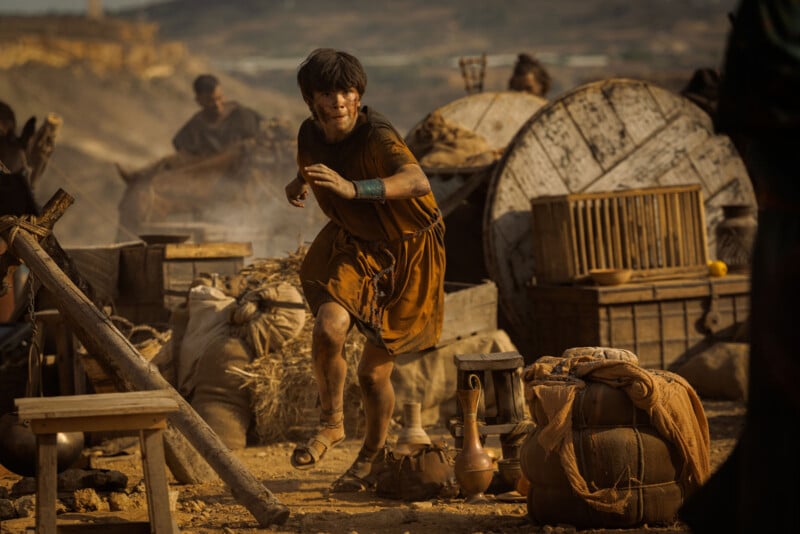
As the narrative moves into the eruption phase, the aesthetic shifts dramatically. The color palette cools, and the camerawork becomes kinetic and aggressive. Moving from the stable, observational style of the pre-eruption sequences, the eruption scenes adopt a “run-and-gun” approach. The use of camera shake and chaotic framing mirrors the disorienting, terrifying experience of the citizens of Pompeii and Herculaneum as they faced the literal collapse of their world.
Post-Disaster: Survival and Fallout
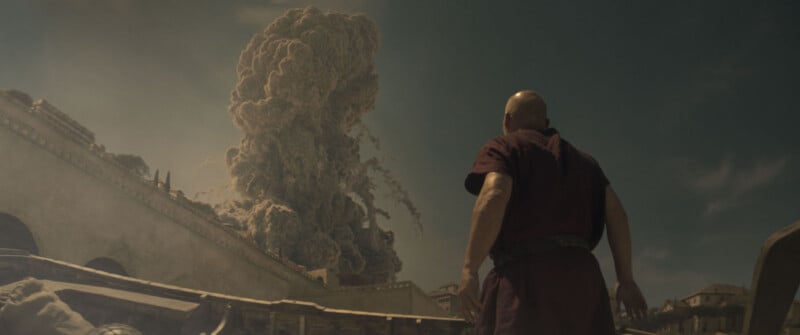
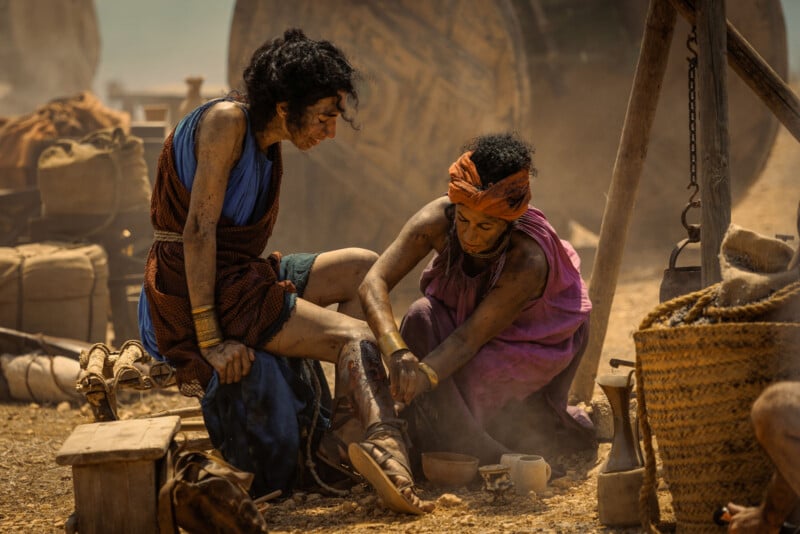
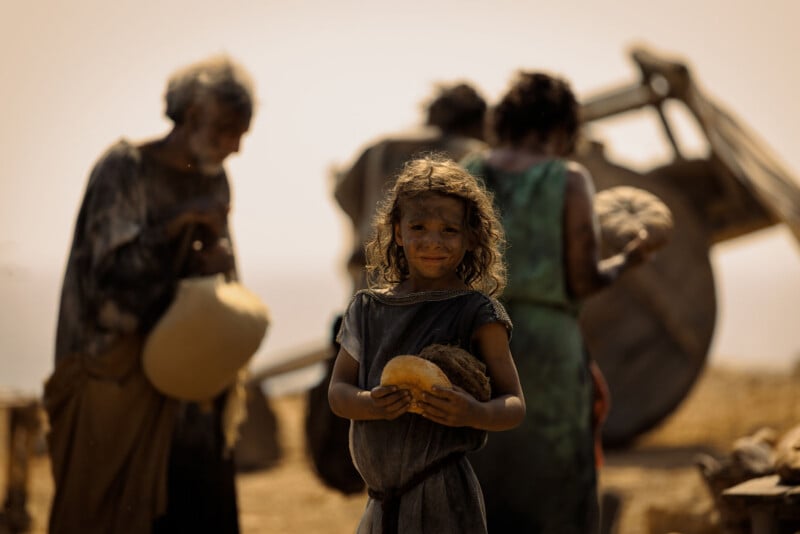
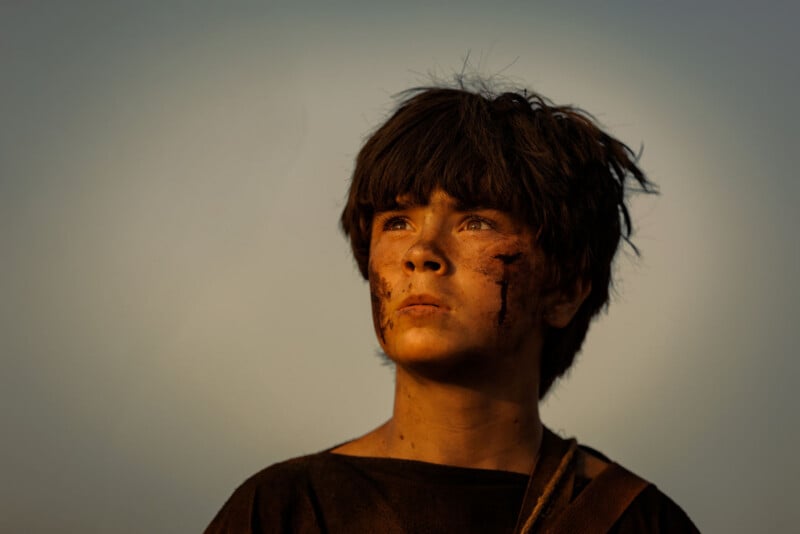
The final segments focus on the harrowing aftermath—the displacement camps and the psychological toll on the survivors. The lighting transitions once more, often silhouetting characters against the harsh, unforgiving sun of the Mediterranean coast, emphasizing the isolation and desperation of those left to pick up the pieces of a decimated society.
Technical Execution and Creative Constraints
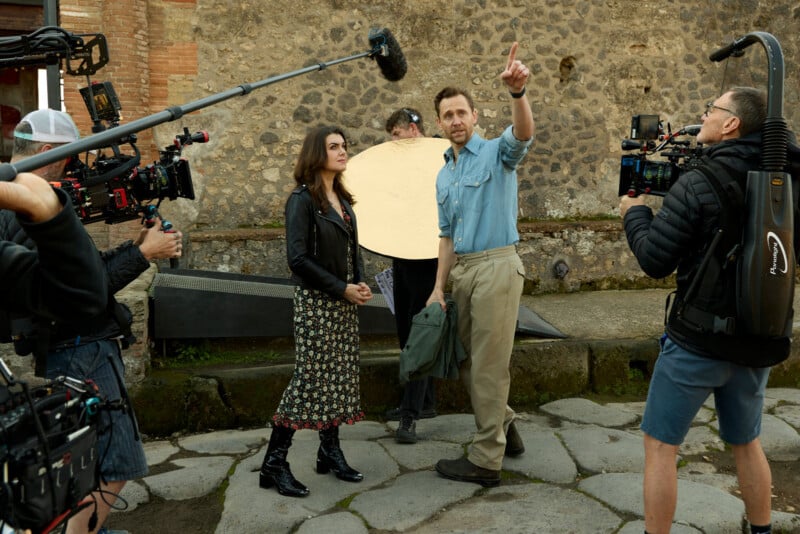
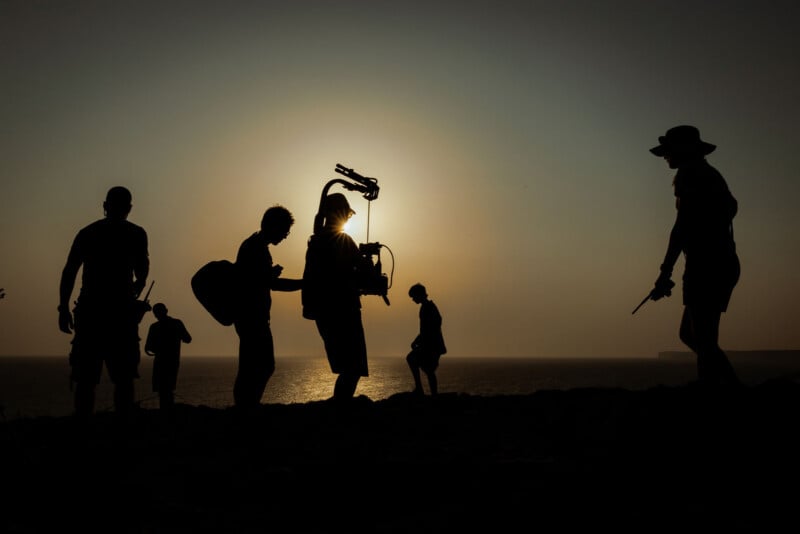
One of the most significant hurdles for the production team was the logistical constraint of filming on location. Because they were often operating within the delicate, protected ruins of Pompeii, the crew had to remain small and agile.
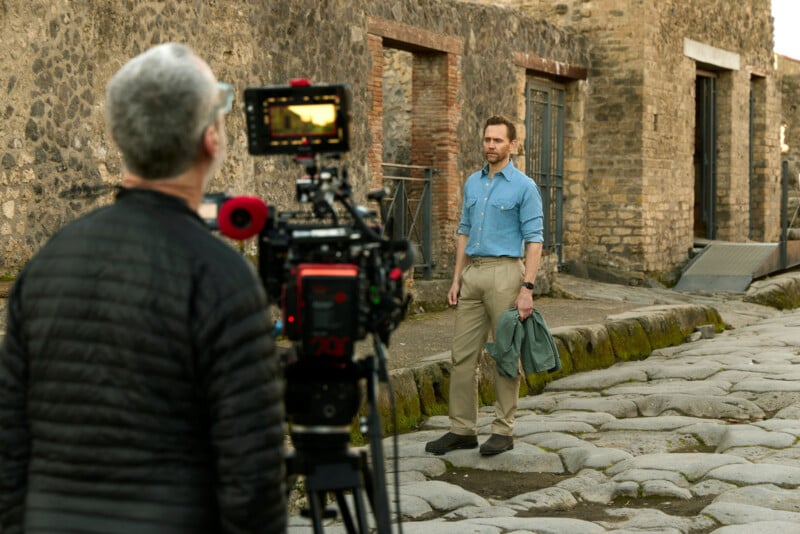
“In Pompeii specifically, the crew had to be extremely small, often including just myself, an audio technician, the director, and Tom Hiddleston,” Jolliffe recalls. The inability to bring in massive lighting rigs forced the team to rely heavily on natural light, supplemented only by modest bounce boards and diffusion.
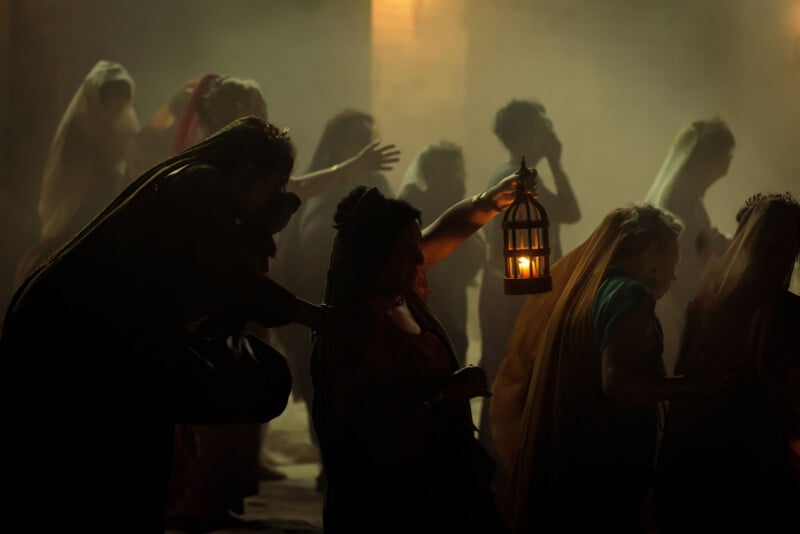
While this was a limitation, it inadvertently became the series’ greatest strength. By relying on natural light for both the dramatic reenactments and the present-day interviews, Jolliffe created a visual continuity that made the two timelines feel inextricably linked. When artificial light was used, it was kept to straightforward, practical LED fixtures, which provided the necessary exposure without breaking the verisimilitude of the historical scenes.
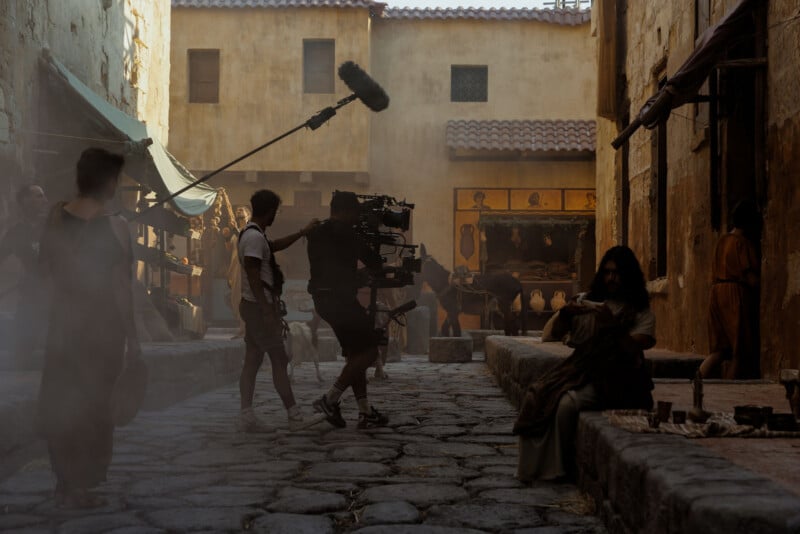
Jolliffe’s use of diffusion filters further helped to control the tone, ensuring that the transition between the warmer, stable past and the cooler, chaotic eruption remained fluid and emotionally resonant.
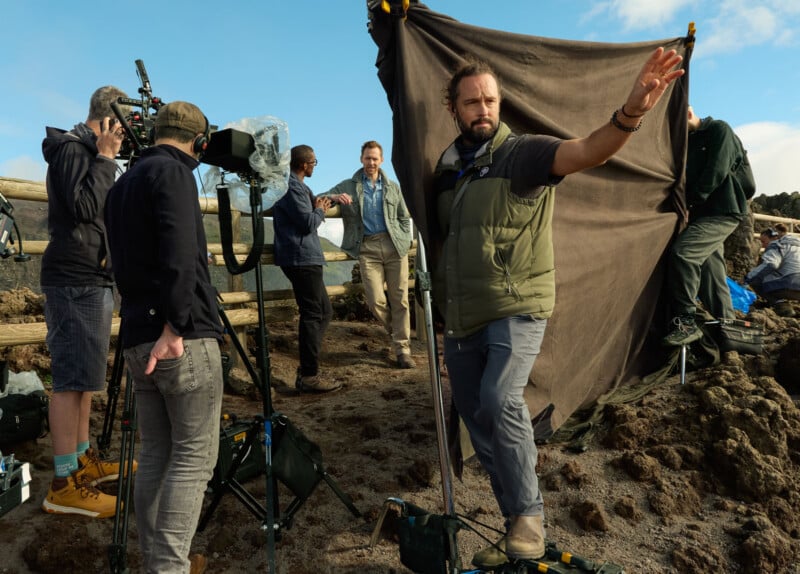
The Role of the Host: Tom Hiddleston’s Passion
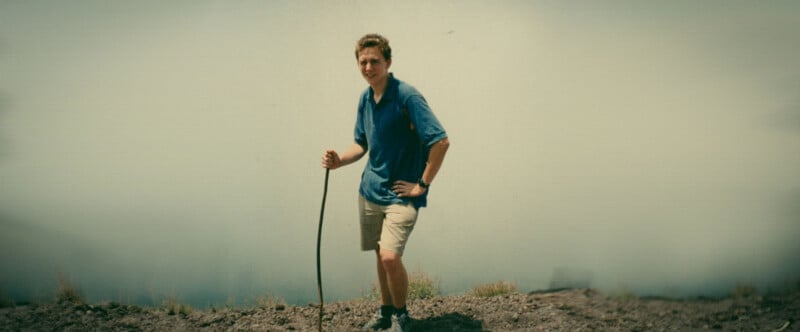
While Tom Hiddleston is known globally for his roles in high-budget superhero epics, his involvement here is deeply rooted in personal history. Long before his Hollywood career, a 17-year-old Hiddleston visited Pompeii and Herculaneum with friends in 1998, a trip documented in archival photographs that show him standing atop Mount Vesuvius.
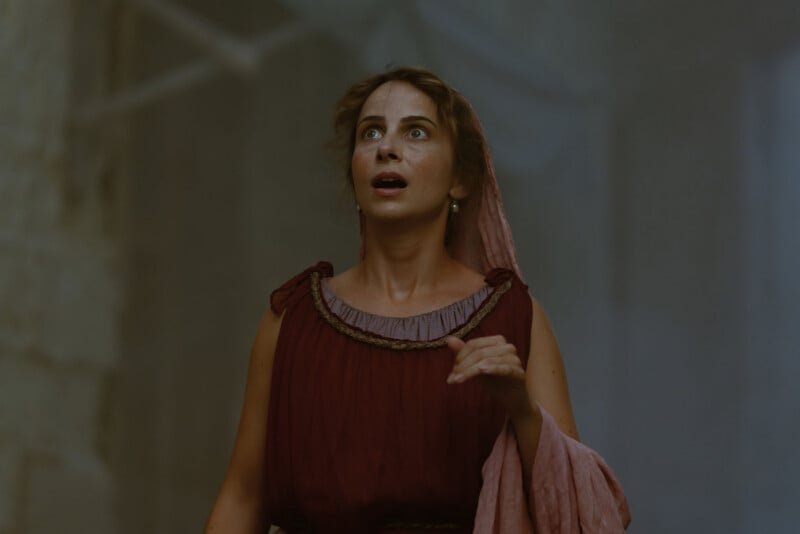
His role as Executive Producer and host was not merely titular. According to the crew, Hiddleston’s genuine passion for history was infectious. His ability to connect with the subject matter—and, more importantly, with the archaeologists and academics featured in the series—was a vital component of the production. These experts, who are often unaccustomed to being in front of a camera, felt a comfort level with Hiddleston that allowed for more natural, deeply intellectual, and engaging interviews.
Official Perspectives
National Geographic has positioned Pompeii: Out of Time as a flagship project in its evolution of the historical genre. Tom McDonald, Executive Vice President of Content at National Geographic, emphasizes the importance of this new approach.
“National Geographic has spent more than a century bringing the past to life through groundbreaking discoveries, exploration, and world-class storytelling,” McDonald states. “Working with Tom and Kevin, alongside the team at Plimsoll led by showrunner Tom Barbor-Might, has been a process of inventing an entirely new genre of history programming—one which brings evidence and imagination together in a way which feels distinctive.”
The partnership between the production team and the academic community has been described as a "symbiotic" process, where historical accuracy was never sacrificed for the sake of drama. Instead, the drama is used as a vehicle to convey the academic findings more effectively to a modern audience.
Implications for Historical Documentary Filmmaking
The success of Pompeii: Out of Time serves as a benchmark for future productions in the genre. It proves that audiences are hungry for "premium" documentary content that respects their intelligence while providing the aesthetic satisfaction of high-end drama.
By prioritizing high-quality cinematography, careful color grading, and a narrative that balances the emotional weight of human stories with the cold, hard facts of archaeology, National Geographic has set a high bar. The series demonstrates that you don’t need an infinite budget or massive CGI set pieces to make history feel relevant; you need a clear vision, a deep respect for the subject, and the courage to break the mold of traditional, "talking-head" documentary formats.
As viewers prepare to dive into the three-part series, they are not just being shown a city that died; they are being invited to understand the complex, fragile, and ultimately human essence of what it meant to live in the shadow of Vesuvius.
Pompeii: Out of Time premieres on National Geographic on July 22 at 9/8c, and will be available to stream the following day, July 23, on Disney+ and Hulu. In conjunction with the series, National Geographic is publishing a major feature story in their August issue detailing the latest discoveries from the three Roman cities destroyed by the eruption.
 Reynand Wu
  Suro Senen